
Reviewed · WINE TASTINGS
Apulia: Guided Wine Tasting with Local Appetizers
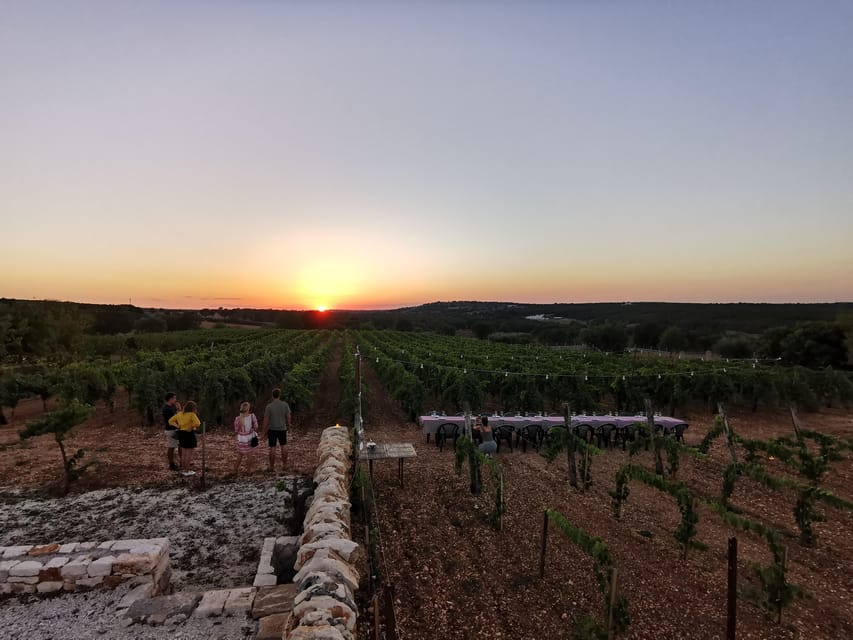
The best part of this two-hour visit is the setting: you taste wine among the rows of vines, not in a formal city tasting room. At Vigna il Castagno, a family-run farm in the Itria Valley, the wines come with a clear sense of place and a look at everyday Apulian farming.
I like the four distinct indigenous grapes and the way each glass comes with its own homemade appetizer. I also like the relaxed, personal touch, including the helpful service reported from Vincenzo, who has arranged pick-up and drop-off for at least one visitor. The main thing to consider is that this is a short farm tasting, not a full winery tour with a large production facility or an elaborate meal.
Key points
- Four local grape varieties: Taste Verdeca, Moscato, and Nero di Troia in white, rosé, and red styles.
- A vineyard walk comes first: The experience connects the wine to the vines and agricultural traditions of the Itria Valley.
- Four food pairings: Each glass is served with a typical Apulian appetizer, making this more satisfying than a wine-only tasting.
- Family-run atmosphere: The farm setting feels friendly and informal, with olive oil, wine, and spices available for purchase.
- English and Italian guides: Explanations cover grape varieties, harvesting, and the farm’s move toward organic farming.
- Good value at $37: You receive four wines, four appetizers, a vineyard visit, and two hours of guided hosting.
A farm tasting with the vines under your feet
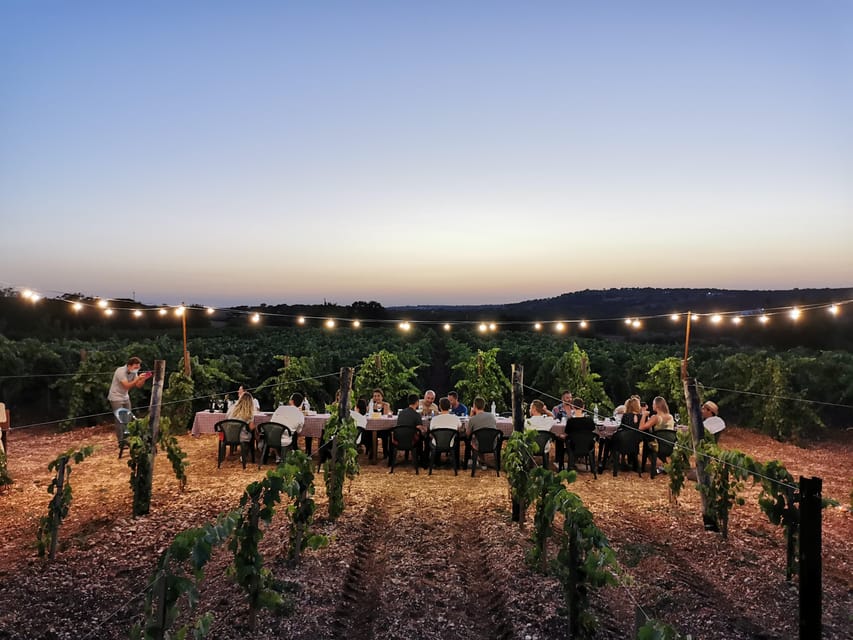
I like wine tours that give you a little context before putting a glass in your hand. Here, the vineyard walk helps you connect the finished wine with the soil, vines, harvest, and work behind it.
The setting is a charming farm in Apulia, in or near the Itria Valley, an area closely associated with vineyards, olive trees, and small agricultural businesses. You are not simply seated at a table while someone lists tasting notes. The visit begins with a walk among the vines, then moves into the tasting itself.
The experience is offered in English or Italian. The guide explains how the grapes are harvested, how one grape can produce different types of wine, and how the farm has moved toward organic farming. That makes the visit useful even if you know very little about wine.
You should expect an informal farm atmosphere rather than a polished luxury venue. That is a plus if you want a personal connection to the producer, though it may feel too simple if you are seeking grand cellars, technical equipment, or a long formal lecture.
More Wine Tastings in Italy
- Florence: Chianti Wineries Tour with Wine Tasting
★ 4.5 · 10,071 reviews - Small-Group Wine Tasting Experience in the Tuscan Countryside
★ 5.0 · 7,392 reviews - Rome: Tuscany & Montepulciano Day Trip with Lunch & Wine Tasting
★ 4.5 · 5,232 reviews
Walking through the Itria Valley vineyard
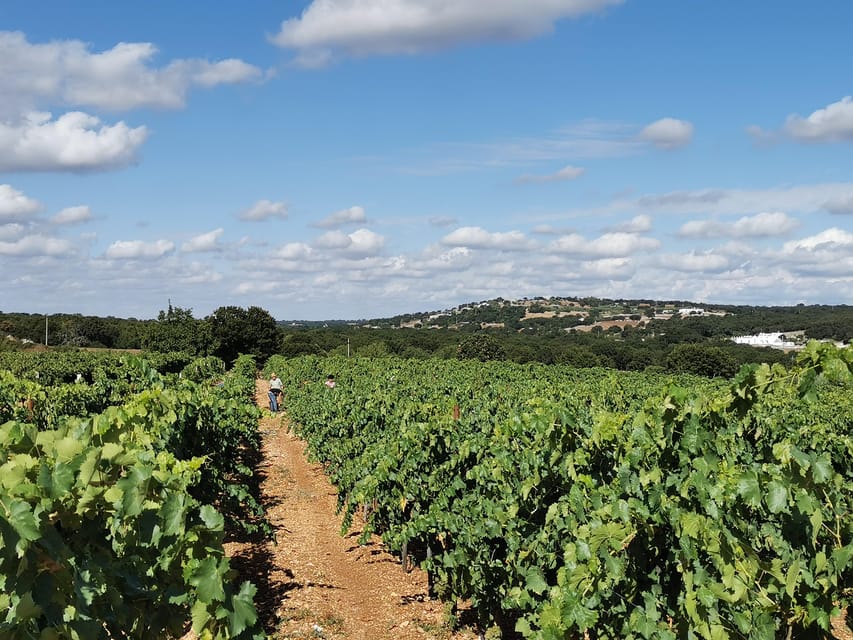
The vineyard walk is a small part of the two-hour program, but it gives the tasting its character. You see the vines before tasting what they produce, which makes the discussion of grape varieties easier to follow.
The guide may point out the differences between the local grapes used for the wines. Verdeca appears in the white Pietra Viva, Moscato in the dry white 1929 Moscato, and Nero di Troia in both the rosé 1° Luglio and the red Terra Viva.
That last detail is particularly useful. You get to compare how one grape behaves in two styles, rather than tasting four unrelated bottles. The rosé and red can show how color, structure, and winemaking choices affect the final glass.
The walk also gives you a chance to appreciate the farm as a working place. This is agricultural Apulia, where wine sits alongside olive oil, spices, and other local products. The farm shop sells its own olive oil, wine, and spices, so you can take home more than a bottle if something catches your eye.
Practical tip: comfortable shoes are sensible. You are walking in a vineyard, so this is not the moment for delicate footwear. The supplied details do not specify the surface or accessibility arrangements, so anyone with mobility concerns should ask the provider before booking.
Four wines, four different looks at Apulia
The tasting includes four glasses from Vigna il Castagno. Availability can lead to small changes, but the listed selection gives you a useful introduction to the area’s indigenous grapes.
Pietra Viva, Verdeca white
The first listed wine is Pietra Viva IGP Valle d’Itria, made entirely from Verdeca. It is a still white wine at 12 percent alcohol.
Verdeca is one of the local varieties that gives this tasting its regional focus. You are not being served a generic international white that could come from almost anywhere. The point is to taste a grape tied to Apulia and the Valle d’Itria designation.
This is a good opening wine because a white can set a lighter pace before the rosé and red. Its paired appetizer should help you notice how the wine works with food, rather than judging it in isolation.
Same region, a different bottle:
- Tuscany Day Trip from Florence: Siena, San Gimignano, Pisa and Lunch at a Winery
★ 5.0 · 21,634 reviews - Florence: Pasta Cooking Class with Unlimited Wine
★ 4.9 · 10,285 reviews - Florence: Pasta & Tiramisu Cooking Class with Unlimited Wine
★ 4.9 · 6,708 reviews - Florence: Pasta Cooking Class with Unlimited Wine
★ 5.0 · 6,413 reviews
1929 Moscato, dry white
Next comes 1929 Moscato IGP Puglia, made from Moscato and listed at 12.5 percent alcohol. It is described as a dry white wine with natural color, not a sweet dessert wine.
That distinction matters. Many people associate Moscato with sweetness, so this glass gives you a chance to see a different expression of the grape. The guide can explain how the same broad grape family can produce a dry style with a different role at the table.
The name 1929 Moscato adds a touch of local identity, but the important booking detail is its style: expect a dry white, not a sugary after-dinner pour. If you normally avoid sweet wines, this may be the most surprising glass of the four.
1° Luglio, Nero di Troia rosé
The third wine is 1° Luglio IGP Puglia, a still rosé made from 100 percent Nero di Troia and listed at 12.5 percent alcohol.
This is where the tasting becomes especially instructive. Nero di Troia appears again in the final red, so you can compare the grape in a lighter rosé format and a fuller red style. The two wines make the tasting more than a parade of separate samples.
Rosé is also a practical match for an Apulian appetizer spread. The food pairing helps show how a wine can refresh the palate and work with savory bites. The experience does not list the exact ingredients of the appetizers, so you should not expect a fixed menu or plan around a particular dish.
Terra Viva, Nero di Troia red
The final listed pour is Terra Viva IGP Puglia, a still red made entirely from Nero di Troia at 13 percent alcohol.
Ending with the red gives the tasting a natural progression from lighter whites to rosé and then a more substantial wine. The guide can return to the earlier rosé and explain how the grape’s character changes in a darker, fuller style.
The alcohol levels are moderate rather than extreme, but you are still drinking four glasses. Eat the appetizers, take your time, and avoid treating the tasting as a quick series of shots. The tour lasts two hours, which allows a measured pace.
Homemade appetizers make the tasting more useful
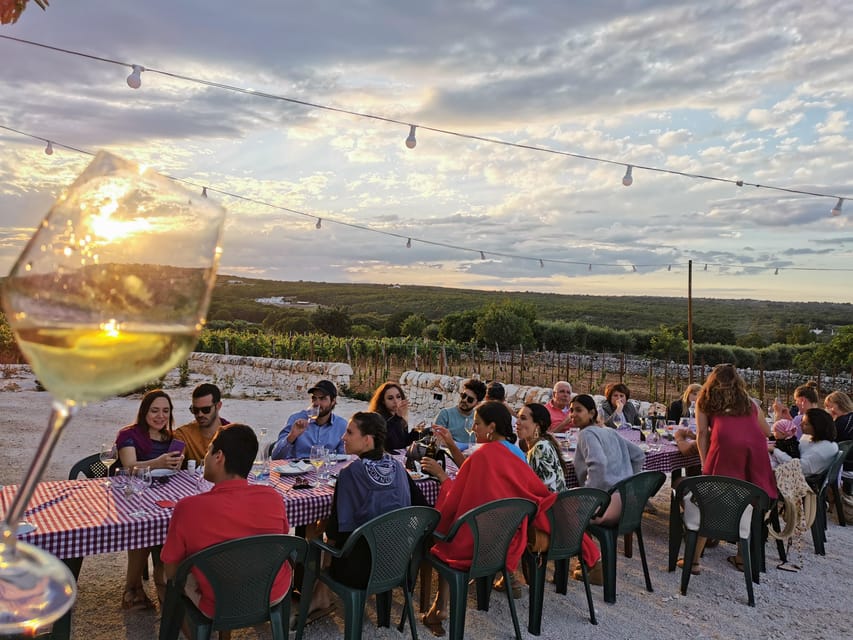
Each wine comes with one typical Apulian appetizer, for four pairings in total. The exact dishes are not specified, and that is worth noting if you have allergies or strict dietary needs. Ask ahead rather than assuming the menu will suit you.
For most people, the food is one of the strongest parts of the value. Four glasses alone can feel brief, while four glasses with four local bites become a small food-and-wine experience. The pairings also reflect how wine is actually enjoyed in Italy, alongside food and conversation.
You can use the appetizers as a simple learning tool. Taste the wine first, then try the food, and notice whether the wine seems softer, fresher, fuller, or more balanced. You do not need formal tasting skills. The guide’s explanations are intended for both casual drinkers and people with more experience.
The food is described as homemade and locally inspired, but this is not advertised as dinner. If you arrive hungry, think of the appetizers as substantial tasting portions rather than a full evening meal.
What the guide adds to the two hours
A good guide matters more than an impressive wine list, especially at a small farm. The host explains grape differences, harvesting, and the farm’s move toward organic farming. Those details help you understand the work behind the bottles without turning the visit into a technical course.
The available guide language is English or Italian. Vincenzo is specifically associated with especially attentive service, including arranging pick-up and drop-off for one person who needed help attending. The information does not promise transport for every booking, so you should confirm this directly rather than count on it.
The tone appears to be friendly and engaging. That suits this type of visit. You can ask basic questions without feeling out of place, while wine enthusiasts still have the chance to discuss grape varieties and production methods.
The farm has also been praised for being organized and welcoming. I would still keep your expectations realistic: the central experience is the vineyard walk, explanation, four glasses, and four appetizers. It is not presented as a long tour of every stage of bottling or a large-scale estate visit.
Why the $37 price makes sense
At $37 per person, the price is reasonable for a two-hour guided tasting in a vineyard. You receive four wines, four appetizers, a walk through the vines, and a guide in English or Italian.
The value is strongest if you care about local grapes and food pairings. You are not paying only for alcohol. You are paying for the setting, the explanations, the chance to compare Verdeca, Moscato, and Nero di Troia, and the personal feel of a farm visit.
It is less compelling if you want a very large tasting flight, a formal meal, or a tour focused on high-end wine production. The experience is built around regional character rather than luxury presentation.
I also like that you can reserve now and pay later, which helps if your Apulia plans are still shifting. Free cancellation is available up to 24 hours before the activity for a full refund. Check the available start times before booking, since the activity lasts two hours and the schedule can affect sunset or dinner plans.
The atmosphere: friendly, local, and unforced
The strongest theme here is the setting. The vineyard is described as beautiful, with tastings held in a lovely spot within the vines. Sunset visits can add a special quality to the evening, although the time of day depends on the start time you select.
This is a family-run business atmosphere, not a staged show. That can be exactly what you want in Apulia, especially if your wider trip includes busy towns and heavily visited sights. You get a slower pause and a direct connection to a local producer.
The farm also sells wine, olive oil, and spices. Buying something is optional, but it gives you a practical way to extend the experience at home. If you do purchase wine, remember that the exact bottles available can vary.
The setting is a major reason to book, but it is also the reason to plan for the outdoors. Weather, heat, and footwear can affect comfort. The supplied information does not provide a weather policy or detailed facilities, so contact the provider if those details are important to you.
Who should book this Apulia wine tasting
I would recommend this experience to you if you want a compact introduction to Apulian wine without committing to a full day. It works well for couples, small groups, and anyone who enjoys combining food, scenery, and local traditions.
It is also a good choice for beginners. You do not need to know the difference between Nero di Troia and Verdeca before arriving. The guide explains the basics, and tasting one grape in both rosé and red form gives you a clear lesson without too much jargon.
Experienced wine drinkers will appreciate the indigenous varieties and the comparison between styles. The tasting may feel less satisfying if you are looking for rare vintages, extensive technical data, or a large selection beyond the four listed wines.
Families and mixed groups may find the easy pace appealing, though the activity is still centered on wine. Anyone who does not drink should ask the provider what alternatives, if any, are available, since none are specified.
The rating is 4.8 from 65 reviews, and the most consistent strengths are the beautiful vineyard, friendly guide, good organization, generous tasting pours, and pleasant family atmosphere. Those are the qualities I would weigh most heavily when deciding.
Should you book Vigna il Castagno?
Book it if you want a genuine two-hour farm experience with local grapes, simple homemade food, and a guide who explains the agricultural side of wine. The $37 price is fair, and the vineyard setting gives the visit more character than an indoor tasting.
Skip it if you want a full meal, a grand estate, or a highly technical winery tour. For everyone else, this is an easy way to add an evening of Apulian food and wine to an Itria Valley itinerary. Choose a start time that suits you, wear comfortable shoes, and ask about food requirements or transport before confirming.
FAQ
Where does the wine tasting take place?
It takes place at Vigna il Castagno, a farm in Apulia among the vineyards of the Itria Valley.
How long does the experience last?
The guided tasting lasts two hours.
How much does the activity cost?
The listed price is $37 per person.
How many wines are included?
Four glasses of Vigna il Castagno wine are included.
Which grape varieties will I taste?
The listed wines use Verdeca, Moscato, and Nero di Troia. Nero di Troia is served as both a rosé and a red.
What types of wine are served?
The tasting includes two whites, one rosé, and one red. The listed wines are Pietra Viva Verdeca, 1929 Moscato, 1° Luglio Nero di Troia rosé, and Terra Viva Nero di Troia red.
Is food included?
Yes. Four typical Apulian appetizers are included, with one appetizer paired with each wine.
What languages are available?
The live guide speaks English or Italian.
Can I cancel for a full refund?
Yes. You can cancel up to 24 hours in advance for a full refund.
Can I reserve now and pay later?
Yes. The activity offers a reserve-now, pay-later option, so you do not need to pay at the time of booking.
Newest wine reviews around Italy
- Etna trekking and wine tasting★ 5.0 · 28 reviews
- Etna Tour and Lunch in a Winery with Wine Tasting★ 5.0 · 97 reviews
- Cooking Class and Wine Pairing in Capri★ 5.0 · 57 reviews
- WINE TOUR with sommelier in a winery near Cagliari★ 5.0 · 27 reviews
- Cagliari 3 Hours Luxury Motorboat Tour – Wine and Snorkeling★ 5.0 · 118 reviews
- Wine Experience: vineyard, wines and food★ 5.0 · 155 reviews
- Dinner in the vineyard with wine tasting and walk★ 5.0 · 58 reviews
- Wine Tour and Tasting of Lugana Wines in Desenzano★ 5.0 · 58 reviews
Wine Tastings, compared.
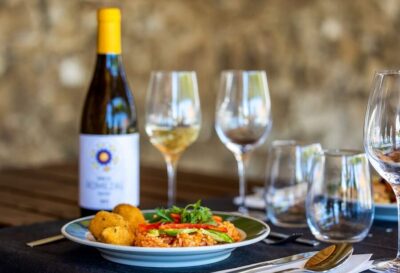
Douro Valley w/ Boat Tour, Wine Tasting & Lunch
Read our review →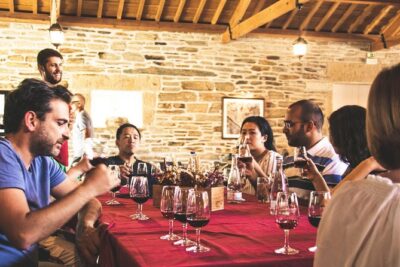
Complete Douro Valley Wine Tour with Lunch, Wine Tastings and River Cruise
Read our review →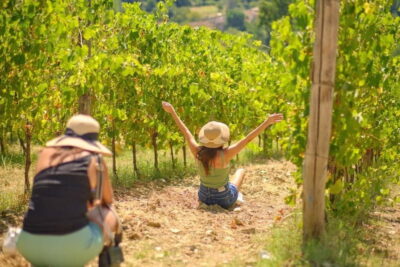
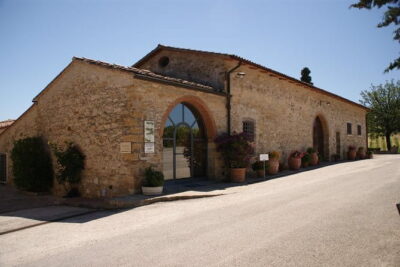
Small-Group Wine Tasting Experience in the Tuscan Countryside
Read our review →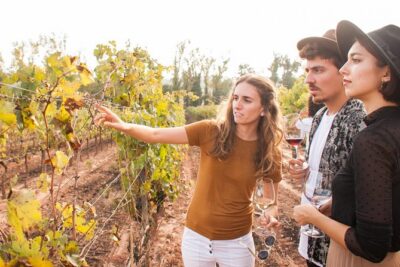
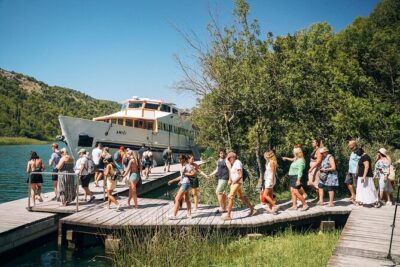
Montserrat & Cogwheel Train, Gourmet Wine Tasting & Tapas/Lunch
Read our review →
Tuscany & Montepulciano Day Trip with Lunch & Wine Tasting
Read our review →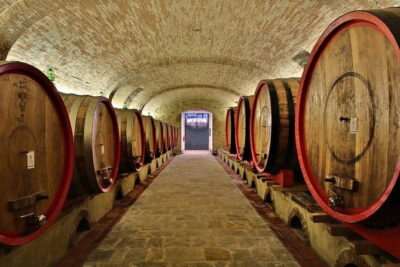
SMALL-GROUP Wine Safaris: Tuscan Wine Tasting Tours from Florence
Read our review →Lists this tasting appears in