
Reviewed · WINE TASTINGS
Jerez: Bodegas Álvaro Domecq Guided Tour with Wine Tasting
At Bodegas Álvaro Domecq, the most memorable part is not simply tasting sherry. It is seeing the solera and criaderas system in action, with rows of American oak barrels holding wines at different stages of age. I like the tour’s clear look at sherry, brandy, and vinegar under one roof, and I like that the bodega sits in central Jerez, making it easy to add to a day on foot. The main thing to consider is language: mixed English and Spanish groups can make some explanations harder to follow.
I also appreciate the human side of this visit. Guides including Cristina and Laura are praised for making technical subjects easy to follow, while Lucia and other guides have also led tours in English and Spanish. The tasting is generous enough to help you compare styles, but this is still a short 90-minute introduction rather than a long afternoon of wine study.
Key things to know before you go
- The solera system is the star: See how sherry is blended and aged through stacked rows of barrels rather than made as one single vintage.
- You taste more than sherry: The tour can include wines, brandy, vermouth, and Jerez vinegar.
- The bodega is central: Meet on Calle San Luis, near the Puro Arte flamenco tablao, then walk to the winery.
- Guides make a big difference: Cristina and Laura receive especially strong praise for friendly explanations in English.
- V.O.R.S. bottles are worth asking about: The older tasting selection includes wines aged for more than 30 years and may cost extra.
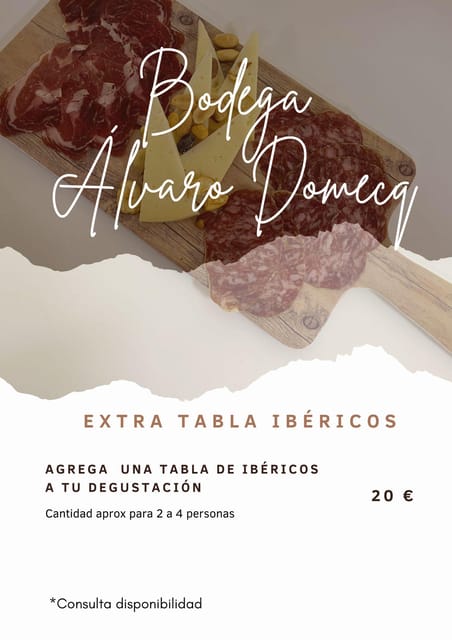
- Add food if you want lunch: An Iberian products plate is available as an extra, sized for roughly two to four people.
Entering a historic Jerez bodega
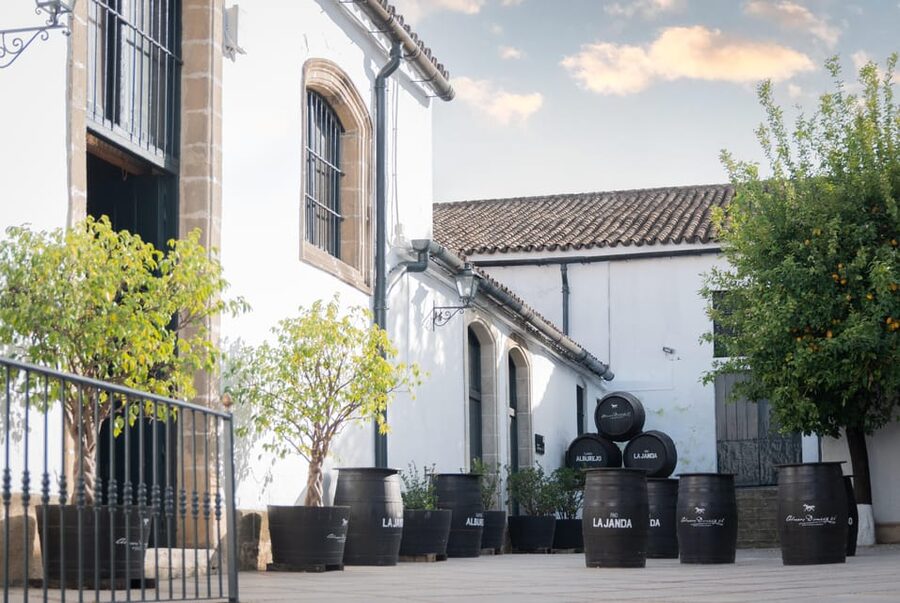
Jerez de la Frontera is one of Spain’s great wine towns, and Álvaro Domecq gives you a practical way to understand why. The winery traces its roots to the 18th century and carries the name of Álvaro Domecq, a notable local figure known for his work as a horseback bullfighter as well as his role in the wine business.
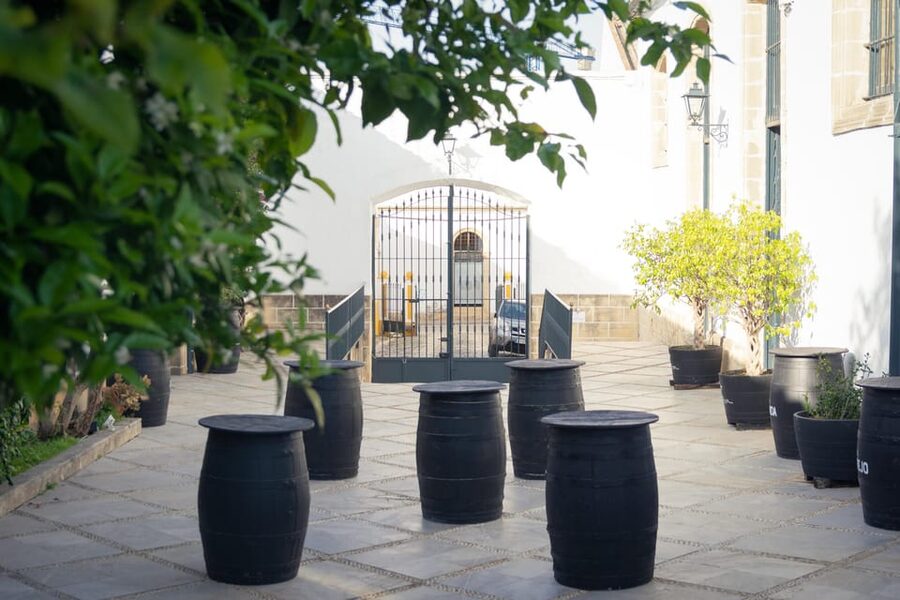
Your meeting point is on a small lane off Calle Madre de Dios, beside the Puro Arte flamenco tablao. The booking information identifies Calle San Luis as the starting and ending point, so check the exact directions on your confirmation and allow a few minutes to find the bell. This is a town-center visit, not a countryside excursion, and that is useful if you are exploring Jerez by train or on foot.
Inside, the setting is part of the appeal. You are not just led into a polished tasting room and handed a glass. The tour takes you through different cellar areas, each linked to a part of production. The old barrels, shaded spaces, and quiet scale of the bodega help explain why sherry feels tied to place and method rather than simply to a grape variety.
The winery is smaller than some of the major Jerez houses. I see that as a plus if you prefer a more personal visit, though group size can vary. One English-language group found itself quite large and mixed with Spanish speakers, which made it harder to spend time directly with the guide. On smaller departures, you may get much more opportunity to ask questions.
More Wine Tastings in Spain
- Montserrat & Cogwheel Train, Gourmet Wine Tasting & Tapas/Lunch
★ 5.0 · 6,290 reviews - Madrid Tapas & Wine Tasting Walking Tour – Small Group Local Bars
★ 5.0 · 3,644 reviews - Toledo Tour & Vineyard Walk with Wine Tasting from Madrid
★ 5.0 · 2,546 reviews
How sherry ages in the solera and criaderas system
The tour’s most useful lesson is the aging method. Sherry is not generally made by filling a barrel and waiting for one fixed number of years before bottling it. Instead, the solera and criaderas system uses several levels of barrels, with younger wine gradually moving through the system and older wine being drawn from the bottom level for bottling.
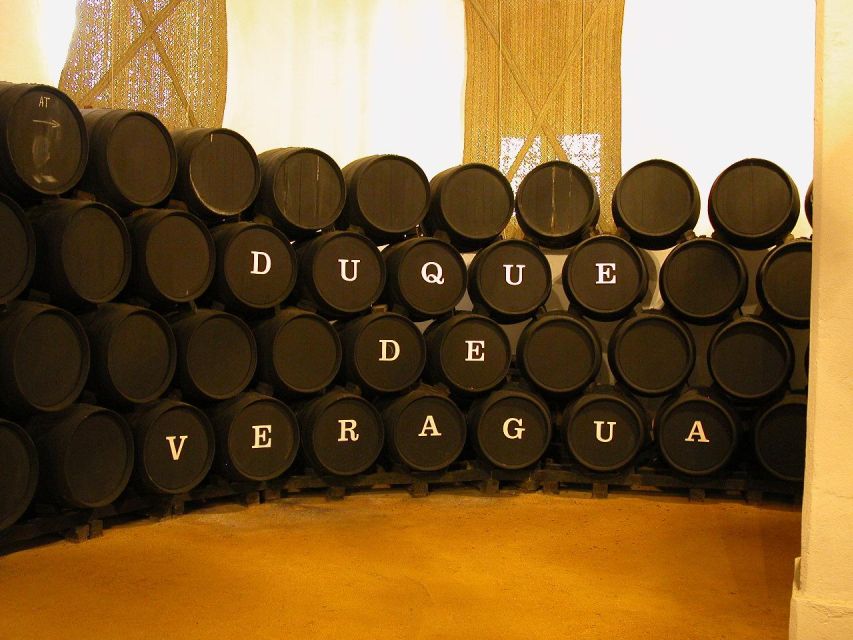
That process helps create a consistent house style. It also explains why a bottle of sherry can carry a character built from wines of different ages. At the Duque de Veragua Cellar, the guide explains this system alongside the barrels themselves, making an abstract wine lesson much easier to picture.
You will also learn about the role of American oak barrels. The wines rest in these traditional casks, where time, air, and the cellar environment shape the final drink. The point is not just age. Different wines follow different paths, and the cellar method affects whether the result is light and dry, nutty and complex, sweet, or richly concentrated.
The tour connects this process to the products in the glass. That connection matters. You can taste a Fino and then understand that it is not merely a pale wine with a fancy name. You can compare it with an Oloroso and begin to recognize how different aging conditions and production choices create different aromas, textures, and levels of weight.
From Fino wines to the Oloroso cellar
The Fino Wines Cellar focuses on the land and grape varieties behind Jerez wine. You are given a regional frame for the tasting, which is helpful if your previous experience with sherry is limited to a bottle brought out at Christmas.
The winery’s named wines include Fino La Janda, Oloroso Alburejo, Aranda Cream, and Pedro Ximénez Viña 98. They cover a useful range. Fino is typically the lightest style in the selection, while Oloroso offers more body and darker, nuttier notes. Cream and Pedro Ximénez move you toward sweeter territory.
A short audiovisual presentation in the Oloroso cellar adds another layer to the visit. One practical tip: English subtitles may be easier to read from the front rows. If you are seated toward the back, small print could be difficult to follow.
The tasting itself is usually the reward at the end of the tour, but the order matters. The guide can explain each wine as it arrives, so you are not left guessing what makes one glass different from the next. The portions are described as generous, and the tasting area gives you time to finish the wines without feeling hurried.
The exact lineup can vary. Some visits include four sherries and a vermouth, while other tasting options offer three sherries or a broader five-sherry flight. Ask what is included in your chosen booking, especially if you want to sample the older V.O.R.S. wines.
Brandy, vermouth, and vinegar add welcome variety
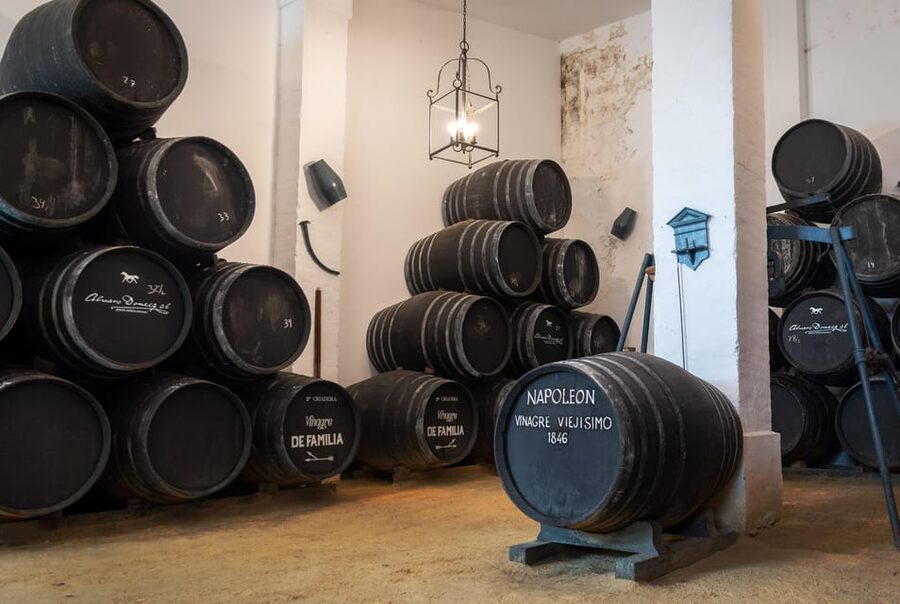
Álvaro Domecq does not stop with sherry. The tour also covers brandy production, including Solera Gran Reserva Duque de Veragua and Solera Reserva Veragua. If you normally associate a bodega only with fortified wine, this section makes the visit more varied.
You also learn about vermouth and vinegar. The vermouth receives special praise from several people who tasted it, so I would ask about it even if it is not part of the standard lineup. It gives you another way to see how the local wine tradition reaches beyond the best-known sherry styles.
The vinegar cellar is especially unusual. It houses Jerez vinegar with a Designation of Origin, including Vinagre Reserva de Familia and Vinagre Gran Reserva 1730. This is not a token side product. The winery explains how vinegar is made and aged, giving you a better sense of why Spanish vinegar can be treated as a serious pantry ingredient rather than a sharp splash added at the last moment.
For me, this wider range is one of the tour’s strongest features. If someone in your group is not a sherry drinker, brandy, vermouth, or vinegar may provide a more appealing entry point. The tour remains centered on Jerez wine, but it does not assume everyone arrives already fascinated by sherry.
Same region, a different bottle:
- Montserrat Half-Day Tour with Tapas and Gourmet Wines
★ 5.0 · 7,359 reviews - Barcelona Tapas and Wine Experience Small-Group Walking Tour
★ 5.0 · 5,804 reviews - Barcelona: Montserrat, Cogwheel, Black Madonna & Winery Tour
★ 4.8 · 5,633 reviews - Montserrat with Black Madonna & Medieval Winery with Tapas/Lunch
★ 5.0 · 5,209 reviews
What you can expect in the tasting room
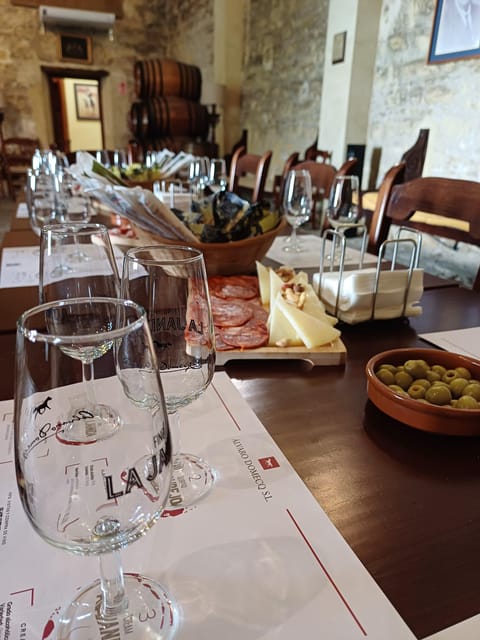
The final tasting is guided rather than self-serve. You receive a selection of Álvaro Domecq’s representative wines, with explanations of what you are drinking and how each product fits into the bodega’s work.
The standard experience costs about $26 per person. For a 90-minute visit in central Jerez, that is a fair price, particularly because you receive both a cellar tour and several tastings. You are paying for context as much as alcohol. Without the production lesson, it can be difficult to tell a Fino from an Amontillado or understand why Pedro Ximénez is so sweet.
The best value depends on your interest. If you simply want a quick drink, a bar in Jerez will cost less. If you want to understand local wine and compare several styles in one sitting, the tour makes better sense.
Older V.O.R.S. wines can add a special touch. The selection includes Amontillado 1730, Palo Cortado 1730, and Oloroso 1730, all aged for more than 30 years. The V.O.R.S. option is not necessary for a first visit, but it can be worthwhile for serious sherry fans or anyone celebrating a special occasion. Confirm the extra cost and availability when booking.
Food is not included in the base price. You can add a plate of Iberian products, with an amount intended for about two to four people. That can turn the visit into a light lunch, especially since the bodega is next to a flamenco venue where some visitors have stayed afterward for food and a performance. Treat that as a separate plan, since the wine tour itself does not promise a flamenco show.
The guides make the difference
The strongest part of the experience is the guide’s ability to make a technical subject feel friendly. Cristina is praised for her clear English, enthusiasm, and easy manner. Laura is also singled out for explaining sherry production and family history in an engaging way. Lucia has led tours for English speakers and is described as warm and well prepared.
The language setup deserves a careful note. Tours are available in English and Spanish, but a group can contain both languages. Some guides switch between the two, while others may give a longer explanation in Spanish and then summarize in English. That arrangement worked well for some small groups, but it was less satisfying for people expecting every detail to be presented fully in English.
If English is important to you, ask for an English departure and check how the tour will be handled that day. Arriving on time also helps, although one guide allowed late arrivals to join. I would not count on that courtesy, since cellar tours need to start together.
The tone is informative without being overloaded. You get family background, production details, and tasting notes, but the visit does not try to turn you into a professional sommelier in an hour and a half. That balance suits most first-time visitors.
Who will enjoy this 90-minute visit
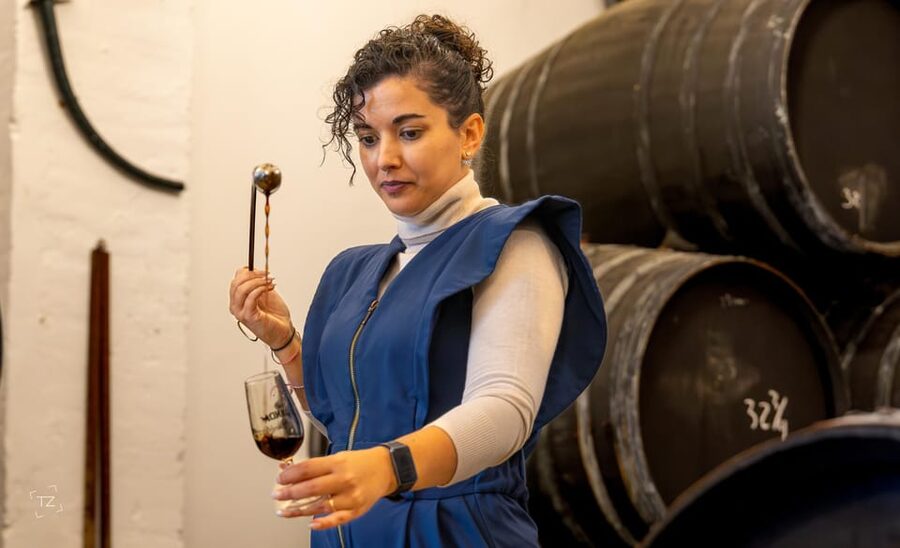
I would recommend Álvaro Domecq to you if you want an introduction to Jerez wine that feels tied to the town itself. It works particularly well for first-time sherry drinkers, couples, small groups, and anyone interested in Spanish food and drink traditions.
It is also a good pick for a short stay. The tour lasts 1.5 hours, starts in the town center, and is easy to combine with other Jerez sights. One useful detail is its access from the railway station, making it practical for a day trip without a car.
Sherry fans have reason to go too, especially if you choose the V.O.R.S. tasting. You can compare standard house styles with older wines and ask detailed questions about aging.
I would be more cautious if you dislike fortified wine, do not drink alcohol, or want to see every stage of industrial production. The tour focuses on cellars, barrels, aging, and tasting. It does not necessarily show bottling or distillation in operation, and one visitor specifically noted not seeing those parts.
The atmosphere is also more cellar than spectacle. The charm comes from the barrels, methods, and guide, not from sweeping vineyard views. If you want rural scenery, you should look at a vineyard visit outside town instead.
Practical details that improve the visit
Book with enough time to confirm the meeting instructions. The address involves a lane and a doorbell near a flamenco tablao, so do not assume the entrance will be obvious from the main street.
Tours are offered in English and Spanish. Starting times depend on availability, and you can cancel up to 24 hours ahead for a full refund. A reserve-now, pay-later option is also available, which helps if your Andalusia schedule is still shifting.
Wear something comfortable for walking through the bodega. The supplied information does not promise a particular temperature or floor surface, so I would avoid planning the visit around formal footwear. The key practical concern is simply arriving at the right spot before the departure time.
At the shop, you can buy the wines, brandies, vinegars, and other local products introduced during the visit. This is useful because tasting notes can be hard to remember once you leave. If a particular Fino, vermouth, or Pedro Ximénez suits you, the shop gives you a chance to take it home.
Should you book Bodegas Álvaro Domecq?
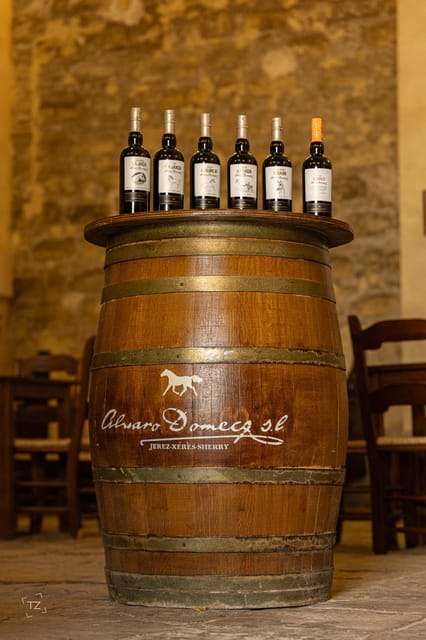
Book this tour if you want a well-priced, central, and friendly introduction to the drinks that define Jerez. The strongest reasons are the clear explanation of the solera system, the range beyond sherry, and guides such as Cristina and Laura who can make the visit work for beginners.
Think twice if you need a fully English-only experience with no language switching, or if you want to see bottling and distillation in detail. A large mixed-language group can also reduce personal time with the guide.
For most visitors, the $26 price is sensible. You get a real look at a working historic bodega, a guided tasting, and a better understanding of why Jerez wines taste so different from one another. Add the Iberian food plate if you want a longer stop, and ask about the V.O.R.S. wines if you already know your sherry. For a first taste of Jerez’s wine culture, this is an easy tour to fit into your day.
FAQ
Where does the Álvaro Domecq tour meet?
The meeting point is on a lane off Calle Madre de Dios, beside the Puro Arte flamenco tablao. You are instructed to ring the bell. The listed starting and ending area is Calle San Luis.
How long does the tour last?
The guided visit lasts about 1.5 hours, including the cellar tour and wine tasting.
What languages are available?
Tours are available in English and Spanish. Some departures combine both languages, so the amount of time spent in each language can vary.
What does the $26 price include?
The price includes the winery tour in central Jerez and wine tastings. Food is not included.
Can I add food to the experience?
Yes. You can select an extra plate of Iberian products. The portion is described as suitable for about two to four people.
Which products are covered during the visit?
The tour covers sherry wines, brandy, vermouth, and Jerez vinegar. The cellar areas include Fino wines, Oloroso, brandy, and vinegar production.
What wines might I taste?
Named products include Fino La Janda, Oloroso Alburejo, Aranda Cream, and Pedro Ximénez Viña 98. Tasting lineups can vary, and some options include three, four, or five sherries.
Are older wines available?
A V.O.R.S. selection may be available as an extra option. It includes wines aged for more than 30 years, such as Amontillado 1730, Palo Cortado 1730, and Oloroso 1730.
Can I cancel the booking?
You can cancel up to 24 hours in advance for a full refund. A reserve-now, pay-later option is also available.
Newest wine reviews around Spain
- Visit La Joya Escondida de la Ribera del Duero Winery★ 5.0 · 43 reviews
- Full day at the winery, visit, tasting, aperitif and lunch★ 4.5 · 60 reviews
- Ribera del Duero Underground Cellar & Wine Tasting Experience★ 4.5 · 49 reviews
- Visit a winery of the 19th century and its draft★ 5.0 · 62 reviews
- Visit and Wine Tasting at the Territorio Luthier Winery★ 5.0 · 89 reviews
- Semi-Private Rioja Tour of 3 Premium Wineries from Bilbao★ 5.0 · 128 reviews
- Basque Best Bites – #1 Food & Wine tour of Bilbao★ 5.0 · 268 reviews
- Bilbao Pintxo Tasting Paired With Spanish Wines★ 5.0 · 55 reviews
Wine Tastings, compared.
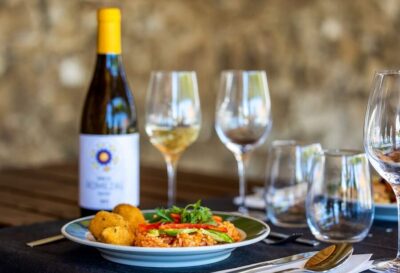
Douro Valley w/ Boat Tour, Wine Tasting & Lunch
Read our review →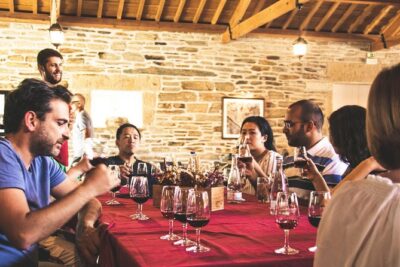
Complete Douro Valley Wine Tour with Lunch, Wine Tastings and River Cruise
Read our review →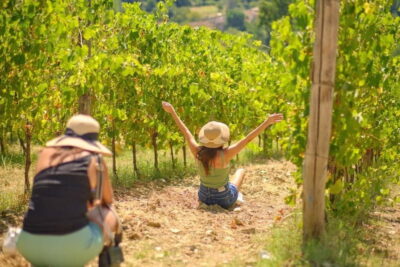
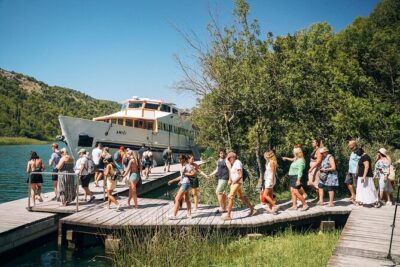
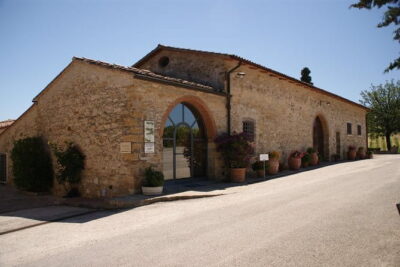
Small-Group Wine Tasting Experience in the Tuscan Countryside
Read our review →
Montserrat & Cogwheel Train, Gourmet Wine Tasting & Tapas/Lunch
Read our review →
Tuscany & Montepulciano Day Trip with Lunch & Wine Tasting
Read our review →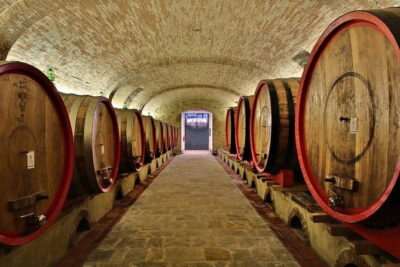
SMALL-GROUP Wine Safaris: Tuscan Wine Tasting Tours from Florence
Read our review →Lists this tasting appears in