
Reviewed · PORT WINE TASTINGS
Lisbon: Guided Port Wine Tasting Apéritif/Digestif
The clever part of this Lisbon experience is its range. In one hour at From The Vine, you taste six different Ports, from crisp white and floral rosé to mellow tawny, fruity ruby, reserve, and a complex 10-year-old. It gives you a quick education in Portugal’s fortified wine without sending you out of the city.
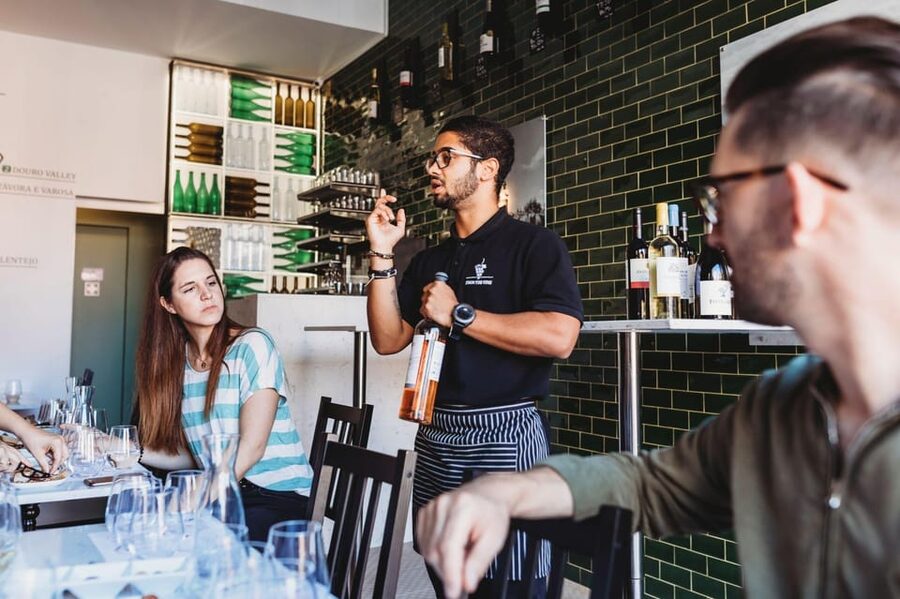
I like the small group of no more than 10 and the friendly, relaxed teaching style. I also like the generous lineup for $28, especially since snacks are included and the guide explains what is in your glass instead of simply pouring it. The main consideration is that this is a tasting bar in Lisbon, not a vineyard or a grand old cellar, and one session ended after about 45 minutes rather than the advertised hour.
Six Port styles to know before you book
- Six distinct pours: Compare tawny, ruby, white, rosé, reserve, and 10-year-old Port in one sitting.
- A guide-led tasting: Caio, Jorge, Kyle, and other hosts may lead the session in English or Portuguese, depending on the schedule.
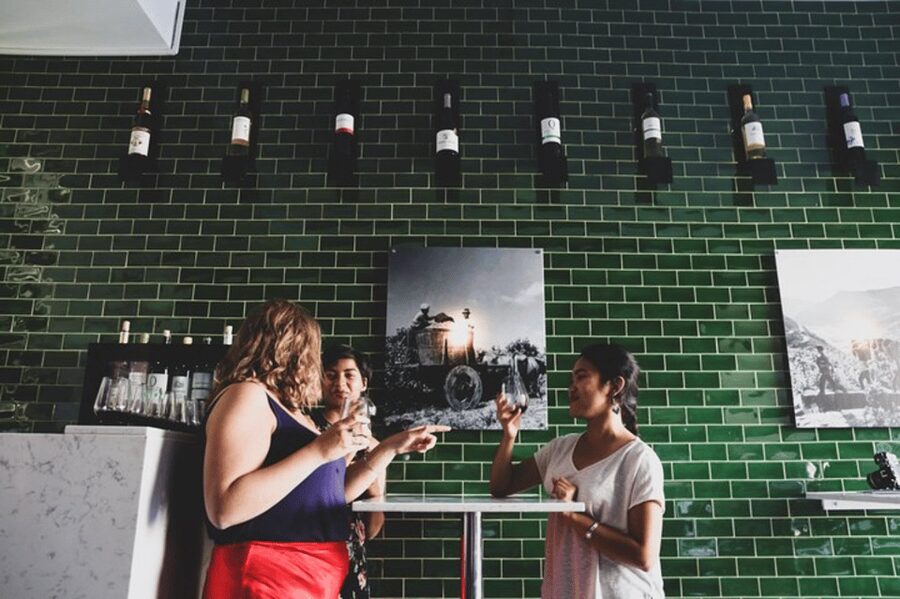
- Small and social: The group is limited to 10, with the chance for questions and conversation.
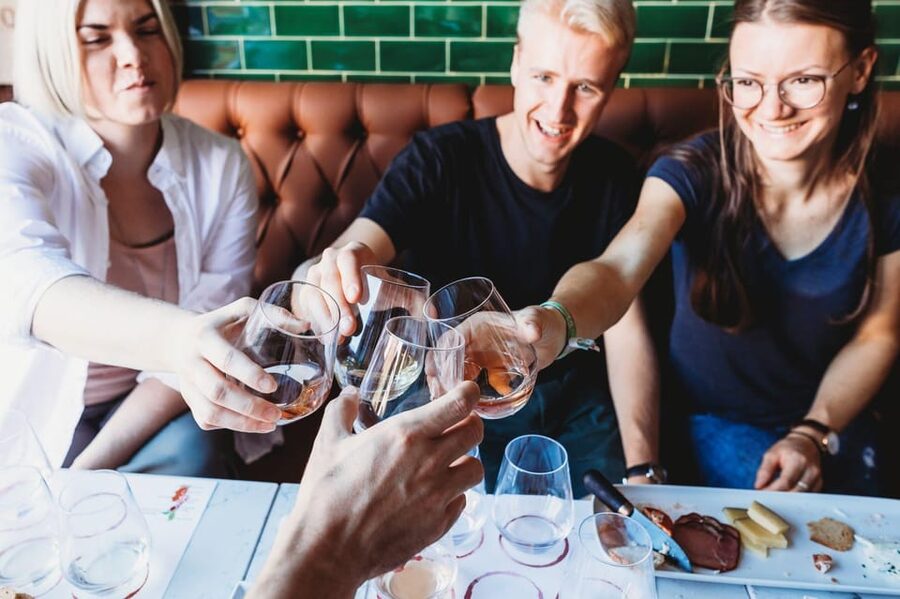
- Sweet and savory pairings: Snacks help show how Port works with food, though this is not a full meal.
- Central Lisbon format: You get Portuguese wine culture without arranging transport to the Douro Valley.
- A short commitment: The listed length is one hour, making it easy to fit between sightseeing plans.
What the one-hour tasting is really like
You meet at From The Vine: Port & Wine Tasting Bar in Lisbon. Transportation is not included, so you need to make your own way to the venue. One useful practical point is that a taxi driver had trouble locating the tasting place, so allow a little extra time and check the address carefully before setting out.
The session begins with an introduction to Port, its production, and its place in Portuguese wine culture. Your guide then takes you through six glasses in a structured tasting. You are not expected to know the difference between a tawny and a ruby before you arrive. The point is to taste side by side and let the contrasts become clear.
The guide explains how to look at the wine, smell it, taste it, and notice its finish. That matters because Port can seem simply sweet if you drink it quickly. Slowing down helps you pick up the differences in fruit, freshness, age, weight, and texture.
The atmosphere is informal. You can ask questions as you go, and the small group makes it easier to take part. Several hosts are praised for being warm and entertaining, while still giving clear explanations. Caio is one name that comes up often, and Jorge and Kyle have also led sessions. The exact guide depends on the day.
The official duration is one hour. In practice, the length can vary slightly. One private session finished after around 45 minutes, while other groups found the format ample and unhurried. If you want a long, formal wine seminar, this may feel brief. If you want a focused introduction before dinner, the timing works well.
More Wine Tastings in Lisbon
- Private Wine Tasting in the Setúbal Wine Region, from Lisbon
★ 5.0 · 611 reviews - Arrabida and Sesimbra Small-Group Day Trip from Lisbon with Wine Tasting
★ 5.0 · 494 reviews - Lisbon: 1-Hour Portuguese Wine Tasting Session
★ 4.6 · 368 reviews
Six glasses, six different personalities
The best feature here is the lineup. You are not sampling six nearly identical red Ports. Each glass gives you a different angle on the style.
Red tawny: smooth and mellow
Tawny Port is generally associated with a softer, more mellow profile. It is a good starting point because it shows how time and maturation can change the character of Port.
Pay attention to how it compares with the ruby. Instead of focusing only on sweetness, notice the color, the feel in your mouth, and the way the flavors last. Your guide explains the reasons behind those differences, which makes the tasting more useful than simply memorizing labels.
Red ruby: bright and fruity
Ruby Port gives you the brighter, fruit-forward side of the tasting. It is lively and direct, and it provides a clear contrast with the gentler tawny.
If you are new to Port, ruby may be the easiest style to understand right away. It also gives the group a useful reference point for the later, older pours. The guide can show you how the wine’s style relates to its production and aging.
More Wine Tastings in Portugal
- From Lisbon: Évora and Monsaraz with Regional Wine Tasting
★ 4.7 · 345 reviews - From Lisbon: Arrábida Day Tour & Wine Tasting
★ 4.9 · 182 reviews - Lisbon: Sintra, Pena Palace & Wine Tasting Small-Group Tour
★ 4.9 · 156 reviews - Lisbon Private Setúbal Region Wine Tasting Tour
★ 4.9 · 149 reviews
White Port: crisp and refreshing
White Port changes the rhythm of the tasting. After the red styles, its lighter, fresher character comes as a welcome shift.
This is a particularly useful pour for anyone who thinks Port is always heavy or dessert-like. The white style shows that Portuguese fortified wine can be refreshing as well as sweet and weighty. It is also one of the glasses that helps make the tasting feel varied from start to finish.
Rosé Port: light and floral
Rosé Port is the unusual stop on the lineup. It has a lighter, floral character and may be new to you, as it was to some people taking part in the session.
I like its place in the tasting because it breaks up the familiar red and white categories. You get a chance to discuss how a less expected Port style is made and how it compares with the other five glasses. If you already know basic Port, this is likely to be one of the more interesting pours.
Reserve Port: robust and aged
The reserve glass moves the tasting toward a fuller, more developed style. It is described as robust and aged, giving you another chance to compare structure and depth with the younger-feeling ruby and the smoother tawny.
This is where the guide’s explanations matter most. A good tasting is not only about finding a favorite. It is about understanding why one Port feels more powerful, polished, or developed than another.
Ten-year-old Port: complex and rich
The 10-year-old Port finishes the formal lineup with a more complex and full-bodied glass. It provides a strong final comparison because you have already tasted several younger and stylistically different Ports.
You can use this last pour to think back over the whole sequence. Do you prefer freshness, fruit, floral notes, mellow texture, or age? The tasting gives you enough range to answer that question with your own palate.
Why the guide makes the difference
Port can be confusing at first. There are different colors, styles, ages, and production methods, and a short tasting can become a list of labels if nobody connects the dots. Here, the guide is meant to explain the process and the background of the drink as you taste.
The strongest part of the experience is the teaching style. The hosts are described as clear, friendly, and willing to answer questions. One guide took extra care to include people who did not usually drink Port, which is important. You do not need to arrive as a wine enthusiast.
Caio is especially associated with explanations of the wines, their origins, geography, and stories from Port’s past. Other named hosts include Jorge and Kyle, but the host changes. You should book this for the guided format rather than for one particular person.
The balance of instruction and conversation also works in its favor. You get information about how Port is made and how to taste it, but you are not expected to sit silently through a lecture. You can ask about a flavor, compare impressions with the group, and decide which glass suits you best.
The languages are English and Portuguese. If your group includes people with different levels of wine experience, the small size should help the guide adjust the pace.
Snacks add value, but this is not lunch
Sweet and savory snacks are included with the six pours. That is useful for two reasons. First, food gives you a chance to see how Port changes with something salty or sweet. Second, it makes the tasting feel more complete than six glasses served on their own.
Keep your expectations realistic. Meals are not included, and the snacks are a pairing element rather than a substitute for lunch or dinner. Plan to eat separately if you need something substantial.
The food also gives you a practical idea of how to enjoy Port after your trip. You can pay attention to which styles work best with the sweet items and which hold up alongside savory bites. The guide can help you think through those combinations as part of the session.
The bar setting versus a traditional cellar
From The Vine offers a convenient Lisbon setting. You do not need to spend a day traveling to a wine estate or leave the city center for a vineyard visit. For a short stay in Lisbon, that is a real advantage.
The tradeoff is atmosphere. This is a tasting bar, not a historic cellar with traditional Portuguese music and a formal old-world setting. One participant found the English pop music less fitting and felt Portuguese music would have added more character to the small room.
I would treat that as a preference, not a major flaw. If your priority is learning the differences between six Ports, the bar format is practical. If your ideal wine experience includes stone walls, barrels, local music, and a strong sense of place, you may want to pair this with a separate visit to the Douro region or a more traditional wine venue.
The setting is described as intimate and inviting, and a very small group can sometimes turn the session into a near-private tasting. That happened for one pair, who were the only participants at their time. You cannot count on that, but the 10-person limit keeps the experience personal even when full.
Is $28 a fair price?
At $28 per person, the value is good if you want breadth and guidance. You receive six Port samples, snacks, and a live explanation of the wines for roughly the cost of a casual meal in Lisbon. The price is especially fair for people who would otherwise buy several different glasses on their own without anyone explaining the differences.
The value is less clear if you only want one small taste or already know Port well. In that case, you may prefer ordering a single glass at a wine bar and spending your money elsewhere.
For first-time Port drinkers, the structured lineup is the main saving. You avoid guessing what to order, and you leave with a clearer idea of which styles you like. One person even received another sample of a preferred Port, though you should not assume extra pours are part of the standard inclusion.
The tasting is also a sensible choice for a short Lisbon visit. One hour is enough to learn something without taking over your afternoon. You can schedule it before dinner, after sightseeing, or as a break from museums and hill walking.
Who will enjoy it most
I would recommend this to you if you are curious about Portuguese wine but do not want a full-day excursion. It suits couples, small groups of friends, and solo visitors who enjoy talking with a guide and meeting other people around a table.
It is also a good choice for people who are unsure about Port. The six styles give you a fair chance to find something you like, and the guide can help you understand why. You do not need to be a wine expert, and you do not need to arrive already familiar with Portuguese regions or production terms.
It may appeal less to you if you dislike fortified or sweet wines, though the white and rosé pours add freshness and variety. It may also disappoint if you want a full meal, a vineyard tour, or a long cellar visit.
Participants must be at least 18. The activity is not suitable for children under 18 or pregnant women, and smoking is not allowed. The venue is wheelchair accessible, which makes this one of the easier tastings to fit into a Lisbon itinerary for people concerned about access.
Useful planning details before you go
The experience is offered with starting times that depend on availability. Check the schedule before booking, especially if you are fitting it around a museum reservation, dinner, or an evening show.
You do not need transportation arranged through the activity. Make your own way to From The Vine, and allow extra time for finding the entrance. A taxi had difficulty locating it, so a careful map check is sensible.
The group limit is 10 people. That is small enough for questions, but it does not guarantee a private experience. If you happen to be the only booking at your time, the guide may be able to give you more individual attention.
You can cancel up to 24 hours in advance for a full refund. The reserve-now, pay-later option also gives you some flexibility while your Lisbon plans are still taking shape.
Should you book this Port tasting?
Book it if you want a short, friendly introduction to six Port styles in Lisbon, with snacks and a guide who can explain what you are tasting. The price is reasonable, the small group is a plus, and the lineup is broad enough to help you find your favorite.
Skip it if your priority is a vineyard setting, traditional Portuguese music, a full meal, or a long formal seminar. The bar atmosphere is simple, and the actual session may run a little shorter than an hour.
For most visitors, I would place this high on the list for a free afternoon or pre-dinner stop. It gives you useful wine knowledge, a chance to try less familiar styles such as rosé Port, and an easy way to connect with Portugal’s wine culture without leaving Lisbon.
FAQ
Where does the Port tasting take place?
The tasting takes place at From The Vine: Port & Wine Tasting Bar in Lisbon.
How long does the activity last?
The listed duration is one hour. One session finished after about 45 minutes, so the exact length may vary slightly.
How many Port wines will I taste?
You will taste six Ports: red tawny, red ruby, white, rosé, reserve, and 10-year-old Port.
Are snacks included?
Yes. Sweet and savory snacks are included. A full meal is not included.
Is transportation included?
No. You need to make your own way to the meeting point at From The Vine.
What languages are available?
The live guide can conduct the tasting in English or Portuguese.
Is the tasting wheelchair accessible?
Yes. The activity is wheelchair accessible.
Can children or pregnant women take part?
No. Participants must be at least 18 years old, and the activity is not suitable for pregnant women.
More Port Wine Tastings in Lisbon
- Lisbon: Live Fado Show with Port Wine at Lisboa em Fado
★ 4.7 · 5,097 reviews - Lisbon: Live Fado Show in Historic Alfama with Port Wine
★ 4.8 · 572 reviews - Private Lisbon Walking Tour with Premium Port Wine and Tapas Tasting
★ 5.0 · 61 reviews - Lisbon: Premium Port Wine Tasting & Tapas
★ 5.0 · 54 reviews
Newest wine reviews around Lisbon
- Sintra: Full-Day Tour from Lisbon with Wine Tasting★ 4.8 · 58 reviews
- Arrabida Wine Tour – Lisbon: Wineries-Tastings-Tile Factory★ 4.9 · 179 reviews
- Lisbon Sunset Sailing – Small Group (max 10) Wine & History★ 4.8 · 41 reviews
- Lisbon: Sunset Sailing Boat Cruise with Wine★ 5.0 · 75 reviews
- Lisbon Small-Group Food & Wine Tour Eat & Drink like a Local★ 4.9 · 77 reviews
- Lisbon: Sintra, Pena Palace & Wine Tasting Small-Group Tour★ 4.9 · 156 reviews
- Lisbon: Sunset Sailing with Portuguese Wine and History★ 5.0 · 270 reviews
- Lisbon: Premium Port Wine Tasting & Tapas★ 5.0 · 54 reviews
Port Wine Tastings, compared.

Bridges Cruise & Sunset & Port Wine Cellar Option
Read our review →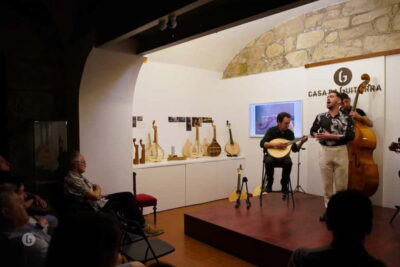
Fado & Port Wine in Traditional Portuguese Music Shop
Read our review →
What is Fado? Commented Live Concert with Port Wine
Read our review →
Port Wine Lodges Tour Including 7 Port Wine Tastings (English)
Read our review →
Charming Sailboat Cruise with Port Wine,Sunset Option
Read our review →
Douro River Boat Cruise with Port Wine Tasting
Read our review →
Graham’s Port Lodge Tour with Premium Wine Tastings
Read our review →Lists this tasting appears in