
Reviewed · PORT WINE TASTINGS
Lisbon: Live Fado Show in Historic Alfama with Port Wine
Lisbon’s Fado is best understood with the music in front of you, not just as background entertainment over a meal. In this intimate Alfama show, singer and host Mário Lundum explains the music’s origins, language, and link to Lisbon before performing with a Portuguese guitarist and singer.
I like the clear balance between explanation and performance, and I like the one-hour length. The complimentary Port wine is a pleasant extra at $17 per person. The main consideration is that the show requires absolute silence, and seating is first come, first served, so arrive at least 10 minutes early.
Key points to know before you book

- Mário Lundum leads the evening: He brings 25 years of experience as a fadista and gives the music useful context.
- This is a Fado lesson as well as a concert: You hear examples of the music while learning about its structure, history, and place in Portuguese identity.
- The setting is small and intimate: A cozy room near an historic bar creates a direct connection with the performers.
- Port wine is included: You receive one complimentary glass during the experience.
- The show lasts one hour: It fits neatly before dinner, after sightseeing, or into a short Lisbon stay.
- Silence matters: This is a focused performance, not a drop-in bar show. Children under four are not admitted.
Why this Alfama Fado show works for first-time listeners
Fado can be difficult to approach if you do not speak Portuguese. The melodies may sound haunting, but without context, it is easy to miss what makes the music special. This performance solves that problem by explaining the art form before and between the songs.
Mário Lundum is not simply a presenter who introduces the next number. He is a fadista with a long career, and the format gives him room to describe how Fado developed, how the Portuguese guitar fits into the sound, and why the music matters to Lisbon and Portugal. He also shares personal stories and reflections, which makes the session feel more like a conversation than a formal lecture.
That context changes the way you listen. Instead of hearing a sad song and moving on, you begin to notice the relationship between the singer, the guitar, and the pauses in the music. You get a sense of why Fado is often linked with longing, love, memory, and saudade, the hard-to-translate feeling of missing something or someone.
The show is presented in Portuguese and English, and a basic understanding of either language is recommended. The explanations are a major part of the appeal, so you will get more from the hour if you can follow at least one of those languages.
More Port Wine Tastings in Lisbon:
- Lisbon: Live Fado Show with Port Wine at Lisboa em Fado
★ 4.7 · 5,097 reviews - Lisbon: Guided Port Wine Tasting Apéritif/Digestif
★ 4.7 · 152 reviews - Private Lisbon Walking Tour with Premium Port Wine and Tapas Tasting
★ 5.0 · 61 reviews
Inside the intimate performance room
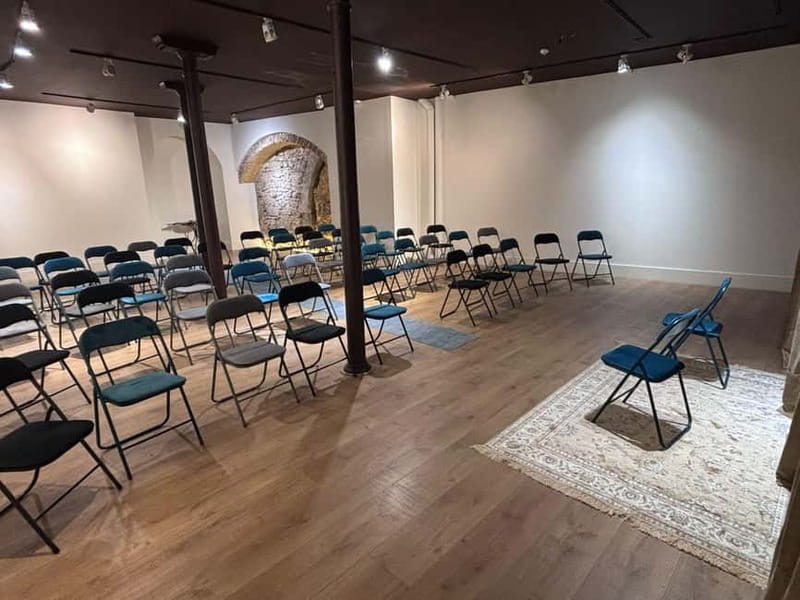
The venue is described as a warm, cozy space connected with an historic bar. You are not being sent into a large theater with a distant stage. The small room helps you see the performers closely and hear the music without the clatter of dinner service.
That setting matters. Many Fado venues combine music with a full meal, which can mean conversation, plates, and waiters moving around while the singer performs. Here, the music is the main event. Food and drinks from outside are not allowed in the performance area, and absolute silence is required during the show.
I see this as a strength, but it also sets the tone. If you want a lively night out with dinner and conversation, choose a traditional Fado restaurant instead. If you want to listen carefully and understand what you are hearing, this format is the better fit.
Seating and entry are first come, first served. Arrive 10 minutes before the start time, especially if you want a good view. The experience is wheelchair accessible, which is useful in a city where old neighborhoods can present their share of steep streets and uneven paving.
What happens during the one-hour program
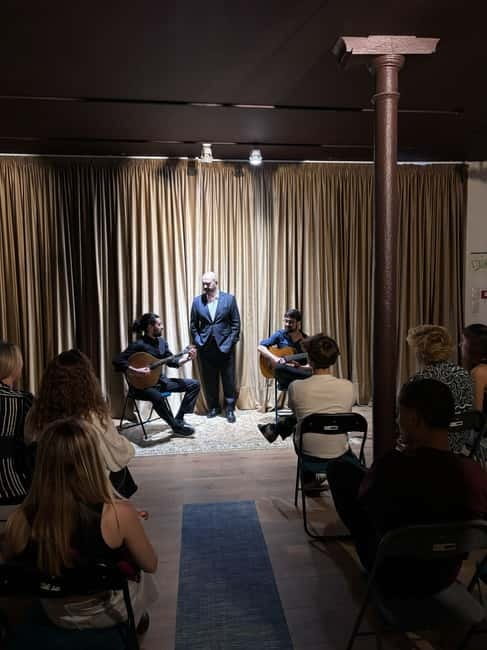
The program begins with an introduction to Fado and its connection to Lisbon. Mário explains the music in accessible terms, using stories and musical examples rather than asking you to absorb a long history lesson.
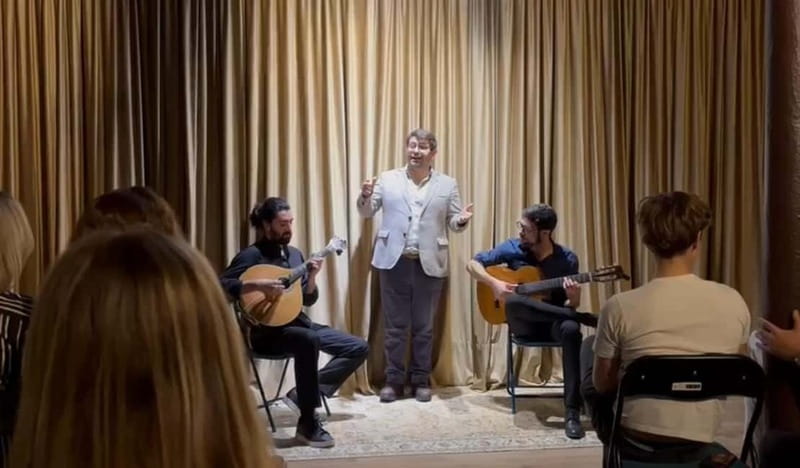
You then hear live performances from the musicians. The lineup includes Mário, a Portuguese guitar player, and a female singer. The exact combination may vary, but the experience centers on voice, guitar, and the emotional force of the songs.
One useful feature is the way the explanations are tied to the music. Mário can demonstrate a musical idea on guitar, explain how related themes work, and then show you the difference through performance. This approach gives the hour a sense of movement. It is not a string of songs with a short announcement between them.
The music itself is the heart of the evening. Fado often carries a melancholy tone, but this is not simply a sad-song recital. The performers use strong voices, expressive phrasing, and the distinctive sound of Portuguese guitar to create changing moods. Some pieces feel tender, some dramatic, and some more playful or interactive.
The program can also include audience participation. At times, the room may be invited to sing along, including a shared Fado song near the end. You are not required to perform, but the interactive moments help break down the distance between stage and audience.
The final part may allow time for questions and conversation with Mário and the musicians. That is particularly useful if you want to ask about lyrics, musical structure, or the role of Fado in Portuguese culture. The formal show lasts one hour, so any extra conversation should be treated as a bonus rather than part of the guaranteed program.
The performers and the Portuguese guitar
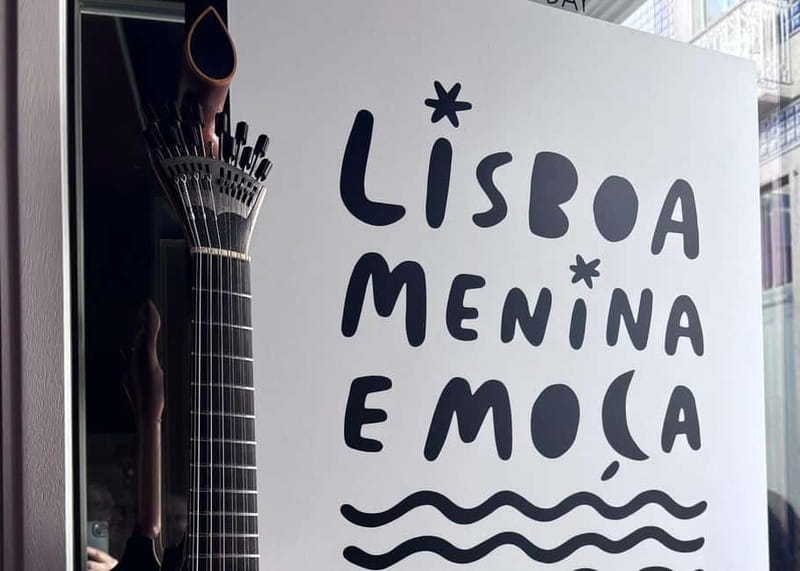
The Portuguese guitar deserves special attention. Its bright, ringing sound is one of the features that separates Fado from many other European song traditions. It can sound delicate in one passage and sharply expressive in the next.
The show gives you a chance to hear the instrument as part of a complete performance and through explanation. That is more useful than simply seeing it on stage and wondering how it fits into the music.
Mário’s role also gives the evening a strong center. He sings, plays guitar, tells stories, and guides you through the program. The other singer and Portuguese guitar player add contrasting voices and textures. The combination has been praised for its warmth, technical skill, and emotional intensity.
I especially like that the performers are not treated as anonymous entertainment. The format lets you understand the people behind the music. That personal connection is one reason the small room works so well.
More History Tours in Lisbon:
- Lisbon: Daytime or Sunset Boat Cruise with History and Wine
★ 5.0 · 1,053 reviews - Lisbon Sunset Sailing with Portuguese Wine and History
★ 5.0 · 668 reviews - Lisbon: Sunset Sailing with Portuguese Wine and History
★ 5.0 · 270 reviews - Lisbon Sunset Sailing – Small Group (max 10) Wine & History
★ 4.8 · 41 reviews
How much history and explanation should you expect?
This is not an academic course, but it goes well beyond a short tourist introduction. Mário discusses the origins and development of Fado, its relationship with Lisbon, and its role in Portuguese identity. He also explains musical structure and uses songs and instrumental passages to make the points clear.
The amount of information feels suited to a first encounter. You learn enough to recognize important ideas without spending the whole hour listening to a lecture. If you already know Fado well, you may find the introductory material familiar, but the live performances and chance to ask questions still give the experience value.
One practical note: the language arrangement is important. The presentation is in Portuguese and English, and the quality of your experience will depend partly on how comfortably you understand one of those languages. You can still appreciate the singing and instruments without following every word, but the cultural explanation is a central part of the program.
The Port wine and the $17 price
At $17 per person, this is an unusually accessible way to add live music and cultural context to a Lisbon itinerary. You receive admission and one complimentary glass of Port wine. That is not a full tasting, and you should not book it expecting a food-and-wine evening.
The wine works as a small welcome to Portuguese culture rather than the main attraction. It gives you something pleasant to hold before the performance and adds a local touch without pushing the cost up.
The real value comes from the combination of a live concert, guided explanation, and intimate venue. A one-hour program also helps keep the commitment reasonable. You can attend before dinner, after a day in Alfama, or as a final cultural stop before returning to your hotel.
For the price, I would consider this a good choice for anyone curious about Fado but unsure about paying for a long dinner show. You are paying for focused music rather than a meal package. If your priority is a large selection of songs, a full evening of performances, or table service, another venue may suit you better.
When to place it in your Lisbon plans
The show works particularly well at the start of your Lisbon visit. Once you understand the basic sound and story of Fado, you will hear the city differently when you encounter the music elsewhere.
It also fits neatly into an evening schedule. Since the program lasts one hour, you can plan dinner afterward. That may be the most practical choice because the performance requires quiet, and food is not allowed in the venue.
You might also book it after walking around Alfama. The neighborhood is closely linked with Fado, and attending a performance after seeing its steep lanes and old streets gives the music a stronger sense of place. The experience itself does not promise a guided walk or sightseeing stops, so plan your neighborhood exploration separately.
If you are in Lisbon for only a short time, the compact format is helpful. You get a direct introduction to one of Portugal’s best-known art forms without giving up an entire evening.
Who will enjoy this experience most?
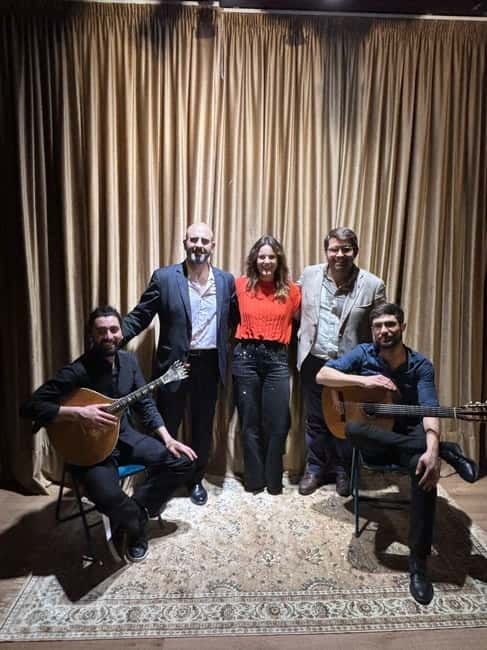
I would recommend it most strongly to:
- First-time Fado listeners who want an explanation before the music.
- Visitors interested in Portuguese culture and Lisbon’s identity.
- Solo visitors and couples looking for a calm evening activity.
- People who prefer a concert setting to a dinner show.
- Anyone with only one hour available.
- Music lovers who want to hear the Portuguese guitar up close.
It is also a good option for people who are unsure about Fado. The genre can seem solemn from the outside, but the host’s stories, demonstrations, and occasional humor make the introduction approachable.
Families should pay attention to the age rules. Children under four are not allowed, and unaccompanied minors are not permitted. Older children may appreciate the music, but the silence requirement means this is best for young people who can sit quietly through a performance.
Who may want a different Fado night?
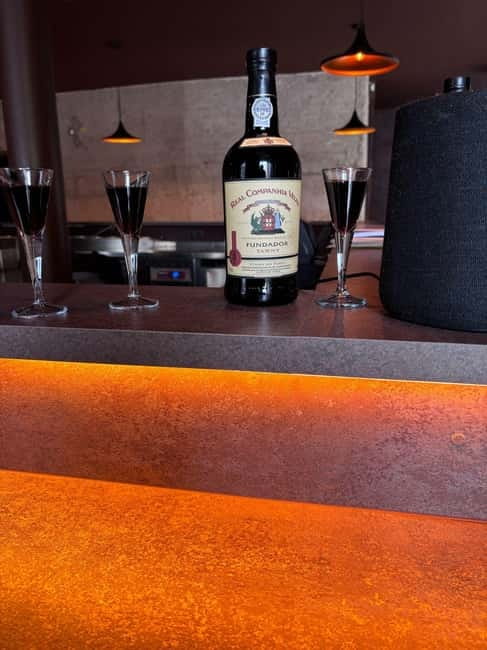
You may prefer another option if you want dinner served during the music. This experience does not include a meal, and outside food or drinks are not permitted.
It may also disappoint you if you expect an informal bar atmosphere. The room is friendly and welcoming, but once the music begins, silence is required. This is a listening experience, not background entertainment.
People who dislike presentations in two languages should also think carefully before booking. The bilingual explanations are useful for many visitors, but they naturally divide the available time between speaking and music. If you only want uninterrupted songs, seek out a concert advertised as a pure performance.
Finally, seating is first come, first served. You cannot choose a specific seat in advance, so arriving early is the sensible move.
Practical advice for a smooth visit
Arrive 10 minutes before the scheduled start. This gives you time to enter, receive your Port wine, and find a seat without interrupting the room.
Keep your phone silent and avoid conversation once the performance begins. Fado depends on quiet pauses and careful listening, and even a low voice can carry in a small room.
Do not bring food or drinks into the venue. Pets are not allowed, although assistance dogs are permitted.
The show is wheelchair accessible. Starting times vary, so check the available schedule when booking. Free cancellation is available up to 24 hours before the start, and the reserve now, pay later option can help if your Lisbon plans are still changing.
Should you book this Alfama Fado experience?
Book it if you want to understand Fado as well as hear it. The strongest part is the pairing of Mário Lundum’s explanations with live examples from the singers and guitar players. You leave with more than a few attractive melodies. You have a clearer idea of how the music works and why it matters to Lisbon.
The one-hour length, low price, Port wine, and central cultural focus make it easy to fit into most itineraries. I would choose it over a restaurant performance if music and context matter more to you than dinner.
Skip it only if you need a meal with your show, prefer a noisy social setting, or want an uninterrupted concert with no spoken introduction. For everyone else, this is a practical and personal first step into Fado, especially when your time in Lisbon is short.
FAQ
How long does the Fado experience last?
The performance lasts one hour.
What is included in the ticket?
Admission to the performance and one complimentary glass of Port wine are included.
Who hosts the Fado show?
The host is Mário Lundum, a fadista with a 25-year career. He presents stories and explanations about Fado, Lisbon, Portuguese guitar, and Portuguese identity.
Is the show presented in English?
The performance and explanations are presented in Portuguese and English. A basic understanding of either language is recommended.
Are children allowed to attend?
Children under four are not permitted. Unaccompanied minors are also not allowed.
How early should I arrive, and can I reserve a seat?
You should arrive 10 minutes before the start time. Entry and seating are allocated on a first-come, first-served basis.
More Shows in Lisbon
- Lisbon: Fado Show and Wine inside Medieval Walls
★ 4.8 · 3,819 reviews - Porto: Live Fado Show with Glass of Port Wine
★ 4.8 · 6,498 reviews - Porto: Cálem Cellar Tour, Fado Show & Wine Tasting
★ 4.4 · 3,530 reviews - Authentic Flamenco Show with Tapas & Wine Guided Tour
★ 5.0 · 1,476 reviews
Newest wine reviews around Lisbon
- Sintra: Full-Day Tour from Lisbon with Wine Tasting★ 4.8 · 58 reviews
- Arrabida Wine Tour – Lisbon: Wineries-Tastings-Tile Factory★ 4.9 · 179 reviews
- Lisbon Sunset Sailing – Small Group (max 10) Wine & History★ 4.8 · 41 reviews
- Lisbon Small-Group Food & Wine Tour Eat & Drink like a Local★ 4.9 · 77 reviews
- Lisbon: Sunset Sailing Boat Cruise with Wine★ 5.0 · 75 reviews
- Lisbon: Sintra, Pena Palace & Wine Tasting Small-Group Tour★ 4.9 · 156 reviews
- Lisbon: Sunset Sailing with Portuguese Wine and History★ 5.0 · 270 reviews
- Lisbon: Premium Port Wine Tasting & Tapas★ 5.0 · 54 reviews
Port Wine Tastings, compared.


Bridges Cruise & Sunset & Port Wine Cellar Option
Read our review →
Fado & Port Wine in Traditional Portuguese Music Shop
Read our review →
What is Fado? Commented Live Concert with Port Wine
Read our review →
Port Wine Lodges Tour Including 7 Port Wine Tastings (English)
Read our review →
Charming Sailboat Cruise with Port Wine,Sunset Option
Read our review →
Douro River Boat Cruise with Port Wine Tasting
Read our review →
Graham’s Port Lodge Tour with Premium Wine Tastings
Read our review →Lists this tasting appears in