
Reviewed · LISBON WINE TOURS
Lisbon Small-Group Food & Wine Tour Eat & Drink like a Local
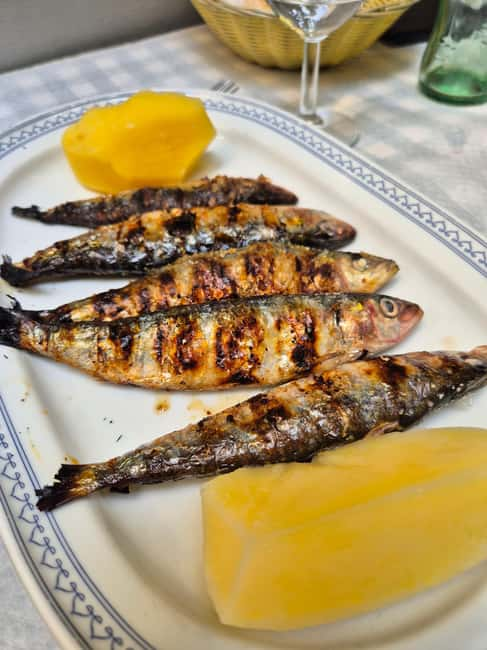
Lisbon’s best food lesson may come one small plate at a time. This three-hour walk through Baixa takes you into traditional eateries for 12 Portuguese tastings, including cod cake, Pata Negra, grilled chouriço, seafood rice with lobster, bacalhau à Brás, and pastel de nata. The food is the star, but the stories about Lisbon and the 1755 earthquake give the meal a useful sense of place.
I like the small maximum of 10 people, which keeps the stops friendly and gives guides such as Sergio and Ariana room to answer questions. I also like the generous range: you taste salty, smoky, creamy, sweet, and wine-soaked flavors instead of eating three versions of the same dish. The main caution is dietary: this tour is not suitable for vegans, vegetarians, people with gluten or lactose intolerance, or people with diabetes.
Key points to know before booking
- Twelve tastings fill the three hours: You receive a proper sampling of Portuguese food and drink, not just a pastry and a quick sip of wine.
- Baixa keeps the walking manageable: The route stays in Lisbon’s historic central district, with several seated or standing tasting stops.
- Sergio and Ariana are frequently praised guides: Both are described as warm, easy to talk to, and strong on food and Lisbon history.
- The meal can replace dinner: Portions are described as generous, so plan a light meal afterward.
- Wine is part of the experience: Expect Vinho Verde, red wine, Port, and ginjinha, with non-drinking children accommodated at some stops.
- Dietary limits matter: The provider cannot accommodate several common restrictions, so check carefully before paying.
Why this Baixa food walk works so well
This is not mainly a restaurant tour and not mainly a sightseeing walk. It is a food tasting with Lisbon placed around it. You move through Baixa, stop at old and traditional places, and learn why each dish belongs on a Portuguese table.
That focus makes the experience useful on your first day in town. You get a quick education in the country’s basic flavors, hear stories about the city, and leave with a better idea of what to order later. Several people who took the tour early in their stay used the guide’s restaurant suggestions for the rest of their visit.
The route also avoids the strain of a long city walk. One three-hour tour can include a substantial amount of food, but the walking remains concentrated in Baixa rather than spreading across Lisbon’s hills. You still need comfortable shoes, though. The tour moves between several stops, and Lisbon’s paving can be uneven.
The 4.9 rating from 77 reviews reflects a clear pattern: people especially value the guides, the relaxed pace, the local food, and the amount served. One less enthusiastic assessment found the tour only average compared with other food walks, particularly in guide engagement and food quantity. That is worth keeping in mind if you have taken many similar tours and want a highly theatrical presentation.
More Food Experiences in Lisbon:
- Winner 2025 Undiscovered Lisbon Food & Wine Tour by Eating Europe
★ 5.0 · 6,390 reviews - Lisbon: Food and Wine Small Group Walking Tour
★ 4.9 · 4,082 reviews - Lisbon Small-Group Portuguese Food and Wine Tour
★ 5.0 · 3,972 reviews
Starting with cod cake in Lisbon’s oldest tavern
The first bite is Pastel de Bacalhau, a crisp fried codfish cake served inside Lisbon’s oldest tavern. It is a smart opening because it introduces one of Portugal’s most familiar ingredients in a compact, easy-to-eat form.
You learn about the cod and the way the cake is prepared, rather than simply being handed a snack. The setting also adds something: this is not a generic welcome drink in a modern food hall, but a stop tied to Lisbon’s old tavern culture.
Next comes Pata Negra, the prized cured Iberian ham. Its salty, savory flavor contrasts with the warm cod cake and shows how Portuguese eating moves between seafood and cured meat. It is also one of the more premium bites on the route, giving you a taste of a product that can be costly when ordered on its own.
These first stops are appetizers, but do not assume the tour will be light. The later dishes are substantial, and the total amount of food can carry you through the evening.
Ginjinha and the sweet side of Lisbon
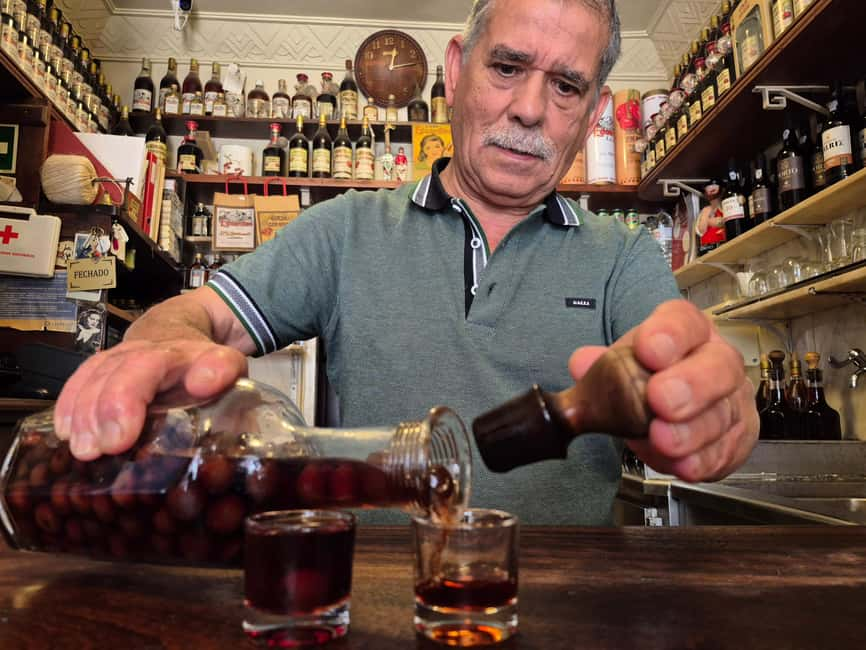
During the walk, you pause for ginjinha, a sweet and tangy cherry liqueur closely associated with Lisbon. It is a small drink with a strong local identity, and the stop gives your guide a natural chance to explain Portuguese drinking customs and the role of neighborhood bars.
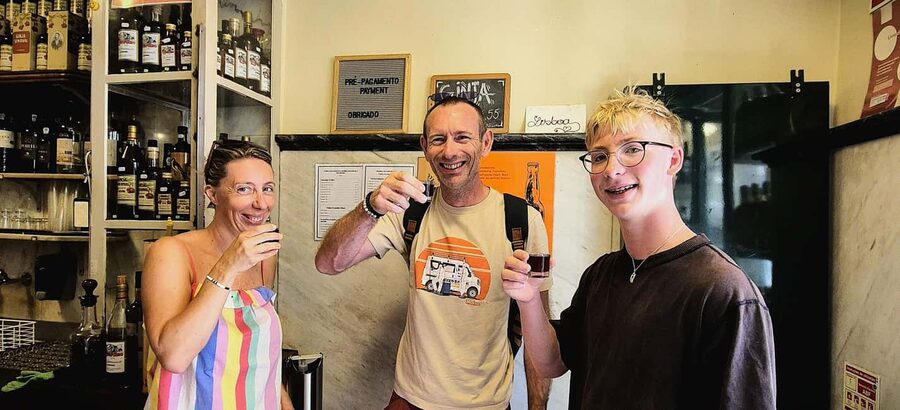
Ginjinha is not a large pour, but it is an important taste. It breaks up the savory food and helps the route feel like a stroll through local habits rather than a series of restaurant courses. If you do not drink alcohol, tell your guide early. Children who could not drink at some stops were accommodated, though the exact alternatives may vary.
The alcohol content is one reason this tour suits adults who enjoy food and wine more than families looking for a fully alcohol-free activity. Parents can still bring children, but the experience is built around adult beverages at several points.
Flame-grilled chouriço with Portuguese red wine
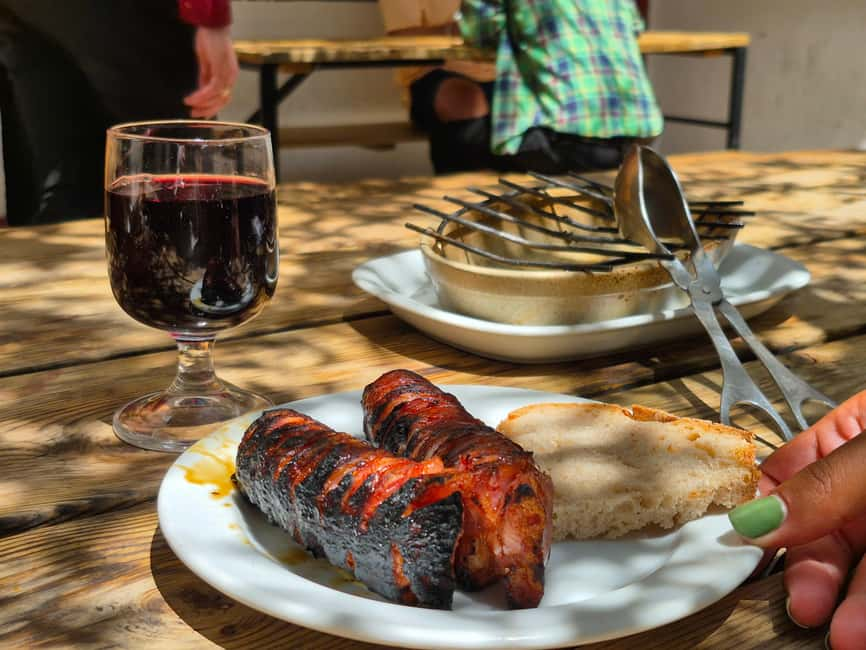
The next savory stop features Chouriço Assado, a Portuguese sausage grilled over an open flame. Expect a smoky, rustic bite with enough seasoning to pair naturally with a glass of red wine.
This is one of the more entertaining tastings because the sausage is prepared in a traditional style rather than presented as a cold slice. The chouriço adds heat and smoke to a progression that began with fried cod and cured ham.
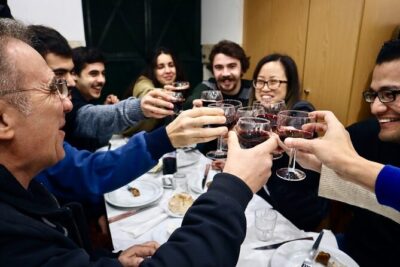
The red wine pairing matters here. The guide explains how the drink works with the sausage, helping you notice the difference between simply consuming food and tasting a planned combination. You do not need to be a wine expert. The point is to understand the pairing in a simple, useful way.
Ariana has been praised for her skill when cutting the chouriço, while Sergio is often singled out for keeping the stops moving without making the evening feel rushed. Guides can change, but the experience is designed around local hosts who explain what is on your plate.
More Wine Tours in Lisbon:
- Lisbon: Live Fado Show with Port Wine at Lisboa em Fado
★ 4.7 · 5,097 reviews - Lisbon: Fado Show and Wine inside Medieval Walls
★ 4.8 · 3,819 reviews - 2 Hour Lisbon Sunset and Wine Sailing Tour
★ 5.0 · 2,680 reviews - 2-Hour Lisbon Traditional Boats Sunset Cruise with White Wine
★ 4.5 · 2,091 reviews
Cheese, Vinho Verde, and a lighter pause
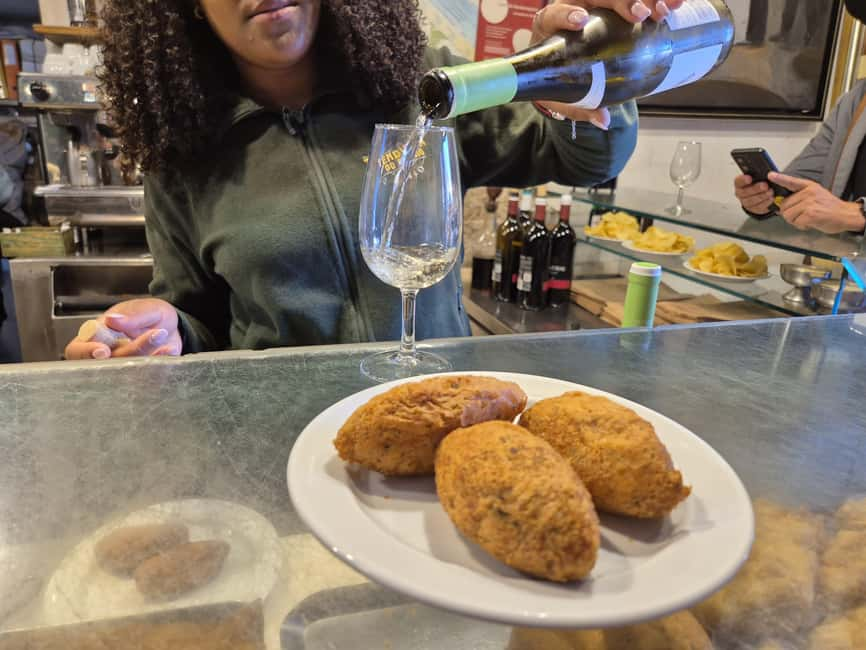
The route then shifts to artisanal Portuguese cheese with Vinho Verde. Despite its name, Vinho Verde is not necessarily green in color. It is a Portuguese wine style often known for a fresh, lively character, and it offers a good contrast to the fuller red wine served with the sausage.
This stop gives you a chance to slow down. You taste the cheese, sip the wine, and hear about ingredients and pairings before the larger main courses arrive. It is also a useful introduction to Portuguese cheese, which can be overlooked by people who focus only on cod, pork, and pastries.
The tasting takes about 30 minutes, according to the planned timing. That is long enough to enjoy the food without turning the stop into a formal wine class. If you want detailed information about every wine producer or vintage, this may feel basic. If you want practical guidance for ordering in Portugal, it fits the bill.
Seafood rice with lobster, the main event
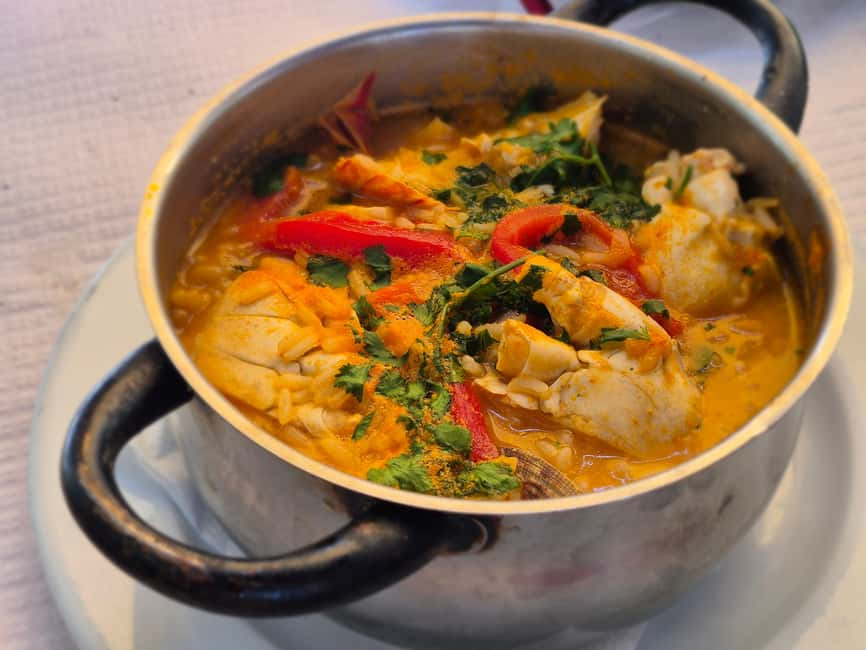
The most important dish on the route is arroz de marisco, Portuguese seafood rice, served with lobster. This is not dry rice with a few shellfish arranged on top. Portuguese seafood rice is known for its moist, brothy texture, and it reflects the country’s long relationship with the Atlantic.
The lobster makes this a generous central tasting, but the real value is the chance to try the dish in a traditional setting and learn how it is made. The guide discusses ingredients, preparation, and the maritime traditions behind the meal.
You should arrive hungry enough to appreciate this course. Several people found the tastings so generous that they did not need another meal afterward. That is a benefit if you want dinner included in the price, but it can be a drawback if you hoped to spend the evening sampling independently at several more restaurants.
The seafood rice also makes the tour a poor choice for anyone avoiding shellfish or with food allergies that the provider cannot handle. The supplied information specifically warns that not all allergies or restrictions can be accommodated.
Bacalhau à Brás and Portugal’s cod tradition
Alongside the seafood rice, you taste bacalhau à Brás, one of Portugal’s best-known cod dishes. It combines shredded salted cod with thin fried potatoes and egg, creating a soft, savory dish with a crisp element.
It is a useful pairing with the seafood rice because the two dishes show different sides of Portuguese cooking. One is brothy and shellfish-focused. The other is built around preserved cod, potatoes, and egg, with a home-style feel.
Bacalhau is a major part of Portugal’s food culture, and this dish gives you a more complete introduction than a simple fried cod cake alone. You taste cod at the beginning in snack form, then encounter it again as a main dish with a different texture and preparation.
The main-course section is scheduled for about 45 minutes. That longer stop helps the food feel like a meal rather than a rushed series of samples. It also gives the guide more time to explain the dishes and answer questions about what you may see on menus elsewhere in Lisbon.
Pastel de nata and Port to finish
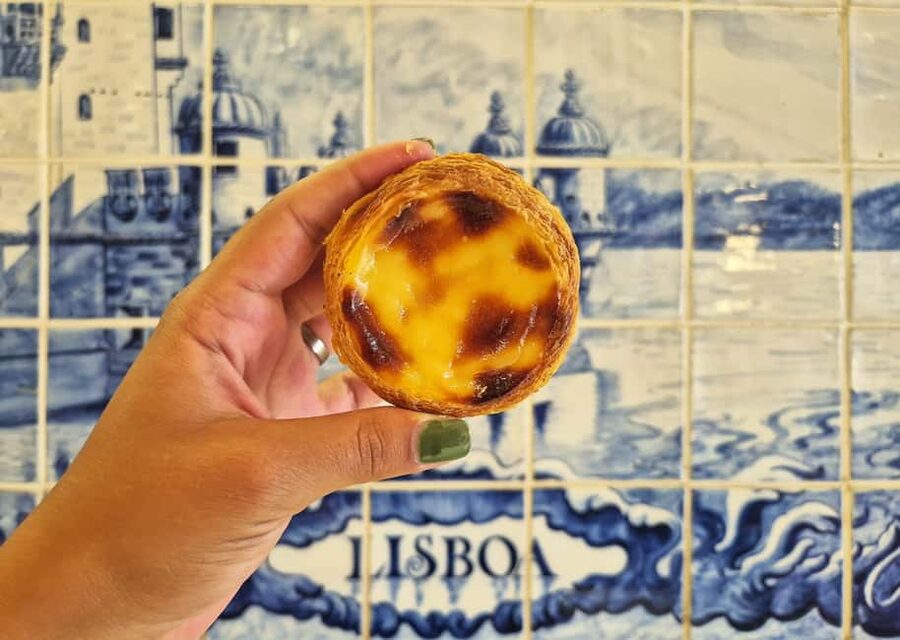
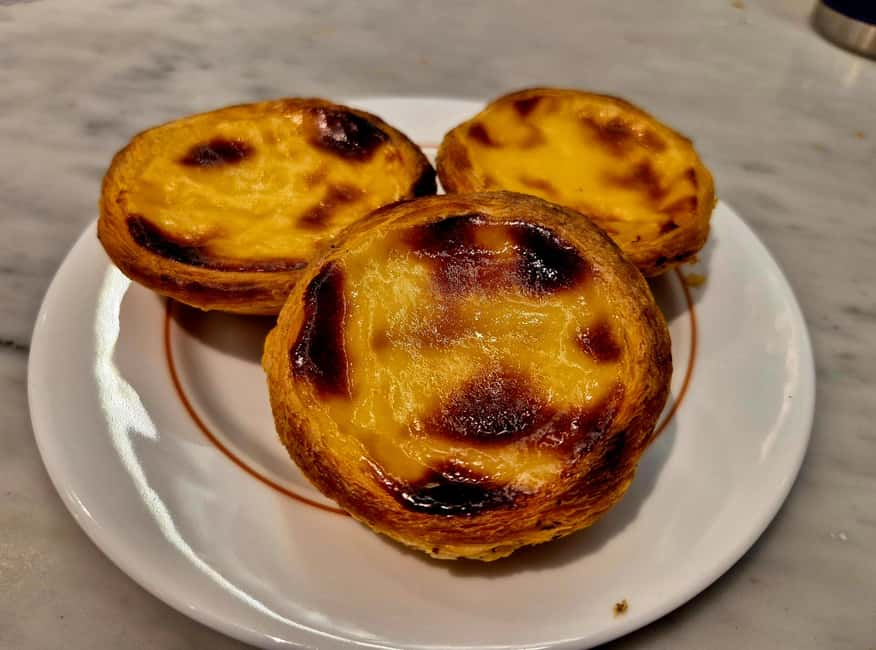
The final stop turns sweet with pastel de nata, the famous Portuguese custard tart. Its flaky pastry and creamy filling offer a familiar ending, but it is still worth tasting in context. Your guide can explain how this pastry fits into Portuguese café culture and why it appears on menus across the country.
The tart is paired with Port wine, giving the finish more weight than a simple coffee-and-dessert stop. Port is sweet, fortified, and made in Portugal, so it works naturally with the custard and pastry.
This last tasting lasts about 30 minutes. By then, you have covered a broad stretch of Portuguese food: cod, ham, sausage, cheese, shellfish, rice, potatoes, egg, pastry, and several drinks. The sequence feels intentional rather than random.
If you do not drink alcohol, this final pairing will need an alternative. The available information confirms that children were accommodated at some drink stops, but it does not promise a specific nonalcoholic replacement at every stop.
What the guides add to the meal
A food tour rises or falls on the person leading it. Here, Sergio is repeatedly described as friendly, relaxed, and strong on both Lisbon’s past and its food. He speaks four languages, including Portuguese, French, Italian, and English, and has guided for many years.
Ariana is also praised for her warmth and for connecting each tasting to Portuguese history. She has helped people with restaurant suggestions and made the route feel easy and social. The provider offers Portuguese, French, Italian, and English, but confirm your language when booking.
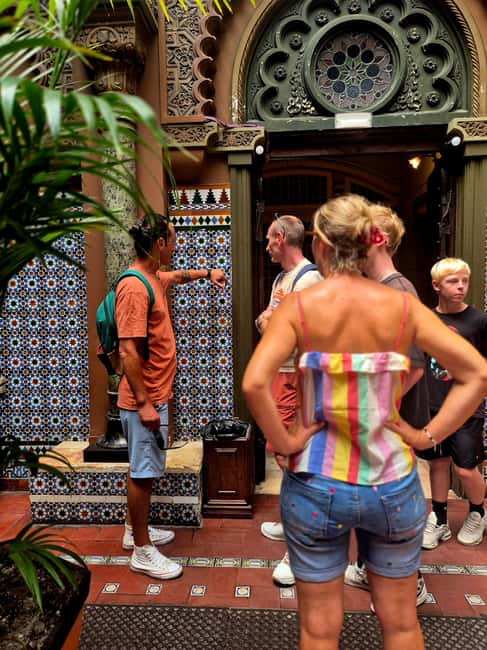
The best guide moments appear to come from the links between food and place. You may hear about Lisbon’s 1755 earthquake, the history of the neighborhoods, and the background of the eateries you visit. That gives the meal more meaning without turning the tour into a lecture.
The small group limit of 10 is important. A group this size can gather around a table, hear the guide, and ask questions without shouting. If demand is low, you might even receive a private-style tour. One couple found themselves as the only participants, while a family of three had a similarly personal evening.
Price, pace, and practical value
At $73 per person, the tour is not the cheapest way to eat in Lisbon. But price it against 12 tastings, several alcoholic drinks, a substantial seafood dish, a guided walk, and local restaurant stops. If you would otherwise buy dinner, wine, dessert, and a tasting of Portuguese specialties, the cost becomes easier to justify.
The strongest value comes on your first or second day. You get your bearings in Baixa, learn the names of dishes, and receive suggestions for later meals. You also avoid the common first-night problem of ordering from a menu without knowing what anything means.
The tour lasts three hours and starts near Praça Dom Pedro IV, around the north fountain of Rossio. The exact meeting point may vary with the option you book, so check your confirmation carefully. The tour returns to the Rossio area, with several listed drop-off points nearby.
Pickup and drop-off transportation are not included. That is not a serious issue if you are staying near central Lisbon, but it matters if your accommodation is outside the center. Plan to reach Rossio on your own and allow extra time to find the correct fountain or square entrance.
Free cancellation is available up to 24 hours before the activity for a full refund, and you can reserve while paying later. Those terms help if your Lisbon schedule is still shifting.
Who should book this food tour?
I would recommend it to you if you want a friendly introduction to Portuguese food without spending a week researching restaurants. It is especially useful for first-time visitors, couples, small groups, and anyone who likes a full meal broken into many small discoveries.
It also suits people who want history with their lunch or dinner. The city stories are not an extra lecture added at the end. They appear as you move from tavern to wine stop to restaurant, which makes them easier to remember.
You should think twice if you are vegetarian, vegan, gluten-free, lactose-intolerant, diabetic, or managing serious food allergies. The tour provider clearly says it cannot accommodate those needs. You should also skip it if you dislike alcohol, unless you confirm suitable alternatives before booking.
This is not the best choice for someone seeking a cooking class, a market visit, or a long list of high-end restaurants. It is a guided tasting walk with traditional food, local drinks, and plenty to eat.
Should you book Eat & Drink Like a Local?
Book this tour if you want to understand Lisbon through its table, especially at the start of your stay. The strongest reasons are the compact Baixa route, generous portions, small groups, and guides such as Sergio and Ariana who connect dishes with the city.
The main reasons to pass are dietary restrictions, alcohol preferences, or a desire for a more food-focused guide with bigger portions and more stops. For most omnivorous eaters who want a relaxed first taste of Portugal, $73 is a fair price for a three-hour meal, orientation walk, and restaurant introduction in one.
FAQ
How long does the Lisbon food and wine tour last?
The experience lasts three hours. It includes guided walking through Baixa de Lisboa and several tasting stops.
How many food and drink tastings are included?
The tour includes 12 different tastings. Listed examples include Pastel de Bacalhau, Pata Negra, ginjinha, Chouriço Assado, Portuguese cheese, Vinho Verde, red wine, seafood rice with lobster, bacalhau à Brás, pastel de nata, and Port wine.
Where does the tour meet?
The listed starting area is Praça Dom Pedro IV in Rossio, near the north fountain. The exact meeting point can vary depending on the option booked.
What languages are available?
The live guides operate in Portuguese, French, Italian, and English.
Is the tour suitable for dietary restrictions?
No. The provider cannot accommodate all food allergies or dietary restrictions. The activity is listed as unsuitable for vegans, vegetarians, people with diabetes, gluten intolerance, or lactose intolerance.
What is included in the $73 price?
The price includes a local guide, a small group with a maximum of 10 people, 12 tastings, wine tasting, priority at each stop, local tips, and the guided walk through Baixa. Pickup and drop-off transportation are not included.
Newest wine reviews around Lisbon
- Sintra: Full-Day Tour from Lisbon with Wine Tasting★ 4.8 · 58 reviews
- Arrabida Wine Tour – Lisbon: Wineries-Tastings-Tile Factory★ 4.9 · 179 reviews
- Lisbon Sunset Sailing – Small Group (max 10) Wine & History★ 4.8 · 41 reviews
- Lisbon: Sunset Sailing Boat Cruise with Wine★ 5.0 · 75 reviews
- Lisbon: Sintra, Pena Palace & Wine Tasting Small-Group Tour★ 4.9 · 156 reviews
- Lisbon: Sunset Sailing with Portuguese Wine and History★ 5.0 · 270 reviews
- Lisbon: Premium Port Wine Tasting & Tapas★ 5.0 · 54 reviews
- Lisbon: Private Sunset Sailing Tour with Champagne★ 5.0 · 114 reviews
Lisbon Wine Tours, compared.
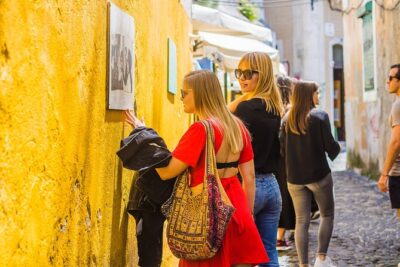
Winner 2025 Undiscovered Lisbon Food & Wine Tour by Eating Europe
Read our review →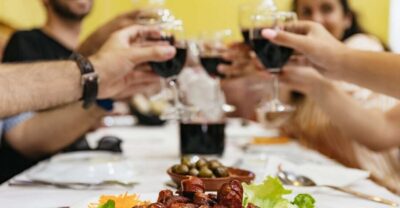


2-Hour Lisbon Traditional Boats Sunset Cruise with White Wine
Read our review →
Lisbon Food Tour with 10+ Tastings of Local Delicacies & Wines
Read our review →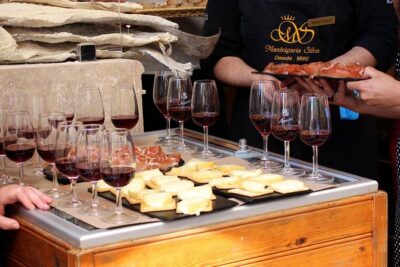
Award-Winning Original Lisbon Food Wine Tour: 19 Curated Tastings
Read our review →Lists this tasting appears in