
Reviewed · CANOES & KAYAKS
Lumbarda: Half-Day Kayaking and History with Wine delight
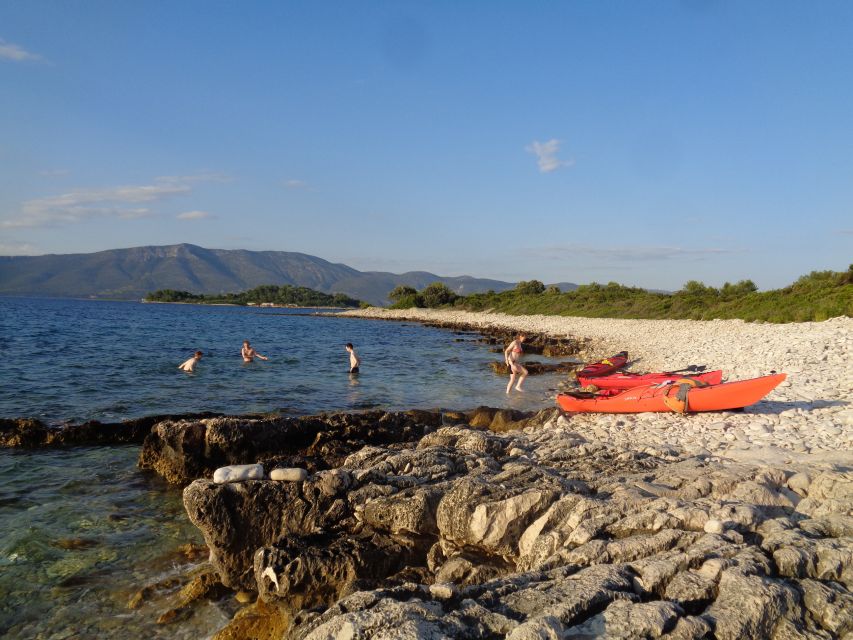
The best part of this half-day outing is the mix of easygoing sea kayaking and local culture. You paddle from Lumbarda to the quarry island of Vrnik, walk around Badija’s old Franciscan monastery, look for its free-roaming deer, and finish on a quiet pebble beach with GRK wine and Klašun pastries.
I like two things in particular: the small group, limited to 10 people, and the personal touch from guides Boris and Andre. The equipment is provided, swimming stops can be added, and the route is active without turning into an endurance test. The main consideration is that this is not suitable for people with mobility impairments, and you should be comfortable getting in a sit-in kayak and paddling for stretches of 15 to 30 minutes.
Key points at a glance
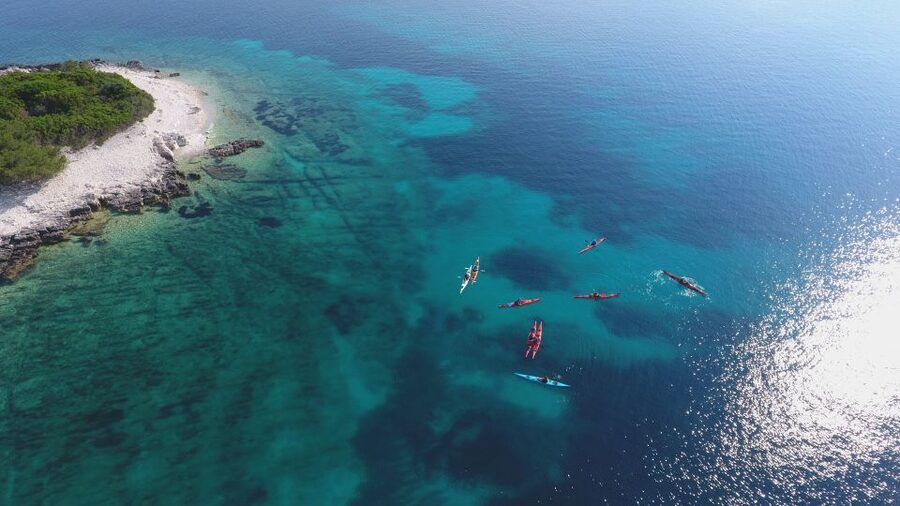
- Three very different islands: Paddle to Vrnik for quarry history, Badija for its monastery and deer, then a remote island for swimming and snacks.
- A genuinely local tasting: The GRK white wine comes from Lumbarda, while Klašun is a traditional pastry associated with Korčula Town.
- Guides who add context: Boris and Andre explain the islands, history, plants, and local customs rather than simply leading the route.
- Good for first-time kayakers: Single and double sit-in kayaks, paddles, spray skirts, dry bags, and personal flotation devices are supplied.
- A quiet finish: The final stop is planned as a break on a small, deserted island, with time to swim or simply sit by the water.
- Useful base in Lumbarda: The meeting point at Tatinja Bay is about a three-minute walk from central Lumbarda.
Starting in Tatinja Bay, Lumbarda
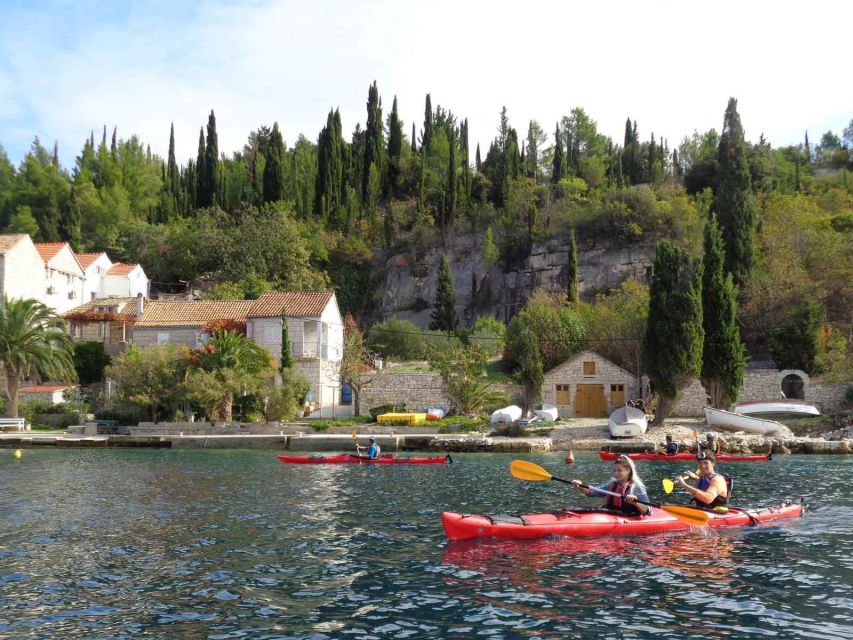
The tour begins at Tatinja Bay, near Restaurant Feral. From central Lumbarda, the walk takes about three minutes, so you do not need a car or a complicated transfer to reach the kayaks.
If you are driving, parking is available near the kayak storage in the bay. You can also reach Lumbarda by bus or taxi, and pickup may be available if arranged in advance. That makes this an easy addition to a stay in Lumbarda, and it is also practical if you are based elsewhere on Korčula and can arrange transport.
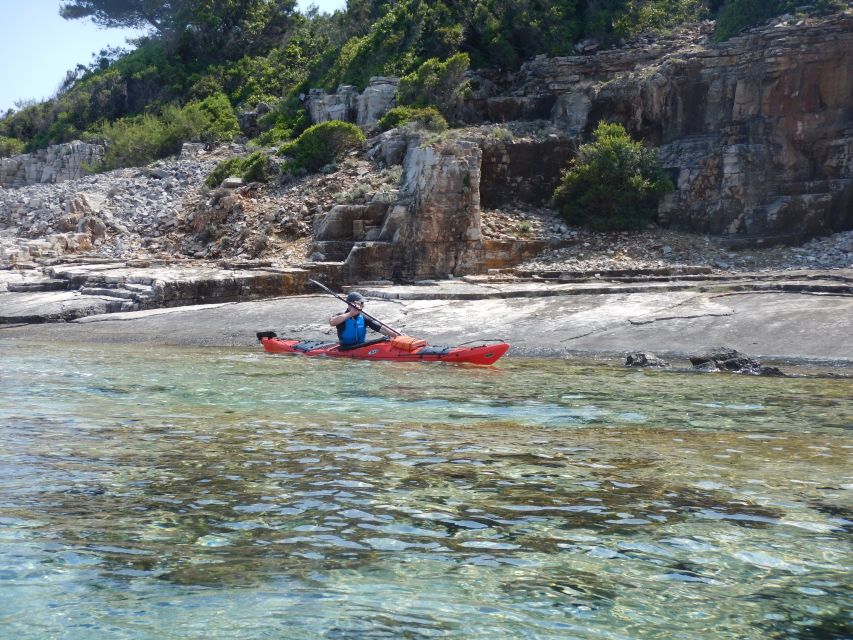
Before setting off, you receive a sit-in sea kayak, paddle, personal flotation device, dry bag, and spray skirt. Single and double kayaks are available. A short introduction to the equipment matters here, especially if this is your first time in a sit-in boat. Boris and Andre are careful about comfort and safety, and the small group makes it easier to ask for help.
The tour lasts five hours. You will spend much of that time on the water, but this is not five straight hours of paddling. The route includes walking, history, swimming, snack breaks, and time to rest. Paddling between islands usually takes about 15 to 30 minutes, according to the route and group pace.
More Kayak and Canoe Trips in Croatia:
- Sunset Sea Kayaking and Wine Dubrovnik
★ 5.0 · 949 reviews - Dubrovnik: Sunset Kayaking & Snorkeling with water &wine
★ 5.0 · 599 reviews - Dubrovnik: Guided Sunset Sea Kayaking Tour with Wine
★ 4.9 · 333 reviews
Paddling across the islands in front of Korčula
The early part of the outing gives you a fine introduction to the small islands in front of Lumbarda. The water is clear, the islands are close together, and the route has a pleasant sense of progress without requiring an all-day commitment.
I like this format because the kayaking has a purpose. You are not simply circling a bay or following a guide along one unchanging stretch of coast. Each stop offers something different, and the gaps between them give you time to enjoy the sea and scenery.
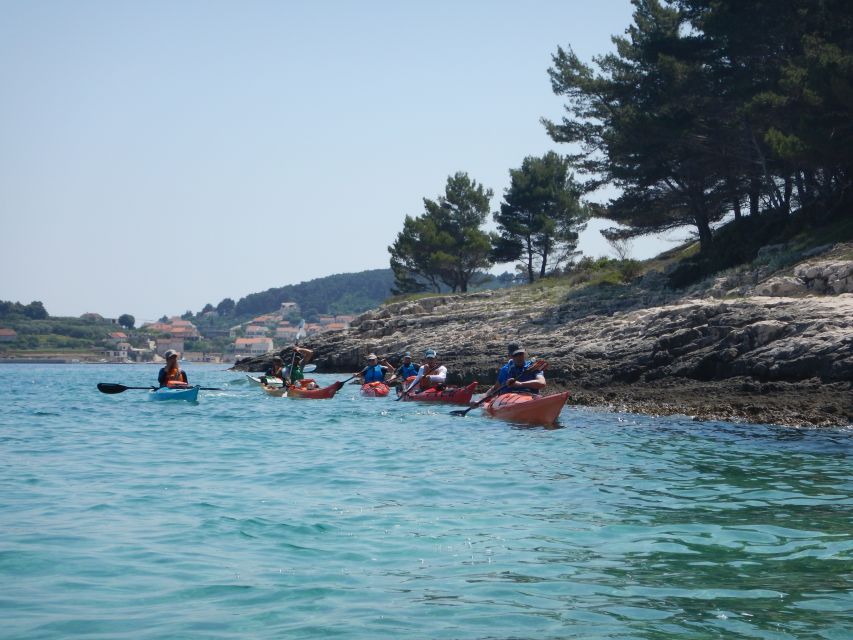
The pace is adjusted to the group. Strong paddlers can get a useful workout, while beginners have enough time to settle into the rhythm. The route has been described as good exercise without being overly tiring. Still, you should be ready to paddle for several stretches and to handle a sit-in kayak for much of the morning or afternoon.
Swimming breaks depend on the group’s wishes. If everyone wants more time in the water, the guide can allow it. If the group prefers to keep moving, the schedule can focus more on the islands and their history. This flexibility is one of the advantages of a group capped at 10 people.
Vrnik: quarries cut into a small island
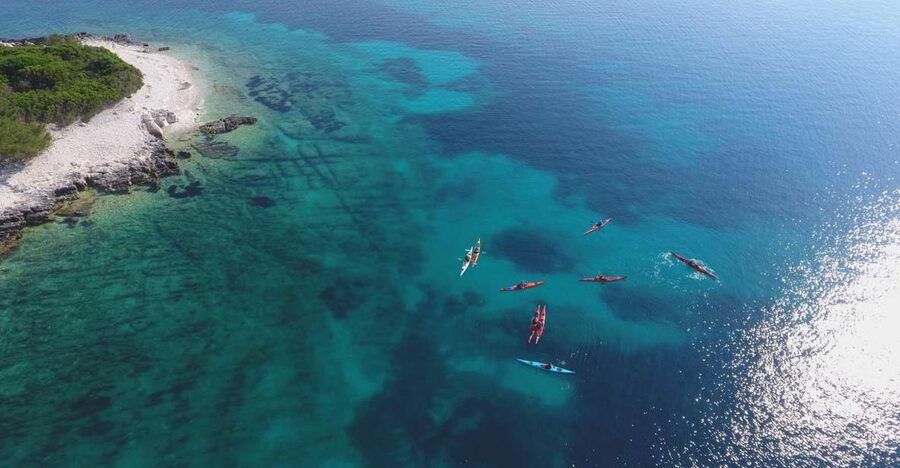
One of the most distinctive stops is Vrnik, a small island known for its quarries. The stone workings date from antiquity through later periods and reflect a quarrying tradition that continues in the region today.
This is not a polished museum visit. The interest comes from seeing the old quarry sites in their actual setting, with the sea close by and the island’s modest scale making the human work easy to understand. Your guide explains how the stone shaped local history and gives the stop more meaning than a quick photo break would provide.
The quarry story also helps you see Korčula differently. The island is famous for beaches and clear water, but its past is tied to practical work, trade, building stone, fishing, and religious institutions. Vrnik gives you a glimpse of that working side.
You will also visit an old settlement area on the island. The stop is best suited to people who enjoy small historical sites rather than grand monuments. There is no suggestion of a long formal tour or a large visitor center, so keep your expectations focused on the atmosphere, the stonework, and the guide’s explanation.
Badija’s monastery and its quiet deer
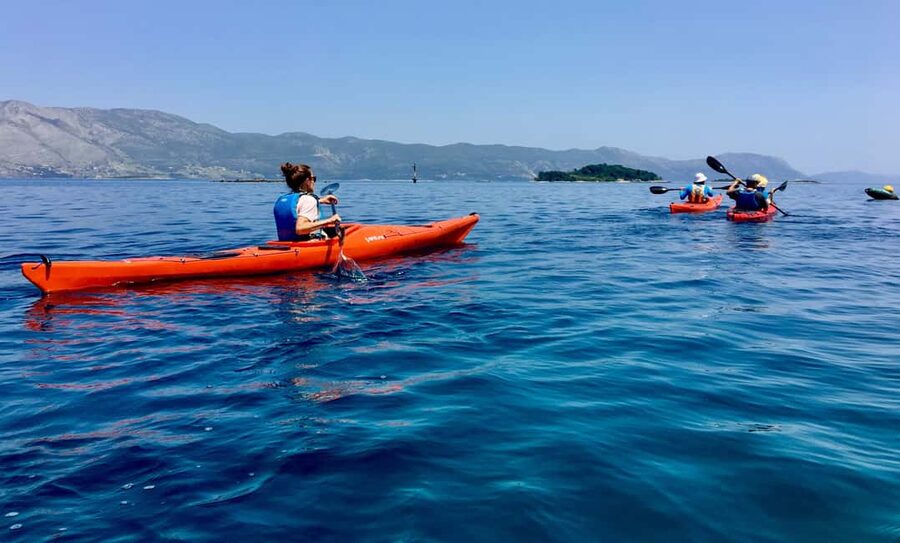
From Vrnik, the tour continues to Badija. The island’s Franciscan monastery dates to the 14th century and has had a turbulent past, yet it retains an appealing sense of age and calm.
The monastery stop breaks up the kayaking nicely. You leave the boat for a walk, stretch your legs, and hear about the island’s religious and historical role. The building’s appeal is not only its age. Its survival through difficult periods gives the site a human story, and the setting makes the visit feel separate from the busy parts of the coast.
Badija is also home to wild deer. They move freely around the island, and seeing them is one of the outing’s most unusual details. They are not presented as a staged animal attraction, so you should treat the encounter as a chance sighting rather than a guaranteed close-up.
This combination of monastery and wildlife makes Badija the strongest stop for variety. In one visit, you get medieval history, a walk through an island setting, and the possibility of seeing calm deer. The walk also gives your shoulders and arms a needed break before the next paddle.
More History Tours in Croatia:
- Bits of History – Half day kayak Tour with Wine delight
★ 5.0 · 178 reviews - Dubrovnik Old Town: Night tour with History, Wine & Bites
★ 4.7 · 59 reviews - Šibenik: Croatia in a Day, Vistas, History, Olive Oil, Wine
★ 5.0 · 30 reviews - Douro Valley: Historical Sites, Wine Experience, Lunch & Cruise
★ 5.0 · 5,133 reviews
A deserted island, GRK, and Klašun
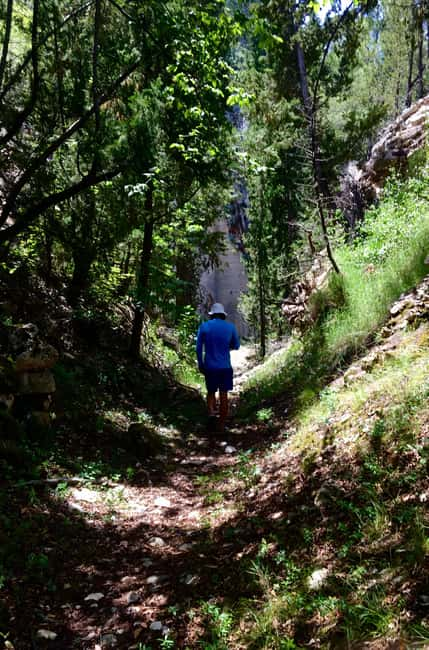
The final stop is designed for relaxation. On a small remote island, the guide lays out a glass of GRK, Lumbarda’s famous white wine, along with homemade Klašun pastries, a traditional sweet associated with Korčula Town.
This is where the tour feels most personal. The wine is connected to Lumbarda, and the pastries are homemade rather than generic packaged snacks. Sage juice is available for children, so the tasting is not limited to adults.
GRK is a particularly useful local introduction because it is associated with Lumbarda. You are not simply being handed a standard Croatian wine found everywhere along the coast. The tasting gives you a direct connection to the place where the tour begins.
Klašun adds another local detail. These pastries are native to Korčula Town, and they pair naturally with a slow break by the sea. The food is modest, but that is part of its appeal. You are sampling family-style local treats in the setting where the day has taken you, not sitting through a formal tasting session.
The beach stop also leaves room for choice. You can swim, rest on the pebbles, eat, talk, or simply enjoy having no town facilities around you. Bring a practical attitude: remote beaches are attractive precisely because they are simple, so do not expect changing rooms, restaurants, or a full range of services there.
How hard is the kayaking?
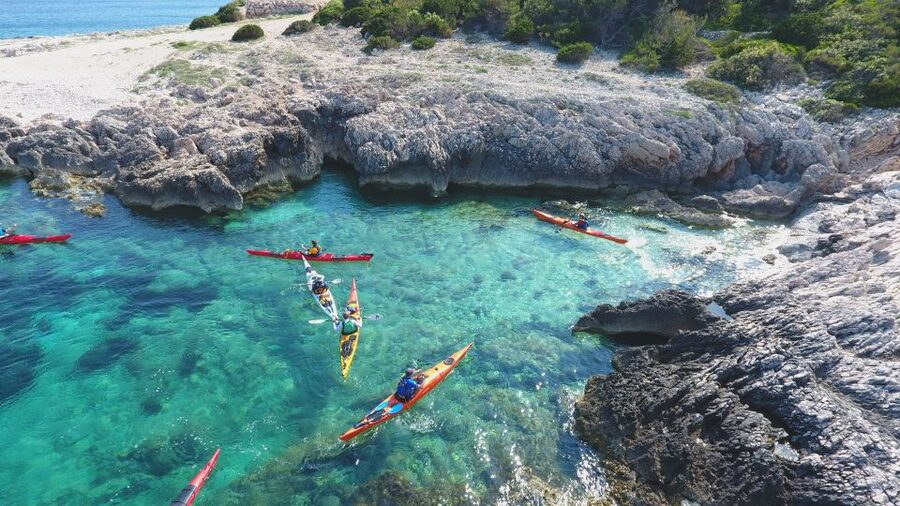
The route suits beginners who are willing to learn the basic technique and paddle at a relaxed group pace. The tour includes sit-in kayaks, and guides explain how to use the equipment and stay comfortable.
Paddling between the islands generally takes 15 to 30 minutes. That is enough to provide real exercise, but the route is broken up by island walks, history, food, and possible swims. Several people have found it active without being exhausting, which is a fair description of the format.
You should still consider your own mobility and comfort around water. The activity is specifically not suitable for people with mobility impairments. The guide can help with equipment and safety, but this is an active sea outing, not a sightseeing cruise.
Wear clothing suitable for getting wet and bring anything you need for sun protection. The dry bag helps protect small personal items, but you should keep valuables to a minimum. A swimsuit makes sense if you plan to use the swimming stops.
The guides make the difference
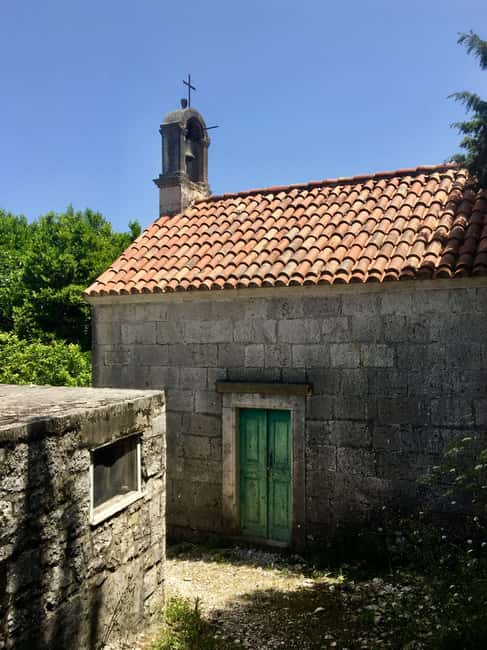
Boris is the main name associated with this experience, and Andre also leads tours. Both bring local knowledge and a friendly, attentive approach to the route.
The strongest part of their guiding is the range of subjects covered. You can expect stories about the islands, quarrying, the monastery, local traditions, plants, and Korčula’s food and wine. Boris has also offered practical suggestions for places to eat around the island, including seafood pasta and risotto spots that are easy to miss without local help.
Andre grew up on the island and adds a personal connection to the places you visit. The guides also pay close attention to the group, checking that everyone is comfortable with the kayaks and keeping an eye on safety.
The live guiding is available in Bosnian, Croatian, English, and Serbo-Croatian. If you want a silent paddle with no commentary, this may feel more talkative than you prefer. If you enjoy asking questions and hearing local stories, the guide is a major part of the value.
Is $81 a fair price?
At $81 per person, this is not the cheapest way to get on the water around Korčula. It is also more than a basic kayak rental, but the comparison is not quite fair.
The price includes five hours, a guide, all kayaking equipment, a small-group format, historical stops, a monastery visit, a deer encounter, swimming time, GRK wine, sage juice for children, and homemade Klašun pastries. You are paying for an organized route and local interpretation, not only for the boat.
I consider the price reasonable if you want a half-day activity with several layers. You could rent a kayak for less, but you would need to plan the route, find the islands, arrange your own equipment, and miss the stories and local tasting. The value is strongest for couples, small groups, and first-time kayakers who want structure without joining a large excursion.
The value is weaker if you only want to paddle hard or spend the whole time swimming. In that case, a simple rental may suit you better. This tour works because it combines several short experiences into one well-paced outing.
Who should book this outing?
I would recommend it to active visitors who want more than a beach day but do not want a full-day adventure. It is especially good for couples, families with older children, first-time kayakers, and anyone interested in local food and island history.
It also suits you if you like small groups. A maximum of 10 people allows the guide to keep the pace personal and respond to questions. The route has enough variety to work for people with different interests: one person can focus on the quarries, another on the monastery, another on the swimming and wine.
You may want to skip it if you have mobility limitations, dislike sit-in kayaks, or want guaranteed long swimming sessions. It is also not the right choice if you prefer a fast, athletic paddle with little commentary.
Free cancellation is available up to 24 hours before departure, and you can reserve now and pay later. Starting times vary, so check availability before planning the rest of your day.
The final call
Book this tour if you want Korčula’s coast presented as a living place, not just a pretty stretch of water. The combination of Vrnik’s quarries, Badija’s monastery and deer, secluded beaches, GRK wine, and Klašun pastries gives the half-day real character.
The best reason to choose it is the balance. You get exercise, but not an exhausting workout. You get history, but not a long lecture. You get local food and wine, but in a relaxed beach setting rather than a formal tasting room.
Skip it only if kayaking is uncomfortable for you or if you want complete freedom to set your own pace. For most active visitors staying in or near Lumbarda, $81 buys a well-organized and unusually personal way to see the islands.
FAQ
Where does the kayak tour begin?
The meeting point is in Tatinja Bay in Lumbarda, near Restaurant Feral. It is about a three-minute walk from central Lumbarda.
How long does the experience last?
The tour lasts five hours. Check availability for the exact starting time.
What islands does the tour visit?
The route includes Vrnik, Badija, and a remote small island where you can relax, swim, and enjoy local refreshments.
What is special about Vrnik?
Vrnik is known for old quarries dating from antiquity through later periods. The quarries reflect the long local tradition of working stone.
What can you see on Badija?
You can visit a Franciscan monastery dating to the 14th century and look for wild deer living on the island.
Is swimming included?
Swimming breaks are possible and depend on the wishes of the group. The final remote-island stop provides time for swimming or relaxing.
What food and drinks are included?
The tour includes a glass of GRK white wine from Lumbarda and traditional homemade Klašun pastries. Homemade sage juice is provided for children.
What kayaking equipment is supplied?
You receive a sit-in sea kayak, paddle, personal flotation device, dry bag, and spray skirt.
Is the tour suitable for beginners?
The route can suit beginners, and the guides provide help with the equipment and safety. You should still be comfortable paddling for stretches of about 15 to 30 minutes.
What languages are available?
The live tour guide can speak Bosnian, Croatian, English, and Serbo-Croatian.
How many people are in the group?
The group is limited to 10 participants.
Can I cancel or pay later?
You can cancel up to 24 hours in advance for a full refund. You can also reserve now and pay later.
More Half-Day Trips in Croatia
- From Dubrovnik: Half-Day Wine Tasting and Cavtat City Tour
★ 4.8 · 112 reviews - From Korcula Town: Local Wine & Sightseeing Half-Day Tour
★ 4.5 · 62 reviews - Montserrat Half-Day Tour with Tapas and Gourmet Wines
★ 5.0 · 7,359 reviews - From Florence: Chianti Half-Day Wine Tour with Tasting
★ 4.5 · 3,031 reviews
Newest wine reviews around Croatia
- Dubrovnik: Sunset Wine Tasting At Panorama Point★ 4.9 · 72 reviews
- Split&Sip: Educational wine tasting★ 4.9 · 52 reviews
- Split: Blue Lagoon & 3 Island Cruise with Wine & Snorkeling★ 5.0 · 111 reviews
- Šibenik: Croatia in a Day, Vistas, History, Olive Oil, Wine★ 5.0 · 30 reviews
- Lumbarda – Sunset Kayak Tour with a Picnic – Wine and Sweets★ 5.0 · 45 reviews
- Korcula: Buggy Safari with Local Food and Wine Tasting★ 5.0 · 97 reviews
- From Korcula Town: Local Wine & Sightseeing Half-Day Tour★ 4.5 · 62 reviews
- Korcula Buggy Safari With Wine Tasting★ 4.5 · 39 reviews
Canoes & Kayaks, compared.
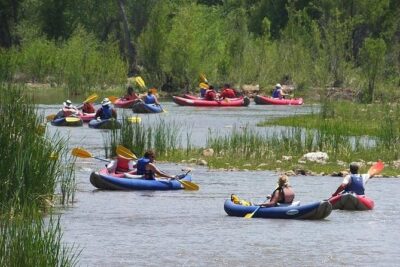
2 Hours Water to Wine Kayak Trip from Cottonwood
Read our review →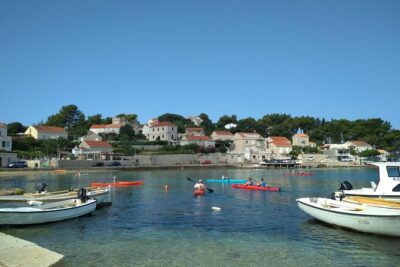
Bits of History – Half day kayak Tour with Wine delight
Read our review →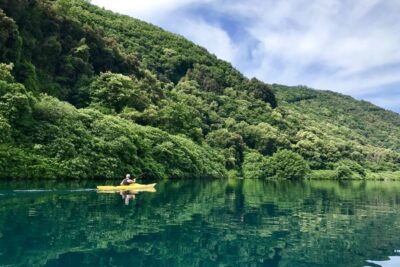
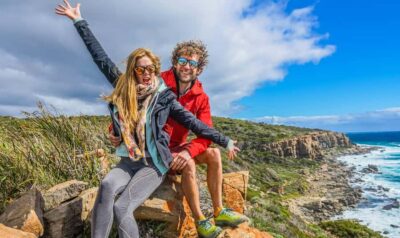
Margaret River: Guided Canoe & 4×4 Tour with Lunch & Wine
Read our review →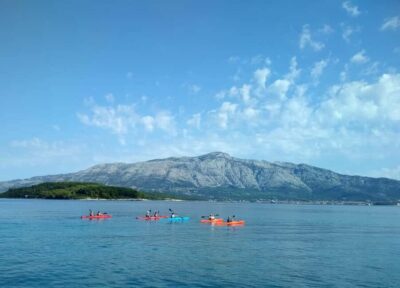
Lumbarda – Sunset Kayak Tour with a Picnic – Wine and Sweets
Read our review →Lists this tasting appears in