
Reviewed · WINE TASTINGS
Rimini: San Valentino DOC Wine Tastings
San Valentino puts the focus where it belongs: on the wine, the land around Rimini, and the people who make each bottle. You’ll walk through a small agricultural estate, hear how the grapes are handled from vineyard to cellar, then taste the results at an unhurried table. The small group of up to four makes this feel personal rather than factory-made.
I like the clear link between production and tasting. You first learn the winemaking process, then use that information to spot differences among Sangiovese, Syrah, Cabernet Franc, and Rebola. I also like the generous local snack board, with cured meats, cheeses, bread, and olive oil. The main limitation is that this is strictly for adults, and the short visit leaves little time for anything beyond the winery, tasting, and immediate surroundings.
Key points to know before booking
- Five or six wines: The tasting includes five or six Romagnoli wines, depending on the option you choose.
- A real cellar visit: You learn about vineyard care, grape selection, maturation, and refinement rather than simply sampling bottles.
- Four people maximum: The small group suits anyone who wants room to ask questions.
- A useful regional introduction: The tasting covers Sangiovese, Syrah, Cabernet Franc, and Rebola.
- Italian and English: The guide speaks both languages, but mixed-nationality groups are generally conducted in English.
- Adults only: Children under 18 and pregnant women are not permitted to take part.
Arriving at Azienda Agricola San Valentino near Rimini
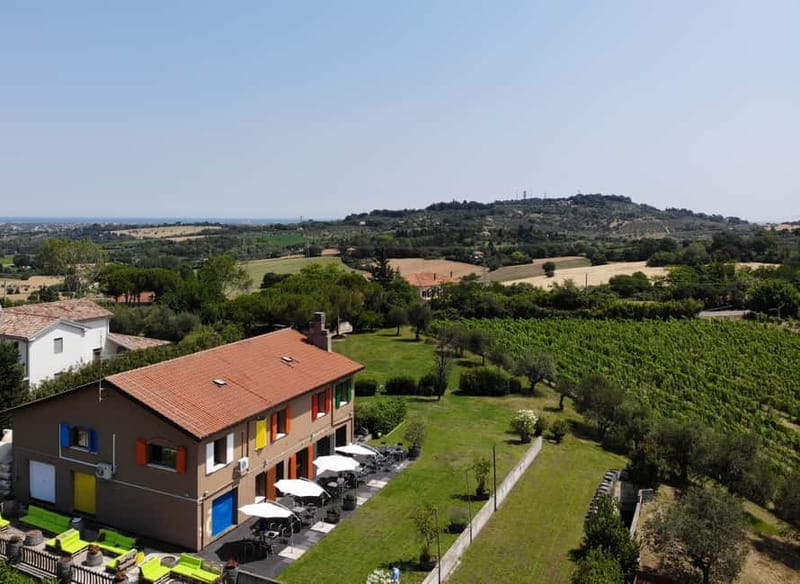
Your visit begins at Azienda Agricola San Valentino, a farm surrounded by vineyards in the Rimini hinterland. The meeting point is also the end point, so you do not need to keep track of several stops or arrange a separate return from the tasting.
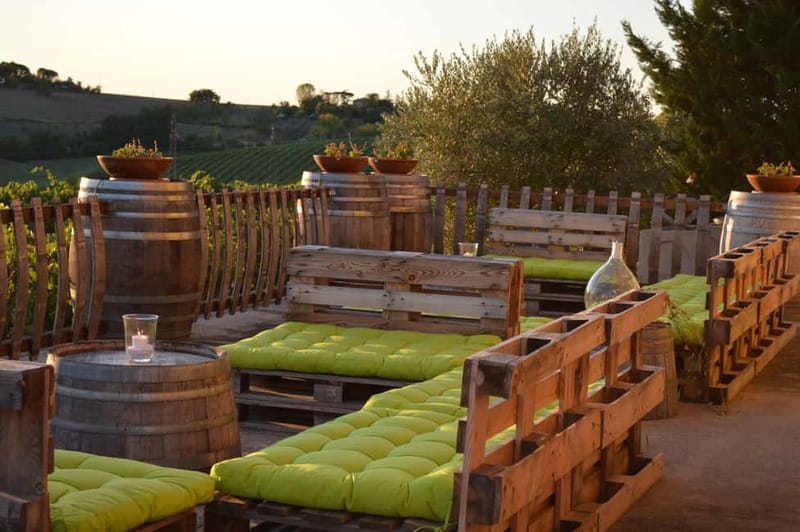
The setting matters here. This is not a wine bar in central Rimini where bottles arrive from somewhere else. You are at the agricultural estate connected to the wine itself, with the vineyards and cellar forming the backdrop to the visit. The exact route through the property can vary, but the experience is built around seeing the place where the grapes are grown and the wine is made.
I would allow yourself enough time to arrive at the farm without rushing. The activity lasts about one to one and a half hours, and the stated duration does not include any travel time needed to reach the meeting point. Starting times vary, so check the available slot carefully when you book.
The group is capped at four people. That small size is a major advantage in a cellar. You can ask about a particular grape, pause over a wine you like, or ask for clarification without trying to compete with a busload of people.
More Wine Tastings in Italy
- Florence: Chianti Wineries Tour with Wine Tasting
★ 4.5 · 10,071 reviews - Small-Group Wine Tasting Experience in the Tuscan Countryside
★ 5.0 · 7,392 reviews - Rome: Tuscany & Montepulciano Day Trip with Lunch & Wine Tasting
★ 4.5 · 5,232 reviews
From vineyard care to the cellar
The visit begins with the story of San Valentino and the surrounding territory. You learn how the company works and why the local setting matters to its wines. The emphasis is not just on a finished bottle, but on the chain of decisions that comes before it.
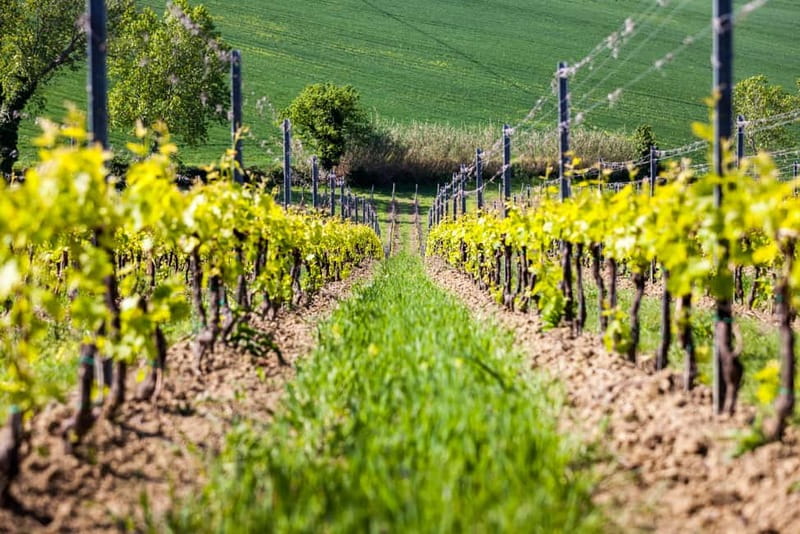
You are introduced to the vineyards and to the care given to the vines. From there, the guide explains grape selection and the methods used to turn the harvested fruit into different labels. The presentation covers maturation and refinement as well, so you get a sense of the stages between harvest and the wine in your glass.
This part is especially helpful if wine terms usually feel vague. Instead of hearing a list of tasting notes with no context, you first see how different grapes and winemaking choices shape the final product. The later tasting becomes easier to follow because you have a framework for comparing the wines.
The cellar visit is also where the experience earns its value. You are not simply being poured samples. You are shown how the winery’s work affects aroma, flavor, and style. One of the strongest parts of the experience is the connection between the guide’s explanation and what you taste afterward.
The visit is compact, though. If you want a long technical seminar on vintages, barrel programs, or regional wine law, this is probably not the right format. The information is designed for a short, approachable introduction rather than a specialist course.
Four grapes, several styles in the glass
San Valentino’s tasting introduces four grape varieties: Sangiovese, Syrah, Cabernet Franc, and Rebola. That range gives you a useful cross-section of the estate’s production.
Sangiovese is the familiar red grape associated with much of central Italy, but here it is part of the local Romagnoli picture. Syrah and Cabernet Franc bring other red-wine styles into the lineup, while Rebola gives the tasting a white-wine option with a strong connection to the Rimini area.
You should expect the exact selection to vary. The standard tasting includes five or six wines, depending on the option chosen, and the available bottles may shape the order and final lineup. That is worth keeping in mind if you arrive expecting a fixed menu.
The tasting is not presented as a blind test or a competition. The guide explains the aromas and flavors associated with the wines, then gives you time to notice the differences yourself. One particularly useful approach is tasting a white alongside several reds. If you prefer red wine, the tasting can still work well, since the selection may include one white and three red wines, along with additional pours.
I like this structure because it gives the tasting a clear purpose. You are not trying to find the most expensive or most powerful wine. You are learning how grape variety and production choices produce different results.
For someone new to wine, four grape names are enough to make the experience interesting without turning it into homework. For an experienced wine drinker, the appeal is more specific: you can focus on how San Valentino handles the varieties and how the estate’s labels compare within the same setting.
The food pairing keeps the tasting grounded
The wine comes with bread, olive oil, cured meats, and cheeses. This is more than a decorative snack. Food changes how wine tastes, and the board gives you something substantial enough to make the tasting feel like a small regional meal.
Bread and olive oil offer a simple start. The cured meats bring salt and richness, while the cheeses create another useful contrast with the wines. You can taste a wine on its own, then try it with food and notice how the balance shifts.
The food also makes the experience easier for people with different levels of wine interest. A dedicated wine enthusiast may focus on grape varieties and winemaking technique. Someone joining mainly for the setting and local flavors still gets a satisfying part of the visit.
Do not mistake the included food for a full lunch. It is a tasting accompaniment, not a restaurant meal. If you are planning this around a major meal, think of it as a generous snack board rather than a replacement for lunch or dinner.
The combination is one reason the experience feels good value even without a listed price in the information provided. You receive the guided estate visit, a cellar explanation, five or six wines, and local food in a short session. The value improves if you want an introduction to Romagna wine without committing half a day to it.
Same region, a different bottle:
- Tuscany Day Trip from Florence: Siena, San Gimignano, Pisa and Lunch at a Winery
★ 5.0 · 21,634 reviews - Florence: Pasta Cooking Class with Unlimited Wine
★ 4.9 · 10,285 reviews - Florence: Pasta & Tiramisu Cooking Class with Unlimited Wine
★ 4.9 · 6,708 reviews - Florence: Pasta Cooking Class with Unlimited Wine
★ 5.0 · 6,413 reviews
A small group changes the tone
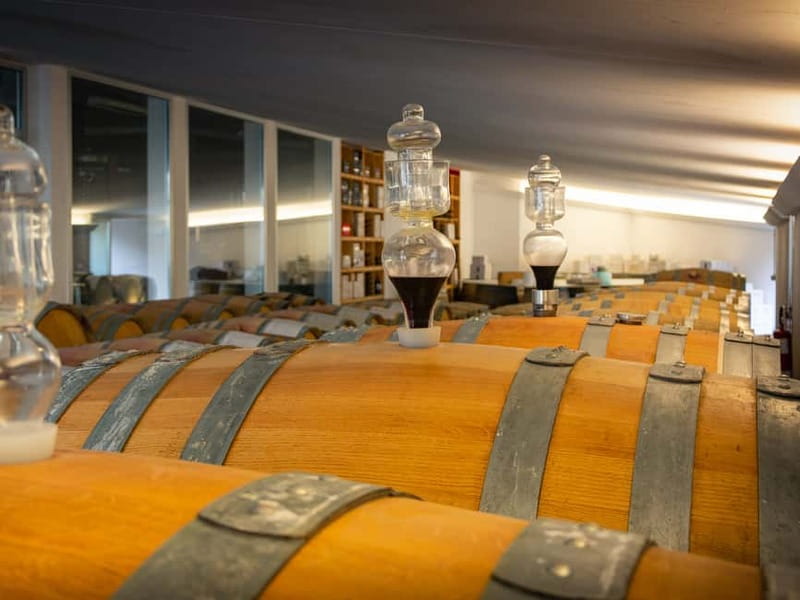
With a maximum of four participants, this is a very different experience from a large winery tour. The guide can keep the pace flexible, answer individual questions, and notice when someone wants more explanation about a particular bottle.
The small group also suits couples and friends traveling together. You can share the tasting without feeling separated from the guide’s attention. A family-owned feel comes through in the scale of the visit, and the setting has been described as an enjoyable orchard and vineyard property rather than a large commercial operation.
There is no named guide provided for this experience, so I would not book it expecting a particular person. You can expect a live guide in Italian or English. If people of different nationalities share your time slot, English is generally used for the whole group.
That language rule is practical and fair, but it can matter if you are hoping for a fully Italian-language visit. If everyone in your group speaks Italian, the tour may be conducted in Italian. With a mixed group, plan on English.
Because the visit is intimate, basic wine curiosity goes a long way. Ask how the grapes differ, what happens during maturation, or why a particular aroma appears in the glass. You will get more from the hour if you take part rather than treating it as a series of automatic pours.
Timing, flexibility, and who will enjoy it most
The scheduled activity takes one to one and a half hours. That makes it easy to fit into a day based in Rimini, especially if you want a countryside break without giving up an entire afternoon.
The short length is also a possible drawback. The vineyard, cellar, explanation, and tasting all share the same limited window. You get a focused introduction, not a long walk through every part of the property or a leisurely meal with several courses.
You can reserve now and pay later, which helps if your schedule is still changing. Free cancellation is available up to 24 hours in advance for a full refund. Those terms are useful for a flexible Italian itinerary, but you should still check the final booking conditions and start time before confirming.
This experience suits you best if:
- You want a small, adult-only wine visit near Rimini.
- You enjoy learning how wine is produced, not just drinking it.
- You like tasting several grape varieties side by side.
- You prefer a relaxed food pairing to a formal meal.
- You have one to one and a half hours available.
- You are comfortable meeting at the farm rather than beginning in central Rimini.
It is less suitable if you are traveling with children, avoiding alcohol, or looking for a full-day wine route with transport between several estates. It also may not satisfy someone seeking a large meal or a lengthy technical masterclass.
Pregnant women are specifically listed as unable to take part. The activity is also not suitable for anyone under 18, so this is an adults-only stop from the start.
What makes the experience worth the time
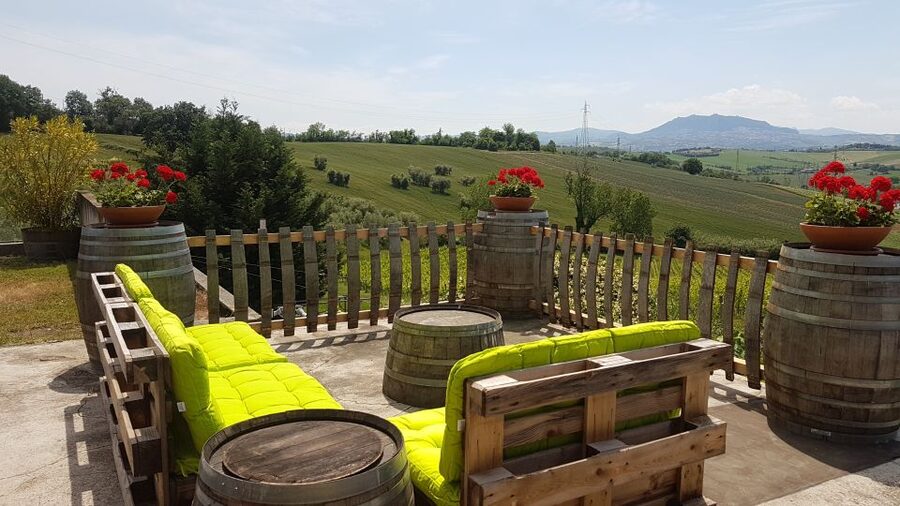
The strongest reason to choose San Valentino is the sequence. You begin with the company and territory, move into vineyard and cellar production, and finish by tasting the wines with local food. Each part supports the next.
That order gives you a better way to understand the wine than tasting alone. When you hear about grape selection and maturation before drinking, you can pay attention to more than simple likes and dislikes. You begin to notice how a white made from Rebola differs from the red wines, or how Sangiovese compares with Syrah and Cabernet Franc.
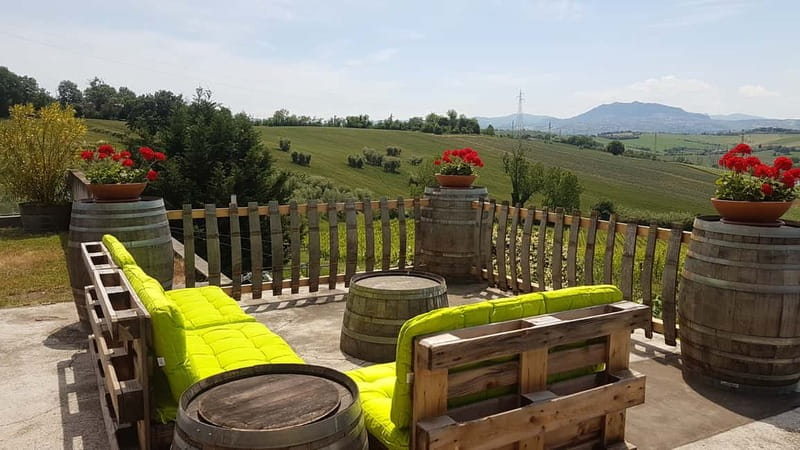
The scenery adds to the appeal, but the agricultural connection is more important than taking a few pretty photographs. You are visiting a working farm and winery, not a themed attraction. The experience is strongest when you care about the relationship between place, grapes, and finished wine.
I also appreciate that the food is local and uncomplicated. Bread, olive oil, cured meats, and cheese let the wine remain central while giving you familiar flavors to use as a reference. You do not need to be an expert to understand the pairing.
The 4.7 rating from 52 ratings reflects the overall strength of the experience, but you should read that in context. The tour is praised for its cellar explanation, attractive setting, kind guidance, excellent wines, and intimate scale. Those are exactly the areas where this activity delivers. It is not being sold as a grand estate tour or a full culinary event, and it should not be judged by those standards.
Is San Valentino a good choice for you?
I would book this if you want a personal introduction to the wines of the Rimini hinterland and prefer a farm setting to a city tasting room. The combination of five or six wines, a cellar explanation, and a board of local food offers plenty for a short visit.
The best match is an adult couple, a pair of friends, or a very small group with an interest in regional food and wine. The maximum of four gives the guide room to explain the wines properly, while the one to one and a half-hour schedule keeps the commitment manageable.
I would skip it if you need a child-friendly activity, a full meal, or a long technical tour. For everyone else, San Valentino offers a focused and authentic-feeling taste of Romagna, with enough explanation to make the wine memorable after you leave the farm.
FAQ
Where does the wine tasting begin?
The activity begins at Azienda Agricola San Valentino, the farm and winery where the visit takes place.
Where does the activity end?
The activity ends back at the same meeting point at Azienda Agricola San Valentino.
How long does the experience last?
The wine tasting and guided visit last about one to one and a half hours. Available starting times vary, so check the schedule when booking.
How many wines are included?
The tasting includes five or six Romagnoli wines, depending on the option you select.
Which grape varieties are introduced?
The experience covers Sangiovese, Syrah, Cabernet Franc, and Rebola.
Is food included?
Yes. The tasting includes bread, olive oil, cured meats, and cheeses.
What languages are available?
The live guide speaks Italian and English. If guests from different nationalities share the same time slot, the tour is generally conducted in English.
How large is the group?
The experience is limited to four participants.
Can children or pregnant women take part?
No. The activity is not suitable for children under 18 or for pregnant women.
Newest wine reviews around Italy
- Etna trekking and wine tasting★ 5.0 · 28 reviews
- Etna Tour and Lunch in a Winery with Wine Tasting★ 5.0 · 97 reviews
- Cooking Class and Wine Pairing in Capri★ 5.0 · 57 reviews
- WINE TOUR with sommelier in a winery near Cagliari★ 5.0 · 27 reviews
- Cagliari 3 Hours Luxury Motorboat Tour – Wine and Snorkeling★ 5.0 · 118 reviews
- Wine Experience: vineyard, wines and food★ 5.0 · 155 reviews
- Dinner in the vineyard with wine tasting and walk★ 5.0 · 58 reviews
- Wine Tour and Tasting of Lugana Wines in Desenzano★ 5.0 · 58 reviews
Wine Tastings, compared.
Douro Valley w/ Boat Tour, Wine Tasting & Lunch
Read our review →
Complete Douro Valley Wine Tour with Lunch, Wine Tastings and River Cruise
Read our review →
Small-Group Wine Tasting Experience in the Tuscan Countryside
Read our review →
Montserrat & Cogwheel Train, Gourmet Wine Tasting & Tapas/Lunch
Read our review →
Tuscany & Montepulciano Day Trip with Lunch & Wine Tasting
Read our review →
SMALL-GROUP Wine Safaris: Tuscan Wine Tasting Tours from Florence
Read our review →Lists this tasting appears in