
Reviewed · ROME WINE TOURS
Rome: Fresh Pasta-Making Class with Wine and Gelato
Fresh pasta is one of Rome’s best souvenirs because you can take the skill home, not just a photograph. In this three-hour class in Trastevere, you make fettuccine and ravioli from scratch, then eat them with Roman sauces, wine, and gelato.
I like the small-group feel, which gives you room to work and ask questions, and I like that the class welcomes complete beginners and children. The main consideration is the meeting point: you gather in the square at Piazza di San Giovanni della Malva, not inside a restaurant, and one past group found the courtyard setting confusing.
Key points at a glance
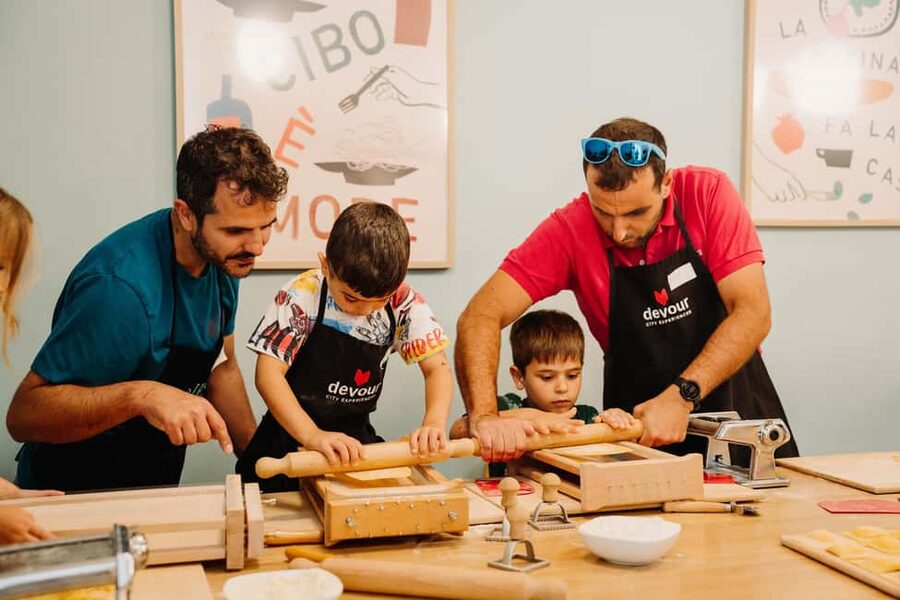
- Two pastas, not just a demonstration: Roll, cut, and shape fresh fettuccine and ravioli yourself.
- Roman cooking beyond the dough: Learn sauces made with fresh, seasonal ingredients and hear tips about local food.
- A sociable evening: Start with prosecco and aperitivo, then share the finished meal with Italian wine.
- A real dessert lesson: Homemade gelato completes the menu.
- Good for families: Children as young as four have taken part, with instructors adjusting the pace.
- Useful value at $69: You receive a meal, drinks, instruction, ingredients, and recipe cards in one three-hour experience.
Why this Trastevere pasta class works so well
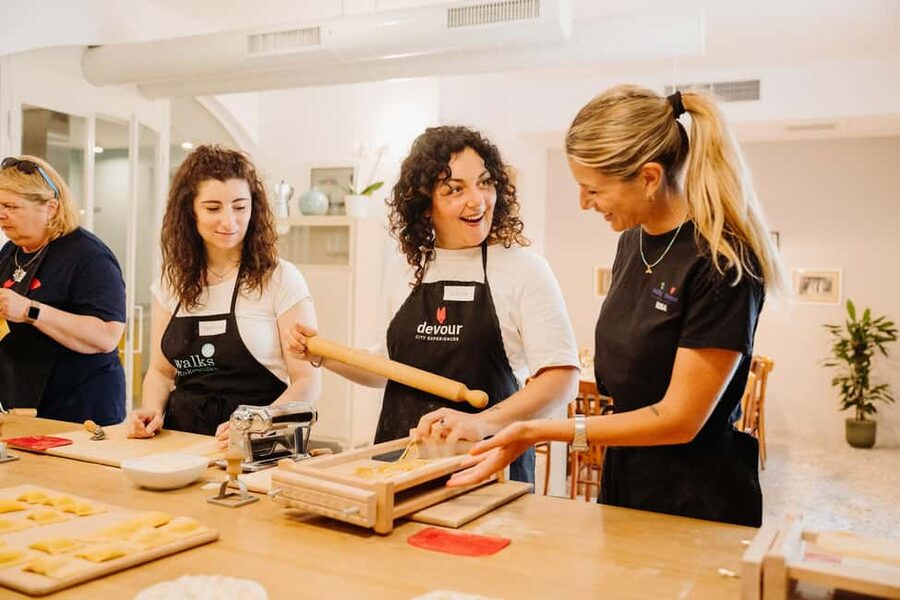
This is not a polished show where you sit back and watch a chef do all the work. You get flour on your hands, learn how dough should feel, and make food you eat at the end. That simple pattern gives the evening a clear purpose.
The class begins near Piazza di San Giovanni della Malva, in the heart of Trastevere. Arrive 15 minutes early and look for the guide with a red bag or Devour Tours sign in front of the San Giovanni della Malva church. The meeting point is outdoors in the square, and the group then walks to the cooking studio.
That last detail matters. Do not search for a restaurant doorway with a cooking-school sign. The meeting instructions specify the square, and one participant had trouble because the meeting place felt more like a courtyard than a business entrance. Give yourself a little extra time, especially if you are crossing Trastevere’s narrow streets with children.
Walks of Italy runs the experience, and the class is taught in English. The instructor changes, but past sessions have included Elisa, Stefano, Luca, Fernanda, Asia, Federica, and others. The repeated praise is aimed at the teaching style: clear directions, plenty of humor, and close attention when someone needs help with shaping dough or handling the pasta.
More Workshops in Rome:
- Rome: Pasta & Tiramisu Class with Fine Wine by the Vatican
★ 4.9 · 4,852 reviews - Rome: Pasta Making Class with Wine, Limoncello, and Dessert
★ 4.9 · 3,177 reviews - Fettuccine & Tiramisù: Cooking Class with Wine & Limoncello
★ 4.9 · 2,103 reviews
The welcome: prosecco, aperitivo, and a relaxed start
The opening is easygoing rather than formal. You are welcomed with prosecco and traditional Italian aperitivo, giving everyone time to settle in before the flour appears.
I like this beginning because cooking classes can feel awkward for the first ten minutes. A drink and a small bite give you a natural way to meet the people at your table. The mood is social, but the evening is still centered on cooking.
The food and drink are included. You receive all ingredients for the meal, appetizers, prosecco, and unlimited wine during the class. Drink responsibly, of course, but the arrangement means you are not watching the clock for extra charges every time you want another glass.
The atmosphere can vary with the group. In a private option, you get more control over the evening and more direct attention. In a shared small group, you gain the fun of making dinner with other people. Several class sizes have been intimate, including one with only four participants, while families have also joined larger small-group sessions.
Making the pasta dough from flour and eggs
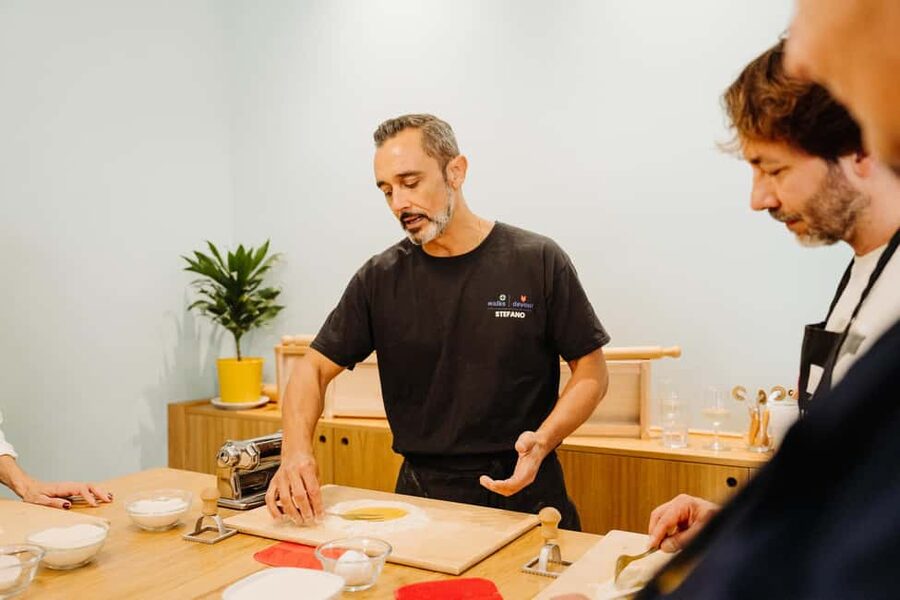
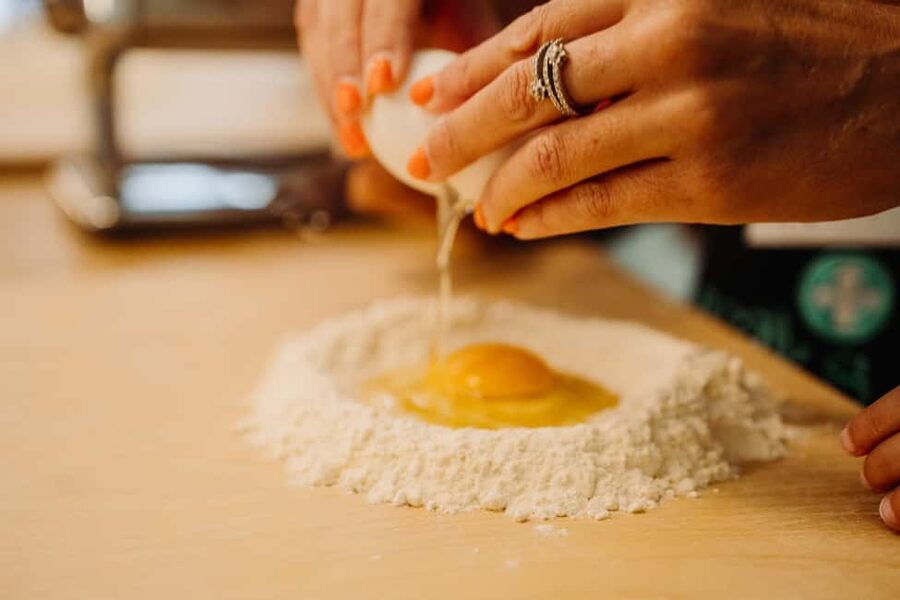
The chef first explains the basics of pasta dough: flour, eggs, olive oil, and the consistency you are trying to reach. This is where the class becomes more useful than a recipe copied from a website.
A recipe can tell you how much flour to use. It cannot always tell you when the dough feels too dry, when it needs more kneading, or how soft it should be before rolling. The chef can show you those signs as they happen, then adjust the lesson for beginners.
You work the dough, roll it, and prepare it for two different pastas. The pace is designed for mixed ability levels. Children and first-time cooks can follow along, while experienced home cooks still pick up practical tips about texture and shaping.
The class is hands-on, but do not expect every minute to be spent kneading. The chef demonstrates each stage, then gives you time to repeat it. That rhythm keeps the class moving and prevents a table full of beginners from getting lost.
Fettuccine and ravioli, two different pasta skills
The first pasta is fresh fettuccine. You roll the dough and cut it into ribbons, learning how thickness affects the finished texture. Fresh fettuccine cooks quickly and gives you an immediate lesson in the difference between homemade pasta and dried pasta.
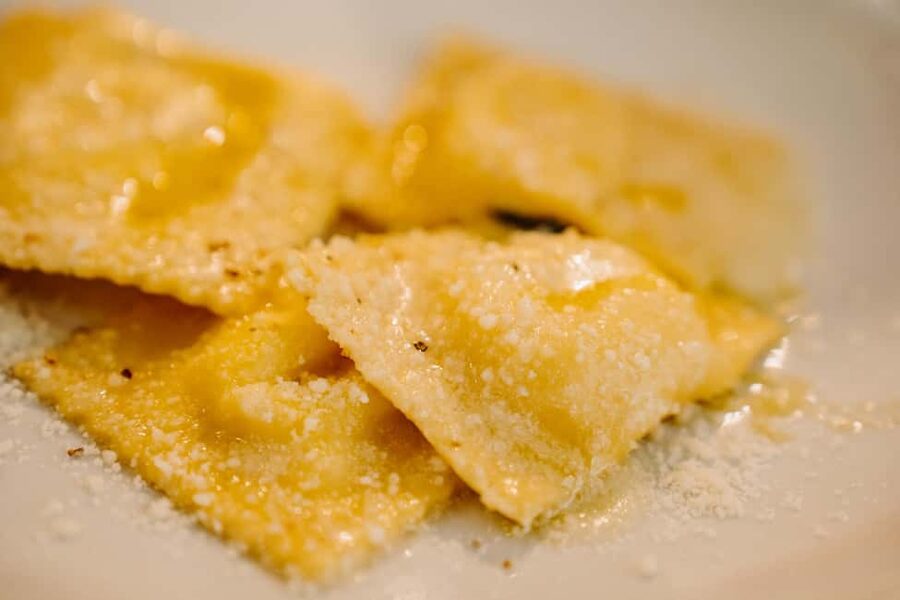
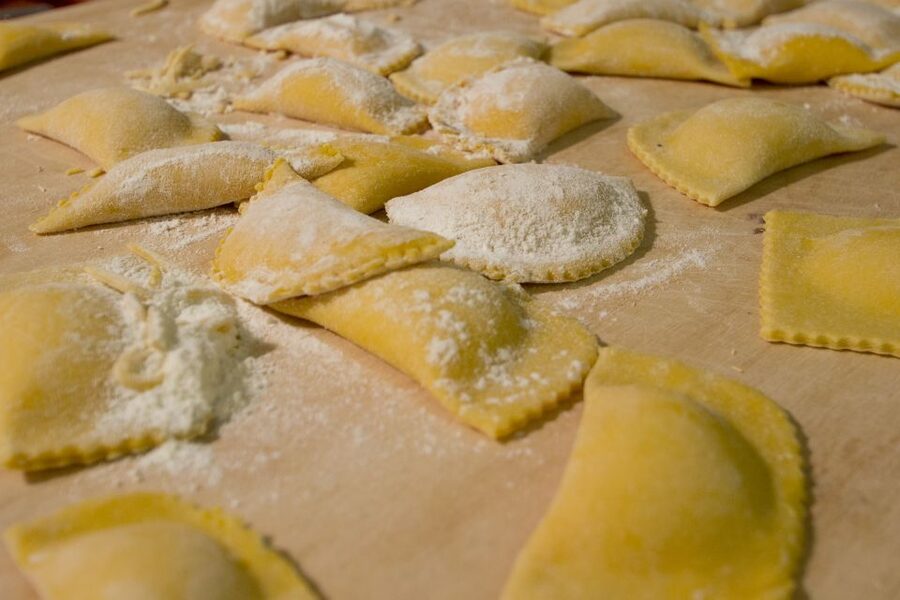
The ravioli adds a second skill. You prepare a filling, place it on the dough, seal the edges, and cut the individual pieces. The work is slower and more delicate than making noodles, which is exactly why it is worth learning with an instructor nearby.
The chef also shares recipes passed down through generations and explains how fillings and sauces fit into Roman cooking. The exact menu can vary, but past classes have included sauces such as amatriciana and puttanesca. You should expect two pasta types and sauces, not a single fixed restaurant menu.
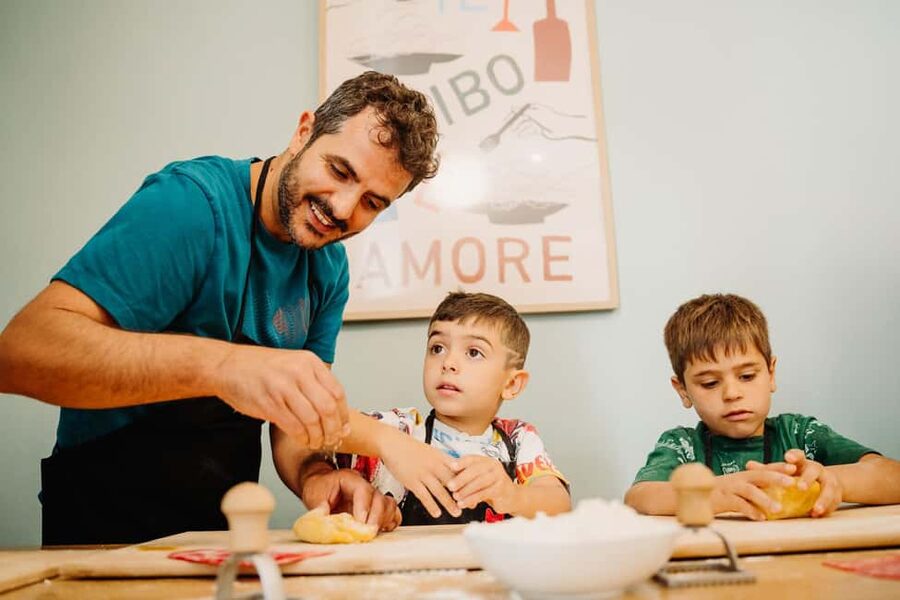
This part suits families particularly well. Children can help with rolling, cutting, filling, and sealing, and the instructors have been praised for making the process manageable for young cooks. Families with children aged four, five, seven, eight, ten, and twelve have found the activity workable. Younger children may not handle every step alone, but the class includes enough action to keep them involved.
More Wine Tours in Rome:
- Rome: Tuscany & Montepulciano Day Trip with Lunch & Wine Tasting
★ 4.5 · 5,232 reviews - Rome Food Tour: Unlimited Tastings with Fine Wine & Barolo
★ 5.0 · 3,365 reviews - Rome: Guided Food Walking Tour with Wine in Trastevere
★ 4.9 · 3,105 reviews - Rome: Tuscany & Montepulciano Day Trip with Lunch & Wines
★ 4.7 · 3,004 reviews
Roman sauces and the pause before dinner
While the pasta rests or cooks, you learn how to prepare traditional Roman sauces with fresh, seasonal ingredients. This is a valuable part of the class because sauce is what turns a pile of homemade noodles into a Roman meal.
You hear practical tips about Italian cooking and local food culture rather than only following a set of instructions. The chefs explain how the sauces work with the pasta, and they keep the lesson moving with stories and conversation.
This pause also gives the class a sensible rhythm. You are not trying to make dough, ravioli, noodles, sauce, and dessert all at once. The chef can take over a few time-sensitive steps while you watch and learn, then bring you back in when there is something useful to do.
The setting has been described as clean, modern, spacious, and air-conditioned. That can matter in Rome’s warmer months, when an indoor cooking class offers a welcome break from the heat. The location is in Trastevere, so you can pair the class with an afternoon or evening in one of Rome’s most atmospheric neighborhoods.
Sitting down to eat what you made
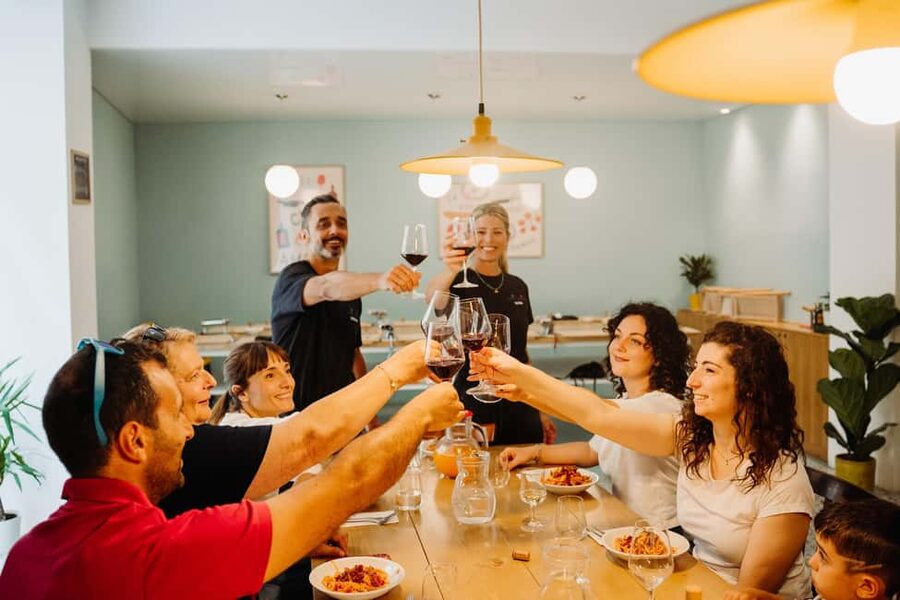
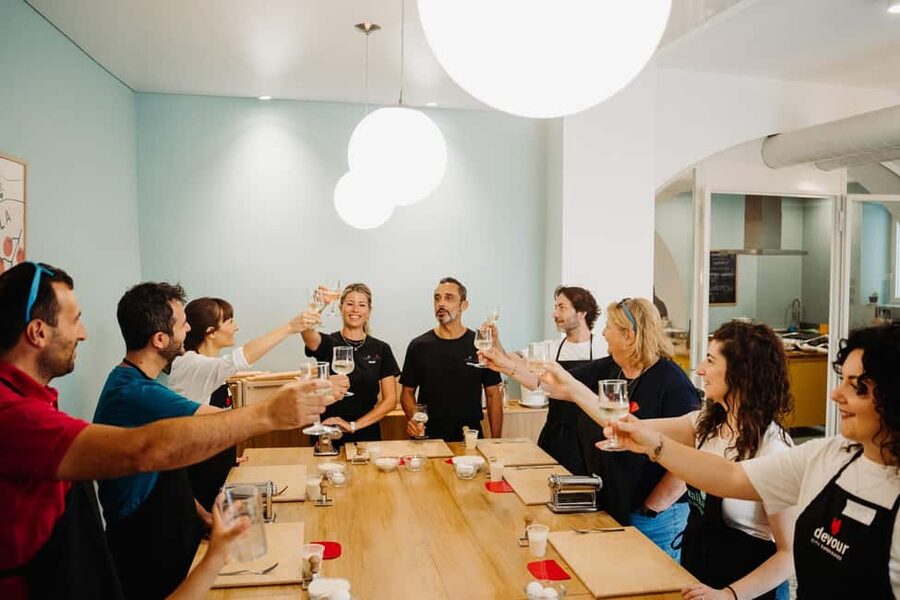
After the cooking, everyone gathers around the table. This is not a quick taste at the counter. You sit down to eat the two homemade pastas and sauces with Italian wine.
The meal is the payoff, but it is also the best test of the lesson. You can see which pasta shapes held together, how the dough cooked, and how the sauces cling to fresh noodles. It is one thing to learn the technique. It is another to taste the result while the instructions are still fresh in your mind.
The social side is part of the appeal. You share a meal with the people who cooked beside you, and the chef remains part of the conversation. That makes this a good choice for solo visitors who want an easy social evening, couples looking for more than a restaurant dinner, and families who want an activity everyone can discuss afterward.
The class does not promise a private table unless you select a private option. If you prefer a quieter meal or want the chef’s attention focused entirely on your group, check the option you choose when booking.
Gelato gives the evening a proper finish
Dessert is not an afterthought. You also learn to make homemade gelato, then enjoy it at the end of the meal.
Gelato is a smart choice for this type of class because it gives the evening a sweet finish without adding another complicated pasta course. It also keeps children interested after the savory cooking is done.
You leave with recipe cards, which are more useful than a souvenir apron. They let you try the dishes at home while you still remember the chef’s tips about dough, sauces, and shaping. If you want the class to have lasting value, this is one of its strongest features.
What $69 includes, and what it does not
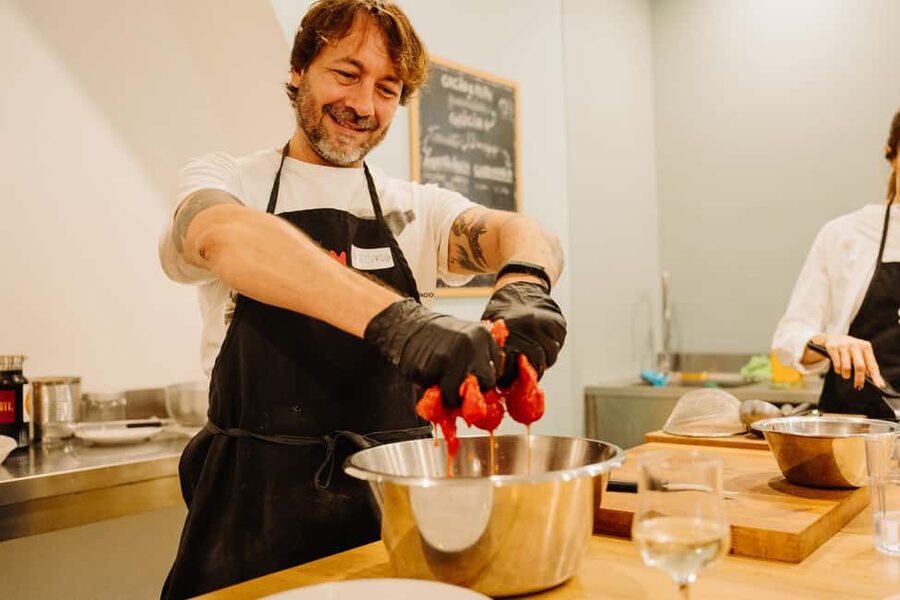
At $69 per person, the price is fair for a three-hour experience that combines a cooking lesson with a full meal. You receive an English-speaking local chef, appetizers, all ingredients, two homemade pastas and sauces, gelato, prosecco, and unlimited wine.
Compare that with paying for a separate Roman dinner, drinks, and a short cooking demonstration, and the value becomes clearer. The class also gives you a skill you can use later, which makes it more than a meal with entertainment attached.
The price does not include pickup or drop-off. You are responsible for reaching the meeting point in Trastevere. That is easy enough if you are already in central Rome, but you should allow time to find Piazza di San Giovanni della Malva and arrive early.
Private and shared options are available. A private class can make sense for a family group or special occasion. The shared option is likely the better value if you enjoy meeting other people and do not need a fully personalized schedule.
Dietary needs, mobility, and practical limits
The class can adapt to dietary needs except for celiac disease. If you have allergies, follow a vegetarian diet, or have another restriction, contact the operator before joining so the food can be arranged.
Celiac guests should not book this activity because the class is not suitable for them. That is an important limit, not a minor footnote.
The activity is also not suitable for wheelchair users or strollers, and it is not recommended for people with mobility impairments. The meeting point and walking route to the cooking studio may make access difficult.
The class is conducted in English. You do not need previous cooking experience, but you should be comfortable taking part in a hands-on activity for about three hours.
Who should book this experience?
I would choose this class for families who want an evening activity with a clear result. The instructors have a strong record of working well with children, and the mix of rolling dough, shaping ravioli, making sauce, and preparing gelato gives young cooks several ways to take part.
It also suits couples and solo visitors who want a social dinner rather than another meal at a restaurant. The shared table encourages conversation, while the cooking gives everyone something to do with their hands.
Home cooks will appreciate the technique, especially the lessons on pasta consistency and sauce preparation. Still, you should not expect a serious culinary-school course. The tone is friendly and relaxed, with wine, humor, and group conversation built into the evening.
I would skip it if you dislike group activities, cannot eat gluten, need wheelchair access, or want a quiet fine-dining experience. This is an active class, and the meal comes after the work.
Should you book the Trastevere pasta class?
Book it if you want to learn two practical pasta shapes, eat a generous homemade meal, and spend an evening with an engaging local chef. The strongest parts are the hands-on instruction, family-friendly pace, relaxed group setting, and the combination of pasta, sauces, wine, and gelato.
Try to schedule it early in your Rome visit if you want food tips for the rest of your stay. One past participant wished they had done exactly that, since the chef could have helped shape their dining plans from the start.
At $69, this is a good-value Rome activity for anyone who would happily trade one standard dinner for a meal you help create. Just arrive early at the church square, confirm dietary needs ahead of time, and remember that the class is not suitable for celiac diets, wheelchairs, or strollers.
FAQ
How long does the pasta-making class last?
The class lasts three hours. Starting times vary, so check availability for the date you want.
Where does the class meet?
Meet at Piazza di San Giovanni della Malva, 00153 Roma RM, in the square in front of the San Giovanni della Malva church. Look for the guide holding a red bag or Devour Tours sign.
How early should I arrive?
Arrive 15 minutes before the scheduled start time. The meeting point is in the square, not inside a restaurant or business.
What pastas will I make?
You will make two types of pasta: fresh fettuccine and ravioli. The class also includes sauces for the pastas.
Are food and drinks included?
Yes. The price includes appetizers, all ingredients, the two pasta dishes and sauces, gelato, prosecco, and unlimited wine.
Is the class suitable for children?
Yes. The class is designed for beginners and has been suitable for children, including young children. The instructors can help families follow the steps at a comfortable pace.
Can the class accommodate dietary restrictions?
The class can adapt to dietary needs except for celiac disease. Contact the operator before the class so arrangements can be made.
Newest wine reviews around Rome
- Rome: Painting Class with Unlimited Wine★ 4.8 · 109 reviews
- Rome: Trastevere Wine Tasting with Food Pairing and Gelato★ 4.9 · 168 reviews
- Rome: Vatican Street Food and Wine Tour with Farmers Market★ 5.0 · 37 reviews
- Rome: Trionfale and Prati Food and Wine Tasting Tour★ 4.8 · 115 reviews
- Rome: Trastevere Food Walking Tour with Beer and Wine★ 4.9 · 71 reviews
- Rome: Trastevere Food and Wine Tasting Tour★ 4.9 · 54 reviews
- Rome: Tipsy Painting Class with Fine Wine and Arts★ 4.9 · 178 reviews
- Rome: Private Guided Golf Cart Tour with Gelato or Wine★ 4.9 · 338 reviews
Rome Wine Tours, compared.
Tuscany & Montepulciano Day Trip with Lunch & Wine Tasting
Read our review →
Pasta & Tiramisu Class with Fine Wine by the Vatican
Read our review →
Rome Food Tour: Unlimited Tastings with Fine Wine & Barolo
Read our review →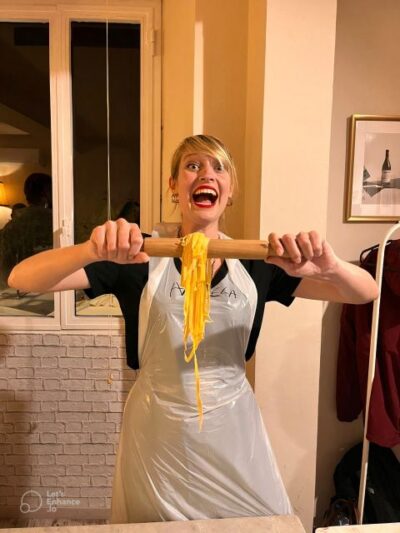
Pasta Making Class with Wine, Limoncello, and Dessert
Read our review →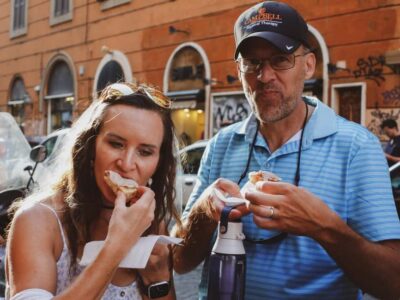
Guided Food Walking Tour with Wine in Trastevere
Read our review →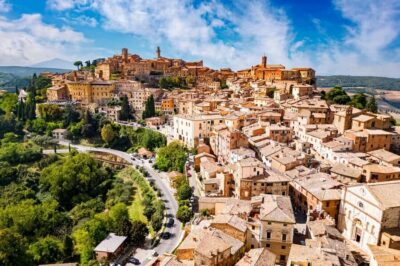
Tuscany & Montepulciano Day Trip with Lunch & Wines
Read our review →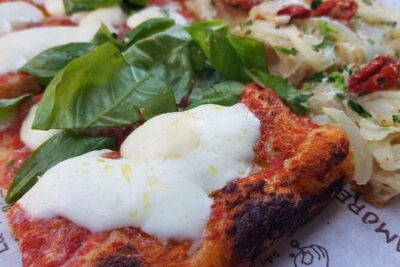
Trastevere Food tour with Free-Flowing Fine Wine
Read our review →
Lists this tasting appears in