
Reviewed · WINE & FOOD PAIRINGS
Seoul: Kimchi Dishes Cooking Class with Wine Pairing
Kimchi is more than a side dish here. In this small Seoul class, you taste four kinds, learn how fermentation changes them, then use kimchi in simple dishes you can make at home. Suyeon, a former wine bar owner and sommelier, leads the session in English and explains why Korean flavors work with wine.
I especially like the tasting before the cooking, and the fact that your meal includes the host’s aged kimchi with braised pork belly. The class is limited to six people, which gives you room to ask questions and work at the stove. The main consideration is the age rule: this experience is for adults 18 and older, and your exact cooking choices may change with the group size.
Key points to know before booking
- Four kimchi styles come first: Compare cabbage, white, radish, and aged kimchi before cooking.
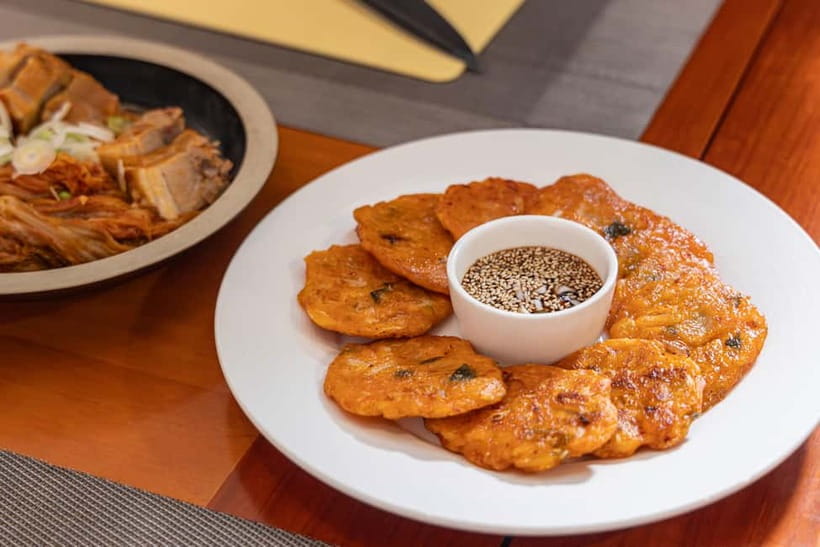
- You choose a dish: Make a kimchi pancake, white kimchi noodles, or radish and bacon stir-fried rice.
- Suyeon brings food and wine expertise: Her background as a sommelier shapes the tasting and pairing.
- Aged kimchi and pork belly are prepared for you: This slower dish would be too demanding for most beginners during a two-hour class.
- The studio is close to Gyeongbokgung Palace: It is a handy food stop after visiting the palace.
- The small group matters: With no more than six participants, the class has a friendly, hands-on feel.
Why this kimchi class is more than a cooking lesson
Many Korean food classes focus on making kimchi itself. This one takes a more useful approach for a short Seoul visit: you taste several kinds of kimchi, then learn how to turn it into complete dishes. That makes the session less about memorizing a traditional recipe and more about understanding how to use a staple ingredient.
Kimchi is usually associated with spicy fermented cabbage, but that is only one part of the story. Here, you compare cabbage kimchi with white kimchi, radish kimchi, and aged kimchi. The differences in spice, texture, acidity, and age give you a better sense of why Korean meals can include several kimchi flavors at once.
I like this structure because tasting comes before chopping. Once you have tried the ingredients on their own, the cooking makes more sense. You can see how a sharp or sour kimchi changes when it is mixed into batter, noodles, or fried rice.
The class also connects food with Korean culture and everyday cooking. Suyeon explains the background of kimchi and the methods behind it, while keeping the recipes simple enough for a home kitchen. Several participants specifically found the instructions easy to recreate after returning home, which is a strong point if you want to take a practical skill away from Seoul.
More Wine and Food Pairings in the world:
- Pisa, Siena and San Gimignano Day Trip with Lunch & Wine Pairing
★ 4.5 · 6,006 reviews - Lisbon: Food and Wine Small Group Walking Tour
★ 4.9 · 4,082 reviews - Lisbon Small-Group Portuguese Food and Wine Tour
★ 5.0 · 3,972 reviews
Meeting Suyeon near Gyeongbokgung Palace
The studio sits about five minutes from Gyeongbokgung Palace, near Exit 2 of Gyeongbokgung Station. From the station, walk straight for roughly 200 meters, then turn left at Woori Bank. Pass the bar Cham and look for the building with Cuisine La Cle restaurant on the first floor. The cooking studio is on the third floor.
These directions are worth saving before you leave your hotel. The studio is not described as a large public cooking school, so spotting the correct building matters. The location works especially well after a palace visit, when you are already in the area and ready for a meal.
The setting is intimate, and some sessions may feel almost like a private lesson if the booking is quiet. One recent class had only two participants, yet the host still prepared all three dishes with them. That can be a real advantage if you want extra instruction, though the exact format depends on the number of people booked.
The class runs in English. Suyeon’s role goes beyond demonstrating recipes. She explains Korean food traditions, answers questions, and brings her wine background into the meal. Several participants also appreciated her suggestions for nearby places to visit after class, including the palace and the Museum of Contemporary and Modern Art.
Four kimchi flavors before the cooking begins
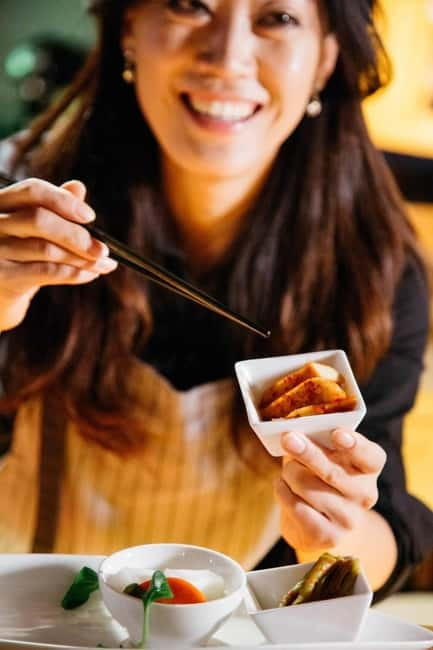
The opening tasting is the best part for anyone who thinks all kimchi tastes the same. You try four types:
- Cabbage kimchi
- White kimchi
- Radish kimchi
- Aged kimchi
Cabbage kimchi gives you the familiar spicy, fermented reference point. White kimchi offers a gentler style, with no emphasis on the red pepper flavor associated with many versions of cabbage kimchi. Radish kimchi brings a different crunch and shape, while aged kimchi has had more time to develop its sour, strong character.
The tasting lets you notice how kimchi changes with its main vegetable and age. That matters during the cooking because aged kimchi is especially useful in cooked dishes, where its bold flavor can hold up to pork, rice, and heat.
Suyeon also explains the process and cultural background rather than simply placing four bowls on the table. If you are new to fermented foods, this gives you a clear way to compare them without feeling lost in technical detail.
You should expect the tasting to be interactive. Ask about the kimchi you prefer, since your choice may help you decide which cooking option sounds best. If you usually avoid spicy food, the white kimchi is an important part of the experience, but the class is still centered on a strongly flavored Korean staple.
Choose one dish, with a few possible variations
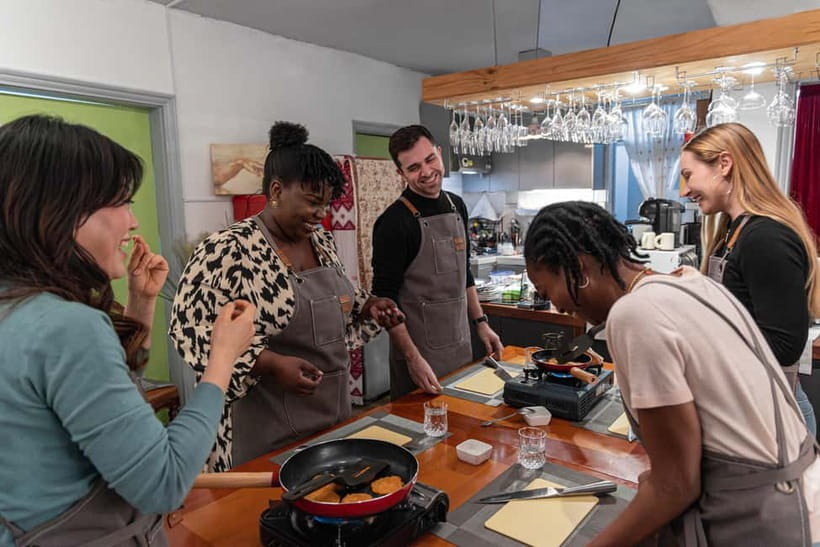
The hands-on portion gives you a choice of one main preparation from three options:
- Kimchi pancake
- White kimchi noodles
- Radish and bacon stir-fried rice
The kimchi pancake is the most obvious introduction. It turns kimchi into a crisp, savory dish and is likely to appeal if you want something quick to repeat at home. The white kimchi noodles offer a different direction, using the milder kimchi in a noodle dish. The radish and bacon fried rice adds smoky, salty depth and shows how kimchi can become the base of a filling meal.
The host notes that the final dish selection can vary slightly with the number of participants. In other words, do not book expecting a completely private menu choice if the group is full. You will still cook a kimchi-based dish, but the exact arrangement may be adjusted so the class runs smoothly.
This is a beginner-friendly session. You do not need advanced knife skills or Korean cooking experience. The value is in learning flavor combinations and basic methods that you can repeat with ingredients available outside Korea.
One limitation is that the class does not promise that every participant will independently make all three choices. A recent small-group session did include all three dishes, but that was possible because only two people attended. In a larger group, the cooking plan may be shared differently.
More Workshops in the world:
- Florence: Pasta Cooking Class with Unlimited Wine
★ 4.9 · 10,285 reviews - Florence: Pasta & Tiramisu Cooking Class with Unlimited Wine
★ 4.9 · 6,708 reviews - Florence: Pasta Cooking Class with Unlimited Wine
★ 5.0 · 6,413 reviews - Rome: Pasta & Tiramisu Class with Fine Wine by the Vatican
★ 4.9 · 4,852 reviews
Aged kimchi with braised pork belly
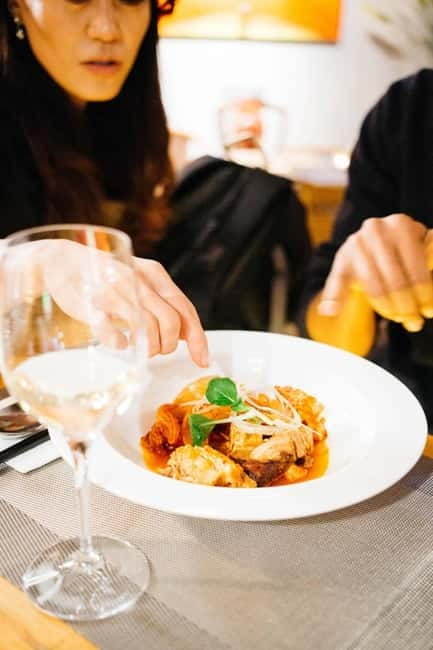
The host prepares a specialty dish of aged kimchi with braised pork belly for the final meal. This is a smart use of the two-hour schedule. Braised pork takes time, and aged kimchi can be intense for a first-time cook to handle without guidance.
You still get to taste the dish and understand how the flavors work together, without spending the whole class waiting for it to cook. The fatty pork softens the sharpness of the aged kimchi, while the kimchi gives the meat a sour, spicy lift.
This is also where the class feels most like a shared meal instead of a demonstration. Participants place their prepared dishes on the table, add the pork and kimchi, and eat together. You get to compare how the recipes turned out and see how kimchi works across several styles of cooking.
The portion of food appears generous enough that you may not need another full dinner afterward. That is useful to know when planning your evening, especially if you have booked a late class. It also makes the $58 price easier to assess, since you are paying for instruction, tastings, a substantial meal, and a drink pairing rather than a short recipe demonstration.
Wine pairing with a Korean staple
The wine element gives this class its clearest point of difference. Suyeon previously owned a wine bar and works as a sommelier, so she selects the pairing around the food rather than treating wine as an extra drink.
Kimchi can be sour, spicy, salty, and fermented all at once. Those flavors can overwhelm a poorly matched wine. The class shows you how a selected wine can work with the food, and the explanations help you think about pairing beyond standard Western dishes.
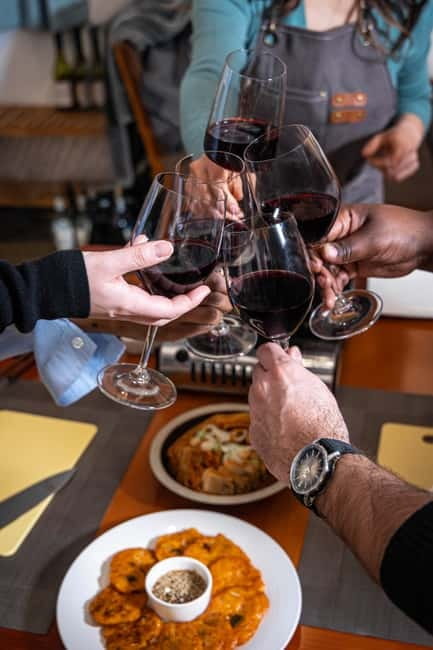
You receive a glass of wine with the shared meal, selected by the sommelier. One session featured an Italian white wine from Veneto, while another included yuja makgeolli, so the drink pairing may vary. The core promise is a carefully chosen pairing, but you should not assume one fixed bottle or style at every sitting.
I like this flexibility. It keeps the drink connected to the menu and allows the host to choose what works best with the food served that day. If you are particularly interested in wine, ask questions during the meal. The small group makes conversation with the host a major part of the value.
The class is not a wine tasting with a large flight of samples. It is a food class with one pairing built into the final meal. That distinction matters if you are booking mainly for wine education.
Timing, group size, and location in your Seoul plan
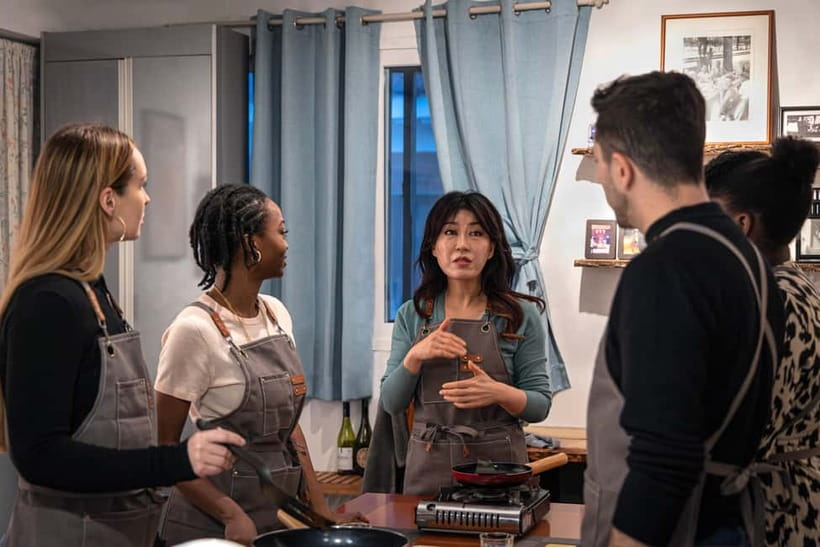
The experience lasts two hours, which is long enough for tasting, instruction, cooking, and a shared meal without taking over your day. I would place it after Gyeongbokgung Palace rather than before. The location is close, and the class gives you a comfortable food break after sightseeing.
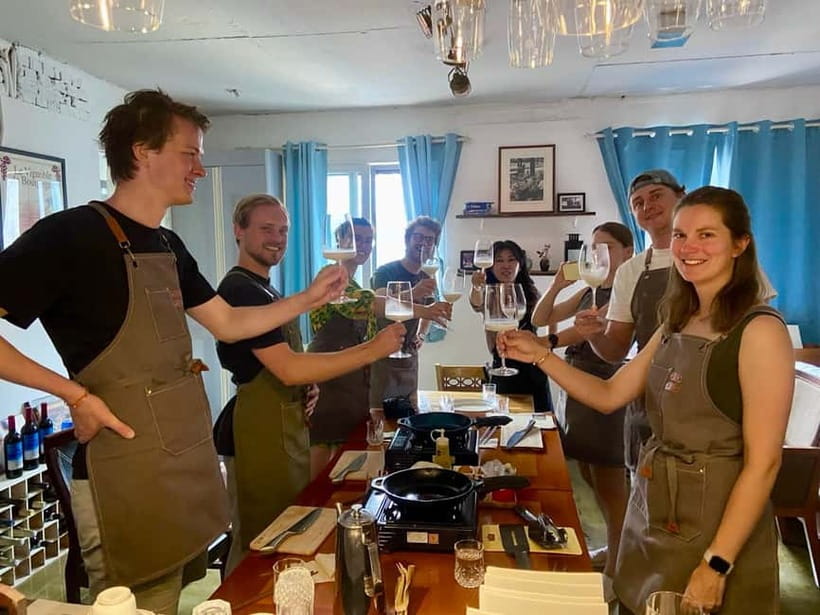
The maximum group size is six. That is small enough for the host to watch your technique and answer questions, but you should still expect to share the kitchen and dining table. The atmosphere depends partly on who books that day, though the format encourages conversation.
The class is not suitable for children under 18. That rule is important for families planning a Seoul itinerary, even though one past booking included a 16-year-old. Follow the current age requirement when you book.
The studio is in a building with a restaurant downstairs and nearby bars. That gives you options for the rest of the evening, but the meal itself may be enough. A short walk afterward to the palace area or the Museum of Contemporary and Modern Art can make this a full afternoon or early-evening plan.
You can cancel up to 24 hours in advance for a full refund, and the reserve-now, pay-later option helps if your Seoul schedule is still shifting. Check the available starting times before building the rest of your day around it.
Is $58 a fair price?
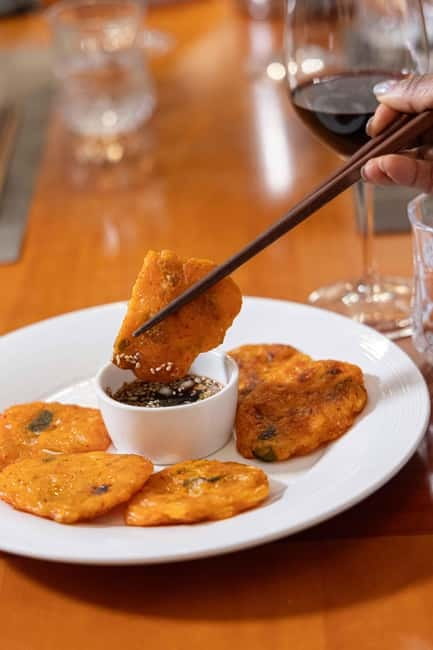
At $58 per person, this is not the cheapest way to eat kimchi in Seoul. You can find kimchi in nearly every Korean meal for far less. The price makes sense only if you want the combination of food, instruction, cultural context, and wine pairing.
You receive four kimchi tastings, a hands-on cooking lesson, the shared dishes, aged kimchi with braised pork belly, and a drink selected by a sommelier. The group limit also matters. A class of six offers more personal help than a large cooking workshop, and a two-person session may feel especially generous.
The recipes add lasting value. You are not simply eating a dish that disappears when the meal ends. You leave with several ideas for using kimchi at home, including pancake, noodles, and fried rice. Participants consistently found the methods approachable, which is important if you do not cook Korean food regularly.
I would skip this if your main goal is a cheap meal or a broad Korean food tour. I would consider it good value if you enjoy cooking, want a slower food experience, or are curious about wine with Korean flavors.
Who will enjoy this class most?

This suits adults who like food stories, small groups, and practical instruction. It is a particularly good match for:
- First-time visitors who want a Korean food experience beyond barbecue
- Home cooks looking for easy recipes
- Wine drinkers curious about pairing with fermented and spicy foods
- Couples or friends who enjoy sharing a meal
- People planning to visit Gyeongbokgung Palace
- Anyone who prefers a quiet, intimate class to a large group activity
It may not suit you if you dislike fermented foods, want to make traditional kimchi from start to finish, or need a child-friendly activity. It also may feel too focused if you are looking for a broad survey of Korean cuisine rather than one ingredient.
The strongest part is the teaching. Suyeon explains the food, culture, and cooking process with patience, and the session leaves room for conversation. Several people found the two hours passed quickly, which is a good sign for an activity built around discussion as well as food.
Should you book the kimchi and wine class?
Book it if you want to understand kimchi through tasting, cooking, and conversation rather than simply ordering it at a restaurant. The four-style comparison, beginner-friendly recipes, aged kimchi with pork belly, and sommelier-led pairing give the class a clear identity.
Plan it after Gyeongbokgung Palace, save the walking directions, and keep in mind that the dish choices may shift with the group. At $58, the class earns its price through the small setting, full meal, wine pairing, and recipes you can use at home.
Skip it only if you are under 18, uninterested in fermented foods, or looking for a quick meal with no instruction. For most adult food lovers, it is a practical and sociable way to spend two hours in central Seoul.
FAQ
How long does the kimchi cooking class last?
The class lasts two hours, including the kimchi tasting, cooking, shared meal, and drink pairing.
Where does the class meet?
It meets at the kimchi and wine cooking studio near Gyeongbokgung Station. From Exit 2, walk about 200 meters, turn left at Woori Bank, pass the bar Cham, and go to the third floor of the building with Cuisine La Cle restaurant on the first floor.
How many people can join?
The class is limited to six participants.
Which kinds of kimchi will I taste?
You will taste cabbage kimchi, white kimchi, radish kimchi, and aged kimchi.
Which dishes can I learn to make?
The cooking choices are kimchi pancake, white kimchi noodles, and radish and bacon stir-fried rice. The selection may vary slightly depending on the number of participants.
Is the braised pork belly cooked during the class?
No. The host prepares the aged kimchi with braised pork belly in advance because it takes longer and can be difficult for beginners.
Is the class suitable for children?
No. The activity is not suitable for children under 18.
Can I cancel if my plans change?
Yes. You can cancel up to 24 hours in advance for a full refund. You can also reserve now and pay later.
Newest wine reviews around the world
- Charleston Winery, Brewery & Sightseeing Tour★ 5.0 · 39 reviews
- Jersey Premium Vineyard and Distillery Wine Tour and Tasting★ 5.0 · 176 reviews
- Gastronomy tour and wine tasting in traditional villages★ 5.0 · 32 reviews
- Wine & Olive Oil Tour with lunch at the White Mountains★ 5.0 · 71 reviews
- Kefalonia: Private Olive Oil, Honey & Wine Tasting Experience★ 5.0 · 32 reviews
- Chania Walking Food And Wine Night Tour★ 4.5 · 31 reviews
- Manousakis Winery Shuttle Service Tour and Taste★ 4.5 · 34 reviews
- Dreamy Cruise sunset tour with dinner and unlimited wine!★ 5.0 · 41 reviews
Wine & Food Pairings, compared.
Pisa, Siena and San Gimignano Day Trip with Lunch & Wine Pairing
Read our review →
Montmartre Hill French Gourmet Food and Wine Tasting Walking Tour
Read our review →
Rome by Night – Ebike Small Group Tour – Food and Wine (Option)
Read our review →

Vila Nova de Gaia: Port Wine Tasting with Cheese Pairing
Read our review →
Eat, Drink and Repeat: Wine and Food Tasting Tour in Venice
Read our review →
Authentic Food and Wine Tour in Porto by Food Lover Tour
Read our review →Lists this tasting appears in