Reviewed · WINE TASTINGS
Wine Tasting IN THE DARK!
The unusual part comes quickly: the lights fade until you are tasting Slovak wine in total darkness, with no label, color, or glass shape to influence you. You rely on aroma, flavor, and your own guesses, then hear how each wine fits into the country’s wine culture.
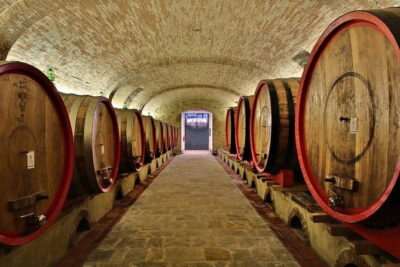
I like the local focus and the way the audio guide adds humor without turning the session into a dry lecture. I also like that you see the handsome 17th-century cellar first, so the room itself becomes part of the experience before your attention shifts to your senses.
The main drawback is time. Forty minutes is short, and the $27.69 price reflects the darkroom format as much as the amount of wine. If you want a long, personal tasting with a sommelier, this may feel brisk and somewhat scripted.
Key points at a glance
- Four Slovak wines in pitch darkness: You taste without seeing the color, bottle, or pour.
- A 17th-century cellar sets the scene: Take in the room before the lights slowly disappear.
- A funny English audio guide leads the tasting: Expect prompts about smell, flavor, sweetness, and style.
- A sommelier pours each sample: You can share your reactions during the tasting, even though the main narration is prerecorded.
- A 40-minute activity in central Bratislava: It fits neatly between sightseeing stops, especially on a hot or rainy day.
- Adults only: Children cannot join because alcohol is served, and the experience is not advised for people with certain phobias or mental health difficulties.
Entering the old cellar on Michalská Street
The meeting point is Michalská 3 in Bratislava’s Staré Mesto, the city’s old town. You meet at the Tmavá tasting room, and you should arrive five minutes before the start. That small cushion matters because the activity begins on time and the lights-out sequence works best when everyone is seated together.
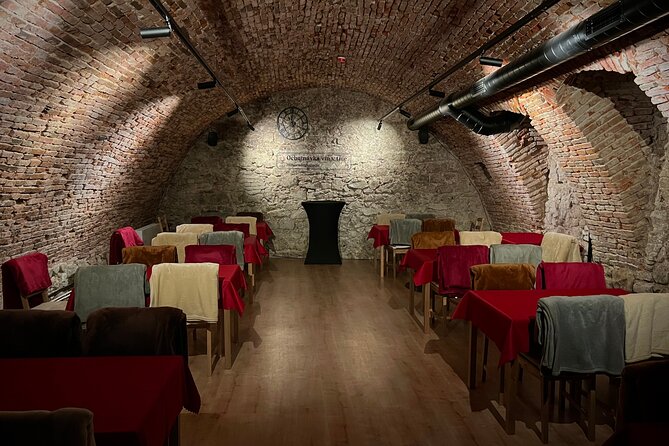
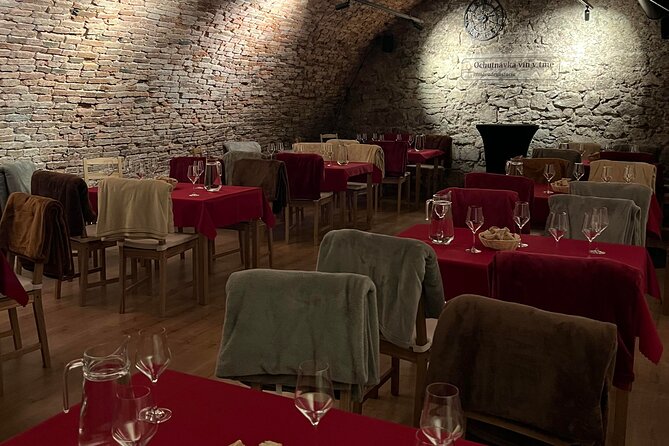
At first, you can clearly see the historic cellar. This opening is more than a quick wait before the wine arrives. It gives you a chance to notice the old stone setting, settle into the room, and understand the contrast the tasting is built around: first wine in a visible historical space, then wine with sight removed.
The cellar is part of the appeal, but do not expect a long architectural tour. The focus quickly turns to the tasting. If you have already spent the day walking Bratislava’s streets, this makes a pleasant change of pace. You sit down, cool off, and let the activity take over for less than an hour.
The experience can host up to 40 people. That is a fairly large possible group for an intimate wine session, although the actual feel depends on the booking that day. One person has even found herself in a private tasting, while other sessions may feel more communal.
More Wine Tastings in the world:
- From Porto: Douro Valley w/ Boat Tour, Wine Tasting & Lunch
★ 4.7 · 19,061 reviews - Complete Douro Valley Wine Tour with Lunch, Wine Tastings and River Cruise
★ 5.0 · 12,920 reviews - Florence: Chianti Wineries Tour with Wine Tasting
★ 4.5 · 10,071 reviews
When the lights go out
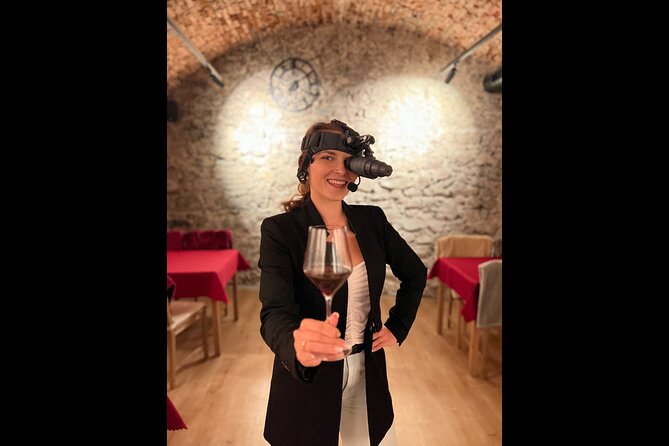
An audio-guided introduction explains how the session works, then the room gradually darkens until you cannot see your glass. This is not simply a blindfolded tasting. You are not looking at a black cloth or peeking around the edges. The point is to remove visual information completely.
That changes the way you approach the wine. A pale white, deep red, or cloudy pour can create expectations before you smell it. The color can suggest age, sweetness, strength, or quality. In the dark, those clues disappear, and you have to work with the wine itself.
The recording leads you through each sample in a light, often comic tone. You are invited to smell, sip, think, and form an opinion. The format is interactive in the sense that you are asked to make judgments and share reactions, but the narration is prerecorded, not a live conversation led from start to finish.
That distinction is important. Some people will enjoy the clean pace and funny commentary. Others will miss the back-and-forth of a traditional tasting, where a sommelier adjusts the discussion to your questions. The staff member pouring the wine can hear your comments and remains present, but the main story comes from the recording.
Four wines, with sight removed
You receive four Slovak wines over roughly 40 minutes. The tasting aims to show different styles and flavors from Slovakia, rather than simply serving four similar pours. You are not told what has entered your glass before you taste it, so each sample becomes a small guessing game.
The first pour gets you used to the room and the method. You may find yourself sniffing more carefully than usual because there is no color to inspect. The guide gives you a way to think about the wine, but you still have room to make your own call.
As the tasting continues, the differences between the wines become easier to notice. You might focus on sweetness, dryness, acidity, fruit, spice, or a particular aroma. Even if you cannot name the grape, you can usually form a useful impression of the wine’s style.
That is where the experience works best. You do not need to know much about wine. In fact, people who normally feel unsure at a tasting may find the darkness freeing. Nobody can see your glass, and there is no label to make you think you should recognize a certain grape.
Wine lovers get something different from it. If you have done many standard tastings, the sensory experiment gives you a new way to test your instincts. One participant managed to identify several wines correctly and could still tell the difference between sweet and dry styles when the grape was less clear.
Do not expect a full Slovak wine education in four pours. The tasting gives you an introduction and a memorable way to sample local bottles, but it is not a replacement for a longer session with more wines, detailed vineyard background, and extended discussion.
Why darkness changes the tasting
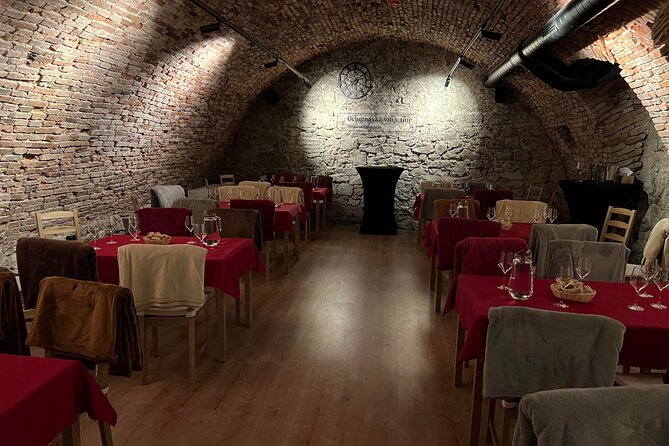
The strongest idea here is simple: your eyes influence your palate. In a normal tasting, you see the wine before it touches your lips. You notice the shade, clarity, and even the amount in the glass. Those details can quietly shape what you expect to taste.
The dark room removes that first judgment. You can pay closer attention to scent and mouthfeel, and you may notice how quickly your mind tries to fill in the missing information. Sometimes you will guess correctly. Sometimes you will be surprised when the answer is revealed.
The result is not a scientific test, and you should not treat a wrong guess as a failure. The value is in noticing how you taste. A sweet wine may seem drier than expected. A red may not feel as heavy as its color suggested. A familiar flavor may suddenly seem less obvious without the bottle and glass in view.
The audio guide keeps the mood relaxed. Its humor helps prevent the session from becoming too serious, especially when everyone is trying to identify aromas in the dark. The activity feels part wine lesson, part sensory game, and part unusual night out.
More Wine Tours in the world:
- Amsterdam: Classic Saloon Boat Cruise with Cheese & Wine
★ 4.6 · 27,035 reviews - Amsterdam: Evening Cruise with Optional Wine and Snacks
★ 4.4 · 22,178 reviews - Tuscany Day Trip from Florence: Siena, San Gimignano, Pisa and Lunch at a Winery
★ 5.0 · 21,634 reviews - Florence: Pasta Cooking Class with Unlimited Wine
★ 4.9 · 10,285 reviews
The Slovak angle matters
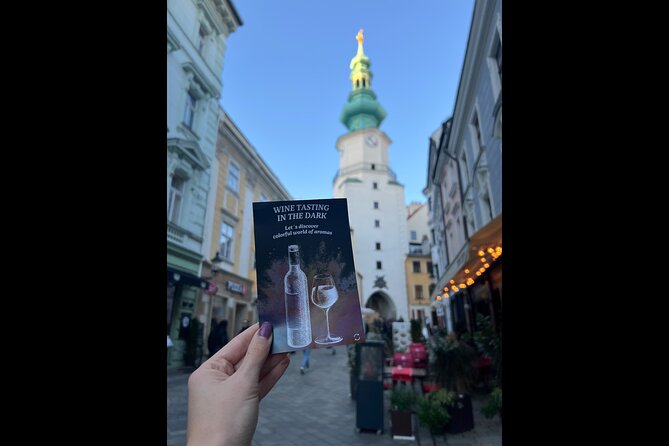
This is not a generic wine tasting held in Bratislava with international supermarket labels. The four samples are Slovak, giving you a chance to learn about a part of the country’s food and drink culture that can be easy to miss during a short city break.
The wines are the reason to book rather than simply visit a dark attraction. Several people have found the bottles good enough to buy afterward, and the tasting room offers additional wine experiences outside the dark session. Small bottles under 100 milliliters have also been available for purchase, which can help if you want a souvenir but do not want to carry a full bottle.
The selection may leave you wishing for more. Forty minutes gives you four wines, not a broad survey of every Slovak region or grape. If you want to compare many bottles at a relaxed pace, look at the longer, lighted tastings offered by the same tasting room.
Still, the local focus gives the darkroom concept a useful purpose. You are not only guessing flavors for amusement. You are discovering wines from Slovakia without judging them by the visual cues you may associate with more familiar wine regions.
How personal is the guiding?
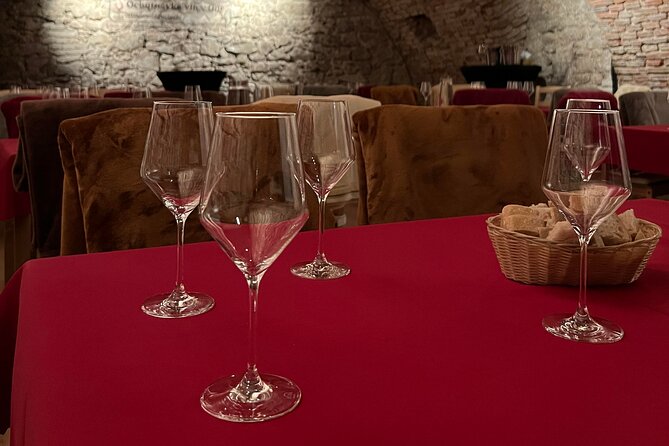
The sommelier pours the wines and can listen to your reactions. Staff have also been described as friendly, polite, and passionate about Slovak wine, with Kristen singled out for attentive service during one particularly memorable session.
At the same time, keep your expectations realistic. The principal commentary is prerecorded. In a small group, you may not receive much direct discussion with the other participants, and the staff member may not stop for a long answer after every pour.
That structure has two sides. A recorded script keeps the timing tight and ensures that the main facts and jokes arrive in the intended order. It also means the session can feel less personal than a traditional tasting led entirely by a live host.
The best approach is to treat the audio as a guide rather than a private lesson. Speak up with your impressions, enjoy the guessing, and ask staff anything that can be answered around the format. If direct conversation is your top priority, choose a standard tasting instead.
Is $27.69 a fair price?
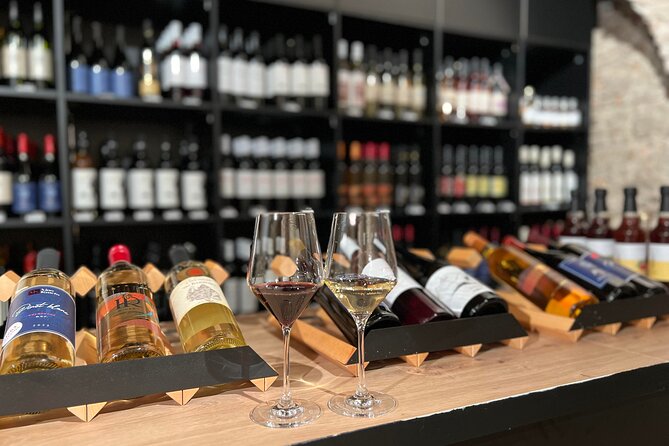
At $27.69 per person, this is not the cheapest way to drink four wines in Bratislava. You are paying for the setting, the controlled darkness, the audio production, and the novelty as well as the wine.
The value depends on what you want. If your goal is simply to sample local wine at the lowest possible cost, a regular tasting may offer more wine or more time for your money. One person found the session expensive for its length, and that criticism is fair. Forty minutes passes quickly.
I think the price makes more sense if you see the activity as an event rather than a basic tasting. The darkness changes the rules, the old cellar gives you a distinctive setting, and the audio commentary adds a playful layer. You are buying a compact experience that you will probably remember more clearly than an ordinary flight of four pours.
The tasting also fits well into a short Bratislava visit. You can schedule it between old-town sights without giving up half a day. It offers a cool indoor break in hot weather and a dry place to spend part of a rainy afternoon.
Who should book it?
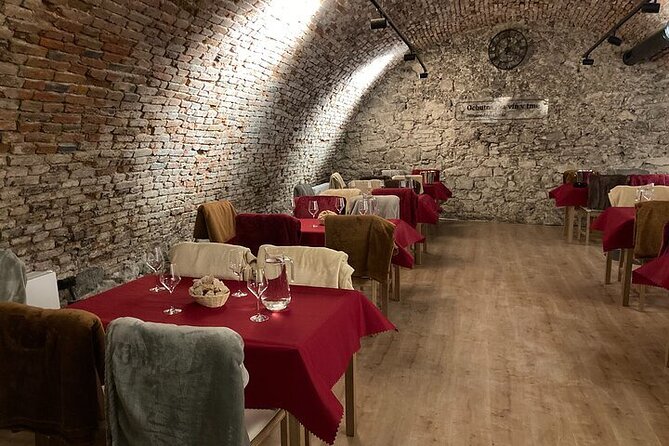
I would recommend this to adults who like trying unusual activities, people curious about Slovak wine, and experienced wine tasters who want a different test of their senses. It also works well for couples or friends who enjoy guessing games and do not need a formal lecture.
You do not need to be a wine expert. The format gives beginners permission to make rough guesses, and the dark removes some of the self-consciousness that can come with tasting in front of others. If you do not usually drink wine, the activity may still interest you, but you should remember that all four samples contain alcohol.
You should think twice if you dislike darkness, enclosed rooms, or losing visual control of your surroundings. The activity is specifically not recommended for people with mental health difficulties or phobias, and children are not allowed because alcohol is served.
This may also disappoint you if you expect a live sommelier to talk with you throughout. The sommelier is present for pouring and can hear your comments, but the main guide is recorded. Finally, those who care strongly about serving temperature and glass changes should know that one complaint involved white wine being served too warm and limited glassware between samples.
Booking and practical details
The activity is offered in English and uses a mobile ticket. Confirmation arrives at booking, and the meeting and ending point are both Michalská 3. It is close to public transportation, and service animals are allowed.
The experience is normally booked about 17 days ahead, so do not leave it until the last evening of a short trip if the timing matters. The maximum listed group size is 40, though the room may feel much smaller when only a few people book.
Free cancellation is available if you cancel at least 24 hours before the local start time. Cancel inside that window, or request changes less than 24 hours before the start, and you should not expect a refund.
Should you book Wine Tasting in the Dark?
Book it if you want a short, funny sensory experiment with four Slovak wines in a historic cellar. The strongest reasons are the complete darkness, the local wine selection, and the chance to notice how much your eyes influence your palate.
Skip it if you want a long tasting, extensive personal instruction, or the lowest price per pour. For most people who approach it as a playful Bratislava activity rather than a formal wine course, the $27.69 cost is reasonable. Arrive early, keep an open mind, and let yourself make a few confidently wrong guesses.
FAQ
Where does the wine tasting take place?
It starts and ends at Michalská 3, 811 02 Bratislava-Staré Mesto, Slovakia, at the Tmavá tasting room.
How long does the experience last?
The tasting lasts approximately 40 minutes.
How many wines are included?
You taste four Slovak wines during the session.
Is the tasting held entirely in darkness?
The activity begins in a visible 17th-century cellar. The lights then slowly go out until you taste the wines in total darkness.
Is the audio guide available in English?
Yes. The experience is offered in English, and the tasting is guided by an audio recording.
Is a sommelier present?
Yes. A sommelier pours the wine samples and can listen to your thoughts during the tasting.
How much does the experience cost?
The listed price is $27.69 per person.
Are children allowed?
No. Children are not allowed because alcoholic beverages are served.
How early should I arrive?
You should arrive five minutes before the tasting starts.
Can I cancel for a refund?
Yes. You can receive a full refund if you cancel at least 24 hours before the experience start time. Cancellations within 24 hours are not refunded.
Newest wine reviews around the world
- Jersey Premium Vineyard and Distillery Wine Tour and Tasting★ 5.0 · 176 reviews
- Charleston Winery, Brewery & Sightseeing Tour★ 5.0 · 39 reviews
- Gastronomy tour and wine tasting in traditional villages★ 5.0 · 32 reviews
- Wine & Olive Oil Tour with lunch at the White Mountains★ 5.0 · 71 reviews
- Kefalonia: Private Olive Oil, Honey & Wine Tasting Experience★ 5.0 · 32 reviews
- Chania Walking Food And Wine Night Tour★ 4.5 · 31 reviews
- Manousakis Winery Shuttle Service Tour and Taste★ 4.5 · 34 reviews
- Dreamy Cruise sunset tour with dinner and unlimited wine!★ 5.0 · 41 reviews
Wine Tastings, compared.
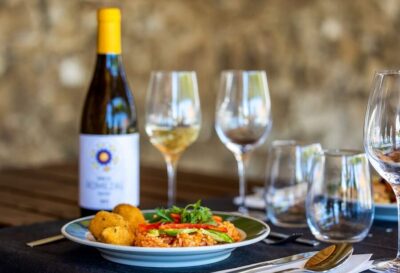
Douro Valley w/ Boat Tour, Wine Tasting & Lunch
Read our review →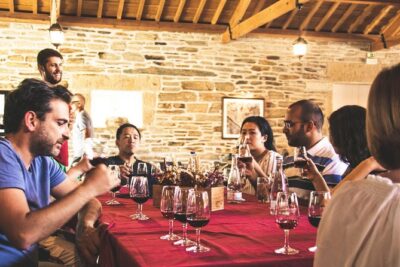
Complete Douro Valley Wine Tour with Lunch, Wine Tastings and River Cruise
Read our review →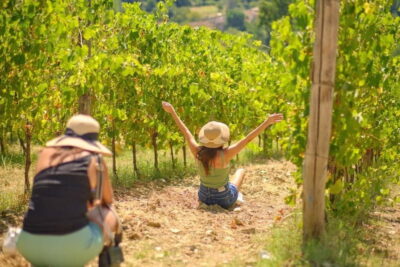
Small-Group Wine Tasting Experience in the Tuscan Countryside
Read our review →
Montserrat & Cogwheel Train, Gourmet Wine Tasting & Tapas/Lunch
Read our review →
Tuscany & Montepulciano Day Trip with Lunch & Wine Tasting
Read our review →