
Reviewed · WINE TASTINGS
Traditions in Bucharest: Village Museum and Wine Tasting Tour
Bucharest’s traditional side comes into focus at the Dimitrie Gusti National Village Museum, where wooden churches, watermills, thatched barns, and peasant homes from across Romania are gathered beside a lake. You then trade old timber for old vines at a city wine bar, tasting Romanian grapes with cheese and sausage.
I like the private guide and vehicle, especially for a first day in Bucharest. I also like the way the tour connects architecture, crafts, food, and wine instead of treating them as separate sights. The main consideration is the price: at $148.19 per person, it is a serious spend, though private transport, the guide, museum entry, and tasting are included.
The tour is rated 4.9 out of 5, with 96 percent of customers recommending it. Guides including Mihai Vataselu, Michael, Mike, and Emma receive especially strong praise for clear English, warm conversation, safe driving, and the ability to adjust the pace for families or gentle walkers.
Key points to know before booking
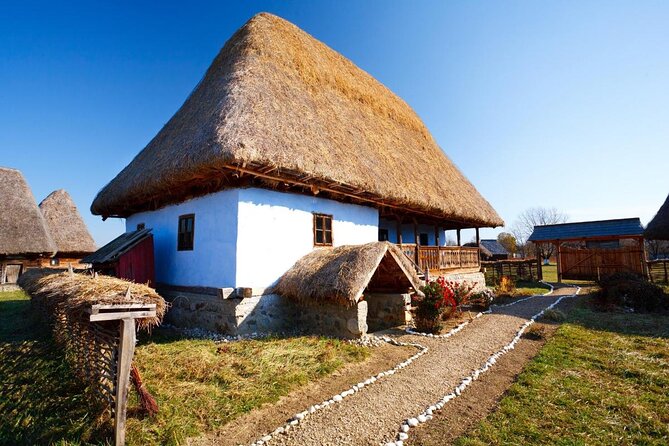
- Traditional Romania in one morning or afternoon: See homes, churches, barns, mills, and household buildings from several historic regions without leaving Bucharest.
- A private English-speaking guide: Guides such as Mihai and Emma add maps, photographs, regional context, and stories about daily life.
- Three Romanian wines included: Taste local varieties such as Feteasca Neagra and Negru de Dragasani with cheese and charcuterie.
- Handmade crafts, not just souvenir clutter: Browse ia blouses, painted eggs, Horezu pottery, wooden masks, icons, sweets, and Dracula-themed items.
- Hotel pickup within Bucharest: A private, air-conditioned vehicle takes the pressure out of crossing the city.
- A useful city-center finish: The wine bar is near the Romanian Athenaeum and about 15 minutes from the Old Town on foot.
Why this five-hour tour works
I like this experience because it gives you a readable introduction to Romania. You are not simply shown a building and handed a date. At the Village Museum, you can see how local materials, weather, work, religion, and regional customs shaped the places people lived.
The tour also has a pleasant change of pace. Two hours outdoors among old houses and churches can feel quite visual and practical. The craft shop adds a short look at living traditions. Then the final two hours slow down over wine, food, and conversation.
That mix suits you if you want culture without spending an entire day on a formal museum circuit. It also works well near the beginning of a Romanian trip. Several guide-led conversations have covered modern Romania, politics, food, architecture, and regional history, giving you useful context for later stops in Bucharest or Transylvania.
The experience is private, so only your group participates. That matters if you want to ask questions, spend extra time at a church, move at a gentle pace, or talk through a family connection to Romania. One guide even adjusted the visit so a group of slower walkers could see as much as possible.
More Wine Tastings in the world:
- From Porto: Douro Valley w/ Boat Tour, Wine Tasting & Lunch
★ 4.7 · 19,061 reviews - Complete Douro Valley Wine Tour with Lunch, Wine Tastings and River Cruise
★ 5.0 · 12,920 reviews - Florence: Chianti Wineries Tour with Wine Tasting
★ 4.5 · 10,071 reviews
The Village Museum, Romania in miniature
The Dimitrie Gusti National Village Museum is the heart of the tour. It is an open-air collection of traditional buildings from Romania’s historic provinces, with examples dating as far back as the 17th century.
The value here is comparison. You might see a low, thatched home from the Danube Delta, then move on to a Moldavian or Wallachian house with a different shape and feel. Transylvanian buildings bring finely carved wooden fronts, while steep-roofed homes and log cabins show how practical needs shaped village architecture.
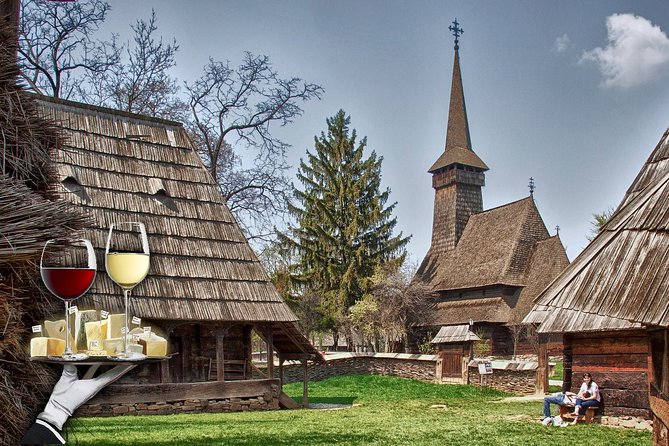
The collection includes more than houses. Expect to see barns, watermills, windmills, oil presses, roadside crucifixes, and wooden churches. The churches are a particular highlight for many people because their painted decoration and carved details show how religious life fitted into the same modest village setting.
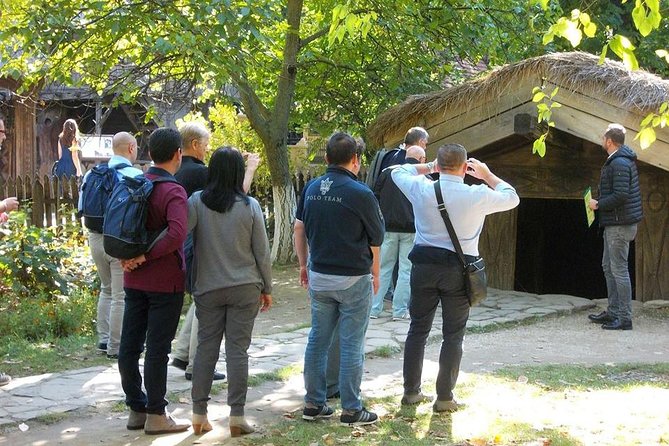
A good guide makes a major difference here. Mihai Vataselu is praised for explaining not only where the buildings came from, but also why people in different parts of Romania built in different ways. He has used printed maps and photographs to show the regions represented in the museum and to connect each building with its place of origin.
That approach turns a walk past old structures into a lesson in daily life. You begin to notice roof pitch, timber work, wall materials, storage areas, and the way buildings relate to farming and weather.
Allow roughly two hours for this stop. There is less than a mile of walking across the full tour, but the museum is outdoors, so sensible shoes and clothing for the weather will help. The supplied information says most people can participate, though anyone needing a specific mobility arrangement should confirm details before booking.
A craft shop with useful souvenirs
The second stop lasts about 30 minutes at a local art and craft shop on Calea Victoriei. Everything is handmade, and the selection gives you a quick view of regional decorative traditions.
Look for the Romanian ie, a traditional blouse, along with glass-painted icons and Easter eggs from Moldavia. Horezu pottery represents Wallachia, while wooden masks and small objects bring in Transylvanian folk art.
You will also find books, traditional sweets, knot cookies, chocolate nuts, and Dracula-themed souvenirs. That last category is less rooted in everyday village life, but it can be useful if you want a playful gift or a familiar symbol of Romania.
I would treat this as a browsing stop rather than the main reason to book the tour. The 30 minutes is enough to look around without turning the day into a shopping trip. Since the shop visit has no separate admission charge, it adds cultural context at little extra cost.
If you are considering buying an ie, pottery, or painted egg, this is also a chance to see several forms of Romanian craft in one place. The tour information does not state whether every item is available in all sizes or price ranges, so ask the guide or shop staff about anything you may want to carry home.
Romanian wine and a proper finish
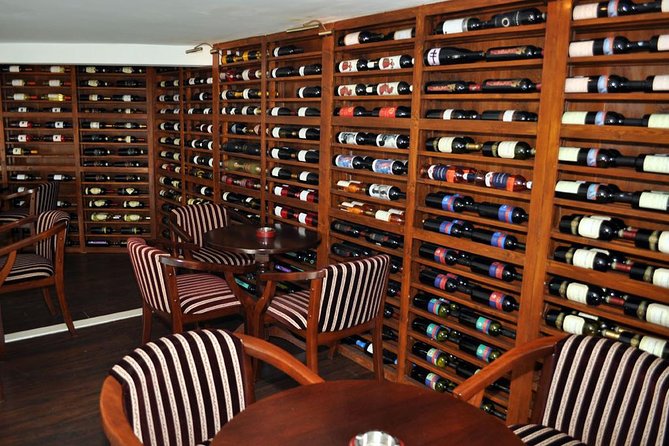
The final stop is a local wine bar in the historic center. Romania has more than 2,000 years of winemaking tradition and is among the world’s major wine producers. The tasting gives you a practical way to connect the country’s vineyards with the culture you have just seen.
Three glasses of wine per person are included, along with a plate of traditional cheese and charcuterie. Some groups have tasted four wines, so the exact lineup may vary, but the stated inclusion is three glasses. You can expect an introduction to the Dealu Mare wine region, one of Romania’s best-known wine areas, and to local grapes such as Feteasca Neagra and Negru de Dragasani.
This is not presented as a technical tasting for specialists. You can ask basic questions, compare styles, and learn why Romanian varieties may be unfamiliar outside the country. The food makes the stop feel more like a local pause than a formal tasting room appointment.
Guides such as Mihai have been praised for explaining Romanian wine clearly and for using maps and photographs to show where the bottles come from. That is especially useful if you plan to buy wine later during your trip.
You can stay at the bar after the formal tour ends, at your own expense, or ask the guide for directions to your accommodation or the Old Town. The location is convenient: it is on historic Calea Victoriei, a few minutes from the Romanian Athenaeum and around 15 minutes from the Old Town area.
More Museum Visits in the world:
- Porto: Cálem Cellar Tour, Interactive Museum & Wine Tasting
★ 4.5 · 4,113 reviews - Porto: The Wine Experience, Best Wine Museum in the World
★ 4.7 · 621 reviews - Bordeaux Wine and Trade Museum Admission Ticket with Wine Tasting
★ 4.5 · 599 reviews - Picasso Museum and Walking Tour Plus Optional Wine & Food Tasting
★ 5.0 · 596 reviews
Private pickup and the value of the price
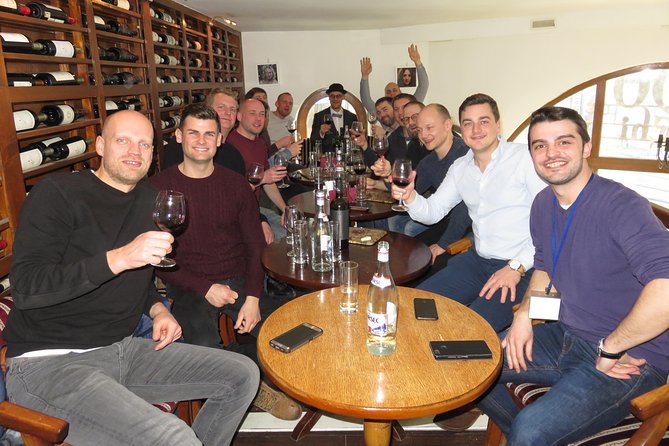
The listed price is $148.19 per person. That is not a bargain tour, particularly for a solo visitor. For a couple or small group, though, the value improves because you are paying for a private guide, private air-conditioned transportation, hotel pickup and drop-off, museum admission, and the wine tasting with food.
Hotel pickup is available anywhere within Bucharest city limits. Your guide meets you in the hotel lobby near reception, which is helpful if you are still learning the city or staying away from the central sights.
The official meeting and return point is the Romanian Athenaeum on Strada Benjamin Franklin. In practice, the tour ends at the wine bar rather than returning you to the Athenaeum, but the two are only a few minutes apart. This means you can easily continue toward the Old Town instead of losing time going back to your hotel.
Private transport also matters in Bucharest traffic. One family specifically appreciated the careful driving and roomy car. That is a small but important detail: a private vehicle lets you focus on the guide and scenery instead of figuring out buses or hailing a taxi between stops.
Group discounts are available, though the supplied information does not state the discount amount. If you are traveling with family or friends, check the final group price before deciding.
The guide can shape the whole day
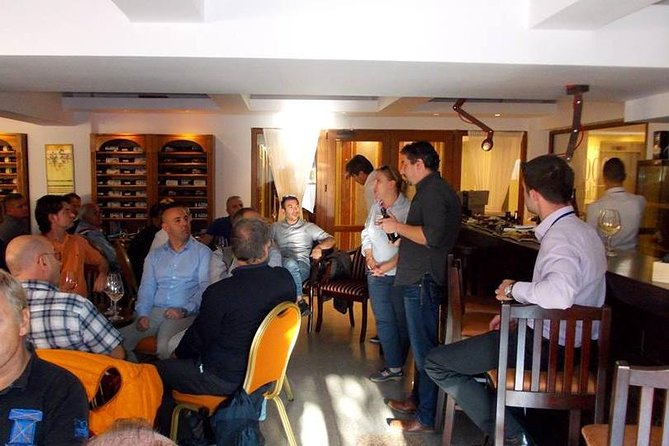
The strongest part of this experience is the guide-led storytelling. Mihai Vataselu is repeatedly praised for his English, humor, historical explanations, and friendly conversation. He has discussed everything from peasant life and architecture to wine, politics, and modern Romania.
Michael and Mike are also named as guides, while Emma has been praised for making a family visit personal and for connecting the museum to Romanian ancestry. These details matter because the Village Museum can be easy to experience as a collection of attractive old buildings. A good guide helps you understand the human choices behind them.
Communication before the tour has also been described as prompt and well organized. In one case, the accommodation address was listed incorrectly online. The guide checked the location, noticed the problem, and called ahead to arrange the pickup. You should still provide the exact hotel name and address when booking.
The private format gives you room to steer the conversation. If you are interested in churches, rural architecture, wine, family history, or food, say so early. The guides have shown an ability to adapt the day without losing its main structure.
Who should book this experience?
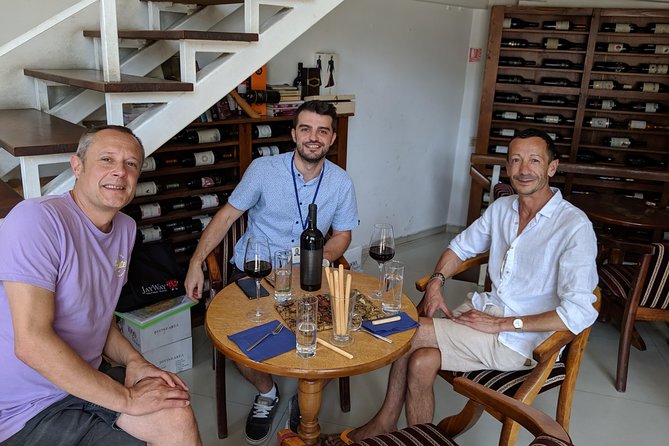
I would recommend it to first-time visitors who want a broad introduction to Romanian culture in half a day. It suits couples, families, small groups, and anyone who values personal explanation more than a low-cost group outing.
It is also a good match for people who are curious about architecture but do not want a dry lecture. The Village Museum offers strong visual material, while the wine bar gives you time to talk through what you have seen.
Families can consider it too. The museum and wine bar have accommodated children, and the private vehicle makes the day easier than moving between several stops independently. Children will not take part in the wine tasting, but the cultural portions offer plenty to look at.
You may want a different plan if you dislike shopping stops, do not drink alcohol, or want a full day outside Bucharest. The wine tasting is central to the final portion, and the tour does not include a countryside vineyard visit. It is a Bucharest city experience with regional wine at the end.
The walking is described as limited, under one mile in total, but the Village Museum is outdoors. If weather is poor, much of the appeal depends on how comfortable you are walking between buildings.
Practical details to check
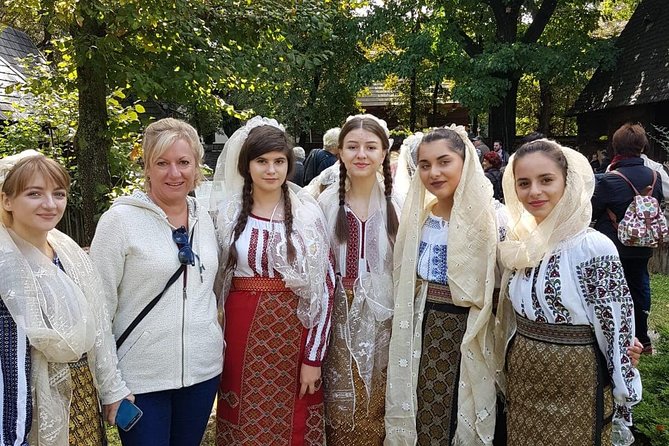
The tour lasts about five hours and is offered in English. Confirmation is provided when you book, and the experience is available as a private activity for your group alone.
The minimum drinking age is 18. Additional food and drinks are not included, so anything beyond the stated three wine glasses and cheese and charcuterie plate is extra.
Free cancellation is available until 24 hours before the start time. Cancellations made less than 24 hours in advance are not refunded, and late changes are not accepted. The cutoff follows Bucharest local time.
The tour is often booked well in advance, with an average booking lead time of 146 days. That does not mean you must reserve that early, but it is sensible to check availability if your Bucharest dates are fixed.
Should you book the Village Museum and wine tour?
Book it if you want one well-paced introduction to Romanian culture, with a private guide who can explain what you are seeing and a comfortable vehicle to connect the stops. The Village Museum is the strongest attraction, while the craft shop and wine bar add useful texture rather than padding.
At $148.19 per person, the tour makes the most sense when shared by two or more people who value convenience and personal attention. It is less attractive if your budget is tight or if you would rather visit the museum independently and spend the difference on several inexpensive tastings.
For a first Bucharest visit, I like the balance: old houses and churches, handmade objects, then local wine and food near the city center. You finish with a better sense of how Romania’s regions differ, and you are already in a handy part of town for your next stop.
FAQ
How long does the tour last?
The experience lasts approximately five hours. The Village Museum visit takes about two hours, the craft shop about 30 minutes, and the wine tasting about two hours.
Is hotel pickup included?
Yes. Free pickup is available from hotels and accommodations within Bucharest city limits. Your guide meets you in the lobby near the reception desk.
Where does the tour end?
The formal tour ends at the wine bar on historic Calea Victoriei. It is a few minutes on foot from the Romanian Athenaeum and about 15 minutes from the Old Town area.
Is transportation private?
Yes. The tour includes private transportation in an air-conditioned vehicle, and only your group participates.
How many wines are included?
Three wine glasses per person are included, along with a plate of traditional cheese and charcuterie. Additional drinks and food cost extra.
What age must I be to drink on the tour?
The minimum drinking age is 18.
Is the Village Museum entrance included?
Yes. The Village Museum entrance fee is included in the tour price.
Can I cancel for a full refund?
Yes, if you cancel at least 24 hours before the experience starts. Cancellations made less than 24 hours before the start time are not refunded.
Newest wine reviews around the world
- Full-Day Cape Winelands Tour★ 5.0 · 31 reviews
- Full Day Small Group Wine Tour Cape Town and Stellenbosch★ 5.0 · 79 reviews
- Drumstruck at Silvermist. Live African Drum Show & Wine tasting★ 5.0 · 137 reviews
- Private Stellenbosch, Franschhoek and Paarl Wine Tour★ 5.0 · 37 reviews
- Constantia Wine Walk Storytelling Vineyard Tour with Lunch★ 5.0 · 77 reviews
- Cape Winelands Private Tour★ 5.0 · 31 reviews
- Champagne Cruise (Pre-Sunset) from Cape Town★ 4.5 · 152 reviews
- Cape Winelands and Wine Tasting Full Day Tour★ 5.0 · 62 reviews
Wine Tastings, compared.
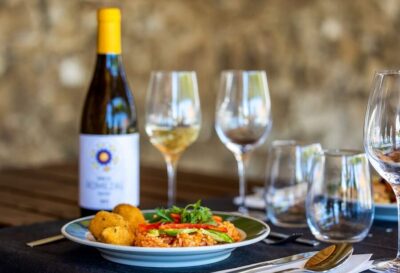
Douro Valley w/ Boat Tour, Wine Tasting & Lunch
Read our review →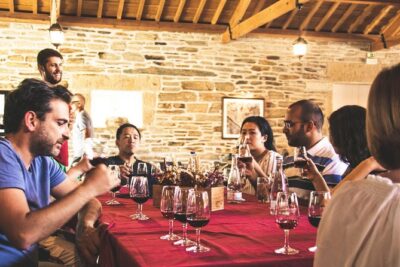
Complete Douro Valley Wine Tour with Lunch, Wine Tastings and River Cruise
Read our review →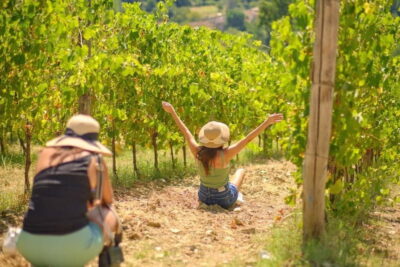
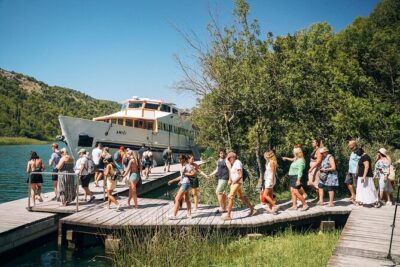
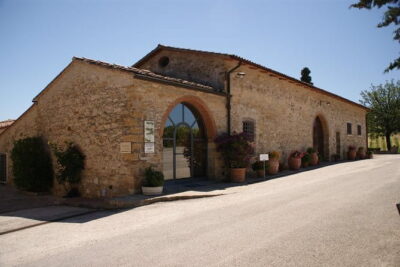
Small-Group Wine Tasting Experience in the Tuscan Countryside
Read our review →
Montserrat & Cogwheel Train, Gourmet Wine Tasting & Tapas/Lunch
Read our review →
Tuscany & Montepulciano Day Trip with Lunch & Wine Tasting
Read our review →
SMALL-GROUP Wine Safaris: Tuscan Wine Tasting Tours from Florence
Read our review →Lists this tasting appears in