
Reviewed · WINERY TOURS
Visit a winery of the 19th century and its draft
The best surprise here is below ground. La Bodega del Tesoro looks modest from the street, but its restored rooms and caves open into an old wine world shaped by carbonic maceration. I like the personal scale, and I like that José explains not only the wine, but also the region’s changing wine trade. The drawback is its location: the meeting point is in Cuzcurrita de Río Tirón, in La Rioja, despite the experience being labeled Burgos in some booking information.
I also like the tasting format. You do not simply sip two glasses and leave. The visit can include a small-production barrel sample, extra wine, and homemade hot and cold snacks in the property’s wine bar or patio. At $65.17 per person, that is fair value if you want a guided look at old Rioja cellars, though it is more expensive than a quick tasting at a large winery.
Key points to know before you book
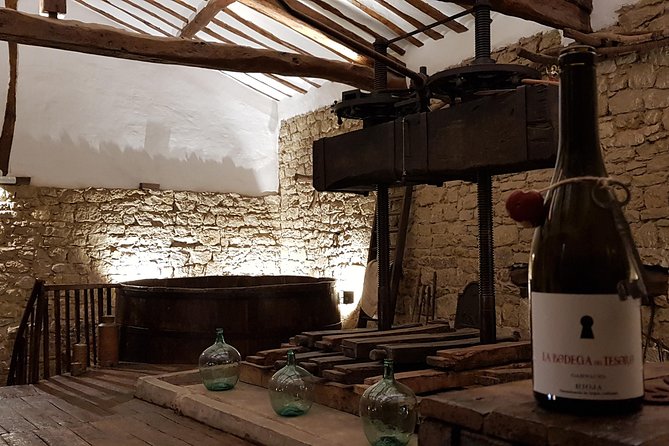
- A restored winery hidden for 30 years: La Bodega del Tesoro was closed for three decades before careful restoration brought it back into use.
- José leads a detailed, personal visit: He covers wine production, local terroir, business changes, and shifting drinking habits.
- The tour goes below ground: Expect a barrel room and caves extending into the hillside opposite the property.
- Small-production wines are part of the appeal: The tasting includes two wines, with some visits offering a third, plus snacks.
- Groups stay small: The maximum is 10 people, and some visits may feel almost private.
- Plan for a village setting: Parking is a few steps away on a small cinder lot, and the activity ends where it begins.
A quiet village address with a story underneath
Cuzcurrita de Río Tirón is not a major city stop. The address is C. Cuevas, 45, and the setting is a group of modest village buildings rather than a grand vineyard estate. That is part of the charm, but it also means you should arrive expecting a local property, not a polished visitor center with wide signs and a large car park.
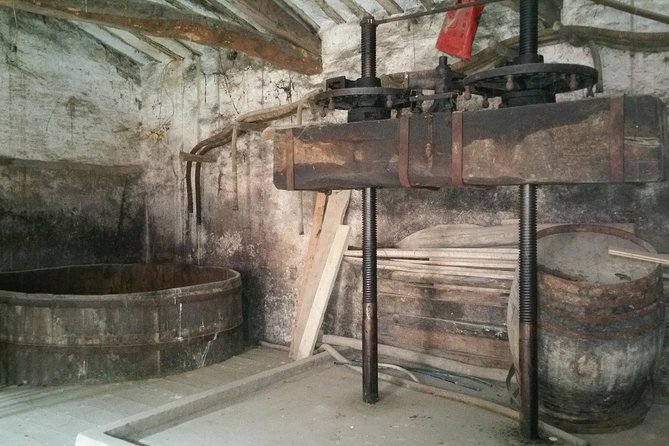
The winery’s story begins in 1881, when the property opened and wine was traditionally made using carbonic maceration. The building then remained closed for 30 years, leaving its old rooms and cellar work out of sight. Restoration has brought the place back into the present without wiping away its working character.
I find that setting more useful than a standard tasting room. You see the spaces where wine was made and stored, then hear how the old methods fit into the wider Rioja story. The visit is not only about flavor. It is about why a small village winery existed, why it disappeared from daily use, and what it takes to bring one back.
There is one dating detail worth noting. The experience is described as a 19th-century winery, while the barrel room and winery are also described during the visit as dating from the 18th century. That may reflect different parts of the property or a local interpretation of its age. If precise dates matter to you, ask José to explain the building’s timeline.
More Winery Tours in Spain
- Barcelona: Montserrat, Cogwheel, Black Madonna & Winery Tour
★ 4.8 · 5,633 reviews - Montserrat with Black Madonna & Medieval Winery with Tapas/Lunch
★ 5.0 · 5,209 reviews - Montserrat Full Day Tour with Farmhouse Lunch and Winery Visit
★ 5.0 · 1,068 reviews
What the 90-minute visit feels like
The visit lasts about an hour and a half, which is long enough for more than a rushed explanation but short enough to fit into a day of sightseeing around La Rioja. The pace is likely to feel conversational rather than tightly scripted, especially if your group is small.
You meet at the winery and begin with an introduction to the property. The restored rooms give you a sense of how the place looked after decades of closure. Two short narrated films may also be shown, adding background before you move through the cellar areas.
The main physical feature is the descent into the barrel room. You go down several flights of stairs, so this is not a completely level visit. The underground setting is cool and quiet, with the old storage and production spaces providing a strong contrast to the unassuming buildings above.
From there, the tour reaches caves that run into the hillside opposite the property. This is the part I would value most if you have already toured large Rioja wineries. Big estates can explain production on an industrial scale, but these smaller caves show how wine was tied to village buildings, hand-sized production, and local storage.
The visit then moves toward tasting. A barrel may be opened so you can sample a limited-production wine directly from it. That detail matters because it connects the drink in your glass to the cellar you have just seen. It also means the exact tasting can vary, depending on what is available at the time.
Carbonic maceration and small-production Rioja
The winery is linked to carbonic maceration, a traditional method in which whole grape clusters ferment in an environment with limited oxygen. The supplied details do not provide a full technical lesson, so you should not expect a formal winemaking class. Still, the method gives the visit a clear regional focus.
José’s explanation covers more than cellar mechanics. He discusses the area’s terroir, competition among producers, changes in drinking habits, and the business of wine. That wider view is valuable because Rioja is not just a label on a bottle. It is also a working industry shaped by land, market pressure, family businesses, and changing tastes.
I appreciate that the conversation includes competition and commerce. Many winery visits stay safely inside the language of grapes and barrels. Here, you can ask how small producers fit beside larger operations and how old methods survive in a modern market.
The wines are small-production examples rather than a long parade of commercial labels. The published inclusion is a tasting of two wines with snacks, while the actual visit may include three wines. A barrel sample may be added before you move to the wine bar. You should treat the two-wine tasting as the dependable promise and any extra glass as a possible bonus, not a guarantee.
The barrel room and hillside caves
The underground section gives this activity its character. You descend from a restored village property into rooms that feel connected to the winery’s working past. The cool air and low-key atmosphere are a welcome change from bright tasting counters and retail shelves.
The barrel room is also where the tasting becomes more concrete. You are not only hearing that wine was stored here. You can look at the room, understand its position beneath the buildings, and then taste a sample from a barrel. That sequence makes the explanation easier to remember.
The caves extend into the hillside opposite the property. Their presence helps explain why older wineries were built as they were. Underground storage offered stable conditions and made use of the local terrain, while the buildings above supported the daily work of making and serving wine.
You should be comfortable with stairs before booking. The information does not give a detailed accessibility assessment, and the descent through several flights is specifically part of the experience. Service animals are allowed, and most people can take part, but anyone with mobility concerns should confirm the stair conditions before paying.
Same region, a different bottle:
- Montserrat Half-Day Tour with Tapas and Gourmet Wines
★ 5.0 · 7,359 reviews - Montserrat & Cogwheel Train, Gourmet Wine Tasting & Tapas/Lunch
★ 5.0 · 6,290 reviews - Barcelona Tapas and Wine Experience Small-Group Walking Tour
★ 5.0 · 5,804 reviews - Barcelona: Tapas Walking Tour with Food, Wine, and History
★ 4.8 · 4,261 reviews
Tasting wine with homemade food
The final tasting takes place in a wine bar area and may extend onto the patio. Snacks are included, with hot and cold homemade food described as part of the spread. This makes the visit feel more like being welcomed into a local wine house than attending a formal tasting seminar.
The food also gives the wine a practical setting. You can judge the bottles with something to eat, rather than trying to understand every flavor on an empty stomach. The available details do not specify the exact dishes, so do not book this expecting a fixed menu or a full meal.
The tasting is best approached slowly. First, you see the old cellar and learn how the winery worked. Then you taste wine connected to that setting, followed by additional samples and snacks in a more relaxed room. I like that progression because it gives the tasting a sense of place.
If you are seeking a large selection of bottles, this may feel limited. Two wines are included, and the visit may add a third. The value comes from the cellar access, explanations, and small-production focus, not from the number of pours.
José’s style and the value of a small group
José is the key to the experience. He leads the visit in English and provides detailed explanations about the winery and the regional wine business. His role is not limited to pouring wine. He connects the property to the local market, changing habits, and the pressures facing producers.
The group limit is 10 people. That is small enough for questions and personal attention, and groups of four may receive an especially intimate visit. I would use the small size to your advantage. Ask about the restoration, the caves, carbonic maceration, and how the wines differ from larger Rioja labels.
The tradeoff is that a small owner-led visit can be less predictable than a mass-market tour. The exact rhythm may depend on the group, the questions asked, and what wine is available from the barrel. If you like a highly scripted presentation with fixed timing at every stage, this may feel loose. If you value conversation, it is a strength.
The tour is offered in English, which makes the regional detail easier to follow for English-speaking visitors. Confirmation is normally received at booking, though bookings made within one hour of departure are confirmed as soon as possible and remain subject to availability.
Is $65.17 a fair price?
At $65.17 per person, this is not the cheapest way to taste Rioja. You are paying more than the wine alone. The price covers a 90-minute guided visit, access to a restored winery and underground spaces, two wine samples, snacks, and the chance of an additional wine or barrel taste.
I think the price works best for people who want context. If you only want a couple of glasses, a shop or bar will cost less and take less time. If you want to understand how an old village winery functioned, see its caves, and discuss the region’s wine business with José, the cost is more reasonable.
The maximum group size also matters. A 10-person limit gives the experience a more personal feel than a coach-based winery stop. The smaller setting is part of what you are buying, along with the property itself.
The visit is particularly good value if you are already spending time in La Rioja and can reach Cuzcurrita de Río Tirón without a long detour. It is less convenient if you are staying in Burgos city and assumed the activity would take place there. Check the address carefully: the meeting point is in Cuzcurrita de Río Tirón, La Rioja, and the tour returns there.
Who should choose this winery visit?
I would recommend it to wine drinkers who prefer small producers, old cellars, and direct conversation over large-scale presentations. It also suits anyone interested in the practical side of wine, including how regional producers compete and adapt.
It is a good fit for couples, small groups, and independent visitors who enjoy asking questions. The food adds a pleasant social touch, and the underground rooms provide enough variety to keep the 90 minutes moving.
Families may find the cellar interesting, but the core activity is wine tasting and discussion. The information says most people can participate, yet anyone bringing children should decide if a wine-focused visit suits their group. The property allows service animals.
I would hesitate to recommend it if you dislike stairs, want a full meal, or need a large selection of wines. The tour is also non-refundable and cannot be changed for any reason, so only book once your plans are firm. If the operator cancels because the minimum number is not reached, you will be offered another date or experience, or a full refund.
Should you book La Bodega del Tesoro?
Book this experience if you want an intimate look at an old Rioja winery rather than a quick tasting at a modern estate. The restored rooms, barrel sample, hillside caves, homemade snacks, and José’s broad explanation of the wine business give the visit real substance.
Skip it if you are looking for a long vineyard outing, a full lunch, or a high-volume tasting. Before paying, confirm that Cuzcurrita de Río Tirón fits your route and that the stairs are manageable for everyone in your party. For the right visitor, the modest doorway and underground cellar make this a memorable stop at a fair, though not bargain, price.
FAQ
Where does the winery tour begin?
The tour begins at C. Cuevas, 45, 26214 Cuzcurrita de Río Tirón, La Rioja, Spain.
Where does the activity end?
The activity ends back at the meeting point.
How long does the visit last?
The visit lasts approximately 1 hour and 30 minutes.
How many people can join the tour?
The activity has a maximum group size of 10 people.
Is the tour offered in English?
Yes. The experience is offered in English.
How many wines are included?
The stated inclusion is a tasting of two wines. The visit may also include a third wine and a barrel sample, depending on what is available.
Are snacks included?
Yes. Some snacks are included with the wine tasting, and the visit may include homemade hot and cold food.
Newest wine reviews around Spain
- Visit La Joya Escondida de la Ribera del Duero Winery★ 5.0 · 43 reviews
- Full day at the winery, visit, tasting, aperitif and lunch★ 4.5 · 60 reviews
- Ribera del Duero Underground Cellar & Wine Tasting Experience★ 4.5 · 49 reviews
- Visit and Wine Tasting at the Territorio Luthier Winery★ 5.0 · 89 reviews
- Semi-Private Rioja Tour of 3 Premium Wineries from Bilbao★ 5.0 · 128 reviews
- Basque Best Bites – #1 Food & Wine tour of Bilbao★ 5.0 · 268 reviews
- Rioja & Txakoli Wine Tasting in Bilbao with a Local Sommelier★ 5.0 · 40 reviews
- Rioja wine region with visit to winery & Vitoria-Gasteiz★ 4.5 · 32 reviews
Winery Tours, compared.

Tuscany Day Trip from Florence: Siena, San Gimignano, Pisa and Lunch at a Winery
Read our review →
Douro Valley with Winery Lunch, Tastings & Cruise
Read our review →
Montserrat, Cogwheel, Black Madonna & Winery Tour
Read our review →
Montserrat with Black Madonna & Medieval Winery with Tapas/Lunch
Read our review →
Wine Tour: Paarl, Franschhoek & Stellenbosch incl 3 wineries
Read our review →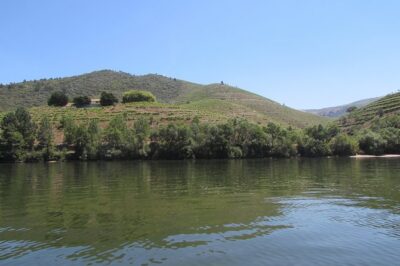
Douro Valley Tour: 2 Vineyard Visits, River Cruise, Winery Lunch
Read our review →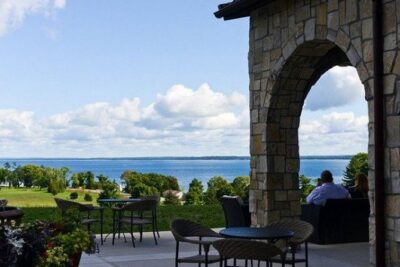
5-Hour Traverse City Wine Tour: 4 Wineries on Old Mission Peninsula
Read our review →Lists this tasting appears in