
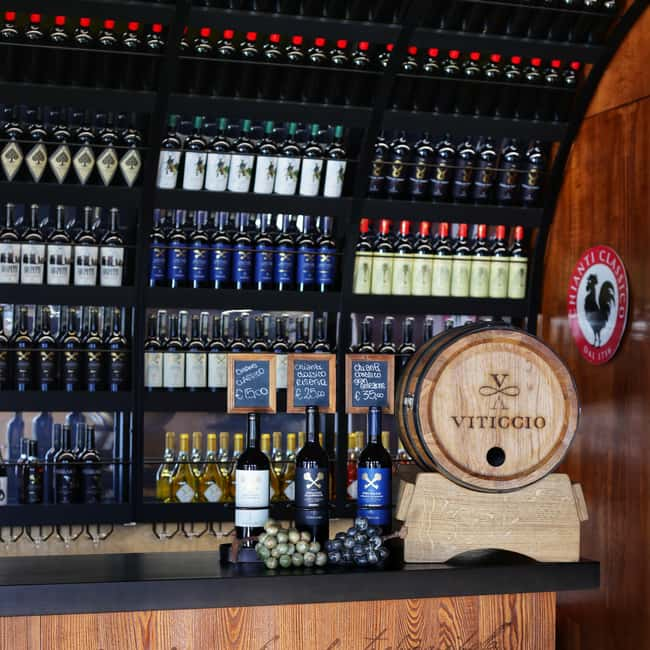
Reviewed · CHIANTI WINE TOURS
Discover Chianti Classico wines with a visit and tasting at Viticcio
Viticcio makes the most of a short visit. In one hour, you move from the Chianti Classico cellar to a generous tasting of three wines, Tuscan olive oil, bread, cold cuts, and cheese. It is a compact way to connect the bottle in your glass with the farm around you.
I like the clear explanation of DOCG rules and wine production, and I like that the tasting is not treated as a quick sales pitch. Guides pour the wines, explain them, then give you time to talk and taste at your own pace. The main drawback is getting there: the winery can be hard to reach without a car, and the walk from the nearest bus stop may be longer than the address suggests.
Key points
- Three Chianti Classico wines are tasted with Tuscan bread, house extra virgin olive oil, salami, and cheese.
- The cellar visit follows the wine from vineyard to bottle, with an English-speaking guide explaining local production.
- Guide Mateo, also referred to as Mateus in one booking, has been praised for his patient, friendly approach.
- Extra pours may be possible, including a fourth wine, but they are not part of the advertised package.
- The setting is wheelchair accessible, though transport and the final approach to the farm need careful planning.
- Daily tastings run by reservation at 11:30 a.m. and 3:30 p.m.
A compact introduction to Chianti Classico at Viticcio
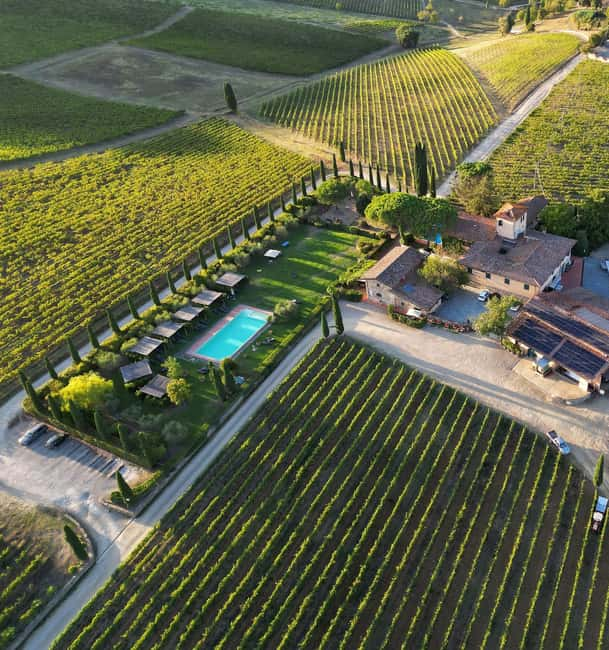
Viticcio Farm offers a focused introduction to the wine culture of Tuscany rather than a long vineyard tour. The visit takes about an hour, making it easy to fit into a busy day in the Chianti area. You see the cellars, hear how the wine is made, and then sit down to taste the finished products.
That short format matters. You get enough background to understand what is in your glass, but you are not committing half a day to a large estate program. If you want a relaxed first taste of Chianti Classico, this visit has a sensible shape.
The setting adds plenty. Viticcio combines a working winery with the Tuscan countryside, so the experience is not limited to bottles lined up on a tasting counter. You are visiting a real farm and tasting products made there, including the extra virgin olive oil.
More Chianti Wine Tours in Italy:
- Florence: Chianti Wineries Tour with Wine Tasting
★ 4.5 · 10,071 reviews - San Gimignano, Siena, Monteriggioni, Chianti Day Trip with Lunch & Wine Tasting
★ 4.5 · 4,432 reviews - Florence: Pisa, Siena, S. Gimignano, Chianti Wine & Lunch
★ 4.6 · 4,354 reviews
Entering the Viticcio cellars
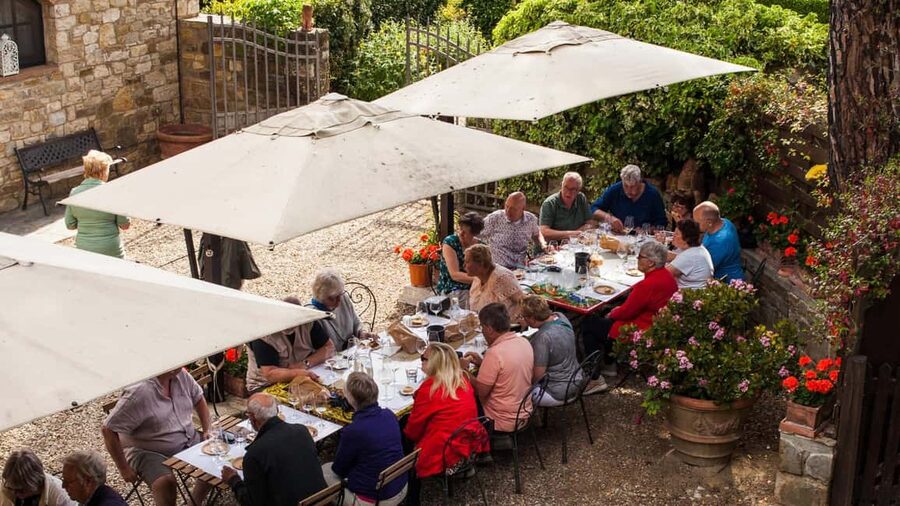
The visit begins at the winery, where an English-speaking host takes you through the cellars. The aim is to explain the production process from vineyard to bottle. You should expect a guided walk rather than a technical course in winemaking, but the information goes beyond a basic list of grape names.
A particularly useful part is the explanation of Chianti Classico requirements. One tasting included discussion of DOCG rules, which helps put the wine in context. DOCG is Italy’s top classification for wine, and learning what that label requires gives you a better sense of why Chianti Classico is more than a general Tuscan red.
The cellar visit also helps you understand the relationship between tradition and newer methods. Viticcio presents its wines as a blend of established regional practice and current winemaking ideas. You are not simply told that the wines are traditional. You get a look at the process that turns grapes into the bottles served at the end.
The guide makes a real difference here. Mateo, also named Mateus in one booking, has been singled out for patience, friendliness, and clear explanations. The best version of this visit is conversational. You can ask about the wines, the farm, and the rules that shape Chianti Classico rather than just listening to a memorized speech.
Tasting three wines with Tuscan food
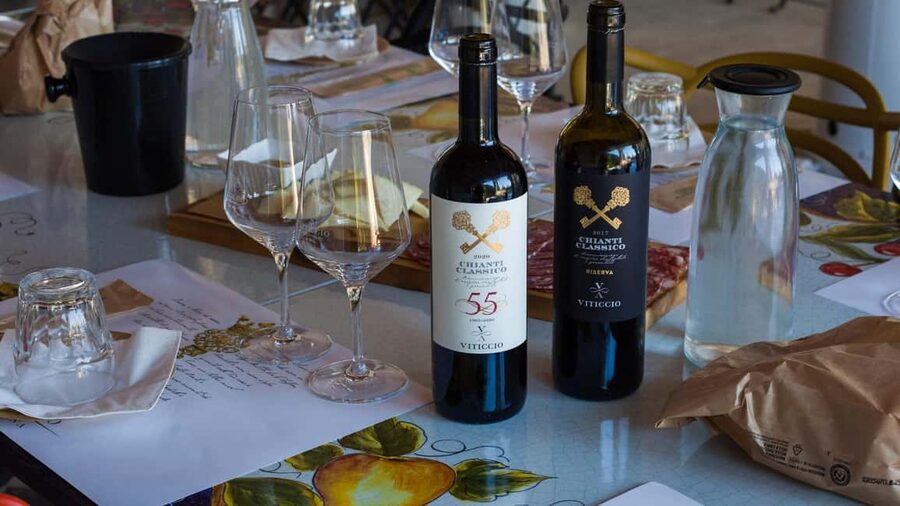
After the cellar visit, you sit down for the main event: three Chianti Classico wines. Each is served with an explanation, giving you a chance to consider the differences from one glass to the next.
The tasting is paired with house extra virgin olive oil and fresh Tuscan bread. This is a small detail, but it gives the visit more local character. Olive oil is not just a side dish in Tuscany, and tasting the farm’s oil alongside fresh bread shows another part of the region’s food culture.
A platter of Tuscan salami and cheese completes the table. The food is practical as well as pleasant. Wine tastes different when paired with salt, fat, and cheese, and these local foods help you understand how Tuscan wines work with a meal rather than as isolated drinks.
The portions have generally been described as generous, and some tastings have included a fourth wine or two additional pours. Do not book on the assumption that these extras are guaranteed. Treat them as a possible bonus, not part of the stated package.
The pace is one of the strongest features. The guide pours and explains the wines, then gives you time to talk with your companions and taste without feeling hurried. That balance is better than a rigid presentation in which every sip must follow a script.
If you are new to wine tasting, you should feel comfortable here. You do not need a trained palate or a vocabulary of wine terms. Pay attention to what you like, ask questions, and use the food to compare the wines. A good tasting should help you choose bottles you would actually enjoy drinking, not test your ability to identify obscure aromas.
Why the Chianti Classico explanation matters
Chianti Classico is one of Tuscany’s best-known wine regions, but a famous name does not automatically explain what is in the bottle. The guided portion gives you the basic framework: where the wine comes from, how it is made, and what the classification requires.
That context makes the tasting more useful. Instead of treating three reds as unrelated samples, you can connect them to the area and the rules behind them. You also hear how Viticcio approaches its own production, including the balance between inherited methods and newer ideas.
This is especially helpful if you are visiting several wineries. A short stop at Viticcio can give you a reference point for later tastings. You may begin to notice how different estates interpret the same regional identity.
The experience does not promise a full agricultural tour, a cooking class, or an extended lesson in Italian wine law. It is a one-hour visit. That is its strength for some people and its limit for others. You get a clear introduction, not an all-day study of the estate.
More Wine Tours in Italy:
- Tuscany Day Trip from Florence: Siena, San Gimignano, Pisa and Lunch at a Winery
★ 5.0 · 21,634 reviews - Florence: Pasta Cooking Class with Unlimited Wine
★ 4.9 · 10,285 reviews - Small-Group Wine Tasting Experience in the Tuscan Countryside
★ 5.0 · 7,392 reviews - Florence: Pasta & Tiramisu Cooking Class with Unlimited Wine
★ 4.9 · 6,708 reviews
The setting and the food beyond the wine
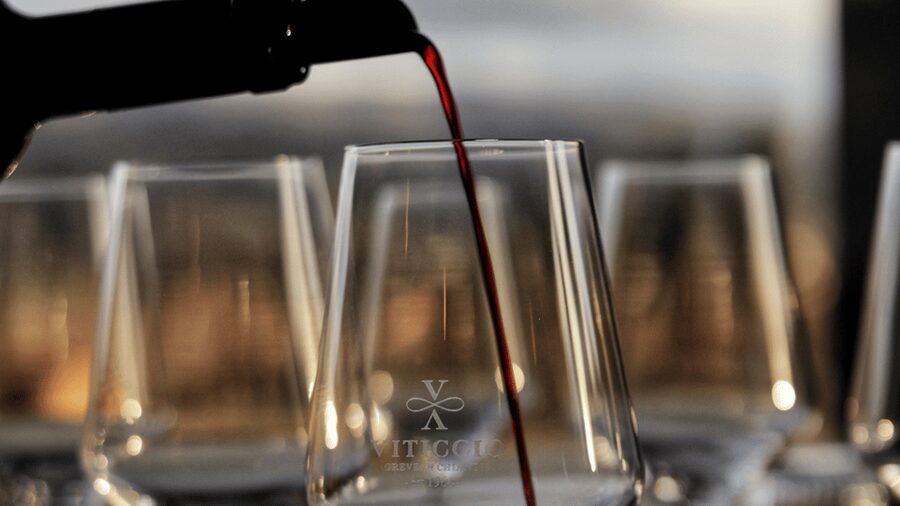
The farm setting gives the hour a sense of place. You are not tasting generic wines in a city shop. You are at Viticcio Farm, surrounded by the countryside associated with Chianti.
The view is part of the pleasure, but the food keeps the experience grounded. Fresh bread, olive oil, Tuscan salami, and cheese are simple products, yet they show how the region’s wine is meant to function at the table. You can enjoy the tasting even if you are more interested in Italian food than in wine terminology.
I especially like this food pairing because it avoids turning the tasting into a formal performance. You can sit, eat, compare, and talk. The atmosphere is welcoming rather than stiff, and the small group setting, when available, should feel more personal than a large commercial tasting room.
The farm is also reported as beautiful, with friendly staff and well-chosen accompaniments. That makes Viticcio a good fit for couples, families with adult children, and anyone who wants a pleasant stop rather than a highly technical wine appointment.
Planning the 11:30 a.m. or 3:30 p.m. visit
Tastings are offered every day, but only by reservation. The two stated start times are 11:30 a.m. and 3:30 p.m. Choose based on the rest of your day, since the one-hour length gives you room to plan another activity before or after.
The morning time works well if you are building a day around wineries and want to keep the afternoon open. The afternoon appointment may suit you better after a morning in the Tuscan countryside. In either case, leave enough time for the journey. The tasting itself lasts one hour, but your transport may take longer.
The meeting point is Viticcio Farm. This sounds simple, but directions deserve extra attention. The street address can be confusing, and the winery may not be close enough to the bus stop for an easy walk. One booking described the walk from public transport as considerable, while another reported difficulty arranging a transfer.
My practical advice is to confirm the exact entrance and route before setting out. Do not rely only on a map pin or assume that the listed address places you directly at the cellar door. If you are not driving, arrange your transfer in advance and ask for precise arrival instructions.
This is the one part of the experience that can undercut an otherwise smooth visit. The winery itself is accessible to wheelchair users, but accessibility at the start of your journey also depends on how you reach the farm. Check the full route rather than focusing only on the building.
Is $41 a fair price?
At $41 per person, the value depends on what you want from a winery visit. You receive a cellar tour, an English-speaking guide, three wines, house olive oil, Tuscan bread, and a platter of salami and cheese. For a short, food-inclusive introduction, that is a reasonable package.
The price is easier to justify if you value explanation and setting, not just alcohol. You are paying for someone to connect the wines to Chianti Classico production and for a prepared tasting with regional food. The extra virgin olive oil also adds something different from a standard wine flight.
It is less compelling if you want a long walk through vineyards, a large number of wines, or a full meal. The visit lasts about an hour, and three wines are the advertised selection. Those limits are clear, so compare it with longer estate tours before booking.
The occasional additional pour improves the value when it happens, but again, it should not be expected. Think of the listed inclusions as the full offer. If extra wines appear, enjoy them as a kind gesture.
The booking terms are traveler-friendly. You can cancel up to 24 hours before the visit for a full refund, and a reserve-now, pay-later option is available. Those policies are useful when your Tuscan plans depend on weather, driving conditions, or a shifting schedule.
Who will enjoy Viticcio most?
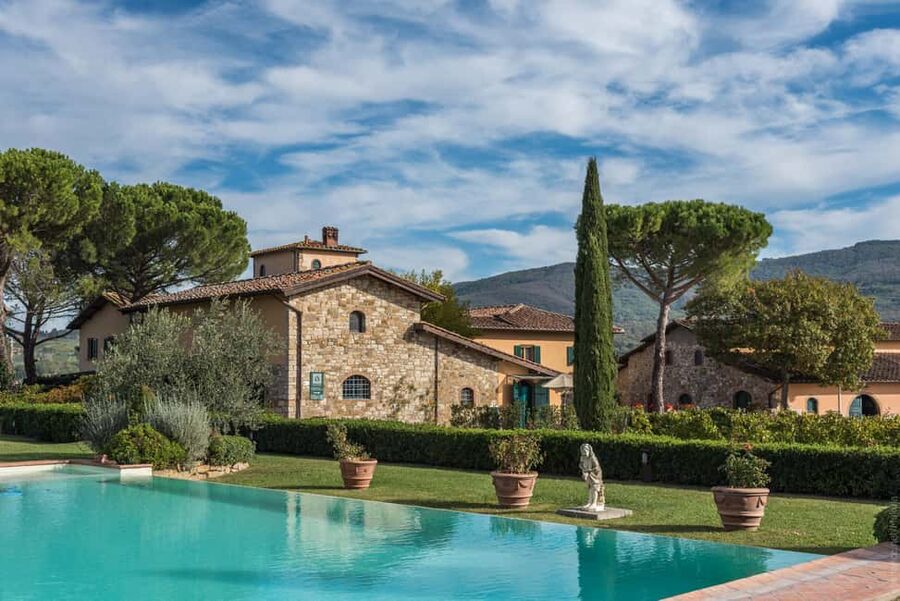
I would choose this experience if you want a manageable first step into Chianti Classico. It suits people who enjoy wine but do not want a lecture, and it works well for anyone who wants local food with the tasting.
It is also a good match for repeat visitors to Tuscany. Even if you already know the basics, the chance to taste wines made at Viticcio and hear how the estate handles regional requirements can give your day a more personal focus.
The visit may be less satisfying for someone looking for a full vineyard work experience or an elaborate meal. It is not described as a cooking lesson, a harvest activity, or a lengthy walk through the vines. Its appeal is its direct route from cellar explanation to table tasting.
English is the stated language, and the host or greeter is English-speaking. Some material may appear in its original language, so ask the guide to clarify anything important. The tone of the visit should suit beginners, especially with a guide who takes time to explain the wines.
What makes the guide important
A winery can have beautiful surroundings and good bottles, yet still feel flat if the guide rushes the explanation. Viticcio benefits from guides who make the hour personal.
Mateo has been praised for being attentive, patient, and friendly. Another account uses the name Mateus, which may reflect a spelling difference. The important point for you is the style of hosting: the guide pours the wine, talks through it, and then lets you taste and chat without pressure.
A wine master has also come out to sit with the group when requested. That is not listed as a guaranteed part of every booking, but it shows that the visit can sometimes become more personal than the standard route.
Good guiding is especially valuable when you are tasting three wines in a short time. You get enough help to notice differences, but you retain the freedom to decide what you actually like. That is a better use of an hour than trying to impress you with complicated language.
My verdict on this one-hour tasting
Book Viticcio if you want a short, food-friendly winery visit with clear English guidance and a real connection to Chianti Classico. The cellar explanation, three-wine tasting, local platter, and Tuscan setting make the $41 price sensible for a compact experience.
Before paying, solve the transport question. Confirm the exact farm location, plan your transfer if you are not driving, and remember that the listed appointment times are 11:30 a.m. and 3:30 p.m.
For wine beginners, couples, and anyone building a day in Chianti, Viticcio is an easy choice. For serious wine collectors seeking a long technical tour, it may feel brief. Most people will find the balance of information, food, and relaxed tasting to be the main reason to book.
FAQ
Where does the tasting take place?
The meeting point is Viticcio Farm in Tuscany, Italy.
How long does the experience last?
The visit and tasting last one hour.
What wines are included?
The advertised tasting includes three Chianti Classico wines made by Viticcio.
What food is served with the wine?
You receive Viticcio extra virgin olive oil with Tuscan bread, plus a platter of Tuscan salami and cheese.
What time are tastings available?
Tastings take place every day by reservation at 11:30 a.m. or 3:30 p.m.
Is the experience available in English and accessible by wheelchair?
The host or greeter speaks English, and the experience is listed as wheelchair accessible. Some content may be presented in its original language.
Newest wine reviews around Italy
- Etna trekking and wine tasting★ 5.0 · 28 reviews
- Etna Tour and Lunch in a Winery with Wine Tasting★ 5.0 · 97 reviews
- Cooking Class and Wine Pairing in Capri★ 5.0 · 57 reviews
- WINE TOUR with sommelier in a winery near Cagliari★ 5.0 · 27 reviews
- Cagliari 3 Hours Luxury Motorboat Tour – Wine and Snorkeling★ 5.0 · 118 reviews
- Wine Experience: vineyard, wines and food★ 5.0 · 155 reviews
- Dinner in the vineyard with wine tasting and walk★ 5.0 · 58 reviews
- Wine Tour and Tasting of Lugana Wines in Desenzano★ 5.0 · 58 reviews
Chianti Wine Tours, compared.
San Gimignano, Siena, Monteriggioni, Chianti Day Trip with Lunch & Wine Tasting
Read our review →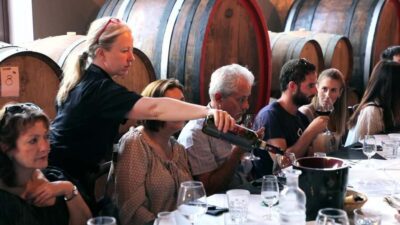
Pisa, Siena, S. Gimignano, Chianti Wine & Lunch
Read our review →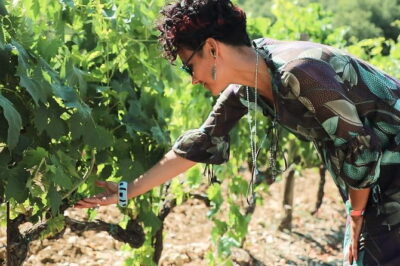
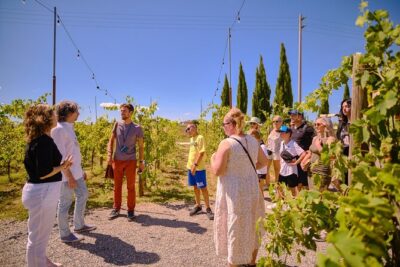
Siena, San Gimignano and Chianti Wines Day Tour from Florence
Read our review →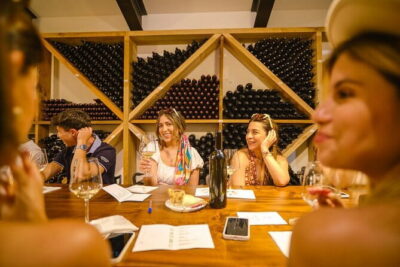
Half day Chianti Vineyard Escape from Florence with Wine Tastings
Read our review →
Tuscany Bike Tours Through the Chianti Hills with Wine Tasting
Read our review →
Lists this tasting appears in