Reviewed · ITALY WINE TOURS
Dogliani: Tasting of 7 Wines in the Heart of the Langhe
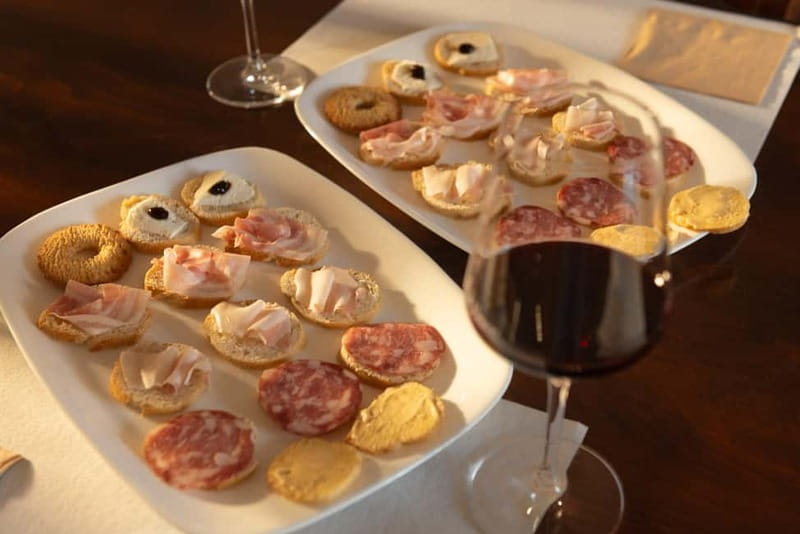
The best part of this Dogliani wine tasting is its family-run setting. You sit together, taste seven wines, and hear how each one moves from grape to bottle. The food is not an afterthought: tuna sauce, salami, lard, bacon, meliga biscuits, cheese, and cugnà are matched to particular wines.
I like the clear progression from a fresh Roero Arneis to Barolo, and I like that the cellar visit shows the practical work behind the bottles. Beatrice is often the English-speaking host, and her friendly, plain-spoken explanations make the tasting approachable. The main consideration is timing: the tasting is listed as two hours, while the route also includes photo stops in La Morra and Barolo, so confirm how those stops fit your booking.
Key points
- Seven wines for $36: The tasting includes Roero Arneis, two Dogliani wines, Nebbiolo, Barbera, Langhe Excelso, and Barolo.
- Food matched to each pour: Local products help you understand how the wines work with Piedmontese flavors.
- A family winery: The experience focuses on personal explanation rather than a polished corporate presentation.
- Beatrice may lead the English tasting: She explains wine in accessible terms and answers questions at an easy pace.
- Cellar access included: See fermentation, decanting and aging tanks, bottling, and labeling.
- La Morra and Barolo photo stops: These are listed in the route, but confirm the exact schedule because the main tasting itself lasts two hours.
Why this Dogliani tasting works so well
Piedmont wine tours can become expensive quickly, especially when Barolo is involved. At $36 per person, this one gives you seven wines, several food pairings, a cellar visit, and a family introduction to the estate. That is strong value if you want to taste broadly without paying for a formal meal or a full-day wine excursion.
The setting is a small family business in the Langhe, not a large visitor center. That matters because the focus stays on the wines and the people making them. You are not simply handed a tasting sheet. You hear about the grapes in the vineyard, the work in the cellar, and the choices that shape the finished wine.
The tone is friendly and informal. You sit together while the bottles and food arrive. You can ask questions as you go, which is useful if terms such as Superiore, Nebbiolo, or cugnà are new to you.
The experience has a rating of 4.7 from 89 evaluations, with especially strong praise for the welcome, the food pairings, the English explanations, and the value. That matches the structure of the visit: it is less about ceremony and more about helping you understand what is in your glass.
More Wine Tours in Italy:
- Tuscany Day Trip from Florence: Siena, San Gimignano, Pisa and Lunch at a Winery
★ 5.0 · 21,634 reviews - Florence: Pasta Cooking Class with Unlimited Wine
★ 4.9 · 10,285 reviews - Florence: Chianti Wineries Tour with Wine Tasting
★ 4.5 · 10,071 reviews
Arriving at Azienda Ca’ Neuva in Dogliani
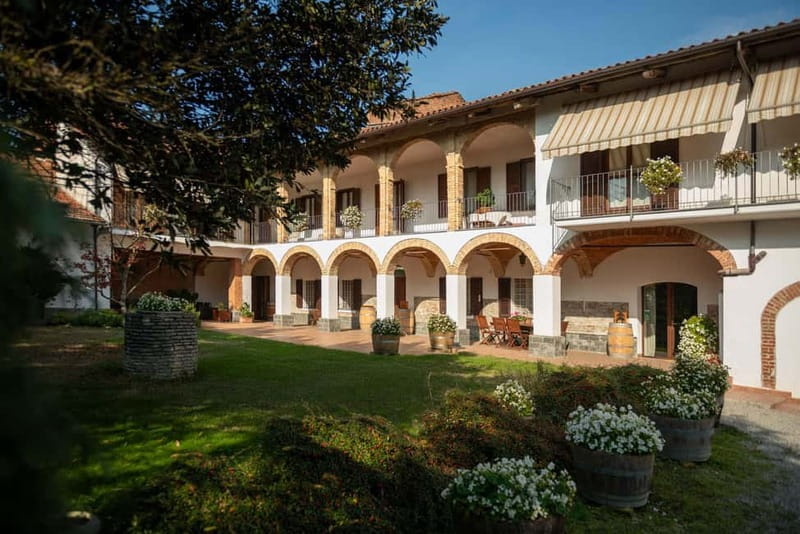
The meeting point is the parking lot at Borgata Santa Lucia, 36. Plan to arrive with the address ready, since this is a countryside meeting point rather than a central town attraction. The tour provider is Azienda Ca’ Neuva, a family winery in the heart of the Langhe.
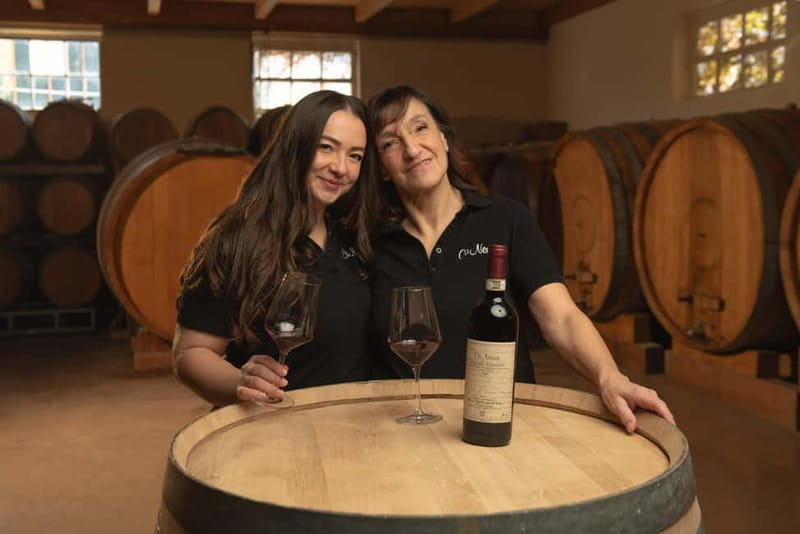
The family connection is part of the appeal. One account of the visit describes Beatrice as one of five people helping keep the winery going. Another highlights the link between the present-day wines and several generations of the family. You get a sense of a working estate where production and hospitality are closely connected.
The surrounding countryside is part of the experience, especially if your visit includes the listed stops in La Morra and Barolo. You may also meet Leo the puppy and Andy the horse, both mentioned as part of the property’s friendly character. These details are not the reason to book, but they help explain why the visit feels personal rather than staged.
The activity is wheelchair accessible according to the supplied details. If access needs are important to you, it is still sensible to confirm the route and cellar arrangements when booking, particularly if the photo stops are included.
Seven wines, served in a useful order
The tasting starts with Roero Arneis, the only white wine in the lineup. It is described as fresh and fruity, and it comes with tuna sauce. This is a smart opening: the lighter wine and savory sauce give you a gentle introduction before the more structured reds arrive.
Next comes Dogliani DOCG Sambù. This is presented as easy to drink and light, paired with salami. It gives you a simple way to notice the difference between a younger, more relaxed red and the bigger wines that follow.
The second Dogliani is the DOCG Superiore. It is more structured and complex than Sambù, so tasting them in sequence is useful. Instead of discussing Dogliani as one broad category, the host shows how two wines from the same regional tradition can have different weight and character.
Nebbiolo follows, paired with lard. Here the pairing becomes particularly instructive. Nebbiolo is described as fresh and young in this tasting, while the rich, salty food gives the wine something substantial to meet. You do not need advanced wine knowledge to understand the point. Taste the wine alone, then taste it with the food, and the difference becomes clearer.
Barbera comes with bacon and is described as soft and fruity. The progression now moves from the lighter Dogliani through Nebbiolo and Barbera, with each pour attached to a specific local bite. This keeps the tasting active and gives you a reason to pay attention beyond simply deciding which bottle you like best.
The sixth wine is Langhe Excelso, a blend of several wines. It is served with meliga pasta, a traditional Piedmontese biscuit. This is a small but worthwhile regional detail. The biscuit changes the mood of the tasting, moving from salty meats toward a sweeter finish before the final wine.
The last pour is Barolo, paired with cheese and cugnà. Cugnà is described as a thick preserve or sauce made with fresh and dried fruit. With cheese, it gives the Barolo a sweet, savory, and fruity counterpoint.
The order makes sense for first-time visitors. You start fresh, move through lighter and fuller reds, then finish with the most famous wine in the group. You can compare the wines as you go rather than tasting seven unrelated samples.
The food pairings are part of the lesson
The snacks here are not just something to keep you comfortable while drinking. Each item is selected to underline a wine. Tuna sauce goes with the Arneis, salami with Dogliani, lard and bacon with Nebbiolo and Barbera, meliga biscuit with Langhe Excelso, and cheese with cugnà alongside Barolo.
That approach is useful because Piedmontese wine makes the most sense at the table. Wine can taste sharp or heavy by itself, but food shows how it behaves in an actual meal. The portions are described as samples, so you should think of this as a tasting with substantial nibbles, not a replacement for lunch or dinner.
I especially like the use of familiar local foods. You do not need a long lecture on regional cuisine when a piece of salami or cheese makes the connection for you. The food also gives you a chance to slow down between pours.
If you have dietary restrictions, ask ahead. The supplied information identifies the foods but does not give substitutions or allergy guidance.
Same region, a different bottle:
- Small-Group Wine Tasting Experience in the Tuscan Countryside
★ 5.0 · 7,392 reviews - Florence: Pasta & Tiramisu Cooking Class with Unlimited Wine
★ 4.9 · 6,708 reviews - Florence: Pasta Cooking Class with Unlimited Wine
★ 5.0 · 6,413 reviews - Pisa, Siena and San Gimignano Day Trip with Lunch & Wine Pairing
★ 4.5 · 6,006 reviews
Inside the cellar: from fermentation to bottle
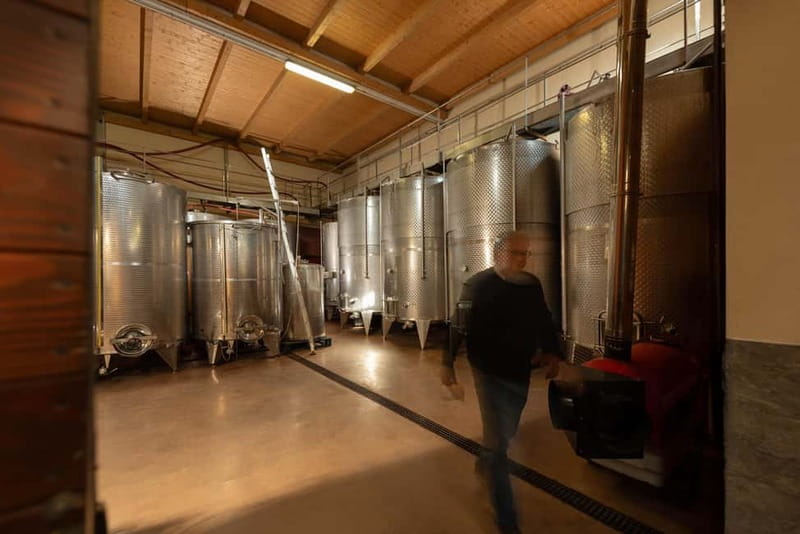
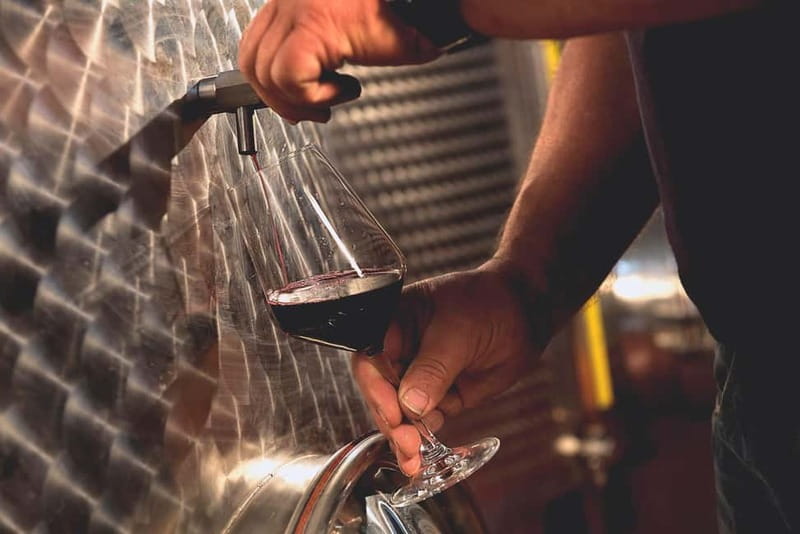
After the tasting, you visit the cellar. The tour explains the practical stages behind the wines you have just sampled, including fermentation, decanting and aging tanks, bottling, and labeling.
This is where the experience becomes more than a tasting flight. You can connect the wine in your glass with the equipment and processes used to produce it. The explanations cover both the vineyard stage and the cellar stage, so you hear how the wine began as grapes and how it was handled afterward.
The cellar visit is not described as a long technical workshop, and that is probably a good fit for most people. You get useful context without turning a short tasting into a winemaking course. If you are already deeply trained in wine production, you may want a more technical visit. For curious drinkers, couples, and first-time visitors to Piedmont, the level should be easier to follow.
The family’s stated aim is to protect the local area and put quality first. In practical terms, that gives the visit a clear theme: the wines are presented as products of a place and a family’s ongoing work, not just as labels to sell.
La Morra and Barolo photo stops
The route lists a one-hour photo stop in La Morra and another one-hour photo stop in Barolo, with a return to Borgata Santa Lucia afterward. These towns are closely tied to the Langhe wine region, and the stops can add scenic context to the cellar visit.
Still, pay attention to the timing. The main Dogliani tasting is listed as two hours, while the full route includes the two photo stops. That creates a possible difference between the core activity and the wider itinerary. Ask the provider whether La Morra and Barolo are included in your chosen departure, arranged separately, or simply part of the broader route description.
Do not assume these are guided town visits. They are identified as photo stops, so expect time to look around and take pictures rather than a detailed walking tour. If you mainly want wine, the two-hour tasting may be enough. If you are building a wider Langhe day, the stops could make the booking more useful.
How Beatrice shapes the experience
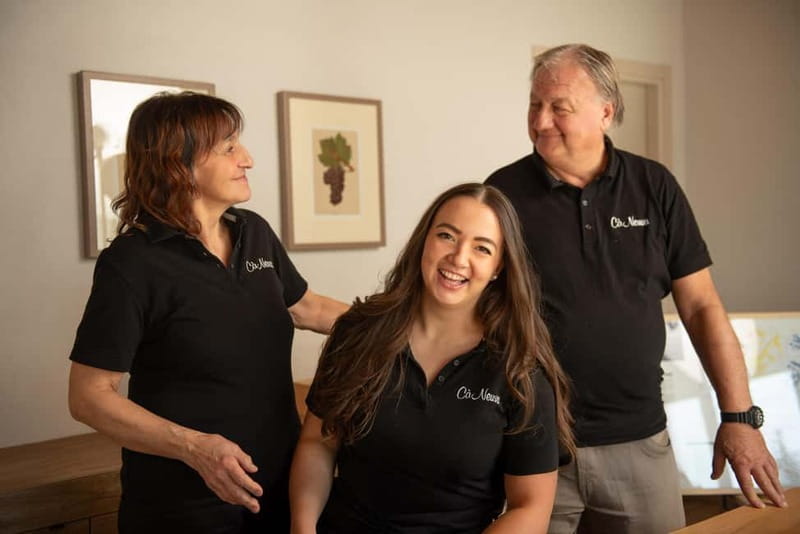
Beatrice is the name to know if you book the English-language version. She is described as warm, enthusiastic, and able to explain the wines clearly. Several evaluations specifically praise her ability to answer questions and speak about wine without making the subject feel difficult.
That style matters. Wine tours can become awkward when a host assumes everyone already knows the vocabulary. Here, the explanations cover the grape in the vineyard, the work in the cellar, and the reason each food is served with each wine. You can ask basic questions without feeling out of place.
The family also seems willing to help beyond the formal tasting. One account describes the family finding a solution when a taxi arrangement failed. You should not treat that as a guaranteed transport service, but it does suggest a welcoming, practical approach to hosting.
English and Italian are available. If you prefer a more formal or highly technical tasting, this may feel relaxed. If you want a real conversation with people who care about their wines, that informality is a strength.
Price, timing, and who gets the best value
At $36 per person, the package is easy to justify for anyone who wants a broad introduction to Langhe wine. You receive seven wines, local food samples, explanations, and a cellar visit. A Barolo tasting alone can sometimes take up a large part of a wine budget, so including it alongside six other wines adds real value.
The two-hour duration also works well in a busy Piedmont schedule. You can fit it between visits to other towns instead of giving up an entire day. The possible complication is the additional La Morra and Barolo route information, so confirm the actual length before planning transport afterward.
This suits:
- First-time visitors to the Langhe
- People who want to taste Barolo without booking a costly formal meal
- Couples and small groups who prefer a family setting
- Wine drinkers who learn best through food pairings
- Visitors looking for an English-language introduction
- Anyone interested in how wine is made, not just how it tastes
It may be less suitable if you are pregnant, as the activity is specifically listed as not suitable for pregnant women. It may also disappoint anyone expecting a full meal, a long vineyard walk, or a specialist-level production seminar.
You can cancel for a full refund up to 24 hours before the activity, and the reserve-now, pay-later option keeps your plans flexible. Those terms are useful when your Piedmont schedule depends on weather, driving, or changing plans.
Should you book this Dogliani wine tasting?
I would book it if you want an affordable, friendly introduction to the Langhe wine world. The strongest reasons are the seven-wine sequence, the smart local pairings, the cellar access, and Beatrice’s clear English explanations.
The visit is especially good for people who want to understand what they are drinking without sitting through a stiff presentation. You taste Dogliani beside Nebbiolo and Barbera, then finish with Barolo, which gives you a useful sense of the region’s range.
Before booking, confirm the timing of the La Morra and Barolo photo stops. If the two-hour tasting is your main goal, the core visit already offers plenty. If you want the photo stops as well, make sure they are included in your departure and allow enough time for the return journey.
For $36, this is a thoughtful, personal way to meet Piedmont wine. You may leave with a favorite bottle, and the family does sell wine afterward, but there is no pressure to buy. That balance is another reason this experience feels easy to recommend.
FAQ
Where does the wine tasting begin?
The meeting point is the parking lot at Borgata Santa Lucia, 36, in the Dogliani area of Piedmont.
How long does the main tasting last?
The Dogliani wine tasting and cellar visit are listed as lasting two hours.
How much does the experience cost?
The price is $36 per person.
Which wines are included?
You taste Roero Arneis, Dogliani DOCG Sambù, Dogliani DOCG Superiore, Nebbiolo, Barbera, Langhe Excelso, and Barolo.
What food is served with the wine?
The tasting includes samples of tuna sauce, salami, lard, bacon, meliga pasta, cheese, and cugnà.
Is a cellar visit included?
Yes. The visit covers fermentation, decanting and aging tanks, bottling, and labeling.
Is the experience available in English?
Yes. The live guide can conduct the experience in English or Italian. Beatrice may lead the English session.
Are La Morra and Barolo included?
The route lists a one-hour photo stop in La Morra and a one-hour photo stop in Barolo. Because the main tasting is listed separately as two hours, confirm the exact timing and inclusions when booking.
Can I cancel or pay later?
You can cancel up to 24 hours in advance for a full refund. The reserve-now, pay-later option lets you book without paying immediately.
Newest wine reviews around Italy
- Etna trekking and wine tasting★ 5.0 · 28 reviews
- Etna Tour and Lunch in a Winery with Wine Tasting★ 5.0 · 97 reviews
- Cooking Class and Wine Pairing in Capri★ 5.0 · 57 reviews
- WINE TOUR with sommelier in a winery near Cagliari★ 5.0 · 27 reviews
- Cagliari 3 Hours Luxury Motorboat Tour – Wine and Snorkeling★ 5.0 · 118 reviews
- Wine Experience: vineyard, wines and food★ 5.0 · 155 reviews
- Wine Tour and Tasting of Lugana Wines in Desenzano★ 5.0 · 58 reviews
- Dinner in the vineyard with wine tasting and walk★ 5.0 · 58 reviews
Italy Wine Tours, compared.
Tuscany Day Trip from Florence: Siena, San Gimignano, Pisa and Lunch at a Winery
Read our review →
Small-Group Wine Tasting Experience in the Tuscan Countryside
Read our review →
Pisa, Siena and San Gimignano Day Trip with Lunch & Wine Pairing
Read our review →
Tuscany & Montepulciano Day Trip with Lunch & Wine Tasting
Read our review →
SMALL-GROUP Wine Safaris: Tuscan Wine Tasting Tours from Florence
Read our review →