

Reviewed · DINING EXPERIENCES
St. Augustine’s Wine, Cocktail and Food Experience
St. Augustine’s best food tour is also a compact walk through America’s oldest city. Over about three and a half hours, you’ll move from the Castillo de San Marcos and the old city gates to small dining stops, wine pours, cocktails, and enough food to replace a meal. The afternoon timing works well: you can see the historic center, eat at several places, and still have the evening free.
I like the small group of no more than eight and the fact that food and alcoholic drinks are included in the $159 price. I also like the mix of local eating and city history, especially when guides such as Russ, Garry, and Alex add stories about buildings and streets rather than simply leading you from restaurant to restaurant.
The main consideration is dietary flexibility. Vegetarian, vegan, kosher, dairy-free, sugar-free, and gluten-free choices are much more limited. One isolated complaint also described an uncomfortable guiding style, including repeated requests for a tip, so the personality of your guide may affect the experience.
Key points at a glance
- A full meal in tasting form: The portions can be generous enough that you may not want a separate dinner afterward.
- Three and a half hours on foot: Comfortable shoes matter, since the food stops are linked by a walking route through the historic district.
- History between bites: The route includes the Castillo de San Marcos, Huguenot Cemetery, St. George Street, St. Photios Shrine, and the central plaza.
- Drinks are part of the price: Wine, cocktails, alcoholic beverages, bottled water, and lunch are included.
- A genuinely small group: The maximum of eight makes it easier to hear the guide and ask questions.
- A useful first-afternoon activity: It helps you find restaurants and bars you might return to later in your stay.
Why this food tour works well in St. Augustine

St. Augustine is easy to admire and surprisingly easy to misunderstand. The city’s old streets, fortifications, churches, cemeteries, and waterfront can feel like a string of unrelated sights if you simply wander from one photo stop to the next.
This experience gives the walk a practical purpose. You are going somewhere to eat and drink, but the route also explains why the streets look the way they do. You’ll pass through the old city gates, learn how the central plaza shaped the town, and see buildings connected to Spanish, British, and American rule.
The food gives the tour a second advantage. A standard sightseeing walk may tell you where the restaurants are, but it rarely gives you a reason to try them. Here, you sample several places in one afternoon. If one wine bar, cocktail stop, or restaurant catches your attention, you can return later with a better sense of what to order.
The tour is priced at $159 per person, which is not a casual add-on. The value depends on how much you would otherwise spend on lunch, drinks, and a guided history walk. Since lunch, alcohol samples, bottled water, and the guide are included, the price is easier to justify for anyone who wants a substantial afternoon rather than a single snack and a short stroll.
More Dining Experiences in the USA:
- Branson VIP Wine Tasting and Dinner Tour
★ 4.5 · 162 reviews - Napa Valley Wine Train: Gourmet Express Lunch or Dinner
★ 4.7 · 48 reviews - Sorrento Farm and Food Experience including Olive Oil, Limoncello, Wine tasting
★ 5.0 · 2,524 reviews
Starting at Treasury Street
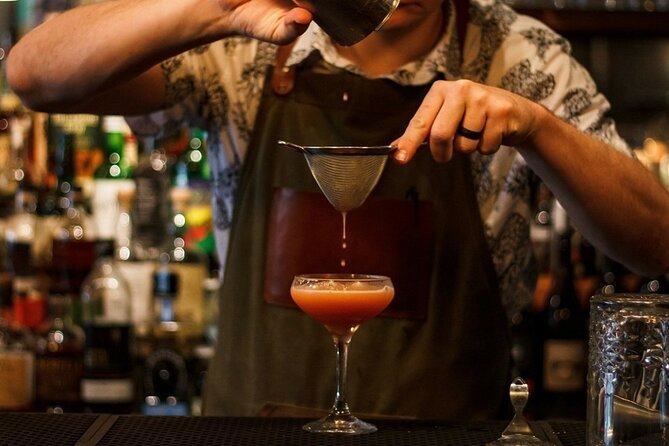
The meeting point is 57 Treasury Street, in the middle of St. Augustine’s historic center. This is a convenient place to begin because the route quickly places you among the city’s oldest streets and landmarks.
The tour lasts approximately three hours and 30 minutes. That is long enough for several food and drink stops without turning into an all-day commitment. You’ll want to arrive ready to walk, since the experience is not a seated tasting in one location.
Group size matters here. With a maximum of eight people, the guide can keep the pace personal and explain details without competing with a large crowd. A small group also makes restaurant stops easier to manage and gives you a better chance to ask about places to eat later.
The afternoon schedule is one of the tour’s strong points. St. Augustine’s center can be crowded, and a food stop gives you a reason to slow down. You are not trying to cover every attraction at top speed. Instead, you get a drink, hear a story, and continue through the historic district.
The Castillo de San Marcos and the city’s defensive past
The route includes the Castillo de San Marcos, the large Spanish stone fortress built to protect Spain’s claims in the New World. It is the oldest masonry fort in the continental United States and the oldest structure in St. Augustine, at about 325 years old according to the supplied tour information.
The fort is not simply a backdrop for the meal. It helps explain the city’s long military role and why St. Augustine developed around defense, government, religion, and the waterfront. From the outside, you can see the scale of the walls and the practical location of the fort near the water.
You should understand that the tour does not promise a dedicated interior visit to the Castillo. The stop is part of the walking route, so you may see and discuss the fort rather than spend a long period exploring its rooms and ramparts. If entering the fort is a priority, plan a separate visit and check its opening details for your date.
Huguenot Cemetery and the old city gates
The Huguenot Cemetery sits across from the historic city gate. It served as a Protestant burial ground from 1821 to 1884, after American control changed the religious and civic structure of the city.
Before American occupation, St. Augustine was primarily Catholic, and the Tolomato Cemetery was reserved for Catholics. The creation of a Protestant cemetery shows how the city changed as new administrations and communities arrived. The first burials took place in 1821, just before a yellow fever epidemic claimed many lives in the city.
This is a brief stop, listed at about five minutes, but it adds a useful layer to the tour. You get more than architecture and restaurant recommendations. You also see how religion, public health, and political change affected daily life.
From there, the route passes through the Old City Gates, built in 1808, and onto St. George Street. The gates mark a clear shift from the wider streets outside the historic core to the old city’s main pedestrian spine.
More Food Experiences in the USA:
- Undiscovered Charleston: Half Day Food, Wine & History Tour with Cooking Class
★ 5.0 · 948 reviews - Healdsburg Small-Group Food and Wine Walking Tour
★ 5.0 · 433 reviews - Healdsburg Wine and Food Pairing Guided Walking Tour
★ 5.0 · 400 reviews - Sunset Sail from Traverse City with Food, Wine & Cocktails
★ 5.0 · 226 reviews
St. George Street, the route’s main thread

St. George Street is the backbone of the historic district. The tour allows about 20 minutes here, giving you time to absorb the street’s buildings, shops, and foot traffic while moving toward the next points of interest.
This is one place where a guide adds value. On your own, you may notice the narrow street and old facades but miss how the street fits into the city plan. A guide can point out building details and explain how St. Augustine developed around its central public spaces.
The street is also where the practical food-tour benefit becomes clear. You will be close to many places you can revisit later. The tour does not ask you to commit to one restaurant for an entire meal. Instead, it gives you a quick introduction to several food and drink options.
The drawback is that St. George Street can be busy. If you prefer quiet lanes and lengthy stops, this part may feel more like a moving city walk. The tour works best if you enjoy combining sightseeing with short stops for food and conversation.
St. Photios Shrine and the Greek connection

Just off St. George Street, the St. Photios Greek Orthodox National Shrine honors the first Greek colonists who came to America in 1768. It is connected to the Greek Orthodox Archdiocese of America and offers a reminder that St. Augustine’s story includes more than Spanish forts and Catholic churches.
The shrine is a useful counterpoint to the city’s better-known landmarks. It brings immigration and religious diversity into the route, even though the overall tour remains focused on the historic center and food stops.
You may find this stop especially useful if you want historical context that goes beyond the most photographed buildings. The guide names the communities and institutions that helped shape the city, then you continue toward the central plaza and the next tasting stop.
Plaza de la Constitución, the city’s public center
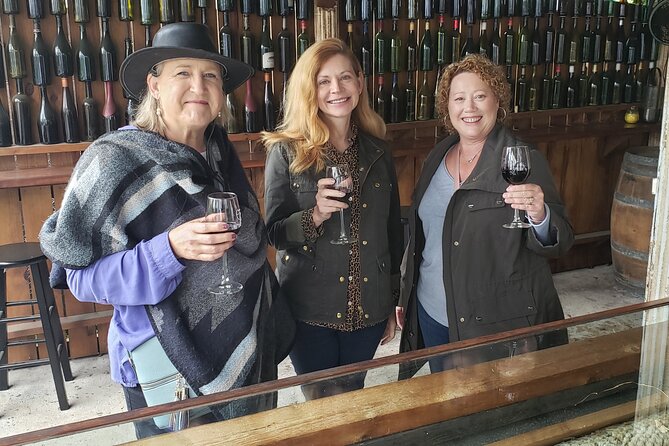
The Plaza de la Constitución is the historic center of downtown St. Augustine. The original city plan was laid out from this point, and the plaza is bordered by Government House, the Cathedral Basilica, the Bridge of Lions, and Matanzas Bay.
Spanish colonial planning laws called for a central plaza used for government, church, and public life. In coastal cities, the plaza was meant to begin near the waterfront, allowing people to see activity on the water and be seen themselves.
The tour includes about 10 minutes here. That may sound short, but the plaza is an important orientation point rather than a full museum visit. It gives you a clear idea of how the city’s streets and institutions were arranged.
I like this stop because it connects the food experience to the city’s design. You are not just walking between eateries. You are seeing the public square that organized civic life for centuries, then hearing how nearby buildings served different governments and communities.
The Cathedral Basilica and Government House
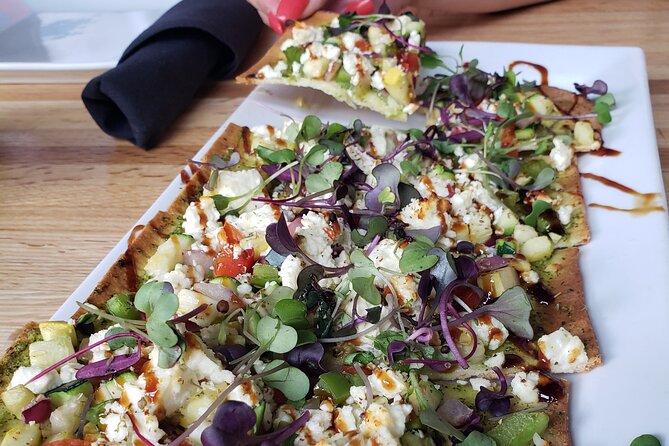
The Cathedral Basilica of St. Augustine was built between 1793 and 1797 and is the seat of the Catholic Bishop of St. Augustine. Its congregation dates to 1565, making it the oldest Christian congregation in the contiguous United States.
The building helps explain the importance of Catholic life in the city, especially when paired with the earlier stop at Huguenot Cemetery. You see two different religious traditions within a short walk of one another, each tied to a different period of St. Augustine’s development.
Government House dominates the west end of the plaza. Since 1598, a government building has occupied this site, serving colonial governors appointed by Spain and Britain, then Spain again. After Spain ceded Florida to the United States in 1821, the current building served as a courthouse and briefly as the Capitol of the new Florida Territory.
These stops are mainly exterior historical points on the walking route. They are valuable because they give structure to the stories between meals. If you want extended interior tours of the cathedral or Government House, you should set aside separate time.
What you actually eat and drink
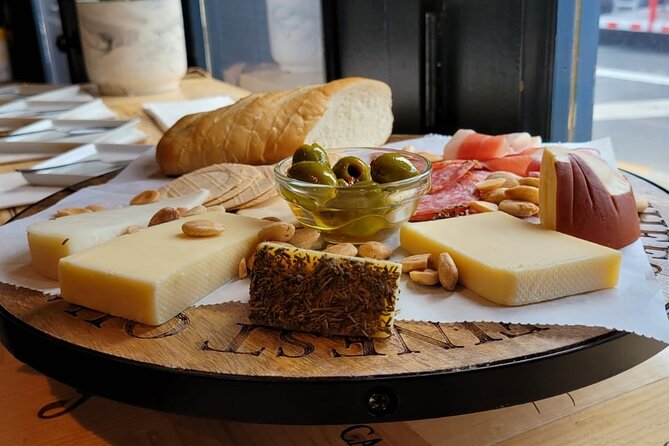
The tour includes lunch, alcoholic beverages, and bottled water. The food is served across several stops, and the portions can be more substantial than the word tasting suggests. You may find that the meal is enough to leave you full, particularly if the selections are as generous as the tour’s usual format indicates.
The drink side includes wine and cocktails, with a selection of alcoholic beverages. Non-alcoholic drinks are available, so you do not have to drink alcohol to take part. Still, the experience is designed around food and drinks together, so it suits people who enjoy trying a variety of beverages.
Past food stops have included highly praised dishes such as barbecue, brie, dessert, and other restaurant specialties. The exact lineup can vary, so do not book expecting one fixed menu. That flexibility is useful because the guide can work with the participating eateries, but it also means you should ask about current selections if a particular dish matters to you.
You will not need to add separate tasting fees. That makes the price easier to understand and avoids the awkward arithmetic that can come with tours where each sample is charged separately.
The guide makes a real difference
Guides named Garry, Russ, and Alex have led this experience. Their strengths, as reflected in the supplied comments, include humor, city history, building details, restaurant suggestions, and a relaxed way of bringing a small group together.
Russ is associated with clear historical storytelling, food and wine recommendations, and practical suggestions for places to return to. Alex is described as personable and especially strong at pointing out restaurants worth revisiting. Garry is known for funny stories and a lively presentation, along with explanations of the city’s architecture.
That said, guide style can vary. One strongly negative account described a guide who focused too much on personal stories, discussed past ratings, and asked directly for a tip. This appears to be an outlier among the supplied comments, but it is still worth noting. You should expect an entertaining, personality-driven tour rather than a quiet academic lecture.
The best fit is someone who enjoys conversation and does not mind a guide adding personal humor to the history. If you want a strictly scripted experience with no personal storytelling, this may not be your ideal choice.
Walking, dietary needs, and booking details
You should have a moderate level of physical fitness. The route links multiple sites and restaurants on foot, so comfortable shoes are more important than formal clothing. The tour ends at Plaza de la Constitución, at 170 St. George Street, within two blocks of the plaza.
The experience is offered in English and uses a mobile ticket. Service animals are allowed, and the area is near public transportation.
Dietary restrictions deserve attention before booking. Vegetarian, vegan, kosher, dairy-free, sugar-free, and gluten-free diets have a much more limited selection. If you have one of these needs, contact the provider before committing rather than assuming every food stop can adjust its menu.
The tour is often booked about 31 days ahead, which suggests that popular dates may fill well before your visit. Free cancellation is available if you cancel at least 24 hours before the start time. Cancellations or changes within 24 hours are not refunded or accepted.
Who should book this St. Augustine food tour?
I would choose this experience for a first afternoon in St. Augustine, especially if you want help deciding where to eat for the rest of your stay. The small group, included drinks, substantial food, and historic route give you a useful introduction without requiring a full day.
It suits couples, families with adults, and friends who like trying several places rather than sitting through one long meal. It also works well if you want history in manageable portions. You get the fort, cemetery, gates, churches, plaza, and government buildings, but you are not locked into a long museum schedule.
I would hesitate if you have strict dietary restrictions, dislike walking, or want a tour devoted solely to the Castillo de San Marcos. I would also think twice if you prefer a guide who keeps personal stories to a minimum.
Should you book it?
Book this tour if you want a filling afternoon of local food, wine, cocktails, and St. Augustine history in a group capped at eight. The $159 cost is reasonable when you count the included lunch, drinks, bottled water, and guiding, especially if you would otherwise pay for a separate meal and sightseeing tour.
For the best value, schedule it early in your visit. Take note of the restaurants and bars you like, ask the guide about returning later, and leave your evening open rather than booking a large dinner too soon. If your diet is flexible and you enjoy a lively guide, this is a practical way to get your bearings and eat well at the same time.
FAQ
How long does the St. Augustine food, wine, and cocktail tour last?
The experience lasts approximately three hours and 30 minutes.
What is included in the $159 price?
Lunch, alcoholic beverages, bottled water, and food and drink samples are included. Non-alcoholic drinks are also available.
Where does the tour start?
The tour starts at 57 Treasury Street, St. Augustine, Florida 32084.
Where does the tour finish?
The tour ends at Plaza de la Constitución, 170 St. George Street, within two blocks of the plaza.
How many people can join the tour?
The maximum group size is eight travelers.
Is the tour suitable for people who do not drink alcohol?
Yes. Non-alcoholic drinks are available, although the experience includes wine, cocktails, and other alcoholic beverages.
Can I cancel for a full refund?
Yes, if you cancel at least 24 hours before the experience start time. Cancellations or changes made less than 24 hours before the start time are not refunded or accepted.
Newest wine reviews around the USA
- Charleston Winery, Brewery & Sightseeing Tour★ 5.0 · 39 reviews
- Wine and Wine Jelly-Sauce Tasting on Plymouth Bay★ 5.0 · 37 reviews
- Branson VIP Wine Tasting and Dinner Tour★ 4.5 · 162 reviews
- Ozark Craft Beverage – Wine & Shine Tour★ 5.0 · 92 reviews
- Texas Hill Country Group Wine Tour by Limousine★ 4.5 · 33 reviews
- Half-Day Hill Country Wine Shuttle From Austin★ 5.0 · 308 reviews
- Half-Day North Georgia Wine Country Tour From Atlanta★ 4.5 · 28 reviews
- North Georgia Mountains TWO Vineyard Wine Tasting Tour★ 4.5 · 27 reviews
Dining Experiences, compared.

Sorrento Farm and Food Experience including Olive Oil, Limoncello, Wine tasting
Read our review →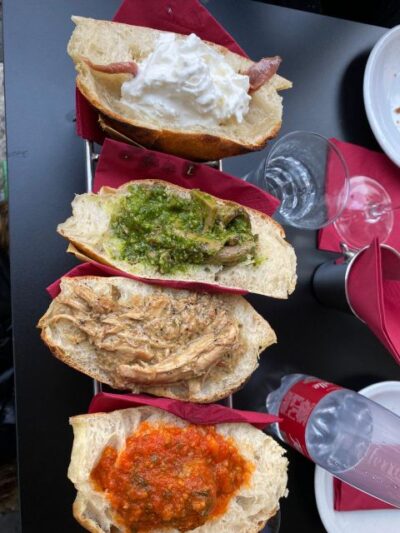

Porto Food & Wine Tasting Tour with Lunch or Dinner Option
Read our review →
Paris 3-Courses Gourmet Dinner Seine River Cruise with Champagne
Read our review →
Pasta Making & Wine Tasting with Dinner in Frascati from Rome
Read our review →
Santorini Wine Stories: Sunset Tour with Tasting & Dinner
Read our review →
Rome Food Tour: Hidden Gems of Trastevere with Dinner & Wine
Read our review →
Sunset 3-Hour Cruise from Darwin with Dinner and Sparkling Wine
Read our review →Lists this tasting appears in