
Reviewed · WINE & OLIVE OIL TASTINGS
From Mendoza: 3 Wineries, Olive Oil Factory Tour & Tasting
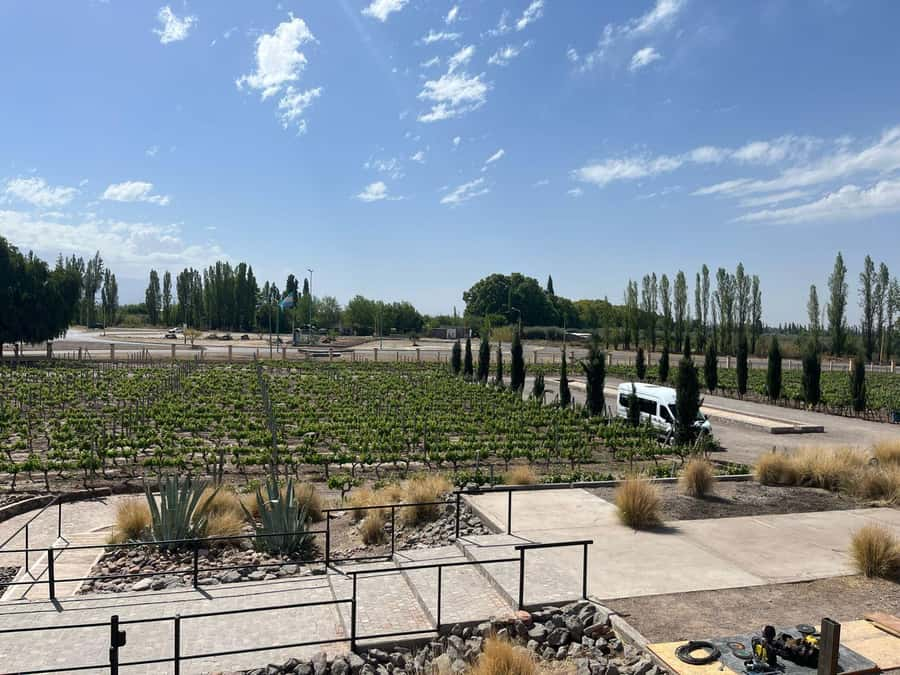
Mendoza’s Maipú district gives you a useful introduction to Argentine wine without the higher price or longer travel day of some vineyard excursions. This six-hour outing combines an artisanal winery, an industrial bodega, a sweet-wine cellar, and an olive oil factory, so you get four different perspectives rather than three versions of the same tasting room.
I like the wide range of wines, with about three pours at each winery, including red, white, rosé, young, aged, and sweet styles. I also like the simple price of $34, which covers transport, admissions, wine tastings, and olive oil samples. The main thing to consider is the pickup: collecting everyone from Mendoza hotels can take as long as 45 minutes, and bilingual explanations may move between English and Spanish quickly.
Key points to know before you book
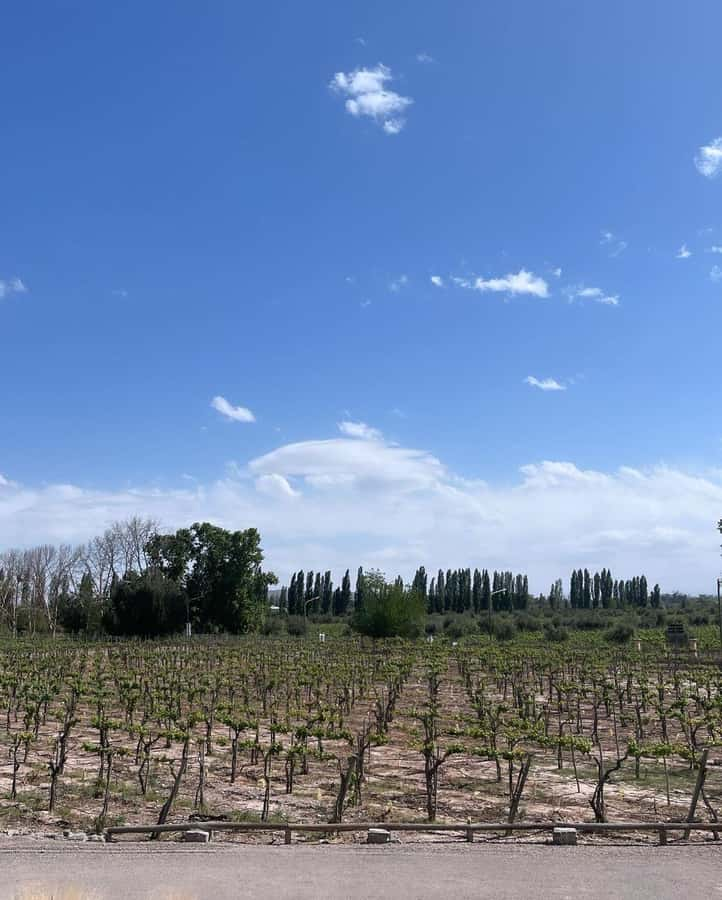
- Four stops in Maipú: Three wineries plus an olive oil factory make this more varied than a standard winery loop.
- Around nine or more wine samples: Each winery generally serves three wines, with some visits offering three or four.
- Bilingual guiding: English and Spanish are available, with guides including Dolores, Maru, Rocío, and Alejandro appearing on different departures.
- Strong value at $34: Admissions, wine tastings, olive oil products, and air-conditioned transport are included.
- Pickup takes time: Hotel collection begins at 2:00 p.m., but the full pickup round can last up to 45 minutes.
- Not wheelchair suitable: The activity is not designed for wheelchair users.
Why Maipú works well for a first Mendoza wine day
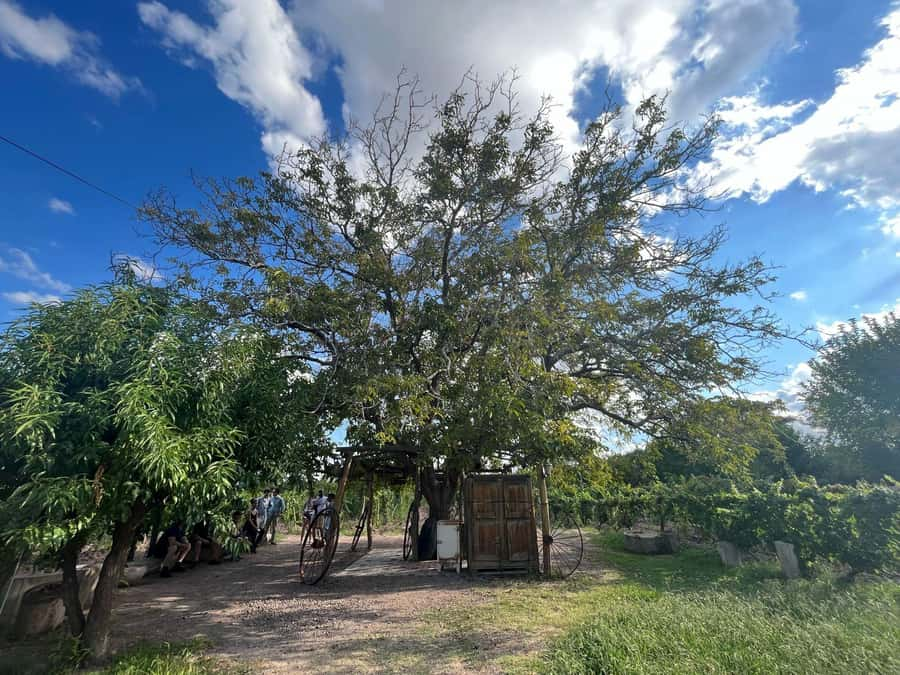
Mendoza has several wine areas, and Maipú is a practical choice when you want to stay close to the city. The tour spends about five hours in the district, with the remaining time used for hotel pickups, travel between stops, and drop-offs.
That shorter reach matters. You get a good taste of the province’s wine culture without committing a full day to a distant wine region. One useful bonus is variety: the visit is not limited to Malbec, even though Mendoza’s signature red is part of the experience. You can compare different grapes, wine ages, colors, and sweetness levels.
The four-stop format also gives you context. An artisanal winery may focus on small-scale methods and family production. An industrial bodega can show a larger operation. A sweet-wine cellar offers a different style from the usual dry reds. The olive oil factory then shifts your attention from grapes to another important local product.
This is not a private tasting built around a single estate. It is a broad, social introduction to Maipú. If you want to understand how different producers work and sample many styles for a reasonable cost, that tradeoff makes sense.
More Wine and Olive Oil Tastings in Argentina:
- Sorrento Farm and Food Experience including Olive Oil, Limoncello, Wine tasting
★ 5.0 · 2,524 reviews - Split: Krka Waterfalls With Boat Cruise, Wine and Olive Oil
★ 4.3 · 1,507 reviews - From Chania: Olive Oil, Wine, Cheese & Honey Tasting Tour
★ 4.6 · 490 reviews
The 2:00 p.m. pickup from Mendoza hotels
Pickup is offered from a set of city locations, including the Amérian Executive Mendoza Hotel, Soltigua Apart Hotel Mendoza, Hostel Lagares, Sheraton Mendoza, Hilton Mendoza, Hostel Central, Hotel Crillón, QuickPoint, Viajes & Diseño, and Rivadavia 452.
You should wait in your hotel lobby at least 10 minutes before the stated pickup time. The vehicle may arrive later than 2:00 p.m. because the guide collects other passengers, and the full round can take up to 45 minutes. That is normal for a shared city pickup, but it is worth knowing if you have a dinner reservation or another evening plan.
The transport is air-conditioned and heated. Most departures use a van or similar vehicle, although one small group was carried in a sedan that felt tight. That appears to be an occasional issue rather than the usual arrangement, but you should expect practical transport rather than a luxury coach.
Several guides have received warm praise for their energy and organization. Dolores is noted for clear English and a lively manner, while Maru, Rocío, and Alejandro have also led well-received departures. The guide on your date may be different, but English and Spanish support is part of the experience.
First stop: an artisanal winery
The first bodega is often the most technical part of the afternoon. You will learn how grapes become wine, how young and aged wines differ, and how producers handle fermentation and storage.
This stop is useful even if you know little about wine. The explanations give you a framework for the rest of the day, so later tastings become easier to compare. You may taste a young wine beside an older one, then consider how oak, time, grape variety, and production choices affect the result.
Some departures have included an organic winery at this point. The exact bodega can change, with Vistandes Winery or a similar property listed as a possible stop. The setting is described as fairly rustic, which suits the subject. You are here to see production and taste the result, not to spend the afternoon in a polished resort.
Expect about three samples at the winery. The pours may include red, white, and rosé wines. If you are new to wine, do not worry about having the right vocabulary. The local guides explain the process before asking you to compare what is in the glass.
Second stop: a larger or sweeter wine producer
The other wineries add contrast. One may be more industrial, showing how a larger producer handles wine making at scale. Another may focus on sweet wines, which gives the day a welcome change of pace.
The sweet-wine visit will not suit every palate. One departure included a bodega whose sweeter wines were not a personal favorite, yet the stop still added value because it showed a side of Mendoza beyond the expected dry Malbec. I would treat this as a learning stop rather than a guarantee that every pour will match your taste.
The industrial bodega can also feel less intimate than the family-run properties. That is part of the point. You get to compare methods and scale, then see how those differences affect the experience. At some stops, winery staff explain the process in detail, from production through the finished bottle.
Each winery generally serves three wines, though some departures have included three or four. Across the day, that can mean roughly nine to eleven wine samples. Pace yourself. Even with modest tasting pours, the total adds up, especially when you are trying reds, whites, rosés, and sweet wines in one afternoon.
More Winery Tours in Argentina:
- Mendoza: Top Wineries Guided Tour with Transportation
★ 4.8 · 99 reviews - Tuscany Day Trip from Florence: Siena, San Gimignano, Pisa and Lunch at a Winery
★ 5.0 · 21,634 reviews - Florence: Chianti Wineries Tour with Wine Tasting
★ 4.5 · 10,071 reviews - Porto: Douro Valley with Winery Lunch, Tastings & Cruise
★ 4.7 · 7,002 reviews
A closer look at Mendoza’s olive oil tradition
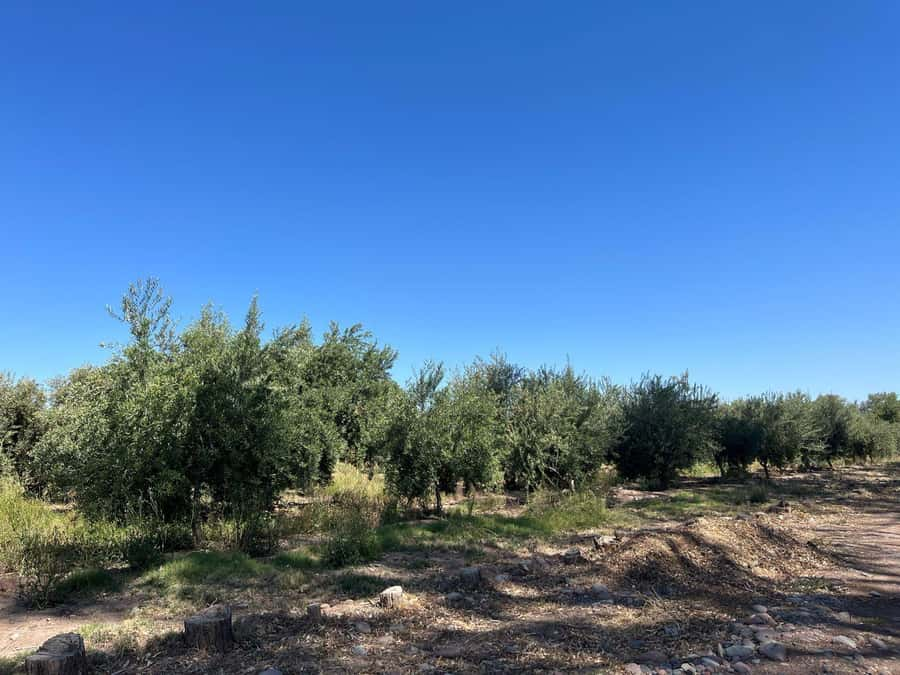
The olive oil factory is the fourth visit and usually provides a useful break from wine. You will learn how olive oil is produced, then taste oil with bread, olive paste, and other local delicacies.
Some departures have included four or five different olive oils. That may sound like a small detail, but side-by-side tasting makes the differences easier to notice. You can compare flavor and texture in the same way you compare wines, only with bread as the practical tasting tool.
The stop is not a large attraction with a long list of sights. One departure found the factory crowded and less substantial than the wineries. It is best viewed as a compact producer visit and snack stop, not a major museum.
Still, its place at the end works well. After several wine tastings, bread, oil, and savory products give you something to eat. There is no need to buy anything, though wine and food products are available at reasonable prices at some locations. The lack of strong sales pressure is a welcome feature.
How the bilingual format affects the day
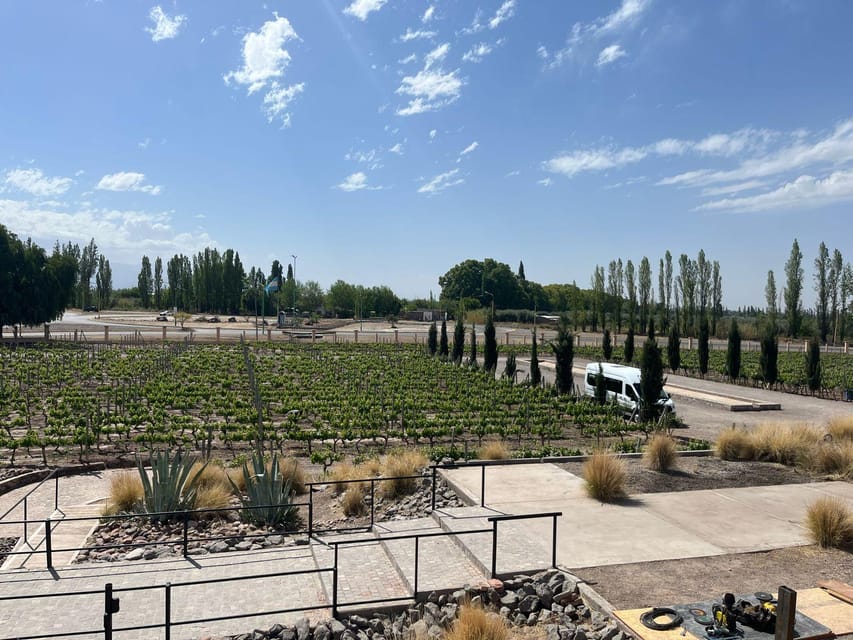
The tour is offered in English and Spanish, and winery staff may also provide explanations in both languages. This makes the activity workable for English speakers who do not speak Spanish, as well as for Spanish-speaking visitors.
The tradeoff is speed. On a mixed-language departure, the guide may explain a point in Spanish and then English, or switch back and forth while the group moves between stops. One person found the rapid bilingual delivery hard to follow, while other English-speaking passengers found the guides clear and easy to understand.
At some visits, the group may split into smaller English and Spanish groups. That can make the winery presentation easier to hear and feel more personal. The size of the main group has varied, with one departure including about 15 people.
The guides do more than manage the schedule. During the drives, they may explain Mendoza’s climate, water supply, geography, city background, and wine production. That extra context is valuable because vineyards in this dry part of Argentina depend heavily on managed water systems.
The vehicle’s audio system has not always been ideal. If you are sitting farther from the guide, road noise or the bilingual format can make some explanations harder to catch. Stay close when the group gathers and ask for clarification if needed.
Timing, pace, and the five-hour Maipú visit
The advertised length is six hours, with a 2:00 p.m. departure and an expected return around 8:00 p.m. The time in Maipú is listed at about five hours, though the exact balance depends on pickup delays, driving, and the pace at each property.
This is a half-day tour, but it is not rushed in the way a quick tasting shuttle can be. You have enough time to hear an explanation, taste several products, and move on without spending all day at one estate.
You should not expect long free periods to wander alone. The day is organized around scheduled visits and group movement. That structure is helpful if you want transport and planning handled for you, but less suitable if you want a private, flexible itinerary.
The return to Mendoza is expected around 8:00 p.m. That makes the outing easy to fit into a day of city sightseeing, though you should leave some flexibility around dinner because pickup and traffic can vary.
Is $34 a good deal?
At $34 per person, this is unusually strong value if you plan to taste at several wineries. The price includes hotel pickup and drop-off from the listed city locations, air-conditioned or heated transport, entrance fees, three winery visits, wine tastings, and the olive oil tasting.
Buying separate winery visits and transport would usually require more planning and could cost more. Here, you pay one fee and get a full afternoon of organized visits. The main value is not luxury. It is volume, variety, and convenience.
You also get a chance to buy bottles and food products at some stops without pressure. That matters if you find a wine or olive oil you like, but the activity does not depend on extra purchases to feel complete.
The price includes local taxes for foreign residents or payments made with cards issued outside Argentina. Free cancellation is available up to 24 hours before departure, and you can reserve now and pay later. Those policies make it easier to fit the tour into a changing Mendoza schedule.
Who will enjoy this tour most?
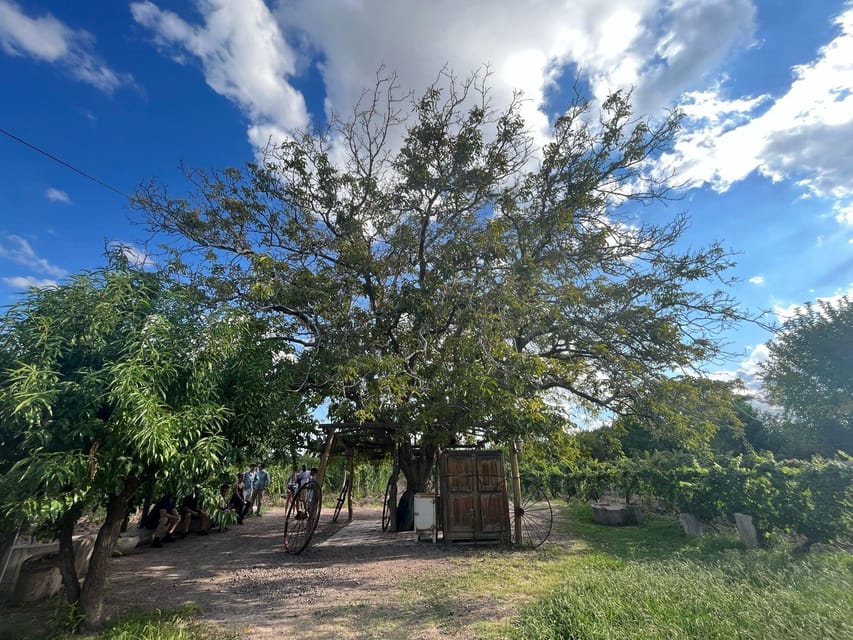
I would choose this outing if you are staying in Mendoza city and want a straightforward introduction to wine country. It is especially useful for solo visitors and small groups because the shared format gives you company without requiring you to arrange a private driver.
It also suits beginners. You do not need prior wine knowledge, and the repeated tastings help you notice differences as the afternoon goes on. The guides explain the basics, while the four stops keep the subject from becoming repetitive.
The tour works well for people who want more than Malbec. You will have a chance to try white, red, rosé, young, aged, and sweet wines, along with olive oils and regional foods.
I would hesitate if you need a wheelchair-accessible activity, a private itinerary, or a quiet tasting with plenty of personal space. The tour is shared, bilingual, and dependent on the day’s vehicle and group size. The olive oil factory may also feel crowded compared with the wineries.
Should you book this Maipú tasting tour?
Book it if you want maximum variety for a modest price. Three wineries, an olive oil producer, hotel transport, and many tastings make this one of the more practical ways to get oriented to Mendoza’s wine culture.
The best reason to choose it is the contrast between stops. You are not simply repeating the same tasting room three times. You see artisanal and larger-scale production, sample sweet wine, and finish with olive oil and bread.
Keep your expectations realistic. This is a social group outing, not a private wine pilgrimage. Pickup can take time, the bilingual commentary may require concentration, and the audio system may not be perfect. For most visitors, those are fair compromises for a well-priced afternoon with several distinct stops.
FAQ
How long does the tour last?
The activity lasts about six hours. Pickup begins at 2:00 p.m., and the expected return to Mendoza is around 8:00 p.m.
How many wineries are included?
You visit three wineries in Maipú. The stops may include an artisanal winery, an industrial bodega, and a sweet-wine cellar.
Is the olive oil factory included?
Yes. The olive oil factory is the fourth visit, after or between the winery stops depending on the day’s schedule.
How many wines will I taste?
Each winery includes about three wine tastings. Some departures have included three or four at a stop, with roughly nine to eleven wine samples across the afternoon.
Are wine tastings included in the $34 price?
Yes. All winery entrance fees and wine tastings are included.
What food is included at the olive oil factory?
You can taste bread with olive oil, olive paste, and other delicacies. Some departures have included four or five different olive oils.
Is the tour available in English?
Yes. The tour has live guides in English and Spanish. Winery presentations may also be offered in both languages.
Where can I be picked up?
Pickup is available from listed Mendoza city locations, including the Amérian Executive Mendoza Hotel, Soltigua Apart Hotel Mendoza, Hostel Lagares, Sheraton Mendoza, Hilton Mendoza, Hostel Central, Hotel Crillón, QuickPoint, Viajes & Diseño, and Rivadavia 452.
How long can the hotel pickup take?
The full pickup round can take up to 45 minutes. You should wait in your hotel lobby from 10 minutes before the scheduled pickup.
Is the tour suitable for wheelchair users?
No. The activity is listed as not suitable for wheelchair users.
Newest wine reviews around Argentina
- Discover Argentine Wines Paired with Delicious Tapas★ 5.0 · 51 reviews
- Sailing with Wine Tasting in Buenos Aires★ 5.0 · 50 reviews
- Mendoza: Premium Wine Tasting★ 4.4 · 48 reviews
- Mendoza: Wine Tasting Tour with Lunch and Private Transport★ 4.6 · 48 reviews
- Mendoza: Winebike Tasting Tour with Optional Lunch★ 4.1 · 73 reviews
- Mendoza: Top Wineries Guided Tour with Transportation★ 4.8 · 99 reviews
- From Salta: Cafayate Day Trip with Wine Tasting★ 4.4 · 226 reviews
- Buenos Aires: Palacio Barolo Guided Night Tour with Wine★ 4.4 · 54 reviews
Wine & Olive Oil Tastings, compared.
Sorrento Farm and Food Experience including Olive Oil, Limoncello, Wine tasting
Read our review →
Krka Waterfalls With Boat Cruise, Wine and Olive Oil
Read our review →
From Chania: Olive Oil, Wine, Cheese & Honey Tasting Tour
Read our review →
Lemon, Olive Oil and Wine Tasting Tour with Lunch
Read our review →
Alghero: Wine and Olive Oil Tasting at a Local Farm
Read our review →
Crete: Full-Day Cretan Wines, Olive Oil, Raki and Food Tour
Read our review →
Balestrate: Olive Grove Tour with Wines & Olive Oil Tasting
Read our review →Lists this tasting appears in