
Reviewed · WINE TASTINGS
Alba: Wine Tasting and Tour with a Local Producer
The best part of this Alba experience is its setting on Altavilla hill, where you can follow the wine from vine to cellar without leaving the producer’s estate. You walk among the rows, climb toward the hilltop for views of vineyards and mountains, then taste six wines with cured meats and cheeses. Barbaresco is always included, a welcome detail in Piedmont’s wine country.
I like the personal scale of the visit with Jessica and Roberto, and I like that the tour explains eco-sustainable farming rather than treating the vineyard as a pretty backdrop. The $29 price is strong value for two hours, six wines, food, and time with the producer. The main drawback is transport: the cellar is close to Alba, but not in the center, and a taxi can be costly if you arrive by train. The walk also includes a hill, so this is not suitable for wheelchair users or anyone with major mobility limits.
Key points at a glance
- Six wines with Barbaresco included: The tasting covers local wines and always includes Barbaresco, one of the Langhe’s best-known styles.
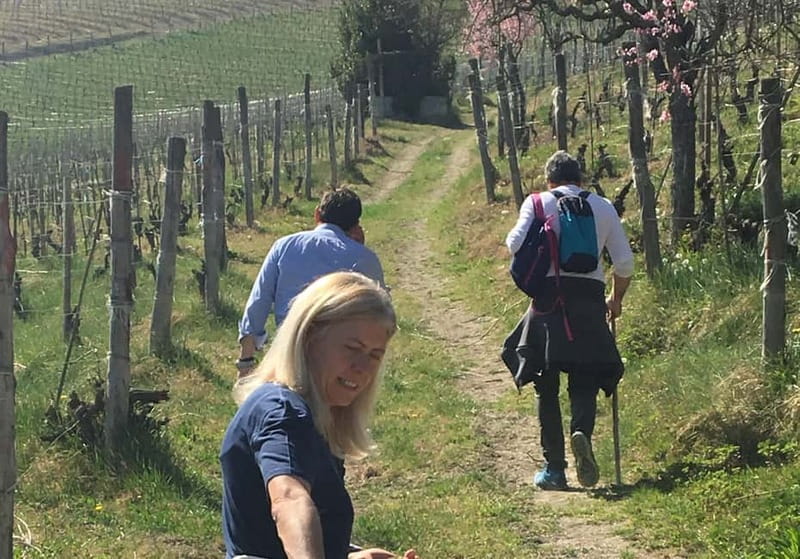
- A real vineyard-to-cellar visit: You walk among the vines, learn about farming, then see where the wine is harvested, stored, and aged in wood.
- Jessica and Roberto host the experience: You get direct contact with the local producer rather than a city tasting room detached from the vines.
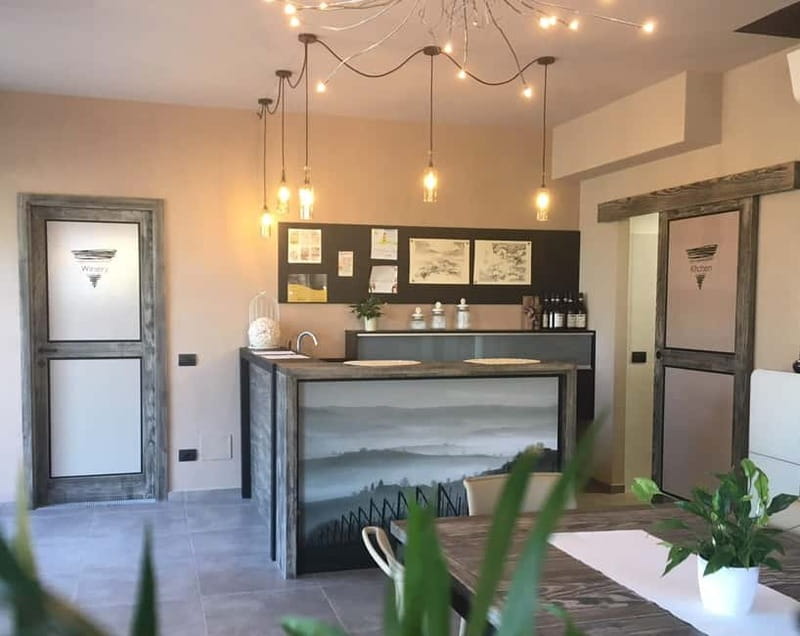
- Food is part of the price: Cured meats and cheeses accompany the wines, with a vegetarian dish available when requested.
- Views from Altavilla hill: The high point gives you broad views over the surrounding vineyards, valleys, and mountains.
- Close to Alba, but transport matters: The estate is about four minutes from town by car, with signs for Abellonio Roberto Cascina Piccaluga near the property.
Why this Alba wine visit feels different
Alba is a useful base for exploring the Langhe, but a town center cannot show you how Piedmont wine begins. This visit takes you just outside the streets and into the working setting behind the bottle. You see vines, cellar equipment, aging areas, and the hill that shapes the views.
That connection matters. Wine tasting can become a parade of glasses and tasting notes. Here, the walk gives you a physical sense of the work involved before the first pour. You can look at the rows, hear how the vineyard is managed, and then connect those methods with what you taste later.
The estate is on the Altavilla hill, about one kilometer before the end of the road. Look for signs reading ABELLONIO ROBERTO and CASCINA PICCALUGA. The property is identified as a yellow house, so it is worth keeping your eyes open instead of relying only on a map pin.
Jessica and Roberto guide the visit in Italian and English. The tone is intended to be friendly and direct, with stories about wine-making, local customs, and the legends tied to the Langhe. You are not simply being shown where the barrels sit. You are given the local story behind the wine.
More Wine Tastings in Italy
- Florence: Chianti Wineries Tour with Wine Tasting
★ 4.5 · 10,071 reviews - Small-Group Wine Tasting Experience in the Tuscan Countryside
★ 5.0 · 7,392 reviews - Rome: Tuscany & Montepulciano Day Trip with Lunch & Wine Tasting
★ 4.5 · 5,232 reviews
Walking the vines and learning eco-sustainable farming
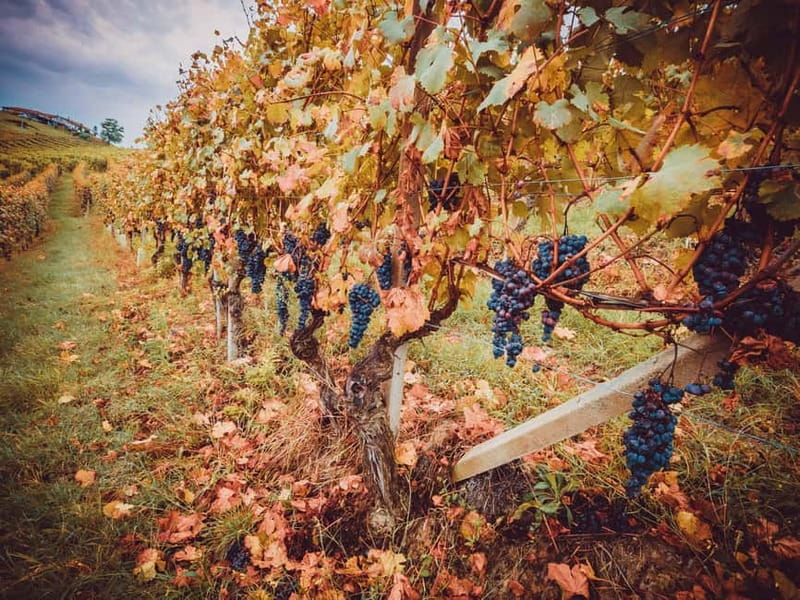
The first substantial part of the experience is a walk between the vine rows. Allow about 40 minutes for the guided tour, including the vineyard and cellar portions. You will need comfortable shoes because the route includes walking over vineyard ground and going up a hill.
The vineyard walk is especially useful if you are new to wine. Jessica and Roberto explain where the wine is born and discuss eco-sustainable agriculture techniques used in the vines. The supplied details do not specify particular products or methods, so you should expect an introduction rather than a technical farming course. Still, this part gives context to the later tasting.
I like this approach because it puts farming before glamour. Wine is not made only in a polished cellar. It depends on decisions made among the vines, and the walk helps you understand that the producer’s work starts well before harvest.
The season will shape this part of the visit. In good weather, you can expect a pleasant walk with open views. In poor weather, the vineyard may be cloudy, damp, or less scenic, but the tour still includes the cellar and tasting. One November visit continued successfully despite cloudy conditions, so you should not assume that a gray sky cancels the experience.
Dress for the forecast and wear shoes with a secure sole. The route is not described as difficult, but it is not a flat, step-free stroll either. If hills are hard for you, ask before booking.
The hilltop view over Piedmont’s vineyards
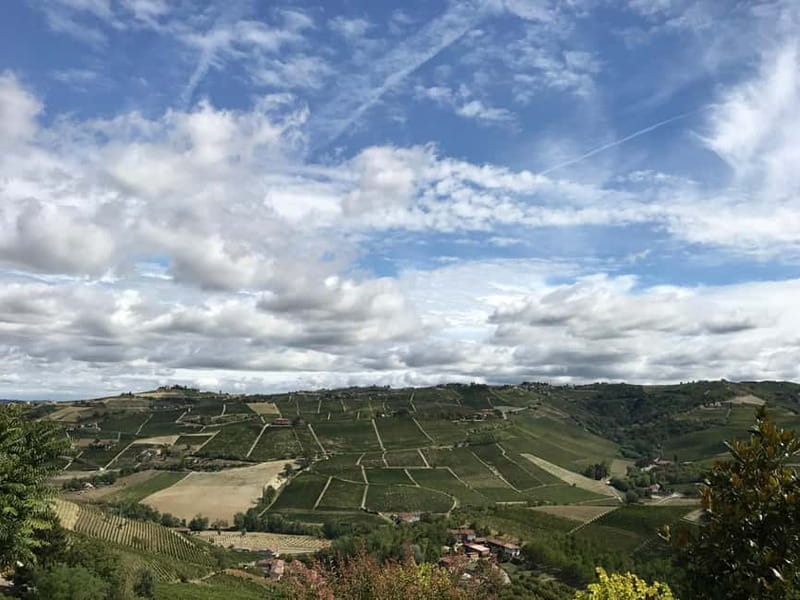
After walking through the rows, you continue toward the top of the hill. This is the scenic pause of the tour. From here, you can look across vineyards, valleys, and mountains around Alba.
The view gives you a better sense of the Langhe than a tasting room can. You see why the region feels tied to its hills, and you gain a visual reference for the place whose wines you are drinking. It is a simple feature, but it adds weight to the visit.
Weather will make a real difference. Clear conditions should give you the best mountain views, while mist or cloud may limit the distance. A cloudy day can still make the walk worthwhile, but do not book this experience only for a guaranteed panoramic photograph. The winery visit and tasting are the more dependable parts.
The climb also explains the main accessibility warning. This is not suitable for wheelchair users or people with mobility impairments. Anyone who can manage ordinary uneven walking should still wear proper shoes and check the weather before setting out.
Inside the cellar, from harvest to wood aging
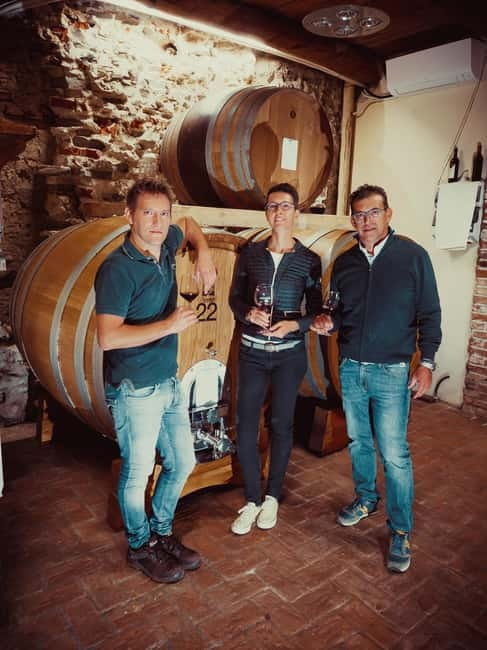
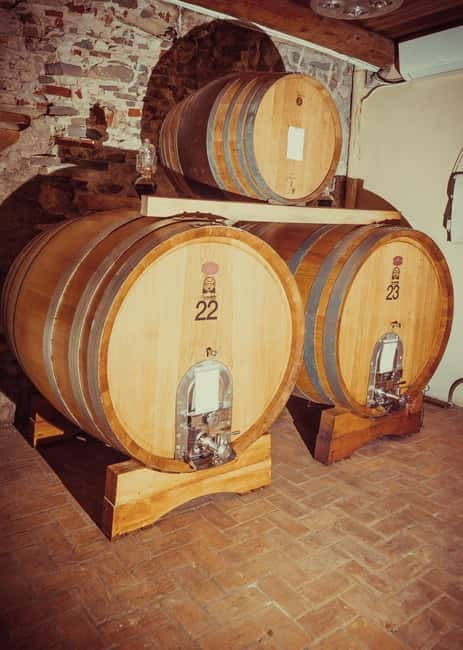
The next stop is the cellar, where the story moves from vineyard work to wine-making. You learn how the wine changes from harvest through production and aging in wood. The visit also covers the preservation of wine, a subject that one guest particularly appreciated because it was explained clearly.
This is where the tour can help you make sense of the tasting. Instead of hearing only the name of a wine, you learn something about how it is handled before it reaches your glass. The cellar portion is not presented as a large industrial operation. It is part of the producer’s own estate, which keeps the focus on local practice.
I would pay close attention here if you are interested in the difference between fresh wines and wines that spend time aging. The information supplied does not promise a detailed technical lecture, so you should not expect a full sommelier class. You can expect plain explanations about wine science, storage, and the path from harvest to bottle.
A fireplace was part of one winter visit, adding warmth to the experience in cold weather. That is not something to count on during every season, but it shows how the visit can feel more relaxed in the cellar when the weather outside is poor.
Same region, a different bottle:
- Tuscany Day Trip from Florence: Siena, San Gimignano, Pisa and Lunch at a Winery
★ 5.0 · 21,634 reviews - Florence: Pasta Cooking Class with Unlimited Wine
★ 4.9 · 10,285 reviews - Florence: Pasta & Tiramisu Cooking Class with Unlimited Wine
★ 4.9 · 6,708 reviews - Florence: Pasta Cooking Class with Unlimited Wine
★ 5.0 · 6,413 reviews
Tasting six wines with Barbaresco and local food
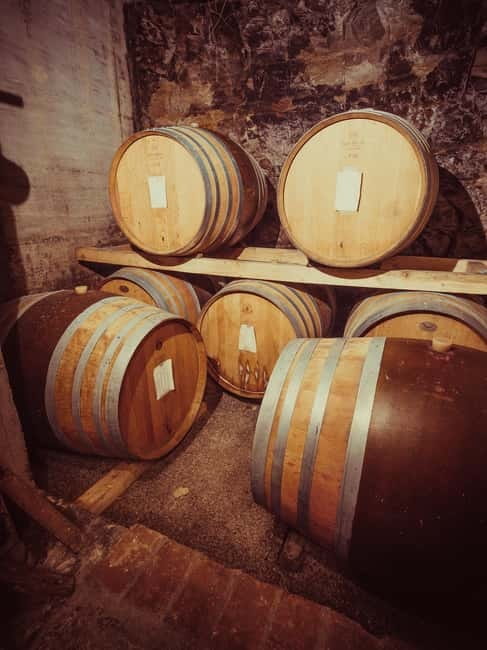
The tasting lasts about one hour. You taste six local wines paired with cured meats and cheeses, and Barbaresco is always included. At $29 per person, that is the clearest measure of value: you receive a guided vineyard and cellar visit, six pours, food, and direct time with the producer.
Barbaresco gives the tasting a useful anchor. It is one of the wines most closely linked with the Langhe, so having it included ensures that the experience is not limited to lesser-known bottles. The remaining wines let you compare different expressions from the local producer, though the exact selection may vary.
The food is practical rather than ornamental. Cured meats and cheeses help balance the wine and give you something substantial during the tasting. One vegetarian guest received a vegetarian dish in place of the meat, so you should mention dietary needs when booking rather than assume the standard plate will suit you.
I like that the tasting is guided. Six wines can blur together if you simply drink through them, but explanations about local wine culture, history, and legends give each glass a place in the wider story. You can ask questions and learn how the producer thinks about the wines, rather than just reading a printed list.
Do not treat this as a meal replacement. The supplied information promises cured meats, cheeses, and a vegetarian alternative, but it does not describe a full lunch or dinner. If you are hungry, plan another meal in Alba.
How much time should you allow?
The experience lasts two hours. The planned structure includes about 40 minutes for the guided tour and one hour for the wine tasting, with the remaining time covering movement between areas, introductions, and conversation.
That length works well for a day in Alba. It is long enough to give the vineyard and cellar proper attention, but short enough to fit around a town visit or another activity. You should not expect a half-day winery excursion with several estates. This is one producer, one hill, and one focused introduction to the area.
The pace includes outdoor walking before the indoor tasting. If you arrive in winter or during unsettled weather, bring an extra layer. If the day is warm, a hat and water may make the walk more comfortable, though only comfortable shoes are specifically required.
Getting to Cascina Piccaluga from Alba
The estate is about four minutes from the center of Alba by car. Transportation to and from the cellar is not included, so you must arrange your own way there.
The meeting point is Abellonio Roberto Cascina Piccaluga. The directions specify that you will arrive at the estate and, about one kilometer before the end, find signs for Abellonio Roberto Cascina Piccaluga. The property is a yellow house.
If you arrive in Alba by train, plan this part carefully. A taxi may be needed, and one winter visit found the taxi fare from Alba expensive. The short driving time does not always mean a low taxi price, especially when availability is limited or the weather is poor.
I would arrange the ride before the start time instead of leaving it until the last minute. The tour begins at the estate, not at Alba’s train station or central meeting point. Build in enough time to find the yellow house and signs, particularly if you are unfamiliar with the roads around the hill.
Who will get the most from this experience?
I would recommend this tour to anyone who wants a straightforward introduction to Piedmont wine without committing to a full day of winery visits. It suits couples, small groups, and food-and-wine enthusiasts who enjoy talking with a local producer.
It also works well for people who want more than a tasting. The vineyard walk, eco-sustainable farming discussion, cellar visit, and view give the two-hour visit a clear progression. You are not stuck indoors from start to finish.
The experience may be less suitable if you want a highly technical wine course, a large meal, or a flat route with no hill walking. It is also a poor fit for wheelchair users and people with mobility impairments. The exact group size is not provided, so you should not assume a private visit unless that is confirmed when booking.
The language options are Italian and English. If you are comfortable in either language, you can follow the explanations about wine-making, local stories, and the tasting.
Is $29 a fair price?
Yes, I consider $29 a good value for what is included. The price covers two hours, a guided vineyard and cellar visit, six wines, Barbaresco, and food. Many wine experiences charge a similar amount for a shorter tasting with no walk or producer contact.
The value is strongest if you already plan to spend time in Alba. You get a close look at the countryside without paying for a full excursion from another city. The weak point is the added cost of reaching the estate, since transportation is separate and a taxi can be expensive.
The price also makes this a useful choice for travelers who want to sample Piedmont wine without buying several bottles first. Personal purchases are not included, so budget separately if you decide to take wine home.
Free cancellation is available up to 24 hours in advance, and you can reserve now and pay later. Those terms help if your Alba plans depend on weather or train connections, but you still need to confirm the available start time when booking.
Should you book this Alba wine tour?
Book it if you want a personal, two-hour introduction to Langhe wine with a real vineyard walk, a cellar visit, six wines, and local food. The guaranteed Barbaresco, clear explanations, and views from Altavilla hill make it more useful than a basic city tasting.
Think twice if transportation is difficult for you, if hills are a serious problem, or if you want a full meal and a long technical seminar. For most visitors with a free morning or afternoon in Alba, though, the price and setting make this a sensible way to connect the town with the wine country around it.
FAQ
How long does the Alba wine tasting and tour last?
The experience lasts two hours. About 40 minutes are set aside for the guided tour, followed by about one hour of wine tasting.
Where does the experience begin?
It begins at Abellonio Roberto Cascina Piccaluga, the producer’s estate on Altavilla hill near Alba.
How do I find Cascina Piccaluga?
About one kilometer before the end of the road, look for signs reading ABELLONIO ROBERTO and CASCINA PICCALUGA. The property is a yellow house.
Is transportation to the winery included?
No. You must arrange your own transportation to and from the cellar. The estate is about four minutes from Alba’s center by car.
How many wines are included?
The tasting includes six local wines. Barbaresco is always included.
Is food included with the wine tasting?
Yes. The wines are paired with local cured meats and cheeses. A vegetarian dish can be prepared when requested.
What languages are available?
The tour is available in Italian and English.
What should I wear?
Wear comfortable walking shoes and dress for the weather. The experience includes walking between vine rows and going up a hill.
Is the tour suitable for wheelchair users?
No. The experience is not suitable for wheelchair users or people with mobility impairments because of the vineyard walk and hill.
Newest wine reviews around Italy
- Etna trekking and wine tasting★ 5.0 · 28 reviews
- Etna Tour and Lunch in a Winery with Wine Tasting★ 5.0 · 97 reviews
- Cooking Class and Wine Pairing in Capri★ 5.0 · 57 reviews
- WINE TOUR with sommelier in a winery near Cagliari★ 5.0 · 27 reviews
- Cagliari 3 Hours Luxury Motorboat Tour – Wine and Snorkeling★ 5.0 · 118 reviews
- Wine Experience: vineyard, wines and food★ 5.0 · 155 reviews
- Dinner in the vineyard with wine tasting and walk★ 5.0 · 58 reviews
- Wine Tour and Tasting of Lugana Wines in Desenzano★ 5.0 · 58 reviews
Wine Tastings, compared.
Douro Valley w/ Boat Tour, Wine Tasting & Lunch
Read our review →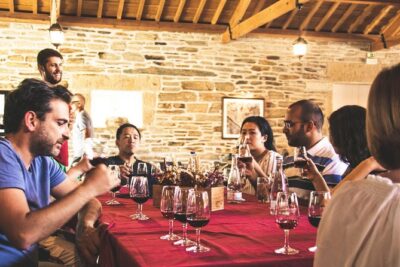
Complete Douro Valley Wine Tour with Lunch, Wine Tastings and River Cruise
Read our review →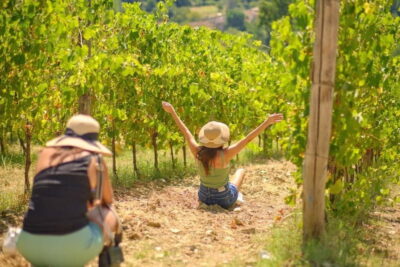
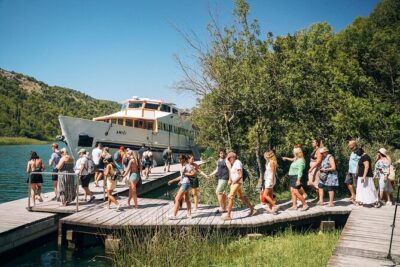
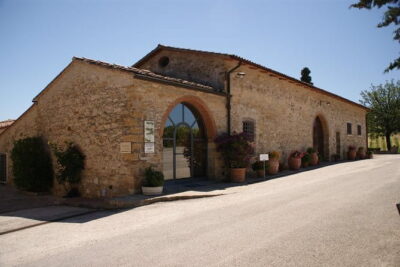
Small-Group Wine Tasting Experience in the Tuscan Countryside
Read our review →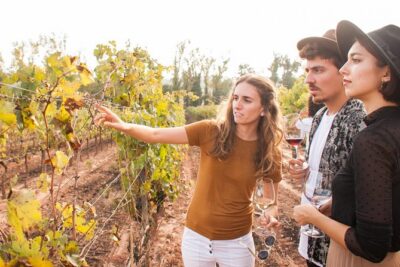
Montserrat & Cogwheel Train, Gourmet Wine Tasting & Tapas/Lunch
Read our review →
Tuscany & Montepulciano Day Trip with Lunch & Wine Tasting
Read our review →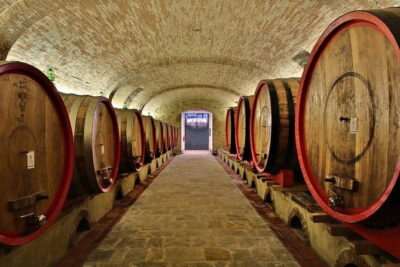
SMALL-GROUP Wine Safaris: Tuscan Wine Tasting Tours from Florence
Read our review →Lists this tasting appears in