
Reviewed · CHIANTI WINE TOURS
Chianti: Wine and Olive Oil Tasting with Cellar Tour
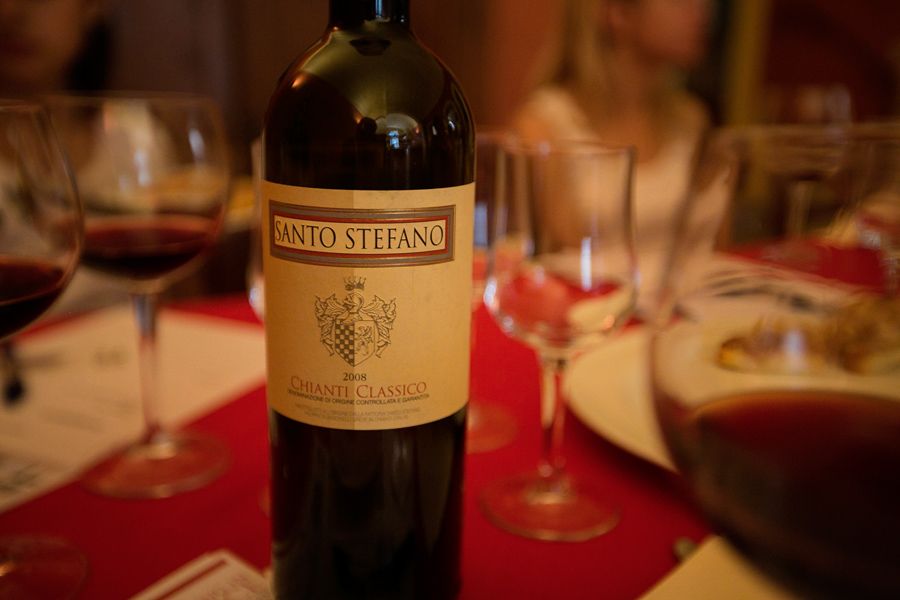
Chianti wine and olive oil make more sense when you see where they are made. At Fattoria Santo Stefano, you walk through a working Tuscan farmhouse, inspect fermentation tanks, step into a small 18th-century cellar, and finish with a tasting of wine, oil, and local food. The cellar tour gives the tasting a useful sense of place, instead of leaving you with only a glass and a sales pitch.
I like the contrast between the large production cellar and the old oak-barrel room. I also like the family-run feel described by visitors, including the generous food served with the tasting and the chance to stroll around the property afterward. The main drawback is the short one-hour length. If you want a long vineyard walk, a full meal, or a serious lesson in Chianti appellations, this is a compact introduction rather than a full afternoon tour.
Key points to know before you book
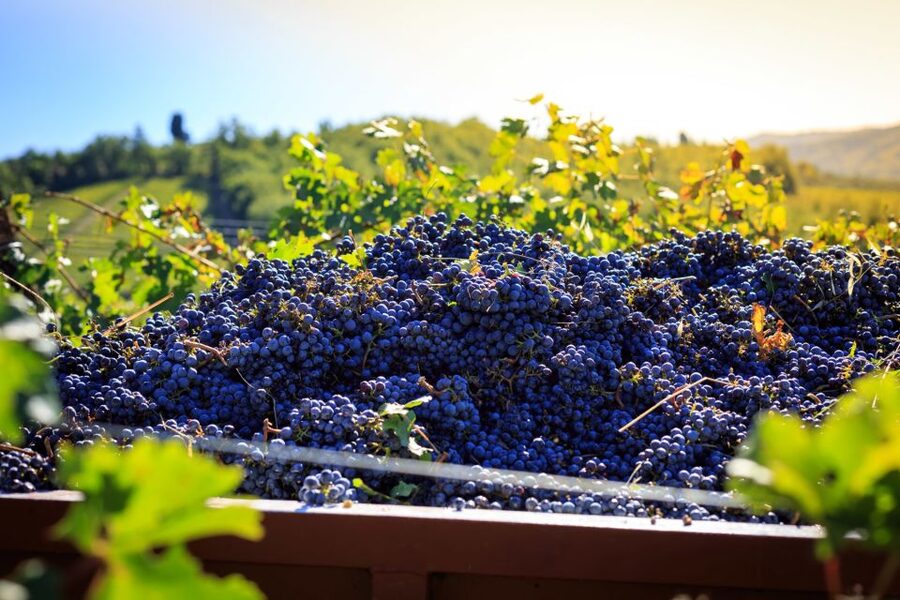
- Two cellars, two stages of winemaking: See stainless steel and cement fermentation tanks, then visit the old cellar where wine rests in French oak barrels.
- An 18th-century setting: The smaller historic cellar gives the visit its strongest sense of place.
- More than wine: The tasting includes extra-virgin olive oil and local food, plus the chance to see where Vinsanto is produced.
- Easy to fit into a Tuscany itinerary: The tour lasts about one hour and begins at Fattoria Santo Stefano in Greve in Chianti.
- Private-group format: The experience is offered for a private group, with guiding in English or Italian.
- Good value at $39.86: The price covers the cellar visit and wine tasting, with oil and food included as part of the tasting experience described.
Arriving at Fattoria Santo Stefano in Greve
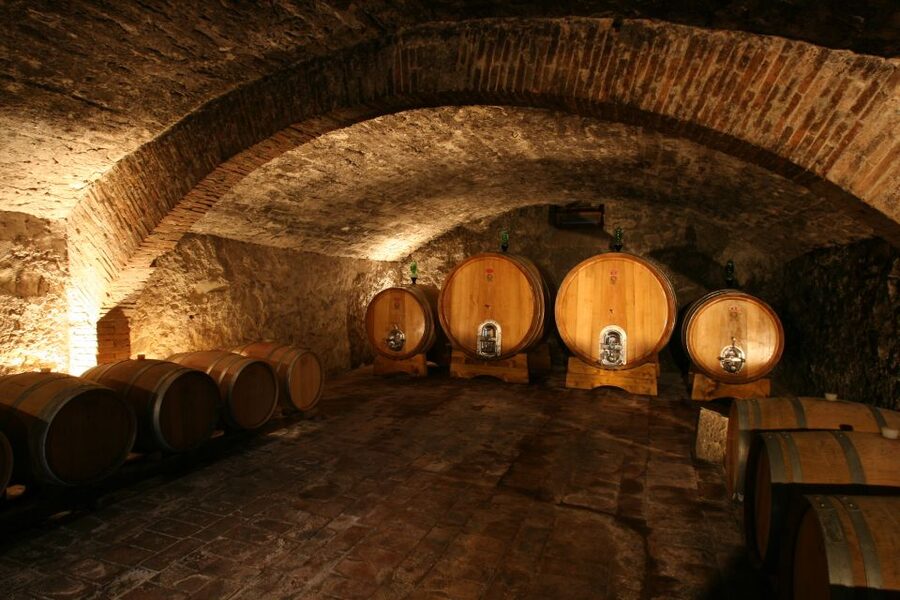
Fattoria Santo Stefano is at Via Collegalle 3, 50022 Greve in Chianti. You need to make your own way there unless you add transportation when booking, so check your route before setting off. This is a countryside activity, not a city-center tasting room you can casually reach between museum visits.
The setting is part of the appeal. You begin with an introduction to the farmhouse grounds and its past, along with an explanation of how local wine and food are produced. That opening helps you understand the place before you start tasting anything.
I find this kind of start useful because it puts the bottle in context. You are not simply told that the wine is local. You see the farmhouse, hear how the property is used, and then walk into the spaces where the wine and oil are made.
Wear comfortable shoes. The tour takes you through cellar areas and around a farmhouse property, so smart but flimsy footwear is not the best choice.
More Chianti Wine Tours in Siena:
- From Florence: San Gimignano, Siena, and Chianti Wine Tour
★ 4.5 · 3,762 reviews - From Siena: Chianti and Castles Tour with Wine Tastings
★ 4.6 · 631 reviews - Total Immersion Wine Tour in Chianti
★ 4.9 · 430 reviews
The large cellar and the first look at Chianti production
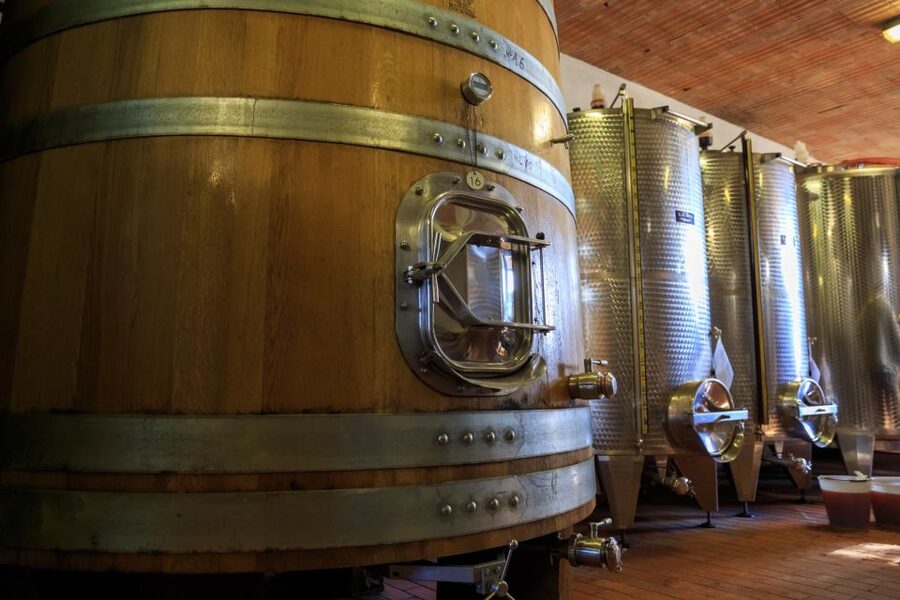
The first production stop is the farmhouse’s large wine cellar. Here, you see stainless steel and cement tanks used for fermentation. This is the practical, working side of winemaking, and it gives you a clearer idea of what happens after the grapes arrive.
The tanks are not there simply for decoration. They show the early stage of the process, before wine is moved into wood for further development. Your guide explains the production of Chianti wines and how the farmhouse handles this part of the work.
For a one-hour visit, this is a good use of time. You get a straightforward look at the equipment without being buried in technical detail. If you already know a great deal about fermentation, the explanation may feel basic. If you are new to wine production, it should give you enough structure to make the later tasting more interesting.
The contrast between modern-looking tanks and the older farmhouse rooms also gives the tour a pleasing rhythm. You move from a larger, functional cellar into a much smaller space with a more traditional feel.
The 18th-century cellar and French oak barrels
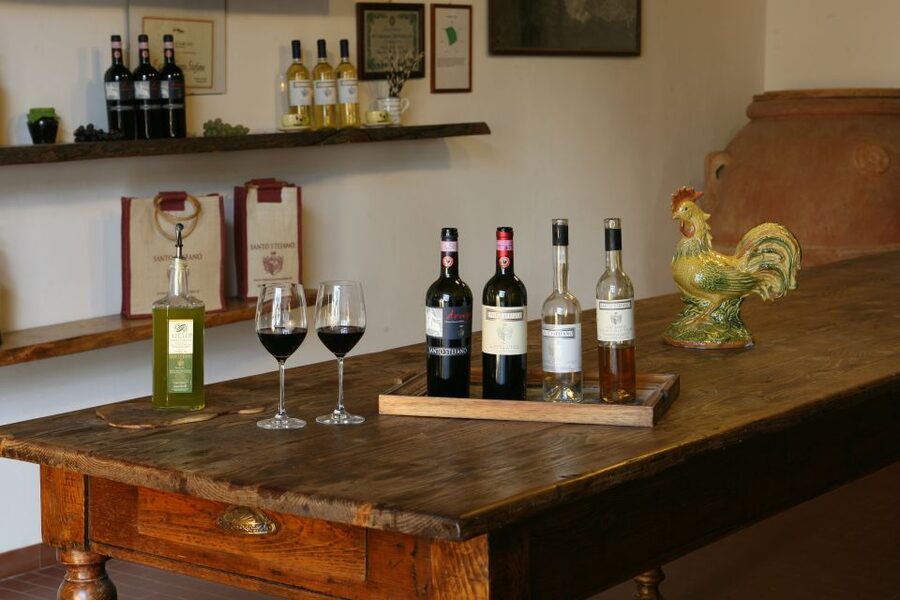
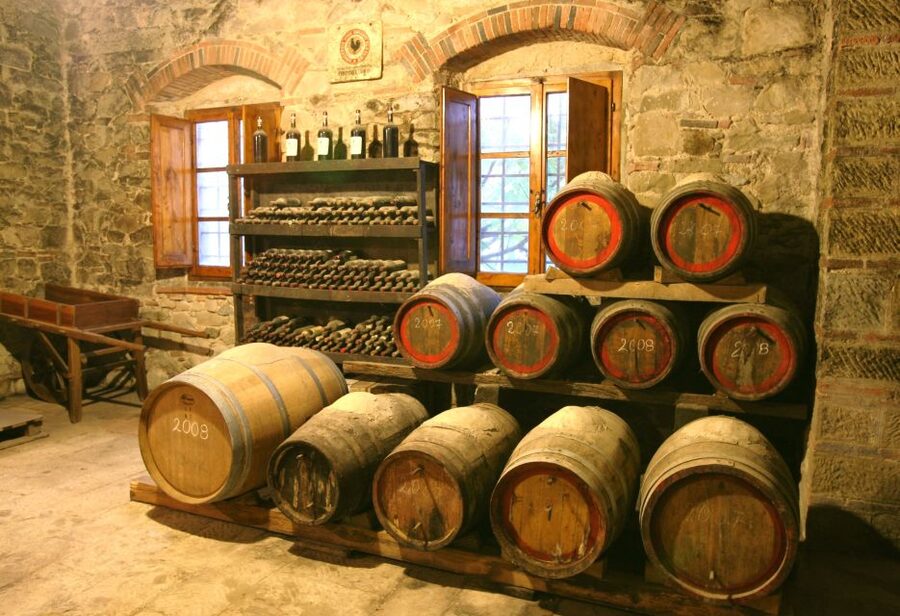
The most distinctive stop is the small cellar dating back to the 18th century. This is where large French oak barrels hold wine for six months as it develops its flavor and character.
That detail matters. You can taste wine in many places in Tuscany, but seeing the barrels and the old cellar helps explain why the wine does not go straight from fermentation to the bottle. The time in oak is part of the process, and the setting makes that process easier to picture.
The room is described as small and rustic, so do not expect a grand underground complex with rows of dramatic arches. Its appeal is more intimate. You are looking at a working old space, with the barrels close at hand and the scale of a farmhouse cellar rather than a major commercial winery.
The same cellar contains the smaller barrels used to make Vinsanto, Tuscany’s amber-colored dessert wine. This is a worthwhile detail for anyone who wants to understand more than the standard red wines associated with Chianti. Vinsanto has a different role and style, and seeing its small barrels gives the visit another point of interest.
The Orciaia and the olive oil story
After the wine cellars, the tour moves to the farmhouse’s Orciaia, where extra-virgin olive oil is stored directly after harvesting and pressing. This is an important part of the visit because Tuscan food culture is not built around wine alone.
The oil is kept here after production, before it reaches the bottle. That gives you a simple but useful connection between the harvest and the final product you taste. The stop also breaks up the wine-focused part of the tour and gives the olive oil its proper place.
You should not expect a separate, lengthy olive oil seminar based on the information provided. Instead, the Orciaia forms part of the farmhouse tour and leads into the tasting. For many people, that balance will be just right. You get a look at storage and production, then have the chance to taste the oil alongside wine and food.
Pay attention to how the oil is served and how it works with the snacks. The tasting is not only about identifying flavors in a glass. The local food helps you understand how these products are used at the table.
More Wine Cellar Visits in Siena:
- Porto: Bridges Cruise & Sunset & Port Wine Cellar Option
★ 4.2 · 4,180 reviews - Porto: Cálem Cellar Tour, Interactive Museum & Wine Tasting
★ 4.5 · 4,113 reviews - Porto: Cálem Cellar Tour, Fado Show & Wine Tasting
★ 4.4 · 3,530 reviews - Porto: City Train Tour, River Cruise & Wine Cellar
★ 3.9 · 2,601 reviews
Wine, olive oil, and local food in the farmhouse shop
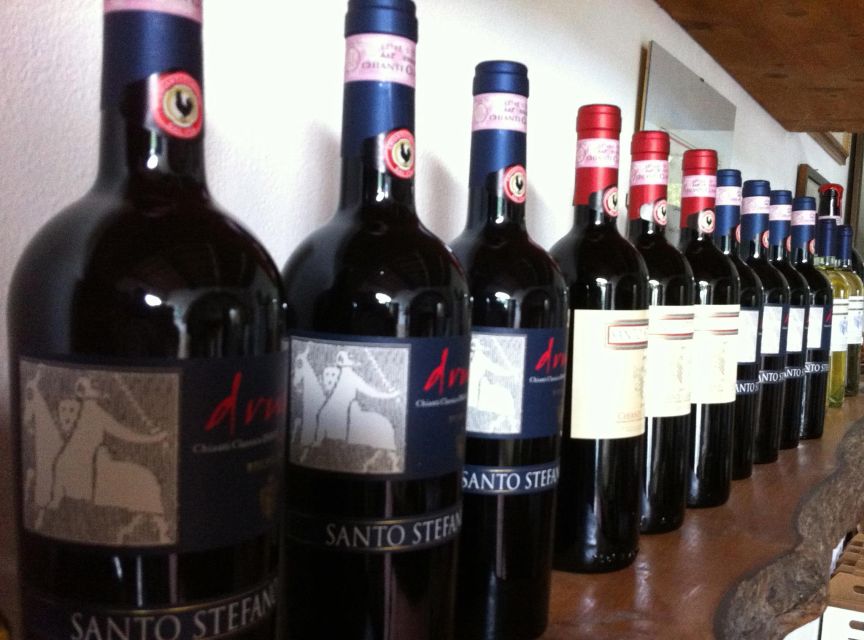
The final part takes place in the small wine shop. Here, you taste local wine varieties and extra-virgin olive oil, accompanied by local food. This is where the tour becomes most social and relaxed.
The food is one of the strongest reasons to consider the experience. The information provided points to generous snacks, and the tasting has been described as including enough food to make it feel more substantial than a token sample. Do not treat this as a guaranteed full lunch, though. It is a tasting with local food, not a stated meal.
I like the way the tasting follows the cellar visit. You have just seen fermentation tanks, oak barrels, Vinsanto casks, and the oil storage room. The glass and plate in front of you then feel connected to the farmhouse rather than random products selected for a shop counter.
The tasting can also be a practical buying opportunity. If you find a wine or oil you like, you are already in the farmhouse shop where local products are presented. Buying is not stated as part of the tour, so you should think of the shop as the natural end point, not as an obligation.
How much time should you allow?
The activity itself lasts one hour. That makes it easy to place before or after another Chianti stop, especially if you are building a day around Greve in Chianti and nearby villages.
Still, avoid scheduling it so tightly that you arrive rushed. You must reach the farm at Via Collegalle 3, and transportation is not included in the standard price. A late arrival could cut into a short program.
The one-hour format is best for you if you want a focused introduction. It covers the farmhouse, wine production, the historic cellar, Vinsanto, olive oil, and a tasting without taking up half a day.
The short duration is less suitable if you want a long conversation about vintages, a vineyard walk, or a slow multi-course pairing. Those are not listed parts of the experience. Think of this as a clear first taste of Tuscan farm production.
Is $39.86 a fair price?
At $39.86 per person, the price is reasonable for a guided cellar visit that includes wine tasting and a look at olive oil production. The value improves because the tour is not limited to sitting at a table. You also see the grounds, the large cellar, the old barrel room, and the Orciaia.
The price is easier to justify if you care about the setting and the production story. If you only want a glass of Chianti, you can find cheaper ways to drink wine. Here, you are paying for access, explanation, and the chance to connect the wine and oil with a real farmhouse.
Transportation is not included, so add that cost to your calculation if you are not driving or already staying nearby. The activity ends back at the meeting point, which keeps the plan simple once you arrive.
The private-group format is another point in its favor. It can make a short tour feel more personal, though the actual feel will depend on the size of your booking. One visitor described having the tour to themselves when no one else arrived, but you should not assume that every departure will be a solo visit.
Who will enjoy this farmhouse visit most?
I would recommend it to you if you want a gentle introduction to Chianti wine, have an interest in olive oil, or prefer a small rural property to a large commercial winery. It also suits couples, families with older children, and anyone fitting several short stops into a day in Tuscany.
The experience should work well for people who enjoy food but do not yet know much about wine. The tour gives you enough background to make the tasting less intimidating, without requiring technical knowledge beforehand.
It is also a good choice if you want something that feels connected to everyday Tuscan production. The farmhouse, cellar, oil room, barrels, and local snacks all point to the food culture of the area.
You may want a longer or more specialized visit if you already have strong wine knowledge. The one-hour length leaves limited time for detailed vintage comparisons or extended questions. You should also choose another type of activity if your main goal is a full meal, a long walk through vineyards, or transportation from Florence, since none of those are part of the standard experience.
Practical booking advice for Greve in Chianti
You can cancel up to 24 hours before the activity for a full refund, and the reserve-now-pay-later option lets you hold a place without paying immediately. Those policies are useful if your Tuscany schedule is still moving around.
The tour is offered in English and Italian. Make sure you select a departure time that fits your transport plans, since starting times vary and availability must be checked.
The meeting point is both the start and end: Fattoria Santo Stefano, Via Collegalle 3, 50022 Greve in Chianti. Transportation can be booked as an add-on, but it is not included in the listed price.
Bring comfortable shoes, and allow enough time to find the farmhouse. The tour itself is short, but rural driving and parking can make a tightly packed schedule harder than it looks.
Should you book the Chianti cellar and olive oil tasting?
Book it if you want a compact, good-value introduction to Tuscan wine and oil in an authentic farmhouse setting. The old cellar, French oak barrels, Vinsanto casks, and Orciaia give the visit more substance than a basic tasting, while the local food makes the final stop feel generous.
Skip it if you want a long winery day, a formal meal, or an in-depth wine course. At one hour, this is a focused introduction, not an all-day experience.
For most people spending time around Greve in Chianti, I think it is a sensible stop. The tour is short enough to fit into a busy day, yet it gives you real production spaces and a tasting you can understand because you have seen where the products begin.
FAQ
Where does the tour begin?
The tour begins at Fattoria Santo Stefano, Via Collegalle 3, 50022 Greve in Chianti, Tuscany.
Where does the activity end?
The activity ends back at the Fattoria Santo Stefano meeting point.
How long does the tour last?
The tour lasts one hour. Starting times vary, so check availability when booking.
What does the price include?
The experience includes the cellar tour and wine tasting. The tasting also includes extra-virgin olive oil and local food as part of the visit described.
Is transportation included?
No. Transportation is not included in the listed price, but it can be booked as an add-on.
What languages are available?
The live tour guide is available in English or Italian.
Is this a private group experience?
Yes. The activity is offered as a private-group experience.
What should I wear?
Wear comfortable shoes, since the tour includes the farmhouse grounds and cellar areas.
More Wine and Olive Oil Tastings in Siena
- Sorrento Farm and Food Experience including Olive Oil, Limoncello, Wine tasting
★ 5.0 · 2,524 reviews - Split: Krka Waterfalls With Boat Cruise, Wine and Olive Oil
★ 4.3 · 1,507 reviews - From Mendoza: 3 Wineries, Olive Oil Factory Tour & Tasting
★ 4.6 · 901 reviews - From Chania: Olive Oil, Wine, Cheese & Honey Tasting Tour
★ 4.6 · 490 reviews
Newest wine reviews around Siena
- Siena: Tour and Wine Tasting in a Tuscan Private Castle★ 4.9 · 50 reviews
- Siena: Balloon Flight Over Tuscany with a Glass of Wine★ 4.7 · 53 reviews
- Siena: Pasta and Tiramisu Cooking Class with Wine★ 4.8 · 274 reviews
- Siena: Educational Wine Tour & Tasting★ 5.0 · 203 reviews
- Siena: winery tour, wine tasting and lunch★ 5.0 · 70 reviews
- From Siena: Tuscany Hills Wine Tour★ 4.1 · 323 reviews
- From Siena: Chianti Wine Tour with Lunch★ 5.0 · 34 reviews
- From Siena: Chianti Countryside E-Bike Tour w/ Lunch & Wine★ 4.8 · 44 reviews
Chianti Wine Tours, compared.
San Gimignano, Siena, Monteriggioni, Chianti Day Trip with Lunch & Wine Tasting
Read our review →
Pisa, Siena, S. Gimignano, Chianti Wine & Lunch
Read our review →
Siena, San Gimignano and Chianti Wines Day Tour from Florence
Read our review →
Half day Chianti Vineyard Escape from Florence with Wine Tastings
Read our review →
Tuscany Bike Tours Through the Chianti Hills with Wine Tasting
Read our review →
Lists this tasting appears in