
Reviewed · AVIGNON WINE TOURS
From Avignon: Wine Tour with Visit to Châteauneuf du Pape
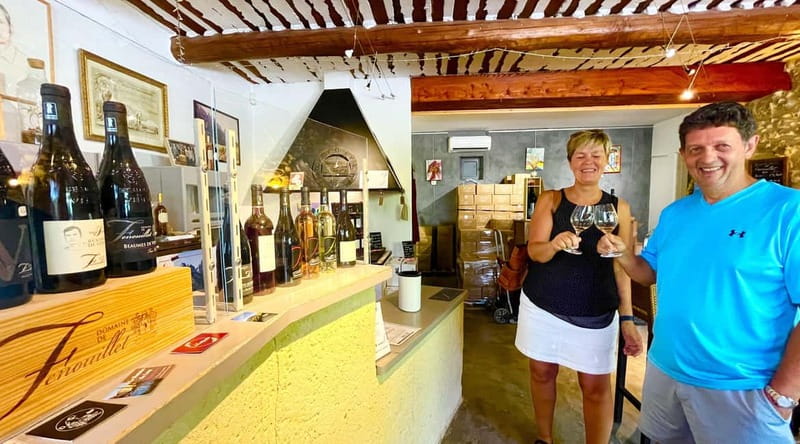
Châteauneuf-du-Pape gets the headline, but the clever part of this tour is the three-appellation comparison. In one outing, you taste sweet Muscat from Beaumes-de-Venise, structured reds from Gigondas, and the famous wines of Châteauneuf-du-Pape, while Arnaud explains how wind, altitude, soil, and river stones shape each bottle. I like the clear sense of place and the chance to visit smaller family-run domaines rather than only large tasting rooms. I also like the local picnic, built around village produce and served among the vines.
The main consideration is the vehicle. It carries no more than six people, which keeps the outing personal, but the back seats can feel cramped when the group is full. The schedule also varies by season, so check carefully: only the April to October morning departure includes the picnic, and the winter outing visits two estates rather than three.
The best parts of the tour at a glance
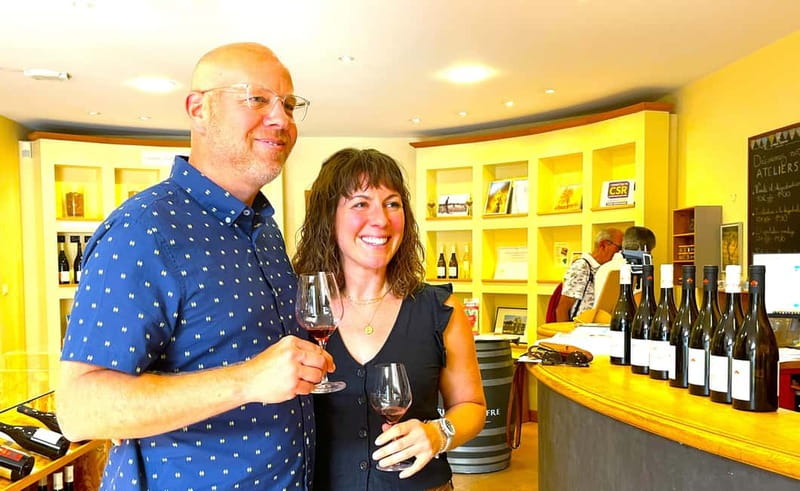
- Three Southern Rhône appellations: Compare Beaumes-de-Venise, Gigondas, and Châteauneuf-du-Pape in one well-planned outing.
- At least nine wines: Taste a minimum of three wines at each of three wineries on the main April to October and afternoon routes.
- Arnaud’s local knowledge: Your guide explains the villages, vineyards, soils, weather, and winemaking as you drive.
- A genuinely local picnic: Morning tours between April and October include goat cheese, tapenades, seasonal fruit, juice, and other farm products.
- Small-group access: A maximum of six people makes it easier to ask questions and visit intimate domaines.
- Good value at $93: Transport, guiding, and tastings are included, with no pressure to buy bottles.
Why three appellations make this more than a tasting trip
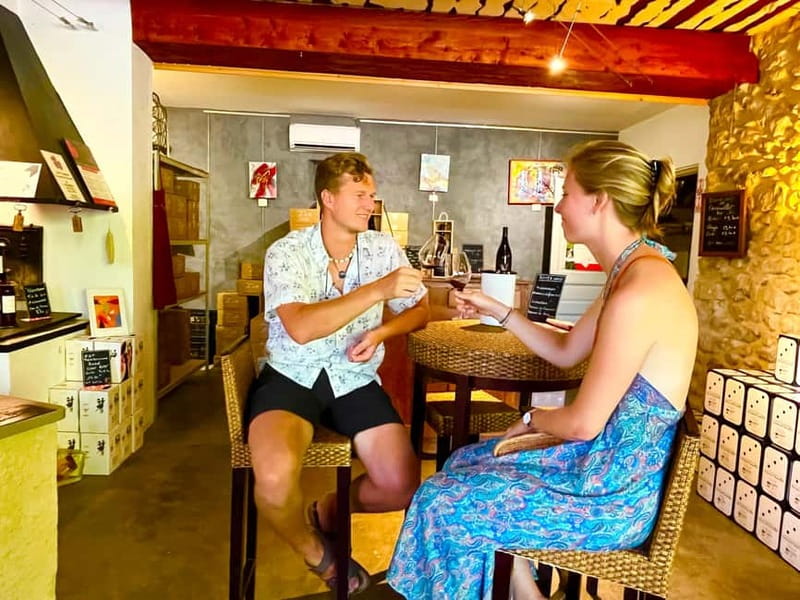
A wine tour can become a parade of similar glasses. This one has a useful shape. Each stop comes from a different part of the Southern Rhône, so you are not simply tasting more wine. You are learning to connect the wine with the place where it grows.
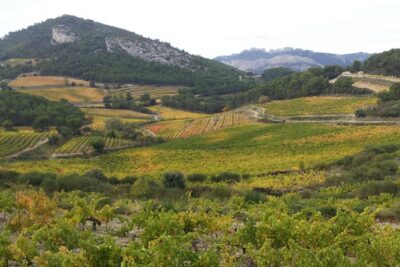
Beaumes-de-Venise sits on the southern side of the Dentelles de Montmirail, a set of sharply pointed mountain ranges. The hills shelter the vineyards from some of the wind and help create a warmer setting. That is why the area is best known for Muscat, a naturally sweet wine with its own appellation since 1943.
Gigondas lies on the northern side of the Dentelles. Here, the Mistral can blow for roughly 150 days a year. It is a cold, drying wind, but that is useful in the vineyards because it pushes away clouds and helps keep vines dry. The appellation is famous for red wine, while rosé has also been permitted since 1971. White Gigondas is a very recent addition, joining the appellation in 2023.
Châteauneuf-du-Pape is the famous name, and for good reason. It was France’s first appellation contrôlée, established in 1936. Red wine makes up about 92 percent of local production, with white wine accounting for the rest. Large rounded river stones are the area’s most recognizable feature. They hold heat and are one reason these wines are often full and powerful, with the best bottles capable of aging for 20 to 30 years.
You do not need to arrive as a wine expert. Arnaud’s explanations give the tasting order a purpose. The tour shows you why a sweet wine from one side of the Dentelles can feel so different from a red grown a short drive away.
More Wine Tours in Avignon:
- Chateauneuf du Pape wine tour
★ 5.0 · 484 reviews - From Avignon: Châteauneuf du Pape Half-Day Wine Tour
★ 4.7 · 365 reviews - Provence Cru Wine Small-Group Half-Day Tour from Avignon
★ 4.5 · 290 reviews
Meeting Arnaud in Avignon
The tour begins and ends in front of Hôtel Le Bristol in Avignon. Look for a black car marked Ventourisme. If you are staying outside Avignon itself, contact the provider before booking because another pickup point may be possible.
Arnaud is the guide and driver. His English is described as excellent, and he also guides in French. That matters in a small group, especially when people switch between languages. He has a relaxed way of explaining technical subjects, and he is happy to stop and answer questions instead of rushing through a prepared speech.
The drive is part of the experience. As you leave Avignon, Arnaud points out the natural features that distinguish one wine area from another. He discusses altitude, weather, soil, and the shape of the hills, then connects those details to the wines you will taste later.
The vehicle is comfortable enough for most small groups, but space is limited. The maximum is six participants, and one four-star assessment specifically found the car cramped. I would be happiest with five or fewer people, particularly if you are tall or prefer room for a day bag. Large bags, oversize luggage, and walking frames are not allowed in the car.
Beaumes-de-Venise and the sweet-wine lesson
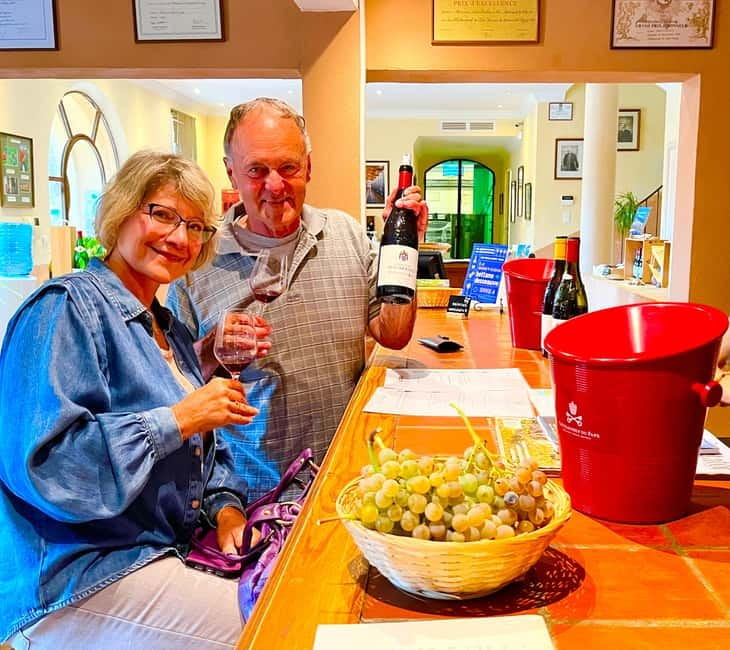
On the April to October morning schedule, Beaumes-de-Venise is the first stop. The tasting lasts about 45 minutes. This is a good opening because Muscat gives you a style of wine that many people do not expect from the Southern Rhône.
The local Muscat can work as an aperitif, but it is also suited to dessert, blue cheese, or charcuterie. You may also taste red wine from the appellation. Red Beaumes-de-Venise became an appellation only in 2005, and producers can use up to 10 percent white grapes in the blend.
The stop is not only about sweetness. Arnaud explains how the protected position below the Dentelles creates a warmer, less windy setting than nearby areas. The local soils include limestone, sandstone, sand, and clay, giving you another useful point of comparison later in the day.
This winery is often a strong part of the outing because it feels tied to the history and character of the area. One particularly memorable detail from the tour is the chance to encounter Muscat in several forms, including grapes, juice, and wine when the picnic is available. That turns an abstract explanation into something you can taste and understand.
Gigondas, wind, altitude, and red wine
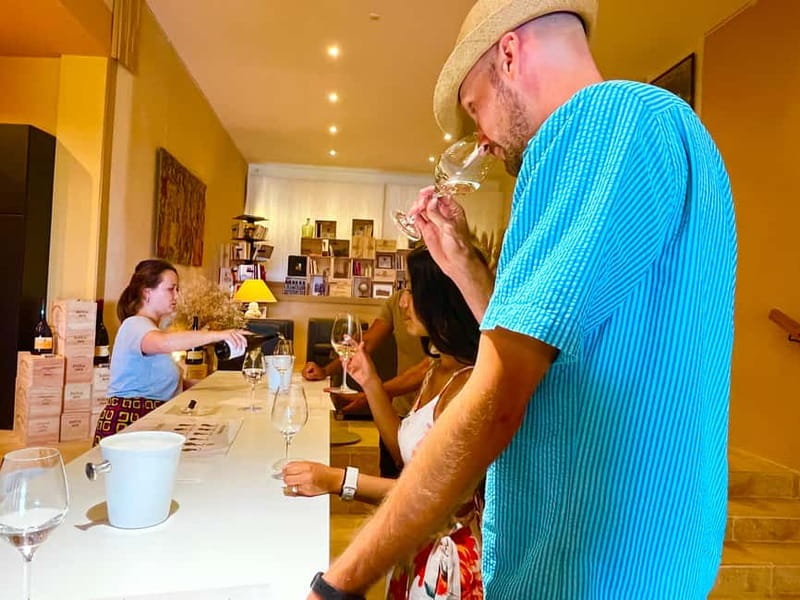
The Gigondas tasting lasts about an hour. It is the tour’s clearest lesson in how weather and elevation affect wine. The vineyards range from about 100 to 600 meters above sea level, or roughly 300 to 1,800 feet.
The Mistral is central to the story. It can be fierce, but its drying effect helps protect the vines from disease. Gigondas also has sandy marl, a soil type especially associated with the area, along with clay, sand, limestone, and sandstone.
The main focus is red wine. You may also taste rosé, and the guide can explain the recent arrival of white Gigondas within the appellation rules. Do not expect every style to suit your personal taste. One participant preferred the wines at the other two stops, but valued this tasting precisely because it introduced unfamiliar flavor profiles. That is a useful reminder: a good wine tour should teach you something, not simply confirm your existing preferences.
The wineries are generally smaller and more personal than a large commercial cellar. Arnaud’s relationships with the people pouring the wine help the visits feel less like a timed production line. You might find that the staff have time to explain their bottles, answer questions, or show a part of the working estate.
Same region, a different bottle:
- Châteauneuf du Pape Wine Day Tasting Tour including Lunch from Avignon
★ 5.0 · 287 reviews - Afternoon Wine Tour to Chateauneuf du Pape from Avignon
★ 4.5 · 176 reviews - Wines from Châteauneuf-du-Pape and surrounding areas in 1/2 day
★ 5.0 · 96 reviews - Avignon: Historic District Guided Food & Wine Walking Tour
★ 4.8 · 84 reviews
The picnic among the vines
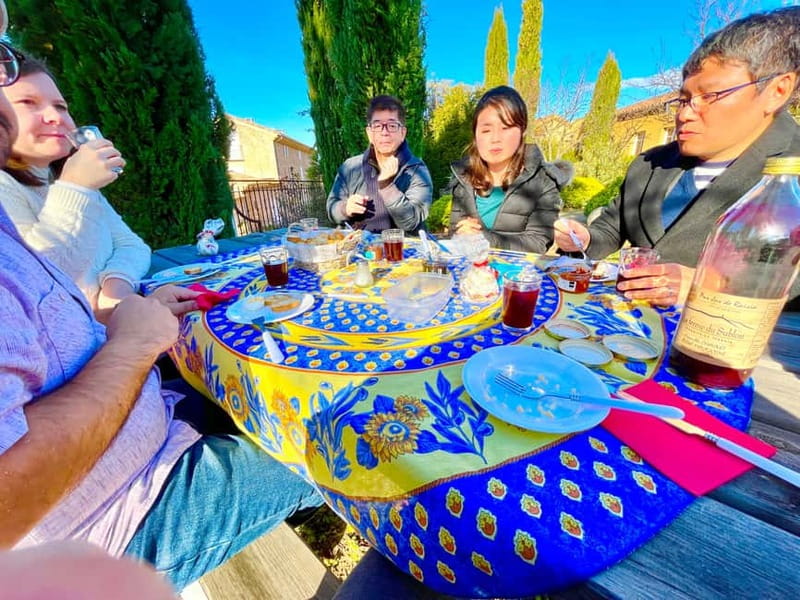
On the morning tour from April through October, the picnic takes place in the Gigondas area and lasts about an hour. It is not a full restaurant lunch. Think of it as a generous regional snack, enough to make the outing more comfortable but not a formal meal.
The food comes from local farms and, in part, from the village where Arnaud lives. Offerings can include:
- Fresh goat cheese
- Bread and boiled eggs
- Black olive tapenade
- Sweet pepper tapenade
- Anchovies
- Seasonal fruit
- Grape juice or fruit juice
The exact selection can change with the season. The care is in the sourcing and the connection to the region. You are not eating generic tour food while standing beside a parking lot. You are trying familiar local ingredients in the middle of the wine country, with the Dentelles and vineyards around you.
The picnic also gives the day a needed pause. Three tastings require concentration, and a quiet hour outside helps break up the driving and cellar visits. If you need a substantial lunch, eat beforehand or plan a proper meal later. The picnic is fresh and thoughtful, but it is still a picnic.
Châteauneuf-du-Pape and the famous final stop
The last winery is in Châteauneuf-du-Pape, with about an hour set aside for tasting. This is the stop many people are waiting for, and it delivers the iconic Southern Rhône name along with an explanation of what makes the area different.
The large rounded stones covering many vineyards are known locally as galets roulés. They retain the sun’s heat and help create the full-bodied style associated with the appellation. The area also includes clay, sand, sandstone, and limestone, so the stones are important but not the only part of the story.
Most production is red, though white Châteauneuf-du-Pape is also made. The wines can be powerful and long-lived, with good bottles suitable for 20 to 30 years in a cellar. At the same time, do not assume every tasting will feature older or expensive examples. One participant found the samples at the Châteauneuf stop younger and less impressive than the wines served earlier in the day.
That point is worth keeping in mind. The tour includes a Châteauneuf-du-Pape tasting, but it does not promise rare vintages or premium reserve bottles. If your main goal is to taste mature, high-end Châteauneuf, a specialist tasting focused only on that appellation may suit you better. If you want to understand the region as a whole, the contrast is more useful.
If you show interest in local sights, Arnaud may add a brief stop, such as the castle in Châteauneuf-du-Pape. Treat that as a possible bonus rather than a guaranteed part of the route.
Timing changes by season
The schedule needs close attention because the experience is not identical all year.
April to October morning tour: This is the fullest version. It runs from about 9:30 a.m. to 3:30 p.m., includes three wineries, at least nine wines, and the local picnic. This is my preferred option if you want the complete day in the countryside.
Afternoon tour all year: It runs from about 2 p.m. to 6:30 p.m. and visits the same three areas in reverse order: Châteauneuf-du-Pape, Gigondas, then Beaumes-de-Venise. There is no meal, so plan to eat before setting out.
November to March morning tour: This shorter outing runs from about 9:30 a.m. to 12:30 p.m. It visits two estates, one in Gigondas or Beaumes-de-Venise and another in Châteauneuf-du-Pape. There is no picnic.
The published duration is described as three to 330 minutes, which reflects these different schedules. Check the exact departure time and seasonal route before paying.
What the $93 price really covers
At $93 per person, the value is strong if you want transport from Avignon, a guide who can explain the region, and several tastings without arranging a rental car. You receive at least three wines at each of three wineries on the main route, nine wines in total, along with pickup and drop-off in Avignon.
The small group matters here. A maximum of six lets you ask questions and gives Arnaud room to adapt the discussion to your interests. He may spend longer at a winery when the group is curious, which can make the tour run beyond the nominal time.
Bottle purchases are extra, as are personal expenses. There is no pressure to buy, and you can simply use the tastings to decide what you enjoy. Compared with arranging transport to three rural appellations yourself, the cost includes useful local access as well as the wine.
The weakest point is comfort rather than value. A full vehicle can feel tight, and you should not bring luggage. Pregnant people and those with heart problems are advised not to take the tour. Weather can also lead to cancellation, since much of the experience takes place outdoors and on rural roads.
Who will enjoy this tour most
I would recommend it to you if you want a broad introduction to Southern Rhône wine rather than a single-appellation masterclass. It suits curious beginners, casual wine drinkers, and experienced tasters who enjoy comparing soils, grapes, and winemaking styles.
It is also a good choice if you are staying in Avignon without a car. The route reaches places that are awkward to visit independently in one half-day, and the return to Hôtel Le Bristol keeps the logistics simple.
You should think twice if you need a full restaurant lunch, dislike close vehicle seating, or want only premium aged Châteauneuf-du-Pape. The winter version is also much shorter and less complete than the warm-season morning tour.
Free cancellation is available up to 24 hours before departure, and you can reserve while paying later. Those terms help if your Avignon plans are still moving, though the weather remains a factor.
Should you book it?
Book this tour if you want the Southern Rhône explained through three distinct places, not just a row of tastings. Arnaud’s local perspective, the small wineries, and the fresh picnic give the day a personal feel, while the $93 price includes enough wine and transport to make the outing practical.
Choose the April to October morning departure for the fullest version. Pick the afternoon route if you prefer a later start and do not need food. In winter, book only if two estates and a shorter visit are enough for you. For most people staying in Avignon, this is a smart, well-priced introduction to Beaumes-de-Venise, Gigondas, and Châteauneuf-du-Pape.
FAQ
Where does the tour start and finish?
The tour starts and ends in front of Hôtel Le Bristol in Avignon. Look for Arnaud’s black Ventourisme car. If you are staying outside Avignon, contact the provider to discuss a possible pickup arrangement.
How many wines will I taste?
The main three-winery routes include at least three wines at each winery, for a minimum of nine wines. The winter morning option visits two estates, so the number of wines may be lower.
Is the picnic included?
The picnic is included only on the morning tour from April through October. It includes fresh local products such as goat cheese, tapenades, eggs, seasonal fruit, and juice. The afternoon tour and the winter morning tour do not include a meal.
How large is the group?
The tour is limited to six participants. The small group makes conversation and questions easier, but the vehicle may feel cramped when it is full.
Which languages are available?
The tour is offered in English and French. Arnaud guides and drives the group.
Can I cancel or pay later?
You can cancel up to 24 hours before departure for a full refund. The tour also allows you to reserve now and pay later.
Newest wine reviews around Avignon
- Morning Wine Tour to Chateauneuf du Pape from Avignon★ 4.5 · 70 reviews
- Wines from Châteauneuf-du-Pape and surrounding areas in 1/2 day★ 5.0 · 96 reviews
- Wine Tasting Tour at Châteauneuf du Pape★ 5.0 · 36 reviews
- Afternoon Wine Tour to Chateauneuf du Pape from Avignon★ 4.5 · 176 reviews
- Roman Heritage & Wine Legacy★ 5.0 · 40 reviews
- Avignon: Full-Day Wine Tour around Châteauneuf-du-Pape★ 4.9 · 83 reviews
- Avignon: Historic District Guided Food & Wine Walking Tour★ 4.8 · 84 reviews
- Avignon: Full-Day Châteauneuf du Pape Wines & Luberon Tour★ 4.8 · 42 reviews
Avignon Wine Tours, compared.
Provence Cru Wine Small-Group Half-Day Tour from Avignon
Read our review →
Châteauneuf du Pape Wine Day Tasting Tour including Lunch from Avignon
Read our review →
Afternoon Wine Tour to Chateauneuf du Pape from Avignon
Read our review →
Wines from Châteauneuf-du-Pape and surrounding areas in 1/2 day
Read our review →
Historic District Guided Food & Wine Walking Tour
Read our review →
Full-Day Châteauneuf du Pape Wines & Luberon Tour
Read our review →Lists this tasting appears in