

Reviewed · WINE & OLIVE OIL TASTINGS
From Chania: Wine and Olive Oil Tasting Tour with Snacks
Crete’s wine and olive oil traditions come together nicely on this six-hour trip from Chania. You visit family-run wineries, taste local grapes such as Vidiano and Muscat of Spina, and see an olive tree estimated to be 3,000 years old.
I like the mix of tastings and countryside stops. The trip also includes generous wine pours, olive oils, cheeses, and snacks, so you get more than a quick sip at a shop counter. The main consideration is the $141 price, which may feel high if you are mainly seeking a few tastings rather than a full day out with transport and guiding.
Key points at a glance
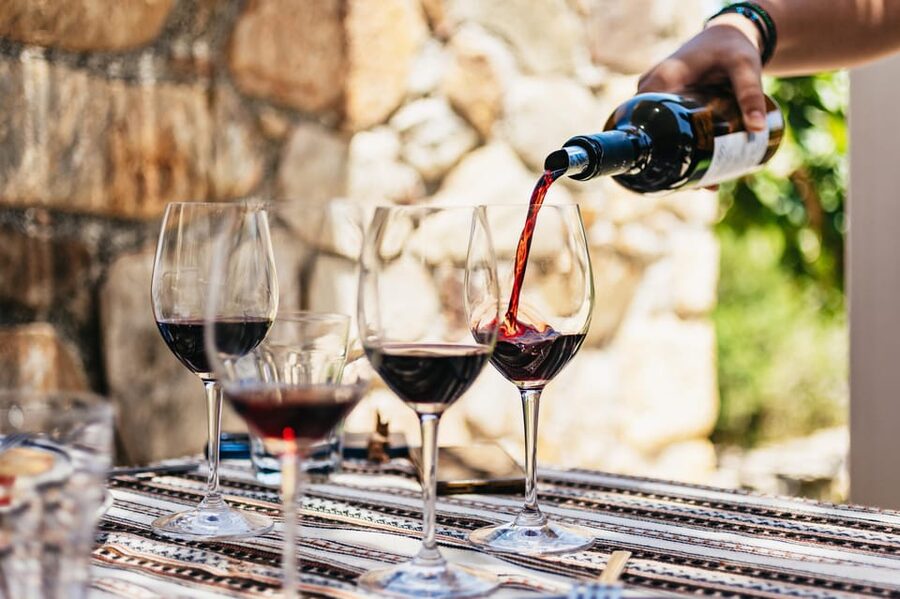
- Five wines at one family winery: Taste Cretan varieties alongside Grenache rouge, Syrah, and Mourvèdre.
- A second winery adds another five wines: The tasting includes a white blend made with Vilana, Vidiano, and Assyrtiko.
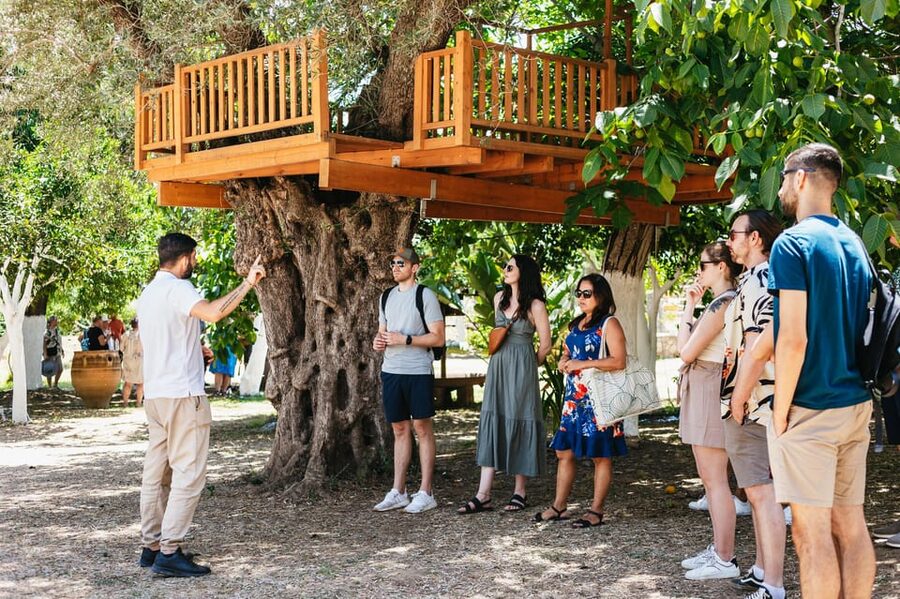
- The ancient olive tree is a worthwhile stop: See a remarkable tree estimated to be about 3,000 years old in a traditional village.
- The olive oil visit is practical, not just decorative: Learn how extra virgin olive oil is made, then taste several oils with local products.
- Small-group comfort matters: Air-conditioned transport takes you from Chania into the hills of the Kissamos region.
- The guide shapes the day: Andreas, Alex, Kostas, Nikos, and other guides have been praised for their local knowledge, easy manner, and safe driving.
A full day of Cretan wine and oil
This is a good choice if you want to get beyond Chania’s old harbor for a few hours. The route heads into the Kissamos region, where olive groves, vineyards, villages, and winding mountain roads replace the city streets.
Pickup begins 30 to 60 minutes before the stated departure time, and the exact meeting point depends on your location in the Chania region. That buffer is worth remembering when planning your morning. The drive is part of the experience, but it also means the day is not simply six hours of sitting at tasting tables.
You ride in an air-conditioned bus or van with an English-speaking driver-guide. Several guides have led this tour, including Andreas, Alex, Kostas, Nikos, Alexander, and Thanassi. The strongest pattern is clear: your guide does more than drive. You can expect stories about Crete, Chania, local farming, village life, and the island’s wine and oil traditions between stops.
The groups are often small enough for a relaxed feel. One couple even ended up with what was effectively a private tour, though group size can change from one departure to another. The comfortable vehicle is especially useful in the warmer months, when the roads and open countryside can be hot.
More Wine and Olive Oil Tastings in Greece
- From Chania: Olive Oil, Wine, Cheese & Honey Tasting Tour
★ 4.6 · 490 reviews - Crete Wine and Olive Oil Tour
★ 5.0 · 272 reviews - Crete: Full-Day Cretan Wines, Olive Oil, Raki and Food Tour
★ 5.0 · 264 reviews
The first family winery and five wines
The first winery is a family business established in 1993. That gives the visit a useful balance. You are not only tasting finished bottles. You also hear how a local producer works with modern farming and production methods while keeping ties to Cretan varieties.
The tasting focuses on award-winning local wines, including Vidiano and Muscat of Spina. Vidiano is one of Crete’s best-known white grapes, and Muscat of Spina offers a different expression. The tasting may also include international varieties such as Grenache rouge, Syrah, and Mourvèdre.
I like this lineup because it lets you compare the island’s own grapes with varieties you may already know from other countries. The point is not simply to declare one better than another. The local soil, sun, altitude, and winemaking choices give familiar grapes a Cretan character.
The first tasting has been described as five wines, along with olive oil at some departures. The order can vary, since the operator may make small changes due to weather or local conditions. Still, you should expect a substantial introduction to Cretan wine rather than a single token sample.
The hosts explain the wines and the work behind them, which helps if you are new to tasting. You do not need specialist vocabulary or a trained palate. Pay attention to what you like, ask questions, and use the tasting to decide which bottles suit you.
The 3,000-year-old olive tree
The stop at the ancient olive tree gives the day a welcome change of pace. After the first tasting, you visit a traditional village and see an olive tree estimated to be about 3,000 years old.
This is more than a quick photo stop. Olive cultivation has shaped Cretan food, farming, trade, and daily life for thousands of years. Seeing an old living tree helps put the olive oil tasting into context. Bottled oil can feel like a modern grocery product, but here you are reminded that olives are tied to the island’s oldest rural traditions.
The tree is described as the oldest olive tree in the world, and some trip details refer to it as one of the oldest in Europe. Since ancient-tree claims can depend on how age is estimated, I would treat the exact number as an estimate rather than a laboratory-certified fact. Either way, a tree of this reported age is an unusual sight.
The village stop also breaks up the tastings. You get a chance to stretch your legs, take photographs, and see a quieter side of Crete before returning to the food and wine. Wear shoes suitable for uneven ground and bring sun protection, particularly in summer.
Learning how Cretan olive oil is made
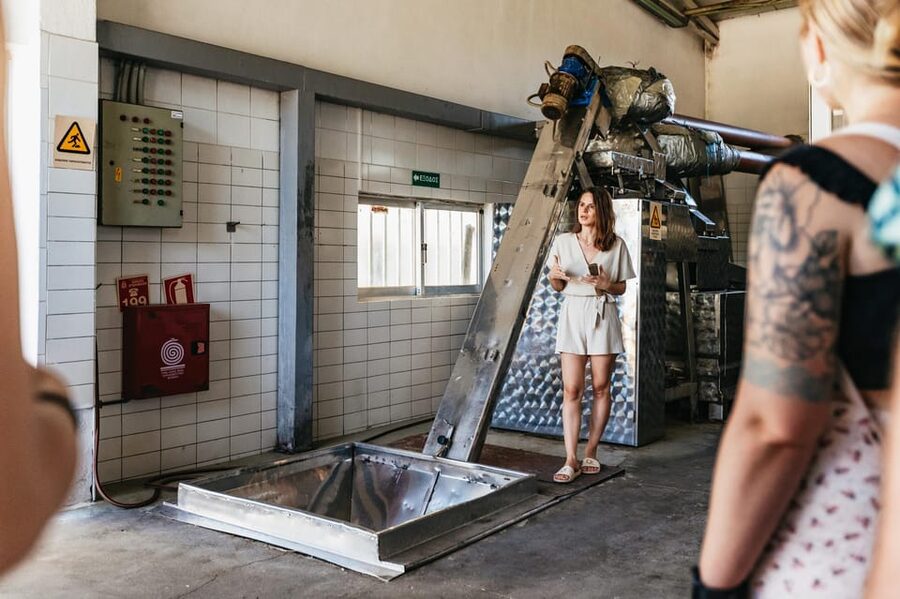
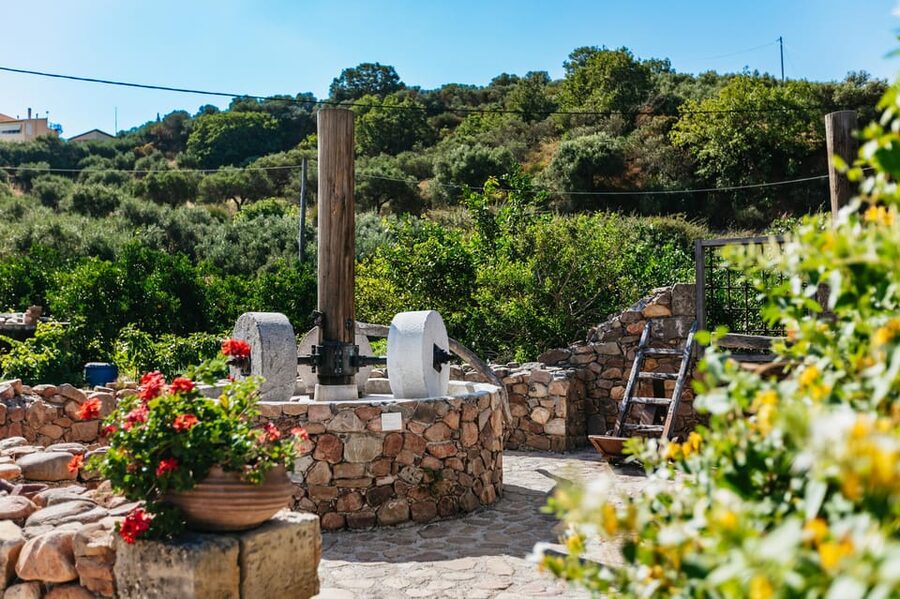
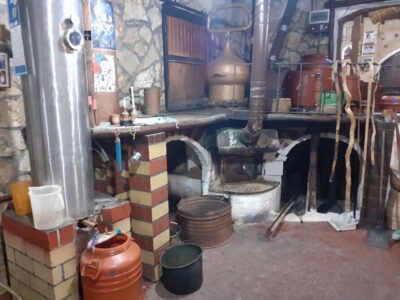
The olive oil factory is one of the most useful parts of the trip. You walk through a local production site, see how olives are processed, and learn what goes into making extra virgin olive oil.
The lesson matters because good oil is not just about the olive variety. Harvest timing, handling, extraction, storage, and freshness all affect the final taste. A tasting after the production explanation gives you a better sense of what you are looking for in an oil.
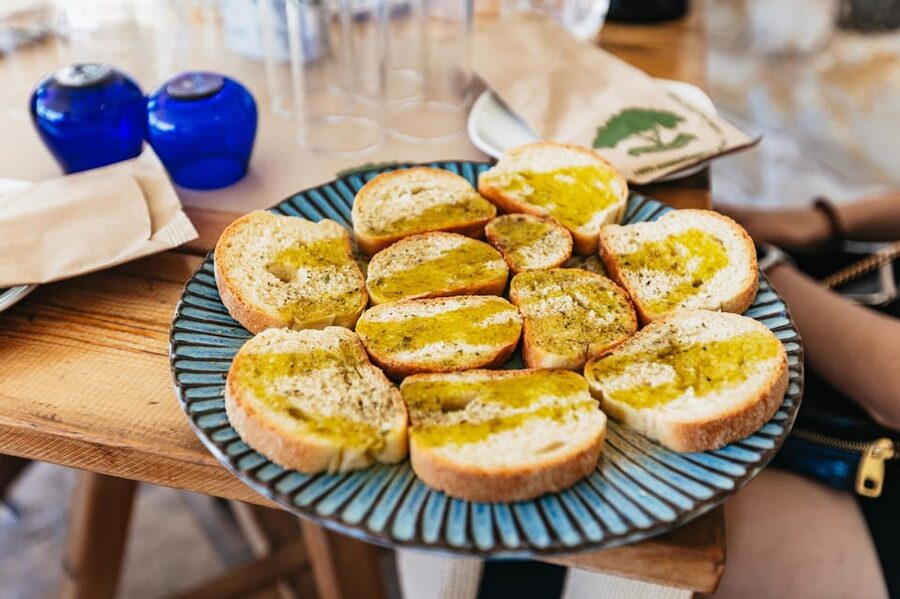
You taste several local oils, sometimes alongside wine and other Cretan products. The staff explain their work and the effort involved in getting the finished oil to the bottle. This stop also gives you a chance to buy oil if you find a favorite, though purchasing is optional and there is no need to treat the visit as a shopping trip.
I would pay close attention here. Many visitors know how to taste wine but have never compared olive oils side by side. Try each one slowly, notice the fruitiness and peppery finish, and see how the flavor changes with food.
The olive oil factory and the wineries are not identical experiences. At the winery, the focus is on grapes, fermentation, and style. At the mill, the focus is on harvest and extraction. Together, they show why wine and olive oil are such central parts of Cretan cooking and agriculture.
Same region, a different bottle:
- Santorini: Top Sights Day Trip, Wine Tasting, & Oia Sunset
★ 4.6 · 2,492 reviews - Santorini Wine Adventure with 12 Wine Tastings, Tapas and Sunset
★ 5.0 · 1,715 reviews - Tour and Wine Tasting in Mykonian Land
★ 5.0 · 1,357 reviews - Santorini Wine Stories: Sunset Tour with Tasting & Dinner
★ 5.0 · 1,285 reviews
The second winery and a broader tasting
The second winery gives you another view of local production. Here, you taste a special white blend made with Vilana, Vidiano, and Assyrtiko.
That combination is useful for comparison. Vilana and Vidiano are connected to Crete, while Assyrtiko is strongly associated with Greece more broadly. Blending them shows that Cretan winemakers are not locked into one narrow idea of tradition. They can work with local grapes and other Greek varieties to create different styles.
This tasting is often presented with food, including local cheeses and snacks. Some people have described trying another five wines here, bringing the total for the day to around ten. That is a generous amount, particularly when paired with food and the earlier tasting.
The setting is part of the appeal. You may stroll among vineyards, sit in a pleasant rural spot, and meet the people behind the wines. The hosts at both wineries are presented as welcoming and willing to explain their products without pushing a hard sale.
That low-pressure approach is important. Wine tourism can become tiring when every stop turns into a sales pitch. Here, you can taste, ask questions, and buy a bottle if you want to. If you plan to purchase wine or oil, remember that your luggage space may be limited.
The food, the final drink, and the pace
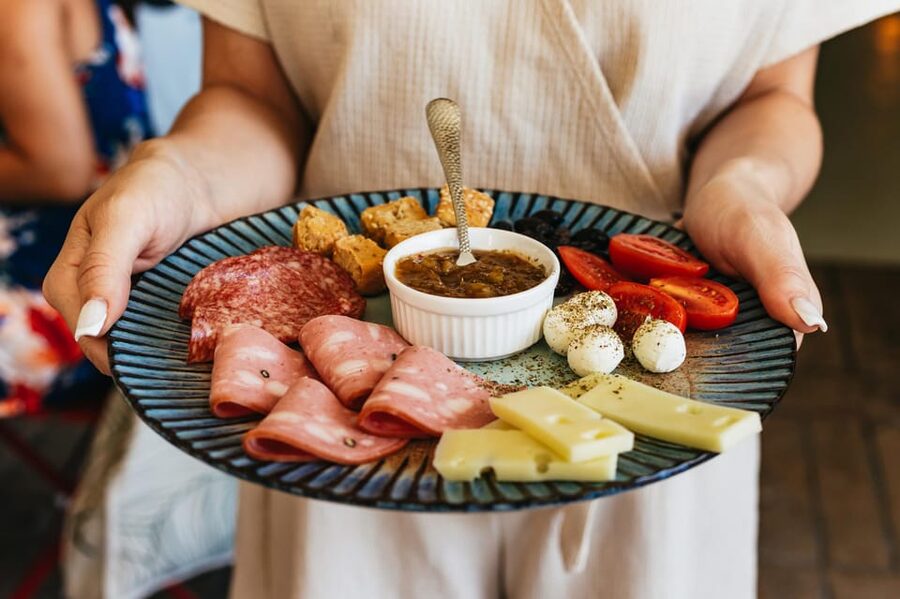
This is billed as a light lunch or snack rather than a full restaurant meal. Expect local cheeses, small plates, olive oils, and other products to accompany the tastings. The amount appears to vary, and one person found the food a little light compared with the amount of wine.
For most people, the food should be enough to make the tastings comfortable, but I would not book this as your only substantial meal of the day. If you need a bigger lunch, plan something for later or eat a little before pickup.
The final drink is tsikoudia, the clear Cretan spirit traditionally offered at the end of a meal or visit. It is the island’s way of saying goodbye, but it is stronger than wine. Take the offered portion slowly, especially after a day of tasting.
The pace generally works well because the day alternates between driving, walking, learning, tasting, and eating. You are not stuck in one room for six hours. Still, the total amount of alcohol is significant, so this tour is best for adults who enjoy tasting in moderation rather than drinking quickly.
Children can join only with an adult, and anyone under 18 receives water or fresh orange juice instead of wine. Unaccompanied minors are not allowed.
Is $141 a fair price?
At $141 per person, this is not a budget excursion. The value depends on what you would otherwise pay for transport, several tastings, a guide, and access to rural areas outside Chania.
The price includes pickup and drop-off from specified locations in the Chania region, air-conditioned transportation, entrance fees, a driver-guide, wine tastings, olive oil tasting, and light food. You also visit two wineries, an olive oil factory, an ancient olive tree, and a village.
If you hired a taxi or rental car to reach several rural sites, the driving alone would add cost and planning. A rental car also creates a practical problem: someone must avoid the tastings. With this tour, everyone can sample the wines and leave the mountain roads to the driver.
The value is weaker if you are already staying near several wineries, have a car and a designated driver, or mainly want one short tasting. In that case, a local winery visit may cost less. But if you want a ready-made day with several stops and local context, the price is easier to justify.
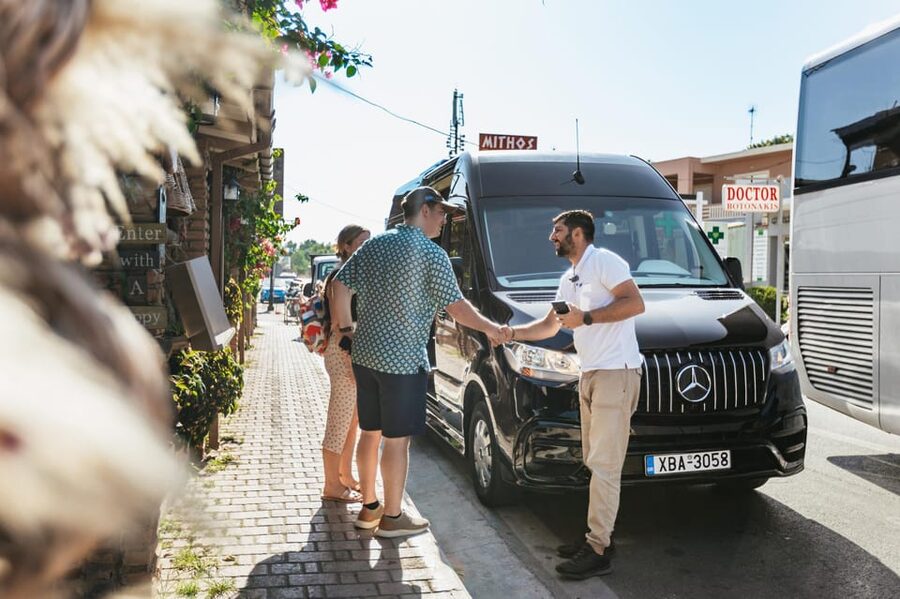
The transport also received particularly strong marks for comfort. A Mercedes van has been used on some departures, and the air conditioning is a real benefit during hot weather.
Who will enjoy this tour most?

I would choose this tour if you want a gentle introduction to Cretan wine and olive oil without renting a car. It works well for couples, solo visitors, and small groups who like meeting local producers and sharing a day with other people.
It is also a good fit for first-time wine tasters. The guides and winery hosts explain the process in an approachable way, and you can learn by comparing several styles instead of trying to make sense of one bottle in isolation.
Food-focused visitors will appreciate the olive oil, cheeses, and local snacks. People interested in rural Crete will like the olive groves, vineyards, villages, and old tree. The trip also suits anyone who wants a break from the beach and city sightseeing.
I would think twice if you dislike group outings, do not drink alcohol, or want a long, formal meal. You can still attend without drinking wine, but the tour is built around tasting. Also, the exact route and timing may change slightly when weather or local conditions require it.
Bring your passport or ID card, comfortable shoes, sun protection, and space in your bag if you hope to buy oil or wine. Tell the operator about dietary needs in advance. Vegetarian and vegan food has been accommodated when requested ahead of time, but that should not be left to chance.
Should you book the Chania wine and olive oil tour?
Book it if you want to connect Cretan food with the countryside that produces it. The strongest parts are the family wineries, the hands-on olive oil visit, the ancient tree, and the guides who add local stories between stops.
The main tradeoff is cost and quantity. You pay $141 for a guided six-hour outing, not just for a few glasses of wine. You also receive transport, entrance fees, snacks, several tastings, and a look at places that are awkward to reach without a car.
For a first visit to Crete, I think the combination makes sense. You see more than Chania, taste local varieties such as Vidiano and Muscat of Spina, and leave with a clearer idea of how wine and olive oil fit into island life. Just eat lightly beforehand, pace yourself with the tsikoudia, and do not expect a full lunch.
FAQ
How long is the wine and olive oil tour from Chania?
The tour lasts six hours. Pickup begins 30 to 60 minutes before the stated departure time, depending on your pickup location.
What wines will I taste?
The tasting can include Cretan Vidiano and Muscat of Spina, plus international varieties such as Grenache rouge, Syrah, and Mourvèdre. At the second winery, you may taste a white blend made with Vilana, Vidiano, and Assyrtiko.
Is food included?
Yes. Light lunch or snacks are included, with local products such as cheeses and other accompaniments. The food is intended to support the tastings rather than replace a full restaurant meal.
Can children join the tour?
Children can join when accompanied by an adult. Wine tasting is not allowed for anyone under 18, and water or fresh orange juice is offered instead. Unaccompanied minors are not allowed.
What should I bring?
Bring a passport or ID card. Comfortable shoes and sun protection are also sensible for the village, vineyard, and olive tree stops.
Is transportation included from Chania?
Yes. Pickup and drop-off are included from specified locations in the Chania region, with transportation in an air-conditioned bus or van.
Newest wine reviews around Greece
- Gastronomy tour and wine tasting in traditional villages★ 5.0 · 32 reviews
- Wine & Olive Oil Tour with lunch at the White Mountains★ 5.0 · 71 reviews
- Kefalonia: Private Olive Oil, Honey & Wine Tasting Experience★ 5.0 · 32 reviews
- Chania Walking Food And Wine Night Tour★ 4.5 · 31 reviews
- Manousakis Winery Shuttle Service Tour and Taste★ 4.5 · 34 reviews
- Dreamy Cruise sunset tour with dinner and unlimited wine!★ 5.0 · 41 reviews
- Cruise to White Rocks & Xi Beach with lunch and wine★ 4.5 · 29 reviews
- Kefalonia Island Bus Tour- Wine Tasting, Melissani & Fiscardo★ 5.0 · 301 reviews
Wine & Olive Oil Tastings, compared.
Sorrento Farm and Food Experience including Olive Oil, Limoncello, Wine tasting
Read our review →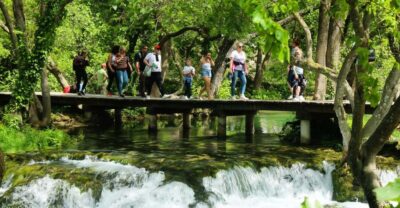
Krka Waterfalls With Boat Cruise, Wine and Olive Oil
Read our review →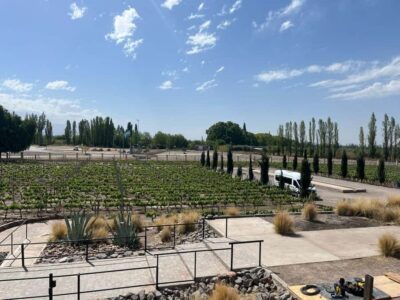
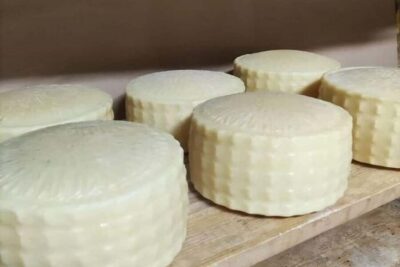
From Chania: Olive Oil, Wine, Cheese & Honey Tasting Tour
Read our review →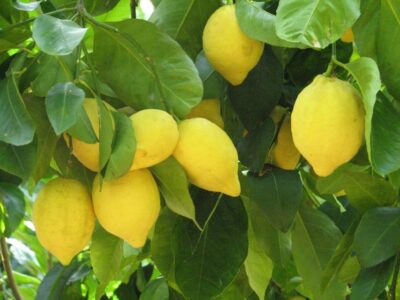
Lemon, Olive Oil and Wine Tasting Tour with Lunch
Read our review →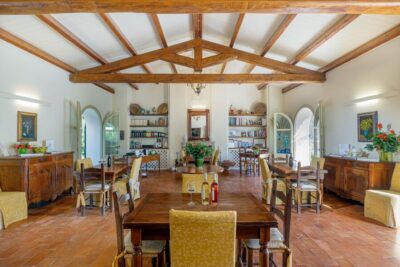
Alghero: Wine and Olive Oil Tasting at a Local Farm
Read our review →
Crete: Full-Day Cretan Wines, Olive Oil, Raki and Food Tour
Read our review →Lists this tasting appears in