
Reviewed · VINEYARD BIKE TOURS
From Verona: Amarone Wine E-Bike Tour with Tasting
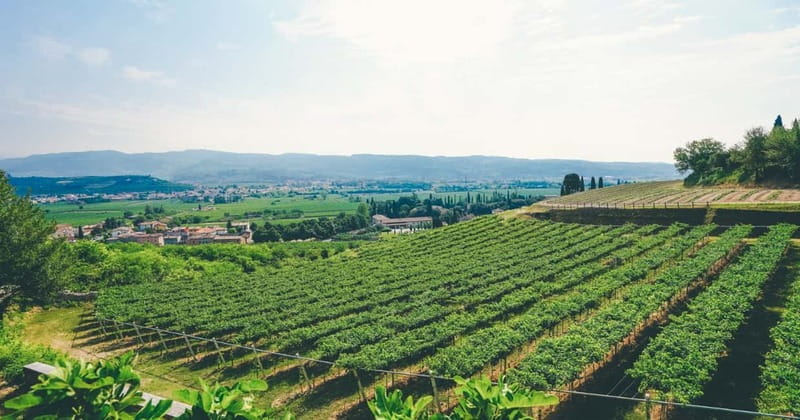
Amarone is not made in Verona’s old center. It comes from the hills to the northwest, where vineyards rise between Verona and Lake Garda. This four-hour e-bike tour gives you a practical way to reach that wine country without hiring a car or grinding up every hill under your own power.
I like two things in particular: the ride gives you broad views over Verona and Valpolicella, and the winery stop adds real context to the wine in your glass. The trade-off is important: part of the route follows narrow, curving roads shared with cars, so you need solid bike skills and enough confidence to ride in traffic.
Key points to know before booking
- A 34-kilometer round trip is possible: The electric bikes make the hills manageable, but this is still an active outing rather than a short ride.
- Amarone comes with a story: You learn how grapes are dried before fermentation and how wine production in the area reaches back to Roman times.
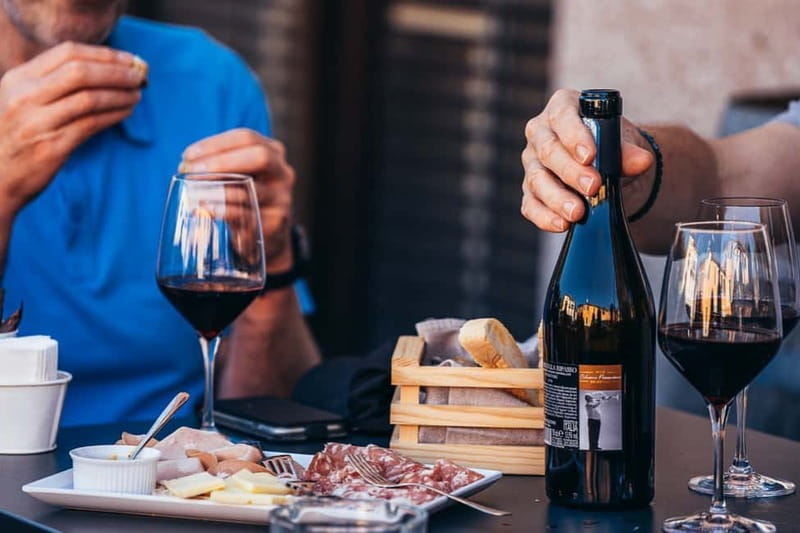
- The winery visit is the heart of the tour: Expect a traditional estate, a cellar or production explanation, and several local wines, sometimes served with cheese, salami, or other cold cuts.
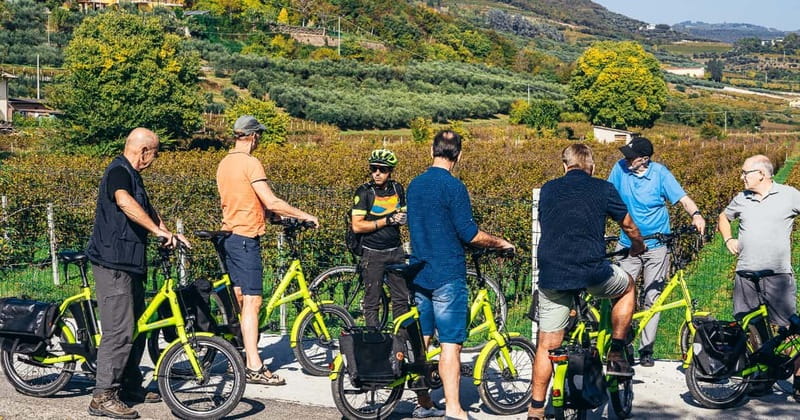
- Small groups help on open roads: The group is limited to 10 people, and the guide keeps riders together and watches the pace.
- The route is scenic but not traffic-free: Narrow bends and slippery surfaces after rain can make downhill sections more demanding.
- The meeting point is central and simple: You start and finish at Itinera Bike & Travel on Via Madonna del Terraglio, 5, in Verona.
From Verona streets to Valpolicella vineyards
The outing begins at Itinera Bike & Travel on Via Madonna del Terraglio, 5. After meeting your English-speaking guide, you receive an electric bike and helmet, then set off through Verona before reaching the countryside.
That change of setting is one of the best reasons to choose this tour. You do not simply appear at a winery by minibus. You watch the city thin out, feel the air change, and gradually reach the hills where the wine is produced. The ride connects Verona with its surrounding country in a way a standard tasting cannot.
The group is limited to 10 people, which matters on roads open to traffic. A guide can keep the riders together, adjust the pace, and help with turns and crossings. Guides named on recent outings include Lorenzo, Elias, Silvia, Francisco, Sophie, Sophia, and Tomaso. Your guide may differ, but the role is the same: lead the route, explain the area, and keep the group moving safely.
The ride is described as easy to intermediate. That means the electric motor handles much of the uphill work, not that you can sit back without effort. You still need to steer, brake, watch the road, and ride confidently around cars. If you can ride a bicycle well but dislike long climbs, this is a useful middle ground.
More Vineyard Bike Tours in Italy
- Rome by Night: E-bike Small Group Tour -Food & Wine (Option)
★ 4.9 · 1,233 reviews - Florence: Chianti Wine Region Vespa or Fiat Topolino Tour
★ 4.8 · 739 reviews - Tuscany Vespa Tour: Lunch & Wine Tasting, Countryside Roads
★ 5.0 · 614 reviews
Why the e-bike makes the hills worth it
Valpolicella is hilly, and the route can cover about 34 kilometers in total. On an ordinary bike, that distance and the climbs could turn a wine outing into an endurance test. With pedal assistance, the ride becomes far more approachable.
You still get the pleasure of cycling through vineyards and fresh country air, but you are less likely to spend the whole morning worrying about the next slope. Several rides have included hills that were made easy by the electric bikes, with riders able to focus on the views rather than their legs.
The bikes are described as comfortable and in good condition. A helmet is included. You should bring sports shoes, comfortable clothes, and a reusable water bottle. Wear clothing that lets you move freely, since you will be in the saddle for much of the morning.
Do not book this as a passive sightseeing trip. You need good riding skills, and the minimum height for the e-bikes is 155 centimeters, or about 5 feet 1 inch. The tour is not suitable for children under 14, people with mobility impairments, or anyone uncomfortable riding on public roads.
The views between Verona and Lake Garda
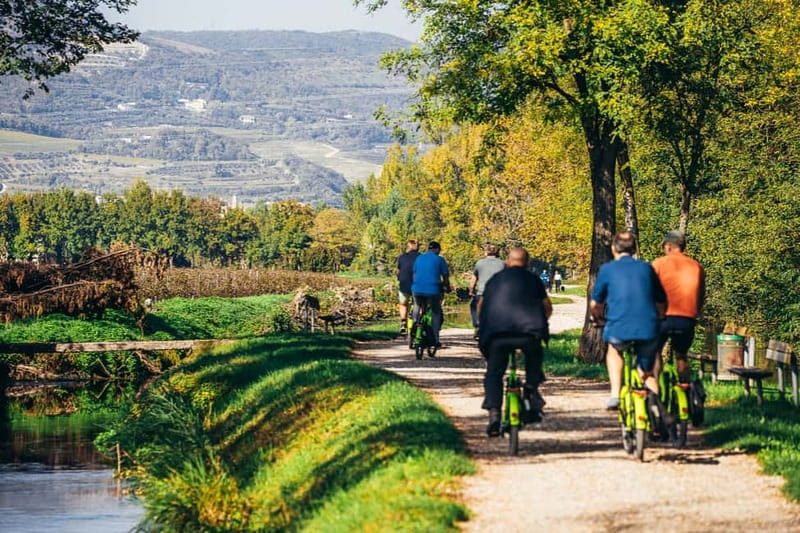
The scenery changes constantly as you leave the city. You pass vineyards, rolling hills, and open views back toward Verona. From higher points, you can look across valleys on both sides, giving you a better sense of how the city sits within the wider Veneto countryside.
This is not a route built around a long list of formal photo stops. The pleasure comes from the ride itself, with the guide pausing at useful viewpoints and pointing out places you might miss from a car. Francisco, for example, has been praised for explaining Verona’s major sights as well as smaller details along the way.
That city-to-country link adds value. You get some orientation to Verona before seeing the vineyards that supply its most famous red wines. The guide can also explain how the local terrain, grape growing, and old production methods fit together.
The route is especially appealing if you have already spent time among Verona’s monuments and want a change of pace. After a morning of churches, piazzas, and stone streets, the open hills feel like a proper break. Just keep in mind that the return ride is part of the four-hour schedule, so the winery visit does not mark the end of the activity.
Arriving at a traditional Valpolicella winery
The central stop is a local winery in the heart of the wine region. One outing visited the Villa Mosconi Bertani estate, where the group saw the historic property, vineyard, and cellar before tasting the wine. The exact winery can vary, so you should treat that estate as an example rather than a guaranteed stop.
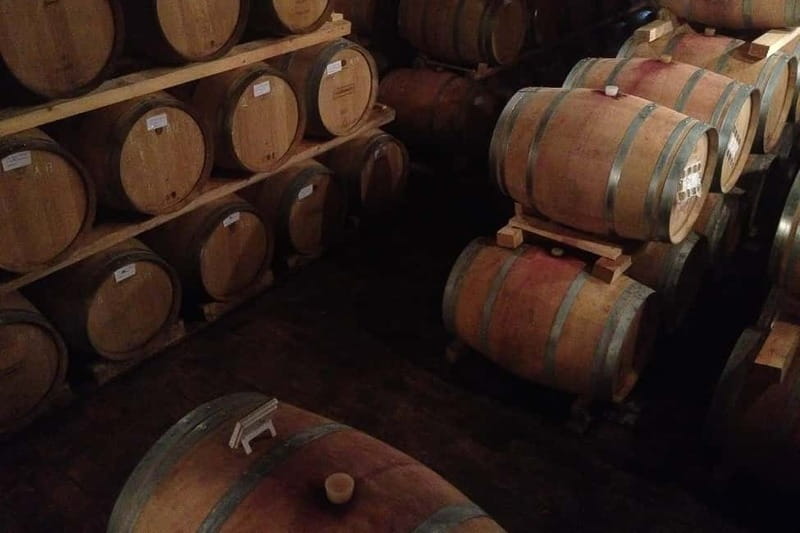
The visit gives you more than a glass and a quick sales pitch. You learn how the wine is made and why Amarone differs from simpler local reds. The area is known for drying grapes before fermentation. This reduces their water content and concentrates their flavor and sugar, creating the full-bodied style associated with Amarone.
The production story is useful because Amarone can seem expensive or heavy when you only encounter it on a restaurant list. Once you hear about the extra time and care involved in drying and processing the grapes, the wine makes more sense. The guide also places the tradition in a longer local story, with wine production in the region refined since Roman times.
The winery itself is part of the appeal. You may visit an old family-run property or a historic estate, with the hosts explaining the building, vineyard, cellar, and production methods. One family winery has been passed down since 1896, while another outing included a welcoming host named Selene. These details make the stop feel tied to the place instead of being a generic tasting room.
Same region, a different bottle:
- Tuscany Day Trip from Florence: Siena, San Gimignano, Pisa and Lunch at a Winery
★ 5.0 · 21,634 reviews - Florence: Pasta Cooking Class with Unlimited Wine
★ 4.9 · 10,285 reviews - Florence: Chianti Wineries Tour with Wine Tasting
★ 4.5 · 10,071 reviews - Small-Group Wine Tasting Experience in the Tuscan Countryside
★ 5.0 · 7,392 reviews
What you taste at the winery
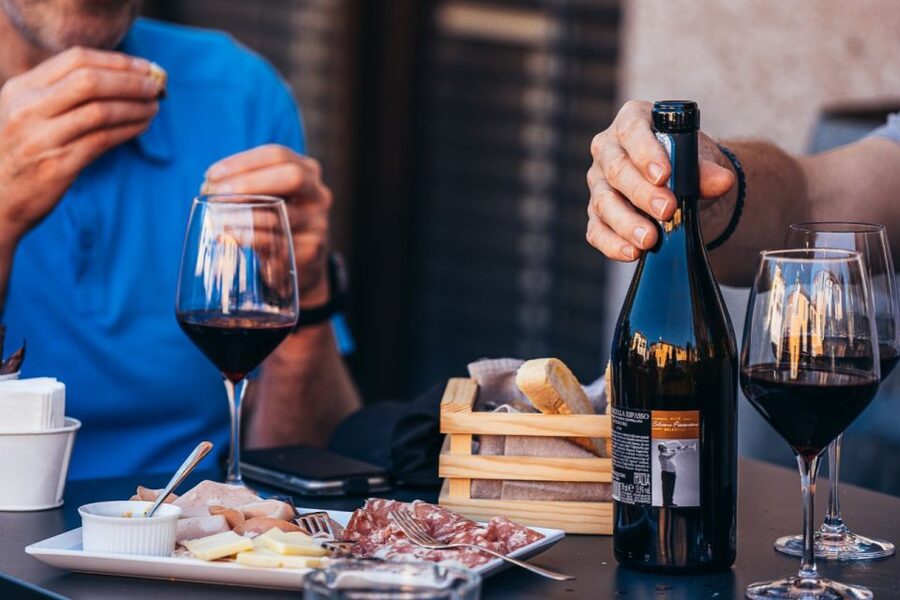
The tasting includes locally produced wines, with several outings featuring three wines. Amarone is the obvious focus, but the exact lineup can vary according to the winery.
Food is sometimes served with the tasting. Cheese, salami, and a cold-cuts platter have accompanied the wines on several visits. This is not a full lunch, so eat something beforehand if you normally need a substantial midday meal. The food is best understood as a regional pairing that helps you compare the wines, not as the main event.
I like this part of the experience because the tasting follows the ride. You have just passed the vineyards and heard about the grapes, then you sit down with wine produced in the same area. That connection is much clearer than tasting Amarone in a hotel bar in Verona.
The quality of the tasting can depend on the host and the winery assigned that day. Still, the consistent structure is useful: tour the property, hear about production, then taste the wines. A guide with wine training can add another layer. Sophie, for instance, has led outings as a wine specialist and sommelier.
Remember that the tour is conducted in English. If you want a formal technical tasting with extensive vocabulary about vintages, ask about the format when booking. The available information points to an accessible explanation suited to people who want to understand the region without taking a wine course.
Riding safely on narrow roads
The main caution is the road. Parts of the route use narrow, curved roads shared with car drivers. You are not cycling only on a protected path through vineyards.
That makes the guide’s handling of the group important. Guides have been praised for checking that riders stay together, choosing a steady pace, and taking care over safety. You should still remain alert and leave enough space for other road users.
Weather can change the feel of the route. After rain, downhill sections on rough country tracks may be slippery, especially on stones. If the forecast is wet, ask the operator about conditions and bring suitable clothing. The route is not described as technically difficult, but wet surfaces require slower braking and more care.
This is a good outing for a confident recreational cyclist. It is less suitable if you are nervous in traffic, have not ridden for years, or expect a flat family cycle path. The electric assistance solves the problem of steep hills, not every challenge that comes with road cycling.
Is four hours enough for the experience?
Four hours is a sensible length for a half-day plan. It gives you time to leave Verona, ride through the hills, visit a winery, taste several wines, and return to the starting point without taking over the whole day.
One drawback is that you may wish for more time once you reach the estate. The winery visit can last about an hour, and the cycling route takes up the rest. If you want a slow lunch, several estates, or a long cellar tour, you need a full-day wine excursion instead.
The half-day format works well if you are staying in Verona and have evening plans. You can fit the tour into a busy itinerary, then spend the afternoon in town. It also works well early in a Verona stay, since the guide gives you a wider sense of the region before you make other day trips.
Hotel pickup and drop-off are not included. You must reach the meeting point yourself and return there at the end. Since both the start and finish are at the bike shop, you do not have to coordinate a separate ride from the winery.
Is the $130 price fair?
The cost is about $130.28 per person. That is not bargain-bike-rental pricing, but it covers more than the bicycle itself: an English-speaking licensed guide, e-bike use, helmet, a winery visit, and a wine tasting.
The value rests on the combination. You could probably find a cheaper way to rent a bike, but then you would need to plan the route, handle the hills, locate a winery, arrange a tasting, and navigate roads outside the city. Here, the guide connects those pieces and provides local explanations along the way.
I find the price easier to justify if you value active sightseeing and small groups. The limit of 10 participants gives the guide a better chance to manage road crossings and answer questions. It also avoids the feel of a large bus excursion.
The price may feel high if you mainly want to sample Amarone. In that case, a tasting room in Verona could cost less and require much less time. You are paying for the ride, countryside access, and the bridge between the city and wine country, not just the number of wines in the glass.
Who should book this Valpolicella ride?
Book it if you want to see more than Verona’s historic center, enjoy cycling, and like the idea of earning your tasting through the countryside. It suits couples, friends, and solo visitors who are comfortable joining a small group.
It is also a good choice if you do not want to rent a car. Valpolicella’s roads and winery locations can be awkward to reach independently, while the guided route removes much of that planning.
Skip it if you want a relaxed, vehicle-based wine tour with no road riding. You should also skip it if you are below the 155-centimeter height requirement, under 14, dealing with mobility limits, or not confident on a bike.
The strongest reason to choose it is the balance of movement and place. You see Verona from the saddle, reach the vineyards under your own power, and taste Amarone where it is made. The strongest reason to hesitate is the traffic exposure. Know that before you book, and the tour is easier to judge honestly.
Final verdict: a strong choice for active wine lovers
I would book this tour if my Verona plans included wine but I also wanted fresh air, hills, and a closer look at the countryside. The electric bike keeps the route within reach, while the winery stop gives the tasting a sense of place.
You should not expect a flat bike path or a full-day food-and-wine program. You should expect a scenic ride, a small group, a careful guide, a traditional winery, and several local wines in roughly four hours.
The tour earns its price when you see it as a complete half-day outing rather than a simple tasting. If you ride confidently and want Amarone with a view of the vineyards that produce it, this is one of the more memorable ways to leave Verona for a morning.
FAQ
How long does the Amarone e-bike tour last?
The tour lasts four hours, including the ride from Verona to Valpolicella, the winery visit and tasting, and the return to the meeting point.
Where does the tour start and finish?
You meet your guide at Itinera Bike & Travel, Via Madonna del Terraglio, 5, in Verona. The tour ends back at the same meeting point.
Is the e-bike tour difficult?
The route is rated easy to intermediate. The hills do not require much effort because of the electric assistance, but you need good riding skills because parts of the route use roads open to traffic.
What is included in the price?
The price includes an English-speaking local licensed guide, use of an e-bike, a helmet, one winery visit, and one wine tasting session.
Can children join the tour?
Children under 14 cannot join. Riders must also meet the minimum e-bike height requirement of 155 centimeters, or about 5 feet 1 inch.
What should I bring?
Bring comfortable clothes, sports shoes, and a reusable water bottle. Hotel pickup and drop-off are not included.
Newest wine reviews around Italy
- Etna trekking and wine tasting★ 5.0 · 28 reviews
- Etna Tour and Lunch in a Winery with Wine Tasting★ 5.0 · 97 reviews
- Cooking Class and Wine Pairing in Capri★ 5.0 · 57 reviews
- WINE TOUR with sommelier in a winery near Cagliari★ 5.0 · 27 reviews
- Cagliari 3 Hours Luxury Motorboat Tour – Wine and Snorkeling★ 5.0 · 118 reviews
- Wine Experience: vineyard, wines and food★ 5.0 · 155 reviews
- Dinner in the vineyard with wine tasting and walk★ 5.0 · 58 reviews
- Wine Tour and Tasting of Lugana Wines in Desenzano★ 5.0 · 58 reviews
Vineyard Bike Tours, compared.
Rome by Night: E-bike Small Group Tour -Food & Wine (Option)
Read our review →
Wachau Valley Wine Tasting Bike Tour from Vienna
Read our review →
Chianti Wine Region Vespa or Fiat Topolino Tour
Read our review →
Burgundy Bike Tour with Wine Tasting from Beaune
Read our review →
Barcelona E-Bike Small Group Tour with Tapas & Wine Tasting
Read our review →
Tuscany Vespa Tour: Lunch & Wine Tasting, Countryside Roads
Read our review →
Tuscany Vespa Tour from Florence with Wine Tasting
Read our review →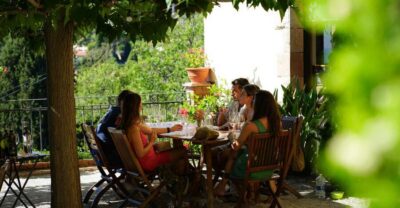
Lists this tasting appears in