Reviewed · WINERY TOURS
Građani: Winery Tour and Tasting at Winery Lipovac
The most unusual part of this winery visit is underground: Lipovac has a 60-meter cellar cut 10 meters below ground, along with Georgian clay qvevri and Italian terracotta amphorae. You get a close look at old and modern wine methods in one stop, with mountain views above.
I like the mix of local grape varieties and practical winemaking details. I also like that the tasting comes with Montenegrin prosciutto, cheese, and olives, so the wine is not served as a lonely little sip. The main consideration is that the experience is not designed for children or people with mobility limits.
Key points to know before you go
- Ancient methods meet modern equipment: See Georgian qvevri buried in the ground, Italian amphorae, French oak barrels, and professional bottling lines.
- Four wines are included: Taste a Chardonnay, a Vranac rosé, a red blend, and a premium red.
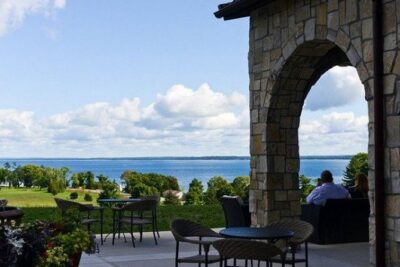
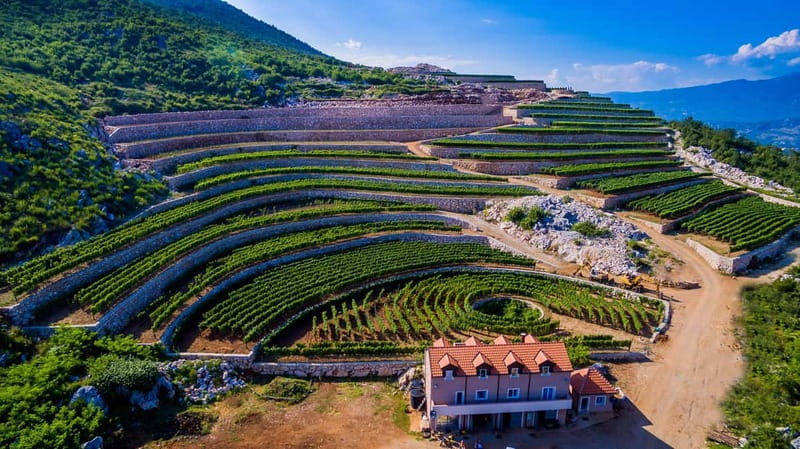
- The setting is part of the appeal: Lipovac sits on mountain slopes near the Skadar Lake reserve, with vineyards, wild scenery, and broad views.
- The visit is neatly timed: Expect about 45 minutes of touring followed by 45 minutes of tasting.
- The food pairing is local: Prosciutto, Montenegrin cheese, and olives accompany the wines.
- Wine and grappa are available to buy: You can purchase bottles directly from the cellar after the tasting.
Why Lipovac is more than a standard winery stop
Lipovac Winery is on the mountain slopes near the Skadar Lake reserve, a setting that gives the visit much of its character. You are not simply ushered into a tasting room and handed four glasses. The tour moves through vineyards, production areas, and cellar spaces before the tasting begins.
The winery describes itself as the largest private winery in Montenegro. Its story also reaches far beyond the current operation. Archaeological finds of amphorae and jugs point to winemaking traditions in this part of Montenegro dating to the 3rd century BC.
That does not mean you are touring an ancient winery. The present-day operation includes high-tech bottling equipment and carefully managed storage. The appeal is the contrast: old ideas about fermentation and aging are placed beside modern wine production.
I like this kind of visit because it gives you something to look at and think about before the first glass arrives. You can connect the region’s old wine culture with the wines being produced now, rather than treating the tasting as an isolated food stop.
The experience costs $35 per person and lasts 1.5 hours. For that price, you receive a guided visit, access to several parts of the winery, four wines, and local snacks. That is fair value if you want more than a quick tasting and you appreciate learning how wine is made.
More Winery Tours in the world:
- Tuscany Day Trip from Florence: Siena, San Gimignano, Pisa and Lunch at a Winery
★ 5.0 · 21,634 reviews - Florence: Chianti Wineries Tour with Wine Tasting
★ 4.5 · 10,071 reviews - Porto: Douro Valley with Winery Lunch, Tastings & Cruise
★ 4.7 · 7,002 reviews
Starting among Montenegrin grape varieties
Check in with the staff at the entrance to Lipovac Winery. The tour begins with the vineyards, where you see autochthonous grape varieties from Montenegro and get mountain views over the surrounding wild scenery.
This opening is useful because it gives you a sense of place before you move indoors. Wine can seem abstract when you only see a bottle label. Looking at the vines and the ground where they grow helps explain why local varieties matter.
One of the central grapes at Lipovac is Vranac, a traditional Montenegrin red variety. You encounter it in several forms during the tasting, including the Harmonia rosé and the red wines. This lets you compare how the same grape can behave under different winemaking methods.
The outdoor part of the visit may be especially appealing if you want a break from city sightseeing. You get mountain scenery and open space, but this is still a working winery visit rather than a long walk through the countryside. The tour is short, so do not expect an extended vineyard hike.
From bottling lines to a 60-meter cellar
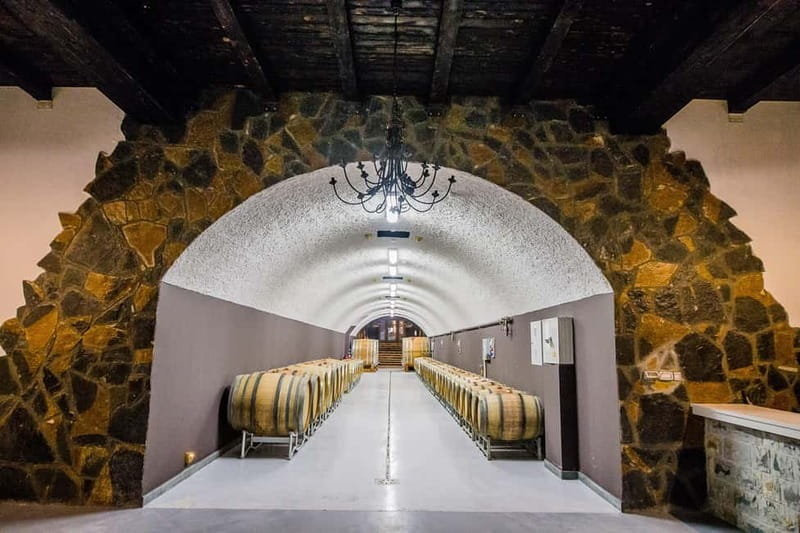
The guided tour continues into the technological hall, where you see professional bottling lines. This section gives the visit a practical edge. Instead of hearing only romantic stories about barrels and old traditions, you see the equipment used to prepare wine for sale.
The production hall may not be the most atmospheric stop, but it helps explain the work between fermentation and the bottle on your table. It also provides a useful contrast with the older methods shown later.
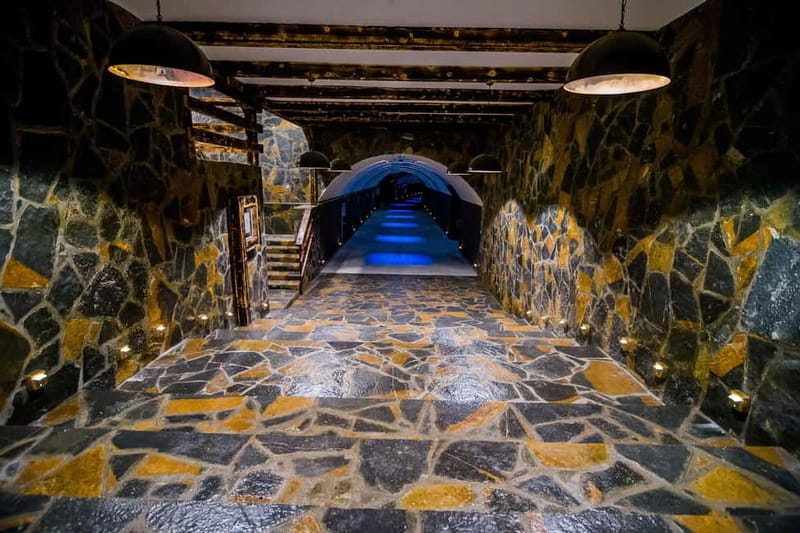
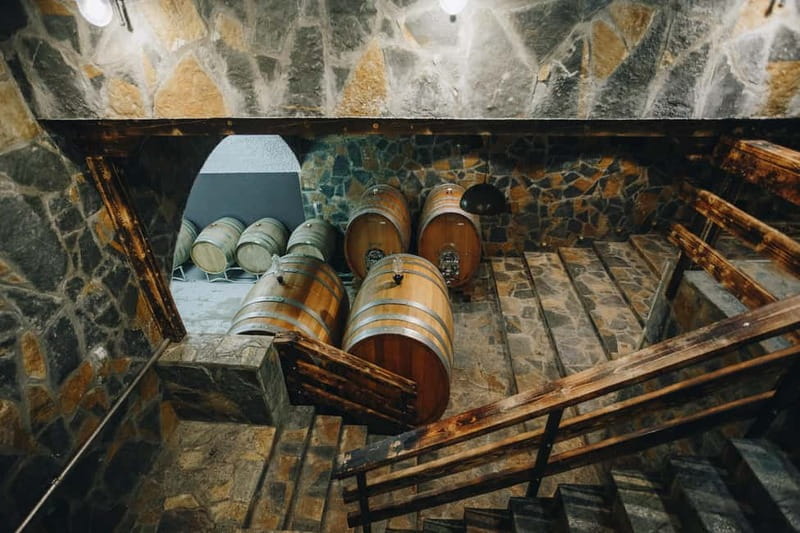
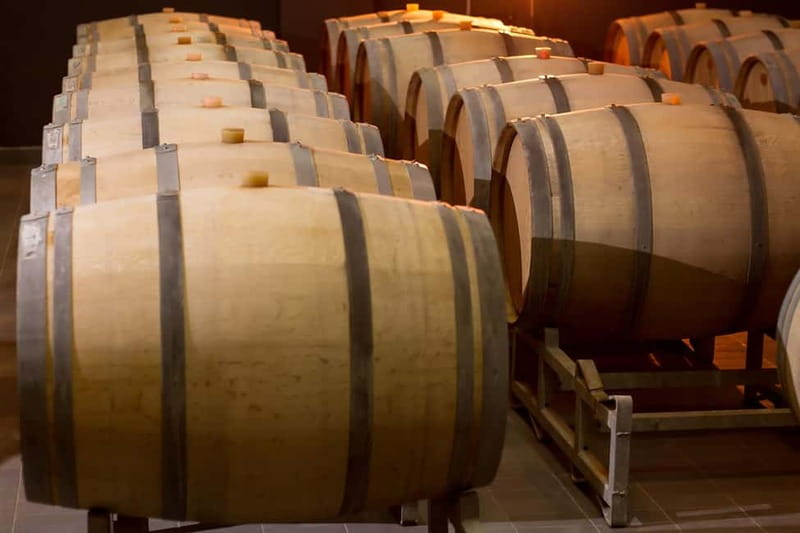
The most memorable indoor space is the handmade underground cellar. It is 60 meters long and 10 meters deep, with numerous barriques and large French oak barrels. Some of the barrels hold 2 tons or more.
That scale matters. A barrel is not just a decorative object in this cellar. The oak affects the wine during aging, and the size of the vessels gives you a better sense of how much wine a serious winery handles.
You will see bottles and barrels stored in a cool underground setting. The cellar is also a good place to ask questions about aging, storage, and the differences between wines that spend time in oak and those that do not. The precise amount of time for each wine is not specified, so you should not assume every bottle receives the same treatment.
Mobility is worth considering here. The tour includes an underground cellar and is specifically not suitable for people with mobility impairments. If stairs, uneven surfaces, or underground access are difficult for you, this may not be the right winery visit.
Qvevri and amphorae: two older ways to make wine
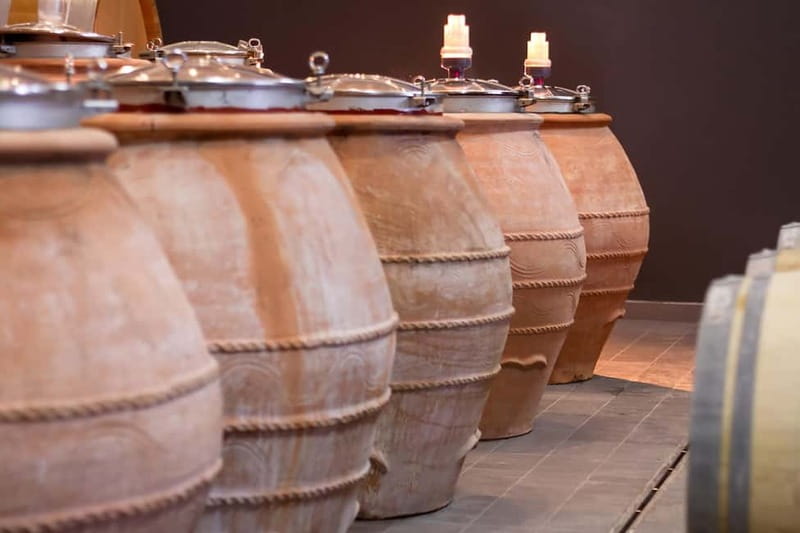
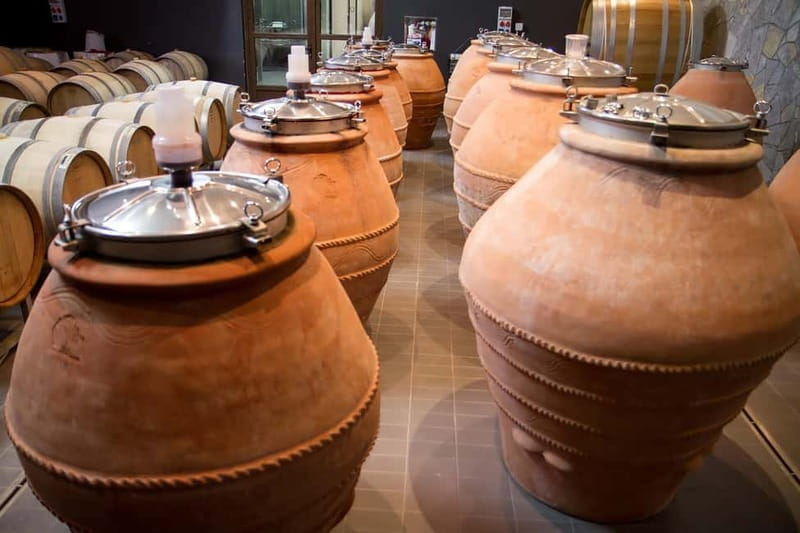
Lipovac includes two unusual features that make this more than a routine cellar tour: Georgian qvevri and Italian terracotta amphorae.
Qvevri are large clay vessels placed directly in the ground. This Georgian winemaking method has been included on UNESCO’s Intangible Cultural Heritage List since 2011. You do not just hear about the method in a book. You see the vessels installed at the winery and learn how they form part of Lipovac’s approach to wine.
The underground placement is important to the method. The earth helps provide a stable environment while the wine ferments or ages. The qvevri also connect Lipovac to a Georgian tradition that is very different from stainless steel tanks and French oak.
The Italian amphorae offer another old-world approach. The traditions of amphora wine were developed and refined by ancient Greeks and Romans. At Lipovac, these terracotta vessels are presented as a way to produce wines with a link to methods used many centuries ago.
I find the pairing of qvevri and amphorae especially useful for anyone who wants to understand how wine can be made without relying only on modern tanks and barrels. You can compare the vessels, the materials, and the traditions rather than hearing a single simplified story about ancient wine.
Do keep your expectations sensible. The tour shows these methods and explains their role, but the supplied details do not promise a full technical workshop or a chance to taste a separate qvevri-aged wine. The value is in seeing the equipment and learning how these methods fit into the winery.
More Wine Tours in the world:
- Amsterdam: Classic Saloon Boat Cruise with Cheese & Wine
★ 4.6 · 27,035 reviews - Amsterdam: Evening Cruise with Optional Wine and Snacks
★ 4.4 · 22,178 reviews - From Porto: Douro Valley w/ Boat Tour, Wine Tasting & Lunch
★ 4.7 · 19,061 reviews - Complete Douro Valley Wine Tour with Lunch, Wine Tastings and River Cruise
★ 5.0 · 12,920 reviews
Four wines with a proper Montenegrin snack plate
The tasting lasts about 45 minutes and includes four wines. The pours are paired with prosciutto, Montenegrin cheese, and olives, which turns the final part of the visit into a small regional food experience.
Here is what you can expect in the standard tasting:
- Lipovac Idea: A dry white Chardonnay aged in barrique. It has a light golden color, a firm structure, and notes described as fresh flowers and white peach.
- Lipovac Harmonia: A dry rosé made from Vranac. It has a distinctive color, good structure, and raspberry and wild strawberry notes.
- Lipovac Concept: A dry red wine with a ruby color and medium body. Its ripe fruit character is meant to give the wine a juicy feel.
- Lipovac Model: A premium dry red with a garnet color, an elegant structure, and fruit aromas. It is presented as a wine suitable for long bottle aging.
The line-up is well planned. The Chardonnay gives you a white wine with oak influence. The rosé shows Vranac in a lighter style. The two reds then move from a medium-bodied expression to a premium wine intended for longer aging.
The food matters here. Prosciutto brings salt and fat, cheese adds texture, and olives provide a sharp, savory bite. These are simple pairings, but they are useful because they show how local wine is likely to fit into a Montenegrin meal.
The descriptions suggest a tasting focused on fruit, structure, and texture rather than heavily technical analysis. You can enjoy the wines casually, or use the tasting to compare grape varieties and winemaking methods.
One useful tip: the standard experience includes four wines, but an expanded tasting may be available. A September visitor chose a tasting of eight wines and sampled the full range from the winery. If you want a wider comparison, ask about this option when booking. It may change the length or price, so confirm the details first rather than assuming it is part of the $35 visit.
What the tasting tells you about Montenegrin wine
Vranac deserves your attention here. It is the grape that gives the tasting its clearest local identity, appearing in the rosé and red selections. If you are more familiar with French or Italian varieties, this is a chance to try a grape closely tied to Montenegro.
The tasting also gives you a simple lesson in style. A grape does not produce just one kind of wine. Vranac can make a pale rosé with berry notes or a deeper red with more body and structure. The two versions help you notice how color, weight, and fruit character change.
The Chardonnay is less local in identity, but it broadens the comparison. Lipovac Idea is a barrique-aged white, so you can see how a familiar international grape is handled at this winery. The contrast between the Chardonnay and Vranac wines keeps the tasting from feeling repetitive.
Lipovac Model is aimed at people who enjoy wines with aging potential. You may find its structure more serious than the other pours, though the exact vintage and bottle age are not specified. If you are thinking about buying a bottle, ask the staff about current vintages and storage advice.
The setting, service, and a small visual mismatch
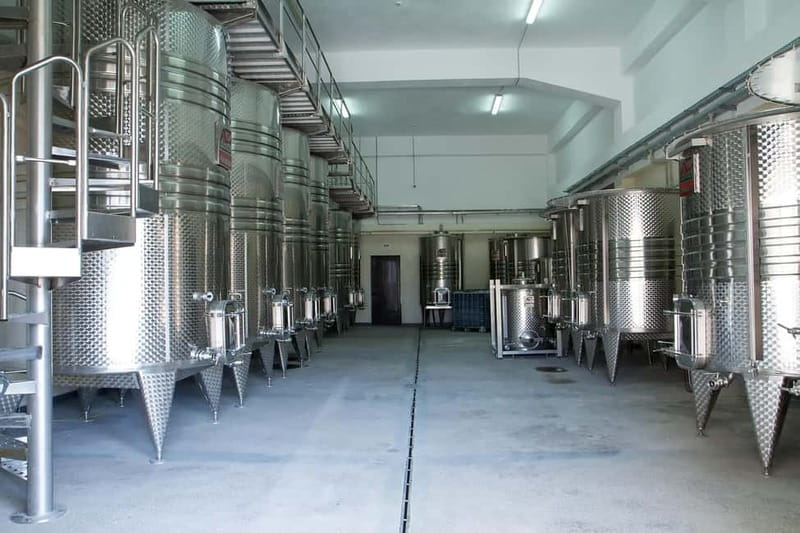
The winery’s mountain location is one of its strongest features. One verified booking described the setting as astonishing and found the host and tour worthwhile from start to finish. That matches the basic appeal of the visit: the scenery gives the tasting a clear sense of place.
The atmosphere also appears less touristy than some larger wine attractions. An August visit specifically praised the flexibility and the fact that the experience did not feel overly commercial. That is good news if you prefer a personal stop with room for questions.
Still, you should know that promotional images may set the wrong expectation. A visitor who chose the eight-wine option found that the actual tasting room was not the majestic space shown in the photograph, even though it had some similarities.
That is not a reason to cancel. It is simply a useful correction. Come for the vineyard setting, the cellar, the winemaking methods, and the wine itself. Do not book solely because you expect a grand, palace-like tasting hall.
The tour is offered in English, Russian, and Serbian. No individual guide names are provided, so the quality of the visit may depend on which host is leading the group. Staff at the entrance handle check-in, and the experience is described as tailor-made, suggesting some flexibility in how the tour is presented.
Who should book this winery visit
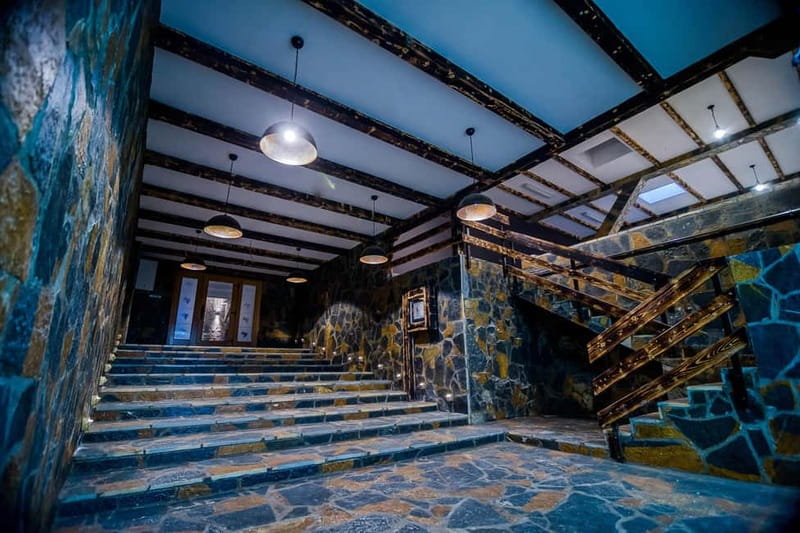
I would recommend Lipovac to adults who enjoy wine, regional food, and the mechanics behind production. It is a good fit if you want to see more than a tasting counter and you are curious about qvevri, amphorae, oak aging, and bottling.
It also suits a short Montenegro itinerary. At 1.5 hours, the visit is long enough to feel substantial but short enough to fit around other sightseeing near Skadar Lake. You can spend roughly half the time touring and half tasting, with no need to give up an entire day.
The experience may not suit you if you are looking for a polished luxury tasting room, a long vineyard walk, or a child-friendly outing. It is also unsuitable for children under 18 and people with mobility impairments.
You can cancel up to 24 hours in advance for a full refund, and the reserve-now, pay-later option keeps your plans flexible. Starting times vary, so check availability before planning the rest of your day.
Wine and grappa can be bought directly from the cellar. This is convenient if you find a bottle you like, though you should ask about current stock and transport before purchasing more than you can comfortably carry.
Should you book Lipovac Winery?
Book this experience if you want a compact, fairly priced introduction to Montenegrin wine with real production spaces and unusual old-world methods. The combination of mountain views, Vranac wines, a long underground cellar, qvevri, amphorae, and local snacks gives the visit more substance than a basic four-glass tasting.
At $35, the value is strongest for adults who will pay attention to the tour as well as the wine. If you only want to drink wine in a beautiful room, the photo mismatch may disappoint you. If you want to understand how Montenegrin wine is made and taste several styles in one visit, Lipovac is a sensible choice.
FAQ
How long does the Lipovac Winery experience last?
The visit lasts 1.5 hours, with about 45 minutes for the guided tour and 45 minutes for the wine tasting.
How many wines are included?
The standard tasting includes four wines: a barrique-aged Chardonnay, a Vranac rosé, a dry red, and a premium dry red.
What food is served with the wine?
The tasting includes Montenegrin prosciutto, cheese, and olives.
Which languages are available for the tour?
Live guides are available in English, Russian, and Serbian.
Is the winery suitable for children?
No. The experience is not suitable for children under 18.
Can I buy wine at Lipovac Winery?
Yes. Wine and grappa can be purchased directly from the cellar.
Newest wine reviews around the world
- Jersey Premium Vineyard and Distillery Wine Tour and Tasting★ 5.0 · 176 reviews
- Charleston Winery, Brewery & Sightseeing Tour★ 5.0 · 39 reviews
- Gastronomy tour and wine tasting in traditional villages★ 5.0 · 32 reviews
- Wine & Olive Oil Tour with lunch at the White Mountains★ 5.0 · 71 reviews
- Kefalonia: Private Olive Oil, Honey & Wine Tasting Experience★ 5.0 · 32 reviews
- Chania Walking Food And Wine Night Tour★ 4.5 · 31 reviews
- Manousakis Winery Shuttle Service Tour and Taste★ 4.5 · 34 reviews
- Dreamy Cruise sunset tour with dinner and unlimited wine!★ 5.0 · 41 reviews
Winery Tours, compared.

Tuscany Day Trip from Florence: Siena, San Gimignano, Pisa and Lunch at a Winery
Read our review →
Douro Valley with Winery Lunch, Tastings & Cruise
Read our review →
Montserrat, Cogwheel, Black Madonna & Winery Tour
Read our review →
Montserrat with Black Madonna & Medieval Winery with Tapas/Lunch
Read our review →
Wine Tour: Paarl, Franschhoek & Stellenbosch incl 3 wineries
Read our review →
Douro Valley Tour: 2 Vineyard Visits, River Cruise, Winery Lunch
Read our review →