
Reviewed · MENDOZA WINE TOURS
Mendoza: Half-Day Wine Tour with Tastings
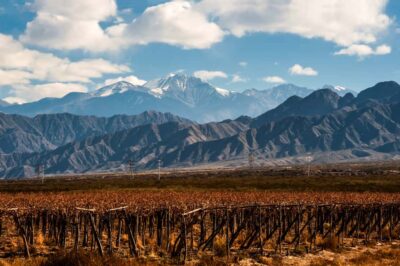
Mendoza’s wine country begins with an unlikely fact: this is a desert made productive by water. The Huarpes, the region’s native people, developed the canal system that helped turn dry ground into vineyards and olive groves. This tour gives you that useful bit of context before taking you to wineries in Luján de Cuyo or Maipú.
I like the compact five-hour format and the clear mix of two wine tastings plus olive oil. I also like the price, $43, which makes this a sensible first look at Mendoza’s wine scene rather than a full-day splurge.
The main drawback is that the wineries change from day to day, and some stops can feel busy or rushed. You should also eat before pickup: lunch is not included, and there may be little time to find food between visits.
Key points to know before booking
- Two wine stops in one afternoon: You learn production methods and taste wines at two selected wineries.
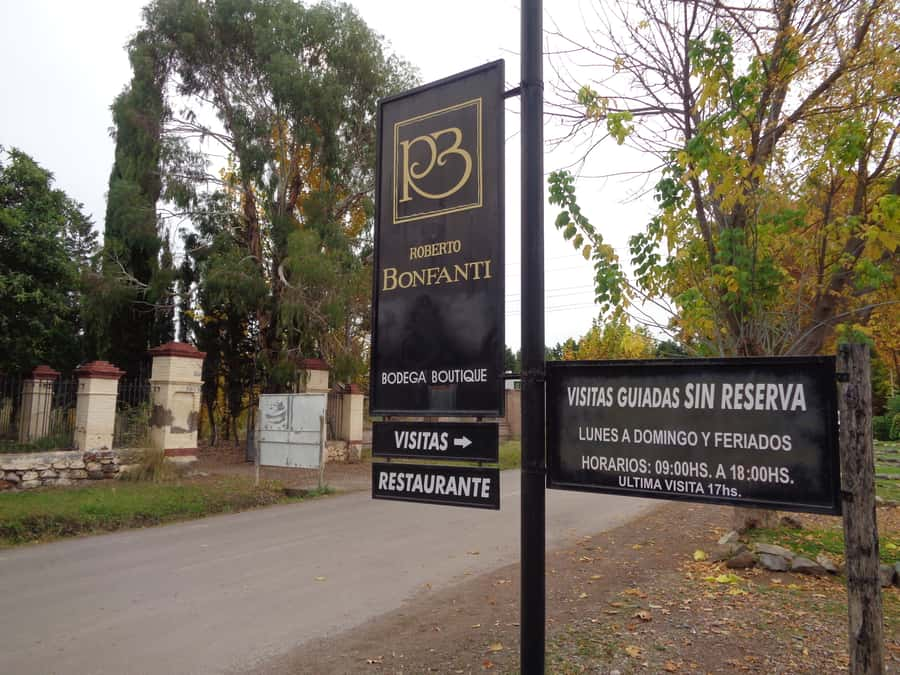
- A useful contrast: Depending on the day, you may visit a large producer such as Bodega Lopez and a smaller operation such as Don Arturo or Bodega Bonfanti.
- Olive oil is part of the regular option: The stop may be at Pasrai or Laur, with tastings of oils, olives, and sometimes balsamic vinegar.
- English support is taken seriously: Tours operate in English, Spanish, and Portuguese, with separate language groups used at some stops.
- Good value at $43: Hotel transport, guiding, winery visits, wine tastings, and olive oil tastings are included.
- Plan for changing stops: The exact wineries and olive oil factory depend on availability each day.
Why Mendoza’s desert vineyards matter
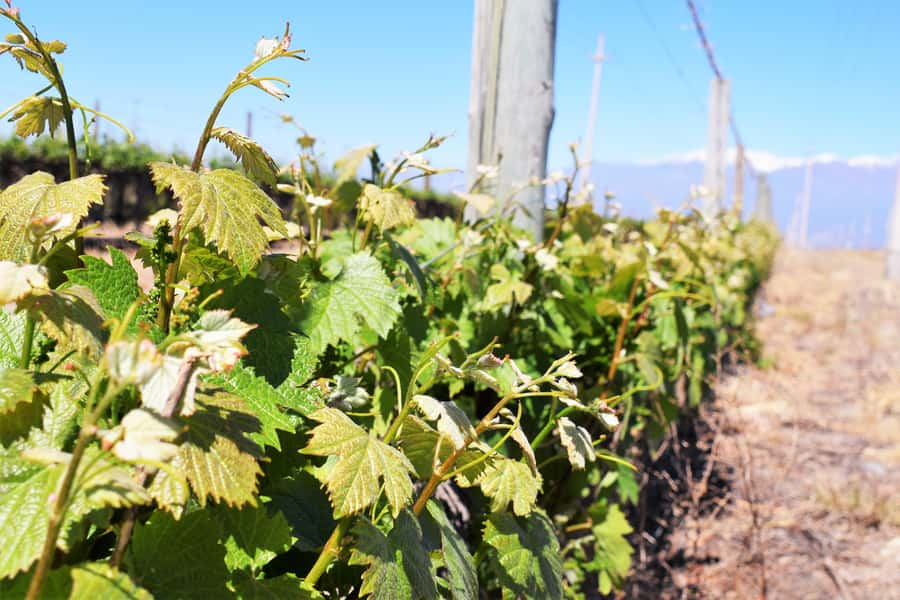
Mendoza’s wine country is more than a string of tasting rooms. It is a practical lesson in how people farm in a very dry part of Argentina.
Your guide explains how irrigation canals carry water through the region. That system has roots in the work of the Huarpes, whose methods helped make cultivation possible long before modern wineries arrived. As you ride out from Mendoza City, the story gives the vineyards a stronger sense of place.
I find this introduction useful because it explains the setting before you taste anything. The vineyards are not simply growing in naturally damp farmland. They depend on managed water, careful planting, and a long chain of human work from grape to bottle.
The guide also points out changes in the area over time. Guides such as Fabricio, Marta, Mica, Mafalda, and Claudia have been praised for keeping the ride informative without making it feel like a lecture. The exact guide will depend on the day, but English, Spanish, and Portuguese are offered.
More Half-Day Trips in Argentina:
- Montserrat Half-Day Tour with Tapas and Gourmet Wines
★ 5.0 · 7,359 reviews - From Florence: Chianti Half-Day Wine Tour with Tasting
★ 4.5 · 3,031 reviews - From Barcelona: Montserrat Half-Day Wine and Tapas Trip
★ 4.8 · 1,918 reviews
The ride from Mendoza City to wine country
Pickup is included from accommodation in central Mendoza City. The listed meeting point is around Av. Sarmiento 501-599, and the drive to the first area takes about 30 minutes.
That short ride matters. You are not spending half the day in a van just to reach the vineyards. The journey also gives your guide time to explain Mendoza’s irrigation, wine regions, and local production.
Transport is by bus or coach. Most of the route is broken into roughly 30-minute drives between stops. That keeps the day moving, though it also means the schedule is fairly firm.
Group size can vary. Some departures have been around a dozen or 15 people, while larger groups are possible. If several languages are represented, the guide may divide the group at the wineries. This can work well for English speakers, since you may receive a dedicated explanation rather than wait for every sentence to be repeated in three languages.
There has been an occasional transport problem, including a reported case in which two people were briefly left behind at a winery. That appears to be unusual, but I would still count heads before the bus pulls away and stay aware of the pickup instructions.
First winery: learning the path from grape to bottle
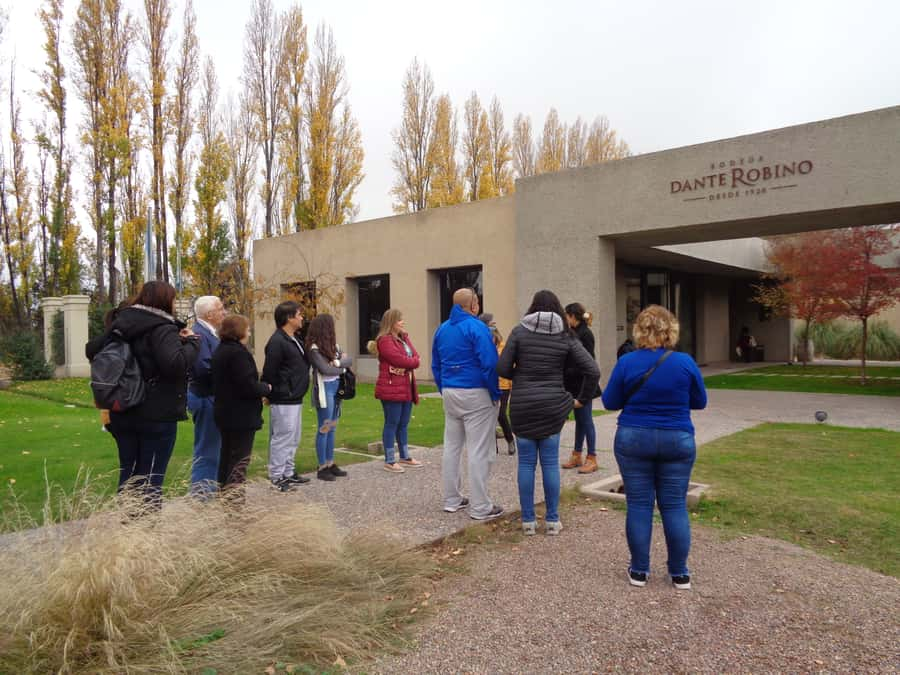
The first winery gives you the basic framework for the rest of the afternoon. A local guide walks you through wine production, from grapes arriving at the facility to fermentation, storage, and bottling.
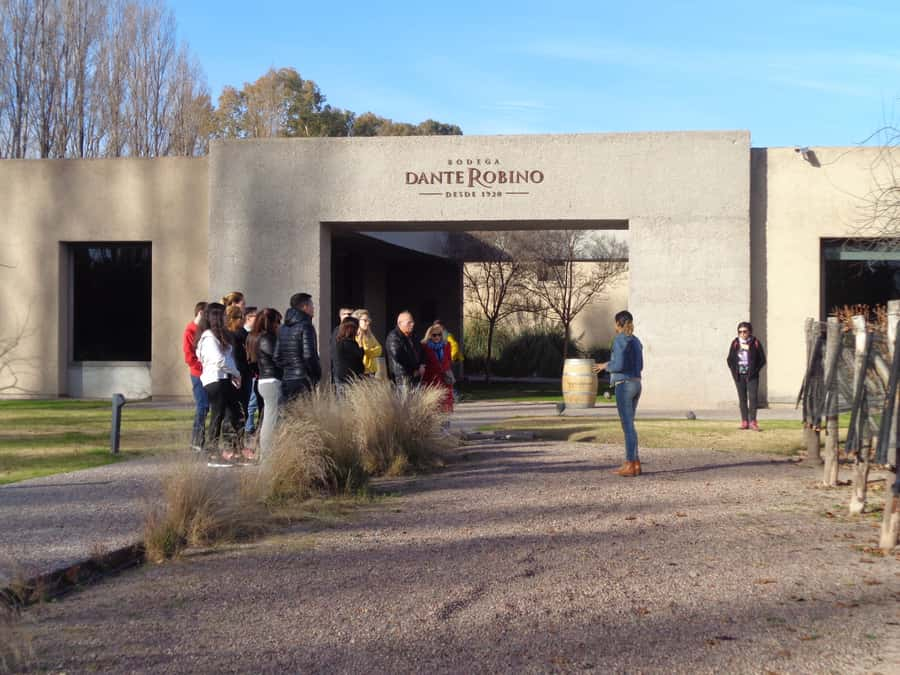
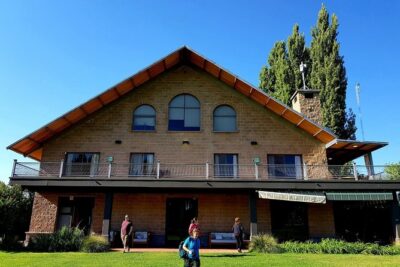
The exact property changes. Possible wineries include Bodega Lopez, Bodega Nieto Senetiner, Bodega Vistandes, Bodega Bonfanti, Bodega Florio, Bodega Dante Robino, Bodega Don Arturo, and Bodega Cecchin.
That list covers different styles of operation. Bodega Lopez, for example, has been described as a more corporate and established producer. Don Arturo offers a smaller, more intimate family-style contrast. Cecchin may bring an organic angle, depending on the departure.
You should not expect a long vineyard walk at every stop. Some places are production facilities with only a small patch of vines nearby. If your main goal is to wander through endless rows of grapes, a dedicated vineyard day will suit you better.
For a first introduction, though, the factory-side explanation has real value. You see how a winery works rather than simply standing at a bar with a glass in hand. The tasting usually follows the tour, when the production details are still fresh.
Wine tasting with different levels of polish
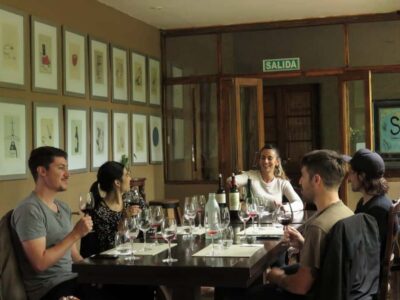
The wine samples are a central part of the experience, but the quality of the presentation can vary with the winery and the crowd.
At the stronger stops, the local guide explains the wines clearly and connects them to the production process. One highly praised presentation at Bodega Lopez was described as passionate and clear. English-language winery guides have also been effective at keeping international visitors involved.
At other stops, the tasting may feel more commercial. Several buses can arrive at the same time, making the room noisy and the presentation less personal. The schedule can also feel tight if one language group finishes before another.
The wines themselves are not identical from day to day. You might taste several different varieties, and one departure included seven wines across three winery stops. Another included only a few pours at a shorter final visit.
Bodega Florio has received mixed practical reactions because its wines may lean sweet and the visit can sometimes be brief. That does not make it a bad stop for everyone, but you should not book this tour expecting every tasting to match a private cellar experience.
The best approach is to treat the tasting as an introduction. Take note of the styles you enjoy, ask questions, and use the tour to decide which Mendoza winery deserves a longer visit later.
More Wine Tours in Argentina:
- From Mendoza: 3 Wineries, Olive Oil Factory Tour & Tasting
★ 4.6 · 901 reviews - From Salta: Full-Day Tour to Cafayate with Wine Tasting
★ 4.5 · 478 reviews - From Salta: Cafayate, land of wines and imposing ravines
★ 4.4 · 347 reviews - From Salta: Cafayate Day Trip with Wine Tasting
★ 4.4 · 226 reviews
The olive oil stop at Pasrai or Laur
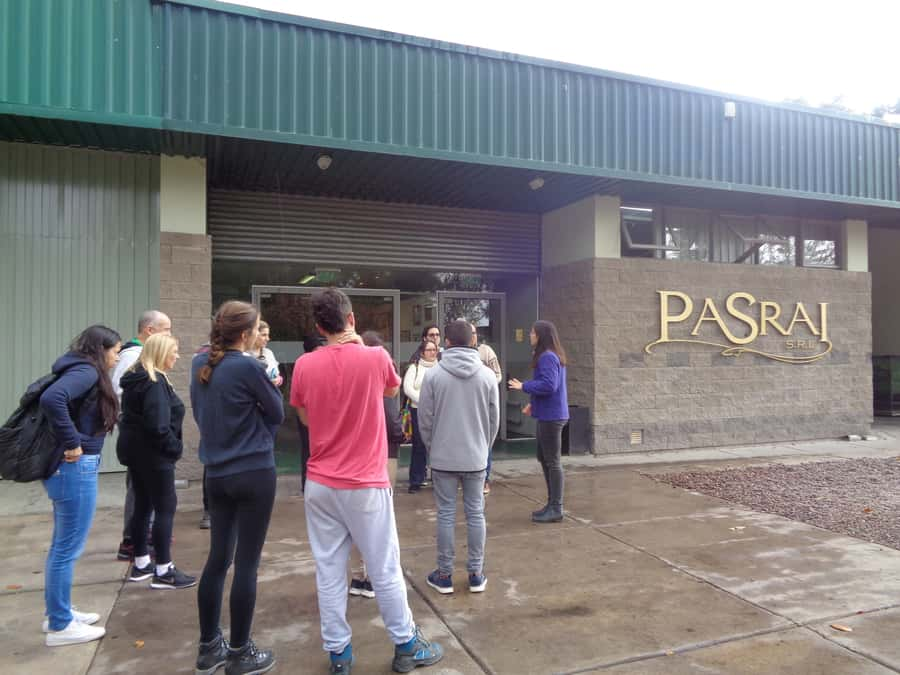
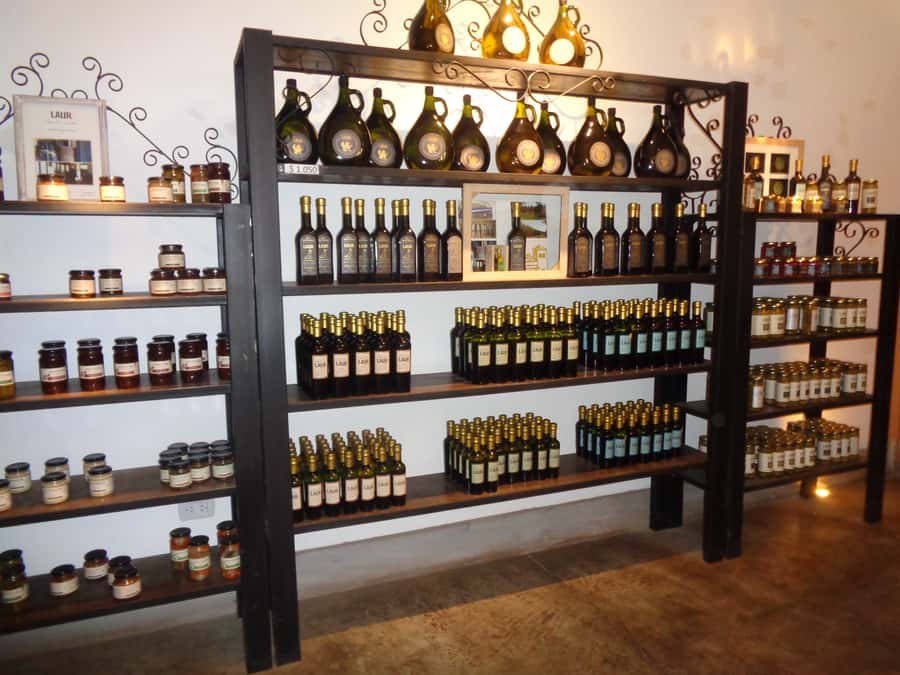
The olive oil factory adds a useful second flavor to the afternoon. In the regular option, this is the olive oil visit you should expect. The stop may be at Pasrai or Laur, depending on availability.
You learn how olives are processed and taste different oils and olive products. Some visits also include olives and balsamic vinegar. One unusual weather-related change led a guide to arrange an introduction to vinegar production at Laur, which shows that the day can sometimes be adjusted when conditions interfere.
This is not just filler between wineries. Olive cultivation is another important use of Mendoza’s irrigated ground, and the tasting helps you understand the region beyond wine.
Many people find this stop more interesting than expected because the samples make the explanation concrete. You can compare oils, taste olives, and see how vinegar fits into the same food-producing tradition.
Timing matters here. The olive oil visit is described as short, and the focus is on a guided introduction with tastings rather than a long factory tour. If you want an in-depth olive agriculture lesson, you will need a specialist visit. If you want a pleasant change from wine and a chance to reset your palate, this stop fits well.
How language support works
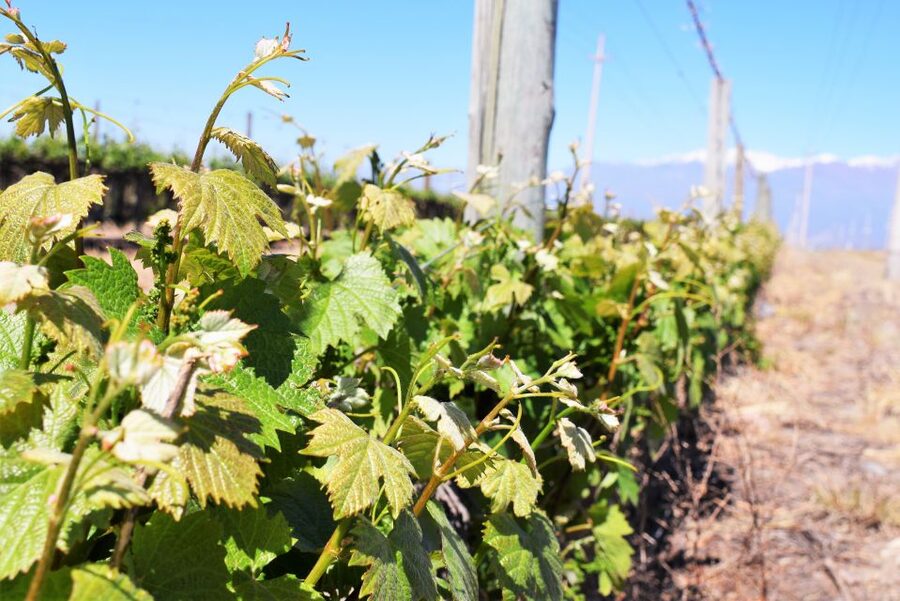
The tour is offered in English, Spanish, and Portuguese. That is one of its strongest practical features for international visitors.
When the group includes different languages, guides may split people into language groups at each winery and at the olive oil factory. English-speaking visitors have sometimes received a dedicated guide even when they were the only English speakers in the vehicle.
The quality of interpretation depends on how the group is managed. Several guides, including Marta, Mica, and Fabricio, have been praised for explaining clearly in both Spanish and English. One departure had a problem when a guide spoke loudly in Spanish during the bus ride and left too little space for the English explanation.
If you want information about the countryside during the drive, ask early and politely for the English commentary. At the stops, the language arrangements are generally clearer than on the bus.
The multilingual setup can extend the timing. You may finish one part of a visit and wait while another group completes its explanation. That is a small tradeoff for having your own language supported.
The pace, comfort, and food question
Five hours is a good length for many people. You get two wineries and an olive oil factory without giving up an entire day. One well-founded advantage is that the schedule gives you an introduction without the fatigue of a longer wine circuit.
The pace is active. Expect roughly 30-minute drives and about an hour at the main visits, including guided explanations and tastings. You will be on your feet at times, so comfortable shoes are sensible.
There is no lunch. This is the detail most likely to catch someone off guard. Eat before pickup, because there may not be enough time to stop for a proper meal on the route.
A small snack may be wise if you need food between tastings, though the supplied information only confirms that lunch is not provided. The tour is better viewed as an afternoon of education and sampling, not a food-and-wine lunch excursion.
Bring your passport or ID card as well. Comfortable clothes and shoes will make the production visits easier, especially if the winery tour involves walking through working areas.
What $43 gets you
At $43 per person, this is one of the more economical ways to reach Mendoza’s wine country from the city. The price includes hotel pickup and drop-off, transport, a multilingual guide, guided visits to two wineries, wine tastings, and a guided olive oil visit with tastings.
That is a strong package for a half-day. You are paying for transport across two wine districts as well as access to several hosted stops. Arranging the same number of visits independently could involve taxis, transfers, and separate tasting fees.
The lower price comes with limits. You do not choose the exact wineries, the stops change by availability, and the group setting can feel less personal than a private tour. The experience also centers on production visits rather than a long meal, a private tasting, or a scenic vineyard picnic.
I would compare it with the cost of a full-day premium wine tour only if you want a more polished and slower experience. For a first day in Mendoza, or for someone with limited time, the savings are meaningful.
The free cancellation window is up to 24 hours before departure, and you can reserve while paying later. Starting times vary, so check availability for your date.
Who should book this Mendoza wine tour?
I would choose this tour if you want a practical first look at local wine without committing a full day. It suits solo visitors, couples, and small groups who prefer transport and guiding to the work of arranging several remote stops.
It is especially useful if you are staying in central Mendoza City and want pickup included. The multilingual format also helps if you are not comfortable touring in Spanish.
You will get the most from it if you enjoy learning how products are made. The best moments come when the guide links irrigation, winery machinery, fermentation, olive processing, and tasting.
I would choose a different format if you want a quiet private tasting, a long vineyard walk, a gourmet lunch, or a guaranteed visit to one particular bodega. The changing schedule is part of the deal.
Should you book it?
Book this tour if value, convenience, and variety matter most. For $43, you receive a five-hour introduction to two Mendoza wine areas, two winery tastings, an olive oil stop, transport, and multilingual support.
Go with realistic expectations. The wineries may range from large and polished to small and family-run. One stop may feel excellent, while another may be brief or crowded. Eat first, keep your schedule flexible, and ask your guide questions.
For many visitors, that tradeoff is worthwhile. You get a useful introduction to Mendoza’s irrigation and wine production, a taste of local olive oil, and a friendly half-day without the cost of a private excursion.
FAQ
How long does the Mendoza wine tour last?
The tour lasts five hours, including transport between Mendoza City, the wineries, and the olive oil factory.
How many wineries will I visit?
You will visit two selected wineries in the regular format. The exact wineries change each day based on availability, and some departures may include a third winery if the olive oil visit is unavailable or conditions require a change.
Is the olive oil factory included?
Yes. The regular option includes a guided visit to an olive oil factory with tastings. The factory may be Pasrai or Laur, depending on availability.
Is lunch included?
No. Lunch is not included, and there may be little time to buy food during the tour. Eat before pickup.
What languages are available?
Guiding is available in English, Spanish, and Portuguese. At some stops, groups are divided by language so each group can receive its own explanation.
Where does pickup take place?
Pickup and drop-off are included at accommodation in central Mendoza City. The listed meeting area is Av. Sarmiento 501-599 in Mendoza.
Newest wine reviews around Argentina
- Discover Argentine Wines Paired with Delicious Tapas★ 5.0 · 51 reviews
- Sailing with Wine Tasting in Buenos Aires★ 5.0 · 50 reviews
- Mendoza: Premium Wine Tasting★ 4.4 · 48 reviews
- Mendoza: Wine Tasting Tour with Lunch and Private Transport★ 4.6 · 48 reviews
- Mendoza: Winebike Tasting Tour with Optional Lunch★ 4.1 · 73 reviews
- Mendoza: Top Wineries Guided Tour with Transportation★ 4.8 · 99 reviews
- From Salta: Cafayate Day Trip with Wine Tasting★ 4.4 · 226 reviews
- Buenos Aires: Palacio Barolo Guided Night Tour with Wine★ 4.4 · 54 reviews
Mendoza Wine Tours, compared.
Wine Tasting Tour with Lunch and Private Transport
Read our review →
Lists this tasting appears in