
Reviewed · NAPLES WINE TOURS
Naples: Premium Pizza Class From Dough to Dessert & Wine
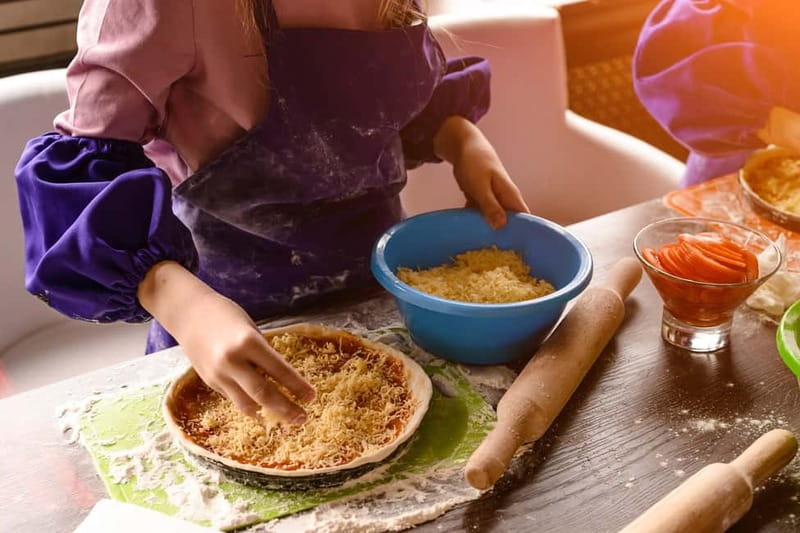
Naples takes pizza seriously, and this class lets you work beside a pizzaiolo in a 2017 World Pizza Championship winning pizzeria. You mix four basic ingredients, learn the old staglio method for forming dough balls, stretch your own base, and watch it turn into dinner in a wood-fired oven.
I like the individual workstation for every participant, which means you are not just watching a demonstration. I also like the complete meal: a savory Margherita, fried dough bites filled with chocolate spread, a drink, and limoncello. The main consideration is that the dough may not have enough time to rise fully during a two to three hour class, so the team may use prepared dough or turn your batch into bread, depending on the session.
Key points to know
- You work with four simple ingredients: water, flour, salt, and yeast form the base of the lesson.
- You learn staglio: this traditional technique divides the dough into individual panetti, or dough balls.
- You bake in a wood-fired oven: the pizzaiolo handles the heat while you learn how the pizza behaves inside.
- You eat more than Margherita: the class includes fried dough bites filled with chocolate spread, often called little angels.
- Small groups make a difference: each person has a personal station, with private options also available.
- The teaching is in Italian and English: a guide may translate when the pizzaiolo does not speak English.
Why this class fits Naples so well
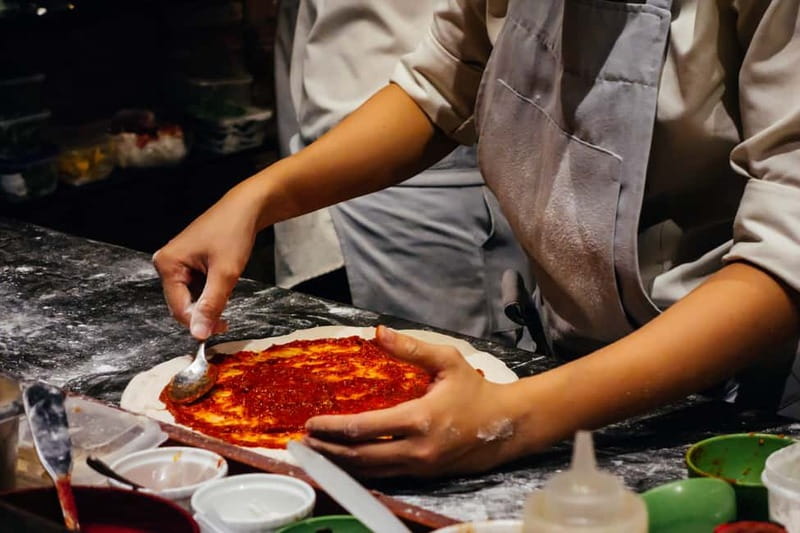
A pizza class can easily become a tourist show with a little flour tossed around for photographs. This one has a stronger sense of place because the lesson takes place inside a real Neapolitan pizzeria, not a generic cooking studio.
The focus is not on a long list of toppings. It is on dough, heat, timing, and restraint. That is a useful lesson in Naples, where a classic pizza often depends more on a good crust and excellent ingredients than on complicated decoration.
You make a Margherita with San Marzano tomatoes, buffalo mozzarella, basil, and DOP extra virgin olive oil. These ingredients connect the class to Campania, and the simple topping gives you nowhere to hide. If the dough is wrong, you will know it. If the heat is right, you will know that too.
I especially like that the experience treats pizza as both food and local culture. Guides explain the background of Neapolitan pizza and the role of traditional methods, while the pizzaiolo shows the practical details that are hard to learn from a recipe alone.
More Sweet Stops in Italy:
- Rome: Pasta Making Class with Wine, Limoncello, and Dessert
★ 4.9 · 3,177 reviews - Florence: Handmade Pasta & Dessert Class with Unlimited Wine
★ 4.8 · 788 reviews - Florence: Pasta Class with Wine, Limoncello and Dessert
★ 4.9 · 674 reviews
Your first lesson: water, flour, salt, and yeast
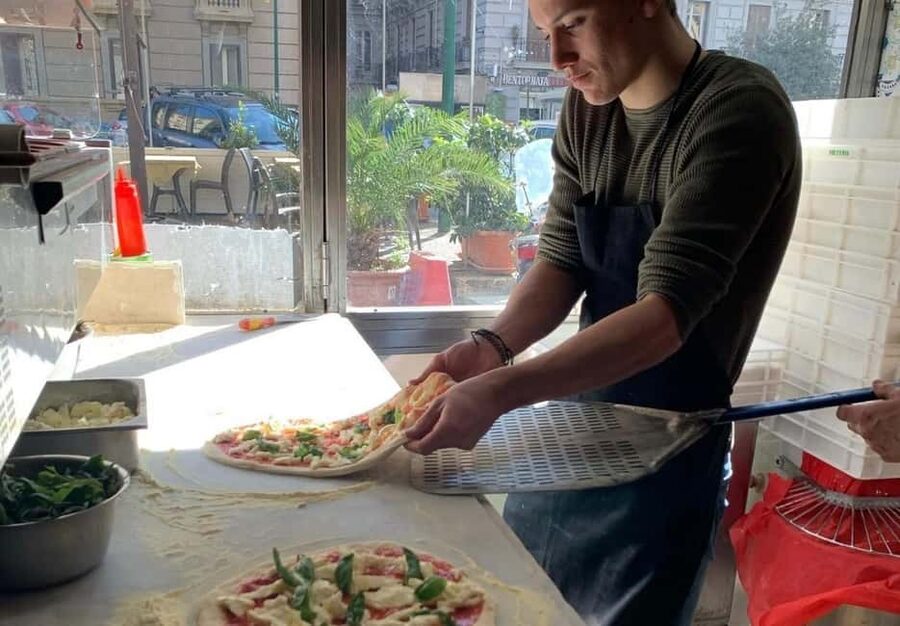
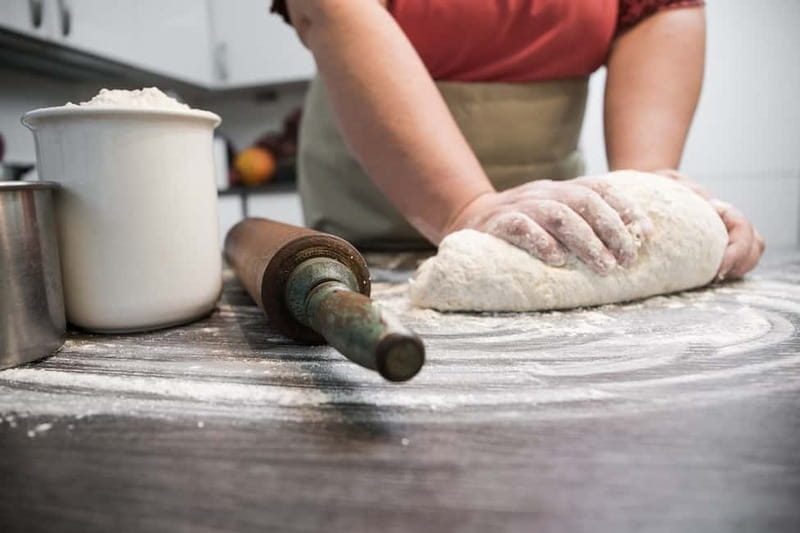
The class begins with the dough. You learn how these four modest ingredients become a supple pizza base, then work the mixture by hand at your own station.
This is the part where you get flour on your hands, and possibly on your shirt. Aprons are not consistently mentioned as part of the setup, so wear something casual and do not bring your best black top. One participant specifically wished an apron had been provided after ending up with flour across the front.
The instructors demonstrate the process before you try it. That matters because dough can look simple while hiding plenty of small decisions. You need to notice its texture, how it responds to pressure, and when to stop working it.
A guide such as Lucia or Francesca may handle the English explanations, while the pizzaiolo demonstrates in Italian. That arrangement has worked well for English-speaking groups, though translation can slow the rhythm a little when the class includes several languages.
You do not need previous cooking experience. The instructors show each stage and help when shaping becomes awkward. Maurizio, Alessandro, Lorenzo, Luigi, and other pizzaioli have been praised for patient demonstrations and hands-on help, but the exact instructor depends on the day.
The staglio lesson and your personal dough ball
One of the most useful parts of the class is learning staglio. This is the traditional method of dividing the larger mass of dough into smaller portions, then forming each one into a smooth panetto.
It is a small technical point with a big effect. A badly formed dough ball can make stretching harder later, while a neat panetto gives you a more even starting point. The pizzaiolo shows the movement, then checks your work.
This is also where the individual workstation earns its keep. You are not passing one lump of dough around a table or waiting for your turn. You can repeat the motion, ask questions, and receive help with your own dough.
The timing deserves a realistic note. A full Neapolitan dough process normally depends on fermentation time, and a class lasting two or three hours cannot reproduce every stage of a long professional schedule. One session used the freshly made dough for bread because it had not proved long enough for pizza. That is not a failure, but it is worth knowing if your main goal is to reproduce the exact process at home.
The class still gives you something valuable: a clear feel for the method, the ingredients, and the shape of properly handled dough. You leave with a recipe and a better idea of what the dough should look and feel like before it reaches the oven.
Stretching the base without losing the crust
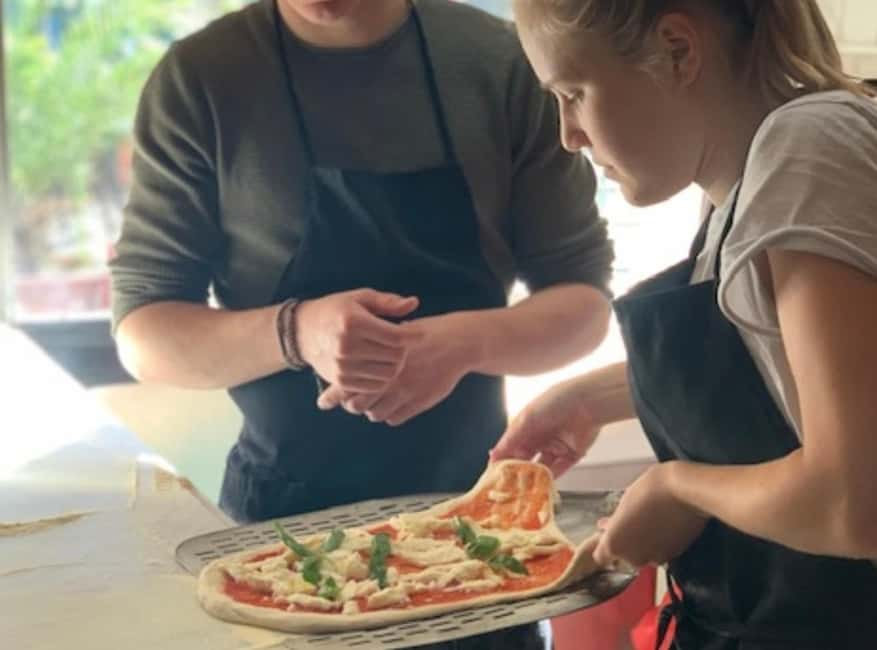
Once the dough is ready, you shape the pizza. The aim is a thin center with a raised edge, rather than a flat cracker or a thick bread round.
This is the most entertaining stage because the dough has a mind of its own. You press, turn, and stretch it under instruction. The pizzaiolo may correct the angle of your hands or show you how to avoid crushing the outer rim.
The class is practical rather than polished. You may not create a perfect restaurant circle on your first try, and that is part of the fun. The staff are there to prevent a misshapen base from becoming a disaster.
A few people have also received extra tips about moving and managing pizza inside the oven. Those small lessons are worth paying attention to. Home cooks often concentrate on the recipe and forget that launching, turning, and removing the pizza are separate skills.
More Workshops in Italy:
- Florence: Pasta Cooking Class with Unlimited Wine
★ 4.9 · 10,285 reviews - Florence: Pasta & Tiramisu Cooking Class with Unlimited Wine
★ 4.9 · 6,708 reviews - Florence: Pasta Cooking Class with Unlimited Wine
★ 5.0 · 6,413 reviews - Rome: Pasta & Tiramisu Class with Fine Wine by the Vatican
★ 4.9 · 4,852 reviews
San Marzano, buffalo mozzarella, and the Margherita
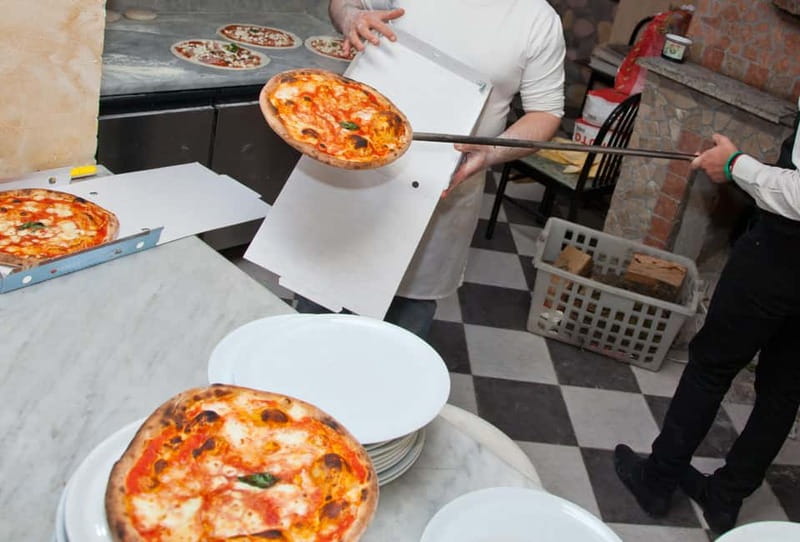
After shaping comes the topping. You use San Marzano tomatoes, buffalo mozzarella, basil, and DOP extra virgin olive oil.
The restrained ingredient list is deliberate. This is not the moment to pile on every topping you can name. You learn how much sauce to use, where the cheese belongs, and how basil and oil finish the pizza without overwhelming it.
The Margherita also carries a strong local identity. It is one of Naples’ signature combinations, and the class explains its place in the city’s pizza tradition. You are not simply assembling lunch. You are learning why Neapolitan pizza depends on a few well-handled ingredients.
The fresh toppings are included, so you do not need to shop or prepare anything before arriving. If you have a dietary intolerance, mention it when booking or as soon as you arrive. One participant received an accommodation and was still included in the preparation, though the available alternatives are not specified.
The wood-fired oven and the moment of truth
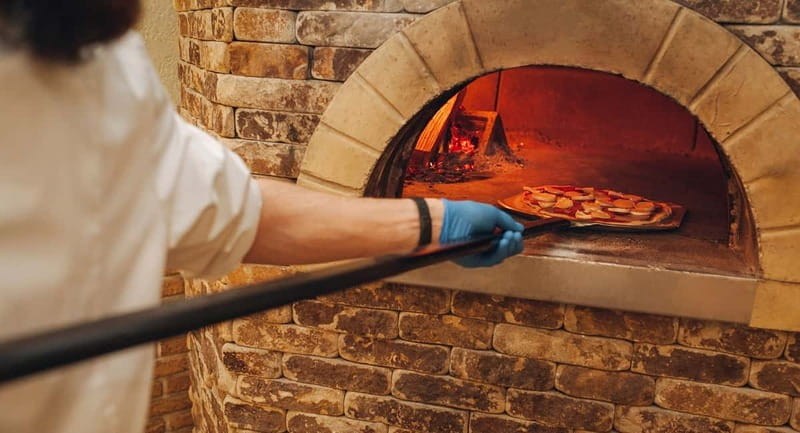
The traditional wood-fired oven is where the lesson shifts from preparation to performance. The pizzaiolo takes responsibility for the high heat, but you can see how quickly the pizza changes once it goes inside.
The outer rim puffs, the cheese melts, and the tomato cooks into the crust. A skilled pizzaiolo makes this look easy, but the demonstrations reveal how much control is involved.
You may get a few extra pointers about working the pizza in the oven. Listen closely here, since a home oven will not behave in quite the same way. The class cannot give you a wood-fired oven at home, but it can help you understand why professional Neapolitan pizza has its particular texture.
Then you eat your own Margherita. That is the best payoff of a hands-on class. You are not tasting a sample prepared by someone else. You can connect the finished pizza to every earlier stage, from the first mix of flour and water to the final turn in the oven.
Fried dough, chocolate, wine, and limoncello
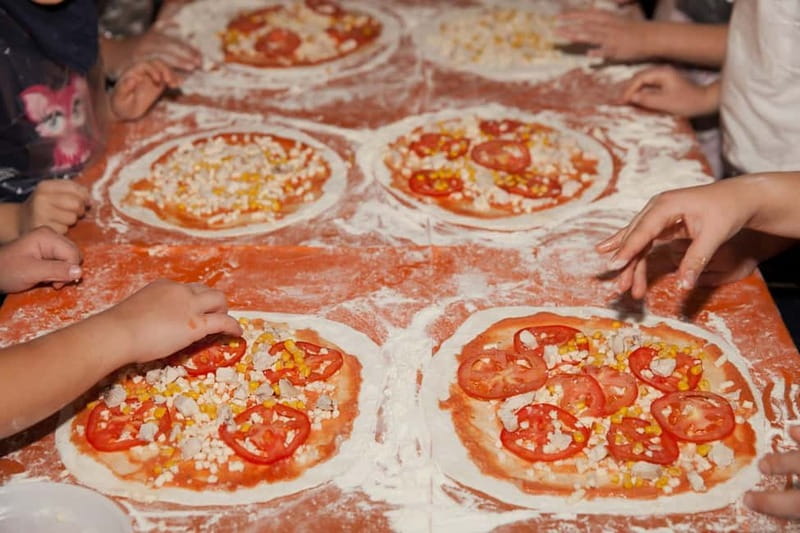
The meal does not end with the Margherita. The same broad idea of pizza dough takes a sweet turn with crispy fried dough bites filled with the world’s most famous chocolate spread.
Some sessions call these little angels. They are indulgent, warm, and distinctly different from the main pizza. If you already find a full Margherita filling, the fried dough may feel like a lot of food. One person preferred the idea of a smaller dessert such as ice cream or tiramisu.
I see the sweet course as part of the class’s charm, but it is not a delicate finish. It is fried dough with chocolate, so expect something hearty rather than light. The dish also shows how flexible Neapolitan dough can be, moving from a savory main course to a sweet street-food style treat.
Your included drink may be wine, beer, or water. Limoncello is also served, giving the meal a familiar Campanian finish. The class is therefore closer to a complete dinner than a short cooking demonstration. Plan your day accordingly, especially if you book it in the evening.
The guides make the difference
The teaching team is a major part of the experience. Francesca has been praised for making everyone feel included and for explaining both pizza history and local traditions. Lucia is known for clear English, warmth, and patient step-by-step instruction.
Sabrina has served as a translator, working with the pizzaiolo to explain the dough and shaping techniques. Dora has also translated, while chefs such as Maurizio and Alessandro have handled the technical demonstrations. The exact combination changes, but the format is consistent: an English-speaking guide bridges the conversation when needed, and the pizzaiolo shows the craft.
That setup has one limitation. If you are in a multilingual group, explanations may take longer, and some exchanges with the chef may pass through translation. Still, the structure lets you ask questions and receive clear answers rather than simply watching a silent demonstration.
The atmosphere is friendly and informal. Families, couples, solo cooks, and groups of friends can all take part. Children must be at least six years old, and younger children cannot enter the work or oven area for safety reasons.
Small group or private class?

The small-group format is one of the strongest reasons to book. A group of four gives you enough social energy without turning the lesson into a crowded production line.
You still share the setting and instructor’s attention, but your own station lets you take an active role. If you want more time for questions, a private class is available. It also suits families who want the instructor to adjust the pace around children or different cooking abilities.
The private option costs more in many tour settings, though the supplied price is listed as $70 per person rather than separate private pricing. At that rate, I judge the standard experience by what is included: a two to three hour lesson, a full meal, a drink, limoncello, and a digital recipe.
That is fair value for Naples if you want both dinner and a skill-based activity. It is less compelling if you only want to eat pizza, since Naples has plenty of excellent pizzerias where you can sit down and order without spending time on preparation.
Timing, meeting point, and practical planning
The class lasts two to three hours, with starting times depending on availability. The meeting point can vary by the option you book, so check the final details carefully rather than assuming every session begins at the same address.
Arrive with enough time to find the pizzeria. A few people have been helped after arriving late because of transport problems, but I would not plan on that courtesy. Naples traffic and weather can interfere with schedules, especially when you are crossing the city.
Wear comfortable clothes that can handle flour. Closed shoes are sensible around a work area and oven, though specific footwear rules are not provided. The class is offered in Italian and English, with small groups and private options available.
Cancellation is free up to 24 hours before the activity for a full refund. You can also reserve now and pay later, which helps if your Naples plans are still shifting.
Who will enjoy this most?
I would choose this class for anyone who wants more than a meal and less than a full-day cooking course. It suits first-time visitors who want a local food tradition explained clearly, as well as committed pizza fans who want to improve their dough handling.
Families with children aged six and up should find plenty to keep young cooks busy, provided they are comfortable around flour, hot ovens, and a fairly filling meal. Teenagers who eat a lot of pizza may enjoy the challenge of making their own base, while couples can treat the class as an informal dinner with a useful souvenir recipe.
It is not the best fit if you need a quiet, refined meal or a light dessert. It is also not ideal if you expect to complete the entire professional fermentation process during one short session. For that, you would need a longer course or time to make the dough at home.
Should you book this pizza class?
Book it if you want to understand why Neapolitan pizza is about technique as much as toppings. The individual workstations, skilled pizzaioli, small groups, wood-fired oven, and full meal give the $70 price real substance.
I would be especially happy to recommend it to families, couples, and curious food lovers who want a memorable evening in Naples. Go in ready to make a slightly imperfect pizza, learn from the mistakes, eat generously, and leave with a recipe you can try at home.
Skip it if you only want a quick plate of pizza or if a fried dough dessert sounds too heavy after dinner. For everyone else, this is a practical and good-natured way to meet Naples through its most famous food.
FAQ
How long does the pizza class last?
The activity lasts between two and three hours. Starting times depend on availability.
How much does the class cost?
The listed price is $70 per person.
Where does the class take place?
It takes place at a real Neapolitan pizzeria in Campania that won the World Pizza Championship in 2017. The exact meeting point can vary depending on the option booked.
What ingredients will I use?
You will learn to make dough with water, flour, salt, and yeast. For the pizza topping, the class provides San Marzano tomatoes, buffalo mozzarella, basil, and DOP extra virgin olive oil.
Do I make my own pizza?
Yes. Each participant receives an individual workstation and takes part in mixing, kneading, shaping, stretching, topping, and baking the pizza.
What food is included?
You make and eat a savory Neapolitan pizza, then have fried pizza dough bites filled with chocolate spread. The experience also includes a drink and limoncello.
Is a drink included?
Yes. The included drink can be wine, beer, or water. Limoncello is also included.
Is the class offered in English?
Yes. Instruction is available in Italian and English. An English-speaking guide may translate when the pizzaiolo gives instructions in Italian.
Can children attend?
Children aged six and over can participate. Children under six are not allowed to take part or enter the work and oven area.
Can I cancel the booking?
You can cancel up to 24 hours in advance for a full refund. The activity also offers a reserve now and pay later option.
Newest wine reviews around Italy
- Etna trekking and wine tasting★ 5.0 · 28 reviews
- Etna Tour and Lunch in a Winery with Wine Tasting★ 5.0 · 97 reviews
- Cooking Class and Wine Pairing in Capri★ 5.0 · 57 reviews
- WINE TOUR with sommelier in a winery near Cagliari★ 5.0 · 27 reviews
- Cagliari 3 Hours Luxury Motorboat Tour – Wine and Snorkeling★ 5.0 · 118 reviews
- Wine Experience: vineyard, wines and food★ 5.0 · 155 reviews
- Dinner in the vineyard with wine tasting and walk★ 5.0 · 58 reviews
- Wine Tour and Tasting of Lugana Wines in Desenzano★ 5.0 · 58 reviews
Naples Wine Tours, compared.
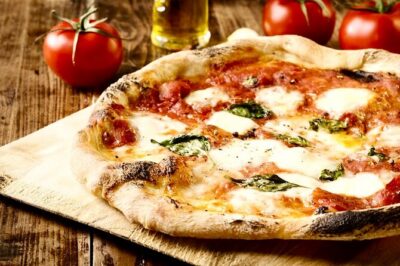
Authentic Naples Food Tour with 8+ Tastings of Pizza, Wine & More
Read our review →


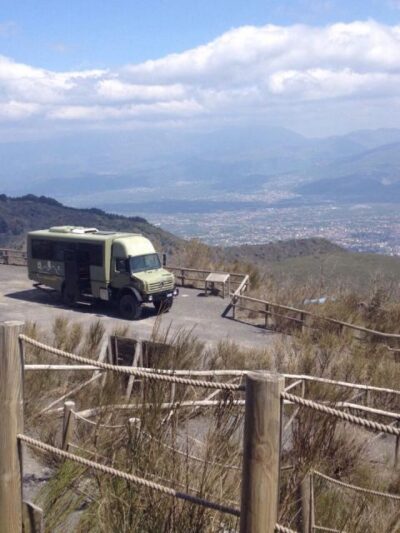
Mount Vesuvius 4-Hour Volcano Tour with Wine Tasting
Read our review →
Naples by Night: Food and Wine Walking Tour with Local Guide
Read our review →
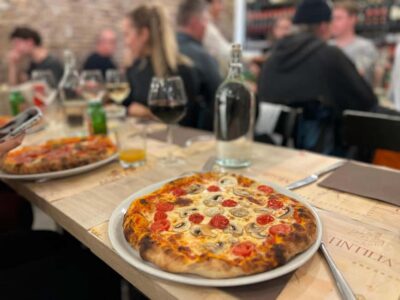
Pizza and tiramisu making class with unlimited wine
Read our review →Lists this tasting appears in