
Reviewed · WINE & OLIVE OIL TASTINGS
Olive Oil Museum: Extravirgin school – Food & wine tasting
Sardinia’s Sa Mola de Su Notariu Oil Museum gives you more than a quick oil tasting. You move from a modern mill to an underground cistern filled with old lamps and oil-making artifacts, then learn how fruitiness, bitterness, and spiciness reveal a good extra virgin olive oil. I like the clear, useful lesson, and I like the generous pairing of oils with cured meats, carasau bread, olives, local foods, and sparkling wine. The possible drawback is the brisk one-hour schedule, since the mill tour and museum visit leave limited time for lingering.
I especially like that Francesco Locci makes the subject practical rather than precious. You can take home a skill, not just a bottle. Keep in mind that transport is not included, though free parking is available and bus 108 reaches the museum from central Cagliari in about 54 minutes.
Key points to know before you book
- The old underground cistern holds oil lamps and historic tools, adding an unusual setting to the museum visit.
- The oil lesson is practical, focusing on fruitiness, bitterness, spiciness, and the signs of high-quality extra virgin olive oil.
- The tasting includes Sardinian pairings, such as carasau bread, cured meats, olives, regional foods, and fresh sparkling wine.
- The flavored oils are a highlight, including lemon-infused Limolio and the spicy Rogo del Tempio made with nine traditional Sardinian herbs.
- The visit is easy to fit into a day, lasting one hour and ending where it begins at the museum parking lot.
- You can buy oils at special prices, with free parking, WiFi, and dog-friendly facilities included.
From modern machinery to 400 years of olive oil tradition
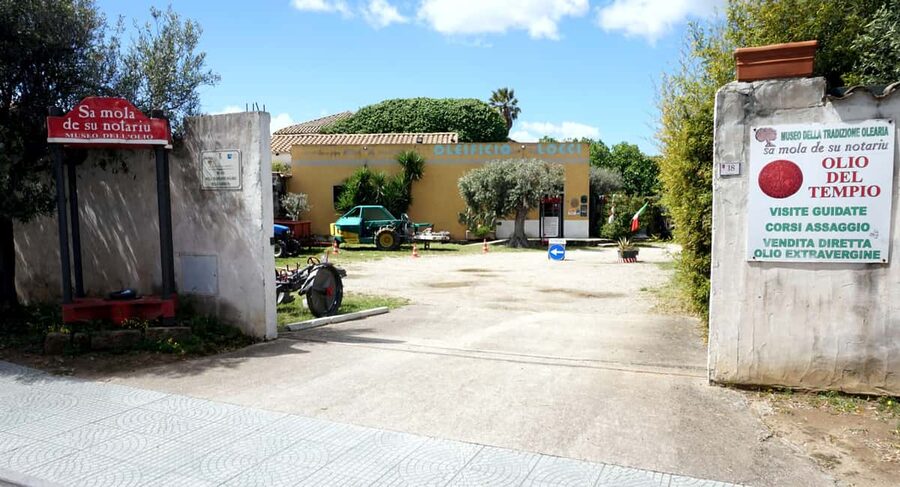
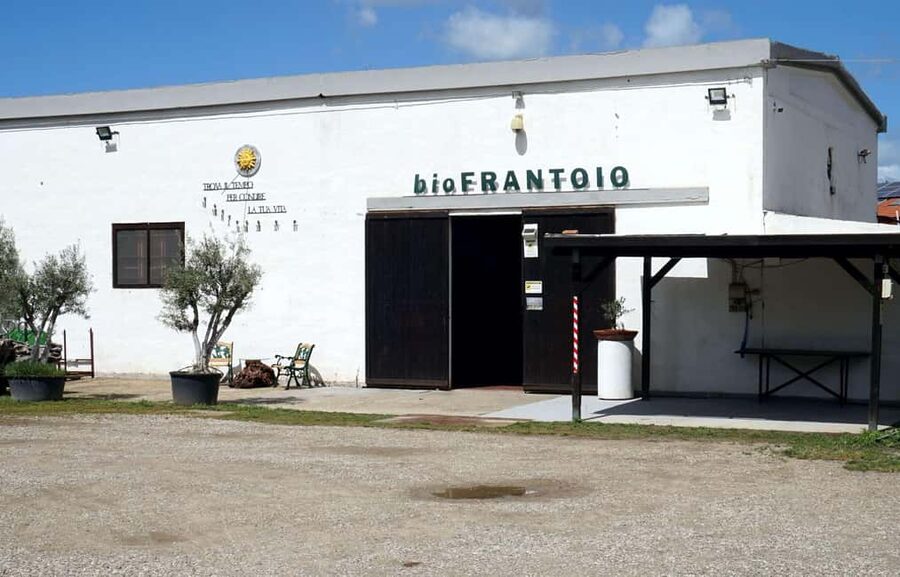
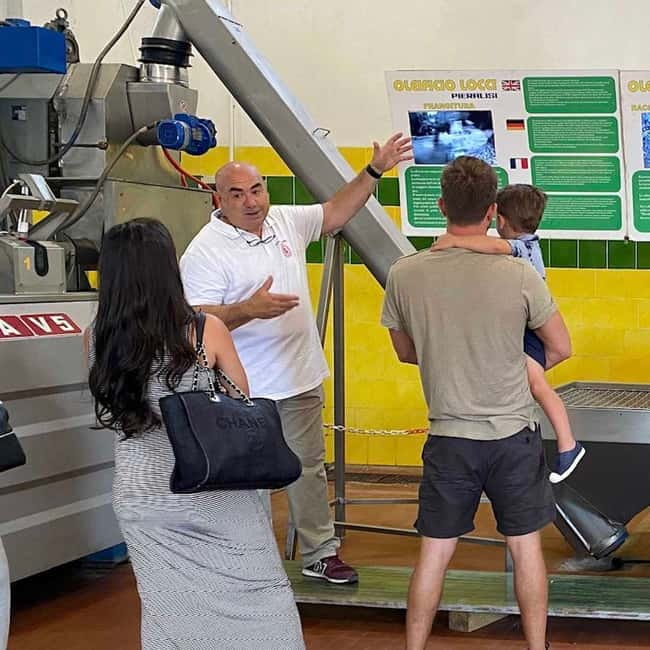
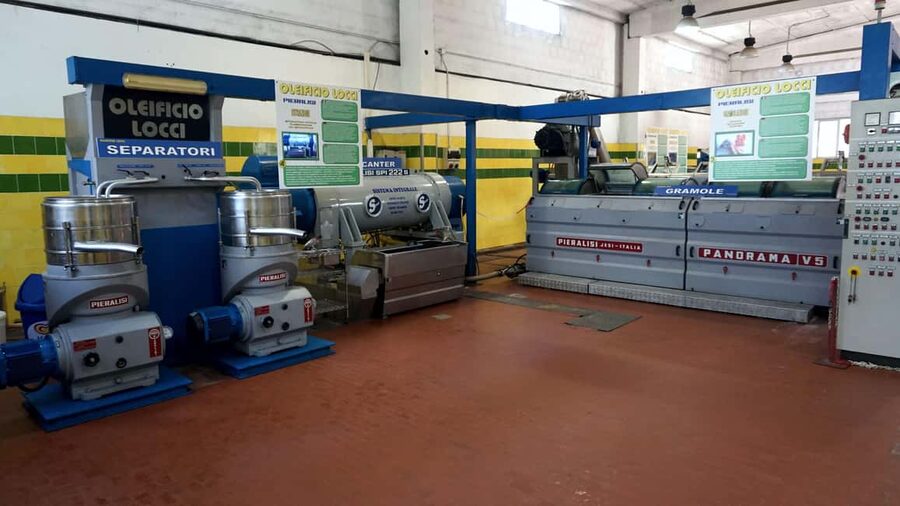
The visit begins at Olio del Tempio, the working oil mill connected to the museum. The setting links present-day production with a family tradition said to reach back more than 400 years.
You first get an introduction to modern extra virgin olive oil production. Video presentations show the stages of harvesting and processing, giving you a useful picture of what happens before the oil reaches a bottle.
The guided mill portion lasts about 10 minutes, so expect an overview rather than a long technical tour. That short format works well if you want a clear explanation without spending half a day in an industrial facility. If your main interest is machinery and production details, you may find this section brief.
Still, the mill matters because it gives the later tasting some context. You are not sampling anonymous oils in a shop. You are seeing where the product is made and hearing how modern methods fit into an old Sardinian tradition.
More Wine Tastings in Italy
- Florence: Chianti Wineries Tour with Wine Tasting
★ 4.5 · 10,071 reviews - Small-Group Wine Tasting Experience in the Tuscan Countryside
★ 5.0 · 7,392 reviews - Rome: Tuscany & Montepulciano Day Trip with Lunch & Wine Tasting
★ 4.5 · 5,232 reviews
Sa Mola de Su Notariu and the underground cistern
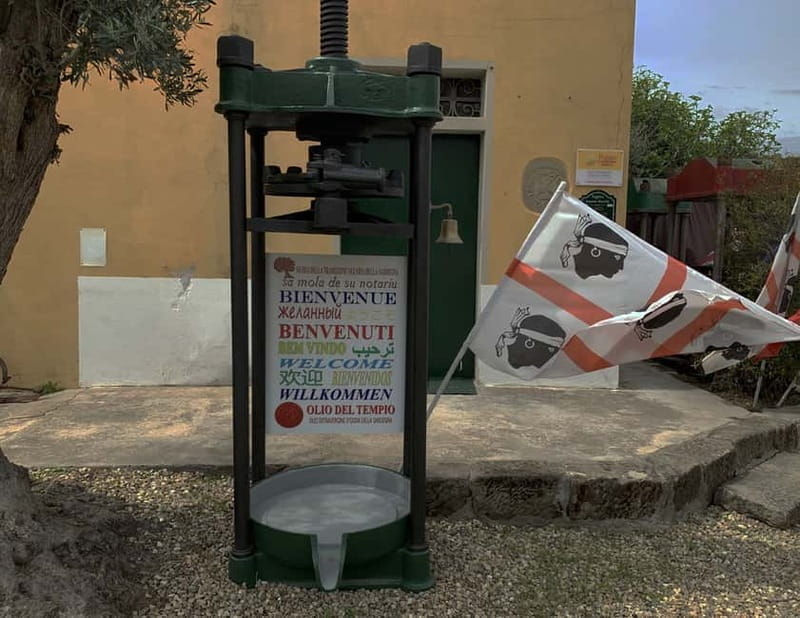
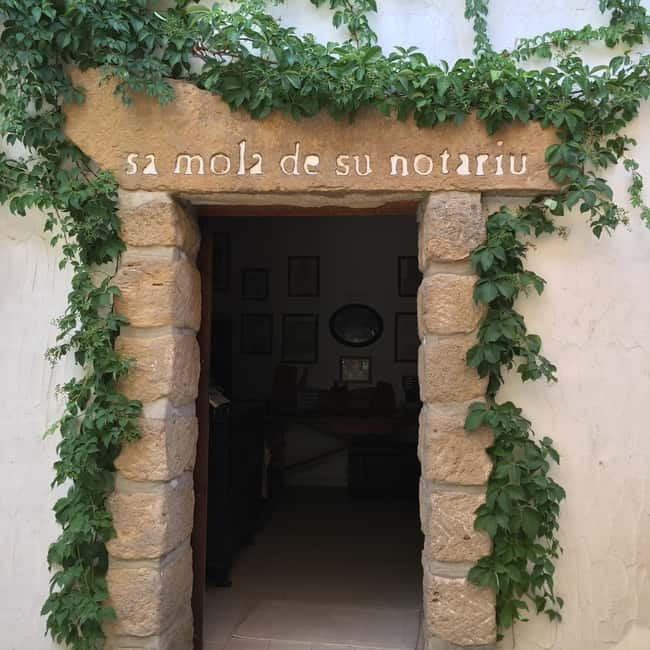
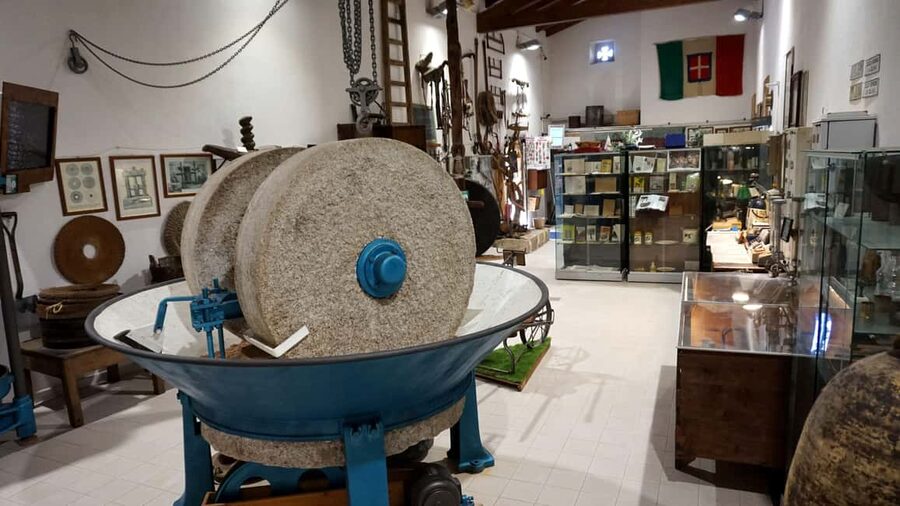
The museum is called Sa Mola de Su Notariu, and it focuses on the place olive oil has held in Sardinian life. Ancient equipment and oil-related objects show how essential the product was for cooking, lighting, farming, and household use.
The most unusual part is the chance to go down into the old underground cistern. This space contains old oil lamps and other artifacts connected with olive oil through the centuries. It gives the museum a sense of place that a display room alone could not provide.
I would pay attention to this part even if you are mainly interested in food. Olive oil was not just an ingredient. Before modern lighting, oil helped light homes and working spaces. The old lamps make that everyday connection easy to understand.
The museum visit is included in the price, and it helps explain Sardinian customs without turning the activity into a formal history lecture. You get a compact look at local tradition, followed by the chance to taste how the product is made today.
Because the full activity lasts only one hour, the museum portion is also fairly focused. You should not expect a large museum complex with hours of exhibits. Think of it as a small, atmospheric collection that works best when paired with the mill and tasting.
Learning to recognize good extra virgin olive oil
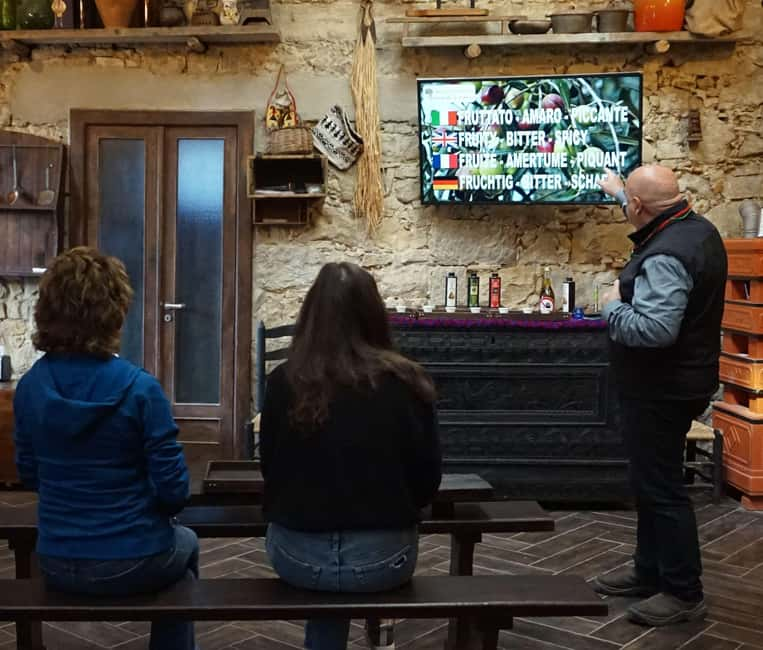
The class is the heart of the visit. Francesco leads you through the basic signs of quality with slides and guided tasting. The aim is not to turn you into a professional taster, but to give you a useful way to judge oils at home.
You learn to notice fruitiness, bitterness, and spiciness. These qualities can surprise people who are used to mild supermarket oil. Bitterness and a peppery finish are not automatically flaws. In a good extra virgin olive oil, they can signal character and freshness.
The lesson also gives you a better reason to pay attention to aroma and aftertaste. Instead of swallowing oil as if it were a sauce, you can consider what you smell, how it feels in your mouth, and what remains afterward.
I like this approach because it travels well. You can use the lesson the next time you shop, cook, or visit a food market. It may also help you avoid choosing a bottle based only on attractive packaging or a vague claim about being traditional.
The class lasts about 20 minutes, so it stays approachable. You will not get an advanced certification course, but you should leave with a better vocabulary and a clearer sense of what you are tasting.
Limolio, Rogo del Tempio, and the tasting table
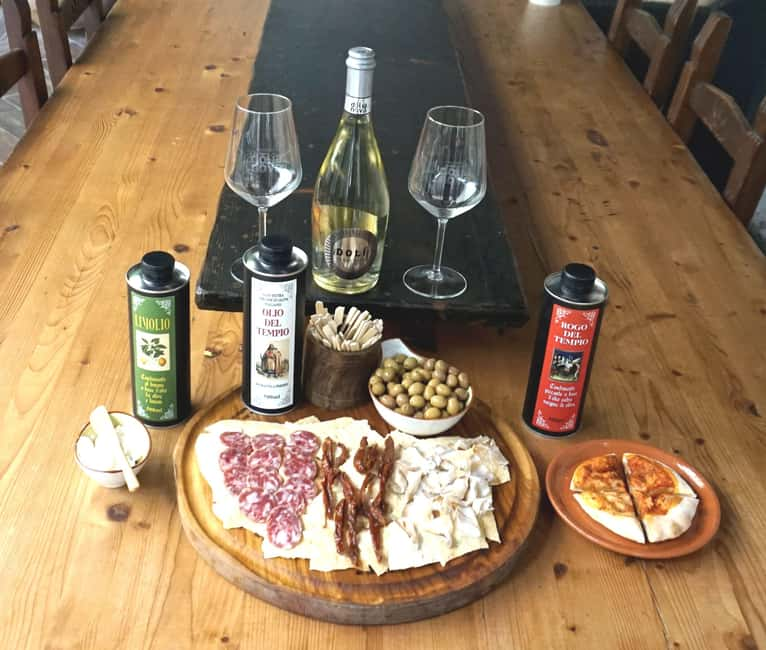
After the lesson comes the most enjoyable part for many people: tasting the oils with food. The selection includes standard extra virgin olive oils as well as flavored versions made for different dishes.
Limolio combines organic olives and lemons. Its fresh citrus character is intended for salads and fish, so the tasting gives you a chance to think about how an oil changes a simple dish.
Rogo del Tempio is the spicy option. It includes a bouquet of nine traditional Sardinian herbs and is recommended with meat or baked dishes. This is a good reminder that flavored oil is not just a novelty for dipping bread. Used carefully, it can shape the whole character of a meal.
The food served alongside the oils includes cured meats, natural olives, carasau bread, regional foods, and small tapas-style portions. Carasau, Sardinia’s thin, crisp bread, is especially useful here because it lets you taste the oil plainly without a heavy base.
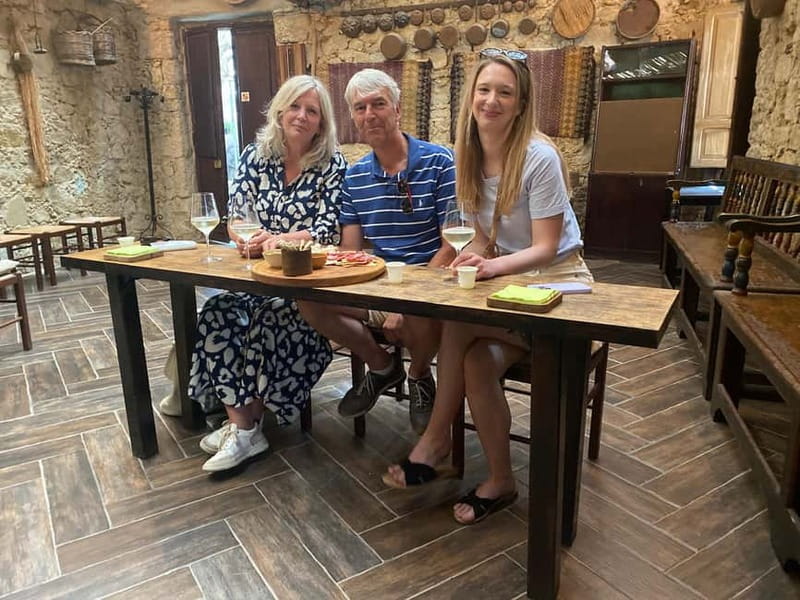
Fresh sparkling wine, water, and local snacks round out the table. The wine makes the tasting feel social rather than strictly instructional, though anyone expecting a full meal should keep the one-hour format in mind. The food is a substantial accompaniment, but the activity is still a tasting, not a long lunch.
The pairing also gives the class a local identity. You are not tasting olive oil in isolation. You are seeing how it fits Sardinian food, from bread and cured meats to fish, salads, meat, and baked dishes.
More Wine and Olive Oil Tastings in Italy:
- Sorrento Farm and Food Experience including Olive Oil, Limoncello, Wine tasting
★ 5.0 · 2,524 reviews - Sorrento: Lemon, Olive Oil and Wine Tasting Tour with Lunch
★ 5.0 · 300 reviews - Alghero: Wine and Olive Oil Tasting at a Local Farm
★ 4.8 · 294 reviews - Balestrate: Olive Grove Tour with Wines & Olive Oil Tasting
★ 5.0 · 241 reviews
Why the one-hour format works, and where it feels tight
The planned timing is simple:
- About 10 minutes for the guided mill visit
- About 20 minutes for the olive oil class and food tasting
- About 20 minutes for wine, snacks, regional food, and tapas
- Return to the museum and starting point
That leaves little room for delays, long questions, or a leisurely shop visit. If you enjoy a slow meal or want to examine every museum object, this may feel compressed.
On the other hand, the short schedule is useful if you are building a day around Cagliari or southern Sardinia. You can fit the activity between other stops without giving up an entire morning or afternoon.
The visit ends back at the museum, so you do not need to arrange a second pickup point. You can also use the free parking lot, which makes the experience straightforward by car.
The activity is wheelchair accessible. English, French, and Italian are available, and free WiFi is provided. Dogs are welcome, with a water bowl available for them.
Is $60.35 a fair price?
At $60.35 per person, this is not the cheapest way to taste olive oil. The value depends on how much of the full package you use.
You are paying for a guided visit to a working mill, entry to the museum, a structured quality lesson, several oil samples, Sardinian foods, sparkling wine, and the chance to buy products at special prices. Free parking and WiFi remove a few small extra costs.
The museum and mill alone would not justify the price for everyone. The stronger value comes from combining the instruction with food and drink. If you already enjoy olive oil and want to understand what you are buying, the lesson makes the price more reasonable.
It is also a useful choice for a couple or small group with different interests. One person can enjoy the food and wine, another can focus on production, and someone else can browse the museum and shop. You do not need to be an oil enthusiast to have something to take from the visit.
You should be realistic about the shopping benefit. Special guest prices can make it appealing to buy a bottle or two, but purchases are optional and not part of the stated price. If you are flying home, check your own baggage plans before buying larger quantities.
Getting there from Cagliari and southern Sardinia
The meeting point is the Sa Mola de Su Notariu museum and Olio del Tempio. By car, you can use the large free parking area directly at the site.
If you are coming from central Cagliari, bus line 108 takes about 54 minutes. That makes public transport possible, though you should check the exact departure time before choosing a tour slot. The activity has set starting times, and you need to check availability when booking.
Transfers from southern Sardinia are available as an extra service, but they are not included. If you need door-to-door transport, ask about that option before you commit.
The activity returns to the same meeting point. That is convenient if you have parked there and makes it easier to continue your day without arranging a separate ride.
Who will enjoy this Sardinian food experience?
I would choose this for anyone who likes food with a sense of place. You get a direct connection between Sardinian agriculture, household traditions, local dishes, and modern production.
It is particularly suitable for:
- Couples looking for a short food activity
- Visitors staying in or near Cagliari
- Families who want an accessible indoor and outdoor-style stop
- Food lovers who want to improve their shopping skills
- Anyone who enjoys regional products but does not want a full cooking class
- Dog owners who need a pet-friendly activity
The lesson also suits beginners. You do not need prior tasting experience, and the focus is on recognizing basic qualities rather than using specialist language.
I would be less likely to choose it if you want a long winery-style visit, a full meal, or a detailed industrial tour. The format is compact. Its strength is the combination of museum, mill, instruction, and tasting in one hour.
Francesco’s personal approach is an important part of the visit. He presents the subject with enthusiasm and offers suggestions for other local places to see, which can help you shape the rest of your time in the area. The instruction is meant to be useful, not intimidating.
Booking details worth knowing
You can cancel up to 24 hours before the activity for a full refund. You can also reserve now and pay later, which helps if your Sardinia plans are still changing.
The activity is offered in English, French, and Italian. Confirm your preferred language and starting time when you book, since availability varies.
Free parking is provided, the site is wheelchair accessible, and dogs are welcome. Everything not specifically included, including optional transfers, is paid separately.
Should you book the Olio del Tempio visit?
Book it if you want a short, well-rounded taste of Sardinia that combines food, local tradition, and a useful skill. The underground cistern, old lamps, modern mill, and flavored oils give the visit more character than a basic shop tasting.
The strongest reason to go is the lesson. You leave with a better way to judge extra virgin olive oil, then practice that skill with Limolio, Rogo del Tempio, and other oils alongside Sardinian food.
Skip it if you want a long, leisurely meal or an in-depth production tour. For most visitors near Cagliari, though, the one-hour format, free parking, accessible setting, and full tasting table make the $60.35 cost reasonable, especially if you plan to buy quality oil to take home.
FAQ
Where does the olive oil experience take place?
It takes place at Museo dell’Olio Sa Mola de Su Notariu and Olio del Tempio, in Sardinia, Italy.
How long does the activity last?
The activity lasts one hour. Starting times vary, so you need to check availability when booking.
What languages are available?
The live guide is available in English, French, and Italian.
Is transportation included?
Transportation is not included. You can park for free at the museum, take bus line 108 from central Cagliari in about 54 minutes, or ask about optional transfers from southern Sardinia.
What food and drinks are included?
The tasting includes cured meats, carasau bread, natural olives, Sardinian foods, local snacks, sparkling wine, and water.
Which flavored oils can I taste?
You can taste Limolio, made with organic olives and lemons, and Rogo del Tempio, a spicy oil made with nine traditional Sardinian herbs, along with other extra virgin olive oils.
Is the activity wheelchair accessible and dog-friendly?
Yes. The activity is wheelchair accessible and dogs are welcome. A water bowl is provided for dogs.
Can I cancel or pay later?
You can cancel up to 24 hours in advance for a full refund. You can also reserve your place and pay later.
More Museum Visits in Italy
- Guided tour and tasting at La Cantina Frrud – Wine Museum
★ 5.0 · 249 reviews - Porto: Cálem Cellar Tour, Interactive Museum & Wine Tasting
★ 4.5 · 4,113 reviews - Porto: The Wine Experience, Best Wine Museum in the World
★ 4.7 · 621 reviews - Bordeaux Wine and Trade Museum Admission Ticket with Wine Tasting
★ 4.5 · 599 reviews
More Food Experiences in Italy
- Winner 2025 Florence Sunset Food & Wine Tour by Eating Europe
★ 5.0 · 5,015 reviews - Rome Food Tour: Unlimited Tastings with Fine Wine & Barolo
★ 5.0 · 3,365 reviews - Rome: Guided Food Walking Tour with Wine in Trastevere
★ 4.9 · 3,105 reviews - Rome: Trastevere Food tour with Free-Flowing Fine Wine
★ 5.0 · 2,853 reviews
Newest wine reviews around Italy
- Etna trekking and wine tasting★ 5.0 · 28 reviews
- Etna Tour and Lunch in a Winery with Wine Tasting★ 5.0 · 97 reviews
- Cooking Class and Wine Pairing in Capri★ 5.0 · 57 reviews
- WINE TOUR with sommelier in a winery near Cagliari★ 5.0 · 27 reviews
- Cagliari 3 Hours Luxury Motorboat Tour – Wine and Snorkeling★ 5.0 · 118 reviews
- Wine Experience: vineyard, wines and food★ 5.0 · 155 reviews
- Dinner in the vineyard with wine tasting and walk★ 5.0 · 58 reviews
- Wine Tour and Tasting of Lugana Wines in Desenzano★ 5.0 · 58 reviews
Wine & Olive Oil Tastings, compared.
Sorrento Farm and Food Experience including Olive Oil, Limoncello, Wine tasting
Read our review →
Krka Waterfalls With Boat Cruise, Wine and Olive Oil
Read our review →
From Chania: Olive Oil, Wine, Cheese & Honey Tasting Tour
Read our review →
Lemon, Olive Oil and Wine Tasting Tour with Lunch
Read our review →
Alghero: Wine and Olive Oil Tasting at a Local Farm
Read our review →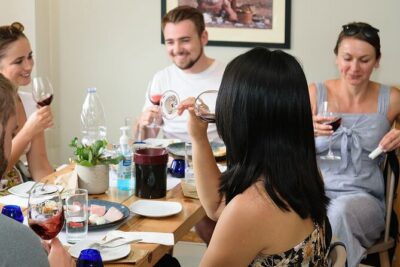
Crete: Full-Day Cretan Wines, Olive Oil, Raki and Food Tour
Read our review →Lists this tasting appears in