Reviewed · WINERY TOURS
Ribera del Duero Wineries Guided Tour & Wine Tasting from Madrid
The most memorable part of this day trip is the contrast between the wineries. One may be a young boutique producer, another a polished modern bodega, and the last a medieval underground cellar carved deep beneath a town. You get a useful look at how one wine region can hold several very different personalities.
I like the three-winery format, since it lets you compare styles instead of tasting at one place and calling it a day. I also like the generous food served with the wine, including cheese, crackers, and salami, so you are not sampling nine or more wines on an empty stomach.
The catch is the distance. Ribera del Duero is about two hours from Madrid, and the entire outing lasts roughly 10 to 11 hours. The van may feel cramped when full, and lunch is not included, so this is best for you if you are happy giving up a full Madrid day for wine country.
Key points at a glance
- Three contrasting wineries: Expect traditional cellars, modern architecture, and small or newer producers.
- At least nine wine tastings: Each winery serves a minimum of three wines, usually with simple snacks.
- The underground cellar is a highlight: One stop includes old tunnels running beneath a medieval town.
- A guide makes the long drive worthwhile: Ismael, Cosmin, Antonio, Muna, and Alfonso are among the guides praised for their wine and regional knowledge.
- Lunch is your choice: You get free time for tapas or a full Castilian meal, but pay separately.
- Small-group transport from Madrid: The maximum is 20 people, with many departures using a smaller van.
Why Ribera del Duero makes a good day trip from Madrid
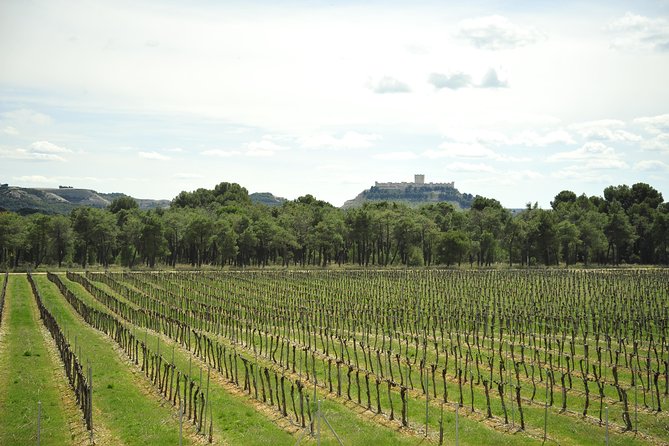
Ribera del Duero is one of Spain’s best-known red-wine regions. The Duero River runs through it, and the main grape is Tempranillo, the variety behind powerful, fruit-filled reds that often gain complexity through aging.
The region feels quite different from Madrid. After leaving the city, you trade traffic and apartment blocks for broad country views, vineyards, villages, and old stone buildings. The drive takes around two hours each way, though Madrid traffic can stretch the timing. You should think of this as a full excursion, not a quick outing before dinner.
What makes the trip useful is its range. You are not simply taken to a tasting room, handed a glass, and sent on your way. The visits cover grape growing, harvesting, production, aging, architecture, and the long role of wine in local life. That gives you a better sense of why Ribera del Duero wines cost what they do and why two bottles from the same area can taste quite different.
More Wine Tastings in Madrid
- Madrid Tapas & Wine Tasting Walking Tour – Small Group Local Bars
★ 5.0 · 3,644 reviews - Toledo Tour & Vineyard Walk with Wine Tasting from Madrid
★ 5.0 · 2,546 reviews - Madrid: Tapas & Wine Tasting Tour with Local Guide
★ 4.8 · 2,171 reviews
Meeting at Conde de Casal
The tour starts at 9:15 a.m. at the front door of the cafeteria at Hotel Claridge, beside the hotel’s main entrance. The address is Plaza del Conde de Casal, 6, and the nearest Metro stop is Conde de Casal on Line 6.
Arrive early. This is not a loose come-when-you-can departure. The vehicle leaves on time, and catching up later is your responsibility, including any extra transport cost. The operator recommends allowing 10 to 20 minutes more than a map estimate and planning the route the night before.
You can reach the meeting point by public transportation. The tour instructions advise using a regular taxi rather than Uber if you need a cab. The cafeteria is not a waiting room for everyone, since its facilities are for customers, so do not count on settling in there before departure.
The return is to the same meeting point, usually around 8 p.m. Traffic can make the day run closer to 11 hours.
The drive into wine country
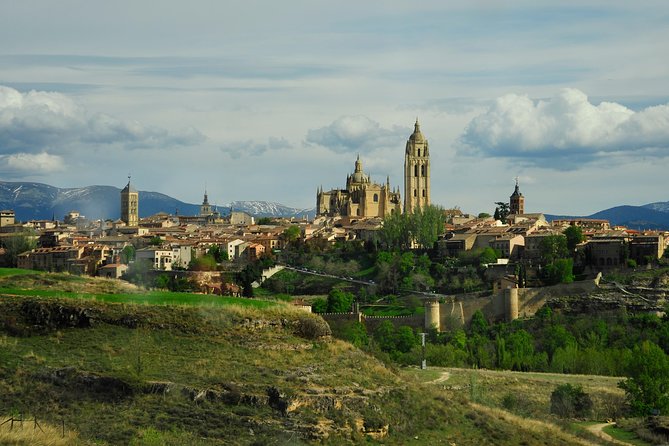
The trip out of Madrid is part of the experience, but you need to set your expectations. A long ride comes first, and another long ride comes at the end. Some guides use the drive to explain Spanish wine, Tempranillo, and the history of Ribera del Duero. At other points, you can simply sit back and watch the countryside pass.
Transport is by air-conditioned van or coach. The group limit is 20, though some departures are much smaller. One reported English-language group had only four couples in a Mercedes Sprinter, while another group had six people. A smaller group makes questions and conversation easier, but a full van may feel tight, especially on the return journey.
The guide may speak both English and Spanish. Guides named in the tour feedback include Ismael, Cosmin, Antonio, Muna, and Alfonso. Ismael receives especially strong praise for his clear English, regional knowledge, calm driving, and ability to keep the day organized. Cosmin is also noted as a safe driver and helpful host. Your exact guide depends on the departure.
Three wineries, three ways to understand Ribera del Duero
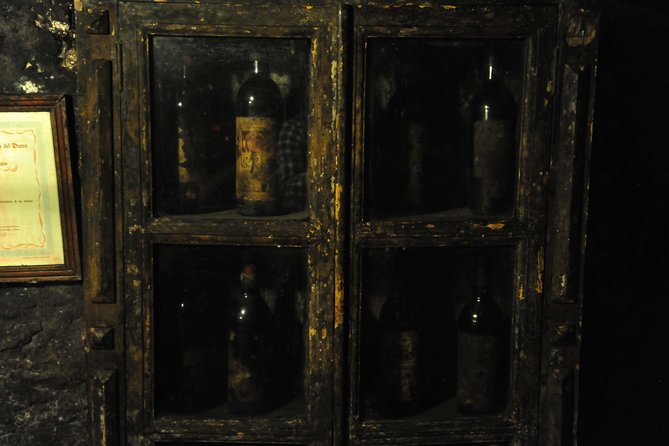
The order and exact wineries can change by date, so you should treat the route as a framework rather than a fixed promise. The value comes from the contrast among the stops.
At each winery, you taste a minimum of three wines. That means at least nine wines across the day. Pours are described as generous, sometimes close to half a glass, and each winery provides food such as cheese, crackers, or salami.
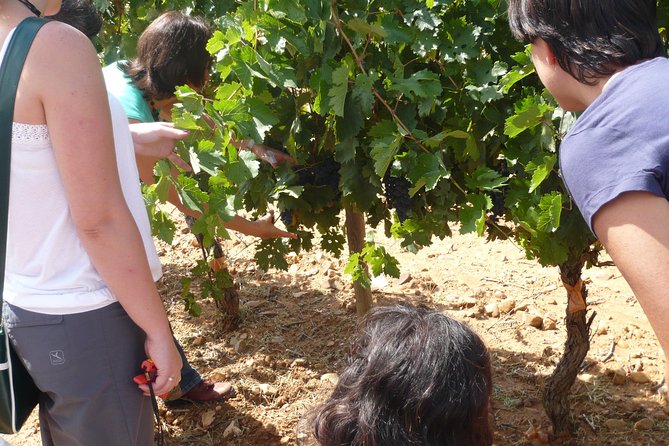
The tastings are not only about identifying flavors. You learn how the grape moves from vineyard to bottle, how aging affects the wine, and how a producer’s size and equipment shape the final result. The guides at the bodegas explain the wines, while your main guide adds context about the area.
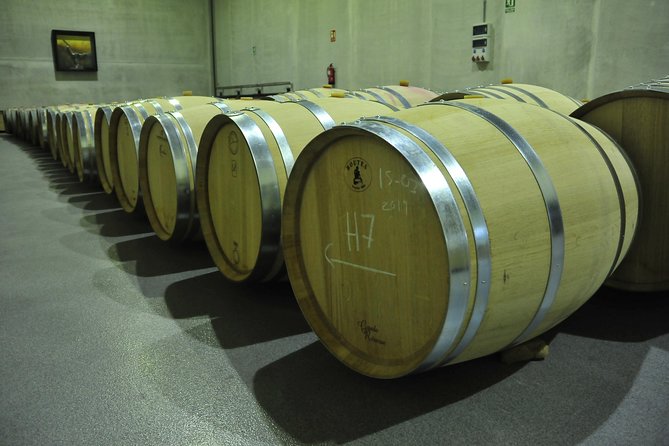
One stop focuses on the production process and the character of aged wines. You may see the working side of the bodega, including details about harvesting and how wine is made. This is the place to ask practical questions about Tempranillo, oak, fermentation, and how the region’s difficult weather affects the vines.
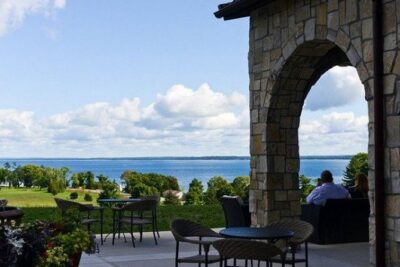
A second winery shows the modern side of Ribera del Duero. Its design opens toward the vineyards and treats the building as part of the wine-making process. This visit helps you see how newer producers use architecture, technology, and smaller production runs to create a different kind of bodega.
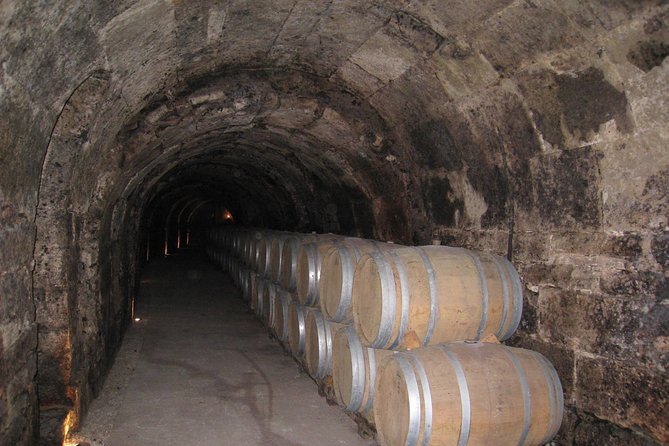
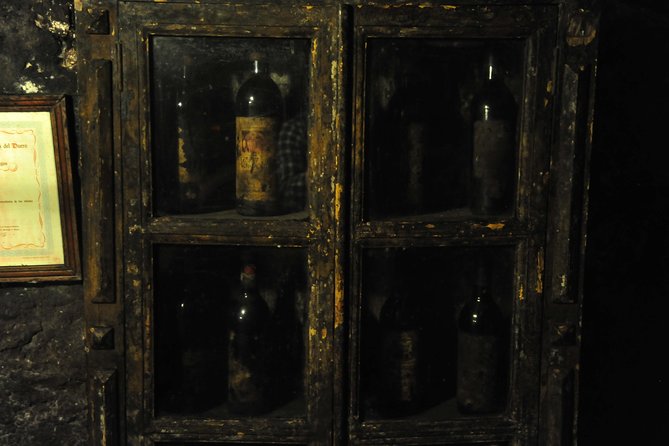
The third stop is usually the most unusual. It may take you into an underground cellar beneath a medieval town, with old tunnels running for several miles and reaching about 40 feet below ground. These passages were dug into the earth to preserve wine, and parts of the network date back centuries.
The cellar is a real change of pace after the polished tasting rooms. It is also cold underground, so bring a warm layer even if Madrid is sunny. Shoes with a firm sole are sensible, though the tour does not give a specific footwear requirement.
More Wine Tastings in Spain
- Madrid Countryside Wineries Guided Tour with Wine Tasting
★ 5.0 · 740 reviews - Madrid Region Wineries Guided Tour with Wine Tastings
★ 4.9 · 222 reviews - Madrid: Toledo Day Trip with Winery Visit and Wine Tasting
★ 4.4 · 177 reviews - From Madrid: Alcalá de Henares, Winery Tour & Wine Tasting
★ 4.4 · 63 reviews
The underground cellar and the older side of wine country
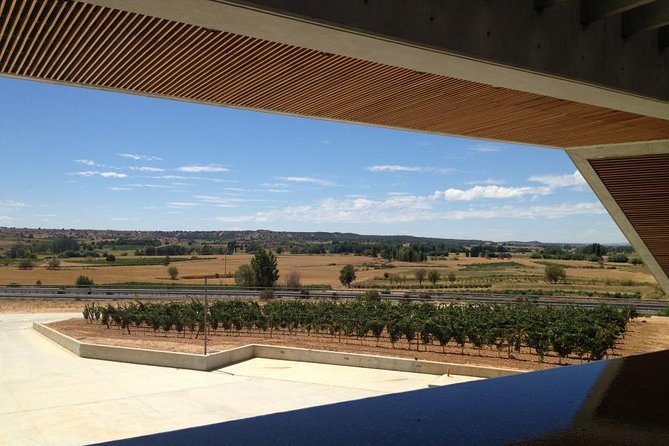
The medieval cellar gives the tour a historical dimension without turning the day into a formal history lesson. You see how wine was stored before modern temperature control, and you get a feel for the town’s older structure beneath the streets.
The exact town can vary, with the route including places such as Aranda de Duero, Sotillo de la Ribera, Roa, and Curiel de Duero. These stops connect the wine to castles, village streets, Castilian food, and old community traditions.
I would give extra weight to this part when choosing the tour. Modern wineries are attractive, but they are easier to understand after you have seen the older cellars that shaped wine production in the area. If you care about architecture, local history, or unusual places, the underground visit may become the day’s strongest memory.
One caution: the cellar is not a warm, bright tasting room. It can be cold, and walking through old tunnels may not suit everyone. The tour notes that most people can participate, but you should consider your comfort with underground spaces before booking.
Lunch in Roa, with no fixed menu
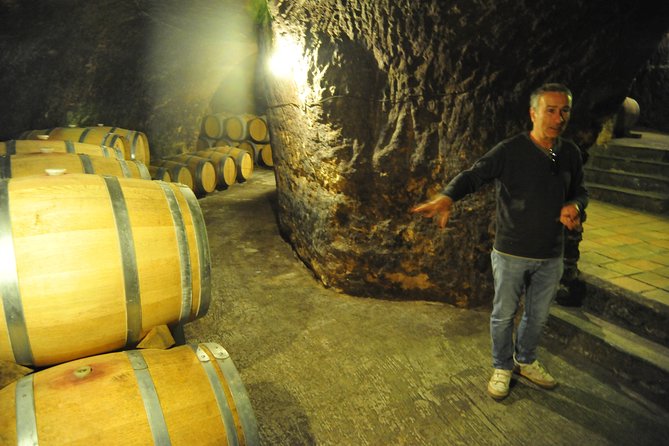
The itinerary includes free time for lunch, often in or near Roa. You choose what to eat and pay separately. That is a good arrangement for a mixed group, since one person may want tapas while another prefers a full meal.
The suggested budget is about 12 to 15 euros for tapas or around 30 euros for a three-course lunch. Local choices can include Castilian regional food, shared plates, or a light meal. Some guides take the group to a small tavern or an out-of-the-way restaurant with traditional food.
Lunch is not part of the $223.82 tour price, so plan for it separately. The tour does include snacks at the wineries, but those are not a substitute for lunch. Some groups have chosen to spend longer at a winery instead of eating, but that is not the standard plan and depends on the day and group.
I like having the choice, though I would not arrive without cash or a card and a little appetite. After several tastings, a proper meal helps you stay comfortable for the return drive.
Is $223.82 a fair price?
At $223.82 per person, this is not a budget day trip. The price includes round-trip transport from Madrid, a bilingual local guide, three winery visits, a minimum of three tastings at each, and food served during the tastings.
The value depends on how you would otherwise reach Ribera del Duero. Renting a car would require driving after wine tastings, and arranging three winery appointments, transport, and interpretation on your own would take work. This tour removes those problems and gives you access to smaller producers and older cellars that may be difficult to connect in one day.
The price feels strongest if you care about comparison. You are paying for three different approaches to wine, not just a single tasting room. It also covers the convenience of getting back to Madrid without worrying about navigation or alcohol.
It is less attractive if you want a relaxed countryside day with plenty of free time. The route is busy, the drives are long, and the lunch stop is limited. You are paying for access and structure, not leisure.
Who should book this day trip?
I would recommend it to wine drinkers who want a clear introduction to Ribera del Duero without renting a car. You do not need to be an expert. The format suits beginners because the guides explain the process from grape to bottle, while experienced wine fans get to compare small, large, modern, and old producers.
It also works for anyone who wants a different side of Spain beyond Madrid’s museums and major sights. The villages, wineries, underground tunnels, and Castilian meal give the day a local focus.
Couples and small groups should find the format easy, especially when the vehicle is not full. The tour can also be a good social outing, since you share tastings and lunch with the group.
Children under 12 cannot join. The minimum age for tasting is 18, and children must be accompanied by an adult. If you are under 18, or if you are traveling with younger children, this is not the right choice unless you arrange a private tour directly with the operator.
Booking details worth knowing
The tour is offered in English, with bilingual English and Spanish operation when needed. Confirmation is issued at booking, and the experience requires at least four participants. If the minimum is not reached, the operator may cancel and offer another date or a full refund, with notice stated as one week in advance.
Free cancellation is available up to 24 hours before the start time. After that, the amount paid is not refunded, and changes made within 24 hours are not accepted.
Book ahead if your Madrid schedule is tight. The activity is booked an average of 58 days in advance, which suggests that popular dates can fill well before the trip.
Should you book the Ribera del Duero wine tour?
Book it if you want a serious wine-country day and you are comfortable with a long road trip. The strongest reasons are the three contrasting wineries, the generous tastings, the local snacks, and the chance to enter an old underground cellar. Guides such as Ismael and Cosmin can add a lot to the day, especially during the drive and between winery visits.
Skip it if you dislike structured tours, crowded vans, long transfers, or paying extra for lunch. You should also think twice if underground spaces make you uneasy.
For the right person, this is a practical way to reach Ribera del Duero from Madrid. You return with a better understanding of Tempranillo, a taste of Castile, and a much clearer idea of how old cellars and new wineries share the same wine region.
FAQ
Where does the tour start in Madrid?
It starts at 9:15 a.m. at the front door of the cafeteria at Hotel Claridge, next to the hotel’s main entrance, at Plaza del Conde de Casal, 6.
Which Metro station is closest?
The closest station is Conde de Casal on Metro Line 6.
How long does the tour last?
The tour lasts about 10 to 11 hours. The usual return to Madrid is around 8 p.m., though traffic can affect the timing.
How many wineries do you visit?
You visit three wineries. The order and exact wineries can change depending on the date.
How many wines are included in the tasting?
Each winery offers at least three wines, giving you a minimum of nine tastings during the day.
Is food included?
Snacks are included at the wineries, commonly including items such as cheese, crackers, and salami. Lunch is not included, and you choose and pay for your own meal.
Can children join the tour?
Children under 12 cannot take part unless you arrange a private tour. The minimum age for wine tasting is 18, and children must be accompanied by an adult.
Is the tour offered in English?
Yes. The tour is offered in English and is operated by a bilingual guide in English and Spanish when necessary.
What happens if the tour is canceled because too few people book?
The tour requires at least four participants. If the minimum is not reached, you will be offered another date or experience, or a full refund.
More Winery Tours in Spain
- Barcelona: Montserrat, Cogwheel, Black Madonna & Winery Tour
★ 4.8 · 5,633 reviews - Montserrat with Black Madonna & Medieval Winery with Tapas/Lunch
★ 5.0 · 5,209 reviews - Montserrat Full Day Tour with Farmhouse Lunch and Winery Visit
★ 5.0 · 1,068 reviews - Montserrat & Winery Visit Tour with Traditional Farmhouse Lunch
★ 4.5 · 1,035 reviews
More Winery Tours in Madrid
- From Madrid: Toledo Guided Tour & Winery Visit with Tasting
★ 4.8 · 313 reviews - Ribera del Duero:4 Wineries, tasting & Lunch included from Madrid
★ 5.0 · 199 reviews - From Madrid: Ribera del Duero Tour of 3 Wineries w/ Tastings
★ 4.9 · 150 reviews - From Madrid: Traditional Villages, Winery Tour & Tapas Lunch
★ 4.6 · 30 reviews
Newest wine reviews around Madrid
- Madrid: Toledo Day Trip with Winery Visit and Wine Tasting★ 4.4 · 177 reviews
- Madrid: Los Porches Flamenco Show with Tapas and Wine Ticket★ 4.7 · 84 reviews
- Madrid: Flamenco Show with Tapas and Wine Tour★ 4.9 · 66 reviews
- Madrid: Iberico Ham and Spanish Wine Small-Group Food Tour★ 4.9 · 49 reviews
- Madrid: Old Madrid Walking Food and Wine Tour★ 4.9 · 111 reviews
- Madrid Region Wineries Guided Tour with Wine Tastings★ 4.9 · 222 reviews
- Madrid: Tapas & Wine Tour with Visit to a Rooftop★ 4.7 · 256 reviews
- From Madrid: Traditional Villages, Winery Tour & Tapas Lunch★ 4.6 · 30 reviews
Winery Tours, compared.
Tuscany Day Trip from Florence: Siena, San Gimignano, Pisa and Lunch at a Winery
Read our review →
Douro Valley with Winery Lunch, Tastings & Cruise
Read our review →
Montserrat, Cogwheel, Black Madonna & Winery Tour
Read our review →
Montserrat with Black Madonna & Medieval Winery with Tapas/Lunch
Read our review →
Wine Tour: Paarl, Franschhoek & Stellenbosch incl 3 wineries
Read our review →
Douro Valley Tour: 2 Vineyard Visits, River Cruise, Winery Lunch
Read our review →