
Reviewed · ROME WINE TOURS
Rome: Pasta Cooking Class with Market Visit and Wine
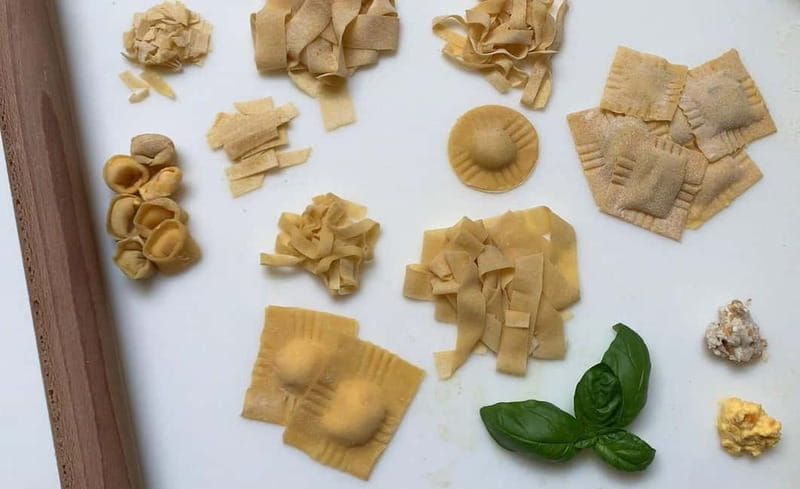
Rome’s best pasta lesson may begin before you touch a rolling pin. This experience starts with a short walk from Via Palestro to Nomentano Market, where Chef Marco explains the ingredients, Roman food traditions, and the choices behind the meal. Back at the Kitchen of Mamma, you work at your own station and make several pasta shapes, including ravioli, tortellini, and linguine.
I like the market-to-table format, which gives the cooking a clear sense of place. I also like the relaxed teaching style: Marco is patient, funny, and attentive, and he checks each person’s dough rather than simply performing at the front of the room. The main consideration is that the class is built around wheat pasta, so it is not suitable for people with gluten intolerance. You may also do some preparation while Marco handles other parts of the meal.
Key points
- Nomentano Market visit: Walk through a local market and learn how fresh ingredients are chosen for the recipes.
- Several pasta styles: Make more than basic spaghetti, with instruction on shapes such as ravioli, tortellini, and linguine.
- Chef Marco’s teaching: Expect clear demonstrations, individual help, Roman food stories, and plenty of humor.
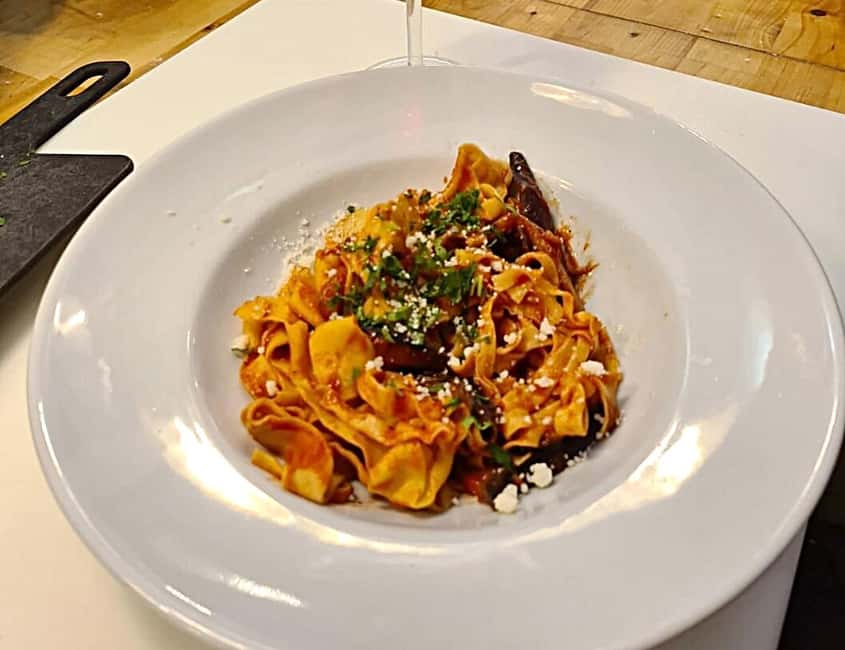
- A full sit-down meal: Eat the pasta you prepare with sauces, a glass of Italian wine, coffee, and limoncello.
- Useful take-home material: You receive recipes and a participation certificate.
- Good value at $103: Four hours of instruction, food, drinks, and a market visit make this more than a quick demonstration.
From Via Palestro to Nomentano Market
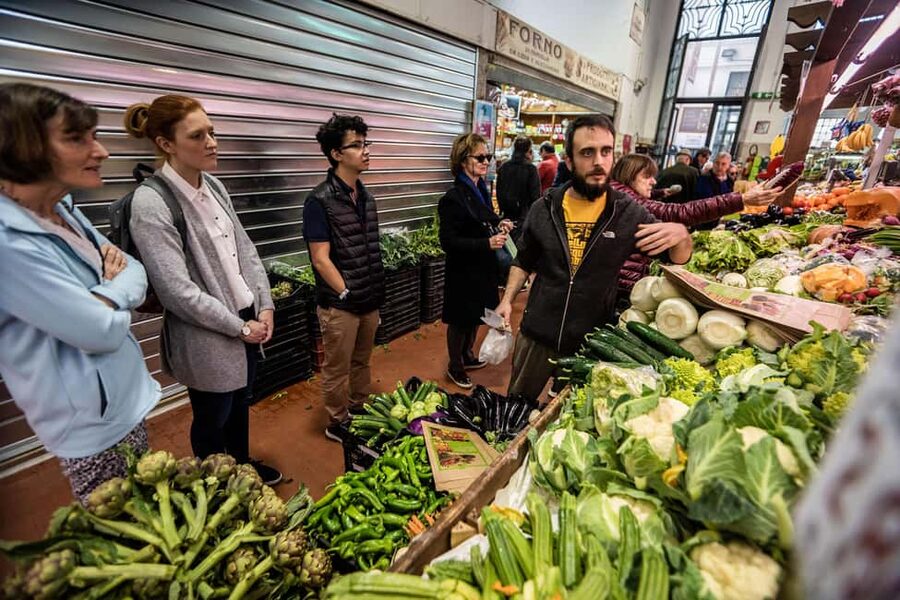
You meet at Via Palestro 51, near Rome’s Termini area, and should arrive at least 10 minutes before the start. The activity then sets off on foot toward Nomentano Market, a short walk that takes roughly five to ten minutes according to the practical descriptions of the route.
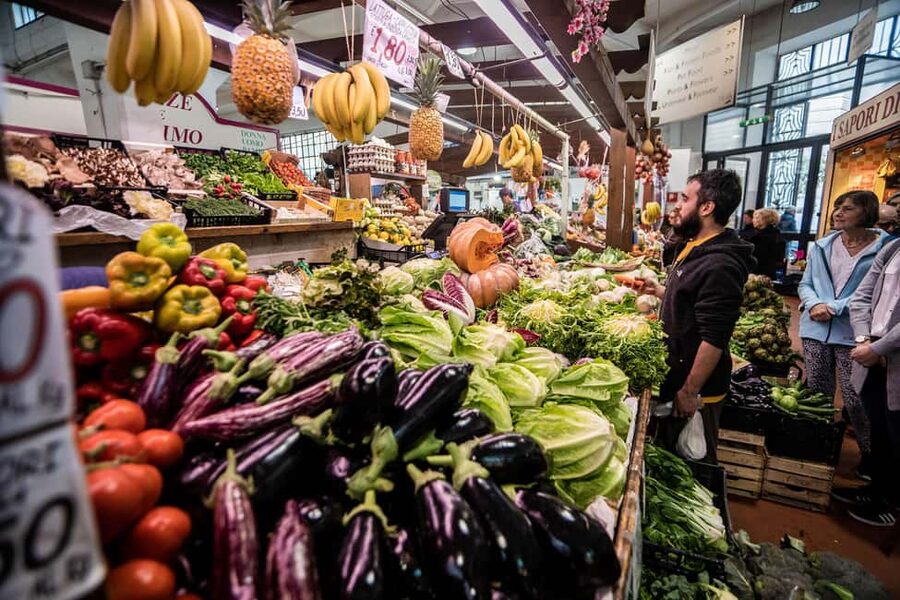
This opening matters. You are not dropped into a kitchen with a pile of anonymous ingredients. Instead, you see where some of the food comes from and learn why certain vegetables, cheeses, herbs, and other products suit the recipes. Marco also uses the walk to talk about Rome and Italian history, giving the outing more character than a simple shopping stop.
You should think of the market visit as a guided introduction, not a long food tour. Its value is in the connection between the stalls and the meal you will later eat. Marco points out the qualities he looks for and explains how combinations such as pumpkin, ricotta, sage, and mushrooms can work in a filling.
That small lesson is useful at home. Italian cooking often depends less on complicated technique than on choosing ingredients that belong together. Seeing that decision made in a real market gives you a better feel for the food than reading a recipe alone.
More Workshops in Rome:
- Rome: Pasta & Tiramisu Class with Fine Wine by the Vatican
★ 4.9 · 4,852 reviews - Rome: Pasta Making Class with Wine, Limoncello, and Dessert
★ 4.9 · 3,177 reviews - Fettuccine & Tiramisù: Cooking Class with Wine & Limoncello
★ 4.9 · 2,103 reviews
The Kitchen of Mamma and your work station
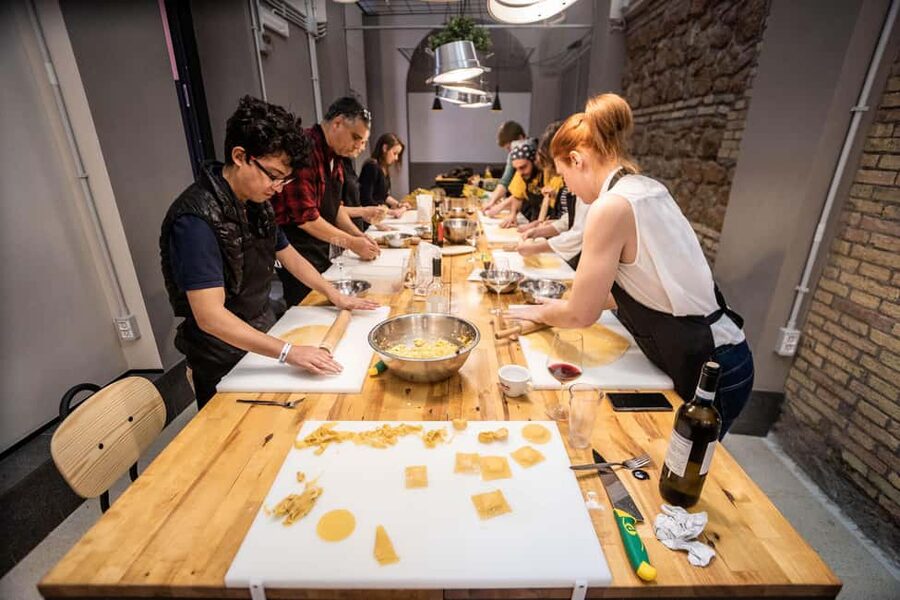
After the market, you return to the cooking space known as the Kitchen of Mamma. The kitchen is described as spacious, with individual work stations arranged around a long table. That setup is a real advantage because you are not forced to share every tool or simply watch someone else make the dough.
Marco demonstrates each stage, then gives you time to copy him. He moves around the table to check consistency, answer questions, and correct small mistakes before they become large ones. If you have never made pasta, this personal help is more useful than a polished show in which everything is finished before you can try it.
The basic lesson focuses on fresh pasta dough from scratch. You learn how to bring the dough together, work it, and prepare it for different shapes. The class does not require previous cooking skills, and the instructions are designed for beginners.
The pace is one of the stronger points. This is not a rushed recipe demonstration. You have time to handle the dough, ask questions, and try again when a fold goes wrong. One particularly practical lesson is learning that homemade pasta needs the right amount of water and salt, points that are easy to overlook when you cook quickly at home.
Ravioli, tortellini, and more than spaghetti
The exact menu can vary, but the class has covered a broad selection of fresh pasta styles. You may make ravioli and tortellini, along with linguine and other cut shapes. Past classes have included several sizes of pasta, different folds, and fillings such as pumpkin and ricotta.
That variety is a major reason to choose this class over a basic spaghetti lesson. You leave with a better sense of how dough changes when it is rolled, cut, folded, or filled. Stuffed pasta also teaches patience. You need to place the filling carefully, press out air, and seal the edges without tearing the dough.
Do not expect to prepare every part of every dish completely on your own. Marco makes some fillings and sauces, and at times he may handle cooking or preparation while you work on the pasta. This is normal for a four-hour class with several dishes, but it is worth knowing if you want a fully independent kitchen session.
The balance works well for many people. You get plenty of hands-on practice without spending the entire afternoon chopping, stirring, and washing up. Marco’s role is part teacher and part host, so the lesson remains social rather than technical from start to finish.
Sauces, fillings, and the meal at the end
The pasta is served with sauces prepared during the class. Past menus have included bolognese, sauces for stuffed pasta, and combinations using ricotta, pumpkin, sage, and mushrooms. The point is not to master one fixed Roman recipe. It is to see how one fresh dough can become several different dishes.
Marco explains how fillings and sauces are assembled, and he keeps an eye on the quality of the cooking as the meal comes together. You can ask about ingredients, preparation, and substitutions. Vegetarian needs have been accommodated in the past, and Marco has also asked about restrictions such as avoiding pork or red meat.
The final meal is generous enough to feel like lunch, not a token tasting. You eat the pasta you helped make, with an included glass of Italian wine. Coffee and limoncello finish the meal, giving the afternoon the easy rhythm of a long Italian lunch.
The wine is part of the social side of the class, but you can take the experience at your own pace. If you are pregnant or do not drink alcohol, mention it to the instructor. One past participant who was pregnant received care with safe drinks, but the supplied details do not promise a specific nonalcoholic menu for every session.
More Wine Tours in Rome:
- Rome: Tuscany & Montepulciano Day Trip with Lunch & Wine Tasting
★ 4.5 · 5,232 reviews - Rome Food Tour: Unlimited Tastings with Fine Wine & Barolo
★ 5.0 · 3,365 reviews - Rome: Guided Food Walking Tour with Wine in Trastevere
★ 4.9 · 3,105 reviews - Rome: Tuscany & Montepulciano Day Trip with Lunch & Wines
★ 4.7 · 3,004 reviews
Why Chef Marco makes such a difference
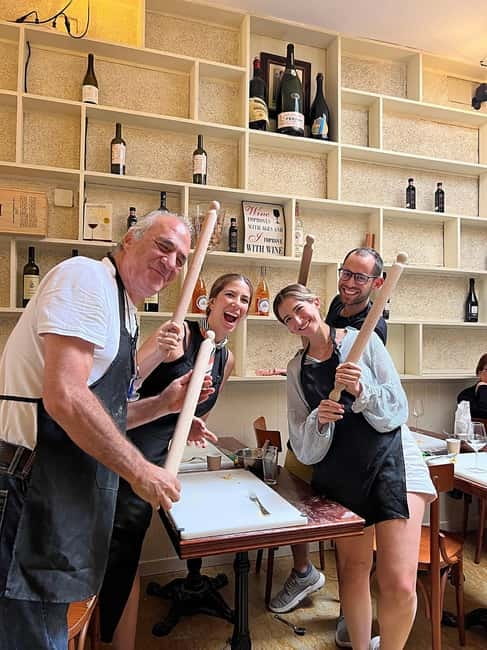
The instructor is central to this experience. Marco is repeatedly described as funny, warm, patient, and attentive, but the useful point is how those qualities affect the lesson. Pasta can be intimidating when the dough refuses to cooperate. A calm teacher who jokes about imperfect tortellini helps you keep working instead of giving up.
He also adds more than kitchen instruction. On the walk to the market, he shares Roman history and local context. At the table, he tells Italian stories and talks with the group while the pasta is being shaped and cooked. This creates the feeling of spending an afternoon with a generous local host rather than attending a formal culinary lecture.
The teaching is active. Marco demonstrates, then checks individual work stations and adjusts his help to each person. That is especially useful for families and mixed groups, where one person may already cook often while another is handling fresh dough for the first time.
There is a practical limit to this advantage. Much of the experience depends on Marco’s personal style and energy. If your priority is a quiet, highly technical class with exact measurements and little conversation, this may feel more social than formal. If you want instruction wrapped in stories, food, and laughter, the format is a better match.
Four hours, $103, and what you receive
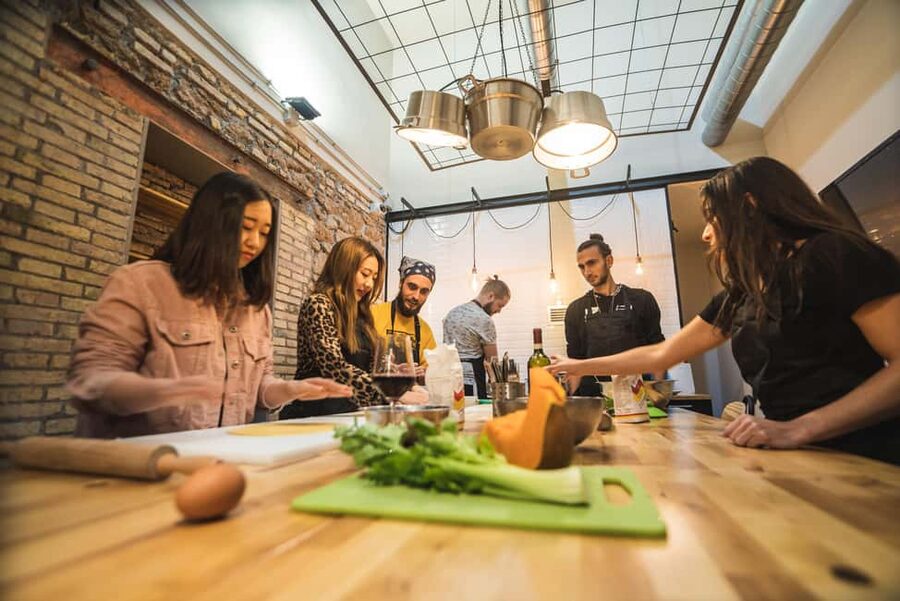
The price is $103 per person for about four hours. That is not the cheapest way to eat pasta in Rome, but it includes several parts that would cost money separately: a guided market visit, hands-on instruction, a substantial pasta lunch, wine, coffee, limoncello, recipes, and a participation certificate.
The value is strongest if you want to learn something you can repeat at home. You are not only paying for a plate of food. You are paying for access to a teacher, ingredients, work space, several techniques, and a meal built around your own work.
The official duration is four hours. One past booking was advertised elsewhere as lasting six hours but ran closer to four, which the participant found ideal. Plan on four hours and avoid scheduling a major attraction immediately afterward. The class has a relaxed pace, and the market walk, cooking, meal, and conversation all take time.
The activity is offered in English and Italian. The meeting point is easy to state clearly, but you should still allow time to find Via Palestro 51 and arrive early. Free cancellation is available up to 24 hours before the activity for a full refund, and a reserve-now, pay-later option is offered.
Who should book this pasta class?
I would choose this for first-time pasta makers, families, couples, and solo visitors who enjoy meeting people around a table. It suits anyone who wants a food activity with a local neighborhood element rather than a lesson held entirely indoors.
It is also a good pick if you have already eaten carbonara and cacio e pepe and want to understand other parts of Italian cooking. The focus on stuffed pasta and multiple shapes gives you more to take home than a single sauce recipe.
The class may not suit people with gluten intolerance. It may also disappoint anyone looking for a private lesson or a strictly professional kitchen course, since the atmosphere is social and some tasks are shared with the chef.
Vegetarians should mention their needs before the class begins. The experience has accommodated vegetarian participants and people avoiding particular meats, but the available information does not guarantee a set menu for every dietary requirement.
What you take home
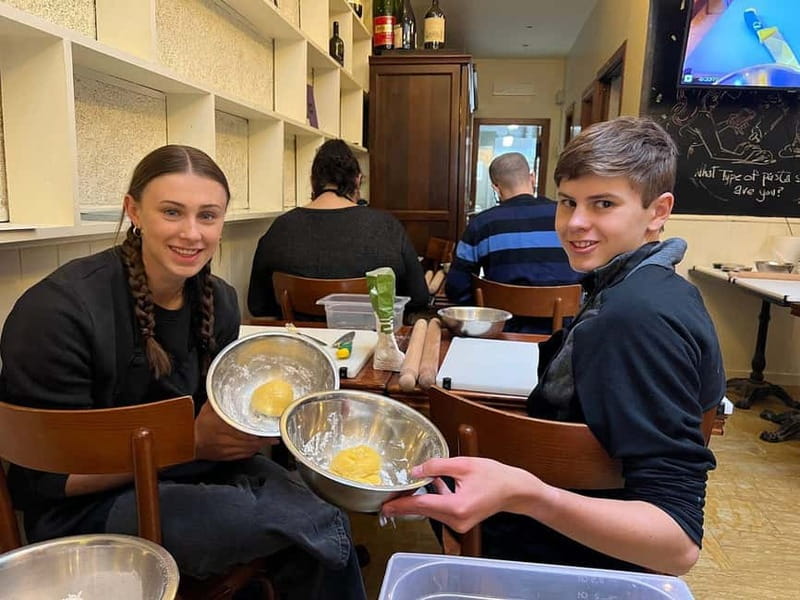
The recipes are the most useful souvenir. A participation certificate is included too, though the recipes are what will help you recreate the meal. You leave with a clearer feel for pasta dough, filling, cutting, folding, cooking water, and sauce pairing.
You may also take away a new appreciation for small technique points. How thin should the dough be? How much filling belongs inside a ravioli? How do you stop tortellini from opening? These are the hands-on questions that make a cooking class worthwhile.
The social memory matters as well. The meal gives the class a natural finish, and the combination of wine, food, Roman stories, and shared work makes it easy to meet the other people at the table. This is not simply a lesson followed by a rushed bite.
Should you book it?
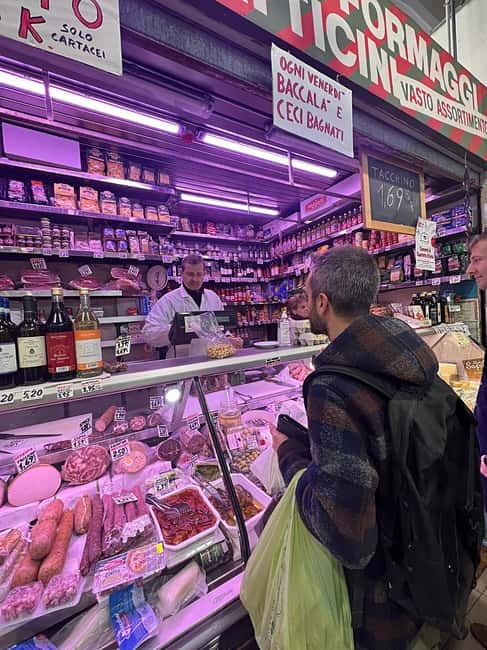
Book this class if you want an easygoing, hands-on Roman food experience and like the idea of visiting a local market before cooking. Chef Marco’s individual attention, humor, and broad pasta lesson are the main reasons to choose it, while the included meal and drinks make the $103 price reasonable for a four-hour activity.
Skip it if you cannot eat gluten, need a guaranteed specialized menu, or want every dish prepared entirely by you. For everyone else, this is a strong choice for a free afternoon in Rome, especially early in your trip, when the recipes and market lessons can shape the way you eat for the rest of your stay.
FAQ
Where does the pasta class meet?
The meeting point is Via Palestro 51, 00185 Rome. You should arrive at least 10 minutes before the activity begins.
How long does the experience last?
The stated duration is four hours. Starting times vary, so check availability when booking.
Is the market visit included?
Yes. The experience includes a walking visit to Nomentano Market, where you learn about fresh and seasonal ingredients used in the cooking class.
Who teaches the class?
The class is taught in English and Italian. Chef Marco is the named instructor associated with the experience, and an earlier session was taught by an instructor named Lucas.
Do I need previous cooking experience?
No. Previous cooking skills are not required, and the class is designed to teach the pasta-making process from the beginning.
What types of pasta will I make?
The class can include several shapes, such as ravioli, tortellini, and linguine. You may also learn different cutting sizes and folding methods.
Is lunch included?
Yes. Lunch includes the pasta prepared during the class, along with a glass of Italian wine. Coffee and limoncello are also included.
Is the class suitable for people with gluten intolerance?
No. The activity is listed as unsuitable for people with gluten intolerance.
What is included after the class?
You receive pasta recipes and a participation certificate. Free cancellation is available up to 24 hours before the activity for a full refund, and you can reserve now and pay later.
Newest wine reviews around Rome
- Rome: Painting Class with Unlimited Wine★ 4.8 · 109 reviews
- Rome: Trastevere Wine Tasting with Food Pairing and Gelato★ 4.9 · 168 reviews
- Rome: Vatican Street Food and Wine Tour with Farmers Market★ 5.0 · 37 reviews
- Rome: Trastevere Food Walking Tour with Beer and Wine★ 4.9 · 71 reviews
- Rome: Trionfale and Prati Food and Wine Tasting Tour★ 4.8 · 115 reviews
- Rome: Trastevere Food and Wine Tasting Tour★ 4.9 · 54 reviews
- Rome: Tipsy Painting Class with Fine Wine and Arts★ 4.9 · 178 reviews
- Rome: Private Guided Golf Cart Tour with Gelato or Wine★ 4.9 · 338 reviews
Rome Wine Tours, compared.
Tuscany & Montepulciano Day Trip with Lunch & Wine Tasting
Read our review →
Pasta & Tiramisu Class with Fine Wine by the Vatican
Read our review →
Rome Food Tour: Unlimited Tastings with Fine Wine & Barolo
Read our review →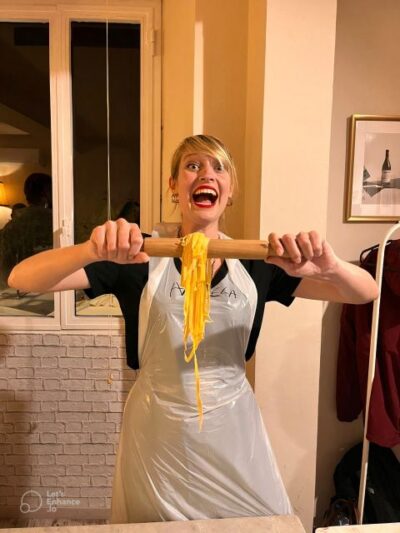
Pasta Making Class with Wine, Limoncello, and Dessert
Read our review →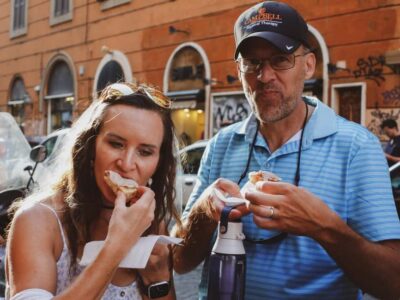
Guided Food Walking Tour with Wine in Trastevere
Read our review →
Tuscany & Montepulciano Day Trip with Lunch & Wines
Read our review →
Trastevere Food tour with Free-Flowing Fine Wine
Read our review →
Lists this tasting appears in