
Reviewed · ROME WINE TOURS
Rome: Pizza & Tiramisu Class with Free Flowing Fine Wine
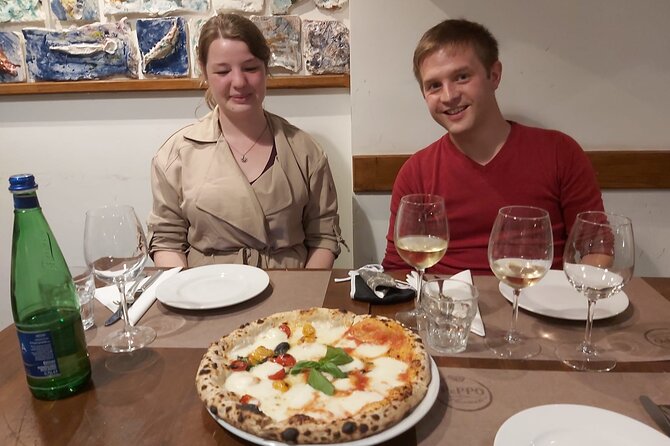
Making pizza in Rome is a fine way to turn lunch into an activity. At La Panetteria Ristorante, you prepare tiramisu first, then work with dough and toppings before eating what you made with wine or soft drinks. The small group and hands-on format give you more than a standard restaurant meal.
I like the personal coaching and the easy social mood, especially for families and solo visitors. I also like the value: for $47.16, you get the class, pizza, tiramisu, lunch, and drinks. The main caution is that this takes place in the back of a working restaurant, so noise, nearby diners, or a late finish can affect the experience.
Key points to know before booking
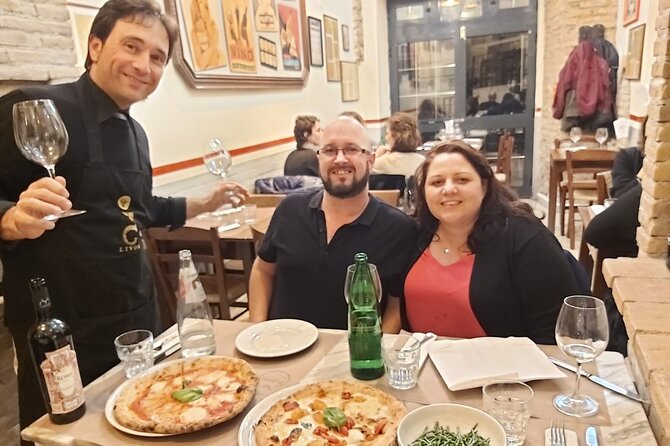
- Tiramisu comes first, followed by Roman-style pizza and a sit-down meal.
- The group is limited to 12 people, though some sessions may be smaller.
- Wine and soft drinks are included, with the amount of wine depending on the pace and service of the class.
- The English-speaking instructor changes, with past classes led by Julia, Mattia, Fiammy, Carlo, Elena, Mia, and others.
- The setting is a restaurant dining room, not a separate cooking school.
- Allow more than three hours if your schedule is tight, since one evening class ran well beyond its advertised duration.
Starting at La Panetteria Ristorante
The class begins at La Panetteria Ristorante on Via della Panetteria, near public transportation in central Rome. You return to the same place at the end, so there is no complicated transfer or separate meeting point to find after lunch.
The location makes sense for a sightseeing day. One family stopped at the Trevi Fountain before a morning class, and the restaurant’s central position lets you pair the lesson with Rome’s main sights. Still, plan your route carefully and allow time to find Via della Panetteria. This is a city-center meeting point, not a countryside food outing.
You will be working in the back part of a functioning restaurant. That gives the class a more real feel than a polished demonstration kitchen, but it also means the surroundings can change. During a quiet period, you may have the room mostly to yourself. At busier times, restaurant diners or a large party may sit nearby, making conversation harder.
That tradeoff matters. I like the idea of cooking where food is actually being served, but you should not expect a silent classroom with a dedicated kitchen for each small group.
More Workshops in Rome:
- Rome: Pasta & Tiramisu Class with Fine Wine by the Vatican
★ 4.9 · 4,852 reviews - Rome: Pasta Making Class with Wine, Limoncello, and Dessert
★ 4.9 · 3,177 reviews - Fettuccine & Tiramisù: Cooking Class with Wine & Limoncello
★ 4.9 · 2,103 reviews
Making tiramisu before the pizza
The class generally begins with tiramisu. You work through the basic preparation, then set the dessert aside while you turn to the pizza. Starting with dessert is practical because tiramisu needs time to rest before eating.
The dish uses the familiar traditional ingredients, including eggs, dairy, and ladyfingers. The class is intended to show you the standard recipe rather than offer a fully separate menu for every dietary need. Substitutions may be available for allergies or preferences, but the teaching stays focused on the traditional version.
This is a useful point for families. Children can take part in mixing and assembling the dessert, and the task is less demanding than handling pizza dough. A family with children aged nine and 11 found the morning schedule worked well, with lunch ready around noon. Another group ranging from age 10 to 73 enjoyed the class together.
The tiramisu is also a good test of what you want from the lesson. If you are seeking a detailed pastry course, this may feel basic. If you want an approachable Italian dessert that you can repeat at home, the preparation is easy to follow and fits neatly into a social cooking session.
Shaping Roman-style pizza
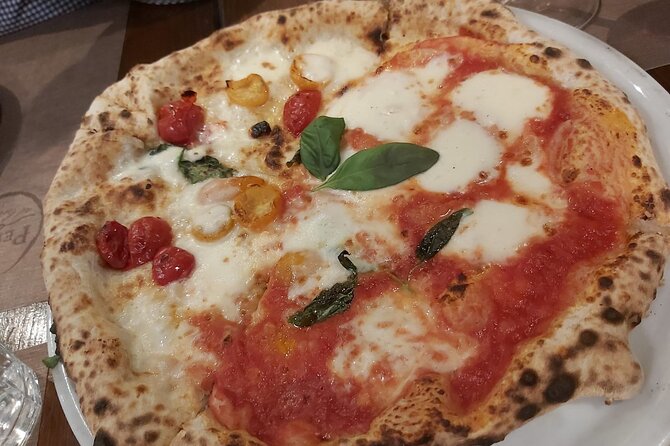
After tiramisu, you move to the main event: pizza. The focus is Roman pizza, with dough, sauce, toppings, and baking followed by a meal at the restaurant.
The class is hands-on, but do not expect a long technical study of fermentation or flour science. One session had the sauce prepared ahead of time, leaving more attention for the dough and assembly. That can be helpful if you want to get straight to the fun, though it limits how much you learn about making sauce from scratch.
The dough is where the lesson becomes more useful. You get a feel for handling it, shaping it, and building a pizza that will cook properly. One participant described learning the feel of good dough as a memorable part of the class. That is the kind of practical lesson you can carry home, even if you do not master every step in one afternoon.
You may also hear about ingredients such as 00 flour and cured meats. The amount of food background can vary with the instructor. Some teachers explain the recipes and tell stories about pizza and family cooking, while one less successful class gave little information about the Italian background of the ingredients.
The best approach is to ask questions. The class is designed for interaction, and instructors such as Julia, Mattia, and Fiammy have been praised for answering questions and giving one-on-one help. If you want to understand why a certain flour is used or how to improve your dough at home, ask while the mixture is in front of you.
Eating what you made with wine
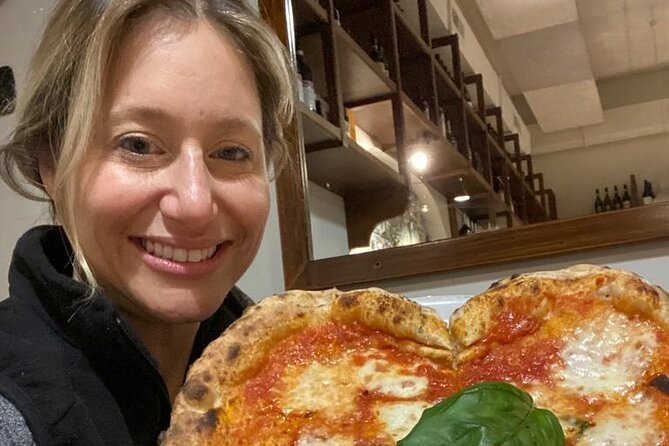
Once the pizza is ready, you sit down to eat. Lunch includes your pizza, tiramisu, and drinks. Wine is presented as free flowing, and soft drinks are available as well.
The wine changes the feel of the class. It helps strangers chat and gives the meal a relaxed rhythm. Several sessions became as much about meeting people and laughing together as about the recipes. For a solo visitor, that social side can be a real benefit. For a family, it gives adults a chance to enjoy the meal while children take part in something active.
You should keep an eye on the pace, especially if children are with you. One long evening session included several hours of drinking, and some people became quite intoxicated. The sensible move is to treat the wine as part of the meal, not as the main event. Ask for soft drinks if you prefer, and do not feel obliged to match anyone else’s pace.
There is also a small inconsistency in how the wine service may feel. Some classes kept glasses topped up regularly, while another person felt there could have been more wine. Service can depend on the group, timing, and instructor, so I would not book this solely for unlimited drinks.
More Wine Tours in Rome:
- Rome: Tuscany & Montepulciano Day Trip with Lunch & Wine Tasting
★ 4.5 · 5,232 reviews - Rome Food Tour: Unlimited Tastings with Fine Wine & Barolo
★ 5.0 · 3,365 reviews - Rome: Guided Food Walking Tour with Wine in Trastevere
★ 4.9 · 3,105 reviews - Rome: Tuscany & Montepulciano Day Trip with Lunch & Wines
★ 4.7 · 3,004 reviews
A small group with a changing cast of instructors
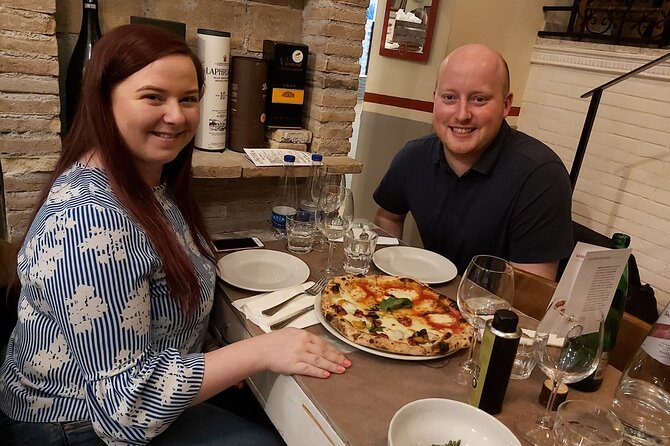
The maximum group size is 12. That is large enough to create a friendly table but small enough for an instructor to move around and help. A group of four once ended up with what felt like a private lesson, while a full group still received individual coaching in another session.
The instructor is central to the experience. Classes have been led by Julia, Mattia, Fiammy, Carlo, Elena, Mia, Thiara, Irene, Giulia, and others. The strongest sessions had an energetic teacher who kept the pace moving, answered questions, and made beginners feel comfortable.
Julia has been especially praised for her enthusiasm and personal help. Mattia has been described as patient, polite, and good at managing the food, wine, and group at the same time. Fiammy has been praised for sharing cooking tips and keeping the class lively. Carlo was a hit with children, and Elena brought strong energy to a family class.
Because the teacher changes, you should expect some variation. Most sessions appear to depend heavily on the person leading the class. A skilled instructor can make simple recipes engaging. A less experienced host may struggle with setup, serving, clearing tables, and teaching all at once.
That is also why timing can vary. The advertised duration is about three hours, but one evening class began late and ended after roughly four hours. If you have theater tickets, a dinner reservation, or a train to catch, leave a generous gap.
What the restaurant setting means
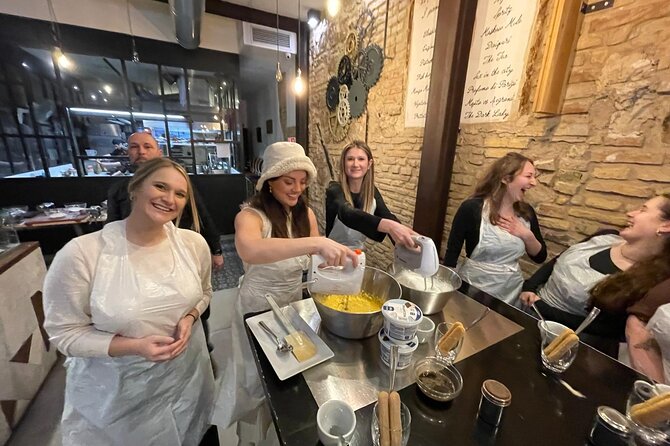
I see the restaurant setting as both a strength and a weakness. You are not in a staged demonstration space. You are in a place where pizza and other meals are served, which gives the class a direct link to ordinary Roman dining.
The drawback is that the class may share space with regular customers. A large group or tour party can be seated close by, and background noise may make it harder to hear instructions. Nearby diners may also take photos, which can feel awkward while you are trying to work.
Class timing affects this. A session between lunch and dinner may be quieter, while a busy evening can feel more crowded. A morning or early afternoon class may suit families particularly well, since you can cook, eat, and continue sightseeing afterward.
Do not expect air-conditioned transport or a vehicle. The activity is based at the restaurant, and you make your own way there and back. The meeting point is near public transportation, which keeps the logistics simple.
Is $47.16 a fair price?
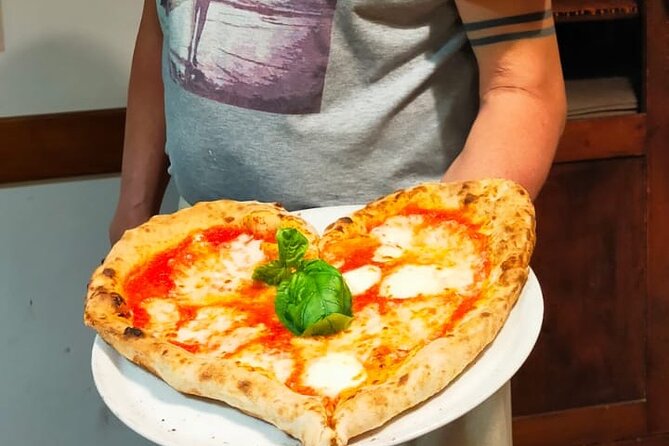
At $47.16 per person, the price is strong for Rome if you value food, instruction, and a social activity in one package. You are not paying only for a cooking demonstration. The fee covers the pizza and tiramisu you prepare, lunch, wine or soft drinks, and roughly three hours of entertainment.
The value is best for people who would otherwise pay for a restaurant meal and a separate activity. You get to eat the main dish fresh from the lesson, and the recipes may give you something useful to repeat at home. Some instructors have provided written recipes, though you should ask for them rather than assume they will arrive automatically.
The value is weaker if you want serious culinary training. The class introduces traditional techniques, but it is not a professional workshop. You may get a good feel for dough and a simple tiramisu method, yet the level of explanation can depend on the instructor.
I would also factor in the wine carefully. Included drinks add value, but the class should make sense even if you drink little or none. For me, the food and shared activity justify the price on their own.
Who will enjoy this class most?
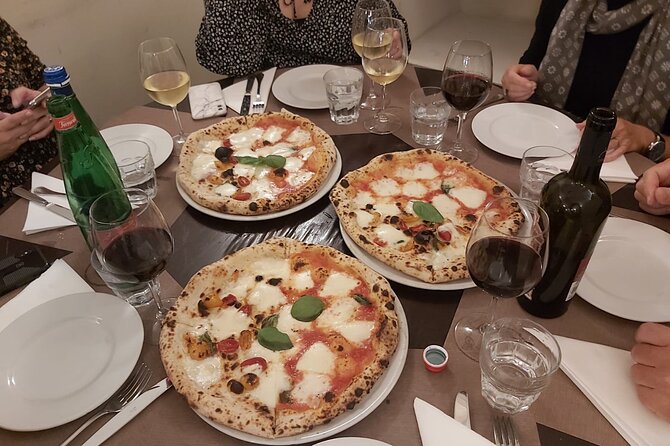
This is a good choice for families, couples, and solo visitors who like doing something together rather than sitting through a formal lecture. Children can help with both recipes, and the activity gives them a clear job from start to finish.
It also works well for a mixed-age group. One class included people from 10 to 73, and the tasks were simple enough for beginners. Couples can treat it as a casual date, while solo visitors have an easy way to meet people over lunch.
You may want a different activity if you need strict dietary control, a quiet setting, or advanced instruction. The class is not recommended for vegans, people with egg allergies, those with lactose intolerance, or anyone with gluten intolerance or a gluten allergy. Substitutions may be offered, but cross contamination cannot be ruled out, and the teaching remains based on recipes containing gluten, dairy, and eggs.
Most people can participate physically, but the class involves standing, handling dough, and working around a restaurant table. The supplied information does not describe special accessibility arrangements, so ask before booking if you need specific assistance.
Planning your day around the class
For a morning start, the class can become your lunch. That is a useful plan if you want to visit the Trevi Fountain or nearby sights first, then sit down to eat what you have made.
For an afternoon start, allow the full three hours, with extra room in case the class runs slowly. The cooking itself may not take all that time, but wine, conversation, eating, and cleanup can stretch the session.
An evening booking needs the most caution. A class scheduled for 6:30 may not finish until late if setup is slow or the meal runs long. I would not place an important reservation immediately afterward.
Wear clothes you do not mind cooking in, though no special equipment is listed. Most important, arrive ready to participate. The more questions you ask and the more willing you are to shape the dough yourself, the more useful the class becomes.
Should you book the Rome pizza and tiramisu class?
I would book it if you want a relaxed, good-value food activity with plenty of conversation and a meal included. The strongest reasons are the small maximum group, the chance to make both dessert and pizza, and the instructors who give warm, practical coaching.
I would skip it if you want a quiet cooking studio, a fully technical lesson, or guaranteed control over allergens. I would also leave time after the class, especially for an evening booking.
For most families, couples, and solo visitors, this is an enjoyable way to put a little work into lunch and leave with a better feel for Roman pizza. Just remember that the restaurant setting and changing instructors mean the quality depends on the particular session. Free cancellation is available up to 24 hours before the start time, which gives you some flexibility if your Rome plans change.
FAQ
How long does the pizza and tiramisu class last?
The planned duration is about three hours. One evening session lasted closer to four hours, so leave extra time if you have plans afterward.
Where does the class start and finish?
It starts at La Panetteria Ristorante, Via della Panetteria, 13a/14, 00187 Rome. The activity ends back at the same meeting point.
What food will I make?
You will prepare traditional tiramisu and Roman-style pizza. The pizza is served as your main meal, along with drinks.
Are wine and soft drinks included?
Yes. Lunch includes pizza and drinks, with wine and soft drinks available during the experience.
Is the class suitable for dietary restrictions?
The class is not recommended for people with egg allergies, vegans, lactose-intolerant people, or anyone with gluten intolerance or a gluten allergy. Substitutions may be offered, but the instruction focuses on recipes containing gluten, dairy, and eggs, and cross contamination cannot be guaranteed.
How many people can join the class?
The maximum group size is 12 people. Some sessions may have fewer participants.
Is cancellation free?
You can cancel for a full refund up to 24 hours before the experience begins. Changes or cancellations made less than 24 hours before the start time are not accepted for a refund.
Newest wine reviews around Rome
- Rome: Painting Class with Unlimited Wine★ 4.8 · 109 reviews
- Rome: Vatican Street Food and Wine Tour with Farmers Market★ 5.0 · 37 reviews
- Rome: Trastevere Wine Tasting with Food Pairing and Gelato★ 4.9 · 168 reviews
- Rome: Trionfale and Prati Food and Wine Tasting Tour★ 4.8 · 115 reviews
- Rome: Trastevere Food Walking Tour with Beer and Wine★ 4.9 · 71 reviews
- Rome: Trastevere Food and Wine Tasting Tour★ 4.9 · 54 reviews
- Rome: Tipsy Painting Class with Fine Wine and Arts★ 4.9 · 178 reviews
- Rome: Private Guided Golf Cart Tour with Gelato or Wine★ 4.9 · 338 reviews
Rome Wine Tours, compared.
Tuscany & Montepulciano Day Trip with Lunch & Wine Tasting
Read our review →
Pasta & Tiramisu Class with Fine Wine by the Vatican
Read our review →
Rome Food Tour: Unlimited Tastings with Fine Wine & Barolo
Read our review →
Pasta Making Class with Wine, Limoncello, and Dessert
Read our review →
Guided Food Walking Tour with Wine in Trastevere
Read our review →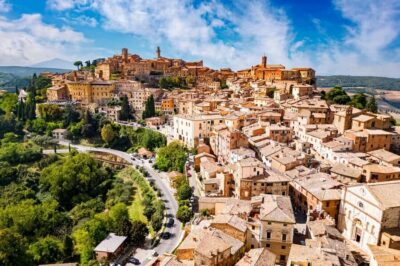
Tuscany & Montepulciano Day Trip with Lunch & Wines
Read our review →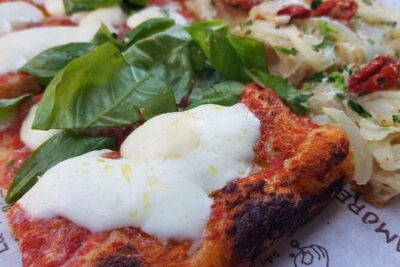
Trastevere Food tour with Free-Flowing Fine Wine
Read our review →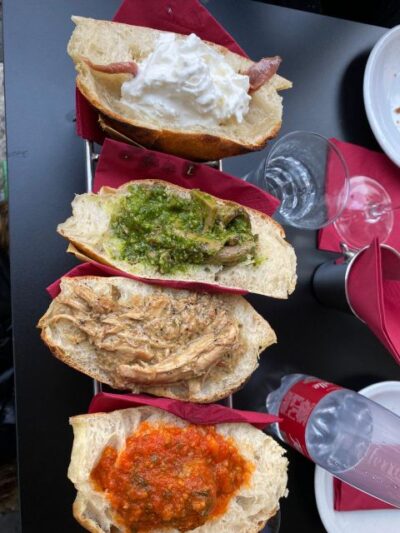
Lists this tasting appears in