
Reviewed · ALBANIA WINE TOURS
Tirana: Traditional Cooking Class with Wine & Raki Tasting
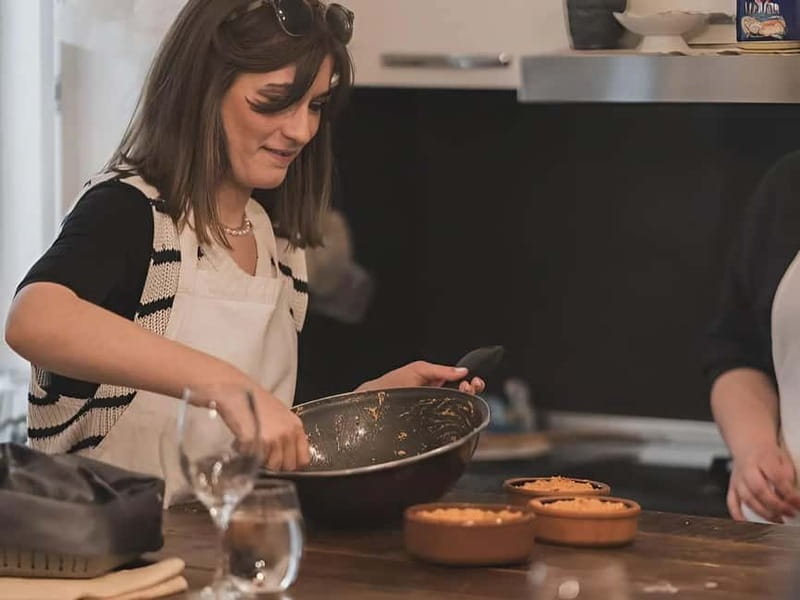
Tirana’s best food lesson may be the one that leaves you too full for dinner. This four-hour class puts you beside Sindi, a warm and patient host, as you prepare tave kosi, lakror, and dessert with family recipes, local ingredients, homemade wine, and raki. I like the hands-on cooking and the easy social feel. You are not just watching a chef perform. You whisk, roll, season, shape, and eat.
I also like the value. For $41, you get instruction, ingredients, equipment, drinks, several dishes, appetizers, and dessert. The only point to consider is that this is usually a group effort, so you may not personally complete every step of every dish. You do get the recipes, but cooks wanting a fully individual lesson may find the shared format less exact.
Key details before you book
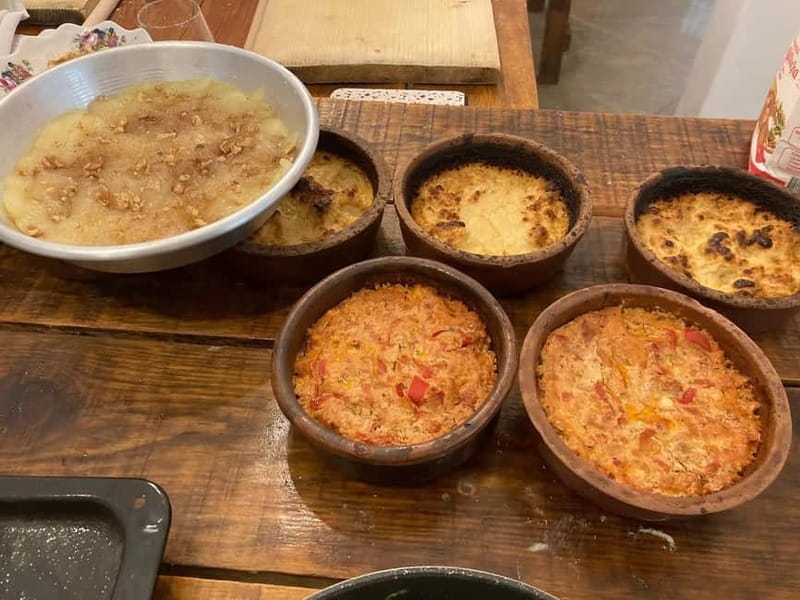
- Three traditional dishes: Learn tave kosi, the famous lamb and rice bake, lakror, Albania’s version of byrek, and a traditional sweet.
- Sindi leads the class: She teaches in English, explains each stage carefully, and is happy to discuss food preferences and allergies.
- Family recipes and local supplies: Herbs and vegetables may come from the family garden, while the wine and raki are homemade.
- A full four-hour experience: Cooking is followed by a long meal, local tastings, conversation, and dessert.
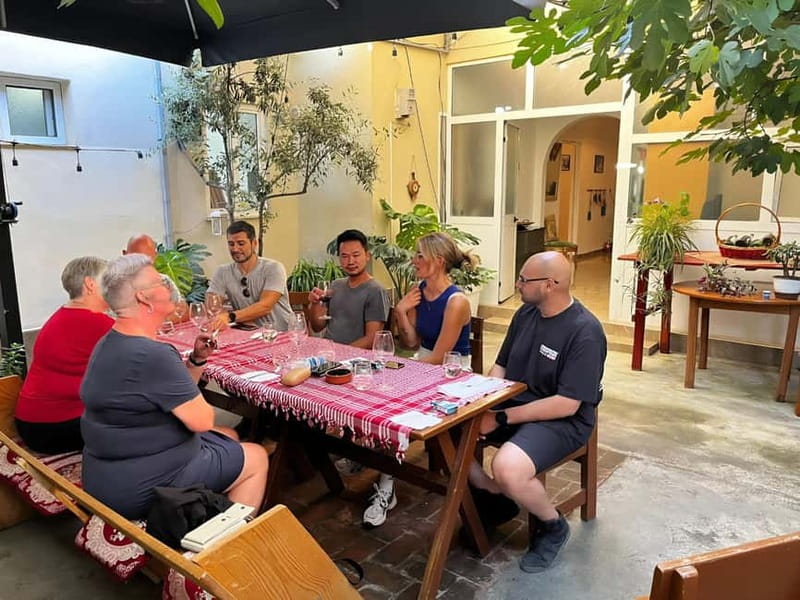
- A social group setting: Group size can be small or reach around nine people, making this as much a shared meal as a lesson.
- Good practical value: Everything needed for cooking and drinking is included, but hotel pickup and drop-off are not.
Why tave kosi makes a good first Albanian dish
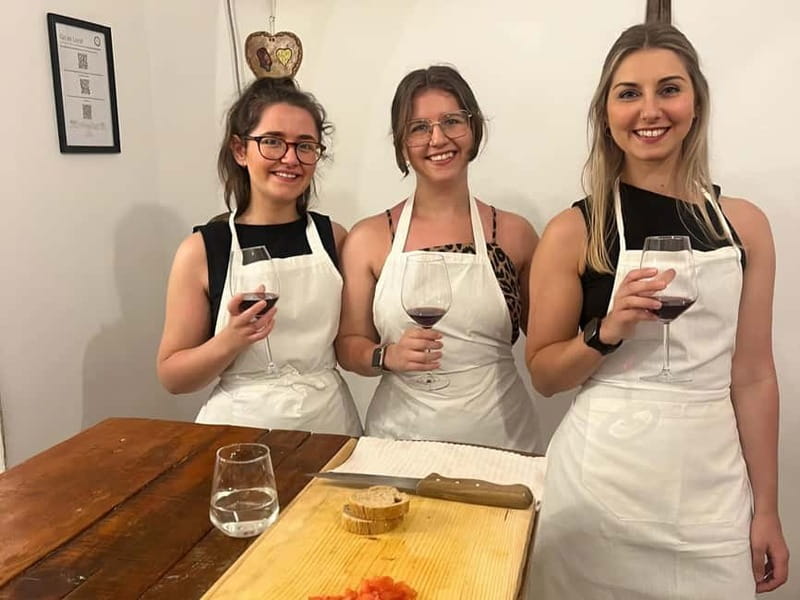
The class begins with introductions to Sindi and her family’s cooking traditions. This matters because Albanian food is not presented as a museum piece. You learn the household rules behind it, where those rules came from, and how recipes passed through generations still fit an ordinary kitchen.
The main lesson centers on tave kosi. It combines lamb and rice with a creamy baked topping, and it is widely treated as one of Albania’s signature dishes. The dish also carries a bit of national symbolism. It is known as the Independence Dish because it was a favorite of Ismail Qemali, Albania’s first prime minister.
That story gives the cooking a useful sense of place. You are not simply preparing a casserole. You are learning why one dish has such a strong place in Albanian food culture. Sindi explains the method step by step, which helps if you are not confident in the kitchen.
Several people who describe themselves as poor cooks found the recipes manageable. That matches the format: you receive guidance as you work, and the dishes are practical enough to repeat at home. The class aims at good food and shared fun, not restaurant-school precision.
More Workshops in the world:
- Florence: Pasta Cooking Class with Unlimited Wine
★ 4.9 · 10,285 reviews - Florence: Pasta & Tiramisu Cooking Class with Unlimited Wine
★ 4.9 · 6,708 reviews - Florence: Pasta Cooking Class with Unlimited Wine
★ 5.0 · 6,413 reviews
Rolling lakror from scratch
The second major dish is lakror, an Albanian cousin of byrek. You learn to make it from scratch, including the pastry work. This is likely the most tactile part of the lesson, since rolling dough gives you something concrete to practice rather than simply watching someone else do it.
One commonly prepared filling is spinach and cottage cheese. The ingredients are simple, but the technique gives the dish its character. You learn how the dough is handled and how the filling is brought together before baking.
I like this part because it connects the class to a wider Balkan food tradition without treating lakror as just another generic pastry. Byrek is familiar across the region, but local versions vary. Making lakror with an Albanian host gives you a chance to see one family’s approach.
The group format becomes most noticeable here. You may work as part of a team, so you might not handle every stage from beginning to end. You may also end up eating a dish prepared partly by another person. That is a fair trade for the relaxed social setting, but it is worth knowing before you book.
Homemade wine, raki, and the family table
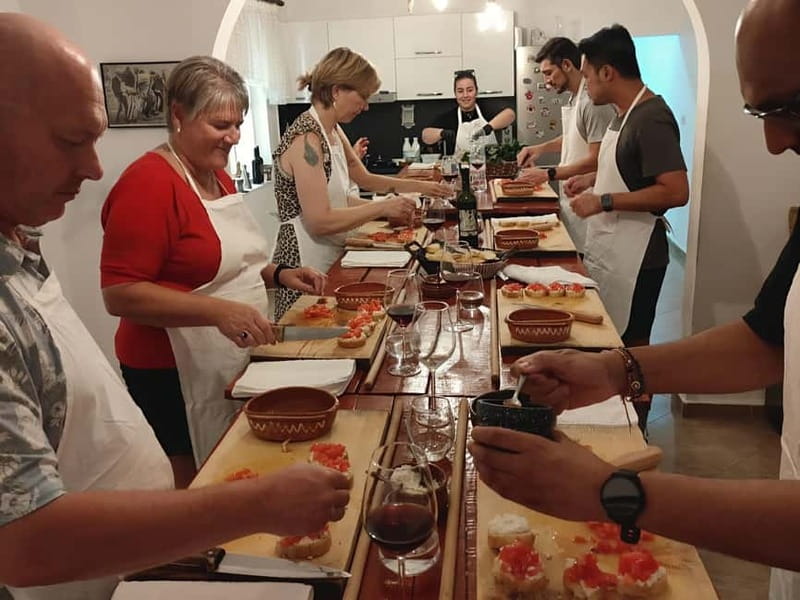
Wine and raki are served during the class, not saved for a quick tasting at the end. The homemade red wine comes from Sindi’s father, and several people particularly enjoyed it. Raki, Albania’s well-known fruit brandy, is also homemade.
The drinks help turn the lesson into a long afternoon at the table. You cook, pause, taste, talk, and return to the next task. The pace is not built around rushing through a checklist. It feels closer to being welcomed into a family food tradition, though you should keep an eye on how much you drink. Four hours of cooking with freely available wine and raki can catch up with you.
You may also try small local foods along the way, such as sausage and honey, along with homemade appetizers. These extras help you understand how Albanian meals are built. The class is not only about the three main recipes. It is also about the generous habit of putting several things on the table and letting people sample as they talk.
Sindi’s hosting is a major part of the experience. She is described as funny, patient, warm, and clear in her instructions. She also asks about allergies, intolerances, and vegan preferences when planning the food. That is a useful sign of care, although you should still explain your needs clearly before cooking begins.
What the four-hour schedule feels like
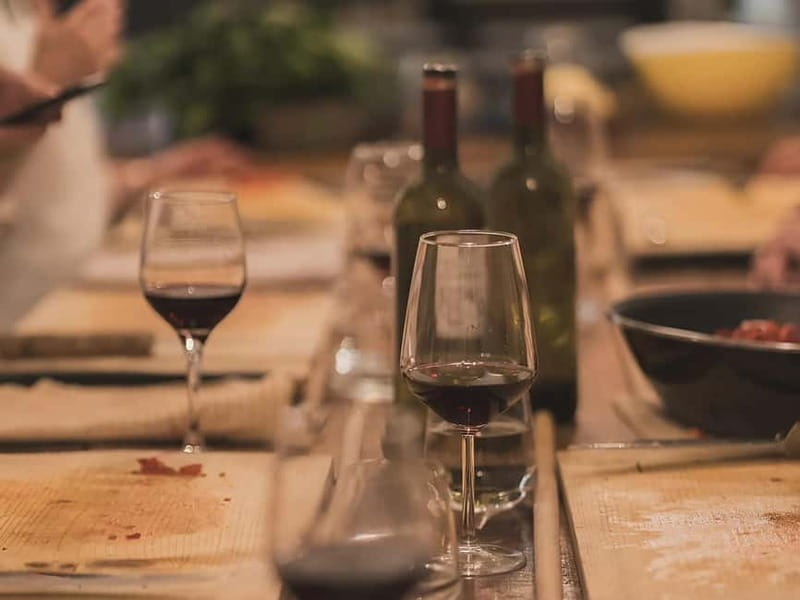
The class starts with introductions and a short explanation of the recipes and cooking traditions. You then move into preparation, with Sindi guiding the group through the tave kosi and lakror.
The class includes the equipment and ingredients, so you do not need to shop or bring kitchen tools. That makes this a simple choice for a short stay in Tirana. You can show up ready to work, rather than spending part of the day finding specialty ingredients.
As the food cooks, the group has time to drink, chat, and sample small items. Several classes have had only three people, while another group had nine. That range changes the feel. A small group gives you more room to ask questions. A larger group brings more conversation and new company, but also means more sharing of tasks.
The final stage is the meal itself. You sit down with the dishes you helped prepare and take your time eating. The menu can include three courses plus dessert, and the portions are substantial enough that you may want to skip dinner plans afterward. One practical tip is to arrive hungry, but not so hungry that you cannot focus during the cooking.
Dessert may include sheqerpare, a traditional Albanian sweet. You may also receive recipes afterward, which adds lasting value. This is not just a meal that disappears at the end of the afternoon. You can try making the dishes at home and use the class as a starting point for further Albanian cooking.
More Wine Tours in the world:
- Amsterdam: Classic Saloon Boat Cruise with Cheese & Wine
★ 4.6 · 27,035 reviews - Amsterdam: Evening Cruise with Optional Wine and Snacks
★ 4.4 · 22,178 reviews - Tuscany Day Trip from Florence: Siena, San Gimignano, Pisa and Lunch at a Winery
★ 5.0 · 21,634 reviews - From Porto: Douro Valley w/ Boat Tour, Wine Tasting & Lunch
★ 4.7 · 19,061 reviews
The food quality and the local angle
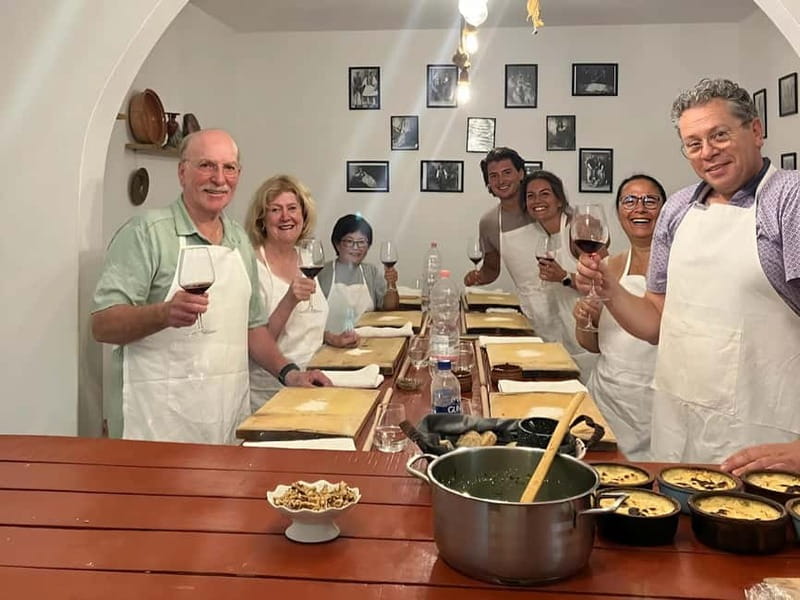
The hosts try to use organic local ingredients, including herbs and vegetables from their garden. Some items, such as butter, cheese, wine, and raki, may be homemade. That does not mean every item comes directly from the family property, but it does give the meal a stronger local connection than a class built around standard supermarket supplies.
Fresh ingredients matter most in simple food. When a dish uses familiar elements such as spinach, cheese, rice, lamb, herbs, and pastry, quality and balance become easy to notice. The class lets you see those ingredients before they become part of the finished meal.
The recipes also appear designed for home cooking. They are not packed with difficult restaurant techniques or obscure products. If you want to recreate a taste of Albania after your holiday, this is a useful format. You receive instruction you can remember, recipes you can keep, and methods that do not require professional equipment.
That said, this is not a specialist culinary course. You will not spend four hours on knife skills, food theory, or detailed regional comparisons. The focus is on a few popular dishes, family traditions, drinks, and a good shared meal.
A friendly class for solo visitors and couples
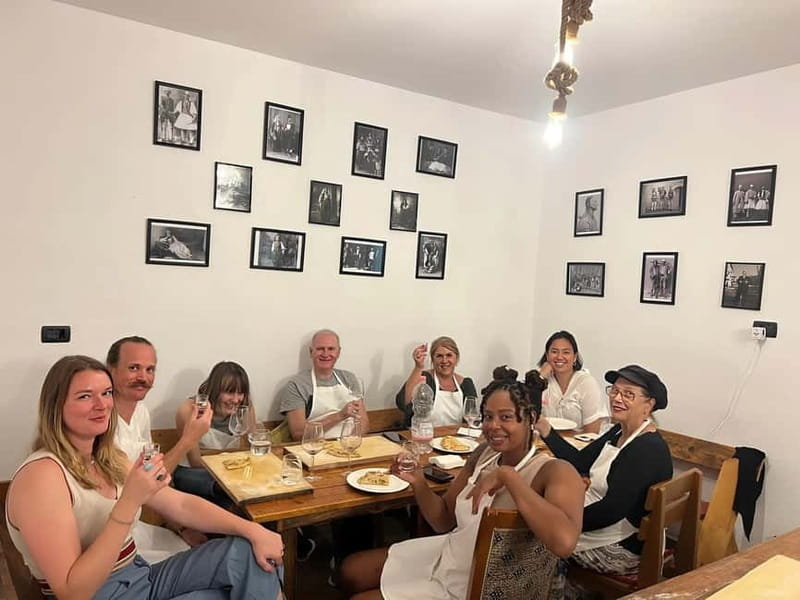
The social side is one of the strongest reasons to book. You cook with people from different countries, then share the results around the table. Solo visitors can meet people without needing to organize a night out, while couples get a break from sightseeing and restaurant meals.
The setting is intimate enough for conversation. A small kitchen with workstations gives you a role, rather than placing you at the edge of a demonstration. Participants have described learning small practical skills, including whisking and using a rolling pin properly. Those details show the class is approachable for beginners.
Sindi’s English is strong, including food vocabulary, so instructions are easy to follow. Her patience also matters. Cooking classes can become stressful when the teacher moves too fast, but the class is generally paced so you can keep up.
The relaxed tone has one possible downside. Conversation and drinks are part of the experience, so the lesson may not feel tightly structured at every moment. If you want a quiet, highly technical session with individual feedback, this may be too casual. If you want food, culture, and company in equal measure, the balance works well.
Is $41 a fair price?
At $41 per person, the class is good value if you treat it as a half-day cultural activity rather than a simple recipe lesson. The price includes the instructor, ingredients, equipment, wine, raki, appetizers, and the meal you prepare. You also receive the recipes, and leftovers may sometimes be available to take home.
A comparable afternoon built from separate costs would include a meal, several drinks, food tastings, and an organized activity. Here, those parts are combined in one family-run experience. You also avoid the effort of finding local ingredients and guessing which dishes to order at a restaurant.
The value is strongest for people who enjoy generous portions and social time. If you do not drink alcohol, you will still have the cooking and meal, but part of the included offering will matter less to you. Likewise, a person seeking a short one-hour demonstration may not want to spend four hours here.
Hotel pickup and drop-off are not included. You need to arrange your own way to the meeting point, and it is sensible to allow enough time to find it. The hosts provide clear directions, but the experience itself begins at the class location.
Dietary needs, pace, and practical planning
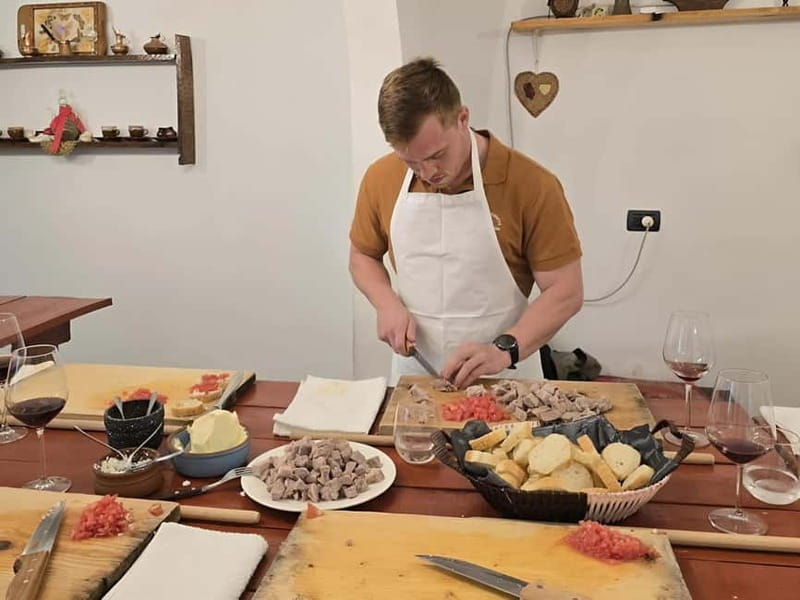
The class is taught in English. Sindi asks about allergies, intolerances, and vegan preferences, which gives the group a chance to adjust the menu when possible. You should share those details in advance and repeat them at the start so the cooking plan is clear.
The booking allows free cancellation up to 24 hours before the activity for a full refund. You can also reserve now and pay later, which helps if your Tirana plans are still shifting. Starting times vary, so check the available session when booking.
Plan the rest of your day around a long meal. You may taste appetizers, drink wine or raki during the cooking, eat three or four prepared courses, and finish with dessert. I would not pair this with an important dinner reservation afterward.
The class also works well on a rainy afternoon. It gives you four indoor hours with a clear purpose, and the food makes the time feel substantial rather than like a backup plan. Still, do not think of it as a quick shelter from bad weather. You are committing most of an afternoon.
Who should choose this Tirana cooking class?
I would recommend it to:
- First-time visitors who want an introduction to Albanian food.
- Solo visitors looking for an easy social activity.
- Couples who enjoy cooking together and sharing a meal.
- Beginners who want recipes they can repeat at home.
- Food lovers interested in family traditions and homemade drinks.
- People with an open afternoon in Tirana who do not need hotel transport.
I would be more cautious if you want to cook every dish independently. The group divides jobs, so you may miss some end-to-end steps. I would also think twice if you avoid alcohol and do not care about the social side, since homemade wine and raki are central to the atmosphere.
Should you book it?
Book this class if you want a warm, filling, practical introduction to Albania through food. Sindi’s clear teaching, the family recipes, the homemade wine and raki, and the chance to sit down with what you made give the afternoon more substance than a standard demonstration.
Skip it if you want a private lesson, a strict culinary curriculum, or a short activity with no drinking. For most visitors, though, $41 buys a generous meal, useful recipes, and a relaxed connection with Albanian home cooking. Just arrive ready to share the work, leave room in your stomach, and keep your evening free.
FAQ
How long does the cooking class last?
The activity lasts four hours, including the cooking, tastings, shared meal, drinks, and dessert.
Where does the experience take place?
It takes place in Tirana District, Albania. Hotel pickup and drop-off are not included.
How much does the class cost?
The listed price is $41 per person.
What language is the class taught in?
The instructor teaches in English.
Who leads the cooking class?
Sindi is the main host and instructor. The experience is run by a family team, with recipes passed down through generations.
What dishes will I learn to make?
The class teaches tave kosi, an Albanian dish made with lamb and rice, and lakror, an Albanian version of byrek. You also prepare a traditional dessert, with menus sometimes including sheqerpare.
Are ingredients and cooking equipment included?
Yes. The cooking lesson, instructor, ingredients, and equipment are included.
Are wine and raki included?
Yes. Drinks are included, including homemade wine and raki provided by the hosts.
Do I receive the recipes afterward?
Yes. The recipes are provided so you can make the dishes at home.
Can I cancel for a refund?
You can cancel up to 24 hours in advance for a full refund. You can also reserve now and pay later.
Newest wine reviews around the world
- Jersey Premium Vineyard and Distillery Wine Tour and Tasting★ 5.0 · 176 reviews
- Charleston Winery, Brewery & Sightseeing Tour★ 5.0 · 39 reviews
- Gastronomy tour and wine tasting in traditional villages★ 5.0 · 32 reviews
- Wine & Olive Oil Tour with lunch at the White Mountains★ 5.0 · 71 reviews
- Kefalonia: Private Olive Oil, Honey & Wine Tasting Experience★ 5.0 · 32 reviews
- Chania Walking Food And Wine Night Tour★ 4.5 · 31 reviews
- Manousakis Winery Shuttle Service Tour and Taste★ 4.5 · 34 reviews
- Dreamy Cruise sunset tour with dinner and unlimited wine!★ 5.0 · 41 reviews
Albania Wine Tours, compared.
From Berat: Guided Winery Tour with Transfers and Tastings
Read our review →
Skadar Lake & Crnojevića River: Swimming, Snacks & Wine
Read our review →
Durrës Countryside Vineyard Experience with Wine & Food Pairing
Read our review →
Durres Countryside Vineyards Wine Tasting & Food Pairing
Read our review →
Art & Wine in Tirana – Create Your Souvenir With Us
Read our review →Lists this tasting appears in