Reviewed · ITALY WINE TOURS
Tuscan Wine Tour in Lucca by van
The best part of this Lucca wine tour is its scale. You leave the city in an air-conditioned van and spend the day at two small family wineries, not a large commercial estate with a polished tasting room and a quick sales pitch. You meet the people making the wine, hear how their families work the land, and taste bottles that reflect different approaches to Tuscan winemaking.
I like the personal contact with the winemakers, and I like that lunch is part of the experience rather than an afterthought. Bread, olive oil, meats, cheeses, honey, and other local foods accompany the wine. The main consideration is time: this is a full half-day, and one stop may appeal to you more than the other.
Key points to know before booking
- Two independent wineries: You visit small producers in the hills outside Lucca, with each stop offering a different setting and winemaking style.
- Winemakers do the talking: The hosts explain their family traditions, organic methods, and newer techniques in a personal setting.
- Lunch is substantial: Plan to arrive hungry. Tastings come with bread, meats, cheeses, olive oil, honey, and other local nibbles.
- Small-group format: The van holds a maximum of 15 people, though several accounts describe a much smaller and more intimate group.
- Strong guide presence: Tommaso, Raffaele, Marco, and other guides have been praised for local history, wine explanations, and an easygoing manner.
- Good value for a half-day: At $180.27 per person, the price covers transport, guiding, tastings, snacks, lunch, bottled water, and alcoholic drinks.
Leaving Lucca for the Colline Lucchesi
Meet at 10 a.m. outside the Centro informazioni turistiche at Porta San Donato, on Piazzale Giuseppe Verdi. This is a practical meeting point near Lucca’s historic center and public transport. The tour returns to the same place at the end, so you do not need to arrange a second pickup.
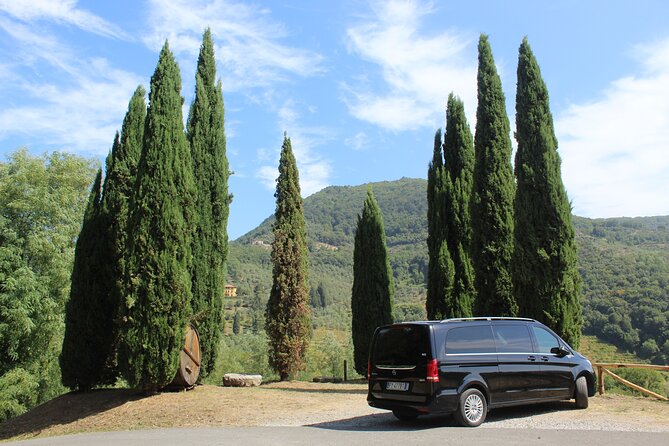
The air-conditioned van matters here. The wineries are outside Lucca, up in the hills, and the route is part of the pleasure. You can look out at the Tuscan countryside instead of worrying about narrow roads, parking, or who has to skip the wine. Bottled water is included, a sensible touch on a day built around tastings.
Your guide sets the tone early. Guides named in the tour’s feedback include Tommaso, Raffaele, Raffaella, and Marco. Their roles go beyond driving. They explain Lucca, the local countryside, and the place of wine in Tuscan life as you travel between the city and the vineyards.
The advertised duration is about five to six hours, with the official schedule placing the finish around 4 p.m. I would avoid booking a tight late-afternoon commitment afterward. Countryside visits do not always move at city pace, and you will want time to enjoy lunch without watching the clock.
More Wine Tours in Italy:
- Tuscany Day Trip from Florence: Siena, San Gimignano, Pisa and Lunch at a Winery
★ 5.0 · 21,634 reviews - Florence: Pasta Cooking Class with Unlimited Wine
★ 4.9 · 10,285 reviews - Florence: Chianti Wineries Tour with Wine Tasting
★ 4.5 · 10,071 reviews
First stop: a working winery near Lucca
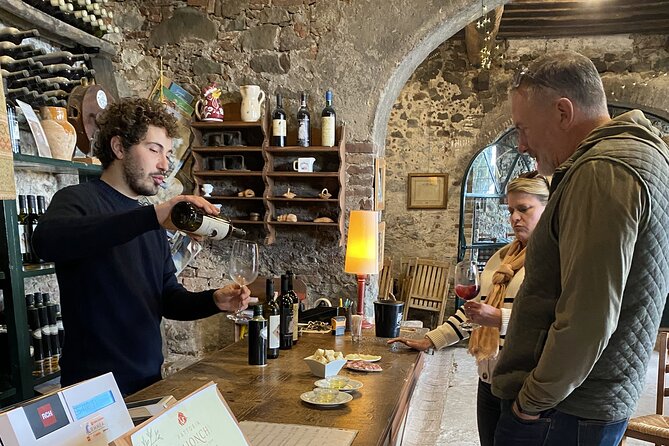
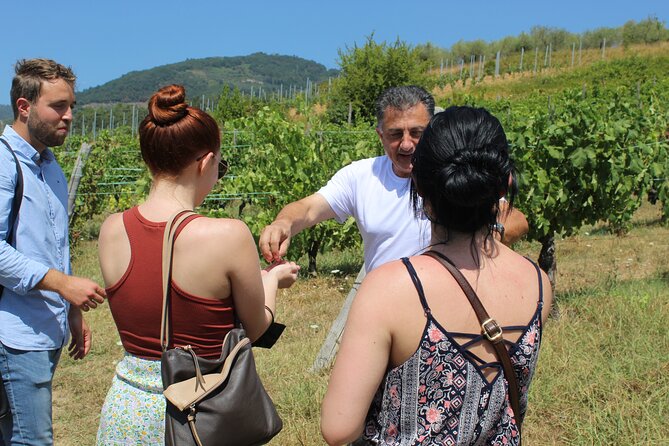
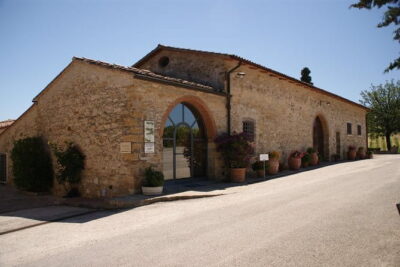
The first winery is presented as a chance to learn how wine is made. That can include the property’s history, the family behind it, the cellar, and the choices that shape each bottle. The visit lasts about two hours, so there is room for more than a quick pour and a few photographs.
The most interesting contrast comes from the producers themselves. One winery has been described as more traditional, while another features a younger winemaker experimenting with newer methods. At some tastings, you may encounter white wine, rosé, Sangiovese blends, fuller-bodied reds, or orange wine. The exact lineup can change, but the point is comparison.
Sangiovese is especially useful to taste in this setting. It is one of Tuscany’s familiar red grapes, but the finished wine can vary widely depending on soil, aging, blending, and the winemaker’s choices. You may taste a lighter, slightly chilled version before moving to deeper, drier reds. That progression helps you understand the grape instead of treating it as one fixed style.
The experience is not limited to wine. Small producers may offer olive oil, honey, bread, and other products made on or near the property. The food gives you something to compare with the wine and helps make the tasting feel like a visit to a working farm rather than a retail counter.
One practical warning: the two wineries are not guaranteed to make the same impression. The first stop has been singled out as especially strong by one person who found the second winery’s wines less impressive. That is not a reason to skip the tour, but it is a reminder that small-scale wine production brings variety. You are choosing a personal look at local producers, not a carefully standardized brand experience.
Second stop: organic wine and a countryside lunch
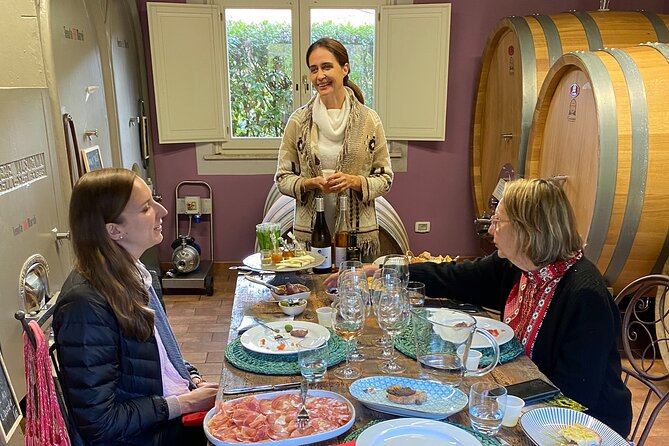
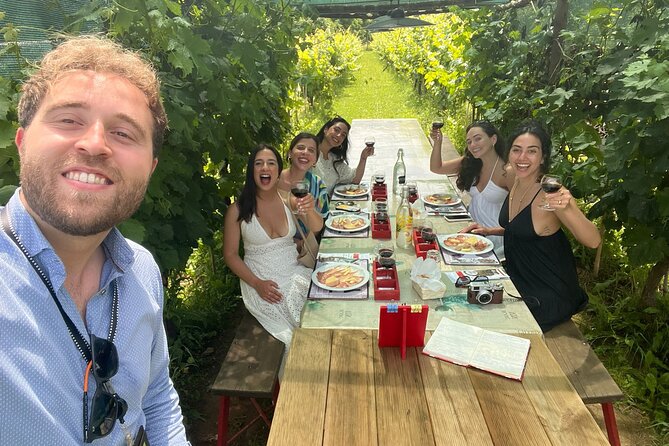
The second visit is built around relaxing over food and wine. It takes place at a special winery in the countryside and includes a light lunch, though the descriptions suggest something more generous than the word light may imply. Expect combinations such as bread with olive oil, local meats, cheeses, and other simple foods that suit a long tasting.
This stop is also associated with a certified organic cellar. Organic certification does not automatically tell you which wine you will prefer, but it gives the visit a clear focus. You can ask about farming methods, cellar work, and the decisions behind the bottles.
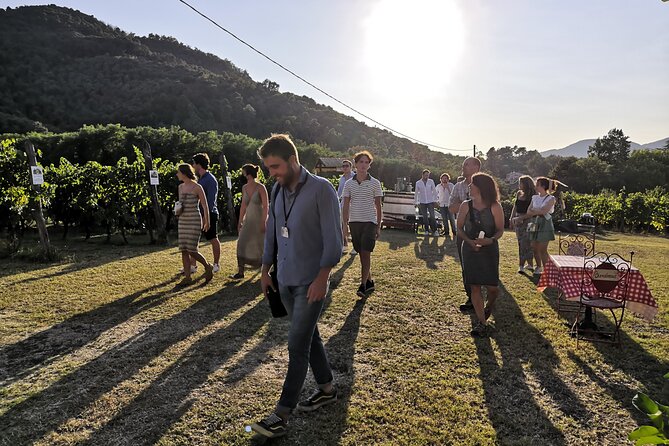
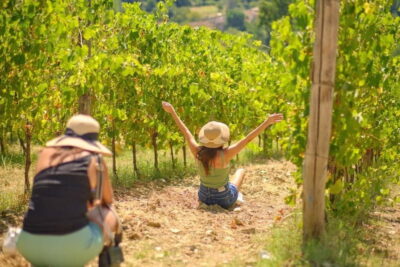
The setting is an important part of the meal. You may eat at a table among the vines or in a rustic winery setting, depending on the property and the weather. One account describes a meal that felt fit for a king, while another notes that the food was abundant and delicious. You should not treat those descriptions as a promise of a fixed menu, but you can reasonably expect more than a few crackers.
The winery hosts are part of the appeal. At some visits, you may meet the owners directly, including family members who help run the property. That personal contact is valuable because it connects the food and wine to actual work: growing grapes, managing a cellar, serving the harvest, and keeping a family business going.
This stop may also bring the group together. A shared table, repeated pours, and a relaxed guide can turn a group of strangers into pleasant company for the afternoon. If you prefer a silent, highly technical tasting, this may feel informal. If you want food, conversation, and a sense of place, the format works well.
What you are likely to taste
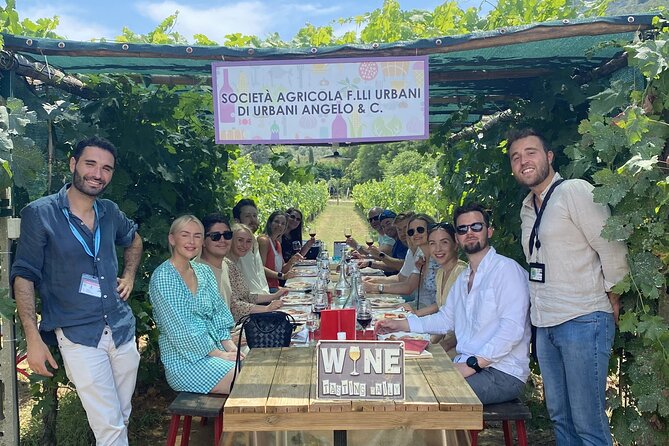
The tour centers on organic wines, but the exact bottles are not specified. You might taste whites, rosés, Sangiovese-based reds, orange wine, and other local styles. The range appears broad enough to suit both newcomers and people who already know their way around a wine list.
Orange wine has received particular attention from people who enjoyed the tour. If you have never tried it, this is a useful setting to do so because the winemaker can explain the style and answer questions. Do not assume you will love it, but it can add a memorable point of comparison to the usual Tuscan reds.
The tastings are paired with food rather than served in isolation. Bread and olive oil can show how a wine handles fat and salt. Cured meats and cheeses bring out different qualities in red wine. Honey and other local products add sweetness and texture, giving you more ways to think about what is in the glass.
You do not need to be a wine expert. The tour is designed around explanation and conversation, not a test. A good approach is to tell the guide what you usually drink, then ask why a particular wine tastes different. You can also ask about grape varieties, aging, organic certification, and how the two wineries differ.
Because alcoholic beverages are included, pace yourself. Water is supplied, and the food helps, but the day includes several tastings followed by lunch. If you want to enjoy the later stop, take small pours and do not feel obliged to finish every glass.
Same region, a different bottle:
- Small-Group Wine Tasting Experience in the Tuscan Countryside
★ 5.0 · 7,392 reviews - Florence: Pasta & Tiramisu Cooking Class with Unlimited Wine
★ 4.9 · 6,708 reviews - Florence: Pasta Cooking Class with Unlimited Wine
★ 5.0 · 6,413 reviews - Pisa, Siena and San Gimignano Day Trip with Lunch & Wine Pairing
★ 4.5 · 6,006 reviews
The guides make a real difference
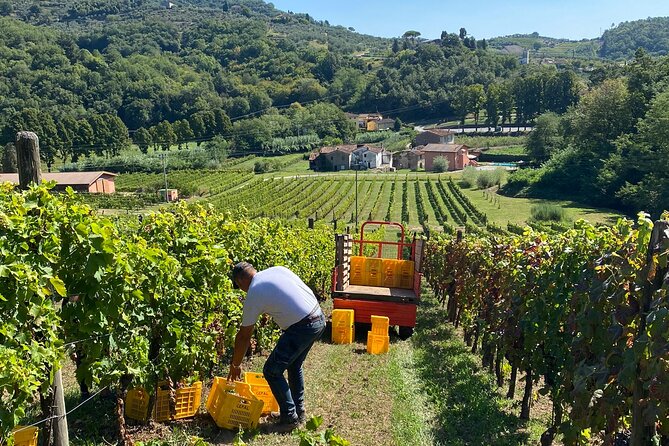
The guide is responsible for more than keeping the van moving. Tommaso is praised for his warm manner, local background, and ability to keep the group engaged. Raffaele is noted for enthusiasm and for making the countryside drive part of the experience. Marco has been described as friendly and well informed about Lucca and the wineries.
Names and assignments may change, but the pattern is clear: the guide is an active host. You can expect history about Lucca on the road, help with questions at the wineries, and recommendations for what to see or eat afterward. That added context is useful if you are staying in Lucca for more than one night.
The guide also has to manage different interests. One person may want to discuss soil and fermentation, while another is mainly there for a pretty view and a good lunch. The small-group format helps, though a group of up to 15 will not feel as private as a four-person outing.
The personal style has a tradeoff. Explanations can repeat, especially when the same basics come up at both wineries. One account found the guide engaging but felt that some information was repeated and that the day ran longer than expected. If you prefer a tight, highly edited schedule, keep this in mind.
Is $180.27 a fair price?
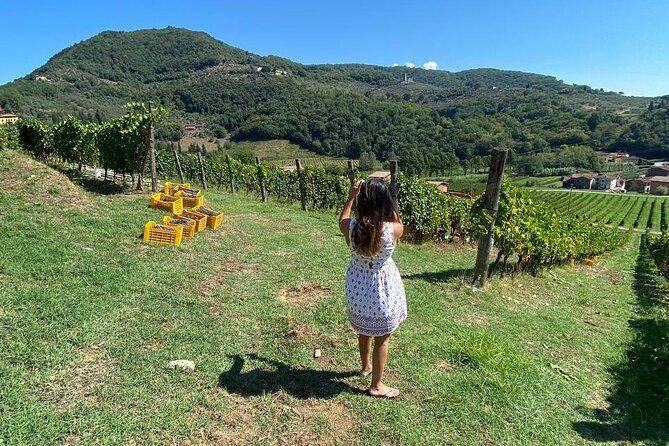
At $180.27 per person, this is not the cheapest way to taste Tuscan wine. You are paying for more than the bottles, though. The price includes an air-conditioned vehicle, an English-speaking guided tour, bottled water, snacks, lunch, and alcoholic beverages. It also covers the time and planning needed to reach two small wineries outside Lucca.
The value improves if you would otherwise need a taxi or rental car. Driving yourself would mean staying sober, finding rural properties, and coordinating return transport. The van removes those problems and lets you focus on the meal and tastings.
The price also reflects access. You are not simply walking into a shop for a tasting flight. The schedule includes conversations with winemakers, a look at family-run production, and food served in the countryside. For you, that may be worth more than a larger estate with grand architecture but less direct contact.
The value is weaker if you only want one short tasting or if you already have several winery visits planned. One person would have been satisfied with the first stop alone. For most people considering this tour, the best reason to book is the complete combination of transport, two contrasting wineries, lunch, and local guidance.
Who will enjoy this tour most?
I would recommend it to couples, small groups of friends, and solo visitors who want an easy way to reach the Lucca hills. It suits anyone who likes wine, food, family stories, and a slower afternoon outside the city.
It is also a good first wine tour. You can ask basic questions without needing specialist knowledge, and the two wineries provide useful contrast. People who already know Tuscan wine will have more to discuss, especially if orange wine, organic production, and Sangiovese are of interest.
You should be comfortable with a social experience. The van holds up to 15 people, and the tour depends on shared tastings and a communal meal. If you want complete privacy or a custom wine itinerary, a private tour would be a better fit, though that is not what this experience offers.
Food allergies and preferences should be given when booking. The provider specifically asks for this information, so do not wait until lunch. Service animals are allowed, and most people can participate.
The tour also depends on good weather and a minimum number of bookings. If poor weather cancels the outing, you can choose another date or receive a full refund. The same options apply if the minimum number is not reached.
How to make the most of the afternoon
Wear comfortable shoes and bring a light layer. You are visiting countryside properties, and conditions may differ from the streets of Lucca. A phone or camera is useful for the views, but leave room in your day for conversation rather than trying to document every bottle.
Eat a modest breakfast, then arrive ready for lunch. Several tastings and generous food pairings make this more than a quick morning stop. Bottled water is included, but you may still want to carry your own for the drive.
Ask the winemakers what makes their wine different from the other winery’s bottles. That single question can turn two separate tastings into one useful lesson. If you enjoy a particular bottle, ask whether it is possible to buy it for home, since several people have done so after finding a favorite.
Allow the afternoon to unfold. The pleasure here is not speed. It is the change from Lucca’s city streets to the hills, the chance to meet producers, and the simple rhythm of tasting, eating, and talking.
Should you book the Lucca wine tour?
Book this tour if you want small producers, personal contact, and a proper countryside meal without arranging a car. The strongest features are the family-run wineries, the guides, and the chance to taste several wine styles with local food.
Think twice if you need to be back at a precise time, dislike group outings, or want every tasting to match your preferred wine style. The tour takes most of the day, the second winery may appeal less than the first, and the informal format can include some repeated explanations.
For a relaxed half-day from Lucca, I think the package is well judged. You get transport, two different winery experiences, lunch, and a guide who helps connect the wine to the area. Cancel at least 24 hours before the 10 a.m. start for a full refund, and leave enough space afterward to enjoy the city at an unhurried pace.
FAQ
Where does the tour begin?
It begins at the Centro informazioni turistiche near Porta San Donato, Piazzale Giuseppe Verdi, 55100 Lucca.
What time does the tour start?
The scheduled start time is 10 a.m.
Where does the tour end?
The activity ends back at the same meeting point in Lucca.
How long does the wine tour last?
The tour lasts approximately five to six hours. The stated schedule places the return around 4 p.m.
How many wineries will I visit?
You will visit two small wineries in the hills and countryside outside Lucca.
Is lunch included?
Yes. The tour includes snacks and a light wine-tasting lunch, with foods such as bread, meats, cheeses, olive oil, and other local products described as part of the tastings.
Are alcoholic drinks included?
Yes. Alcoholic beverages are included in the tour price.
Can I report food allergies or preferences?
Yes. You should provide any allergies or food preferences when booking.
What happens if the weather is poor?
The experience requires good weather. If the provider cancels because of poor conditions, you can choose another date or receive a full refund.
Newest wine reviews around Italy
- WINE TOUR with sommelier in a winery near Cagliari★ 5.0 · 27 reviews
- Cagliari 3 Hours Luxury Motorboat Tour – Wine and Snorkeling★ 5.0 · 118 reviews
- Wine Experience: vineyard, wines and food★ 5.0 · 155 reviews
- Dinner in the vineyard with wine tasting and walk★ 5.0 · 58 reviews
- Wine Tour and Tasting of Lugana Wines in Desenzano★ 5.0 · 58 reviews
- Guided winery tour with tasting in Bolzano at the SKYWINE PAVILLON★ 5.0 · 61 reviews
- Bologna Food & Wine tour with a local Chef★ 3.0 · 30 reviews
- Bologna: Tagliatelle & Ragù Home Cooking Class with wine★ 4.5 · 55 reviews
Italy Wine Tours, compared.
Tuscany Day Trip from Florence: Siena, San Gimignano, Pisa and Lunch at a Winery
Read our review →
Small-Group Wine Tasting Experience in the Tuscan Countryside
Read our review →
Pisa, Siena and San Gimignano Day Trip with Lunch & Wine Pairing
Read our review →
Tuscany & Montepulciano Day Trip with Lunch & Wine Tasting
Read our review →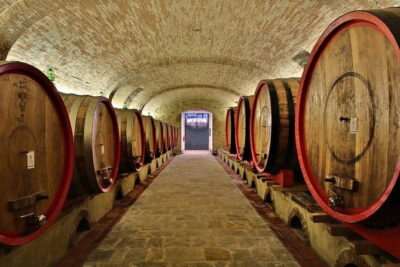
SMALL-GROUP Wine Safaris: Tuscan Wine Tasting Tours from Florence
Read our review →