
Reviewed · WINE TASTINGS
Wine Tasting Experience with Seven Types of Tuscan Wine
Florence gives you a handy shortcut to Tuscany’s wine country: in 90 minutes, you can taste seven regional wines without spending half a day on a bus. The lineup moves from crisp Vernaccia to powerful Brunello, with local food on the table to show you how wine and Tuscan cooking fit together.
I like the wide range of wines and the way the tasting can suit both beginners and regular wine drinkers. I also like the location, right in Florence, plus the patient, personal approach associated with guides such as Vinci, Vince, and Jessica. The main drawback is simple: seven wines in an hour and a half can feel fast, and this is not the right activity for pregnant participants or anyone hoping for a full day among the vineyards.
Key points at a glance
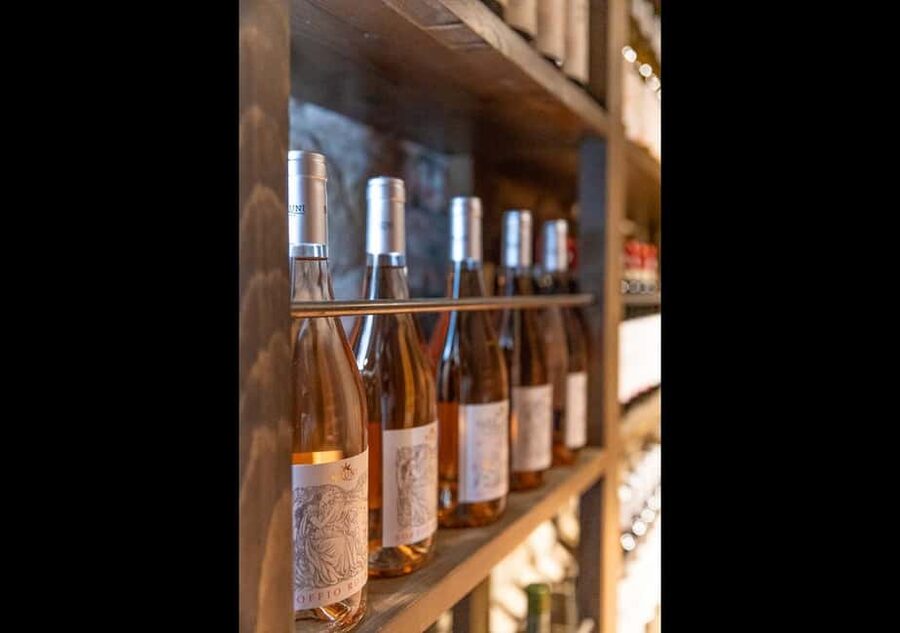
- Seven distinct Tuscan wines: Taste Vernaccia, Bolgheri Rosso, Chianti Classico, Nobile di Montepulciano, Chianti Classico Riserva, Brunello di Montalcino, and Miraia Tuscan wine.
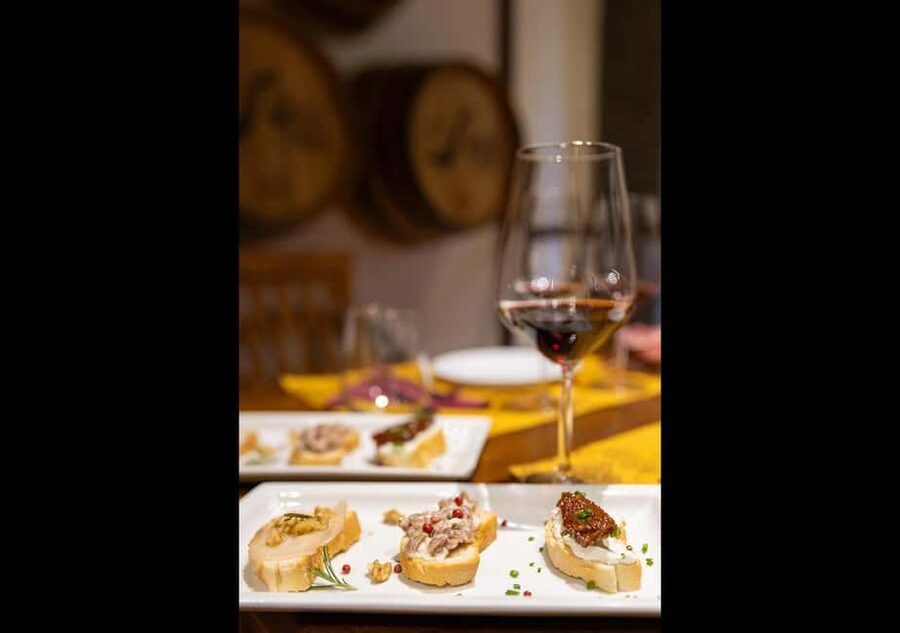
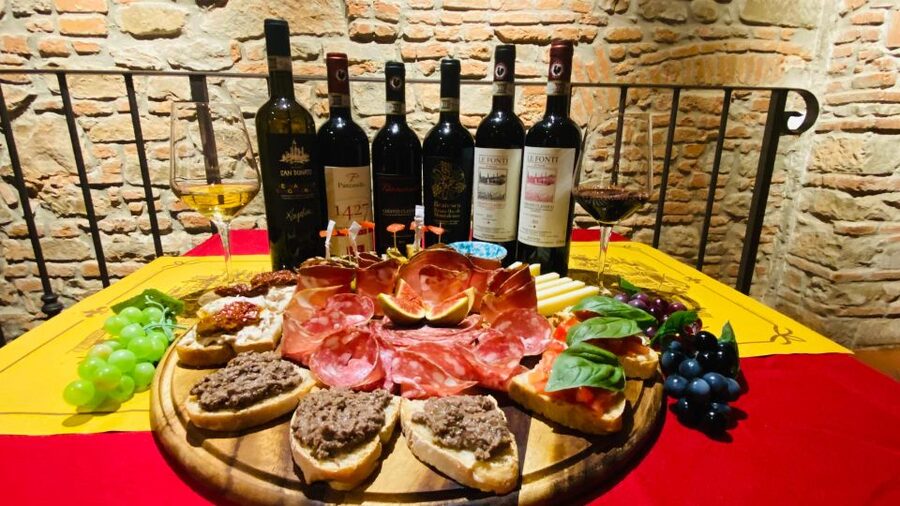
- Food is part of the lesson: Italian olives, bruschetta, salami, prosciutto, cheeses, and other local products help explain the wines.
- A useful Florence alternative: You get a quick look at Tuscany’s major wine areas without leaving the city.
- Guidance for all levels: English and Italian-speaking hosts explain the wines and may adjust selections to your preferences.
- Good practical access: The space is air-conditioned, has WiFi, and is wheelchair accessible.
- Watch the clock: Late arrivals cannot join or receive a refund, so arrive early at Via del Gomitolo dell’Oro, 11r.
Why this Florence tasting works well
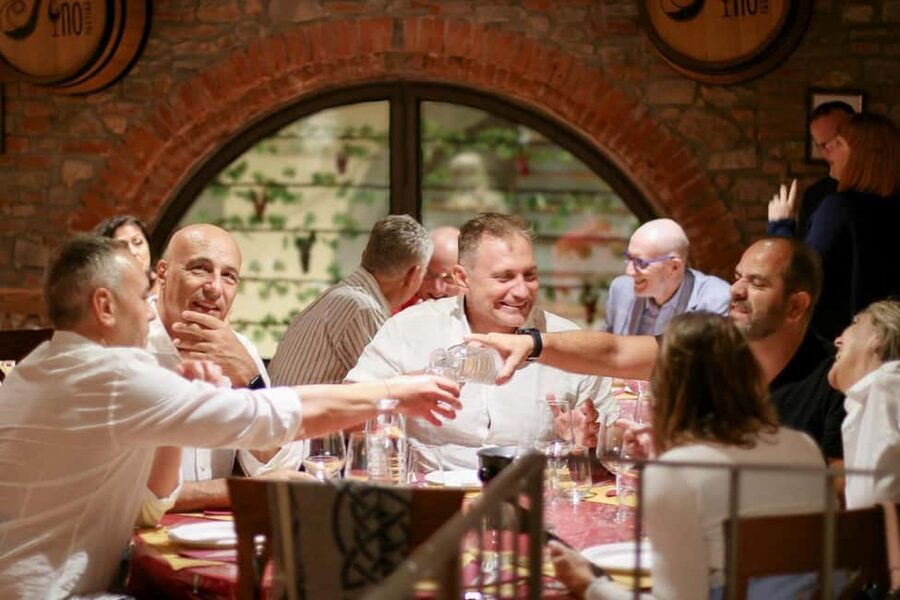
This is a city-based introduction to Tuscany, not a countryside winery visit. That distinction matters. You will not see vineyards, cellars, or rolling hills from a tour vehicle. Instead, you sit down in a Florence tasting room and cover a lot of ground through the wines themselves.
For a first visit to Tuscany, that can be a smart choice. The region has several important wine areas, and their names can blur together after a few days of sightseeing. Here, the guide puts those names in front of you one glass at a time. You can compare a coastal Bolgheri red with a Chianti Classico, then see how Brunello changes the scale and structure of the tasting.
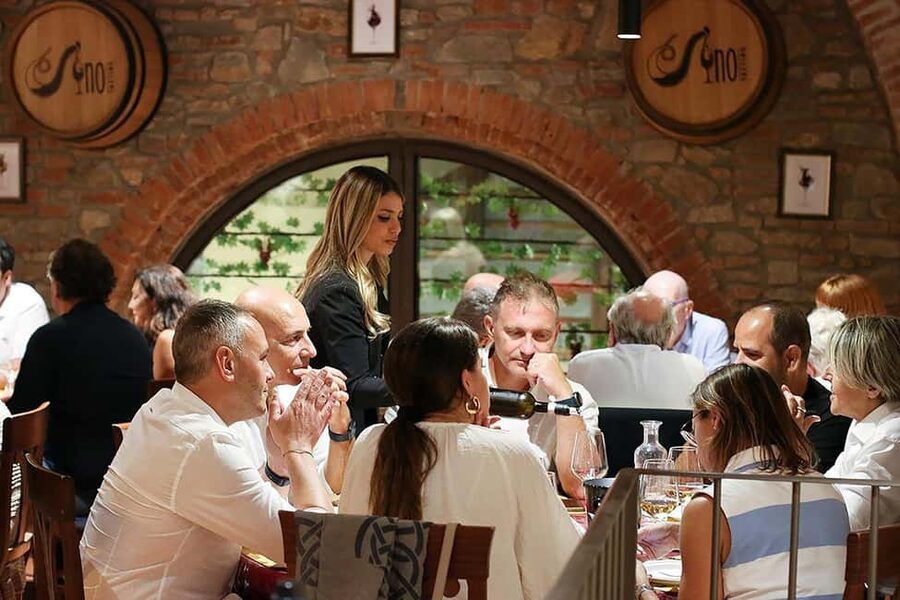
The setting is reported as elegant, cozy, and comfortable, with air conditioning and WiFi. Those details may sound minor, but Florence can be hot, crowded, and tiring. A quiet indoor seat with food and a guide gives you a useful break between museums and churches.
The tasting costs $65 per person. I consider that fair if you value instruction and want to sample wines that may cost more by the bottle or glass in a restaurant. Seven wines plus a platter of Tuscan food is a solid amount for the price. It is less compelling if you only want one glass of local wine or if your main goal is to visit a working estate.
More Wine Tastings in Florence
- Florence: Chianti Wineries Tour with Wine Tasting
★ 4.5 · 10,071 reviews - Small-Group Wine Tasting Experience in the Tuscan Countryside
★ 5.0 · 7,392 reviews - SMALL-GROUP Wine Safaris: Tuscan Wine Tasting Tours from Florence
★ 5.0 · 5,088 reviews
Meeting your guide at Vino Tasting Global
The starting point is Vino Tasting Global Srl at Via del Gomitolo dell’Oro, 11r, 50123 Firenze FI. The experience takes place at this Florence location, so there is no hotel pickup and no transfer to the Tuscan countryside.
Plan your arrival carefully. The operator does not admit late arrivals after the start time, and there is no refund or rescheduling in that case. I would aim to reach the address with enough time to find the entrance and settle in before the first pour.
The tour is offered in English or Italian. The guide is central to the experience because this is a tasting class, not simply a flight of wine set on a table. Guides named in the available guest feedback include Vinci, Vince, and Jessica. The strongest praise centers on clear explanations, patience, and the ability to suggest alternatives when a particular wine does not suit your taste.
That flexibility is useful. Wine tasting can feel awkward when you dislike a sample and think you must finish it. Here, the guide may offer another wine or a similar recommendation. You still taste the planned range, but the experience does not have to become a test of endurance.
The opening glass: crisp Vernaccia
The tasting begins with Vernaccia, a white wine often linked with San Gimignano. In this lineup, it gives your palate a clean starting point before the red wines arrive.
Expect the guide to use this first wine to talk about freshness, mineral character, and the effect of place and grape variety. The food pairing also begins here. Olives, bruschetta, and other light antipasti give you a chance to notice how salt and acidity affect the wine.
For beginners, this is a useful first comparison. You can focus on simple questions: Is the wine dry or sweet? Does it feel light or full? Does food make it seem softer or sharper? You do not need advanced vocabulary to get value from the lesson.
The limitation is that the tasting quickly moves onward. If you are especially interested in Tuscan white wines, there is not enough information provided to say that the session will spend a long time on Vernaccia. Its role is to open the sequence and prepare you for the reds.
Bolgheri Rosso and the turn toward Tuscan reds
Next comes Bolgheri Rosso, described as bold and opulent. Bolgheri sits on Tuscany’s coast and has a different reputation and style from the inland Chianti areas. Placing it early in the red wine section gives you a clear change in weight and character.
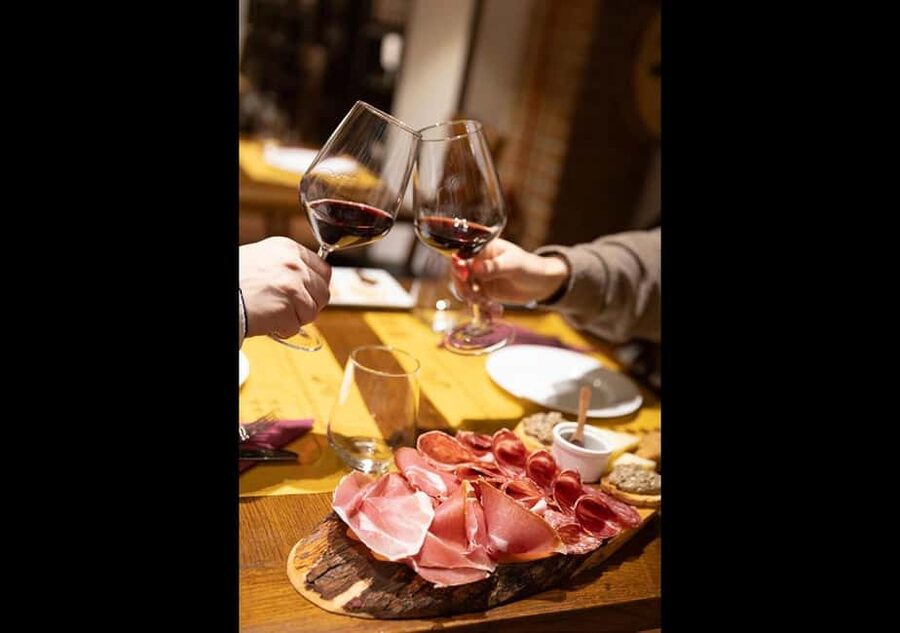
This is where the food becomes especially useful. Cured meats such as salami and prosciutto can soften the feel of a strong red, while bruschetta and olives bring salt and texture. The pairing is not just extra food. It shows why wine is usually enjoyed alongside a meal in Italy.
The platter may include cheeses and other local products as well. The exact quantity can vary, but several accounts describe generous servings, including three charcuterie plates in one case. You should think of the food as substantial tasting accompaniments, not a guaranteed replacement for lunch or dinner.
More Wine Tastings in Italy
- San Gimignano, Siena, Monteriggioni, Chianti Day Trip with Lunch & Wine Tasting
★ 4.5 · 4,432 reviews - From Florence: Small Group Wine Tasting Tour to Tuscany
★ 4.9 · 3,902 reviews - Florence: S. Gimignano, Siena, Chianti Wine Tasting & Lunch
★ 4.6 · 3,102 reviews - Half day Chianti Vineyard Escape from Florence with Wine Tastings
★ 4.5 · 2,196 reviews
Chianti Classico: the familiar Tuscan reference point
Chianti Classico is the reference wine for many visitors. This portion introduces a classic style with cherry and earthy notes. It gives you a useful point of comparison after the heavier Bolgheri Rosso.
The guide can explain how Chianti Classico differs from Chianti Classico Riserva later in the tasting. That side-by-side idea is one of the best reasons to book this experience. Instead of learning the word Riserva from a menu, you can taste how aging and structure may change the wine.
I would pay attention to your own reactions here. Do you prefer the bright fruit and earth of the basic Chianti Classico, or the more developed feel of the later Riserva? There is no correct answer. A good tasting helps you discover what you would order in a restaurant, and this session seems designed to encourage that kind of personal comparison.
Nobile di Montepulciano brings darker fruit
The fourth wine is a Nobile di Montepulciano-based selection, described as having smooth tannins and dark fruit. It adds another major Tuscan name to the lesson and keeps the progression moving from lighter, more familiar styles toward bigger and more age-worthy reds.
Tannins are the drying sensation you may feel along your gums after a sip. The guide can help you recognize that feeling and compare it with the smoother texture described here. Food also matters at this point, since fat from salami, prosciutto, or cheese can make a tannic wine feel rounder.
If you are new to wine, do not worry if the labels sound similar. Chianti Classico, Nobile di Montepulciano, and Brunello di Montalcino come from different areas and have distinct rules and identities. Tasting them in one sitting gives you a simple mental map of central Tuscany.
Chianti Classico Riserva shows the effect of time
The Riserva version returns to Chianti Classico but presents a more developed expression. It is described as nuanced and aged, making it a natural bridge between the earlier Chianti and the Brunello that follows.
This is one of the more educational steps in the sequence. You are not simply sampling seven unrelated bottles. The order lets you ask how time, production choices, and style affect the result. The guide may also explain why some wines feel more layered or structured than others.
The word Riserva can sound like a guarantee of personal preference. It is not. More aging does not mean every drinker will like the wine more. Some people prefer brightness and direct fruit, while others enjoy savory notes and a longer finish. The tasting gives you the chance to find your own answer.
Brunello di Montalcino, the heavyweight pour
Brunello is the big name in this lineup. It is often treated as one of Tuscany’s most prestigious wines, and here it arrives near the end, after your palate has already visited several other styles.
The stated character is powerful structure and complex flavor. That means you should expect a serious red with enough weight to command attention. The guide can place it in context instead of leaving you to judge it only by reputation.
This is also the point where the tasting format matters most. Seven wines can be a lot, especially when several are full-bodied reds. Take your time, use the food, and remember that you are there to taste rather than finish every pour. The available information says the hosts do not rush participants and may tailor the experience to preferences, but your own pace still matters.
Brunello may be the star for wine enthusiasts, but it is not automatically the best wine for everyone. If you prefer crisp whites or lighter reds, the earlier glasses may suit you better. That is exactly why the full progression is useful.
Miraia closes the tasting with something different
The final wine is an elegant, age-worthy Miraia Tuscan wine. It gives the tasting a softer closing note after Brunello’s power and completes the seven-wine sequence.
Because the description does not specify the exact style, grape, or vintage, you should not book expecting a particular flavor profile. The useful point is that the tasting ends with another Tuscan example rather than simply repeating the biggest names.
A guide may use the last glass to review what you have tasted and answer questions about bottles, regions, or future ordering choices. This is a good time to say which wines you liked. Guides such as Vinci and Jessica are described as offering alternatives and similar recommendations, which can make the final discussion more useful than a standard scripted farewell.
What comes with the wine
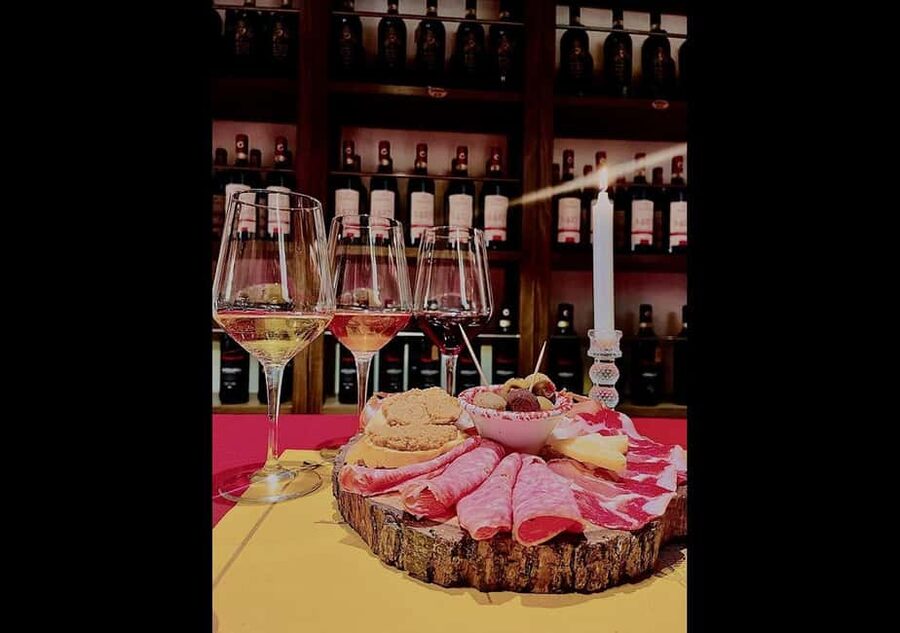
The food includes Italian olives, bruschetta, salami, and prosciutto, with cheeses and additional local products also described as part of the spread. These are classic, practical pairings. They give you salt, fat, crunch, and acidity to compare against the wines.
I like this format more than a tasting with a few dry crackers. Tuscan wine is closely tied to everyday food, and antipasti help you understand how a wine might function at the table. You can also use the snacks to reset your palate between pours.
Vegetarian and gluten-free options are available on request. Tell the operator about allergies or intolerances when booking and again before the tasting. Children can receive Coca-Cola, Fanta, or Sprite instead of alcoholic drinks, but the information specifically states that alcoholic beverages are available only to participants aged 17 and above. Bring a valid passport or ID card.
Who will get the most from 90 minutes
I would recommend this for a first-time wine drinker who wants a friendly introduction without committing to a full vineyard excursion. It also suits an experienced drinker who wants to compare major Tuscan categories in one sitting.
It works well for a date, a small group of friends, or a couple looking for a relaxed evening activity. The indoor setting, food, and short duration make it easy to fit between Florence sightseeing plans. One particularly useful advantage is that you do not lose 12 hours to a countryside tour when your schedule is tight.
The format is less suitable if you want a slow, technical tasting of a single estate. Seven wines in 90 minutes leaves limited time for detailed discussion of every vintage, vineyard, and production method. It is also unsuitable for pregnant women, and anyone who dislikes alcohol-focused activities should choose something else.
Wheelchair access is provided, and the space is air-conditioned with WiFi. The information does not provide details about the exact seating layout or restroom access, so you should contact the operator if you need specific accessibility arrangements.
Booking value, timing, and cancellation
At $65 per person, the price covers the guide, the wine pairing class, seven alcoholic samples, and the Tuscan appetizer platter. For Florence, that is a sensible package if you would otherwise buy several glasses and a plate of cured meats separately.
The main value is comparison. You get Vernaccia, Bolgheri Rosso, Chianti Classico, Nobile di Montepulciano, Chianti Classico Riserva, Brunello di Montalcino, and Miraia in one organized sitting. A guide also helps you make sense of the names, rather than leaving you to guess from a wine list.
You can reserve now and pay later, which helps if your schedule is still changing. Free cancellation is available up to 24 hours before the activity for a full refund. The minimum number of participants must be met for the tour to operate, so keep an eye on your confirmation.
Should you book this tasting?
Book it if you want a practical introduction to Tuscan wine in Florence, especially if you have limited time and prefer food, conversation, and comparison over countryside transport. The range of wines is strong for the price, and the guides’ personal approach can make the session comfortable for beginners.
Skip it if your priority is visiting vineyards, meeting producers at an estate, or spending a whole day in the wine country. Also skip it if seven pours sound excessive. For everyone else, this is a well-priced way to learn the basic Tuscan wine map before ordering your next bottle with dinner.
FAQ
Where does the wine tasting take place?
It takes place at Vino Tasting Global Srl, Via del Gomitolo dell’Oro, 11r, 50123 Firenze FI, Italy.
How long does the activity last?
The scheduled duration is 1.5 hours, or 90 minutes.
How many Tuscan wines are included?
Seven types of Tuscan wine are included.
Which wines will I taste?
The planned selection includes Vernaccia, Bolgheri Rosso, Chianti Classico, Nobile di Montepulciano, Chianti Classico Riserva, Brunello di Montalcino, and Miraia Tuscan wine.
What food is included?
The tasting includes a platter of Tuscan appetizers with Italian olives, bruschetta, salami, and prosciutto. Cheeses and other local products may also be served.
Is the tasting available in English?
Yes. The live guide service is available in English and Italian.
Is the venue wheelchair accessible?
Yes. The activity states that the space is wheelchair accessible. It is also air-conditioned and has WiFi.
Can children attend?
Children can receive Coca-Cola, Fanta, or Sprite. Alcoholic beverages are available only for participants aged 17 and above.
What happens if I need to cancel?
You can cancel up to 24 hours in advance for a full refund. You may also reserve now and pay later. Late arrivals cannot join and will not receive a refund or rescheduling.
Newest wine reviews around Florence
- Wine Tasting Experience with Three Types of Tuscan Wine★ 4.9 · 47 reviews
- Florence: Art of Pasta Cooking Workshop with Food and Wine★ 5.0 · 69 reviews
- SMALL GROUP Tuscany Wine Tasting Safaris with Lunch / Dinner★ 4.9 · 321 reviews
- Florence/Badesse: Tuscany Group Vespa Tour with Wine Tasting★ 4.4 · 56 reviews
- Florence: San Gimignano & Volterra Day Trip with Food & Wine★ 4.7 · 57 reviews
- ROMANTIC WINE TOUR FOR 2 – Wine Tour in Chianti (Tuscany)★ 5.0 · 27 reviews
- Private Flavors of Florence Walking Tour(Food&Wine Included)★ 4.8 · 46 reviews
- From Florence: Ultimate Tuscany Day Trip with Wine & Lunch★ 4.8 · 221 reviews
Wine Tastings, compared.
Douro Valley w/ Boat Tour, Wine Tasting & Lunch
Read our review →
Complete Douro Valley Wine Tour with Lunch, Wine Tastings and River Cruise
Read our review →
Small-Group Wine Tasting Experience in the Tuscan Countryside
Read our review →
Montserrat & Cogwheel Train, Gourmet Wine Tasting & Tapas/Lunch
Read our review →
Tuscany & Montepulciano Day Trip with Lunch & Wine Tasting
Read our review →
SMALL-GROUP Wine Safaris: Tuscan Wine Tasting Tours from Florence
Read our review →Lists this tasting appears in