
Reviewed · CHAMPAGNE TOURS
Passy-Grigny: Chocolate and Champagne Tasting Tour
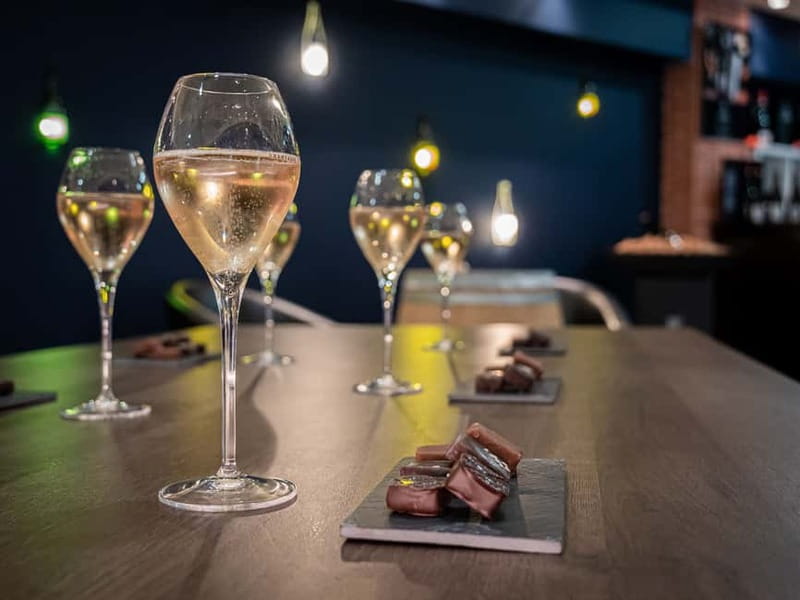
The best part of this experience is the pairing at the end: three Champagnes with three chocolates, a simple idea that turns a standard cellar visit into something more playful. Before you taste, you get a 75-minute English or French tour through Champagne Dom Caudron’s production facilities, from its early village roots to its modern vat house.
I like the tour’s small-house feel and its focus on how Champagne is actually made, rather than only telling grand brand stories. I also like the price: at $32, it gives you a proper production tour, a film or museum-style presentation, and six tasting items without the cost of a major-name Champagne visit.
The main catch is location. Passy-Grigny is outside the main Reims and Épernay circuit, and public transportation is limited. Plan on driving, using a taxi or ride service, or building this into a wider Marne Valley outing.
Key points at a glance
- Three Champagne and chocolate pairings: The tasting is the tour’s signature finish, with a different chocolate served alongside each pour.
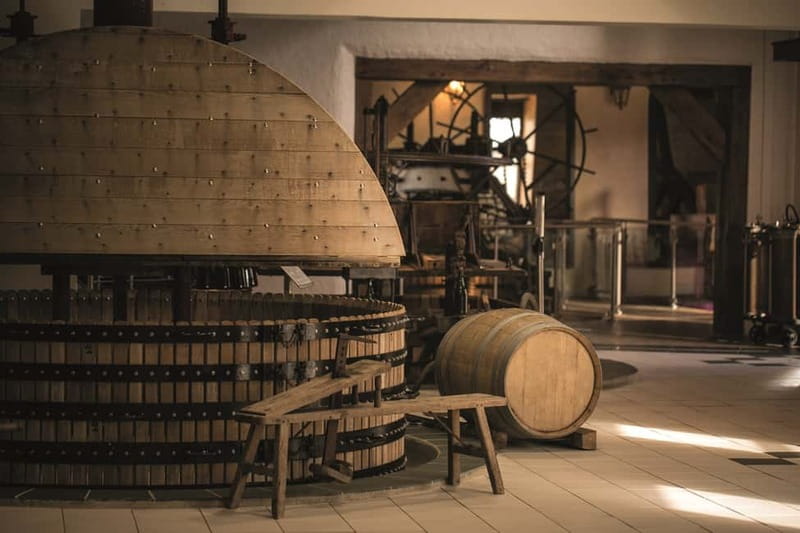
- A real production setting: You see the move from the village grower’s first press to a modern vat house.
- A strong English-language option: Guides including Clémentine and Fanny have been praised for clear, warm presentations.
- A useful change from big-name houses: The visit focuses on production and local winemaking rather than polished brand theater.
- Good for families: Children can receive juice, and the practical format works well for teenagers.
- Allow extra time for transport: Passy-Grigny is not the easiest Champagne village to reach without a car.
A village Champagne house with a clear sense of place
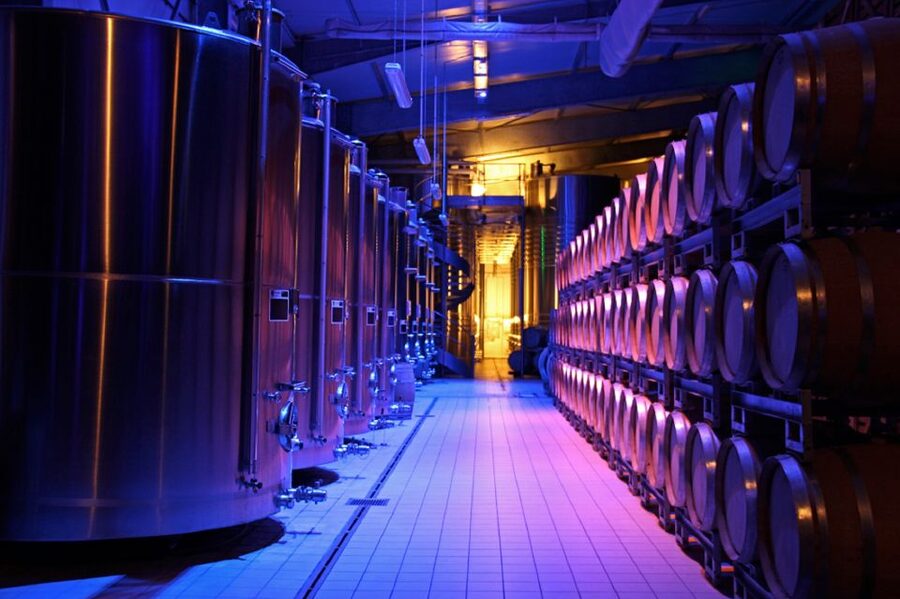
Champagne Dom Caudron is in Passy-Grigny, in the Marne Valley of France’s Grand Est region. This is not a grand city-center attraction. You go to a working village setting, where the story begins with local growers and the Meunier grape.
The house traces its roots to 1929, when the priest Aimé Caudron brought the village winemakers together around a shared idea. That origin matters because it gives the visit a cooperative, community-based angle. You are not only hearing about a famous label. You are hearing how local growers joined forces and built a Champagne operation tied to their village.
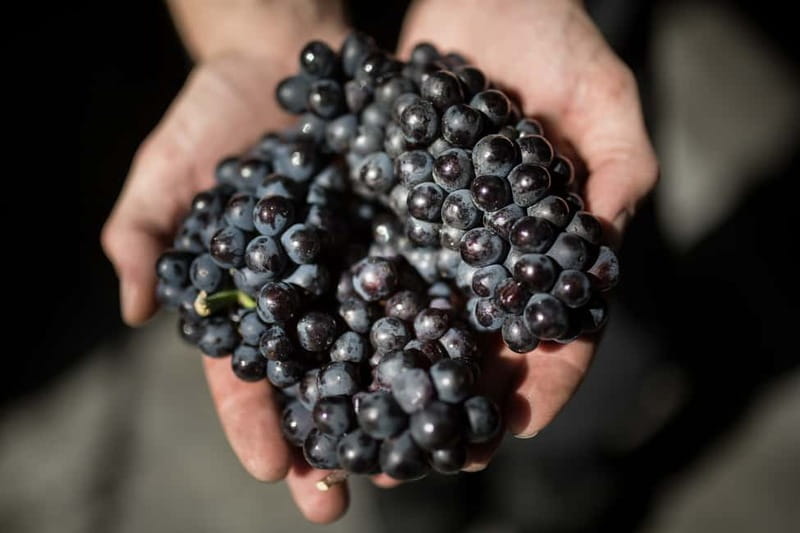
The tour also gives useful context for Meunier, one of the grapes used in Champagne production. The visit is a good fit if you want to understand the region beyond the familiar names of Reims and Épernay. You see how a smaller local producer presents its work, its equipment, and its connection to the surrounding vineyards.
More Champagne Tours in France:
- Paris 3-Courses Gourmet Dinner Seine River Cruise with Champagne
★ 4.0 · 1,659 reviews - Top Private Cruises in Paris with French Champagne and surprises
★ 5.0 · 1,553 reviews - From Paris: Day Trip to Champagne with 8 Tastings & Lunch
★ 4.8 · 1,501 reviews
What the 75-minute guided tour covers
The visit is designed to last about 90 minutes in total, with roughly 75 minutes devoted to the guided portion. That leaves time for the final tasting and for the group to move through the presentation areas without feeling rushed.
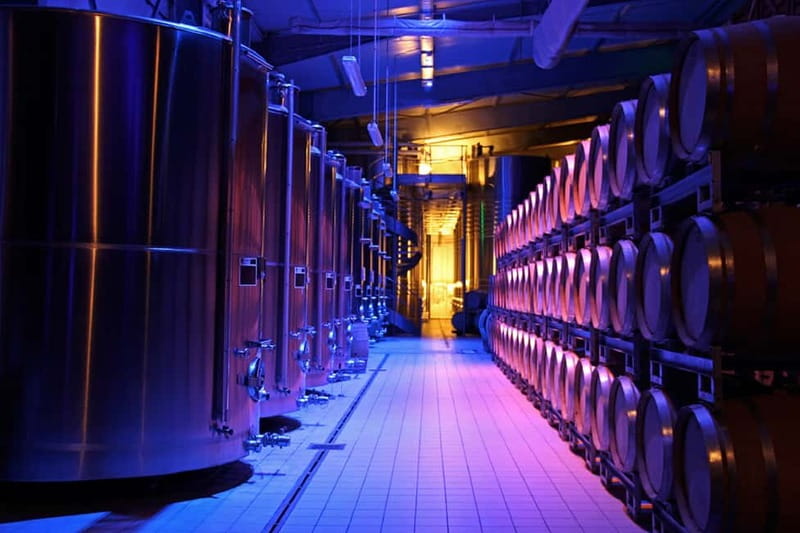
The exact order may vary, but the tour takes you from the early stages of production through the modern facilities. You learn about the first press used by the Passy-Grigny vine growers and then see how the operation works today in its current vat house.
That contrast is one of the visit’s most useful features. You are not looking only at old tools or hearing a simplified story. You get a sense of how Champagne production changed from a local grower operation into a modern production house.
The guide explains the process in accessible terms, making this a comfortable choice for beginners. At the same time, people who already know a little about Champagne can ask questions and get more detail. Guides such as Clémentine, Fanny, and Katja have been singled out for their friendly, personal way of presenting the material, though the guide assigned to your visit can vary.
A short film or video presentation forms part of the experience. It covers the harvest and the Champagne-making process, adding background before or alongside the walk through the facilities. The film is useful for setting the scene, although some visitors have found it could use an update.
The tour is more about production than about a long historical account. If you want a detailed story of Champagne’s famous houses, aristocratic connections, or centuries of marketing, this may feel lean. If you want to understand pressing, production, and bottling, the focus works in your favor.
From the first press to the modern vat house
The production spaces give the tour its substance. You learn how grapes move through the early stages of pressing and then into the modern equipment used to make Champagne.
The visit does not promise access to every part of the operation at every moment, so you should not expect a full working harvest tour. Still, you get a behind-the-scenes look at the facilities and a clear explanation of what happens at each stage.
That practical approach is valuable because Champagne can otherwise feel mysterious. Bottles, labels, and tasting notes tell only part of the story. Here, you connect the finished drink with the machinery, the pressing process, and the work of the local growers.
You may also see how the Champagne is bottled as part of the explanation. One family with young boys even saw the guide demonstrate opening a bottle with a sabre, a memorable touch that shows how a good guide can adjust the presentation for the group in front of her. That demonstration is not listed as a guaranteed part of every visit, so treat it as a possible bonus rather than a promise.
The setting also helps. A modern production house may not have the old stone charm of a historic cellar, but it offers a more direct look at present-day winemaking. If you have already toured a grand Champagne mansion, this provides a useful contrast.
The chocolate pairing is more than a sweet extra
At the end, you taste three Champagnes with three chocolates. The pairing is the feature that makes this experience different from many standard producer visits.
Champagne and chocolate can be a tricky match. Chocolate may bring out bitterness, sweetness, fruit, or acidity in the wine, depending on the style and the pairing. The guide can explain how each combination works, giving you something to notice instead of simply handing you a glass.
The tasting is also paced well for a short visit. You get three types of Champagne rather than one generous pour repeated three times, and the three chocolates give you a direct comparison. It is enough variety to make the tasting interesting without turning it into a long technical session.
I would approach this as a guided introduction, not a formal professional tasting. You do not need to know the difference between every Champagne grape or production term before you arrive. The guide explains the basics, then lets you compare the pours for yourself.
The quality of the chocolate and Champagne is an important part of the value. The tasting is not a token sample added to a museum visit. It is a proper part of the experience, and it gives the tour a pleasant finish.
Children can be included without being pushed into alcohol tasting. A juice option has been offered to children, which makes the visit more workable for families with older children or teenagers. Parents should still remember that the central subject is Champagne, but the production tour and chocolate pairing give younger visitors something to follow.
More Sweet Stops in France:
- Private Montmartre Food Tour with Wine, Cheese & Pastries
★ 5.0 · 1,027 reviews - Le Marais Walking Food Tour with Cheese, Wine & Pastries
★ 4.7 · 339 reviews - Libourne: Winery Tour with Wine and Chocolate Tasting
★ 4.9 · 74 reviews - Bordeaux Afternoon Food Tour : Sweets, Wine and Cheese
★ 5.0 · 38 reviews
Why the $32 price works
At $32 per person, this is priced below many visits at the best-known Champagne houses. You receive a guided tour, production information, a film or presentation, three Champagne tastes, and three chocolates.
The real value depends on what you want from a Champagne visit. If you are looking for impressive architecture, lavish cellars, or a famous international label, a larger house may offer more spectacle. You will also likely pay more for that setting and name.
For a modest budget, Dom Caudron gives you more direct contact with the making of the wine. The tasting is not an afterthought, and the guide-led format means you can ask questions rather than simply follow signs through a building.
I would call it good value, though not an absolute bargain once you add transportation from Reims or Épernay. The tour itself is reasonably priced. The cost of reaching Passy-Grigny is the part that can change the day’s budget.
Getting to Passy-Grigny matters
The meeting point is Champagne Dom Caudron at 10 Rue Jean York, though you should check the exact meeting details for the option you book. The tour begins and ends at the same Dom Caudron location.
A car is the simplest choice. One practical way to use the visit is to rent a car for the day and combine Passy-Grigny with other villages and vineyard stops in the Marne Valley. That lets you treat the drive as part of the outing instead of making a separate trip only for a 90-minute activity.
Public transportation is not readily available to the site. Ride services such as Uber or Bolt may be an option, but you should check availability before relying on them, especially for the return journey from a village location.
Do not schedule this too tightly against a train, restaurant reservation, or another Champagne tour. The guided part is about 75 minutes, and the full activity is listed at 90 minutes, but some visits have run just over an hour while others may take the full allotted time. Allow room for the tasting, questions, and transport.
A good choice for families and first-time Champagne visitors
This tour suits first-time visitors who want a clear explanation without a long lecture. The guides are often praised for being warm, funny, and willing to answer questions, which matters more than fancy equipment when you are learning a technical subject.
It also works well for families with teenagers. The production areas, the video, the chocolate, and the possibility of a bottle-opening demonstration provide more variety than a tasting alone. Children can be offered juice, so the non-drinking members of the group are not left out of the final part.
Couples and small groups can enjoy it too, especially if they are already spending several days in the Champagne region. The visit gives you a different angle from the major houses in Reims and Épernay and can make a good morning or afternoon stop.
People seeking a highly technical wine seminar may want more detail on grape percentages, fermentation, aging, and bottle-by-bottle differences. Those subjects may come up in conversation, but the tour is built for a broad audience. Its strength is clarity and warmth, not specialist depth.
What could be better
The short length is both a benefit and a limit. You can fit the tour into a busy day, but you should not expect a half-day visit with long walks through every production area.
One clear limitation is transport. Passy-Grigny is harder to reach than the major Champagne centers, and that can reduce the value if you must pay a high taxi fare for a short activity.
The film may also feel dated to some viewers. It still helps explain the harvest and production process, but the presentation is not necessarily as current as the modern facilities around it.
Finally, the tour emphasizes production more than Champagne history. If you want stories about the great houses, famous figures, or the development of the region’s luxury image, choose a tour built around those subjects. Here, the focus is the work of making the wine and the identity of a local cooperative house.
Booking and practical details
You can book a guided tour in English or French. The guide is live, and the English option is a strong reason to choose this visit if you want more than a translated handout.
The experience is wheelchair accessible, an important detail for anyone planning a group with different mobility needs. Confirm the meeting arrangement when booking, since the starting point can vary by option even though Champagne Dom Caudron at 10 Rue Jean York is the listed location.
Free cancellation is available up to 24 hours before the activity for a full refund. You can also reserve now and pay later, which is useful when your Champagne plans depend on weather, transport, or a changing road trip schedule.
The booking page lists available start times rather than one fixed daily departure. Check the time before planning meals, trains, or another tasting.
Should you book Champagne Dom Caudron?
Book it if you want a friendly, practical introduction to Champagne production and like the idea of pairing three wines with three chocolates. It is especially useful for families, first-time visitors, and anyone who has already toured the major houses and wants a smaller village setting.
Think twice if you do not have a straightforward way to reach Passy-Grigny or if you want an elaborate historic cellar and a long technical tasting. For most visitors with a car or a sensible ride plan, though, the $32 price gives you a solid look at local production and a distinctive tasting to finish the afternoon.
FAQ
Where does the Champagne and chocolate tour take place?
The experience takes place at Champagne Dom Caudron, 10 Rue Jean York, in Passy-Grigny, in France’s Grand Est region.
How long does the activity last?
The full experience lasts about 90 minutes. The guided tour portion is listed at approximately 75 minutes, followed by the tasting.
Is the tour available in English?
Yes. The guided tour is available in English or French, with a live guide.
What do you taste during the visit?
You taste three different Champagnes paired with three different chocolates. Juice may be offered to children.
Is transportation included?
No transportation is listed as included. The tour begins and ends at Champagne Dom Caudron, and public transportation to the location is limited.
Is the experience wheelchair accessible?
Yes, the activity is listed as wheelchair accessible.
Can I cancel and receive a refund?
Yes. You can cancel up to 24 hours in advance for a full refund. Reserve now and pay later is also available.
Newest wine reviews around France
- Saint Emilion Full Day Wine and Bike Tour★ 5.0 · 167 reviews
- Private Bordeaux History Tour with a glass of Bordeaux wine.★ 5.0 · 28 reviews
- Private – Best of Bordeaux Walking Tour + Glass of Bordeaux Wine★ 5.0 · 240 reviews
- Medoc Afternoon Wine Tour – 2 Wineries, tastings & delicacies★ 4.5 · 74 reviews
- Luxurious full day Bordeaux wine tour in a Tesla★ 4.5 · 31 reviews
- Bordeaux wines tasting workshop including Food & Wine pairings★ 5.0 · 31 reviews
- Wine Masterclass & Cheese Tasting Workshop in Bordeaux★ 5.0 · 29 reviews
- Discovery of the Bordeaux vineyard in 3 wines★ 5.0 · 133 reviews
Champagne Tours, compared.
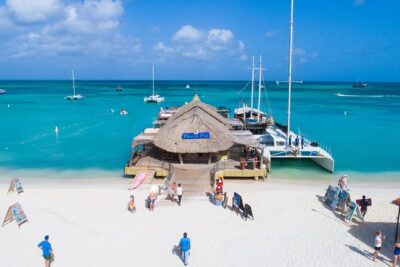
Premium Morning Snorkel Sail with Champagne Brunch
Read our review →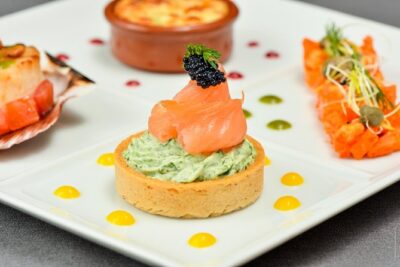
Paris 3-Courses Gourmet Dinner Seine River Cruise with Champagne
Read our review →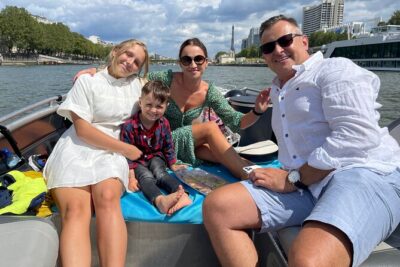
Top Private Cruises in Paris with French Champagne and surprises
Read our review →
Day Trip to Champagne with 8 Tastings & Lunch
Read our review →
Private Boat Ride in Miami with Experienced Captain and Champagne
Read our review →

Lists this tasting appears in