
Reviewed · PORT WINE TASTINGS
Port Wine class with 3 or 5 Port tasting and pairings
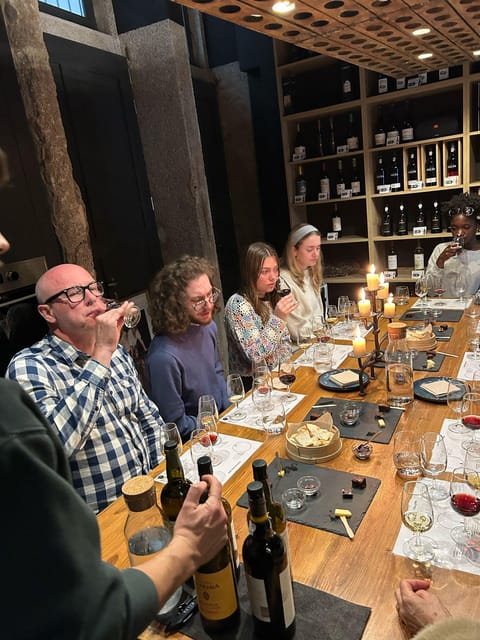
The most useful thing about this Port class is its setting: you learn and taste in a small room in central Porto, directly across from the Palácio da Bolsa, rather than spending half your afternoon getting to a distant cellar. Hosts such as Rui, Ruan, and João combine clear Port lessons with plenty of humor, and some sessions end with a surprise musical flourish.
I like the small groups of up to 10 and the chance to compare several Port styles side by side. I also like the thoughtful food pairings, which show how olives, fruit, cheese, chocolate, and brownie change the taste of each pour. The main consideration is that this is a shop-based class, not a tour of a working wine cellar or a trip into the Douro Valley.
Key points at a glance
- Central meeting point: Check in at the tourist office in the building across from Palácio da Bolsa.
- Two tasting choices: Pick three Ports for a shorter session or five Ports for a fuller comparison.
- Useful range of styles: The five-Port selection includes two White Ports, Tawny, Ruby Reserve, and LBV.
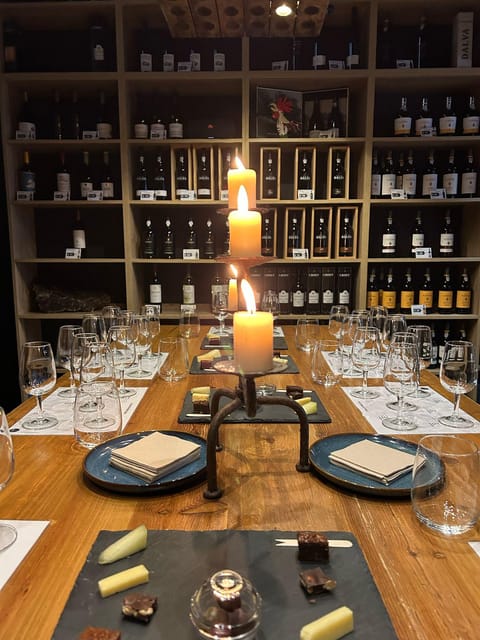
- Food with every tasting: Olives, fruit, chocolate, cheese, and brownie are used to match the wines.
- Friendly, social format: Groups are limited to 10, and solo visitors can easily join the conversation.
- Good backup to a cellar tour: It gives you Port basics when your schedule does not allow a visit to Gaia or the Douro Valley.
A Port lesson in the heart of Porto
Port wine can look simple on a menu, usually divided into ruby, tawny, white, and vintage-style bottles. The differences become much easier to understand when you taste them in one sitting. This class begins with the story of how Port was created, why the wine was developed, and how its production and styles changed over time.
That introduction matters because Port is not just sweet red wine. The tasting gives you a framework for noticing color, texture, sweetness, age, and the way each style works with food. You are not expected to arrive with wine vocabulary. The hosts explain the basics in plain English and leave room for questions.
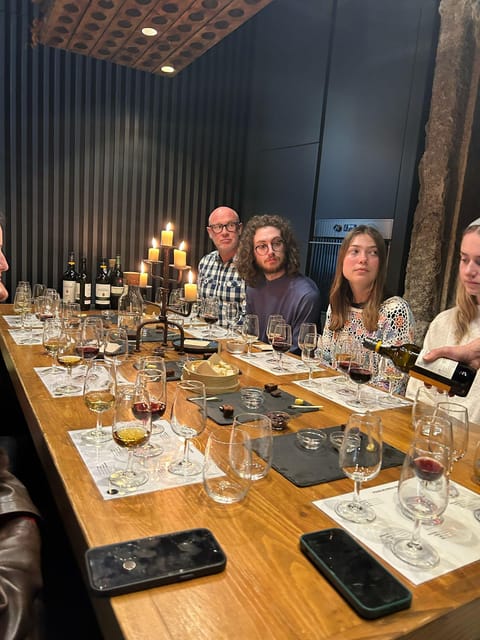
The class takes place inside the provider’s shop in a room at the same building as the tourist office. That arrangement is practical, but it also sets expectations. You will not walk among barrels, inspect a historic cellar, or see vineyards being worked. You get a comfortable classroom-style tasting in a central location, with the wine and explanation taking priority.
More Wine and Food Pairings in Porto
- Authentic Food and Wine Tour in Porto by Food Lover Tour
★ 5.0 · 1,057 reviews - Porto: Delicious Food and Wine Walking Tour
★ 4.8 · 977 reviews - Porto: 3 or 5 Port Wine Tasting with Pairings
★ 4.9 · 152 reviews
Finding the room across from Palácio da Bolsa
The meeting point is easy to place on a Porto map: the shop is in front of Palácio da Bolsa, one of the city’s best-known buildings. The important detail is that you should check in at the tourist office first, because the tasting room is inside the same building rather than in an obvious wine cellar storefront.
One visitor had trouble identifying the storefront, so allow a few extra minutes to look for the tourist office and confirm the entrance. This is a small point, but it can prevent a rushed start, especially if you are arriving from São Bento station, Ribeira, or across the Dom Luís I Bridge.
The location works well in a day of sightseeing. You can pair the class with Palácio da Bolsa, São Francisco Church, the Ribeira waterfront, or a walk across to Vila Nova de Gaia. Since the tasting itself is indoors, it also gives you a useful break from a hot afternoon or unsettled weather.
Choosing three or five Ports
You can book either the shorter three-Port tasting or the fuller five-Port version. The three-wine option takes about 45 minutes, while the five-Port session usually lasts about 1 hour and 15 minutes. The advertised duration allows up to 90 minutes, since questions and conversation can stretch the class.
For a quick introduction, three pours may be enough. You will get the main idea of Port, taste several styles, and still have time for other plans. But if Port is one of your reasons for visiting Porto, I would choose five. The extra pours make the contrasts clearer, and the longer session gives the host more time to explain production and answer questions.
The five-Port selection listed for the class includes:
- Two White Ports
- One Tawny Port
- One Ruby Reserve Port
- One LBV, or Late Bottled Vintage, Port
This lineup gives you more than a simple comparison of red and white. You can consider how two White Ports differ, then move into the nutty and aged character of Tawny, the fruitier profile of Ruby Reserve, and the fuller style associated with LBV.
The exact pace depends on the group. A session with lots of questions may run longer than a tightly timed tasting. That is a good thing for people who want to learn, but it means you should not plan a major appointment immediately afterward.
How the tasting unfolds
The class starts with Port’s background. You learn how the wine came about, why it became important, and how it developed into the styles sold today. The guide then connects that story to what is in your glass.
The tasting is not simply a row of glasses with no explanation. Each Port is introduced, tasted, and matched with Portuguese snacks. The food helps you notice how sweetness and acidity behave with salty, fresh, creamy, and rich flavors.
The pairings include olives, fruit, chocolate, cheese, and brownie. The portions have been described as generous, and the snacks are more than decoration. An olive can make a sweet White Port seem different, while chocolate or brownie can soften the impression of a rich red Port. Cheese gives you another way to test the balance.
You do not need to like every style. That is part of the point. A tasting lets you work out whether you prefer the freshness of White Port, the dried-fruit character of Tawny, the dark fruit of Ruby Reserve, or the fuller feel of LBV. You can then use that knowledge when ordering in Porto or buying a bottle to take home.
More Wine and Food Pairings in Portugal
- Lisbon: Food and Wine Small Group Walking Tour
★ 4.9 · 4,082 reviews - Lisbon Small-Group Portuguese Food and Wine Tour
★ 5.0 · 3,972 reviews - Vila Nova de Gaia: Port Wine Tasting with Cheese Pairing
★ 4.8 · 1,074 reviews - Madeira: Food and Wine Walking Tour in Funchal
★ 4.8 · 469 reviews
The hosts make the difference
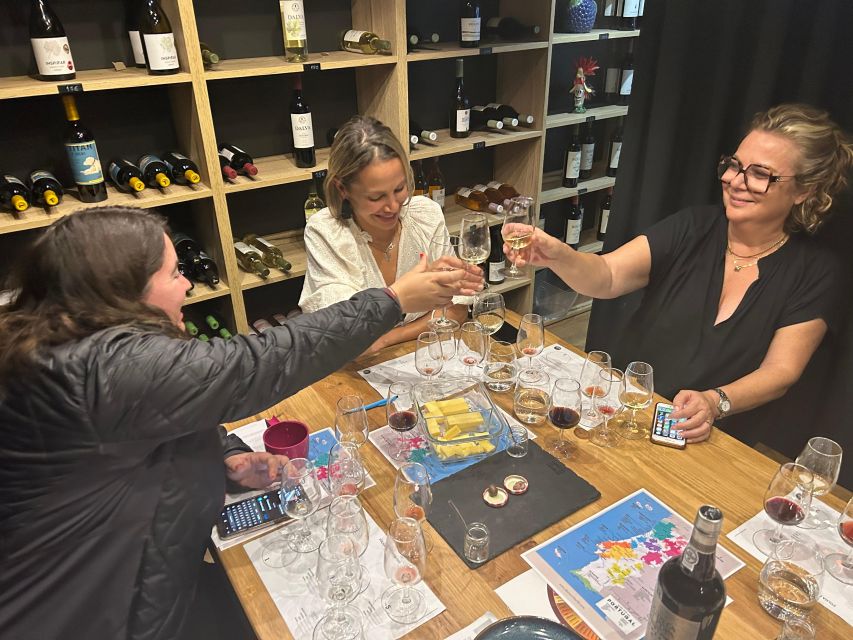
The class depends heavily on the person leading it, and the hosts named in the experience include Rui, Ruan, João, Pedro, and José. Rui and Ruan are especially often associated with humor, energy, and strong explanations of how Port is made. João is described as warm, clear, and professional, while Pedro and José have also led enjoyable sessions.
The tone is informal. You get history and production details, but you also get jokes, conversation, and time to ask about Porto, Gaia, wine, and the Douro Valley. One host reportedly described himself as having more jobs than a Swiss Army knife, which gives you a good sense of the playful style some sessions can take.
A particularly memorable extra has appeared at the end of some classes. A host has played guitar and sung flamenco or fado, and one session included a surprise ending that the guide kept secret. This is not presented as the core of every class, so you should book for the Port education and tasting, not for a guaranteed concert. Still, it can turn a straightforward lesson into a lively evening.
Why the small group matters
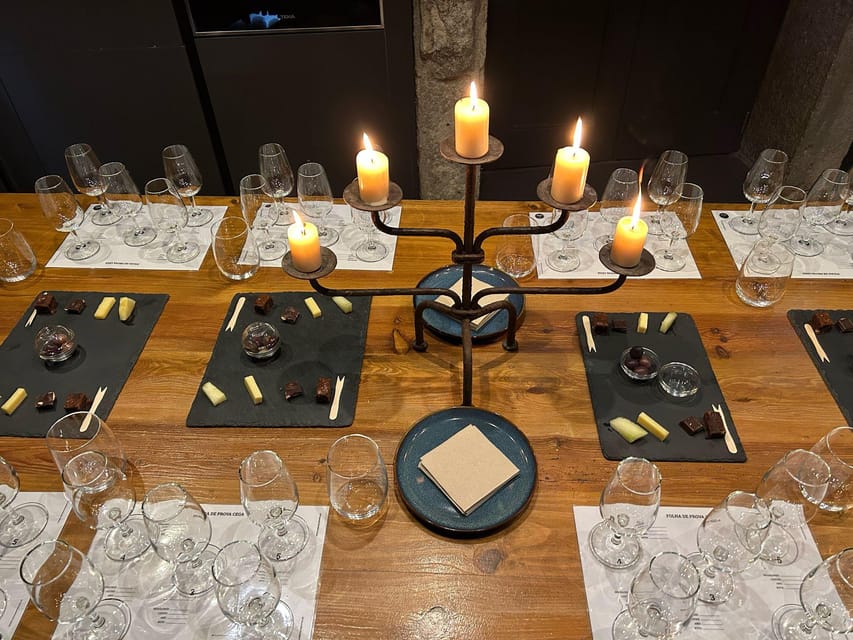
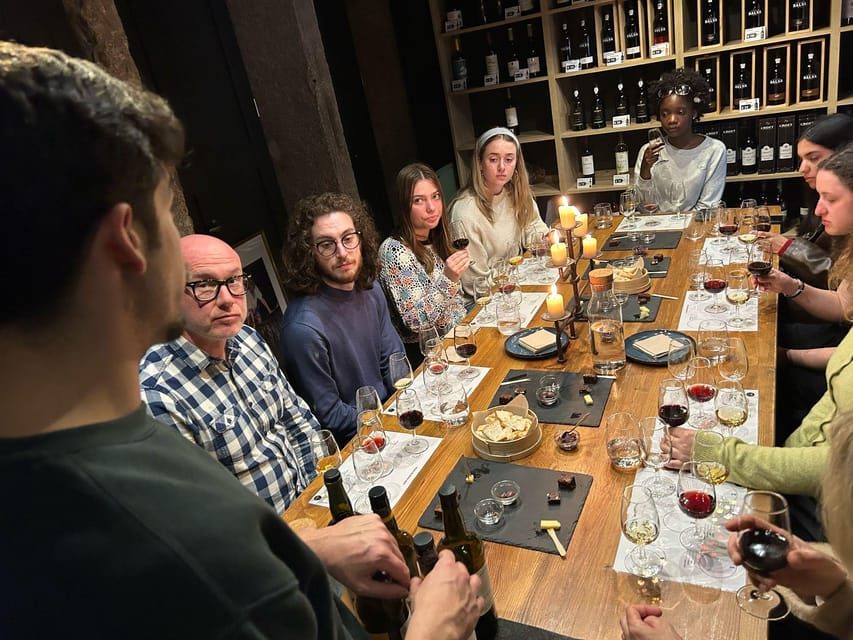
The group limit is 10 people, though some sessions are much smaller. Groups of only two or four allow the host to spend more time answering individual questions and adjusting the pace. A fuller group creates more conversation and gives you a chance to meet people from different countries.
That social mix is part of the appeal. The format suits solo visitors because you are seated with others around a shared table rather than left to taste alone. A solo participant may find the class an easy way to start a conversation, and some groups have continued on for drinks afterward.
The seating can be simple. One account described long benches along either side of a prepared table and noted that chairs would have been more comfortable. Most people will find the arrangement perfectly workable for a short class, but anyone needing extra comfort should keep the informal setup in mind.
The room is air-conditioned, which is useful during Porto’s warmer months. It is also wheelchair accessible, adding practical value for people who need step-free access. Since the class is held in a room inside a shop and tourist office building, the atmosphere is more intimate than grand.
What you get for $23
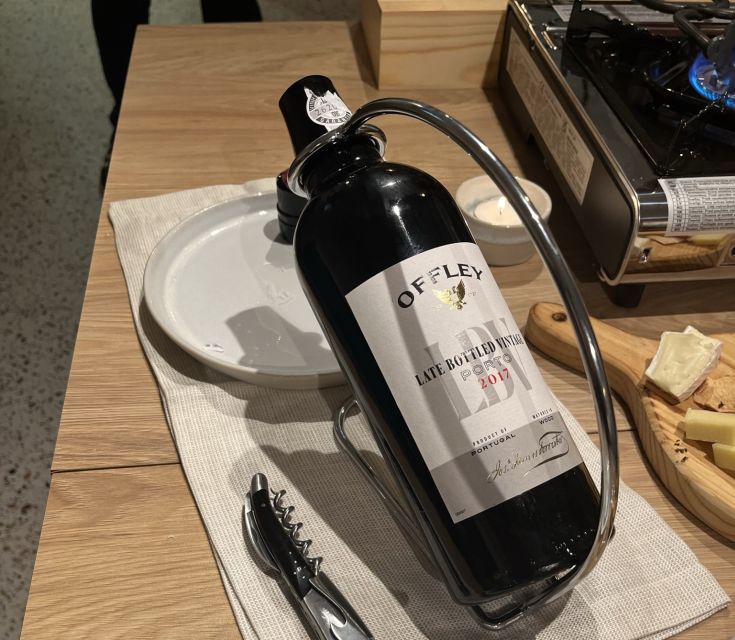
At about $23 per person, this is a strong-value introduction to Port. The price covers the lesson, the tastings, and the food pairings, not just a single glass at a bar. The five-Port option gives you enough range to understand the category rather than simply sample one house style.
The value is strongest for first-time Port drinkers, people with limited time, and anyone who wants context before visiting other tasting rooms. You can learn what you like before spending more on bottles or cellar tours.
It is less valuable if your main goal is to see wine production in person. The class does not take you through the Douro Valley, and it is not a cellar visit. If you have already toured several Port houses and know the styles well, the educational part may feel familiar, though the friendly hosting and pairings can still make it enjoyable.
You also get practical information that carries into the rest of your trip. After five styles, a menu in Porto or Gaia becomes easier to read. You can ask for a Tawny when you want something aged and nutty, or choose a Ruby Reserve or LBV when you prefer more dark fruit.
Three Ports or five?
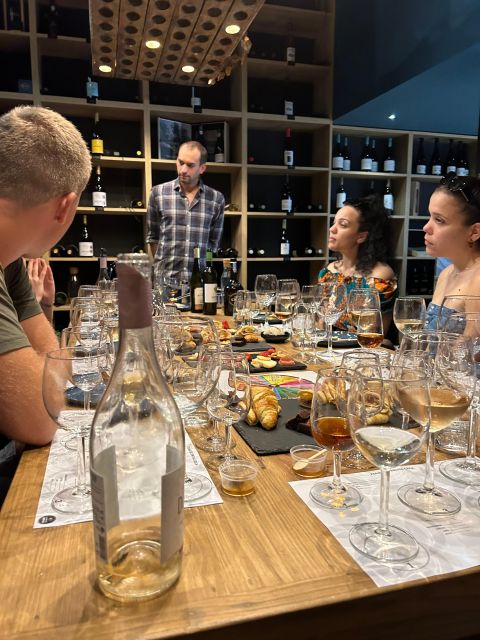
Here is the simple choice:
- Choose three Ports if you have less than an hour, want a basic introduction, or have a busy sightseeing schedule.
- Choose five Ports if you are curious about the subject, enjoy comparing flavors, or want the best value from the class.
- Choose five Ports if you may not have time for a separate visit to the wine cellars.
- Choose three Ports if you are cautious about sweet wines or mainly want to understand what Port tastes like.
The shorter option is not a poor choice. It gives you a compact lesson and avoids overloading your palate. Still, the five-wine lineup is more satisfying because White, Tawny, Ruby Reserve, and LBV show how broad the category can be.
If you are visiting with friends, the five-wine option also gives you more to discuss. You can compare favorites, test the pairings, and ask the host why one wine works better with cheese while another suits chocolate.
Who should book this Port class?
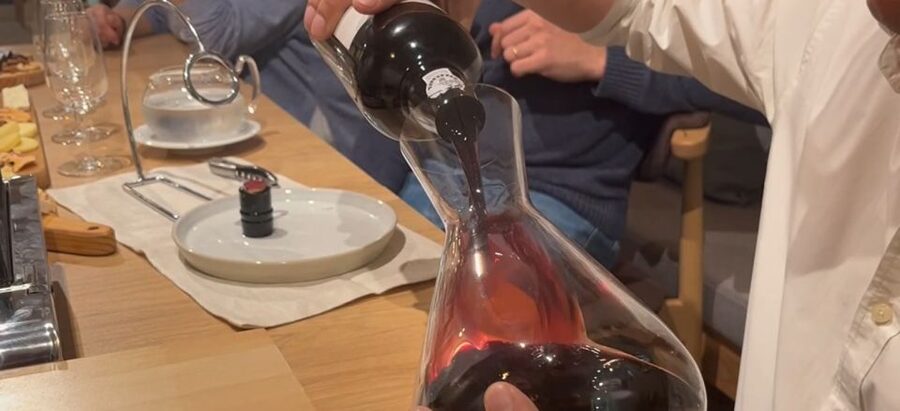
I would recommend it to first-time visitors who want a clear introduction without committing to a half-day wine excursion. It also suits couples, small groups, solo visitors, and anyone planning a central Porto sightseeing day.
It is a good choice for people who enjoy stories and conversation as much as the drink itself. Hosts such as Rui, Ruan, and João appear to bring plenty of personality, so you should expect an interactive session rather than a silent technical lecture.
This may not suit you if you want a grand historic cellar, a vineyard visit, or a detailed production tour. You will not be transported into the Douro Valley, and the setting is a practical room behind a shop. For those priorities, you need a separate wine excursion.
English is the stated language, and the host or greeter conducts the experience in English. The activity is wheelchair accessible. Groups are limited to 10, and cancellation is free up to 24 hours before the start time. You can also reserve now and pay later, which helps if your Porto schedule is still changing.
Should you book it?
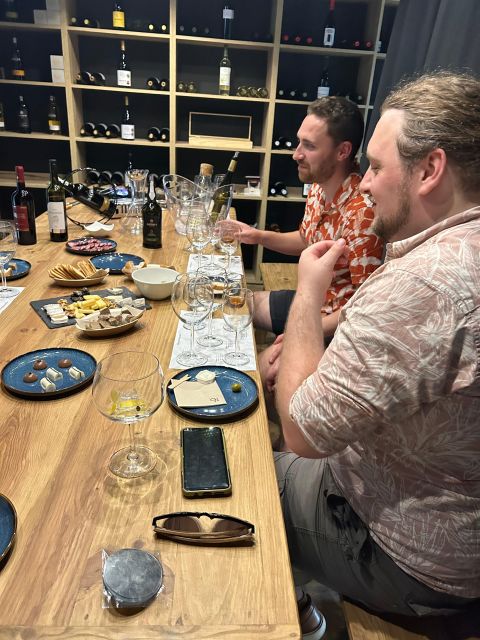
Book this class if you want to understand Port quickly, taste a useful spread of styles, and stay in central Porto. At $23, the five-Port option is especially appealing because it combines instruction, five pours, and well-matched Portuguese snacks for less than many stand-alone tastings.
Pick the three-Port session for speed. Pick five if you are even mildly curious about Port, since the added comparison is where the class earns its value.
My practical advice is to check in at the tourist office rather than searching for a traditional cellar, arrive with enough time to find the storefront, and choose the five-Port option unless your schedule is tight. You may get a lively host, a surprise song, or a new group of friends, but the dependable reason to book is simpler: this is an efficient, friendly way to learn what Port is before ordering more of it.
FAQ
Where does the Port wine class take place?
It takes place in a room inside the provider’s shop in central Porto, directly across from Palácio da Bolsa. Check in at the tourist office in the same building.
Is the tasting held in a Port wine cellar?
No. The class takes place in a shop-based room, not in a cellar.
How many Port wines can I taste?
You can select either a three-Port or five-Port tasting. The three-Port session takes about 45 minutes, while the five-Port session usually lasts about 1 hour and 15 minutes.
Which Port styles are included in the five-wine option?
The listed five-wine selection includes two White Ports, one Tawny Port, one Ruby Reserve Port, and one LBV, or Late Bottled Vintage, Port.
What food is served with the Port?
The tastings are paired with olives, fruit, chocolate, cheese, and brownie.
Is the experience conducted in English?
Yes. The host or greeter and the class are conducted in English.
How many people can join the class?
The group is limited to a maximum of 10 participants.
Is the activity wheelchair accessible?
Yes, the experience is listed as wheelchair accessible.
Can I cancel or pay later?
You can cancel up to 24 hours before the activity for a full refund. The booking option also allows you to reserve now and pay later.
More Workshops in Porto
- Porto: Tile Painting Workshop with Porto Wine – Sé do Porto
★ 4.9 · 1,095 reviews - Porto: Pastel de Nata Cooking Class with Port Wine – Sé
★ 4.8 · 888 reviews - Porto: Tile Painting Workshop with Tea and Port Wine
★ 4.9 · 66 reviews - Florence: Pasta Cooking Class with Unlimited Wine
★ 4.9 · 10,285 reviews
More Port Wine Tastings in Porto
- Porto: Live Fado Show with Glass of Port Wine
★ 4.8 · 6,498 reviews - Porto: Bridges Cruise & Sunset & Port Wine Cellar Option
★ 4.2 · 4,180 reviews - Porto: Fado & Port Wine in Traditional Portuguese Music Shop
★ 4.8 · 2,906 reviews - Porto: What is Fado? Commented Live Concert with Port Wine
★ 4.8 · 2,839 reviews
Newest wine reviews around Porto
- Porto: Tuk tuk Tours with Port Wine Tasting★ 4.5 · 65 reviews
- Porto Wine Tasting Experience with Portuguese Tapas Plate★ 4.7 · 356 reviews
- Porto: Tile Painting Workshop with Tea and Port Wine★ 4.9 · 66 reviews
- Porto: Sunset Walking Tour with Port Wine and Views★ 4.6 · 95 reviews
- Porto: Taylor’s Port Cellar Tour & WOW The Wine Experience★ 4.5 · 136 reviews
- Porto: Douro River Boat Tour with Wine Tasting★ 4.9 · 167 reviews
- Porto: Douro River Cruise w/ Portuguese Wines & Local Host★ 4.9 · 166 reviews
- Porto: Self-Guided Bike and Boat Tour with Port Wine Tasting★ 4.7 · 52 reviews
Port Wine Tastings, compared.

Bridges Cruise & Sunset & Port Wine Cellar Option
Read our review →
Fado & Port Wine in Traditional Portuguese Music Shop
Read our review →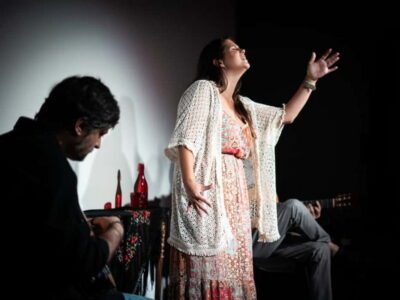
What is Fado? Commented Live Concert with Port Wine
Read our review →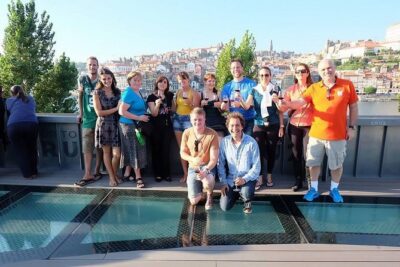
Port Wine Lodges Tour Including 7 Port Wine Tastings (English)
Read our review →
Charming Sailboat Cruise with Port Wine,Sunset Option
Read our review →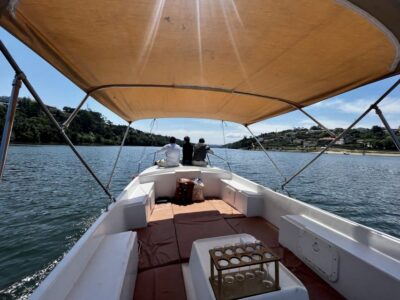
Douro River Boat Cruise with Port Wine Tasting
Read our review →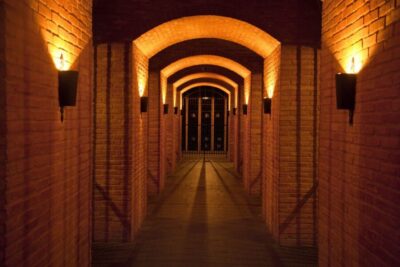
Graham’s Port Lodge Tour with Premium Wine Tastings
Read our review →Lists this tasting appears in