
Reviewed · WINE CELLAR VISITS
Reil, Mosel: Guided organic wine tasting and cellar tour
The most interesting part of this Reil visit is that organic winegrowing is not treated as a label on a bottle. It is the subject of the tour. You walk among the vines, ask what biodiversity means in a working vineyard, then see how those choices carry into the wine cellar.
I like the family-run setting and the chance to meet the winemaker rather than a hired presenter. I also like the tasting range: four to five organic wines, including whites, reds, and sparkling wine made by the traditional method. The main consideration is time. Two hours gives you a useful introduction, but not a long Mosel wine day with several estates.
Key points
- Organic winegrowing explained on site: See the vines and learn how biodiversity, soil, and sustainable methods affect the work.
- Alexander Arns leads the visit: The winemaker and vineyard owner guides the tour, with English and German available.
- A proper tasting range: Try four to five organic wines, including still whites, reds, and traditional-method sparkling wine.
- Two parts, one family winery: Expect about one hour in the vineyard and one hour in the winery and cellar.
- A personal atmosphere: The Arns family welcomes visitors, and dogs are accepted according to the available tour information.
- Good flexibility: The experience costs $29 per person, is wheelchair accessible, and allows cancellation up to 24 hours before the start for a full refund.
Why this Mosel wine visit feels different
Many wine tastings begin and end at a table. This one starts where the work begins, in the vineyard. At Weingut Arns, you get a look at organic vines before tasting the finished wine, which helps connect the glass to the soil, weather, plants, and daily decisions behind it.
That matters in the Mosel. Wine here is not just a matter of choosing a grape and waiting for harvest. The soil, slope, plant life, and growing methods all influence the result. The tour uses those subjects as a way to explain wine in plain terms, not as a lecture packed with technical language.
You also meet the people behind the bottles. Alexander Arns leads the visit, and the experience is tied directly to his family winery. That gives you a more personal sense of how the estate works than you get from a large commercial tasting room.
More Organic and Biodynamic Wineries in Germany:
- Marseille: Sunset Boat Cruise with Buffet and Organic Wine
★ 4.7 · 459 reviews - Malaga Organic Vineyard and Winery Six Wines Tapas and Transfer
★ 5.0 · 356 reviews - Malaga: Organic Vineyard Tour with 6 Wines, Tapas & Transfer
★ 4.8 · 334 reviews
Starting at Kringstraße 36 in Reil
Your meeting point is Weingut Arns at Kringstraße 36, marked by a blue flag. That detail is useful in Reil, where a clear landmark can save you from wandering around looking for the correct entrance.
The tour returns to the same address, so you do not need to arrange a separate pickup point at the end. No transport is included, so plan to reach the winery on your own. The activity lasts two hours, with starting times depending on availability when you book.
At $29 per person, this is priced as an accessible introduction rather than a luxury wine event. The fee covers both the vineyard and cellar tour, the tasting of four to five wines, bread, and water. If you want a focused way to learn about Mosel wine without committing to a full day, the cost is fair.
One hour among the organic vines
The first hour takes place in the vineyard. This is where the tour earns its keep. You do not simply hear that the wines are organic. You get the chance to understand what organic growing means in practice and why a grower might choose it.
The tour addresses the link between biological diversity and winegrowing. That can include the wider life of a vineyard and the way a healthy growing environment affects cultivation, although the exact route through the vines may vary. You can ask questions directly and connect the explanation to the vines in front of you.
Soil is another major topic. The guide explains how soil influences wine quality, giving you a useful framework for tasting later. You may not become a soil expert in one hour, but you should leave with a clearer idea of why wines from different parcels can taste different even when made from related grapes.
Sustainability is treated as a practical question: can wine be grown in a more sustainable way, and what does that require? This makes the walk useful even if you are more interested in farming than in tasting notes. You see that organic wine is a production choice, not just a marketing phrase.
The vineyard hour also gives you the best chance to enjoy the Mosel setting. One visit described the view over the vineyard as beautiful, and that is an important part of the experience. You are not spending the full two hours indoors.
Still, keep your expectations measured. This is a guided introduction, not an extended hike through the Mosel valley. The supplied details do not promise a long walking route or a demanding trek. If you want a gentle look at vines followed by wine, the format works well.
A modern cellar with traditional ideas
After the vineyard, you move into the winery and cellar for about an hour. Here you see a modern wine cellar and learn how traditional and current approaches fit together at Weingut Arns.
That mix is one of the more appealing details. The visit is not presented as organic methods versus technology. Instead, you get a family winery that draws on traditional winegrowing while using a modern cellar. For you, that means the conversation can move from old practices to present-day choices without forcing a simple either-or answer.
The cellar visit also gives context to the tasting. You have just heard about soil, biodiversity, and sustainable cultivation. Now you can consider how those vineyard decisions meet the work done after harvest. The experience connects the field and cellar instead of treating them as separate subjects.
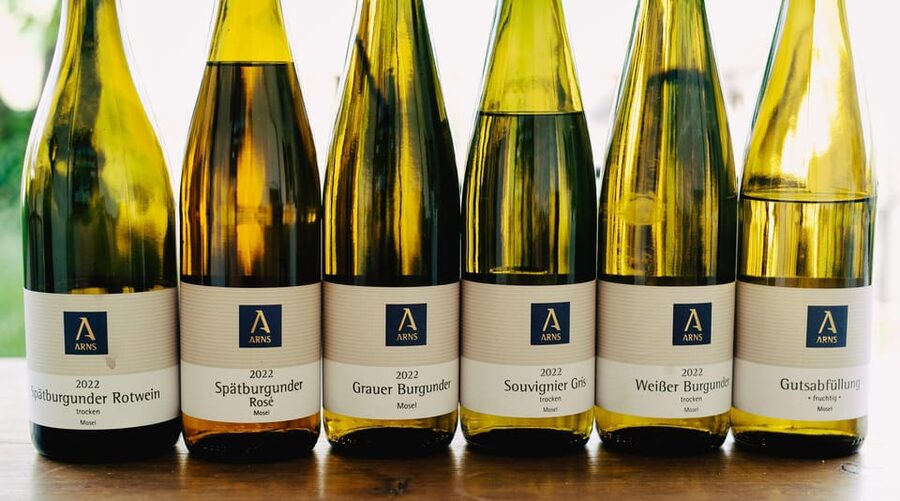
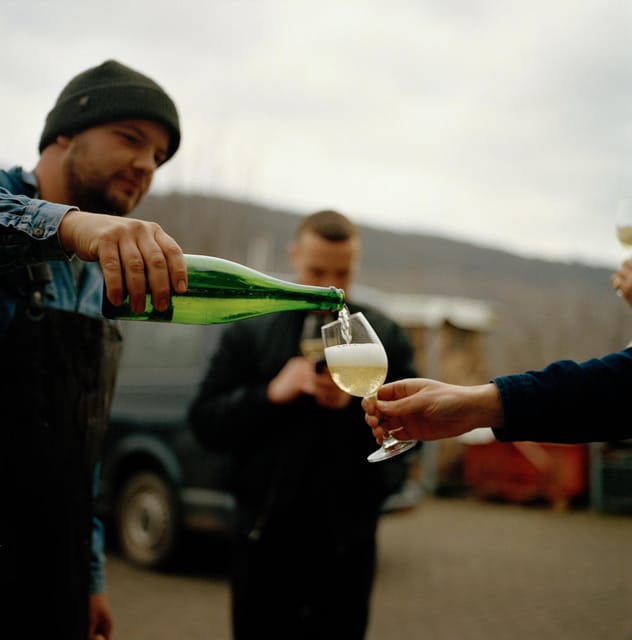
The winery makes still white wines, still red wines, and sparkling wine using the traditional method. That is a useful range for a small tasting. You can compare different styles rather than drinking several versions of one narrow category.
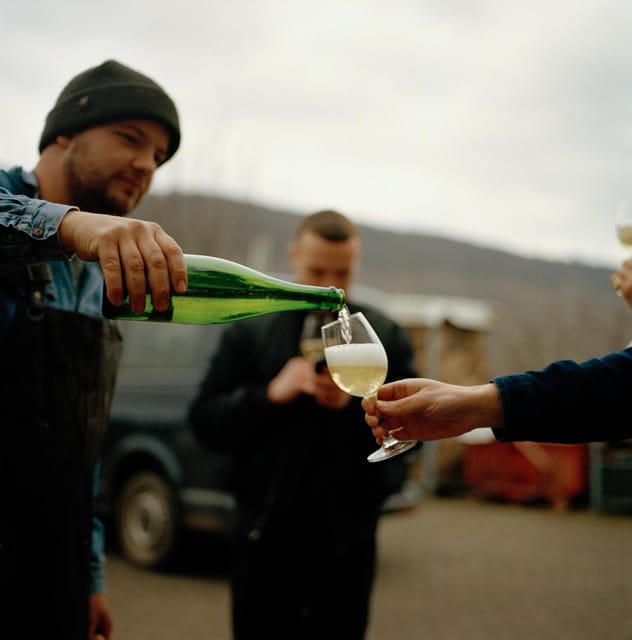
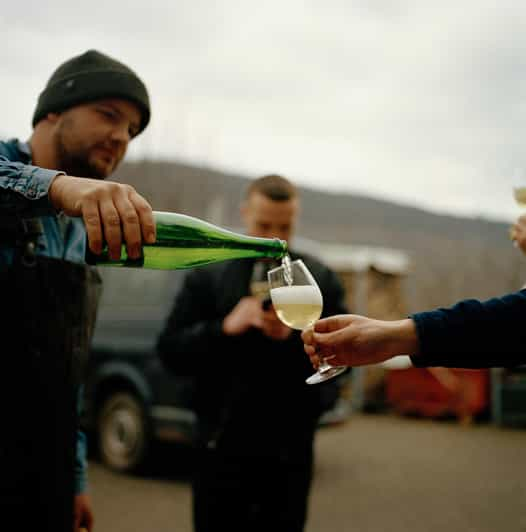
The sparkling wine is especially worth noting. Traditional-method sparkling wine requires a more involved process than simply adding bubbles, so its inclusion gives the tasting extra variety. The available information does not specify the grape varieties or exact bottles served, so you should expect the selection to depend on the winery’s current offerings.
More Wine Cellar Visits in Germany:
- Trier: Discovery Tour – Germany’s Oldest Wine Cellar
★ 4.7 · 218 reviews - Porto: Bridges Cruise & Sunset & Port Wine Cellar Option
★ 4.2 · 4,180 reviews - Porto: Cálem Cellar Tour, Interactive Museum & Wine Tasting
★ 4.5 · 4,113 reviews - Porto: Cálem Cellar Tour, Fado Show & Wine Tasting
★ 4.4 · 3,530 reviews
Tasting four to five organic wines
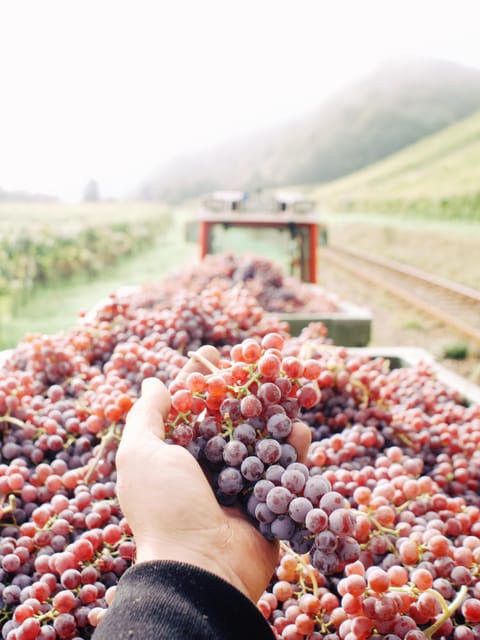
The tasting includes four to five different organic wines, along with bread and water. That is enough to make the tasting feel like a real part of the visit, while still fitting inside the two-hour schedule.
I like the balance here. You get several wines, but the visit does not become a long drinking session with little time left for questions. Bread gives you something to eat while tasting, and water helps keep your palate fresh.
Expect the tasting to include a mix of whites, reds, and sparkling wine. This makes the experience suitable for a mixed group, especially if one person prefers red wine and another favors white or sparkling styles. Since the exact bottles are not listed, do not book this expecting a particular grape or vintage.
The strongest part of the tasting is the chance to ask why each wine tastes the way it does. After the vineyard walk and cellar tour, you have already heard about the growing conditions. You can use that background when tasting rather than simply deciding which wine you like best.
You can also buy bottles to take home, though purchases are not included in the $29 price. One visitor brought home four bottles after enjoying the tasting. That is a sensible option if you find a favorite, but you should check any baggage or transport limits before buying more than you can comfortably carry.
Meeting Alexander and the Arns family
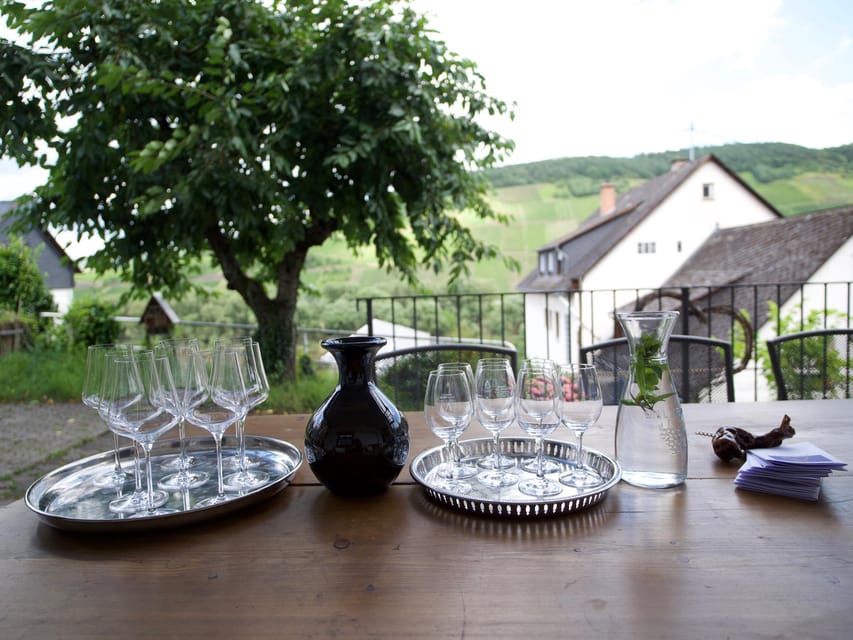
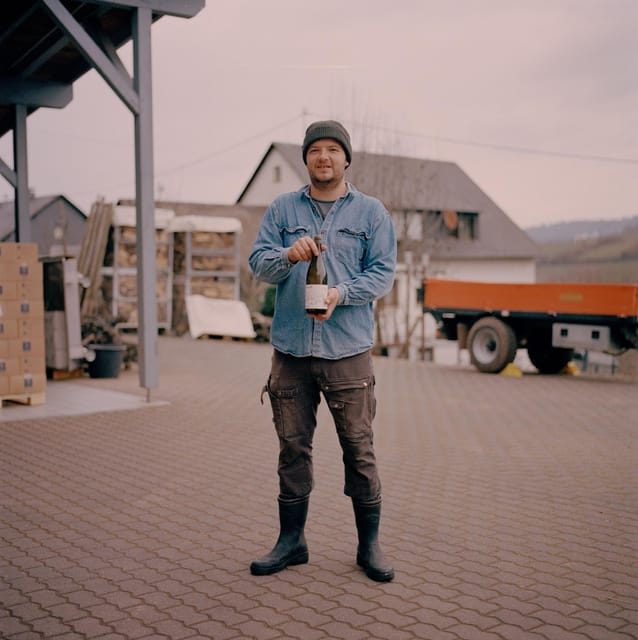
The personal contact is a major reason to choose this tour. Alexander Arns is the vineyard owner and tour operator, so the explanation comes from someone directly involved in the work. That often leads to a more open conversation than a standard scripted tasting.
You should expect a friendly guide who gives you room to ask questions. Alexander has led tours in both English and German, switching between the languages so mixed-language groups can follow along. If your group includes German and English speakers, that flexibility is useful.
The tone is more like a visit to a working family winery than a formal museum tour. The Arns family welcomes visitors, and the experience gives you a sense of the people behind the operation. For many visitors, that personal connection is as important as the wine itself.
This style may not suit you if you want a silent, highly polished tasting with no background talk. The purpose here is to explain how the winery works. You should come ready to listen, taste, and ask questions.
Dogs are also welcome according to the available information, with one visitor bringing a dog without a problem. If you plan to bring yours, it is still wise to confirm current arrangements when booking, especially if the group or route has changed.
Who will enjoy the two-hour format
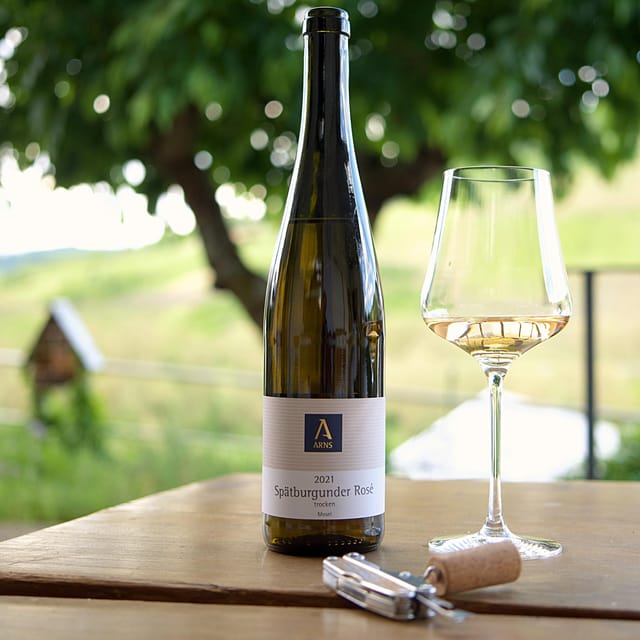
I would recommend this experience to anyone who wants a clear introduction to organic Mosel wine without spending an entire day at a winery. The short format fits neatly into a wider stay in Reil or a day exploring the Mosel.
It suits first-time wine visitors because the tour explains basic ideas such as soil, biodiversity, sustainability, and cellar work. You do not need to arrive with a vocabulary of wine terms. The focus is on seeing how the wine is made and tasting the results.
It also works for experienced wine drinkers who prefer meeting producers and learning about farming choices. The mix of still wines and traditional-method sparkling wine gives the tasting enough range to keep it interesting.
Families and mixed groups may appreciate the nontechnical approach, though the activity itself centers on wine and is intended for adults who can take part in a tasting. The wheelchair-accessible designation is useful if access is important to your planning.
You should choose another kind of outing if you want a long hike, a large-scale estate, or a tasting built around a fixed list of famous bottles. The exact wines can vary, and the visit is centered on the Arns family winery rather than on a broad survey of Mosel producers.
Practical value, timing, and flexibility
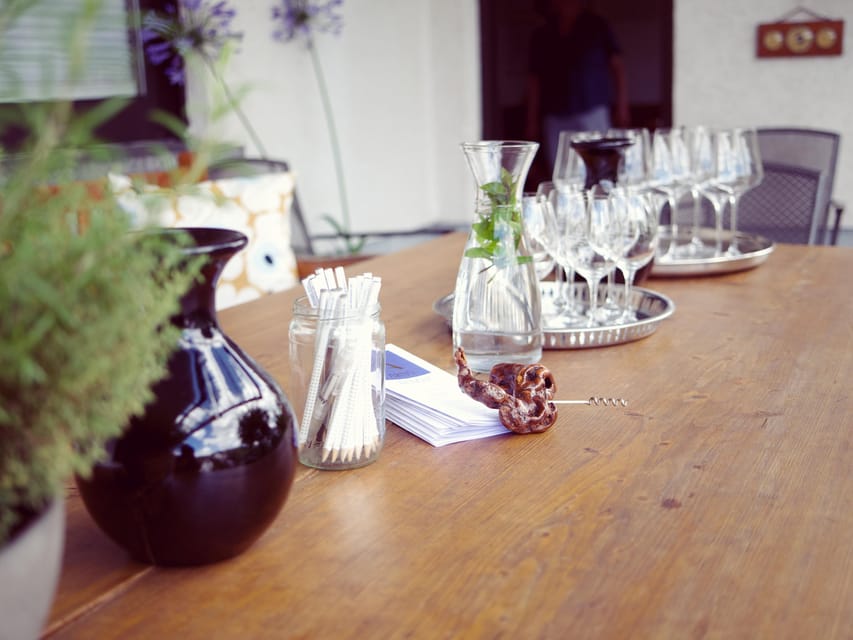
The two-hour schedule is well divided: roughly one hour in the vineyard, then one hour in the winery and cellar. That gives the visit a steady rhythm and avoids the common problem of spending all your time at a table.
The $29 price covers the main elements you need: both guided tours, four to five organic wines, bread, and water. I consider that good value for a personal visit led by the winery owner, particularly because you are getting both education and tasting rather than only a flight of wine.
English and German are available. If you are booking for a mixed group, the guide’s ability to move between both languages can make the visit easier for everyone.
You can cancel up to 24 hours before the activity for a full refund. The reserve-now-and-pay-later option also gives you some flexibility when your Mosel plans are not fully settled. Check the available starting times before committing, since the two-hour duration does not mean every time of day is offered.
The meeting point is at Kringstraße 36, Weingut Arns, marked by a blue flag. Because the experience begins and ends there, it is simple to fit around other plans in Reil. Just allow enough time to arrive at the winery without rushing.
What to know before you book
The tour is strongest when you treat it as a conversation about organic winegrowing, not as a quick tasting with a few facts added on. You will get more from it if you ask about soil, biodiversity, sustainability, and the differences between traditional and modern cellar work.
The exact wine lineup is not guaranteed in the supplied information. You can expect four to five organic wines, with whites, reds, and traditional-method sparkling wine represented, but not a named vintage list.
The activity is wheelchair accessible, and English and German guiding are available. Bread and water are included, but transportation and bottle purchases are not listed as included.
The tour has earned a 4.8 rating from 84 reviews, with repeated praise for Alexander’s enthusiasm, clear explanations, friendly manner, and the welcoming family atmosphere. Those qualities matter here because the experience depends as much on the guide’s willingness to answer questions as on the vineyard itself.
Should you book Weingut Arns?
Book it if you want a personal, reasonably priced look at organic Mosel wine, especially if meeting the winemaker matters to you. The combination of vineyard walk, modern cellar, four to five wines, and a family setting gives you much more context than a stand-alone tasting.
I would be especially keen to book this in Reil if I had two free hours and wanted to understand how soil and biodiversity connect to the wine in my glass. Choose it with realistic expectations: it is a focused introduction, not a full-day wine route or a long countryside hike. For most visitors seeking an authentic family winery experience, that focused format is exactly the point.
FAQ
Where does the tour begin?
The tour begins at Weingut Arns, Kringstraße 36 in Reil. The meeting point is marked by a blue flag.
Where does the tour end?
The experience returns to Kringstraße 36, the same location where it begins.
How long does the experience last?
The experience lasts two hours. The vineyard tour takes about one hour, followed by about one hour for the winery and wine tasting.
How much does the tour cost?
The listed price is $29 per person.
How many wines are included?
You taste four to five different organic wines.
What kinds of wine are served?
The winery produces still white wines, still red wines, and sparkling wine made by the traditional method. The exact tasting selection is not specified.
Are food and water included?
Yes. Bread and water are included with the tasting.
Which languages are available?
The live guide is available in English and German.
Is the experience wheelchair accessible?
Yes. The activity is listed as wheelchair accessible.
Can I cancel the booking?
You can cancel up to 24 hours before the activity for a full refund. The reserve-now-and-pay-later option is also available.
More Wine Tastings in Germany
- Trier: Guided City Walk with Wine Tasting
★ 4.8 · 979 reviews - Berlin: Wine on Canvas – Paint Workshop and Wine Tasting
★ 4.7 · 59 reviews - Stuttgart: Stuttgart Wine Museum Wine Tasting
★ 4.7 · 55 reviews - Lieser: Covered wagon ride, the rolling wine tasting with picnic basket
★ 4.7 · 51 reviews
Newest wine reviews around Germany
- Sylt: Shell safari with boat | incl. Mussel tasting & 1 glass of wine★ 4.7 · 49 reviews
- Stuttgart: Guided Wine Walk & Wine Tasting★ 4.6 · 28 reviews
- Stuttgart: Stuttgart Wine Museum Wine Tasting★ 4.7 · 55 reviews
- Heidelberg: Hills and Wine Region Segway Tour★ 4.9 · 89 reviews
- Mulled wine ride in the Leipzig New Zealand★ 4.3 · 43 reviews
- Lieser: Covered wagon ride, the rolling wine tasting with picnic basket★ 4.7 · 51 reviews
- Kröv, Mosel: Covered wagon ride through the vineyards with wine tasting★ 4.8 · 46 reviews
- Koblenz: Christmas Boat Tour with Mulled Wine★ 4.3 · 35 reviews
Wine Cellar Visits, compared.
Bridges Cruise & Sunset & Port Wine Cellar Option
Read our review →

Hop-on Hop-off Bus with Optional Cruise & Wine Cellar
Read our review →
Magic Train Tour and Port Wine Cellar with Tastings
Read our review →
Milan Urban Winery: Taste & Tour at Cantina Urbana
Read our review →
Lists this tasting appears in