
Reviewed · WINE CELLAR VISITS
Montepulciano: Wine Tasting and Cellar Tour
Montepulciano’s best wine experience may be underground. In the old town, a guide leads you into historic cellars lined with enormous Slavonian oak and French-wood barrels, then explains how the local soil, families, and long winemaking traditions shaped Nobile di Montepulciano. The hour ends with five DOC and DOCG wines, pecorino, bruschetta, and crostini.
I like the way this tour joins the wine with the place itself. You are not simply seated at a table with bottles in front of you. You see the old caves, hear about the sandy tufa soil and its fossils, and learn why different woods matter. I also like the guides’ personal touch. Mirko, Debbie, Emilio, and Ron have all been praised for making the history clear, lively, and easy to follow.
The main drawback is the short running time. One hour passes quickly, and the cellar is in Montepulciano’s no-car zone, so you must park outside the center and walk uphill or along historic streets. If you want a full vineyard visit, a long meal, or transportation from your hotel, this is not that kind of tour.
Key points to know before booking
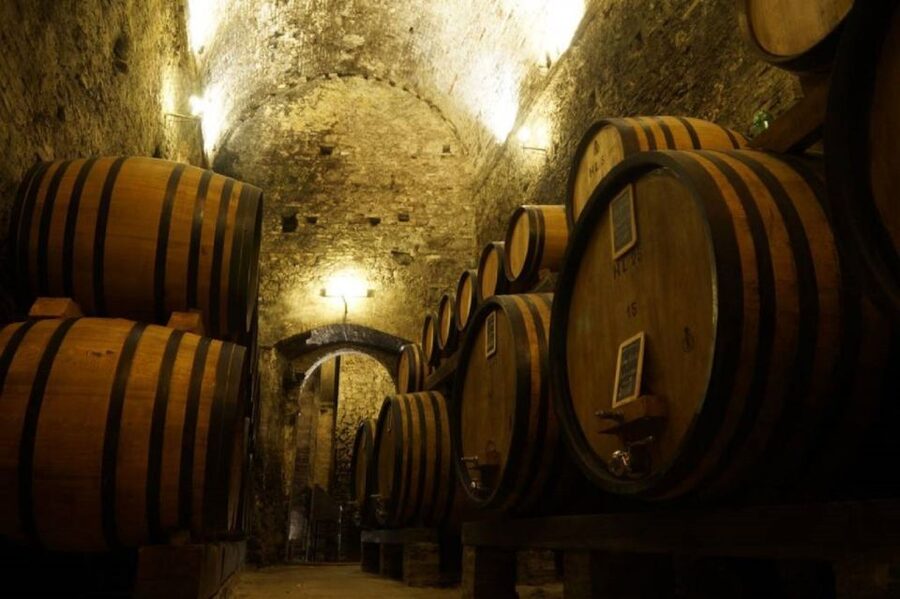
- Historic underground cellars: Explore old wine caves in central Montepulciano, including the atmospheric Ricci or De’Ricci cellar spaces described during the tour.
- Five local wines included: Taste Montepulciano DOC and DOCG wines, with some sessions serving six wines.
- Barrel aging explained: See large Slavonian oak barrels alongside casks made from French wood, and learn how each choice affects the wine.
- Food comes with the tasting: Expect pecorino of different ages, bruschetta with extra-virgin olive oil, and typical crostini. Some tastings also include meat.
- Strong guiding is central to the experience: Guides such as Mirko, Debbie, Emilio, and Ron are known for clear explanations, humor, and local stories.
- Easy to fit into a day: The tour lasts one hour and costs $38 per person, but you need to arrange your own parking and walk into the center.
Entering Montepulciano’s old wine caves
The tour begins in central Montepulciano, inside the pedestrian-only part of the medieval town. That setting matters. You are surrounded by stone buildings, steep lanes, and old architecture before you even reach the cellar, so the tasting feels tied to Montepulciano rather than transplanted into a modern shop.
The cellar is associated with the De’Ricci family and has a long working connection with local wine. The guide explains the family story, the cellar’s past, and the way the site still functions as a place for storing and presenting wine. The history is not treated as a dry list of dates. It helps you understand why these underground spaces were built and why they remain useful today.
The caves are a highlight for anyone who likes old buildings as much as wine. Some areas are dim and atmospheric, while the cellar itself is described as well lit enough to see the structure and barrels clearly. You might hear the space called a wine cathedral, a fitting description for the high, dramatic rooms and long rows of casks.
I would allow extra time to find the meeting point. The cellar is inside the no-car zone, and the suggested parking areas are Parking S. Donato and Parking P8. You will need to walk from there, and Montepulciano is not flat. Wear shoes that are comfortable on old streets and avoid arriving at the last moment.
More Wine Tastings in Italy
- Florence: Chianti Wineries Tour with Wine Tasting
★ 4.5 · 10,071 reviews - Small-Group Wine Tasting Experience in the Tuscan Countryside
★ 5.0 · 7,392 reviews - Rome: Tuscany & Montepulciano Day Trip with Lunch & Wine Tasting
★ 4.5 · 5,232 reviews
Why the tufa soil matters
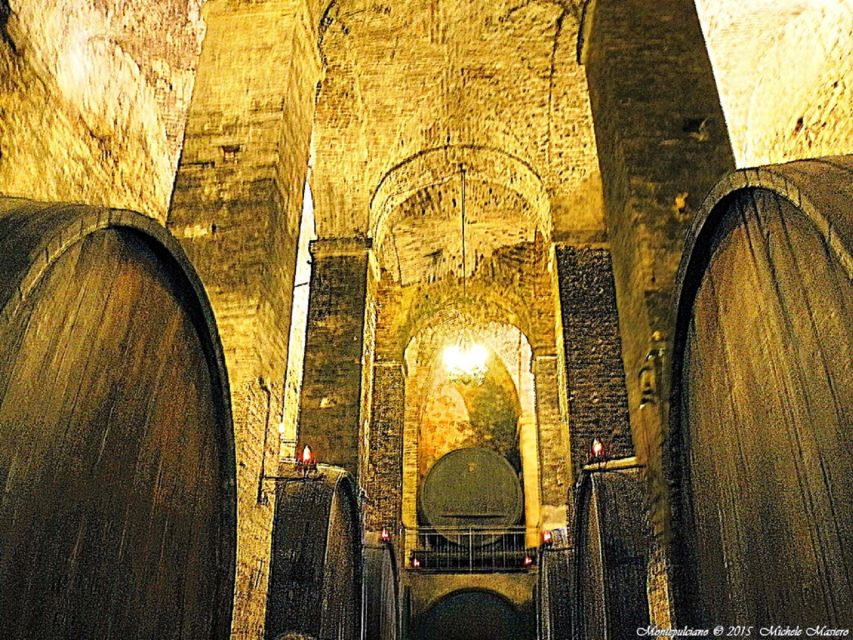
A good guide will connect the bottle in your glass to the ground under your feet. Around Montepulciano, the sandy tufa soil contains fossils that point to the area’s ancient origins. That detail gives the wine lesson a sense of place without turning the tour into a geology class.
The guide also explains the local importance of Nobile di Montepulciano, the red wine for which the area is famous. The tasting includes wines carrying Montepulciano DOC and DOCG designations, giving you a chance to compare bottles made under the region’s protected standards.
I find this part especially helpful if you are still sorting out Tuscan wine names. Montepulciano is a town, a wine region, and part of a wider Tuscan wine culture. The tour gives you a basic map for understanding the local labels, the red wines produced here, and the role of aging.
The explanations are often what make the hour worthwhile. Guides such as Emilio have shared stories about the families behind the cellar and the origins of its symbols. Debbie has been praised for connecting the wine with Montepulciano’s local history, while Mirko and Ron are known for clear, lively presentations. The exact guide depends on the date, but the experience is designed around a live English or Italian guide rather than an audio recording.
The barrel room and the art of aging
The rows of barrels are the visual centerpiece. Large casks made from Slavonian oak hold refined Nobile di Montepulciano wines, while other barrels are made from quality French wood. The guide explains why a winery uses different woods and how barrel aging influences the finished wine.
You do not need to be a wine expert to enjoy this section. The useful question is not simply how old a barrel is, but what it does. Wood can shape aroma, texture, and the pace at which a wine develops. Seeing the barrels in the actual cellar makes that process easier to picture than a short explanation at a tasting bar.
The scale also gives the visit some drama. This is not a row of small decorative casks placed for photographs. The cellar contains large working barrels, and the space has an old, almost theatrical feel. You can take in the architecture, the stone, the wood, and the cool underground setting before tasting the results.
The experience does not promise a complete lesson in production from grape to bottle. You should think of it as a focused introduction to local winemaking and cellar aging. If you want to inspect vineyards, meet growers in the fields, or follow the harvest, choose a longer countryside tour instead.
Tasting five wines with Tuscan food
After the cellar walk, you sit down for the tasting. The advertised selection includes five DOC and DOCG wines from Montepulciano. Several sessions have included six wines, so the exact number can vary, but you should expect at least the stated five.
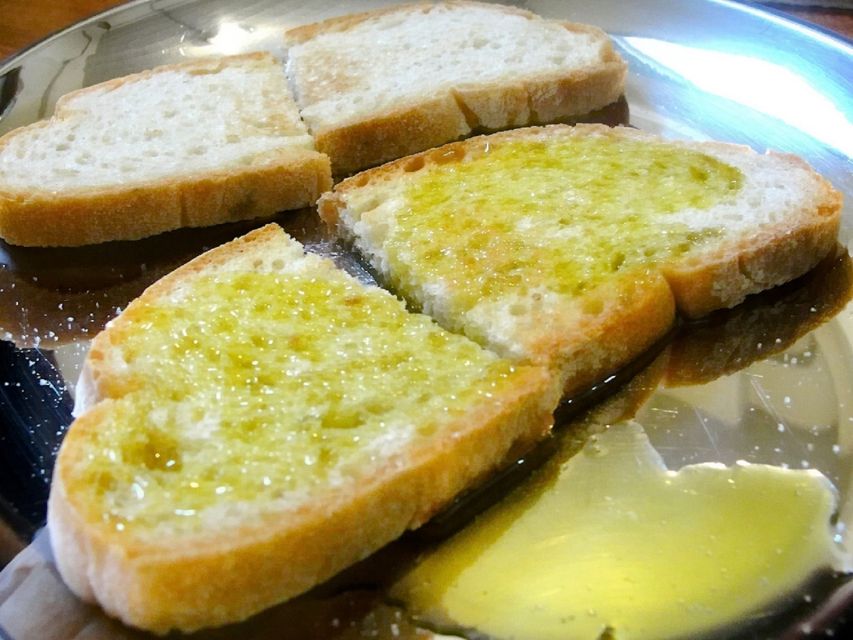
The wines are served with simple local foods that help you judge them in a practical way. Pecorino cheeses of different ages show how a younger, softer cheese compares with a firmer, more developed one. Bruschetta comes with extra-virgin olive oil, and typical crostini round out the table.
Some tastings have also included small portions of meat or a modest antipasto plate. The food is not presented as a full lunch, so do not book this as your main meal. It is enough to keep the tasting comfortable and to show how Tuscan wine works with salty, creamy, and crisp flavors.
I like this format because food gives you something to notice beyond the label. A cheese with more age may make a red wine seem softer or more balanced. Olive oil and toasted bread keep the tasting connected to everyday Tuscan food rather than making it feel overly formal.
The tasting room is described as modern and comfortable, a useful contrast to the older caves. You move from a historic setting into a more practical place for sitting, asking questions, and trying the wines at your own pace. Guides allow time to taste rather than rushing through the glasses.
More Wine Cellar Visits in Italy:
- Milan Urban Winery: Taste & Tour at Cantina Urbana
★ 4.7 · 683 reviews - Guided tour and tasting at La Cantina Frrud – Wine Museum
★ 5.0 · 249 reviews - Abellonio Cascina Piccaluga – visit to the vineyards, to the wine tasting cellar
★ 5.0 · 237 reviews - Riomaggiore: Vineyard & Wine Cellar Tour with Wine Tasting
★ 4.7 · 100 reviews
How much value do you get for $38?
At $38 per person, the price is fair for a one-hour experience that includes the guide, cellar visit, five wines, and food pairings. A simple tasting alone can cost a meaningful part of that amount in a popular Tuscan town. Here, your payment also covers access to historic cellar spaces and an explanation of the local wine tradition.
The value is strongest if you care about context. You are paying for the combination of place, story, barrels, wine, and food, not just for five pours. If you only want to sample wine quickly, you can probably find a shorter shop tasting. If you want to understand what makes Montepulciano’s wines local, this format gives you more.
The one-hour length keeps the tour easy to fit between sightseeing stops. You can visit the cellar in the morning, stop for lunch, and continue exploring the hill town without losing half a day. The tradeoff is that the visit feels compact. Questions, photographs, and tasting time can quickly use up the hour.
Free cancellation is available up to 24 hours before the start time, and you can reserve while paying later. Those terms are useful when your Tuscany schedule depends on driving conditions, weather, or a crowded day of sightseeing. Transportation is not included, so add parking and your own walk to the practical cost.
Picking the best time and preparing for the visit
The tour is offered at set starting times, with availability changing by date. Check the schedule before planning the rest of your day. Since the tour is only an hour, it works well as a fixed appointment around a visit to Montepulciano’s churches, palaces, and viewpoints.
Give yourself a cushion before the start. Parking S. Donato and Parking P8 are recommended, but the cellar itself is not reachable by car. Montepulciano’s old center has steep stretches and historic paving, so a rushed arrival will make the experience less pleasant.
English and Italian are available. If you want to ask detailed questions about winemaking, tell the guide what interests you. The guides are comfortable discussing family history, barrel types, regional wines, and the wines poured at the table.
The food is included, but it is best regarded as a pairing rather than a full meal. Have a plan for lunch or dinner afterward, especially if you are visiting with children or anyone who does not drink. The cheese and bread may help younger children stay interested, but the core activity is wine education and tasting.
Who will enjoy this Montepulciano tour?
I would recommend it to first-time visitors who want a short, well-organized introduction to the town’s wine culture. It suits couples, small groups, and anyone who wants a break from churches and panoramic views without leaving the historic center.
It also works for people who have already taken winery tours elsewhere in Tuscany. The underground cellar, the large Slavonian oak barrels, and the focus on Montepulciano’s own wines give the hour a different character from a countryside estate visit.
Wine beginners should feel comfortable here. You do not need to know tasting terms, identify grape varieties, or understand Italian wine classifications before arriving. The guide provides the background, and the food gives you an easy way to compare what you are drinking.
Families can attend, but the value depends on the group. Adults interested in wine will get the most from the visit. A young child may enjoy the bread, cheese, and unusual cellar, but the explanations and tasting naturally center on adults.
I would choose another activity if you want transportation, a large vineyard, a full meal, or a long technical workshop. This is a compact town cellar tour with a tasting, not a day in the countryside.
My final call on the experience
I would book this tour if Montepulciano is already on your route and you want to understand the town’s wine beyond buying a bottle in a shop. The cellar is memorable, the barrel explanation adds substance, and the food makes the tasting feel generous for the price.
Book it especially if you value a good guide. The experience depends on the person leading it, and guides such as Mirko, Debbie, Emilio, and Ron have been praised for humor, clear English, personal stories, and enthusiasm for the cellar. The short length is the only real limitation.
For $38, you receive more than a flight of wine. You get an hour in an old Montepulciano cellar, an introduction to Nobile di Montepulciano, five or sometimes six pours, and local food to match. Just park outside the center, allow time for the walk, and arrive ready for a focused taste of Tuscan wine culture.
FAQ
Where does the Montepulciano wine tasting take place?
The cellar is in the center of Montepulciano, inside the town’s no-car zone.
Where should I park for the tour?
Parking S. Donato and Parking P8 are the recommended parking areas. You must walk from the parking area to the central cellar.
How long does the experience last?
The tour lasts one hour.
What languages are available?
The live guide speaks English or Italian.
How many wines will I taste?
The experience includes five Montepulciano DOC and DOCG wines. Some tasting sessions have included six wines.
What food is included?
You receive pecorino cheeses of different ages, bruschetta with extra-virgin olive oil, and typical crostini. Some sessions may also include small portions of meat or antipasto.
Is transportation included?
No. You arrange your own transportation and parking.
Can I cancel for a refund?
Yes. You can cancel up to 24 hours before the experience for a full refund. You can also reserve now and pay later.
Newest wine reviews around Italy
- WINE TOUR with sommelier in a winery near Cagliari★ 5.0 · 27 reviews
- Cagliari 3 Hours Luxury Motorboat Tour – Wine and Snorkeling★ 5.0 · 118 reviews
- Wine Experience: vineyard, wines and food★ 5.0 · 155 reviews
- Dinner in the vineyard with wine tasting and walk★ 5.0 · 58 reviews
- Wine Tour and Tasting of Lugana Wines in Desenzano★ 5.0 · 58 reviews
- Guided winery tour with tasting in Bolzano at the SKYWINE PAVILLON★ 5.0 · 61 reviews
- Bologna Food & Wine tour with a local Chef★ 3.0 · 30 reviews
- Bologna: Tagliatelle & Ragù Home Cooking Class with wine★ 4.5 · 55 reviews
Wine Cellar Visits, compared.
Bridges Cruise & Sunset & Port Wine Cellar Option
Read our review →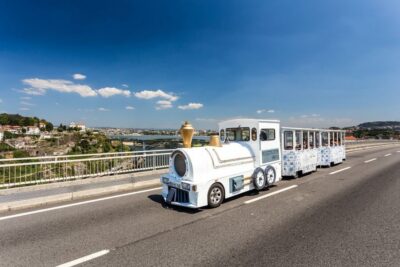

Hop-on Hop-off Bus with Optional Cruise & Wine Cellar
Read our review →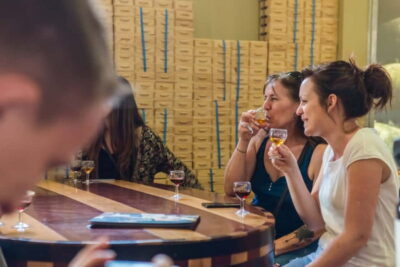
Magic Train Tour and Port Wine Cellar with Tastings
Read our review →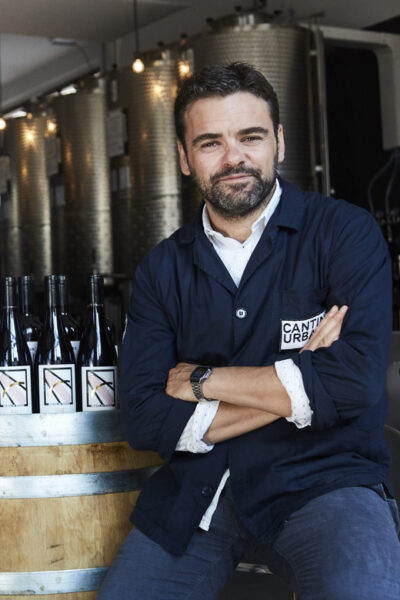
Milan Urban Winery: Taste & Tour at Cantina Urbana
Read our review →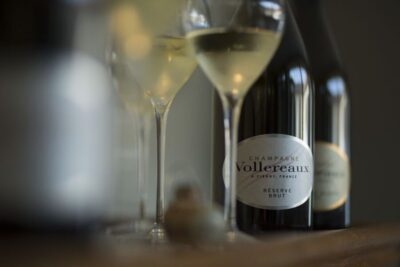
Paris Art of Pairing Cheese and Wine Tasting in a Cheese Cellar
Read our review →Lists this tasting appears in