Reviewed · WINE CELLAR VISITS
Paris Art of Pairing Cheese and Wine Tasting in a Cheese Cellar
The best part of this Paris experience is the cellar itself. After an introduction to cheesemaking, you put on a protective suit and go downstairs among wheels, rolls, and blocks of cheese, some weighing up to 35 kilograms. It feels like a working food shop, not a polished tourist show.
I like the small groups of no more than 12 and the practical advice you can use at a Paris market or restaurant later. I also like the range: seven cheeses, three wines, and bread, with fresh cuts served directly from the cheese.
The main consideration is focus. This is as much a lesson in French cheese and its aging process as it is a wine-pairing class, so anyone expecting a detailed wine seminar may find the cheese gets more attention. The cellar is also cold and reached by stairs.
Key points at a glance
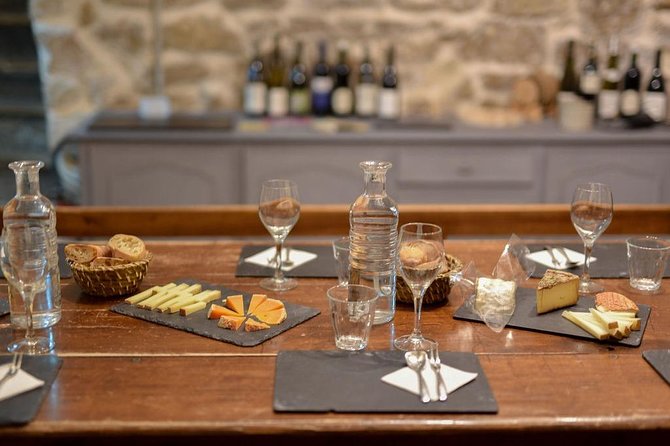
- Seven cheeses and three wines: Taste Swiss Gruyère, bôfavre, Camembert, Etivaz, Beaufort, and other selections with matching French wines.
- A real cellar setting: Wear the supplied protective suit and see cheese maturing in a cool underground room.
- Guides with different strengths: Pierre, Gabriel, Agathe, Paul, Dee, Galina, and Dion have led sessions praised for warmth, humor, and clear instruction.
- A small-group format: The maximum group size is 12, with some sessions much smaller.
- Useful Paris food advice: Learn how to taste cheese, match it with wine, and read French menus with more confidence.
- Simple but important logistics: Meet at 39 Rue Saint-Louis en l’Île, use the stairs, and bring a warm layer.
Starting on Île Saint-Louis
You meet at 39 Rue Saint-Louis en l’Île, in the specialty cheese shop that houses the Musée Vivant Du Fromage. The location puts you on Île Saint-Louis, a pleasant place to reach by public transportation and a good setting for an activity built around French food.
Allow enough time to find the shop. The meeting point is especially important here because one booking issue involved a venue change that was not noticed in time. Check the latest message in your booking app and email before setting out, even if you have already printed your ticket.
The experience is offered in English and normally lasts about 90 minutes. You do not get hotel pickup or drop-off, so plan to arrive independently and return to the same meeting point at the end.
More Wine and Cheese Tastings in France
- Paris: Montmartre Cheese, Wine & Pastry Guided Walking Tour
★ 4.8 · 2,255 reviews - Private Montmartre Food Tour with Wine, Cheese & Pastries
★ 5.0 · 1,027 reviews - Paris Le Marais Food Tour With 10+ Tastings, Cheese, Wine & More
★ 5.0 · 985 reviews
The cheese museum before the tasting
The session begins with an introduction to French cheesemaking. You learn about the raw materials, regional methods, and the role of time in turning fresh curds into firm, soft, or strongly flavored cheese.
This opening section gives the tasting some useful context. Instead of simply placing cheese on a plate, the guide explains why a Camembert behaves differently from a hard Alpine cheese, and why aging changes texture and flavor.
The museum portion can take a meaningful share of the session. That is good news if you want to understand how cheese is produced, but it matters if your main goal is to taste wine. The experience leans more heavily toward cheese than toward technical wine instruction.
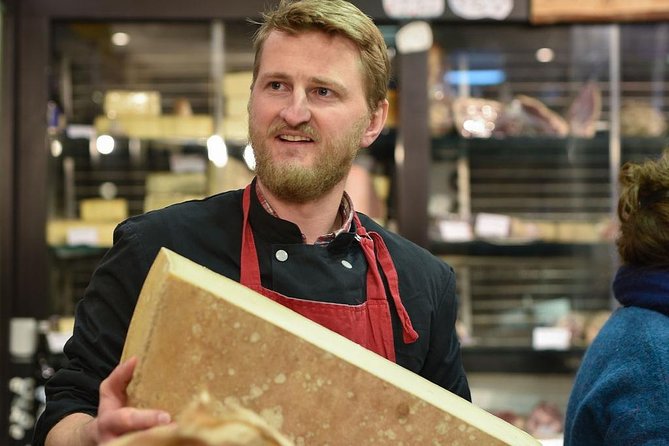
Guides such as Agathe and Pierre have been praised for making this part lively and easy to follow. Other hosts, including Gabriel, Paul, Dee, Galina, and Dion, bring their own style. The exact guide depends on the date, but the format calls for a professional cheese and wine master.
Going downstairs to the maturing cellar
After the introduction, you put on a hygienic protective suit and head into the cool cellar. The clothing is supplied, and it helps preserve the cheeses in this working environment.
The cellar is the most distinctive part of the activity. You see wheels, rolls, and large blocks at different stages of maturation, including pieces as large as 77 pounds, or 35 kilograms. This is where the basic lesson becomes concrete: cheese is not finished when it is made, and the cellar conditions help shape its final character.
Bring a sweater or light jacket. The room can be cold, and you will enjoy the tasting more if you are not shivering between samples. The cellar is accessible only by stairs, so this activity is not suited to anyone who cannot manage them.
Seven cheeses, cut fresh for the table
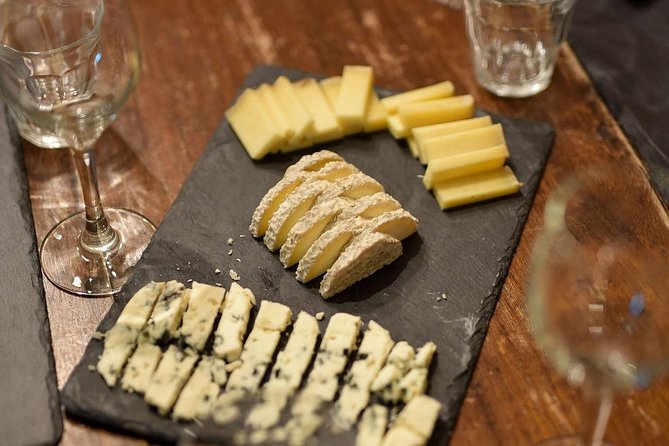
The tasting includes seven cheeses, with portions cut fresh from the block or wheel. The exact selection can vary, but the stated examples give you a good idea of the range.
You may taste Swiss Gruyère, a firm cheese with a familiar nutty character, alongside bôfavre, a hard cheese from Switzerland’s Jura Mountains. Camembert provides a softer, more delicate contrast. Etivaz comes from the Alps, while Beaufort is made from raw cow’s milk and offers another firm Alpine style.
This lineup works because it gives you contrasts in texture, milk, region, and age. You are not eating seven versions of the same cheese. Instead, you can compare hard and soft cheeses, mountain cheeses and creamy styles, and milder flavors with more fragrant ones.
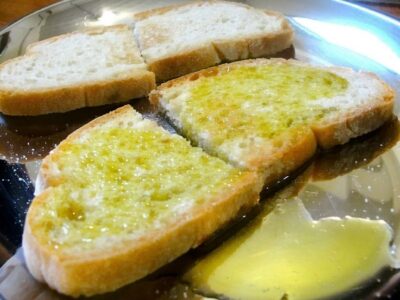
The bread is not an afterthought. Fresh baguette gives you a plain base between tastings and completes the traditional French pattern of cheese, bread, and wine. The playful sample menu describes the progression simply: cheese to start, wine as the main course, and bread for dessert.
More Wine and Cheese Tastings in Paris
- Paris: Wine and Cheese Lunch
★ 4.9 · 596 reviews - Cheese & Wine Tasting in Montmartre with Local Cheesemonger
★ 5.0 · 470 reviews - French Wine, Champagne And Cheese Tasting Paris SECRET WINE DOOR
★ 5.0 · 464 reviews - Le Marais Walking Food Tour with Cheese, Wine & Pastries
★ 4.7 · 339 reviews
How the wine pairing works
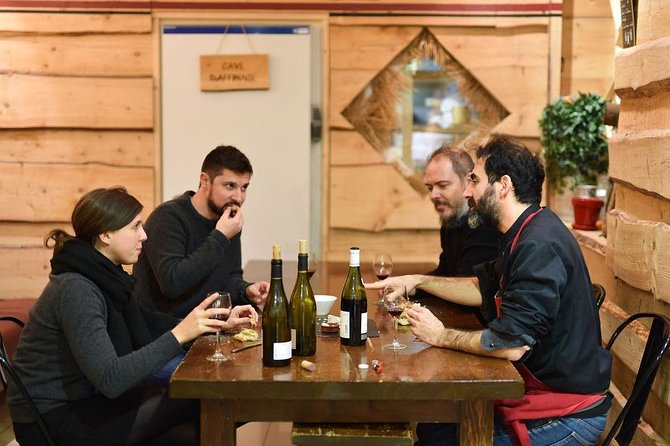
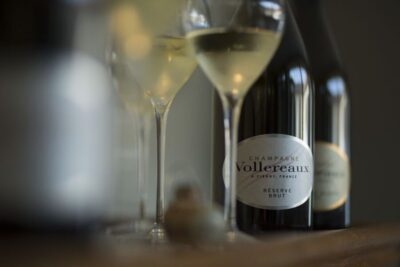
Three wines are served with the cheese. The guide explains which combinations work and why, then you alternate bites and sips to notice the effect.
This is useful for anyone who has stood in front of a French cheese counter without knowing what to buy. You learn that the best pairing is not always the strongest wine with the strongest cheese. Texture, salt, creaminess, and intensity all affect the match.
The wine side is practical rather than highly technical. The guides explain the pairings, but several comments about the experience point out that the cheese receives more attention than the wines. If you want a detailed lesson in grape varieties, vintages, or French appellations, this may feel light.
For most people, that balance is sensible. You leave with ideas you can use immediately at dinner, in a market, or while reading a menu. The activity also helps with French food vocabulary, which is handy when a menu offers unfamiliar regional cheese.
A small group makes a difference
The maximum group size is 12, and some sessions have had only one person or around nine or ten participants. That range matters.
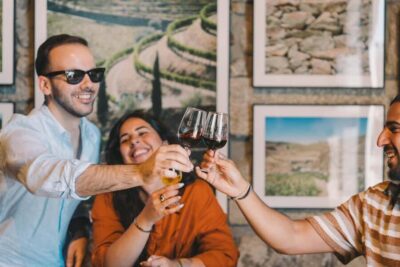
With a small group, you can ask about a cheese you dislike, request help with a pairing, or compare your impressions with the people around you. A session with only a few participants can feel almost like a private lesson, though the group size on your date is not guaranteed.
A larger group near the limit will still be manageable, but the cellar and tasting table may feel more compact. The format is not built for wandering at your own pace. You follow the guide through the museum and cellar, then taste together.
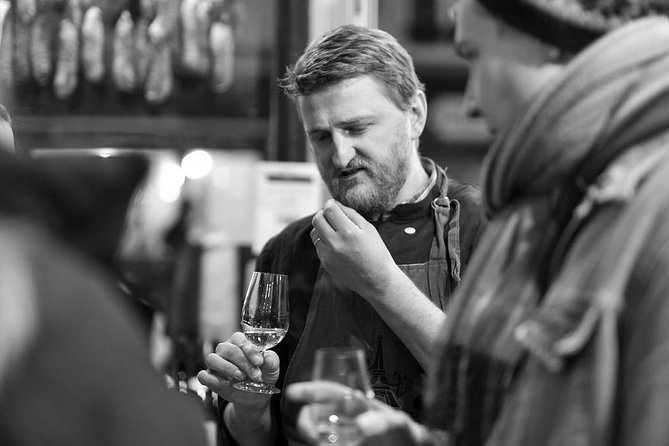
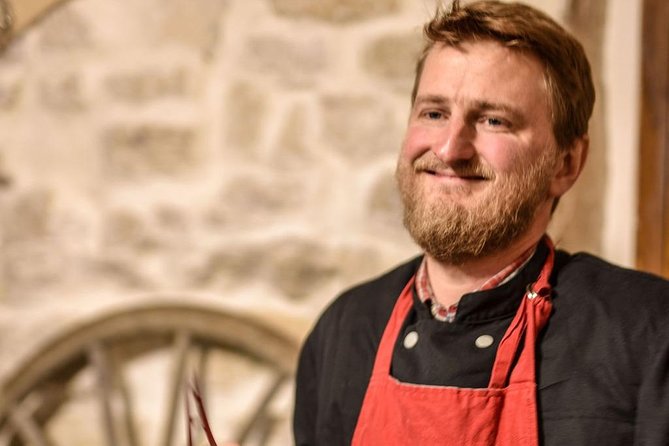
The hosts are a major part of the experience. Pierre is described as patient, warm, and passionate about the craft. Gabriel is praised for an engaging teaching style. Agathe brings visible enthusiasm, while Paul is noted for humor and a relaxed atmosphere. Dee, Galina, and Dion have also led well-received sessions.
Because the guide can shape the tone, your experience may vary slightly from one date to another. The consistent benefit is access to someone who works with cheese and wine every day rather than a general sightseeing guide reading a script.
What the $84.69 price gets you
At $84.69 per person, this is not a cheap snack stop. You are paying for instruction, access to the cellar, seven cheese tastings, three wines, bread, and a small-group format in central Paris.
The value is strongest if you treat it as a short food class rather than a simple tasting. Seven cheeses and three wines would already make a substantial meal or market purchase, but the added value comes from learning how to compare them. You also get advice you can carry into the rest of your visit.
The 90-minute duration makes the price easier to assess. It is long enough to include the museum introduction, cellar visit, explanation, and tasting without taking up half a day. You can fit it between other plans, though allow extra time for reaching Île Saint-Louis and settling in.
I would book it early if the schedule matters. It is often reserved about 30 days in advance, and the small capacity limits the number of places. The booking includes a mobile ticket, and confirmation is provided at booking.
Who will enjoy this most
This activity suits you if food is part of the reason you came to Paris. It is especially good for first-time visitors who want practical guidance instead of another general city tour.
It also works well for couples, families with adult children, and small groups of friends. Anyone aged 18 or older can drink the wine, while younger participants may need to follow the provider’s rules regarding alcohol. The supplied information specifies 18 as the minimum drinking age.
You do not need advanced knowledge of cheese or wine. In fact, beginners may get the most from the clear comparisons and simple tasting method. The experience is also a good choice early in your Paris stay, since the pairing lessons can guide later meals and market visits.
You might choose another activity if you dislike enclosed spaces, cannot use stairs, or strongly prefer a wine-centered class. The cellar is cool, and the cheese lesson takes priority over detailed wine theory.
Practical details worth knowing
Wear comfortable clothing and bring a warm layer for the cellar. The protective suit is provided, but it does not replace a sweater.
The activity begins and ends at the meeting point. Hotel transfers are not included. Public transportation is nearby, so you can combine the tasting with time on Île Saint-Louis or in the surrounding central districts.
Free cancellation is available up to 24 hours before the start time for a full refund. Cancellations or changes made inside that 24-hour window are not refunded or accepted. The experience also requires a minimum number of participants. If the provider cancels for that reason, you are offered another date or experience, or a full refund.
Check the meeting instructions close to the date. One communication problem involved an address change, and the participant relied on an older printed ticket. The current meeting point is 39 Rue Saint-Louis en l’Île, but checking for updates is a smart habit.
Should you book it?
Book this cheese cellar tasting if you want a friendly, hands-on introduction to French cheese with enough wine to show how pairings work. The cellar, fresh-cut samples, bread, and small groups make it more personal than a standard restaurant tasting.
I would not choose it for a serious wine course or a large meal. The session is cheese-led, the cellar is cold, and stairs are required. For everyone else, the combination of seven cheeses, three wines, expert guidance, and useful Paris food advice makes the $84.69 worthwhile, especially near the start of your visit.
FAQ
Where does the Paris cheese and wine tasting begin?
It begins at 39 Rue Saint-Louis en l’Île, 75004 Paris, France. The activity ends back at the meeting point.
How long does the experience last?
The experience lasts approximately 1 hour and 30 minutes.
How many cheeses and wines are included?
The tasting includes seven cheeses and three wines, along with fresh bread.
Is the cellar accessible by stairs?
Yes. The cellar is accessible only by stairs.
Should I bring warm clothing?
Yes. The cellar can be cold, so a warm layer is recommended. A protective hygienic suit is provided.
What is the cancellation policy?
You can cancel up to 24 hours before the start time for a full refund. Cancellations or changes made less than 24 hours before the experience are not accepted, and the amount paid is not refunded.
More Wine Cellar Visits in Paris
- Paris – Guided Visit & Tasting in a Royal Wine Cellar
★ 4.5 · 221 reviews - Paris: Cheese and Wine Class in a 17th Century Cellar
★ 4.8 · 91 reviews - Paris: Champagne Cellars Tour and Tastings with a Sommelier
★ 4.9 · 74 reviews - Paris: French Wine Experience in Parisian Cellar
★ 4.5 · 54 reviews
More Wine and Food Pairings in France
- Montmartre Hill French Gourmet Food and Wine Tasting Walking Tour
★ 5.0 · 2,588 reviews - Paris Le Marais District Original Food and Wine Tasting Tour
★ 4.5 · 880 reviews - Paris: Montmartre Food and Wine Guided Tour
★ 4.9 · 58 reviews - Nice: Food and Wine Old Town Guided Walking Tour
★ 4.9 · 411 reviews
Newest wine reviews around Paris
- Top Private Cruises in Paris with Champagne + more surprises★ 5.0 · 309 reviews
- The Official Emily in Paris Champagne Seine Cruise★ 4.9 · 27 reviews
- Private tour of Paris by Night with Champagne★ 4.7 · 323 reviews
- Paris: Wine Tasting Experience with 6 Wines and Cheese Board★ 4.9 · 80 reviews
- Paris: Wine and Cheese Tasting with a Chef Sommelier★ 4.7 · 277 reviews
- Paris: Wine and Cheese Tasting★ 4.6 · 91 reviews
- Paris: Tasting of 3 Wine and 3 Cheese★ 5.0 · 74 reviews
- Paris: The Ultimate Wine Tour of Montmartre – 7 Guests max★ 5.0 · 28 reviews
Wine Cellar Visits, compared.
Bridges Cruise & Sunset & Port Wine Cellar Option
Read our review →

Hop-on Hop-off Bus with Optional Cruise & Wine Cellar
Read our review →
Magic Train Tour and Port Wine Cellar with Tastings
Read our review →
Milan Urban Winery: Taste & Tour at Cantina Urbana
Read our review →