Reviewed · WINE CELLAR VISITS
Paris: Cheese and Wine Class in a 17th Century Cellar
Paris keeps some of its best lessons underground. In a 17th-century cheese cellar, you taste seven French cheeses with three wines while learning how milk, aging, texture, and region shape each bite. It is a compact, flavorful break from museums and monuments.
I like the small-group setting, which gives you room to ask questions, and I like the range of cheeses rather than one safe, familiar style. Guides including Pierre, Agathe, Gala, and Guillaume bring plenty of personality to the class. The main drawback is simple: people with lactose intolerance should skip it, and the minimum drinking age is 18.
Key points
- Seven cheeses from different French regions: Compare milk types, textures, aromas, and stages of maturity.
- Three wines with deliberate pairings: Learn why a certain wine works better with one cheese than another.
- A genuine cellar setting: The tasting takes place at the Musée Vivant du Fromage on Île Saint-Louis.
- English-speaking instruction: Guides explain production and tasting in English, with a friendly, informal approach.
- A focused 90-minute class: It fits neatly into a Paris day without taking over your schedule.
- Small-group feel: A group of 12 has been reported, though the exact size may vary.
A cheese lesson below Île Saint-Louis
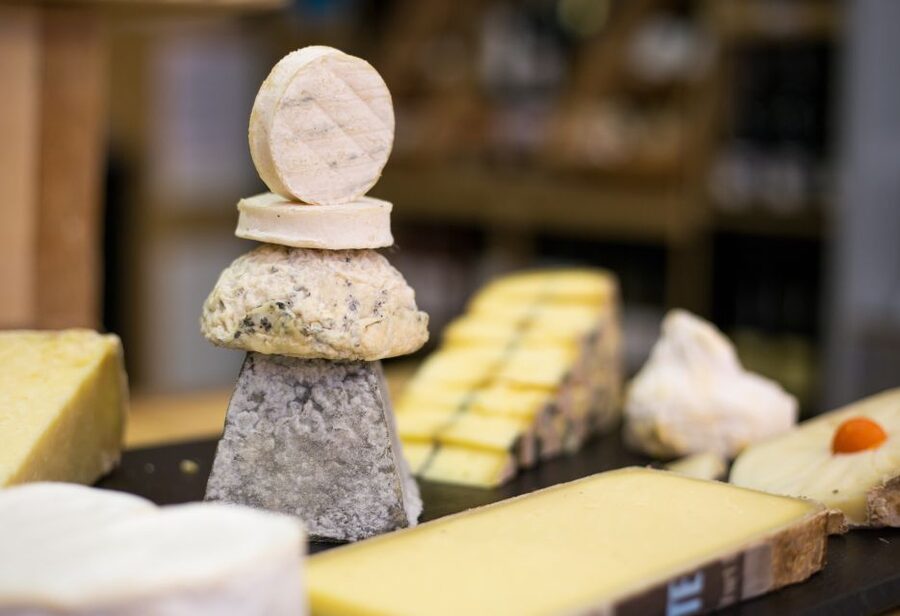
The Musée Vivant du Fromage sits at 39 rue Saint-Louis en l’île, 75004 Paris. The address puts you on Île Saint-Louis, one of the central islands of the Seine, but the real setting appears once you enter the cheese museum and make your way toward the cellar.
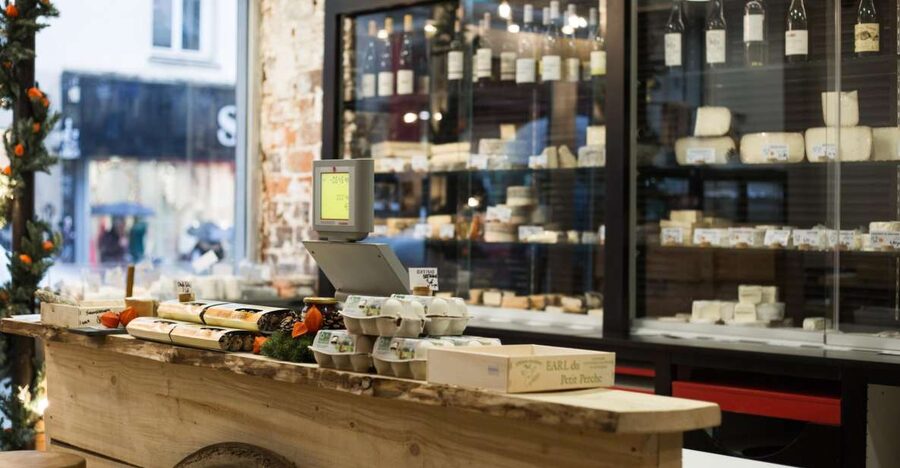
This is not a quick counter tasting. The cellar gives the class a sense of place and helps explain why cheese needs time, careful temperature control, and attention. You see the stored cheeses while your guide explains how the maturing process affects flavor and texture.
The setting also changes the pace. Paris sightseeing can become a march from one grand building to the next. Here, you sit, listen, taste, and talk. I find that useful after a morning of walking, especially if you want an activity that feels distinctly French without requiring a full evening.
The cellar is historic in character, but the focus remains practical. You are not there simply to admire old stone or take photographs. The surroundings help make sense of the work happening inside them.
More Wine and Cheese Tastings in France
- Paris: Montmartre Cheese, Wine & Pastry Guided Walking Tour
★ 4.8 · 2,255 reviews - Private Montmartre Food Tour with Wine, Cheese & Pastries
★ 5.0 · 1,027 reviews - Paris Le Marais Food Tour With 10+ Tastings, Cheese, Wine & More
★ 5.0 · 985 reviews
What happens during the 90-minute class
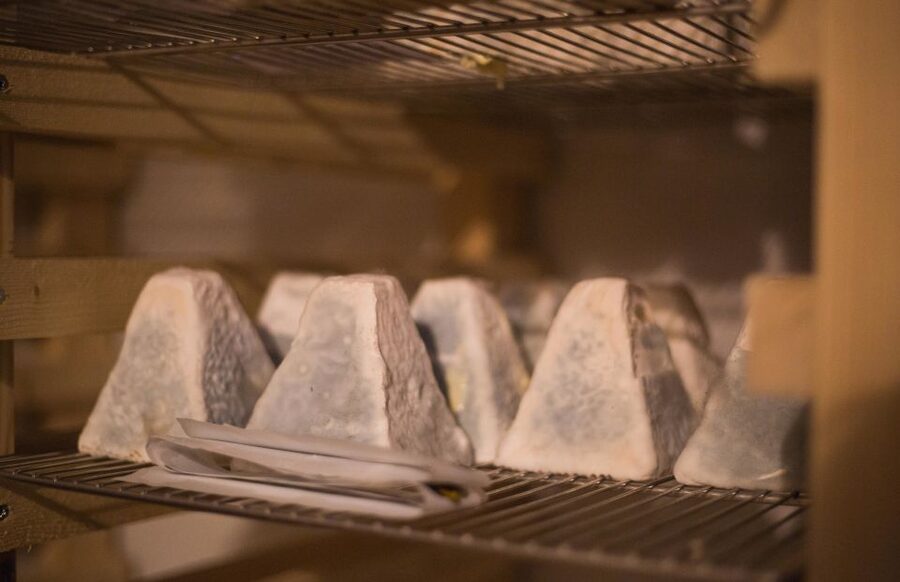
The experience lasts about an hour and a half. You meet an English-speaking cheese and wine guide, settle into the tasting area, and begin with an introduction to French cheesemaking.
Your guide explains traditional production methods and the role of aging. This matters because French cheese is not just divided by flavor. The milk used, the region, the method of production, the length of maturation, and the texture all shape what you taste.
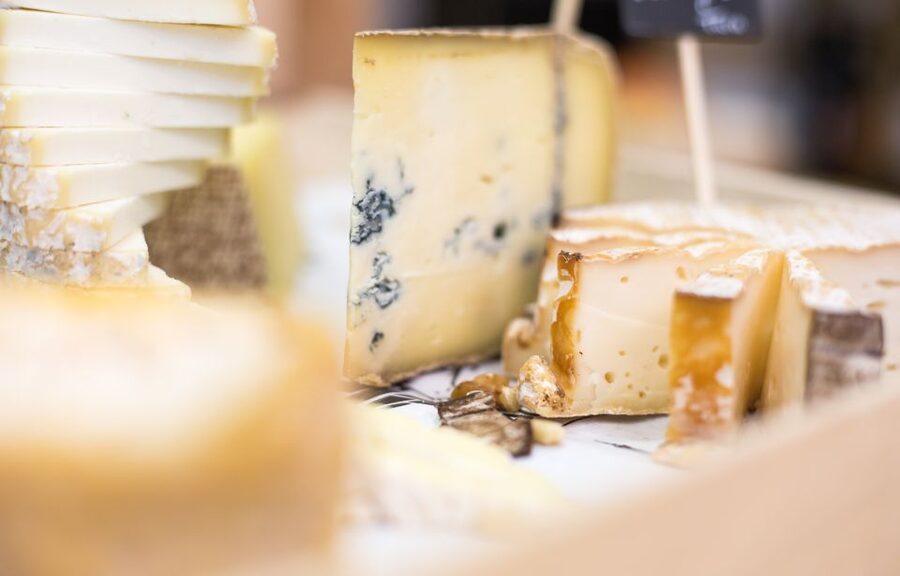
The class then moves through seven cheeses. The selection can include different styles from several French regions, with changes in milk, firmness, aroma, and age. You are not simply handed a plate and left to guess. The guide explains what is in front of you and helps you notice how one cheese differs from the next.
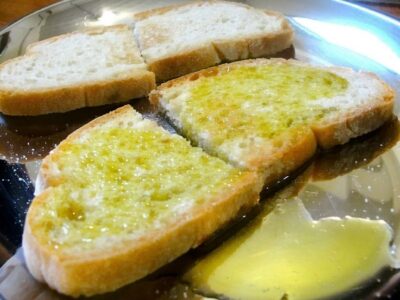
Fresh baguette accompanies the tasting. It gives you a plain, familiar base between cheeses and provides the classic bread-and-cheese combination that makes the whole session feel like part of everyday French food culture, not just a formal lesson.
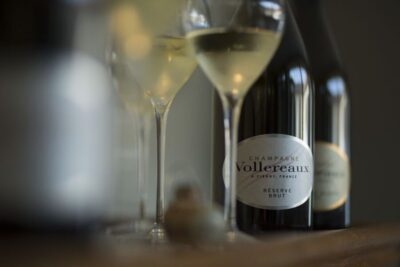
The wine portion includes three French wines. You alternate bites of cheese with sips, paying attention to how the flavors work together. A pairing may soften a strong flavor, sharpen a creamy one, or bring out a note that is easy to miss when you taste the cheese alone.
That comparison is the heart of the class. You leave with more than seven foods and three drinks in your memory. You have a basic method for tasting: look at the cheese, notice its smell and texture, taste it on its own, then try it with the wine.
Seven cheeses, three wines, and a useful way to taste
Seven varieties is a generous number for a 90-minute session. You get enough range to compare styles, but not so much that the tasting becomes a blur.
The selection is described as coming from different regions and types of milk. That variety helps you understand that French cheese is not one single flavor category. One piece may be mild and supple, another firm and earthy, another fragrant or more intense.
The guide also discusses texture. This is important for beginners because texture often tells you as much as flavor. A cheese can be creamy, crumbly, dense, soft, or firm, and each quality changes how it pairs with wine and bread.
You should expect the tasting to be guided rather than rushed. Several guides, including Pierre and Agathe, have been singled out for explaining cheese clearly and keeping the mood light. Other sessions have featured Gala, Guillaume, Marie, and Gallina. The guide assigned to your class may vary, but the teaching is a central part of the experience.
The wine selection includes three French wines. The supplied details do not name the bottles or guarantee a particular region, so I would not book this expecting a specific vintage. Instead, book it if you want to learn the logic of pairing and taste several wines alongside the cheese.
For people who already enjoy wine and cheese, the value is in the comparisons. For newcomers, it is a friendly introduction without requiring prior knowledge.
Why the guide matters more than the menu
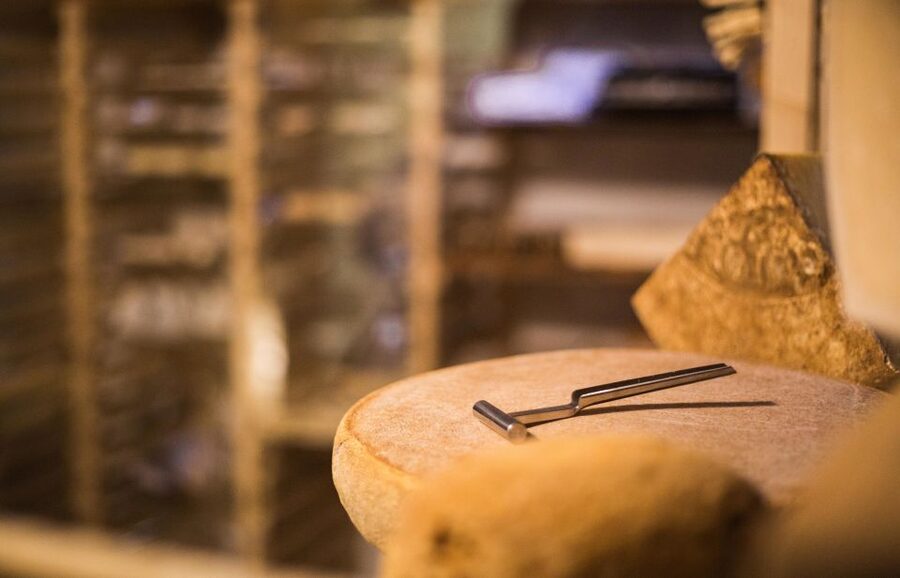
The food is the obvious attraction, but the guide can make or break a tasting. Cheese has plenty of technical details, and a dry lecture would quickly turn the cellar into a classroom.
The strongest guide names associated with this experience include Pierre, Agathe, Gala, Guillaume, and Gallina. Pierre has been praised for being interactive, funny, and deeply informed about both cheese production and pairing. Agathe is known for a lively manner and for sharing interesting facts without overloading the session with detail.
That balance is worth noting. You want enough information to understand what you are eating, but you do not want a long speech between every bite. The best version of this class gives you useful facts, answers questions, and keeps the conversation moving.
You may also find the class especially appealing if you like asking questions. The experience is designed around an expert guide rather than a printed tasting card, so your interest can shape the conversation. Ask about aging, milk, texture, or the reason behind a pairing, and you have a natural opening for more detail.
The guide also helps take the pressure out of tasting. You do not need to identify every aroma or use formal wine language. You need only notice what changes when you combine the cheese and wine.
More Wine and Cheese Tastings in Paris
- Paris: Wine and Cheese Lunch
★ 4.9 · 596 reviews - Cheese & Wine Tasting in Montmartre with Local Cheesemonger
★ 5.0 · 470 reviews - French Wine, Champagne And Cheese Tasting Paris SECRET WINE DOOR
★ 5.0 · 464 reviews - Paris Art of Pairing Cheese and Wine Tasting in a Cheese Cellar
★ 5.0 · 386 reviews
The small-group advantage
The experience is promoted as small-group, and one session had 12 participants. That is a useful scale for a tasting because you can hear the guide and still have some chance to ask a question.
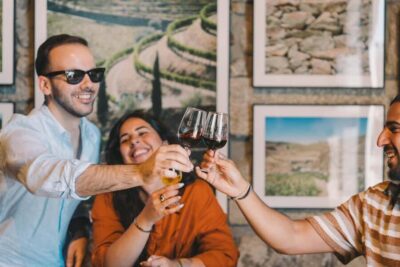
A smaller class also makes it easier to compare reactions. You may hear someone describe a cheese as mild while you find it strong, or discover that a wine pairing works differently for another person. That shared conversation gives the class a social side without turning it into a loud party.
Group size can vary, so I would not treat 12 as a guaranteed maximum. Still, this is a more personal format than a large food tour with a guide speaking to a crowd in the street.
The 90-minute length helps here. There is enough time for explanation and tasting, but not so much that your palate or attention gives out. It is also easy to fit between other plans. You could schedule it as a mid-afternoon pause or an early evening food activity, depending on the available start time.
The experience does not include hotel pickup or drop-off. You make your own way to the museum, so allow time to reach 39 rue Saint-Louis en l’île before the class begins.
Is $82 a fair price?
At $82 per person, this is not a bargain snack. You are paying for seven cheeses, three wines, bread, an English-speaking professional guide, and access to a distinctive cellar setting.
The value depends on what you want from a food experience. If you only want to eat cheese and drink wine, a market or shop will cost less. If you want someone to explain production, aging, regional differences, texture, and pairings while you taste, the price becomes easier to justify.
The class also gives you a skill you can use after Paris. Once you understand why a particular wine works with a certain cheese, you can make better choices at a French market, restaurant, or wine shop. One participant bought wine afterward and received a 10 percent discount, though that offer should be confirmed before you rely on it.
I see the strongest value for couples, food-focused visitors, and people who want a cultural activity that is less formal than a cooking school. It can also be a good choice for a small group of friends who want to share a table and compare tastes.
For families, check the age rules carefully. The minimum drinking age is 18, and the experience is not suitable for people with lactose intolerance.
Who should book this Paris tasting?
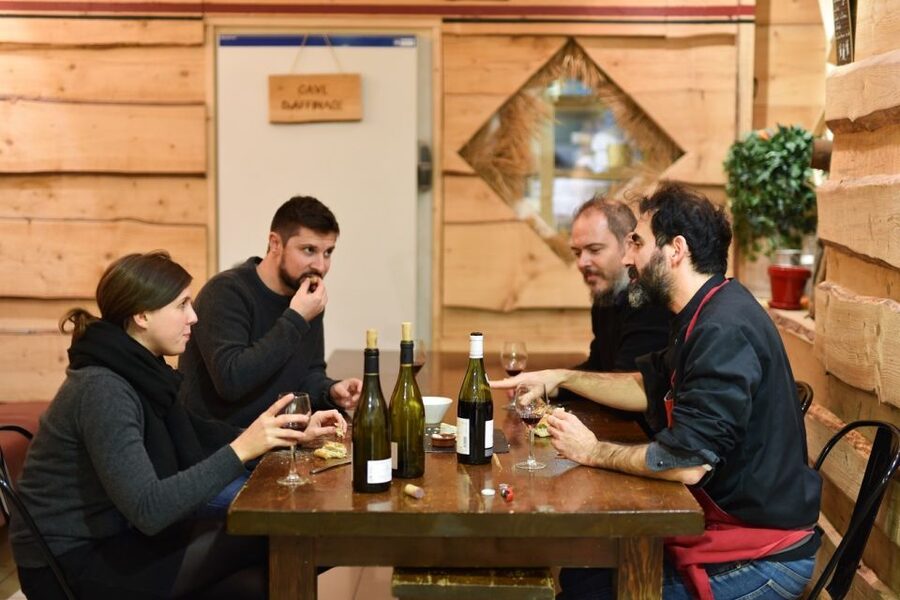
I would recommend it to you if you enjoy French food, want a break from major sights, or prefer learning through tasting rather than watching. It is particularly useful if you are curious about the difference between fresh cheese and mature cheese, or if wine pairing feels mysterious.
It also suits repeat visitors to Paris. You may have already seen the Louvre, climbed a tower, and walked beside the Seine. A cheese cellar class gives you a different way to spend part of the day and connects directly with French eating habits.
I would be more cautious if you dislike strong cheese, cannot drink alcohol, or want a large meal. The class is a tasting, not a full lunch or dinner. Bread is included, but the main purpose is comparison and instruction.
It is also not the right pick for someone who wants a fully private experience. The format is small-group, not described as private, and your session may include up to around a dozen people.
Booking details worth knowing
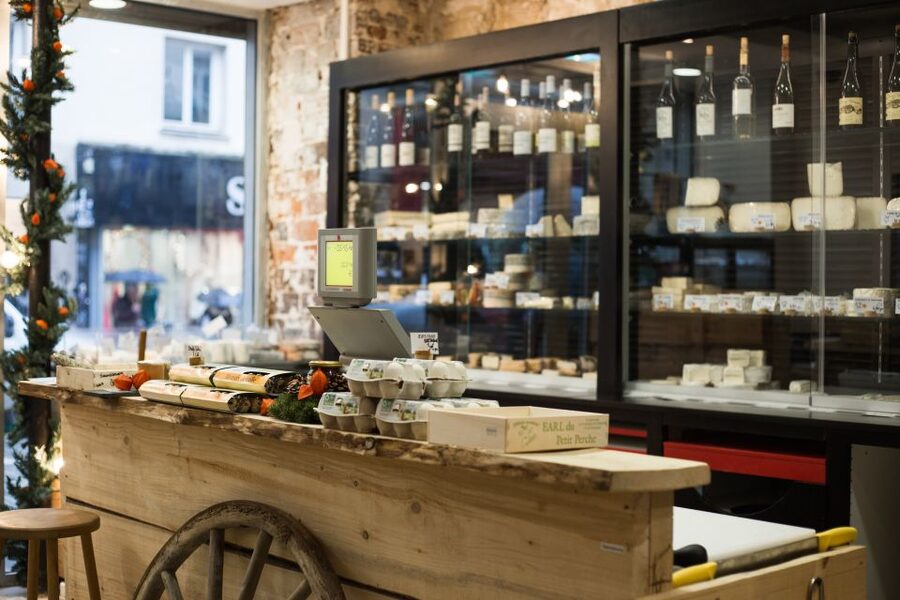
The class is conducted in English. The meeting point is the Musée Vivant du Fromage, at 39 rue Saint Louis en l’île, 75004 Paris.
The listed duration is 90 minutes, and you should check the available start times before booking. There is no pickup or drop-off, so transport to and from Île Saint-Louis is your responsibility.
You can cancel up to 24 hours before the activity for a full refund. The reserve-now, pay-later option lets you hold a place without paying immediately, which is useful when your Paris plans are still shifting.
Pets are not allowed. The minimum drinking age is 18, and lactose intolerance makes this a poor match.
Should you book the cheese cellar class?
Book this if you want a compact Paris food experience with real instruction, not just a plate of samples. The cellar setting, seven cheeses, three wines, and strong record of engaging guides give it substance beyond a standard tasting.
Skip it if you need a full meal, cannot eat dairy, or prefer to choose your own food and wine without a lesson. For everyone else, $82 is a reasonable price for a focused 90-minute introduction to French cheese, especially when you value expert explanation and a memorable setting.
FAQ
Where does the cheese and wine class take place?
The class takes place at the Musée Vivant du Fromage, 39 rue Saint Louis en l’île, 75004 Paris.
How long does the experience last?
The class lasts 90 minutes.
How many cheeses are included?
The tasting includes seven different cheeses from various French regions, types, textures, and kinds of milk.
How many wines are included?
Three French wines are included.
Is bread provided?
Yes. Fresh bread is included with the cheese and wine tasting.
Is the class taught in English?
Yes. The guide and instruction are in English.
What is the minimum drinking age?
The minimum drinking age is 18 years old.
Is the experience suitable for someone with lactose intolerance?
No. The activity is listed as unsuitable for people with lactose intolerance.
Can I cancel for a full refund?
Yes. You can cancel up to 24 hours in advance for a full refund.
More Workshops in Paris
- Paris Cooking Class and Lunch with Wine plus Market Visit Option
★ 5.0 · 1,024 reviews - Paris: French Wine Tasting Class with Sommelier
★ 4.8 · 550 reviews - Florence: Pasta Cooking Class with Unlimited Wine
★ 4.9 · 10,285 reviews - Florence: Pasta & Tiramisu Cooking Class with Unlimited Wine
★ 4.9 · 6,708 reviews
More Wine Cellar Visits in Paris
- Paris – Guided Visit & Tasting in a Royal Wine Cellar
★ 4.5 · 221 reviews - Paris: Champagne Cellars Tour and Tastings with a Sommelier
★ 4.9 · 74 reviews - Paris: French Wine Experience in Parisian Cellar
★ 4.5 · 54 reviews
Newest wine reviews around Paris
- Top Private Cruises in Paris with Champagne + more surprises★ 5.0 · 309 reviews
- The Official Emily in Paris Champagne Seine Cruise★ 4.9 · 27 reviews
- Private tour of Paris by Night with Champagne★ 4.7 · 323 reviews
- Paris: Wine Tasting Experience with 6 Wines and Cheese Board★ 4.9 · 80 reviews
- Paris: Wine and Cheese Tasting with a Chef Sommelier★ 4.7 · 277 reviews
- Paris: Wine and Cheese Tasting★ 4.6 · 91 reviews
- Paris: Tasting of 3 Wine and 3 Cheese★ 5.0 · 74 reviews
- Paris: The Ultimate Wine Tour of Montmartre – 7 Guests max★ 5.0 · 28 reviews
Wine Cellar Visits, compared.
Bridges Cruise & Sunset & Port Wine Cellar Option
Read our review →
Hop-on Hop-off Bus with Optional Cruise & Wine Cellar
Read our review →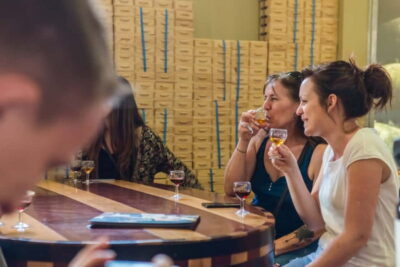
Magic Train Tour and Port Wine Cellar with Tastings
Read our review →
Milan Urban Winery: Taste & Tour at Cantina Urbana
Read our review →