
Reviewed · WINERY TOURS
Reims: Veuve Clicquot and Family-Run Winery Day Tour & Lunch
The most appealing part of this Champagne day is the contrast: you get the polished cellars of Veuve Clicquot, then lunch and tastings at small family-run estates where production can be tiny. A visit to Hautvillers adds the story of Dom Pérignon and a fine view over the UNESCO-listed vineyards.
I like the intimate group size, limited to eight, and the full nine-glass tasting program. I also like that lunch takes place at a winery, rather than interrupting the day with a standard restaurant stop. The main consideration is the $389 price, plus a long day with plenty of technical information and a cellar temperature of about 10°C.
Key points
- Nine Champagne tastings: The day includes four glasses at Veuve Clicquot, tastings with lunch, and a final visit to a small producer.
- Big house and small estate: You see how a famous international label presents Champagne, then compare it with hands-on family production.
- Hautvillers viewpoint: The village linked with Dom Pérignon gives you a historic stop and a memorable view across the vineyards.
- Small-group transport: An air-conditioned minivan carries no more than eight people, making rural stops practical without the strain of driving.
- English-speaking guides: Guides including Julie, Jérôme, Suzanne, Thomas, and others are praised for clear explanations, humor, and enthusiasm.
- Train-friendly schedule: You can begin in Reims or Épernay, making this workable as a day trip from Paris by train.
Why the mix of Veuve Clicquot and small producers works
Champagne is easier to understand when you see both ends of the business. Veuve Clicquot offers the grand-name experience: a carefully managed visit, impressive underground cellars, company history, and four cuvées tasted at the end.
That visit gives you the scale and polish behind one of Champagne’s best-known labels. It can feel more formal than the later winery stops, but that contrast is useful. You see how a major house presents its wine, then move into the smaller operations where the work feels more personal and production is far more limited.
The family-run side is the real reason I would choose this tour over a day spent only at famous houses. One small producer visited on the route makes about 5,000 bottles a year with a team of only four people. That sort of scale helps you understand how different Champagne can be from the polished brand image suggested by a large house.
The tour does not ask you to choose between famous names and independent growers. It gives you both in one day.
More Wine Country Day Trips in France
- Loire Valley Castles Day Trip from Paris with Complementary Wine
★ 4.5 · 3,907 reviews - From Paris: Loire Valley Castles Day Trip With Wine Tasting
★ 4.6 · 1,727 reviews - From Paris: Day Trip to Champagne with 8 Tastings & Lunch
★ 4.8 · 1,501 reviews
Starting from Reims or Épernay
You have two meeting points. From Épernay, the day begins at 8:30 a.m. in front of the tourist office. From Reims, meet at 9:20 a.m. in front of the tourist office by Reims Centre train station.
The tour ends at about 4:45 p.m. in Épernay or 5:30 p.m. in Reims, returning you to the same general location where you started. This makes the experience practical for a day trip from Paris, especially if you arrange your train in advance.
The timing matters. You are not being collected from your hotel, and the company does not provide hotel drop-off. You need to reach the chosen meeting point on your own. If you are using SNCF or Trainline, book carefully and allow enough margin around the scheduled end of the tour. The operator does not accept responsibility for train booking errors or a lack of suitable trains, and the tour is not refundable for that reason.
A full 450-minute day is also worth noting. This is not a quick tasting with a short drive through the countryside. You will be on the move for most of the day, with cellar visits, walking, lunch, and several hours of explanation.
Inside the Veuve Clicquot cellars
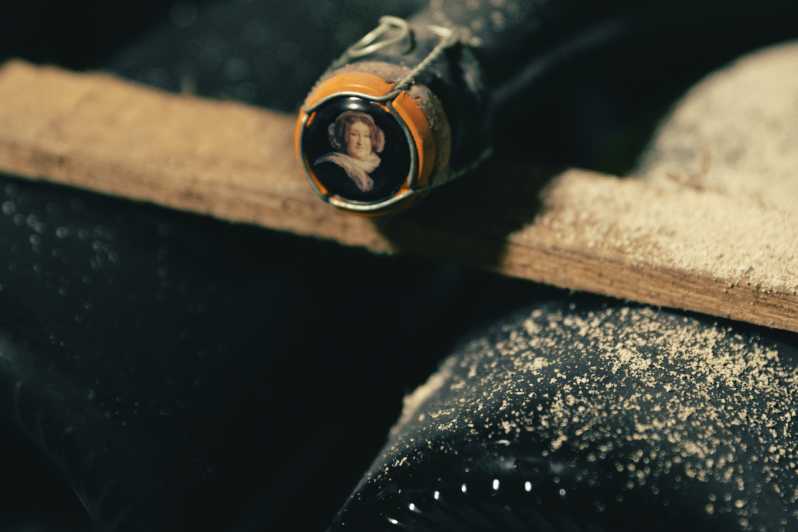
The Veuve Clicquot stop lasts about 90 minutes. An expert guide leads the visit through the cellars and explains the company’s place in Champagne and the process behind the wine.
The four-cuvée tasting at the end gives the visit a clear payoff. Four glasses allow you to compare styles rather than judge a single bottle in isolation. Your guide’s short tasting lesson earlier or during the day helps you pay attention to color, aroma, texture, and finish instead of simply deciding which glass you like best.
The cellars are cold, with an average temperature of 10°C. Bring a jacket, even if the weather outside is warm. This is a small practical detail, but being cold underground can take the edge off an otherwise enjoyable visit.
Veuve Clicquot is a major Champagne house, so you should expect a polished, organized presentation. That is not a weakness. It gives you a useful introduction to the scale, consistency, and public-facing side of the Champagne business. Just do not expect the same personal contact you get at a small family estate later in the day.
If Veuve Clicquot is unavailable for your date, the operator replaces it with another prestigious Champagne house. That protects the shape of the day, but it means you should not treat the named house as absolutely guaranteed.
Aÿ-Champagne, lunch, and the first taste of local life
After Veuve Clicquot, the minivan takes you toward Aÿ-Champagne. The route includes a drive through the Avenue de Champagne in Épernay, one of the region’s best-known streets for major Champagne houses.
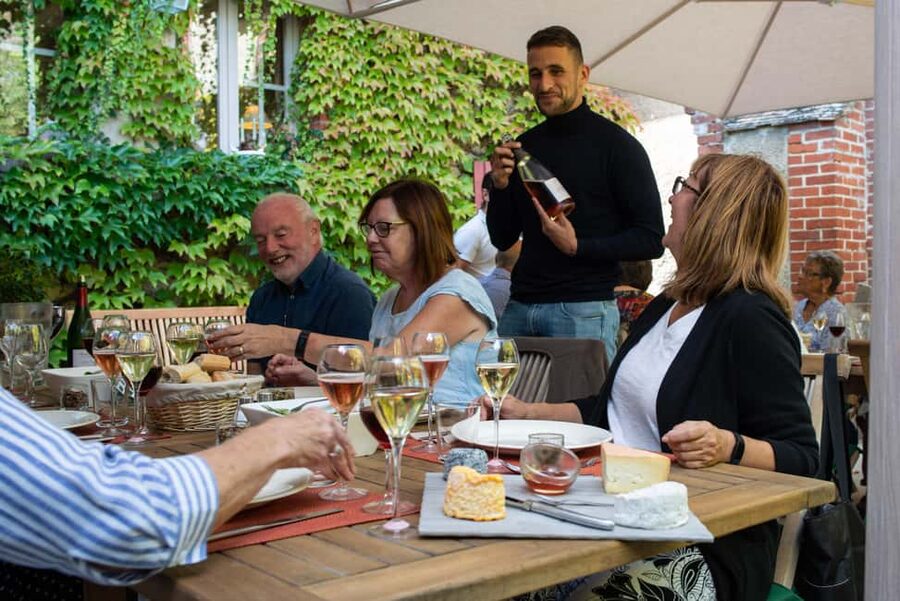
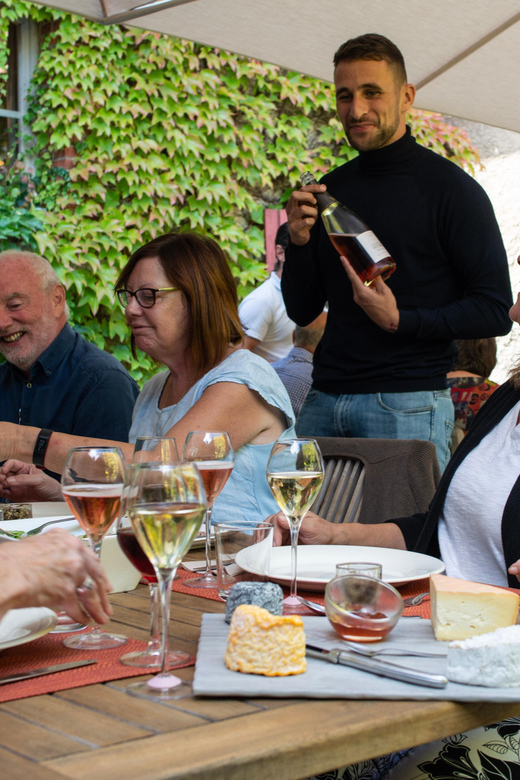
The Aÿ stop combines a visit with lunch and Champagne pairings. You spend about 105 minutes here, making it more than a rushed meal between appointments. Lunch is served at a family-owned Champagne estate, and the food is paired with a selection of wines from the property or region.
This is one of the strongest features of the day. Eating at a winery keeps the meal connected to the place you are exploring. You can ask questions, taste the wine with food, and see how a small estate presents its own work.
The food has received mixed feedback, so I would keep expectations sensible. Some menus have featured locally sourced food and excellent pairings, while one assessment found the lunch disappointing compared with a restaurant-based meal on another tour. The wine pairings seem to be the safer part of the equation. If lunch quality is your main reason for booking, this uncertainty is worth considering.
Dietary restrictions and allergies can be accommodated, but you need to state them when booking. Do not wait until the meal begins.
More Winery Tours in France
- Saint-Émilion: Grand Cru Classé Winery Visit and Tasting
★ 4.6 · 1,118 reviews - Saint Emilion Half-Day Trip with Wine Tasting & Winery Visit from Bordeaux
★ 4.5 · 1,034 reviews - Champagne Day Trip with 6 Tastings, Reims and Winery from Paris
★ 5.0 · 902 reviews - From Reims: Champagne and Family-Run Wineries Tour
★ 4.8 · 671 reviews
Hautvillers and the Dom Pérignon connection
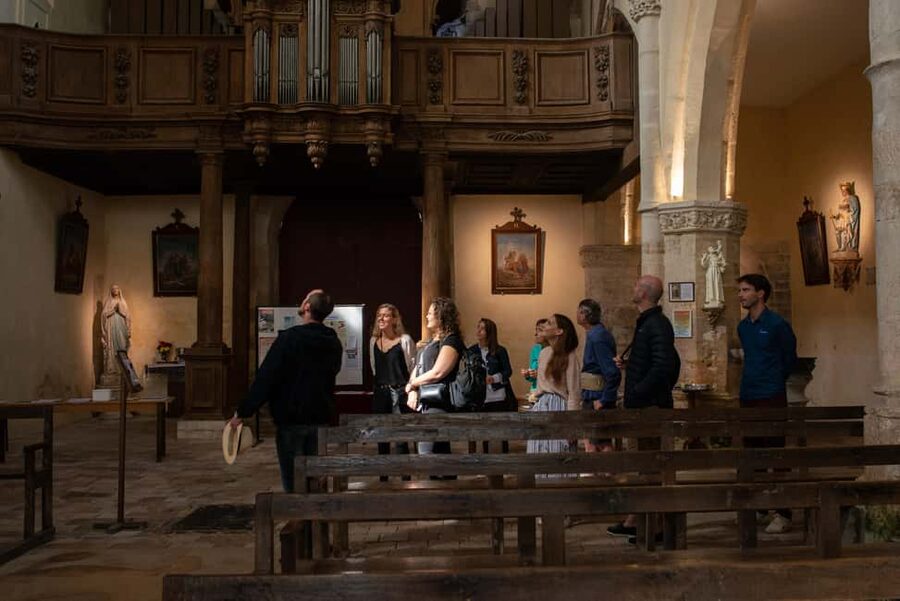
Hautvillers is a small village with a major place in Champagne lore. The itinerary gives you about 45 minutes there, including a guided visit and time to see the church associated with Dom Pérignon.
Dom Pérignon was a monk and cellar master whose work is closely tied to the early development of Champagne. His tomb is in the village church. The stop is not only about a famous name. It gives the day a sense of place, linking the wine in your glass with the people and villages that shaped the region.
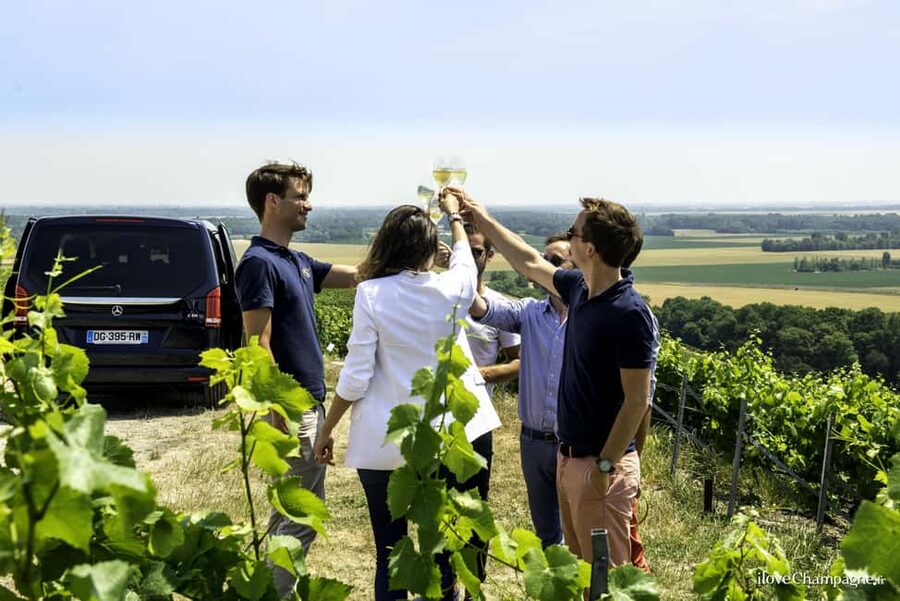
The viewpoint over the vineyards is another reason to appreciate this stop. It provides a pause after the indoor cellar visits and makes room for photographs. You can look across the UNESCO-listed vineyard area and see why the setting matters, rather than spending the entire day underground or inside tasting rooms.
Hautvillers is also a welcome change of pace. The tour moves quickly between scheduled stops, so a village walk and viewpoint help break up the tastings and technical explanations. Wear shoes suitable for ordinary walking, though the supplied information does not describe a demanding hike.
The small family-run Champagne house
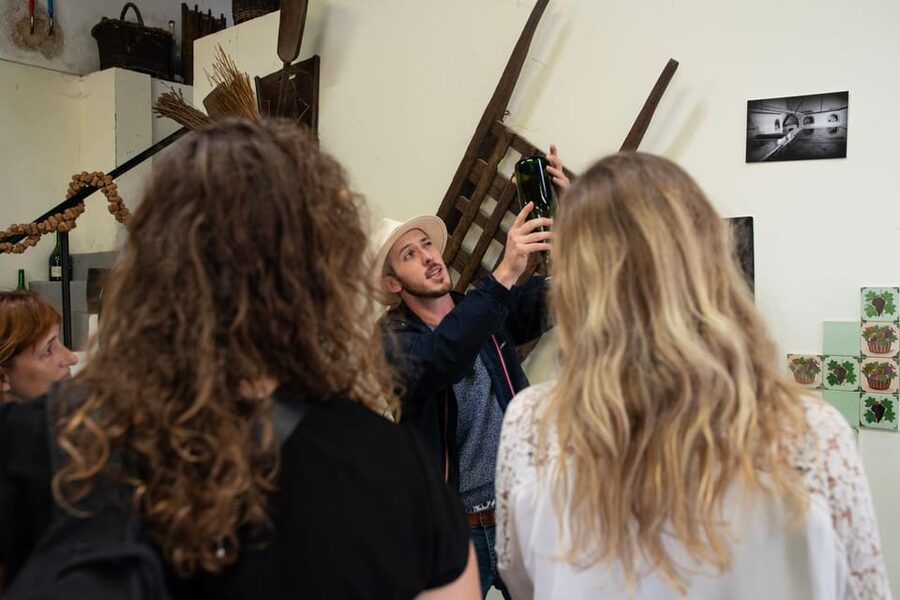
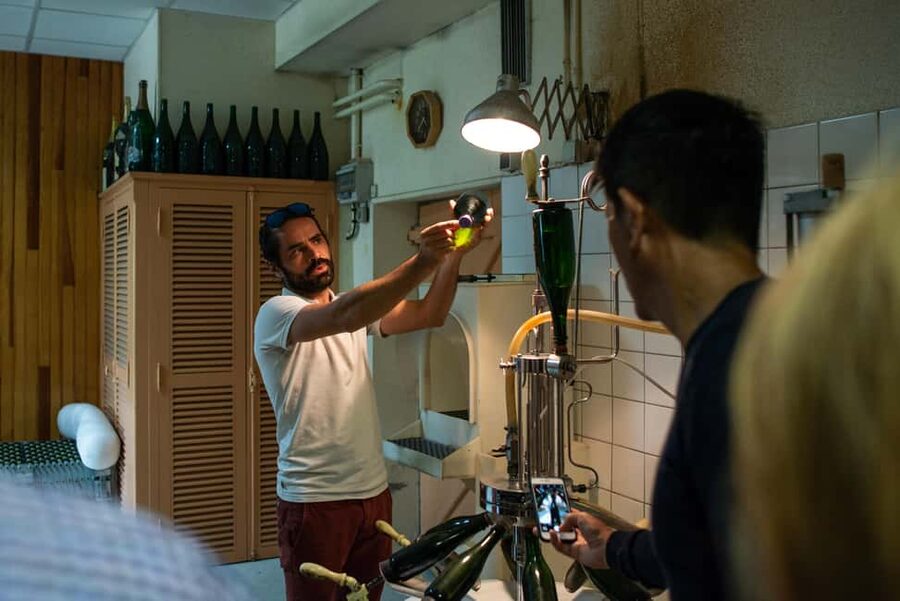
The final major visit takes place in the Marne area and lasts about 75 minutes. Here you get an insider’s look at a small Champagne operation, its cellars, and its approach to making wine.
This is where the tour feels most different from a standard Champagne circuit. A micro-producer cannot rely on grand public spaces or a famous international label. The focus is on the work itself: grapes, production, storage, bottling, and the decisions that shape the finished wine.
The small-scale example is striking. A team of four people producing around 5,000 bottles a year gives you a sense of the labor involved. You are not simply tasting an independent label as a marketing alternative. You are seeing a family business where the people you meet may be closely involved in several stages of production.
The technical explanation may run longer than some people want, especially after the morning cellar tour and tasting lesson. If you already know Champagne production well, parts of this visit could feel repetitive. If you are still sorting out the difference between grapes, blending, fermentation, and aging, the extra detail will be useful.
The final tasting brings the day to nine glasses in total. That is a generous amount for a single tour, so pace yourself. The point is to compare wines and learn, not to treat every stop as a race to the next pour.
What the tasting lesson adds
The quick Champagne-tasting session is a smart feature because it gives you a method. You are not left to swirl a glass and nod politely while someone lists technical terms.
The lesson is designed to be fun and informative, with practical help for noticing differences between cuvées. That makes the later tastings more rewarding. Four wines at Veuve Clicquot, food pairings at lunch, and the small-producer tasting become points of comparison.
You may begin the day with a simple question: Do I like this Champagne? By the end, you should have better questions. Is it fresh or rounded? Does the food change the impression? Do the wines from the small producer show a different style from the major house? Those comparisons are the real value of tasting nine glasses.
Still, this is an education-heavy day. Guides such as Julie, Jérôme, Suzanne, Thomas, Etienne, and Xavier have been praised for humor, clear English, and strong command of the subject. Their role matters because Champagne has plenty of specialized language. A good guide keeps the information connected to what you are seeing and drinking.
Transport, group size, and the pace of the day
The air-conditioned minivan is included, and transport received a 92 percent perfect score. That makes sense for this region. The wineries and villages are spread out, and driving yourself after multiple tastings is not a sensible plan.
The group is limited to eight people. I like that number for a day built around questions and tastings. You are more likely to hear the guide clearly, and the vehicle should feel less like a bus excursion. A small group also helps at a family estate, where a large crowd would work against the personal character of the visit.
The schedule includes several drives: about 15 minutes to the first major stop, 45 minutes toward Aÿ-Champagne, shorter transfers between the village and winery visits, and a longer return journey. These rides are not wasted time. They let you rest between tastings and see more of the Champagne area without arranging separate transport.
The pace is full. You should be comfortable getting in and out of a minivan, walking through cellars and village areas, and listening to explanations several times during the day. Children under 10 are not accepted, and animals are not allowed on shared tours.
Is $389 a fair price?
At $389 per person, this is a costly day. You are paying for more than nine glasses of Champagne. The price includes an English-speaking local guide, air-conditioned minivan transport, entrance fees, the family-winery visits, lunch, and the guided Veuve Clicquot experience.
If you tried to arrange several cellar tours, a family estate visit, lunch, and rural transport separately, the cost and planning would add up quickly. The biggest saving is not just money. It is time and the removal of driving worries on a day when you will be tasting Champagne.
The value is strongest for first-time visitors who want a broad introduction in one carefully arranged day. You get a major house, a small producer, a historic village, a viewpoint, food pairings, and a tasting lesson without needing to research each stop.
The value is weaker if you already know Champagne well, dislike group schedules, or care more about a long relaxed meal than a full program. You may also find the technical detail repetitive. The mixed lunch feedback means food alone should not justify the price.
The 4.9 rating from 110 reviews reflects what the tour does best: organization, guides, transport, variety, and the balance between a famous house and family producers. The few reservations are practical ones, mainly lunch quality, the length of some explanations, and the high price.
Who should book this Champagne day?
I would recommend it to you if this is your first visit to Champagne and you want a clear picture of the region in one day. It is especially suitable if you are staying in Reims or Épernay, arriving by train, and do not want to rent a car.
It also suits couples and small groups who care about the difference between a major Champagne brand and an independent producer. The intimate group size gives the day a more personal feel than a large coach tour.
You may want another option if you are seeking a quiet, luxury lunch with very little instruction. This tour packs a lot into 7.5 hours. It is enjoyable, but it is structured and educational rather than slow and private.
The tour is also not right for children under 10, and anyone with dietary needs must provide details at booking. Bring a warm layer for the cellars and plan your train connections well ahead.
Final verdict: a strong choice for a first Champagne visit
I would book this tour for the combination of Veuve Clicquot, Hautvillers, and a tiny family producer. Many Champagne days lean too heavily toward famous brands or spend the whole day on technical visits. This one gives you both the grand presentation and the human scale of a four-person operation.
The guides are a major part of the experience. Names change, but the repeated strengths are clear: friendly English, humor, good regional knowledge, and the ability to explain Champagne without making the day feel like a lecture.
Book it if you want variety, reliable transport, nine tastings, and a useful introduction to the region. Think twice if $389 feels high, if lunch is your priority, or if you prefer to explore at your own pace. For a first full day in Champagne, though, the program gives you a lot of context for the money and a good chance to leave understanding more than just which bottle tasted best.
FAQ
Where does the tour start?
You can start in Épernay at 8:30 a.m. in front of the Office de Tourisme d’Épernay en Champagne, or in Reims at 9:20 a.m. in front of the tourist office by Reims Centre train station.
Where does the tour end?
The tour ends at about 4:45 p.m. in Épernay or 5:30 p.m. in Reims, returning you to the same location where you were picked up.
How long does the tour last?
The tour lasts 450 minutes, or about 7.5 hours.
How many Champagne tastings are included?
Nine glasses are included in total. The Veuve Clicquot visit includes four cuvées, with additional tastings at lunch and at the family-run Champagne house.
Is lunch included?
Yes. Lunch at a winery is included, along with Champagne pairings. Dietary restrictions and allergies can be accommodated if you provide the details when booking.
Is transportation included?
Yes. Transport is provided in an air-conditioned minivan. Hotel pickup and drop-off are not included.
Is the tour conducted in English?
Yes. The tour includes a live English-speaking guide.
How large is the group?
The tour is limited to eight participants. At least two participants are required for the tour to operate.
What should I bring for the cellar visit?
Bring a jacket because the average temperature in the cellars is about 10°C. Animals are not allowed on shared tours, and children under 10 cannot join.
More Long Lunches in France
- Paris Cooking Class and Lunch with Wine plus Market Visit Option
★ 5.0 · 1,024 reviews - Saint-Emilion Electric Bike Day Tour with Wine Tastings & Lunch
★ 5.0 · 696 reviews - Champagne Day Trip from Paris with 8 Tastings & Lunch
★ 4.5 · 607 reviews - Paris: Wine and Cheese Lunch
★ 4.9 · 596 reviews
Newest wine reviews around France
- Saint Emilion Full Day Wine and Bike Tour★ 5.0 · 167 reviews
- Private Bordeaux History Tour with a glass of Bordeaux wine.★ 5.0 · 28 reviews
- Private – Best of Bordeaux Walking Tour + Glass of Bordeaux Wine★ 5.0 · 240 reviews
- Medoc Afternoon Wine Tour – 2 Wineries, tastings & delicacies★ 4.5 · 74 reviews
- Luxurious full day Bordeaux wine tour in a Tesla★ 4.5 · 31 reviews
- Bordeaux wines tasting workshop including Food & Wine pairings★ 5.0 · 31 reviews
- Wine Masterclass & Cheese Tasting Workshop in Bordeaux★ 5.0 · 29 reviews
- Discovery of the Bordeaux vineyard in 3 wines★ 5.0 · 133 reviews
Winery Tours, compared.
Tuscany Day Trip from Florence: Siena, San Gimignano, Pisa and Lunch at a Winery
Read our review →
Douro Valley with Winery Lunch, Tastings & Cruise
Read our review →
Montserrat, Cogwheel, Black Madonna & Winery Tour
Read our review →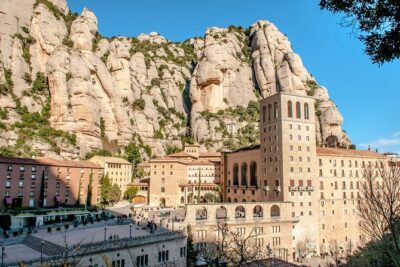
Montserrat with Black Madonna & Medieval Winery with Tapas/Lunch
Read our review →
Wine Tour: Paarl, Franschhoek & Stellenbosch incl 3 wineries
Read our review →
Douro Valley Tour: 2 Vineyard Visits, River Cruise, Winery Lunch
Read our review →
5-Hour Traverse City Wine Tour: 4 Wineries on Old Mission Peninsula
Read our review →Lists this tasting appears in