
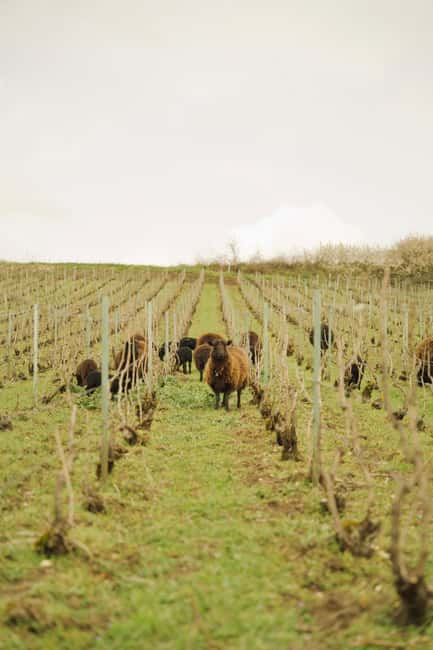
Reviewed · CHAMPAGNE TOURS
Champagne Vineyard Experience: Delve into the terroir
The most interesting part of this Champagne visit is the way it connects the bottle to the soil. You begin in the family garden, where the grandfather’s vines still grow, walk through the oldest vineyard parcels, and finish in a historic cellar with a tasting of Champagne and Ratafia Champenois.
I like the family-run setting and the clear focus on biodiversity. I also like that the visit explains how vineyards in Mareuil-le-Port, Épernay, and Tours-sur-Marne contribute to different cuvées, instead of treating Champagne as one generic drink.
The main consideration is physical and practical: you will walk through vines and use some stairs to reach the cellar and tasting room. The tasting is also fairly modest, so the $28 price feels strongest if you want production details and terroir, not simply a large pour of Champagne.
Key points
- Starts in the grandfather’s garden: The visit begins with a personal link to the estate and its oldest vines.
- Three Champagne areas explained: Learn how Mareuil-le-Port, Épernay, and Tours-sur-Marne shape the wines.
- Historic cellar visit: See where Champagne production is explained in a cool underground setting.
- Biodiversity matters here: The producer discusses organic and sustainable vineyard work.
- Champagne plus Ratafia Champenois: The tasting includes the region’s sweet fortified-style specialty, not just sparkling wine.
- English and French guides: Sarah and Chléo have led visits, though the guide can vary by date.
From the family courtyard to the oldest vines
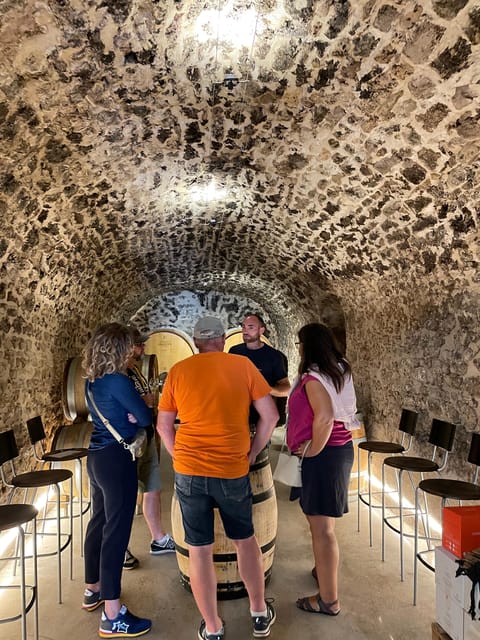
Your visit begins at Champagne Harlin Père & Fils, 8 Rue de la Fontaine. Step into the courtyard and look for the guide. If nobody is waiting immediately, the meeting instructions say the guide will greet you shortly.
That simple arrival helps set the tone. This is not a grand Champagne house with a polished reception hall and a long parade of visitors. It is a producer-led visit based around the estate itself, with the family story and working vineyard at the center.
The first stop is the garden, where the family’s grandfather’s vines grow. That detail gives the tour a useful human scale. Champagne can easily become a lesson in famous labels, luxury pricing, and elegant bottles. Here, you start with a particular family, a particular plot, and the practical question of how vines are cared for year after year.
I like this opening because it gives you something concrete to remember. You are not just hearing that the estate has a long connection to winemaking. You are seeing where that connection began.
More Vineyard Tours in France
- Saint-Émilion: Bordeaux Vineyard Tour and Wine Tasting
★ 4.8 · 578 reviews - Bordeaux: Vineyards Wine Tasting Half-Day Trip
★ 4.2 · 470 reviews - Half-Day Wine tour across Bordeaux’s Vineyards
★ 3.5 · 429 reviews
Walking through the vines and reading the soil
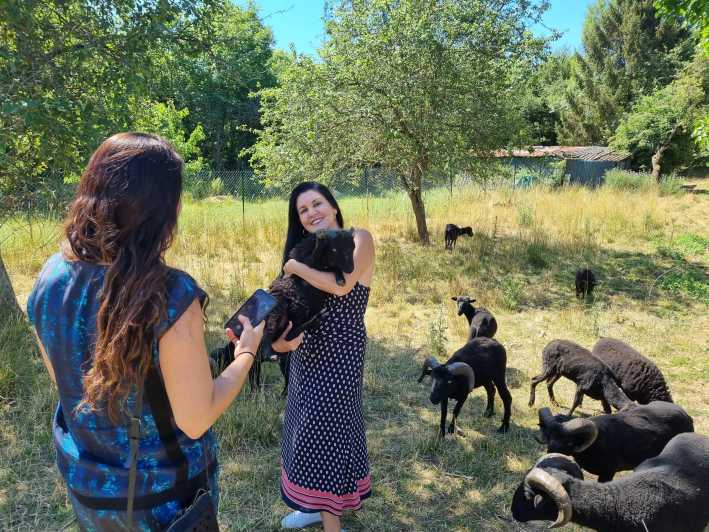
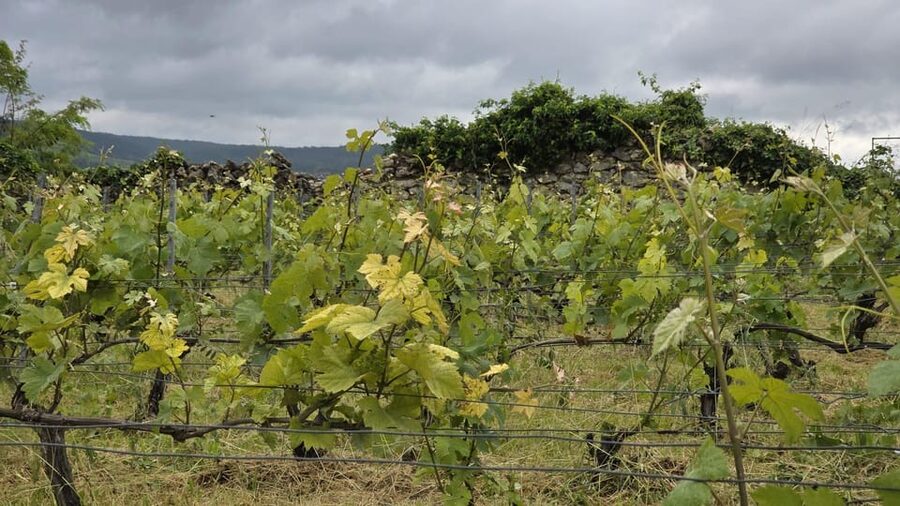
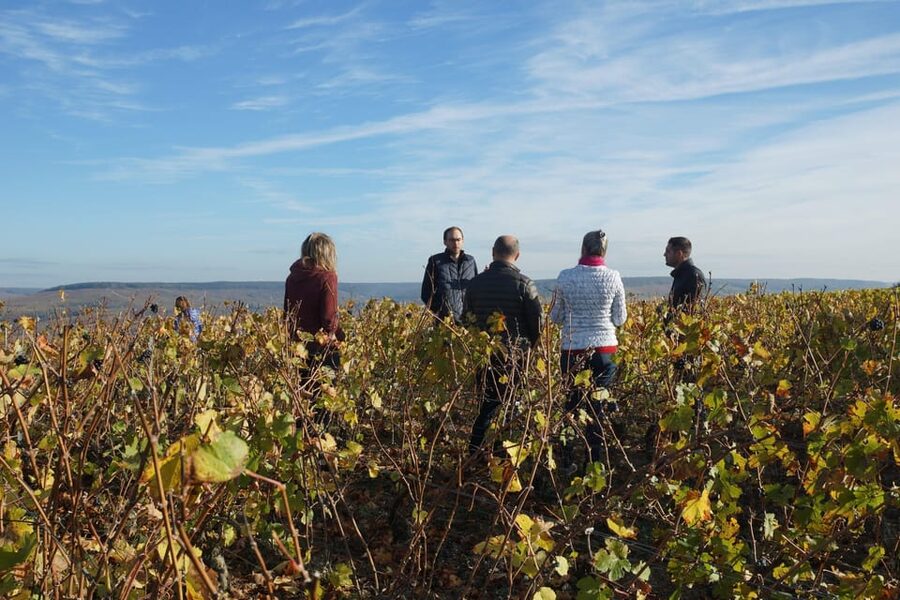
The vineyard walk is the heart of the terroir discussion. The tour looks at the soils around Mareuil-le-Port, Épernay, and Tours-sur-Marne, then connects those places to the cuvées produced by the estate.
The word terroir can become vague when it is used as a selling point. This visit promises a more useful approach: you learn how soil and vineyard management affect the taste in your glass. The guide also discusses organic and sustainable viticulture, along with the producer’s effort to protect biodiversity.
That focus is important because vineyard work is not only about harvesting grapes. It is also about managing the ground, caring for vines, and deciding how much intervention is appropriate. You may not leave able to identify every soil type in Champagne, but you should have a clearer sense of why two wines from the same broad region can taste different.
The walk is not a long countryside hike. It is one part of a 90-minute visit, so expect a short guided outing rather than a full vineyard trek. Wear shoes that are comfortable on outdoor paths, and keep in mind that the weather will affect this part of the experience.
The vineyard section also gives you a break from cellar talk. You move from open air and living plants to the cool storage area below, which makes the production story easier to follow.
Sarah, Chléo, and the human side of the explanation
Sarah and Chléo have guided this experience, and the strongest feedback points to a clear, enthusiastic presentation. That matters in a small producer visit. The difference between a useful tour and a dull one often comes down to whether the guide can explain technical work in plain language.
Expect the guide to cover the Champagne-making process, the estate’s approach to viticulture, and the relationship between vineyard parcels and finished cuvées. The experience is available in English and French, so you can choose the language that lets you ask better questions.
I would ask about three things if the opportunity comes up: how the old vines differ from younger plantings, what biodiversity work looks like on this estate, and how grapes from the three named areas are used in the final wines. These questions fit the purpose of the visit and should help you get beyond a basic cellar tour.
The experience received especially strong praise for being varied and easy to follow. That variety is one of its best features. In 90 minutes, you move through the garden, vineyard, cellar, and tasting room, so the visit does not depend on a single speech in one room.
What happens in the historic cellar
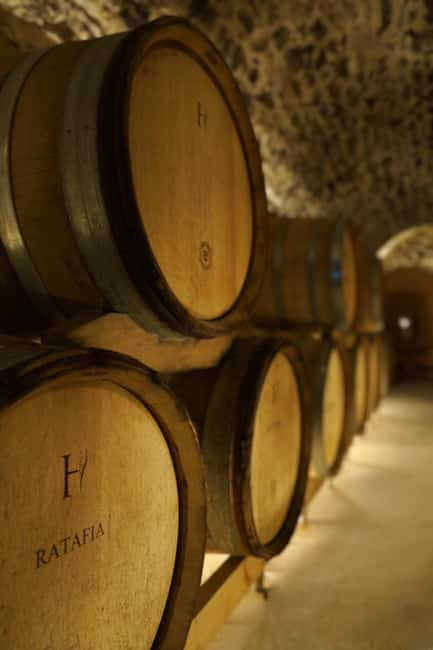
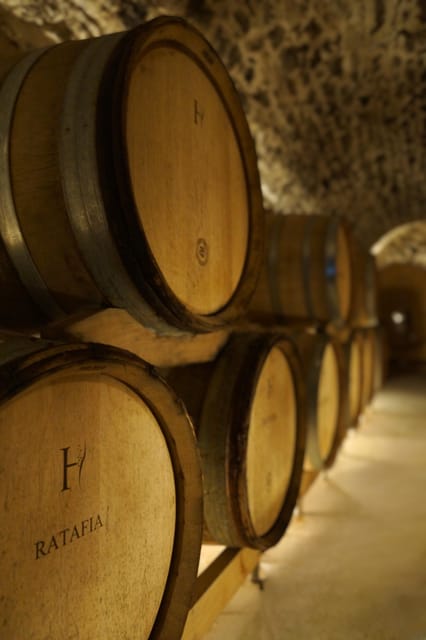
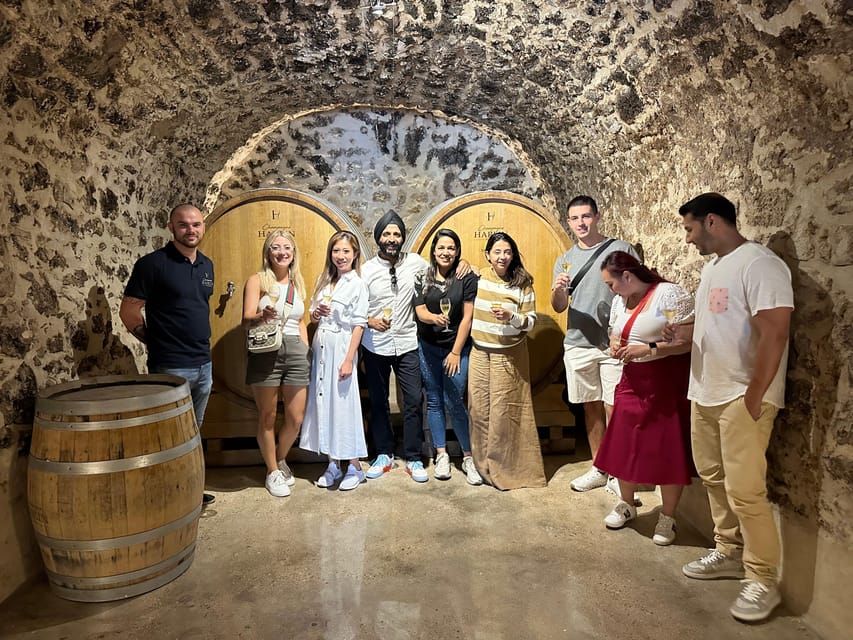
After the outdoor portion, you head into the historic cellar. The cellar is described as cool, and it is used to explain the secrets of Champagne production.
Do not expect the cellar visit to be a theatrical show. Its value is in seeing the production story in the setting where bottles are handled and stored. The change in temperature also makes a practical point: Champagne production is tied to time, storage, and careful handling, not only to the final pour.
The exact cellar layout and equipment are not specified, so I would not book this expecting a particular display, machine, or famous underground maze. Think of it as a working part of the family estate and a place where the guide can explain how sparkling wine is made.
There are stairs involved in reaching the cellars and tasting room. If stairs are difficult for you, this is the most important physical detail to consider before booking. The tour also includes a walk in the vines, so it is not a fully indoor activity.
For many people, the cellar is where the pieces come together. You have heard about soils and vineyard care, and now you get the production side of the story. The tasting that follows has more meaning because you have already heard how the estate works.
More Champagne Tours in France:
- Paris 3-Courses Gourmet Dinner Seine River Cruise with Champagne
★ 4.0 · 1,659 reviews - Top Private Cruises in Paris with French Champagne and surprises
★ 5.0 · 1,553 reviews - From Paris: Day Trip to Champagne with 8 Tastings & Lunch
★ 4.8 · 1,501 reviews - Champagne Day Trip with 6 Tastings, Reims and Winery from Paris
★ 5.0 · 902 reviews
The tasting: Champagne and Ratafia Champenois
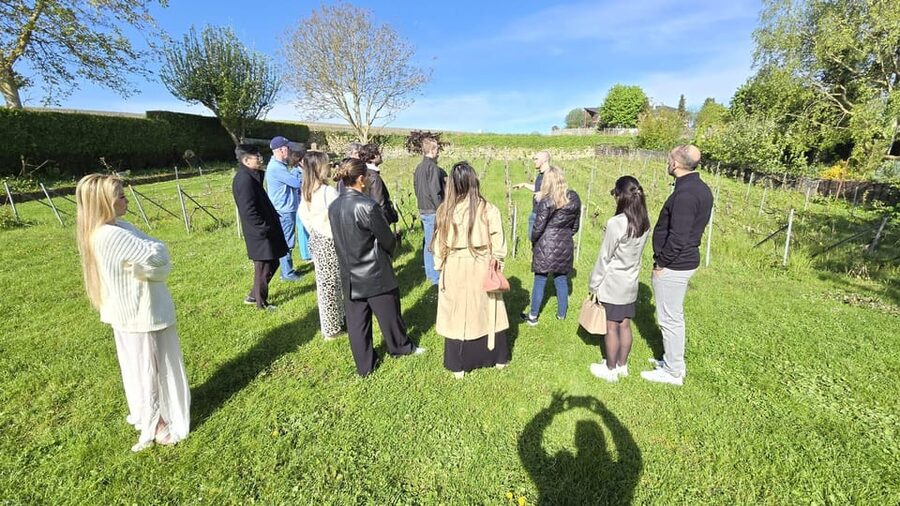
The final part includes Champagne tasting, wine tasting, and Ratafia Champenois. Ratafia is a traditional regional drink and gives you something different to compare with the sparkling wines.
I like the inclusion of Ratafia because it keeps the tasting tied to local custom. A visit that serves only Champagne can leave you with a narrow view of the region’s drinks. Here, the tasting gives you another flavor profile and another piece of Champagne’s food and wine culture.
The tasting is not presented as a large session with many bottles. The available information describes it as a tasting at the end of the tour, and one critical assessment felt the amount and value did not match expectations. That is worth taking seriously. If your main goal is to drink several generous pours, $28 may feel high.
If your main goal is to understand the estate and taste its products after seeing the vines and cellar, the price makes more sense. You are paying for the guide, the access to the estate, the vineyard and cellar visit, and the tasting together.
The tasting room is reached by stairs, so plan accordingly. Children under 18 may attend without a ticket and can receive fruit juice, but French law does not allow them to drink alcohol. That makes the experience workable for families, though adults should not expect children to take part in the Champagne tasting itself.
How the $28 price works for your trip
At $28 per person, this is priced below many high-end Champagne experiences. That does not automatically make it a bargain. The value depends on how you measure a wine visit.
I would consider it good value if you want:
- A guided visit with a local producer
- A walk through old vines
- An explanation of organic and sustainable vineyard work
- A cellar visit tied to the production process
- Champagne and Ratafia Champenois tastings
- An English or French guide
I would be more cautious if you mainly want a large tasting flight, a lavish reception, or a grand Champagne-house setting. The experience is centered on the producer’s work, not on luxury staging.
The overall rating is 4.4 from 52 ratings, with particularly strong praise for the explanations, guide enthusiasm, variety, and family-business atmosphere. At the same time, one sharply negative assessment objected to the presentation and felt the Champagne did not justify the cost. That gives you a fair warning: expectations matter.
I would not book this only because you want the cheapest possible glass of Champagne. I would book it because you want to understand how a smaller producer connects vineyard care, regional soils, cellar work, and tasting.
The biodiversity message is more than decoration
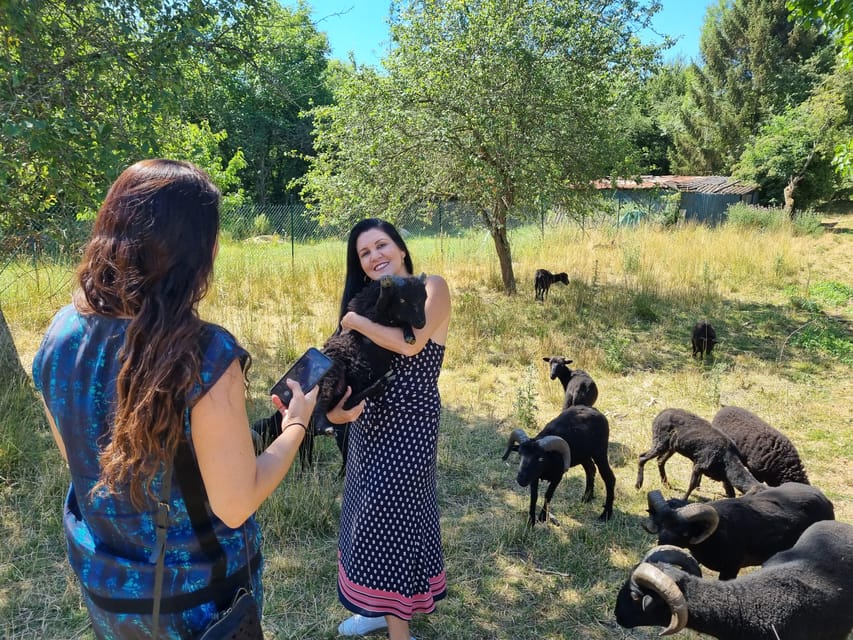
The producer’s commitment to biodiversity is one of the most distinctive parts of the experience. Many wine visits mention sustainability in passing, then return quickly to the bottles. Here, biodiversity preservation is part of the stated identity of the producer.
You should listen for practical details during the vineyard section. The available information does not specify every method used on the estate, so I would not assume particular crops, animals, or vineyard techniques. What you can expect is a discussion of organic and sustainable viticulture and how the estate thinks about the health of its soils.
That approach gives the tour more depth. Champagne is often discussed through grape varieties and blending, but the condition of the vineyard is where the story starts. Healthy soil, careful vineyard management, and an understanding of local conditions all affect the grapes that eventually reach the cellar.
I also like that this message is placed alongside the tasting rather than treated as a separate lecture. You can listen to the producer’s priorities, then taste the wines and consider how the estate presents its work in the glass.
Who will enjoy this 90-minute visit
This is a good fit for you if you want a focused introduction to Champagne without giving up the personal feel of a family estate. First-time Champagne visitors should find the structure easy to follow, since the experience moves in a logical order from vines to cellar to glass.
It also suits wine drinkers who want more than a label lesson. The focus on Mareuil-le-Port, Épernay, and Tours-sur-Marne gives the visit a sense of place, while the organic and biodiversity discussion adds a current concern to the traditional production story.
Families can attend, since children under 18 are welcome and can receive fruit juice. Just remember that children need no entry ticket, cannot drink alcohol, and still have to manage the vineyard walk and stairs.
This may be less suitable for anyone looking for a grand, highly polished Champagne-house production. It may also disappoint someone who expects a long tasting with many generous servings. The experience is compact, personal, and educational.
Practical details before you book
The full visit lasts 90 minutes. The published schedule breaks that into roughly 45 minutes for the guided tour, about an hour for the visit portion, and around 30 minutes for tasting, though those listed times overlap and add up loosely. Treat the total duration as 90 minutes rather than expecting each segment to run independently.
The meeting point is 8 Rue de la Fontaine, at the courtyard of Champagne Harlin. The experience is offered in English and French, and a live guide is included.
Wear sensible shoes for the vineyard walk. You will also use stairs for the cellar and tasting room. Alcohol and drugs are not allowed as part of the activity.
You can cancel up to 24 hours before the visit for a full refund. The reserve-now, pay-later option lets you hold a place without paying immediately, which is useful if your Champagne itinerary is still shifting.
Should you book Champagne Harlin?
Book this visit if you want a small-producer view of Champagne, with vineyard, cellar, biodiversity, and tasting all in one 90-minute experience. The family garden and oldest vines give the tour a personal starting point, while the comparison between Mareuil-le-Port, Épernay, and Tours-sur-Marne adds useful regional context.
I would choose it for an introduction, a quieter alternative to a major Champagne house, or a visit that takes vineyard care seriously. I would skip it if your priority is an elaborate tasting, a large number of pours, or a luxury setting.
At $28, the best value comes from the whole package: a guide, a working estate, a walk through the vines, a historic cellar, Champagne, and Ratafia Champenois. Keep your expectations focused on learning and local character, and this should be a rewarding stop.
FAQ
Where does the Champagne Harlin experience begin?
It begins in the courtyard of Champagne Harlin Père & Fils at 8 Rue de la Fontaine in the Grand Est region of France.
How long does the experience last?
The total duration is 90 minutes. It includes the garden and vineyard visit, the cellar portion, and the final tasting.
What languages are available?
The live tour guide is available in English and French.
What drinks are included in the tasting?
The tasting includes Champagne and Ratafia Champenois, along with wine tasting.
Can children attend the tasting?
Children under 18 may attend without a ticket and can be given fruit juice. French law does not permit them to drink alcohol.
Can I cancel or pay later?
You can cancel up to 24 hours in advance for a full refund. A reserve-now, pay-later option is also available, so you do not need to pay at the time of booking.
Newest wine reviews around France
- Saint Emilion Full Day Wine and Bike Tour★ 5.0 · 167 reviews
- Private Bordeaux History Tour with a glass of Bordeaux wine.★ 5.0 · 28 reviews
- Private – Best of Bordeaux Walking Tour + Glass of Bordeaux Wine★ 5.0 · 240 reviews
- Medoc Afternoon Wine Tour – 2 Wineries, tastings & delicacies★ 4.5 · 74 reviews
- Luxurious full day Bordeaux wine tour in a Tesla★ 4.5 · 31 reviews
- Bordeaux wines tasting workshop including Food & Wine pairings★ 5.0 · 31 reviews
- Wine Masterclass & Cheese Tasting Workshop in Bordeaux★ 5.0 · 29 reviews
- Discovery of the Bordeaux vineyard in 3 wines★ 5.0 · 133 reviews
Champagne Tours, compared.

Premium Morning Snorkel Sail with Champagne Brunch
Read our review →
Paris 3-Courses Gourmet Dinner Seine River Cruise with Champagne
Read our review →
Top Private Cruises in Paris with French Champagne and surprises
Read our review →
Day Trip to Champagne with 8 Tastings & Lunch
Read our review →

Private Boat Ride in Miami with Experienced Captain and Champagne
Read our review →

Lists this tasting appears in