
Reviewed · WINE CELLAR VISITS
Trier: Discovery Tour – Germany’s Oldest Wine Cellar
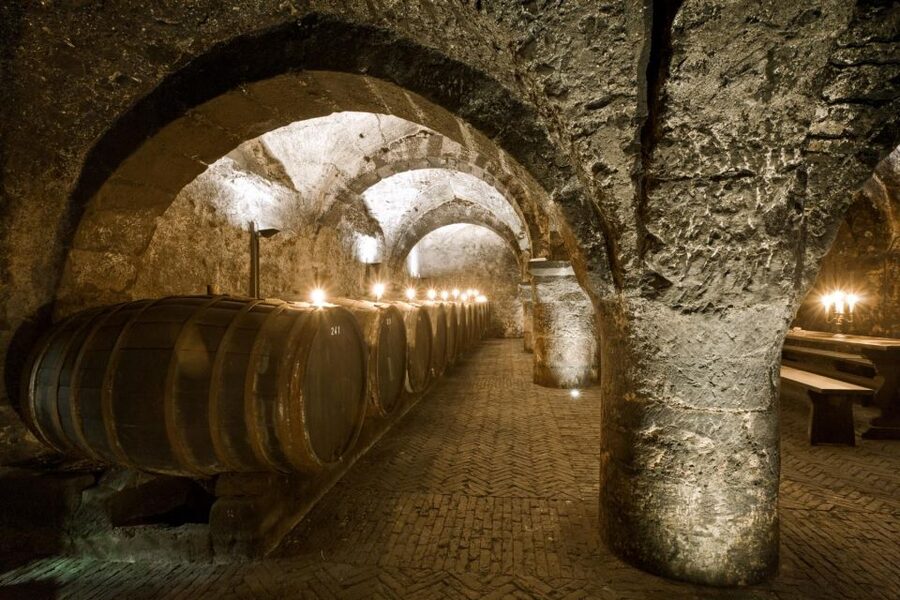
Trier’s most unusual wine stop is below a working winery: a cellar built around 330 AD, when the city was a Roman imperial center. This is not a silent museum of old stones. You walk through a historic storage building, hear how it served Roman citizens, and finish with two wines in a setting that still feels tied to the city’s wine culture.
I like the clear mix of Roman history and local wine. I also like the one-hour format and $20 price, which make this easy to fit between Trier’s other sights. The main drawback is that the tour is in German, and some of the wine talk may receive more attention than the cellar’s unusual past.
Key points to know before you book
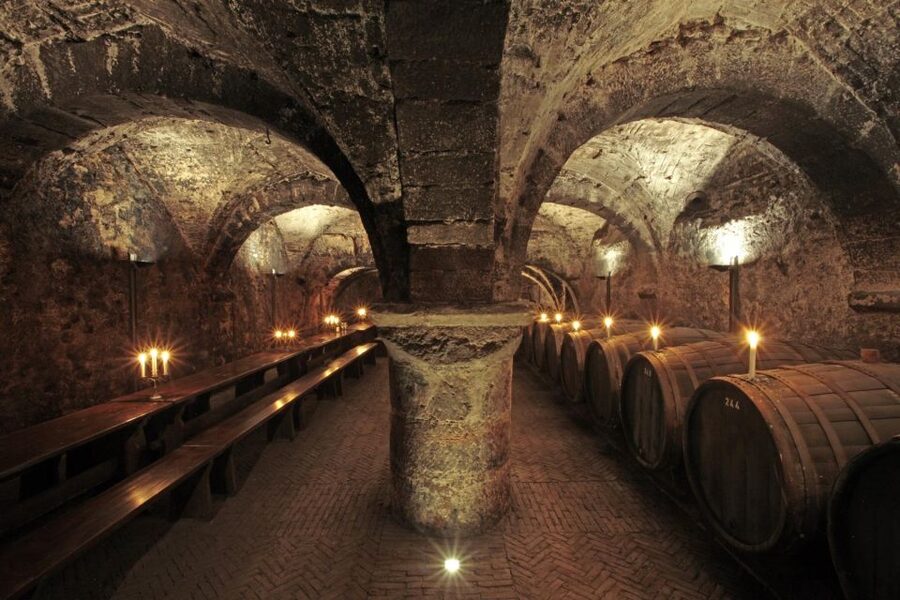
- A Roman building from around 330 AD: The cellar began as a magazine and storage house in Trier’s imperial period.
- Two selected wines included: The tasting gives you a direct connection to the winery operating the site.
- One hour from start to finish: This is a focused stop, not a long cellar visit.
- German-speaking guide: Some content is presented in its original language, so basic German helps.
- History and wine share the spotlight: You get both, but the balance may lean toward the winery and its wines.
- Not wheelchair accessible: Check this carefully before booking.
Entering Trier’s Roman wine cellar
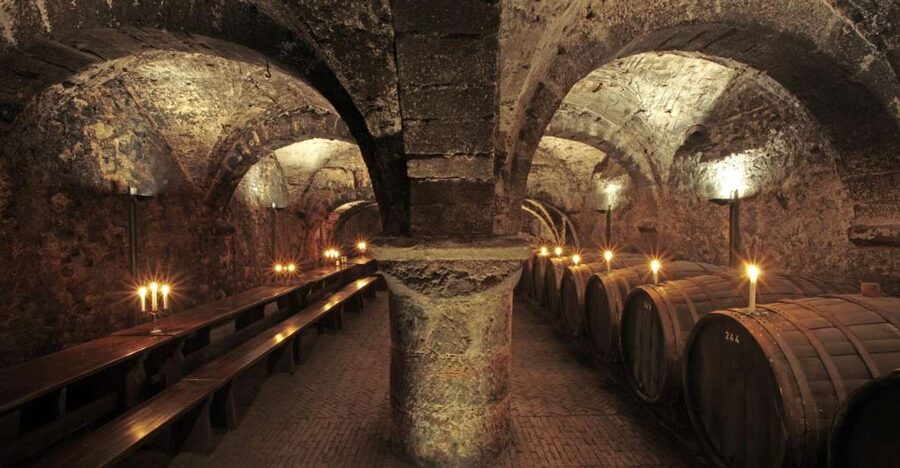
The central attraction is the cellar itself, described as Germany’s oldest wine cellar. Its origins reach back to around 330 AD, when Trier was a major Roman imperial city. At that time, this was not designed as a tasting room for modern wine lovers. It served as a magazine and storage house for Roman citizens.
That detail gives the tour its real weight. You are not simply looking at barrels in a traditional wine cellar. You are entering a building that had a practical role in Roman Trier, a city with a long connection to trade, government, food storage, and wine.
The experience is presented as a place of discovery rather than a dusty museum. That matters because the cellar is meant to be enjoyed as a living part of Trier’s wine culture. The old structure provides the setting, while the winery keeps the visit connected to the present.
I would set your expectations carefully. The tour offers an insight into the cellar’s eventful past, not a full academic lecture on Roman architecture or Trier’s entire wine industry. You get a compact explanation of why the building matters, followed by a tasting that brings the history into a modern setting.
More Wine Cellar Visits in Germany:
- Reil, Mosel: Guided organic wine tasting and cellar tour
★ 4.8 · 84 reviews - Porto: Bridges Cruise & Sunset & Port Wine Cellar Option
★ 4.2 · 4,180 reviews - Porto: Cálem Cellar Tour, Interactive Museum & Wine Tasting
★ 4.5 · 4,113 reviews
What the one-hour route gives you
The tour is short and easy to understand. First comes the guided walk through the historic cellar. Your German-speaking guide introduces the building, its age, and its former use as storage space in the Roman city.
The route is valuable because it gives physical meaning to Trier’s past. You can connect the city’s Roman period with an actual building rather than treating Roman history as a list of dates at an outdoor monument. The cellar also adds a different note to a typical Trier sightseeing day, especially if you have already seen the major Roman sights and want something smaller and more focused.
After the cellar visit, you taste two selected house wines. The tasting is included in the $20 price, so you do not need to budget extra for the standard wine portion. The wines are not an optional add-on at the end. They are part of the way the experience links the old storage building to the present-day Stiftungsweingut operated by Vereinigte Hospitien.
The tasting also gives you a chance to slow down. A cellar can be interesting as architecture, but the wine makes the visit social and practical. You see the setting, hear its story, and then taste what the site represents today.
The one-hour length is a good fit for most schedules. You can place it between Trier’s other activities without giving up half a day. At the same time, the short format limits how much detail the guide can cover. One recent comment praised the clear information but suggested that the tour could be longer. I agree that visitors looking for a long historical explanation may want more time inside the cellar.
Roman storage, not just old wine barrels
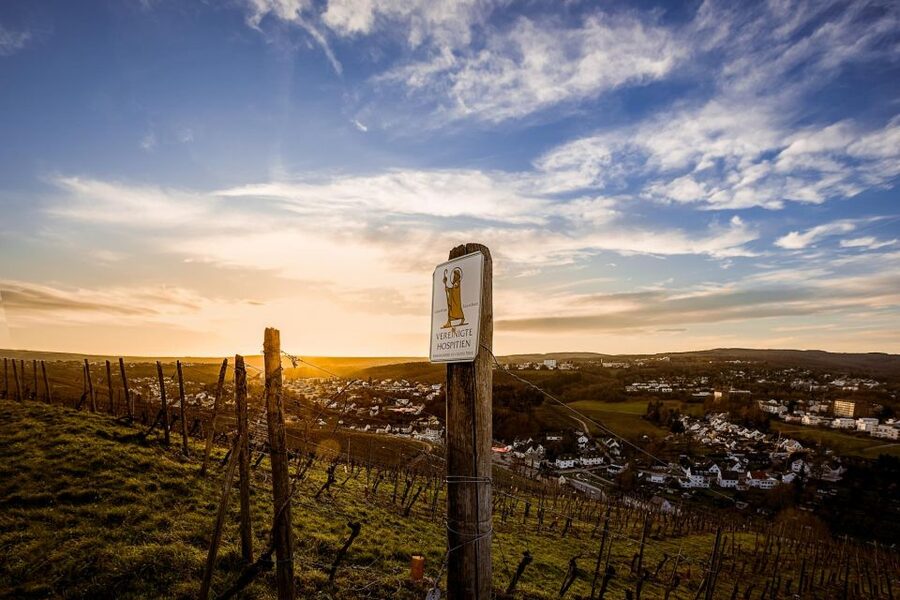
The most interesting fact here is the building’s original purpose. Around 330 AD, it served as a storage house for Roman citizens. That changes how you look at the space.
Many wine cellar tours focus on production: grapes, fermentation, barrels, bottles, and sales. This one begins with a Roman structure that was part of daily urban life. The connection to wine came later through the building’s continuing role in Trier’s wine culture.
I like that distinction because it keeps the tour from becoming a routine tasting with a few old walls around it. The cellar gives you a reason to pay attention before the first glass is poured. You can think about how food and drink were stored in an imperial city, and how buildings often survive by taking on new uses.
Still, the amount of Roman information is limited by the one-hour schedule. If ancient history is your main interest, you should treat this as a short introduction. Trier has other Roman sights that provide more context, while this experience offers a closer look at one particular building.
The two-wine tasting and its value
At $20 per person, the package is fairly easy to judge. You receive a guided cellar tour and two selected wines, all within one hour. In a city with a strong wine identity, that is a reasonable price for an activity that combines a historic site with a tasting.
The value is strongest if you already want both parts. A wine lover gets two house wines in an unusual setting. A history fan gets access to a Roman-era building with a clear explanation of its past. If you care about only one of those elements, the price may feel less compelling.
The wines are part of the house selection, but the supplied details do not identify the varieties or vintages. Do not book expecting a formal tasting class with technical notes on every grape and production method. The focus is on enjoying two wines while learning about the cellar and its role.
I also appreciate that the tasting does not require a separate reservation or extra payment once you book the activity. The included drinks make the total cost clear. One of the strongest positive reactions to the experience described it as interesting, enjoyable, and tasty. That combination captures the appeal: the tour is educational, but it is not all lecture.
The balance may lean toward the wine side. One less enthusiastic assessment found the overall experience good but wanted more information about the unique cellar, noting that the winery and wine received more attention. If your priority is Roman history, keep that in mind. If you want a relaxed historic setting for tasting local wine, the balance may work well for you.
More Wine Tours in Germany:
- Trier: Guided City Walk with Wine Tasting
★ 4.8 · 979 reviews - Hamburg: Harbor Cruise with Wine and Cheese
★ 4.7 · 795 reviews - Leipzig: Mulled Wine Motorboat Tour
★ 4.7 · 514 reviews - Heidelberg: Sightseeing Boat Tour with Mulled Wine
★ 3.6 · 202 reviews
German language and guide expectations
The live guide speaks German. Some material is shown in its original language, so you should be comfortable following German or book only if you are happy with a less detailed understanding.
The available information does not provide guide names. You should not expect a named English-speaking host based on the details here. If you need the tour in another language, confirm before booking rather than assuming translation is available.
A German-language tour can still be worthwhile for visitors who understand some German and want a local experience. The subject is concrete: the cellar, its Roman purpose, and the wines served. You may be able to follow the main points even if you miss a few finer details.
If you do not speak German, the tasting remains accessible in a simple sense, but the historical portion will lose some value. Since the cellar’s story is the reason to take this tour instead of visiting a wine bar, language should be part of your decision.
Weather, access, and the practical details
The tour runs in all weather conditions. That makes it useful on a rainy day, but you still need to dress for getting to the meeting point and for moving through an older cellar environment. The activity information does not give a temperature range or specific clothing rules, so a light layer is a sensible choice.
The cellar is not suitable for wheelchair users. This is a firm limitation, not a minor inconvenience. If you use a wheelchair, contact the provider before booking to ask if any alternative arrangement exists, but the stated activity itself is not accessible.
You can cancel up to 24 hours in advance for a full refund. You can also reserve now and pay later, which helps if your Trier plans are not settled. Starting times vary, so check availability for your chosen date instead of assuming the tour runs at a fixed hour.
The provider is Vereinigte Hospitien Stiftungsweingut. That connection matters because the tasting is tied to the house’s own wine culture rather than being a generic stop arranged only for sightseeing.
Who will enjoy this Trier experience most
I would recommend this tour to you if you want a short activity with a clear sense of place. It works especially well for:
- Wine drinkers who want to taste two local house wines in a historic setting
- History fans who enjoy seeing a Roman building used in a later, living tradition
- Visitors with only one free hour in Trier
- Couples and small groups looking for a calm cultural stop
- People who want an indoor activity that still connects to the city’s past
I would be more cautious if you want a detailed archaeological tour. The cellar’s Roman origins are important, but the visit is brief. I would also think twice if you need an English-language guide or wheelchair access.
Families may find the hour manageable, but the value depends on whether the adults and children in your group care about wine and history. The tasting is designed for the adults, and no child-focused material is provided in the details.
Is this tour worth $20?
For $20, I see this as a good-value add-on rather than a major Trier attraction that should dominate your day. The included cellar walk and two wines give you a complete experience without a long time commitment.
The strongest value comes from the combination. A standard wine tasting might not explain a Roman storage building. A Roman site visit might not end with two local wines. Here, the two subjects support each other, even if the wine portion sometimes gets more attention than the cellar’s past.
The 4.7 rating from 218 ratings points to broad satisfaction, and the comments behind that score show why: the tour is often praised for being informative, enjoyable, and well suited to a short visit. The main reservation is also clear: anyone wanting a fuller account of the cellar may find the explanation too brief.
Should you book the Germany’s oldest wine cellar tour?
Book it if you want one hour of Roman history, wine, and a small taste of Trier’s living culture. The $20 price is sensible, two wines are included, and the Roman setting gives the tasting a reason to exist beyond simply trying a glass.
Skip it if you need an English tour, wheelchair access, or a long archaeological presentation. For everyone else, this is a compact and pleasant way to connect Trier’s ancient past with its continuing wine tradition. Check the German-language format and start time before you reserve, then let the short cellar visit complement the city’s larger Roman sights.
FAQ
How long does the wine cellar tour last?
The tour lasts one hour.
What is included in the price?
The experience includes a guided cellar tour, two selected wines, and the tasting in the historic setting.
What language is the tour conducted in?
The live guide speaks German. Some content is presented in its original language.
Is the activity suitable for wheelchair users?
No. The experience is not suitable for wheelchair users.
Does the tour run in bad weather?
Yes. The tour takes place in all weather conditions.
Can I cancel for a full refund?
Yes. You can cancel up to 24 hours before the activity for a full refund.
Can I reserve now and pay later?
Yes. The reserve-now, pay-later option lets you book your place without paying today.
Newest wine reviews around Germany
- Sylt: Shell safari with boat | incl. Mussel tasting & 1 glass of wine★ 4.7 · 49 reviews
- Stuttgart: Guided Wine Walk & Wine Tasting★ 4.6 · 28 reviews
- Stuttgart: Stuttgart Wine Museum Wine Tasting★ 4.7 · 55 reviews
- Heidelberg: Hills and Wine Region Segway Tour★ 4.9 · 89 reviews
- Reil, Mosel: Guided organic wine tasting and cellar tour★ 4.8 · 84 reviews
- Mulled wine ride in the Leipzig New Zealand★ 4.3 · 43 reviews
- Lieser: Covered wagon ride, the rolling wine tasting with picnic basket★ 4.7 · 51 reviews
- Kröv, Mosel: Covered wagon ride through the vineyards with wine tasting★ 4.8 · 46 reviews
Wine Cellar Visits, compared.

Bridges Cruise & Sunset & Port Wine Cellar Option
Read our review →

Hop-on Hop-off Bus with Optional Cruise & Wine Cellar
Read our review →
Magic Train Tour and Port Wine Cellar with Tastings
Read our review →
Milan Urban Winery: Taste & Tour at Cantina Urbana
Read our review →

Lists this tasting appears in