
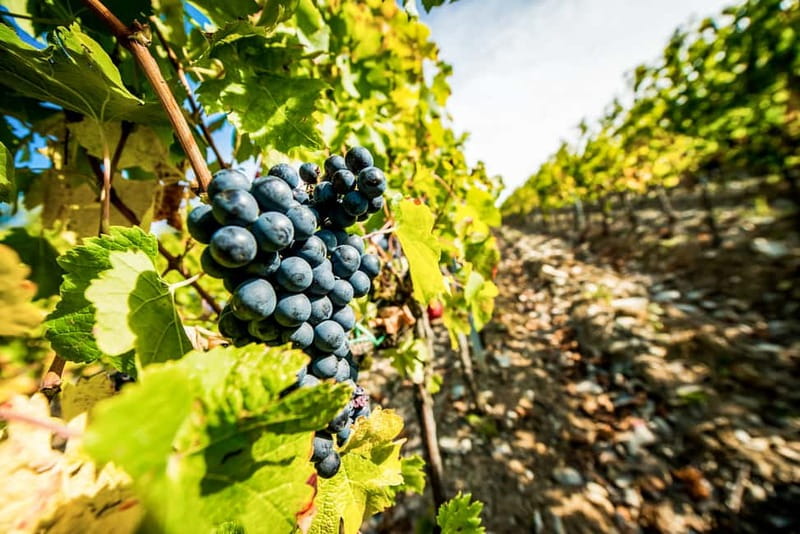
Reviewed · FLORENCE WINE TOURS
From Florence: Tuscany Wine & Food Tour with Guide
Three wineries, a Tuscan lunch, and a stop in Greve make this a full day in the Chianti countryside, not just a quick tasting outside Florence. You will compare three different family-run wine estates, learn how Sangiovese becomes Chianti, and sample olive oil, balsamic vinegar, cured meats, cheese, pasta, and dessert along the way.
I like the small-group format, with a maximum of 25 people, and the guides often make the long day especially enjoyable. Guides including Leo, Jason, Jonathan, Suzy, and Matteo have been praised for mixing local history, wine facts, humor, and practical help. The main drawback is that tastings focus heavily on red wine, and the winery visits can feel repetitive if you already know the basics.
Key things to know before you book
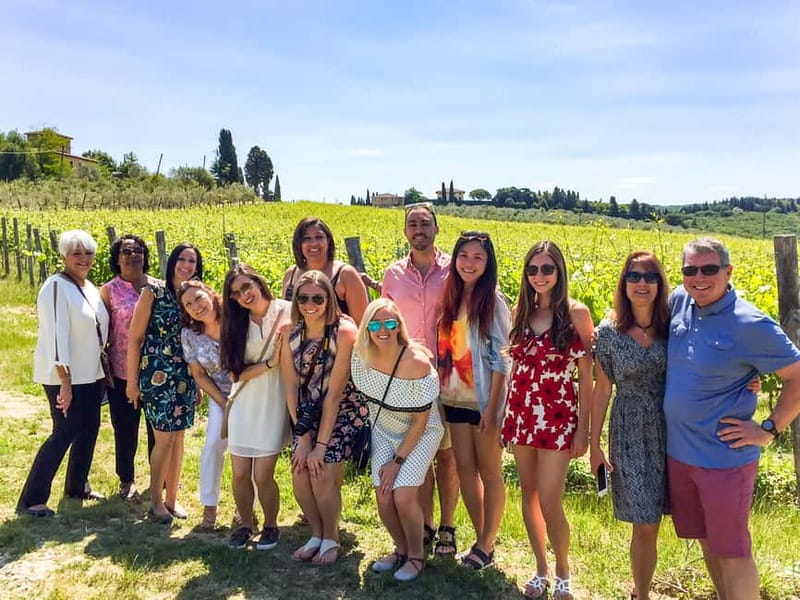
- Three very different winery stops: Visit farms, cellars, hilltop estates, and a historic family-owned villa.
- A real Tuscan lunch: Expect cold cuts, salami, cheeses, bruschetta, pasta, dessert, and wine.
- Greve adds a village stop: You get free time in the main square of Chianti’s best-known village.
- The drive is part of the experience: Rolling hills and winding roads fill the route between Florence and the wineries.
- Small group, but not private: The maximum is 25 people, usually in a comfortable air-conditioned vehicle.
- Mostly red wine: Chianti is Sangiovese country, so white wine drinkers should set expectations accordingly.
Why this Florence to Chianti day works
At $175 per person, this tour costs more than simply hiring a car and driving into the countryside. But that comparison misses the point. You are paying for transportation, a full day of guiding, three winery visits, tastings, lunch, olive oil, balsamic vinegar, and the freedom to enjoy the wine without worrying about the road home.
I see this as a good value for first-time visitors who want Tuscany without arranging a rental car, finding wineries, and dealing with designated-driver duties. You also get a guide who can explain what you are seeing between stops. Guides such as Leo and Jason have been especially good at keeping the vehicle ride lively, while others, including Jonathan and Suzy, have earned praise for clear explanations and warm personalities.
The group size matters. With no more than 25 people, the day should feel more personal than a standard coach excursion carrying 50 or 60. Still, this is not a private tour. At busy times, the group may include around two dozen people, and each winery must move everyone through its tasting together.
More Food Experiences in Florence:
- Winner 2025 Florence Sunset Food & Wine Tour by Eating Europe
★ 5.0 · 5,015 reviews - Florence: Street Food Tour with Wine & Local Guide
★ 4.9 · 1,443 reviews - From Florence: Chianti Tour with Two Wine and Food Tastings
★ 4.5 · 1,205 reviews
Meeting in Florence and setting out
The meeting point is Piazzale Montelungo, near the bottom of the tallest red-brick building and opposite the parking lot. Look for the red flag or the Prestige Rent sign. From Florence Santa Maria Novella station, allow about eight minutes on foot.
There is one useful navigation warning: if you use Google Maps, do not follow a route through the train station. That exit is closed. This is the sort of small detail that can turn an easy morning into a frantic one, so arrive with enough time to find the check-in point.
Hotel pickup and drop-off are not included. You need to reach the meeting point yourself, which is simple from central Florence but less convenient if you are staying far from the center. Bring a passport or identity card, and remember that the tour runs in rain or shine.
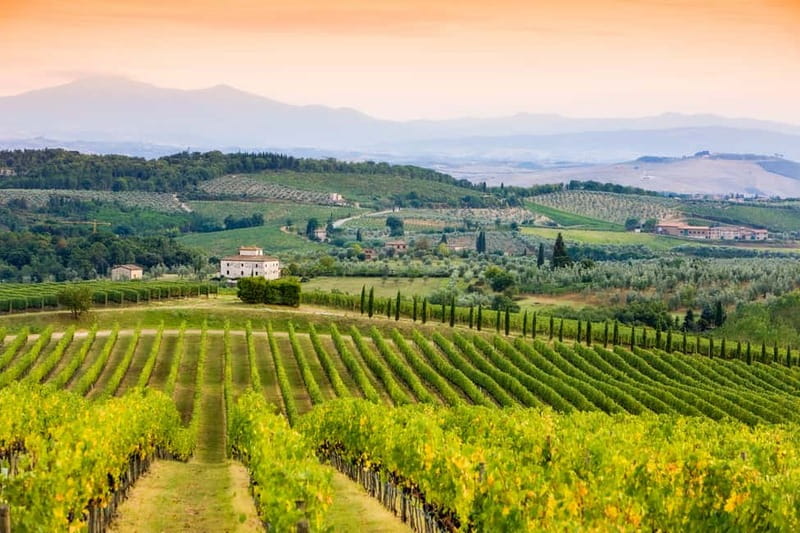
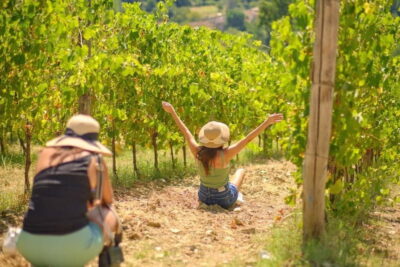
The drive out of Florence is part of the pleasure. The city gives way to vineyards, olive groves, stone buildings, and rolling Tuscan hills. The roads can be winding, especially around the Chianti hills. If you get carsick, sit where you can see the road, eat breakfast before departure, and bring whatever usually helps you.
First winery: start with how Chianti is made
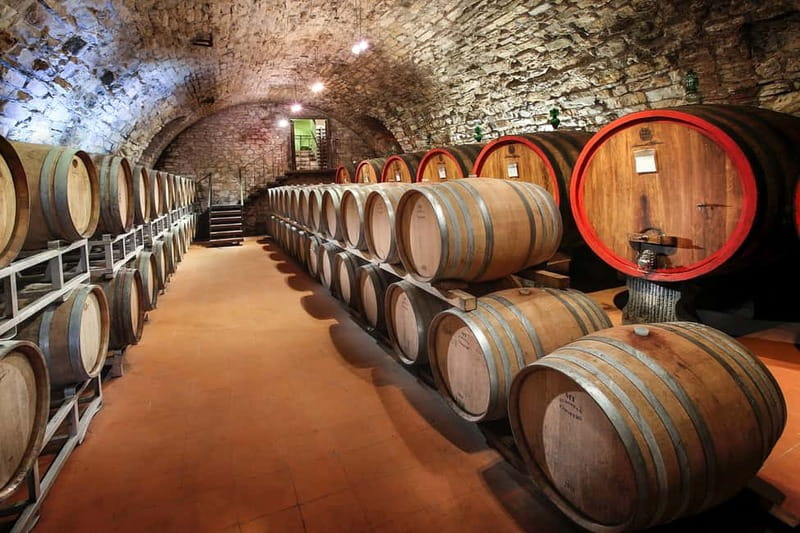
The first stop introduces the working side of wine production. You visit the farm and cellar, then hear about the stages that turn grapes into wine. This is useful even if you are not a serious wine drinker because it gives you a framework for the tastings later in the day.
The exact winery can vary, but the focus is on organic production and traditional methods. You will learn about the vineyards, cellar work, and the decisions that affect the final bottle. The tasting usually comes with food, such as bread or small local snacks, so you are not drinking on an empty stomach.
Chianti is primarily made from Sangiovese, a red grape that gives the region its identity. Expect the tasting to lean strongly toward red wines. One recent experience described the balance as roughly 80 percent red, a fair warning for anyone who prefers crisp whites or sweeter styles.
This first stop can feel educational and fairly structured. That is good for beginners, though it may feel familiar by the third winery if every host repeats the same basic explanation. The best way to get more from it is to ask how this producer’s approach differs from the next two.
Second estate: lunch with wine and local food
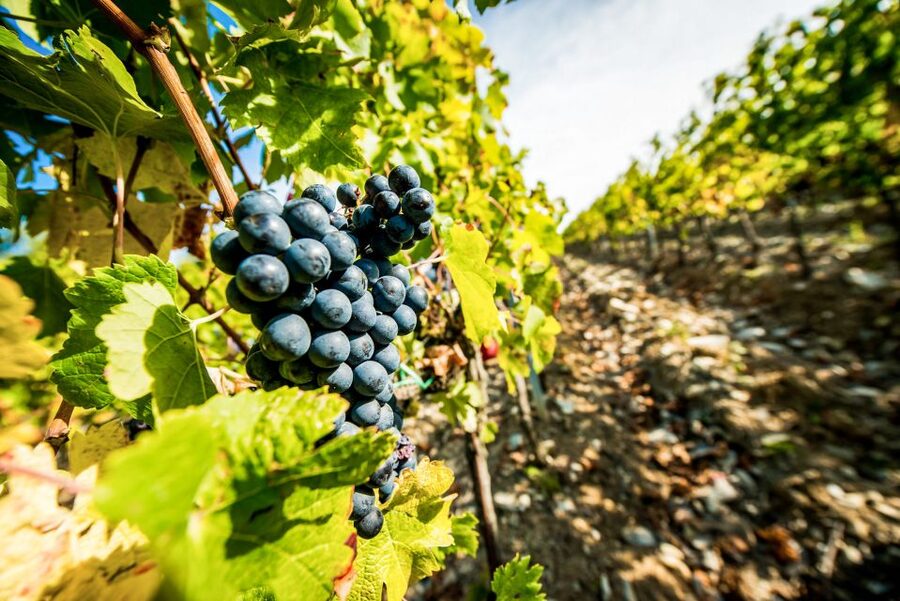
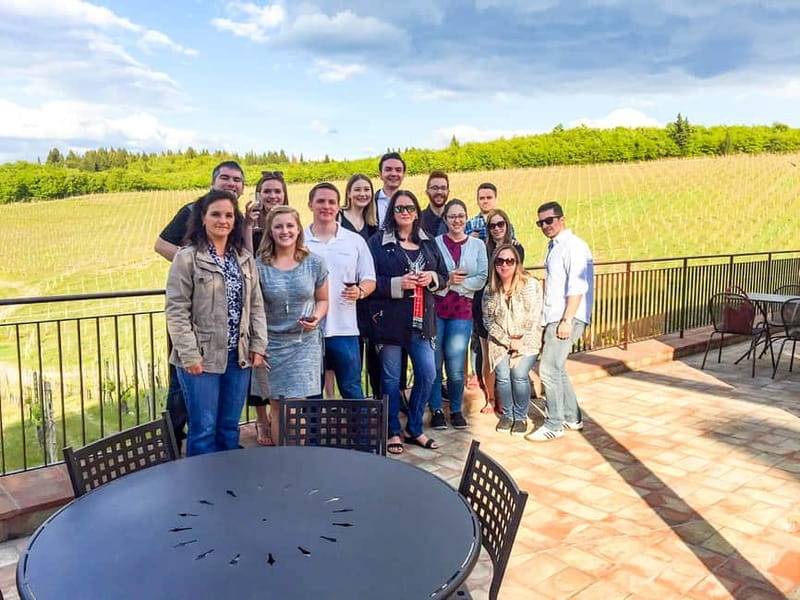
The second stop is usually a hilltop estate with views over the countryside. A wine expert leads the tasting and adds stories about the estate, its wines, and the work behind them. This is where the day shifts from cellar lesson to long, social meal.
Lunch is built around Tuscan staples. You can expect assorted cold cuts, cured ham, salami, cheeses, bruschetta, handmade pasta or another pasta dish, and dessert. The food is paired with the winery’s own wines, and additional bread or snacks may appear during the tasting.
The meal is generous in variety, though not everyone will find the main portion large. One useful tip is to eat breakfast before you go, particularly because the first winery may be reached around 10 a.m. The food is spread across several courses and tastings, but this is not a late restaurant lunch with a long menu.
Vegetarian food can be arranged if you request it when booking. Do not wait until the morning of the tour. The standard menu centers on meat and cheese, so advance notice is important.
A possible weakness is repetition. The same types of cured meat, cheese, and regional explanations can appear at more than one stop. I would not book this day expecting three completely different culinary menus. Book it for the setting, the range of producers, and the chance to compare how different estates present their products.
More Guided Tours in Florence:
- Florence: Guided Food Tour with Fiorentina Steak and Wine
★ 5.0 · 267 reviews - Florence: Authentic Barchetto River Cruise with Wine & Guide
★ 4.6 · 174 reviews - Florence: Tuscan Food and Wine Guided Walking Tour
★ 4.8 · 72 reviews - Rome: Guided Food Walking Tour with Wine in Trastevere
★ 4.9 · 3,105 reviews
Greve in Chianti: a short village break
After lunch, the tour stops in Greve in Chianti, often called the most representative village of the Chianti Classico area. You get free time around the main square, a welcome change after several guided tastings.
Greve is not a major city sightseeing stop, and you should not expect hours to explore. The pause is short, but it gives you room to walk, take photos, browse, and get a sense of a small Tuscan town. Guides may also point you toward gelato or share suggestions for eating in Florence later.
This stop matters because it breaks up the winery rhythm. Three tastings in a row could become tiring, especially for people who are new to wine. A little independent time in Greve lets you reset before the final estate.
Bring some spending money if you want to buy something there. Food and drinks in Greve are not included, unlike the lunch and tastings at the wineries.
Final winery: a villa, garden, and wider views
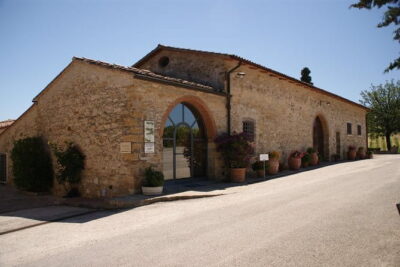
The last stop is a historic family-owned villa and winery. It offers a different mood from a working farm or hilltop tasting room, with views toward Florence and one of the area’s notable Italian gardens.
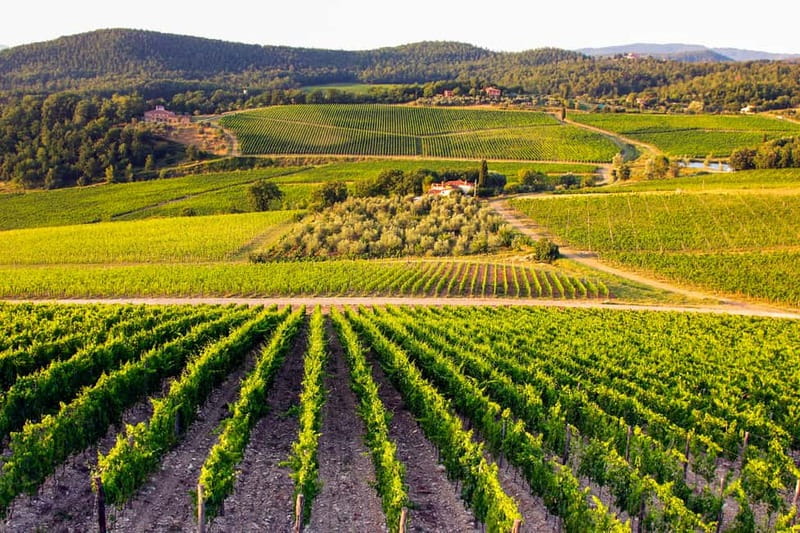
Here, the emphasis is on the family’s cultivation traditions and local products. You get another chance to taste wine, olive oil, and other regional goods, then compare this estate with the first two. That comparison is one of the strongest parts of the tour. You are not simply drinking the same bottle in three rooms. You are seeing how setting, family history, farming choices, and presentation shape the experience.
The final stop can also be the most scenic. If the weather is clear, the views are a major reward. Fog and rain can change the mood, but they do not cancel the tour. Dress for the forecast and wear shoes you can manage on uneven ground and stairs.
The cellars require some stair climbing. This tour is not suitable for wheelchair users or people with significant mobility limits. Children under 12 are not permitted, and pets are not allowed.
What the guide and driver add
The guide can make or break a day built around several hours in a vehicle. The strongest guides do more than announce the next stop. They connect Florence to the countryside, explain local wine customs, point out regional details, and keep the group comfortable.
Leo has been praised for humor, clear explanations, and strong relationships with winery staff. Jason is known for keeping conversation lively and helping strangers in the group get comfortable with one another. Jonathan has been described as personable and well informed, while Suzy and Matteo have also received praise for making the day easy and enjoyable.
Drivers matter too. The Chianti roads twist through the hills, and a smooth driver makes a real difference. Drivers such as Antonio, Francesco, Tony, Alex, and Irene have been singled out for safe, calm driving and friendly service.
You may not get one specific guide or driver, since staffing changes by departure. The important point is the guide’s role: expect a social day with plenty of explanation, not a silent transfer between wineries.
Transportation, group size, and pace
Transportation is by air-conditioned vehicle with Wi-Fi on board. Depending on the group, this may be a smaller bus or van rather than a large coach. That makes the roads more manageable and keeps the day more personal.
The full program lasts about eight hours. It includes travel time, three winery visits, lunch, and free time in Greve. The pace is active but generally not rushed. You will spend much of the day moving between stops, so this is not the right pick if you want to settle into one winery for an entire afternoon.
The winding roads are worth keeping in mind. The views are excellent, but sensitive stomachs may struggle. The route also means weather can affect what you see. On a sunny day, the hills and vineyard views are a major part of the payoff. In fog, the countryside takes on a softer, quieter feel. In rain, the experience becomes more about the wineries than outdoor views.
Is $175 a fair price?
I think the price is fair for the amount included. A day of private transportation through Chianti, three guided visits, several tastings, lunch, olive oil, balsamic vinegar, and a professional English-speaking guide would add up quickly if arranged separately.
The value is strongest if you do not want to drive. Renting a car may look cheaper on paper, but someone must avoid the wine, and you would need to reserve wineries and plan the route. This tour removes that work.
The value is weaker for experienced wine travelers who already know Chianti and want a slow, specialized tasting. You may find the explanations repetitive, and the standard lunch is designed for broad appeal rather than fine dining. White wine fans should also think twice, since the program centers on red wines.
The tour has a 4.9 rating from 1,746 reviews, which fits the experience described here: strong organization, attractive estates, generous food, and guides who add a lot of personality. A high rating does not mean every tasting will be your favorite, but it does suggest the overall package is dependable.
Practical tips for a better day
- Eat breakfast before meeting the group. The first tasting may happen early, and lunch comes later.
- Request the vegetarian menu when booking.
- Bring an identity card or passport.
- Wear shoes suitable for stairs and uneven winery grounds.
- Bring water and prepare for changing weather.
- If you are prone to motion sickness, plan ahead for winding roads.
- Expect mostly red wine made from Sangiovese.
- Bring a card or cash for optional purchases in Greve or wine purchases at the estates.
- Do not plan another tightly timed activity immediately afterward. The tour lasts eight hours, and traffic can affect the return.
The tour offers free cancellation up to 24 hours before departure, and you can reserve now and pay later. Those terms are useful if your Florence plans are still shifting.
Who should book this Tuscany tour?
Book it if you want a simple, well-organized way to see the Chianti countryside from Florence. It suits first-time visitors, couples, friends, solo travelers who enjoy meeting people, and anyone who wants wine without driving. It also works well for people who care as much about scenery, food, and local stories as they do about tasting notes.
Skip it if you need wheelchair access, are traveling with children under 12, dislike winding roads, or want an advanced wine seminar. You should also choose another experience if you strongly prefer white wine or want one long, quiet visit at a single estate.
For most visitors, I would book it. Three wineries give you useful contrast, Greve breaks up the tastings, and the lunch makes the price easier to justify. Go with an appetite, comfortable shoes, and realistic expectations about red wine. If you do, this is one of the easiest ways to trade Florence’s streets for Tuscany’s hills for a full day.
FAQ
Where does the tour meet in Florence?
Meet at Piazzale Montelungo, at the bottom of the highest red-brick building opposite the parking lot. Look for a red flag or the Prestige Rent sign. The meeting point is about an eight-minute walk from Florence Santa Maria Novella station.
Is hotel pickup included?
No. You must make your own way to the Piazzale Montelungo meeting point.
How many wineries will I visit?
The tour includes guided visits to three different organic wineries in the Chianti area.
What food is served at lunch?
Lunch typically includes cold cuts, cured ham, salami, cheeses, bruschetta, pasta, dessert, and wines from the winery. A vegetarian menu can be arranged if requested at booking.
Is the tour suitable for people with mobility impairments?
No. The tour includes stairs to access wine cellars and is not accessible for wheelchair users. Children under 12 are also not permitted.
Is the tour conducted in English?
Yes. The tour is conducted in English with an English-speaking driver and guide.
Newest wine reviews around Florence
- Wine Tasting Experience with Three Types of Tuscan Wine★ 4.9 · 47 reviews
- Florence: Art of Pasta Cooking Workshop with Food and Wine★ 5.0 · 69 reviews
- SMALL GROUP Tuscany Wine Tasting Safaris with Lunch / Dinner★ 4.9 · 321 reviews
- Wine Tasting Experience with Seven Types of Tuscan Wine★ 4.9 · 30 reviews
- Florence/Badesse: Tuscany Group Vespa Tour with Wine Tasting★ 4.4 · 56 reviews
- Florence: San Gimignano & Volterra Day Trip with Food & Wine★ 4.7 · 57 reviews
- ROMANTIC WINE TOUR FOR 2 – Wine Tour in Chianti (Tuscany)★ 5.0 · 27 reviews
- Private Flavors of Florence Walking Tour(Food&Wine Included)★ 4.8 · 46 reviews
Florence Wine Tours, compared.
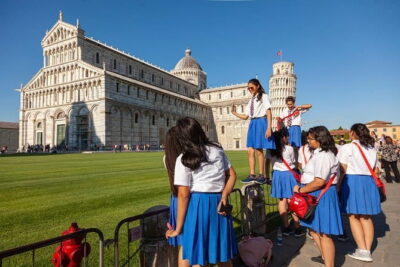
Tuscany Day Trip from Florence: Siena, San Gimignano, Pisa and Lunch at a Winery
Read our review →
Small-Group Wine Tasting Experience in the Tuscan Countryside
Read our review →
Pisa, Siena and San Gimignano Day Trip with Lunch & Wine Pairing
Read our review →
SMALL-GROUP Wine Safaris: Tuscan Wine Tasting Tours from Florence
Read our review →
Winner 2025 Florence Sunset Food & Wine Tour by Eating Europe
Read our review →
San Gimignano, Siena, Monteriggioni, Chianti Day Trip with Lunch & Wine Tasting
Read our review →Lists this tasting appears in