
Reviewed · HUNGARY WINE TOURS
From Budpaest: Páty Wine Village Tour with Tastings
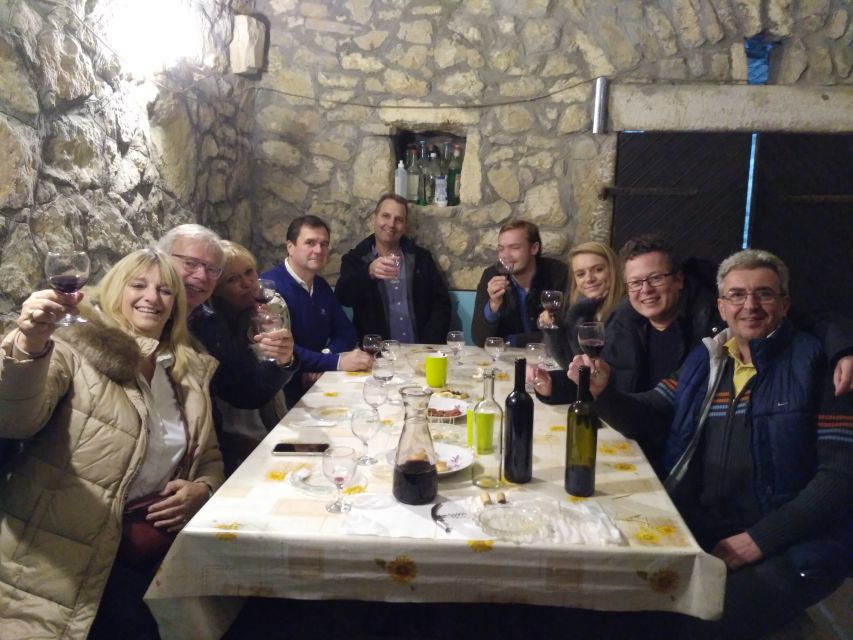
Páty’s wine cellars are the star of this short trip. Built as early as 1880 and set among peaceful countryside, they look more like small Hobbit burrows than polished modern wineries. I like that this is a real village wine experience, not a quick stop at a large commercial estate. I also like the chance to meet local winemakers and taste wines that rarely appear on a standard Budapest itinerary.
The main consideration is time. Three hours goes quickly, and the tour can run late in Budapest traffic. You visit one or two cellars, depending on the arrangement, so the exact number of wines and the balance between history, tasting, and food can vary.
Key points at a glance
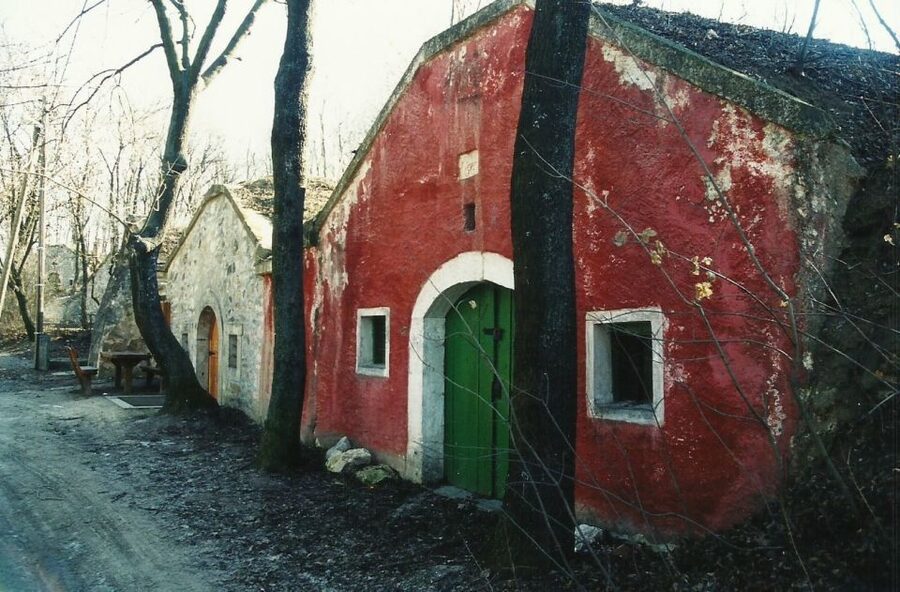
- Old cellar houses from around 1880: Páty’s low, earth-toned cellars have a storybook feel and are unlike Budapest’s usual sights.
- At least four wines at each cellar: A single visit includes a proper tasting, while two wineries can mean around eight wines.
- Miki leads the experience: He brings wine knowledge, Hungarian history, humor, and translation help when local producers do not speak English.
- Small groups of up to eight: The setting feels personal, with room for questions and conversation.
- Regional food with the wine: Expect olives, ham, sausages, and several cheeses from local farmers.
- A simple trip from central Budapest: Round-trip transport takes you from the meeting point at Al Habtoor Palace Budapest to the village and back.
Why Páty is worth leaving Budapest for
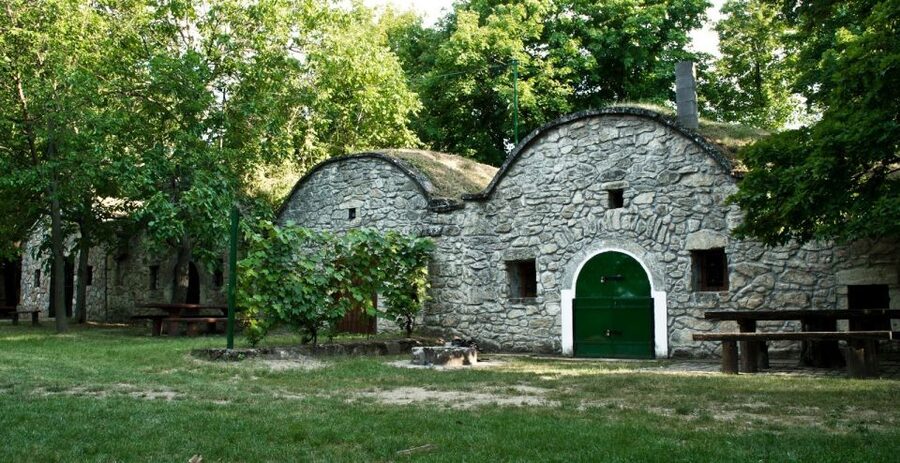
Budapest has plenty of wine bars, but a city tasting can only tell you so much about Hungarian wine. Páty lets you see the places where small producers store, age, and serve their bottles. The village is only about a 20-minute drive from Budapest in normal conditions, yet the setting feels far removed from the city.
The old cellars are the unusual part. They were built from the late 19th century and have a shape and setting found in this area. Some descriptions compare them to Hobbit burrows, which is a fair image: expect compact, rustic spaces rather than grand halls, stainless-steel showrooms, or rows of luxury guest facilities.
That difference matters. This is not a polished winery circuit designed around large tour buses. It is closer to a local introduction, with a guide helping you understand what you are seeing. You may hear about village wine traditions, small-scale production, and the place of Páty within Hungary’s wider wine culture.
The trip also gives you a short look at the countryside without committing a full day to a distant wine region. For a visitor with only a few days in Budapest, that is a useful balance. You get a change of scenery and a local food experience, then return to the city in time for an evening meal.
More Wine Tours in Hungary:
- Countryside Half-day Gastro-Wine Tour from Budapest Meal & pickup
★ 5.0 · 1,450 reviews - From Budapest: Half-Day Countryside Wine Tour with Meal
★ 4.8 · 657 reviews - Budapest: Wine, Cheese, and Charcuterie Tasting
★ 4.9 · 647 reviews
The ride from central Budapest
The meeting point is outside Al Habtoor Palace Budapest at Erzsébet tér 9-10. Arrive 10 minutes before departure. From there, round-trip transport takes you toward Páty, with Miki introducing Hungary’s 1,000-year wine tradition along the way.
The transfer is part of the value. You do not need to work out rural connections, find a taxi for the return journey, or decide who will drive after several tastings. The journey is short, though Budapest traffic can stretch the timing. One recent outing returned later than planned because of traffic, so avoid booking a tight museum visit, restaurant reservation, or train immediately after the tour.
The group is limited to eight people. That size suits this kind of activity. A cellar visit works better when everyone can hear the explanation, ask about a grape or bottle, and speak with the winemaker without being pushed along by a large crowd.
This is an English-language tour. Miki’s role goes beyond pouring wine. He explains the local setting, answers questions about Hungarian wine, and can help bridge the language gap with small producers. At least one cellar owner described in the tour material does not speak English, so having a guide who can interpret is important.
Inside Páty’s unusual wine cellars
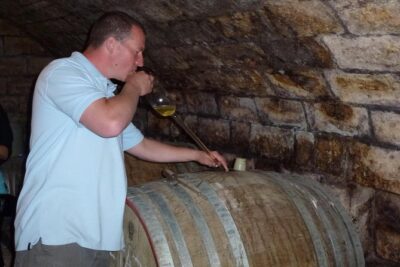
The cellar area is not just a backdrop for tasting. Its old structures are one of the main reasons to book this experience. You are seeing a form of local wine architecture rather than a generic tasting room that could be anywhere in Europe.
The cellars were built from around 1880, and the setting has been described as peaceful, wooded, and almost storybook-like. In autumn, the surrounding area can feel especially atmospheric. Winter adds a different mood, with snow making the small buildings and countryside feel even more removed from Budapest.
Do not expect a formal architectural tour with extensive access to every building. The focus is wine, producers, and conversation. Still, the cellar visit gives context that a bottle on a restaurant list cannot provide. You can understand that Hungarian wine is not only about famous Tokaji. The tour introduces wines from several parts of Hungary and shows how small producers fit into that wider picture.
One especially appealing detail is the chance, on some visits, to taste wine directly from the barrel. That kind of tasting is less predictable than a fixed commercial program, but it gives the experience a more personal, working-cellar character.
Meeting local winemakers
The tour may include one or two wineries. At each cellar, you taste at least four different wines and learn about the production from the people involved. The precise number of wineries depends on the day, but a two-cellar visit can provide about eight wines.
Meeting the makers is a major advantage. You are not simply handed a tasting sheet and left to compare colors and aromas. You can ask how the wines are made, what makes the local conditions different, and how a small producer approaches the work. The guide makes the conversation accessible, especially when the producer speaks little or no English.
One local winemaker, Bridget Bernard, has been connected with a family wine tradition, and the tour has included an introduction to her work. Another small producer makes only around 1,000 bottles a year. Those details show the scale of some of the places involved: you are not touring a factory that produces for every supermarket shelf.
Miki is repeatedly praised for making technical information easy to follow. He is described as a wine judge, wine journalist, and wine bar owner, and he brings broad knowledge of Hungarian wine as well as European winemaking. That does not mean the tour is aimed only at serious wine students. The tone is casual, with explanations for curious beginners and enough substance for people who already know a bit about wine.
Expect a mix of Hungarian varieties and styles. The available information does not promise a fixed wine list, so I would not book this expecting one particular grape or vintage. The strength is variety and local access, not a guaranteed menu.
Same region, a different bottle:
- Budapest Cooking Class & Market Tour with Local Guide & Wines
★ 5.0 · 553 reviews - Hungarian Wine Tasting (with Cheese and Charcuterie) in Budapest
★ 5.0 · 531 reviews - Budapest: Hungarian Wine Tasting with 8 Wines and Tapas
★ 4.9 · 446 reviews - Budapest Food Tour: Market to Tavern with 14+ Tasters & Wines
★ 5.0 · 434 reviews
What you taste, and how much food you get
The wine tasting includes at least four wines at each cellar. That is enough to make the experience educational rather than symbolic. You can compare styles, talk about food pairings, and start to understand what Hungarian producers are doing beyond the country’s best-known sweet wines.
The food is served as a tapas-style plate. It includes olives, ham, sausages, and different cheeses supplied by local farmers. This is not advertised as a full lunch, so I would eat a light meal before leaving Budapest if you tend to get hungry. The snacks should be enough to support the tasting, but the tour is built around wine rather than a large restaurant meal.
The regional food also serves a practical purpose. Wine is easier to appreciate when you can taste it with salty meats and cheese instead of sampling every glass on an empty stomach. You get a simple introduction to local flavors without adding a separate restaurant stop to a short itinerary.
Some individual visits have included homemade treats, such as cookies from a winemaker’s family. That kind of extra depends on the host and should be treated as a pleasant possibility, not a promised inclusion.
If you have dietary needs, tell the provider ahead of time. One participant received gluten-free bread, which suggests that requests can sometimes be accommodated, but the supplied tour details do not promise a particular menu for every dietary requirement.
Miki’s guiding style
The guide can make or break a wine tour, and Miki is central to this one. His approach is described as informed, funny, patient, and relaxed. He covers Hungarian wine, the village, cellar history, and broader wine ideas without turning the outing into a lecture.
I like that the tour appears to leave room for questions. You can ask about a wine, a region, Hungarian customs, or even Budapest itself. That flexibility is useful for people who are interested in more than tasting notes.
Miki also runs a wine bar and shop called Wine the Gap. Several participants chose to visit it afterward. You do not need to add that stop for the Páty tour to work, but it may be useful if you want more Hungarian wine after returning to Budapest.
The guide’s enthusiasm is a clear strength, but it also shapes the experience. This is a host-led outing rather than an anonymous, tightly timed package. If you prefer silent tastings, formal service, and a fixed schedule, the informal style may feel less structured than you expect.
Is $93 a fair price?
At $93 per person, the price is reasonable if you value access and transport rather than simply counting wine glasses. The fee covers a three-hour round trip from central Budapest, a small group of no more than eight, at least four wines at each cellar, local food, and an English-speaking guide who handles the cultural and production background.
A cheaper city tasting might give you more pours in a shorter time, but it will not necessarily take you to a historic village or put you in front of a small producer. A full-day wine region trip could offer more vineyards, but it would require much more time and usually a longer transfer.
The value is strongest for people who want a distinctive half-day-style outing without giving up a whole day. It is also good for couples and small groups who want an experience that feels less commercial. The price is less compelling if your only aim is to drink as much wine as possible, since the activity includes transport, history, scenery, and conversation as much as the tasting itself.
Remember that the exact number of cellars can vary. One cellar means at least four wines. Two can mean around eight. I would view the second winery as a bonus rather than assuming it is guaranteed.
Who will enjoy this most?
I would recommend the tour to:
- Wine beginners who want a friendly introduction to Hungarian bottles.
- Experienced wine drinkers looking for small producers and less familiar regions.
- Couples seeking a relaxed activity outside the city center.
- Visitors who want countryside scenery without arranging a full day trip.
- Anyone curious about local food, cellar architecture, and village traditions.
- Adults who enjoy conversation and do not need a tightly scripted tour.
It is not suitable for children under 18. It may also be a poor match if you need a fully accessible, highly formal, or strictly timed experience, since no accessibility details are provided and the tour can run over its planned duration.
Practical details before you book
The activity lasts three hours, but leave extra time afterward for traffic. The return point is the same central Budapest meeting location, outside Al Habtoor Palace Budapest.
The tour requires at least two participants. If that minimum is not reached, an alternative date is offered. You can cancel up to 24 hours ahead for a full refund, and the reserve-now, pay-later option keeps your plans flexible.
Wear something comfortable for a countryside cellar visit. The supplied details do not specify walking distance or cellar conditions, so avoid treating this like a dressy restaurant tasting. You may also want room in your luggage if you decide to buy a bottle, though bringing wine home depends on your flight and baggage arrangements.
Book with an open mind about the wine list. The experience is about discovering Hungarian wine through local people, not ticking off a famous label.
Should you book the Páty wine tour?
Book it if you want to see a less familiar side of Budapest and enjoy wine in a small, personal setting. The old Páty cellars, local producers, regional meats and cheeses, and Miki’s engaging guidance give the outing a clear sense of place.
I would skip it only if you want a large estate, a guaranteed list of wines, a full meal, or a perfectly fixed three-hour schedule. For everyone else, the combination of easy transport, unusual cellar architecture, and direct contact with winemakers makes this one of the better short escapes from Budapest.
FAQ
Where does the Páty wine tour start?
It starts outside Al Habtoor Palace Budapest at Erzsébet tér 9-10, 1051 Budapest. You should arrive 10 minutes before the activity begins.
How long does the tour last?
The scheduled duration is three hours. Allow extra time after the tour because Budapest traffic can delay the return.
How many wines will I taste?
You will taste at least four different wines at each cellar. The tour visits one or two local wineries, so a two-cellar visit may include around eight wines.
Is transport from Budapest included?
Yes. Round-trip transfers from the central Budapest meeting point to Páty and back are included.
Is the tour suitable for children?
No. The activity is not suitable for children under 18.
What happens if there are not enough participants?
The tour requires at least two participants. If that minimum is not reached, an alternative date will be offered.
Newest wine reviews around Hungary
- Private Wine Tasting in Budapest★ 5.0 · 107 reviews
- Evening Wine, Cheese, & Charcuterie Tasting in Budapest★ 5.0 · 121 reviews
- Budapest Unlimited Prosecco and Wine Cruise Day or Sunset Option★ 4.0 · 50 reviews
- Food and Wine Tasting in Budapest City Center with Sommelier★ 5.0 · 57 reviews
- Szentendre and Visegrad Private Danube bend Tour With Wine Tasting and Lunch★ 4.5 · 52 reviews
- Budapest Food Tour: Market to Tavern with 14+ Tasters & Wines★ 5.0 · 434 reviews
- Budapest Half-Day Wine Tour: 3 Family Wineries, Meal & Pálinka★ 5.0 · 38 reviews
- Palace District Evening Culinary, Wine, and History Walk★ 5.0 · 55 reviews
Hungary Wine Tours, compared.
Countryside Half-day Gastro-Wine Tour from Budapest Meal & pickup
Read our review →

Budapest Cooking Class & Market Tour with Local Guide & Wines
Read our review →

Budapest Food Tour: Market to Tavern with 14+ Tasters & Wines
Read our review →

Lists this tasting appears in