
Reviewed · BORDEAUX WINE TOURS
Bordeaux: Cité du Vin Entry Ticket and Wine Tasting
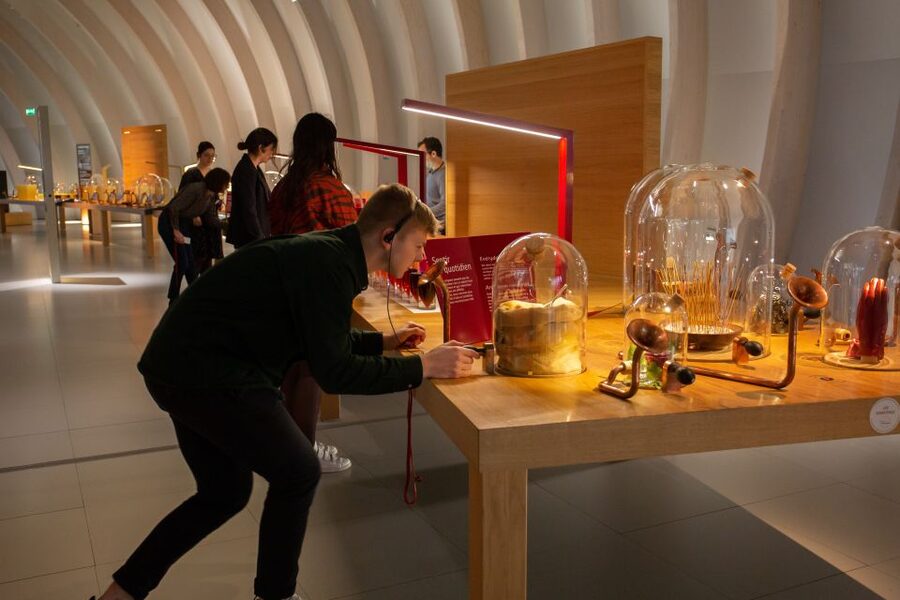
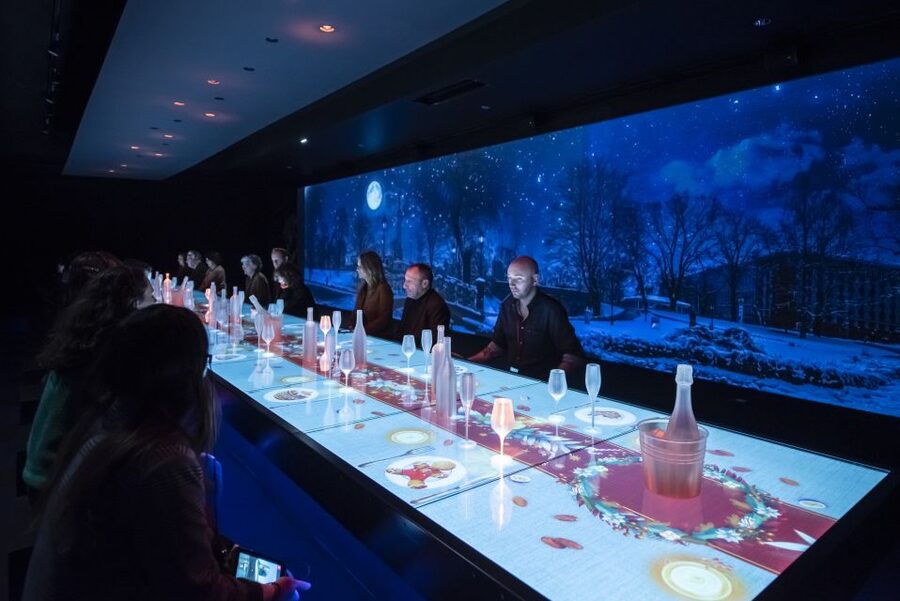
Bordeaux’s Cité du Vin is far more than a museum of French bottles. Its 18 themed spaces explain how wine is grown, made, traded, served, and understood across the world, using scent stations, films, touchscreens, sound, and large visual displays. I especially like the sensory section and the freedom to set your own pace.
The two best parts are the multilingual digital guide, which lets you choose how much detail you want, and the final glass of wine on the 8th-floor belvedere. The main caution is simple: this is not a quick one-hour stop. You can rush through in 90 minutes, but two to three hours is a far better plan, and serious wine fans may stay four or five.
Key points to know before you go
- 18 interactive displays: Learn about vineyards, winemaking, trade, culture, and wine customs around the world.
- A sensory section worth slowing down for: Smell, sight, sound, and touch are used to explain how we experience wine.
- Digital guide in eight languages: Choose Chinese, Dutch, English, French, German, Italian, Spanish, or Portuguese.
- One wine at the 35-meter belvedere: Select from a changing group of about 15 wines while looking across Bordeaux.
- Plan at least two hours: The exhibition is flexible, but there is a lot to see and some stations can take time.
- The $27 ticket is good value for a full visit: It includes the permanent exhibition, guide, viewpoint, and tasting, but not workshops or temporary exhibitions.
Why Cité du Vin is more than a wine museum
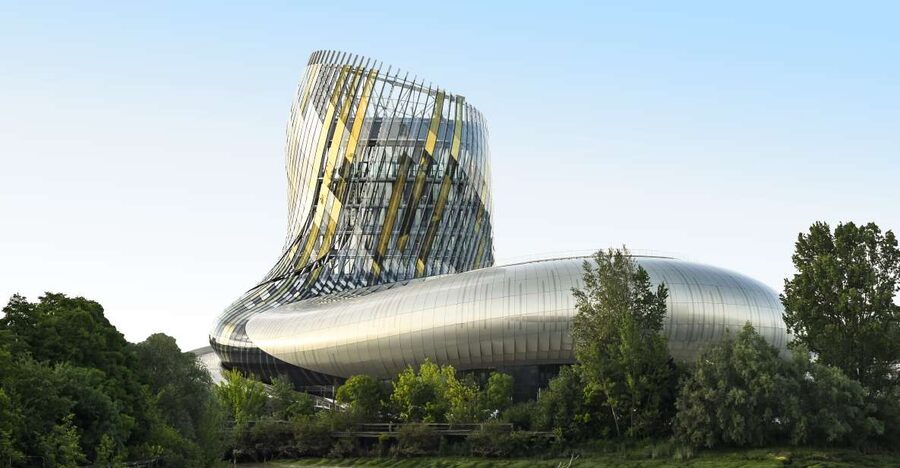
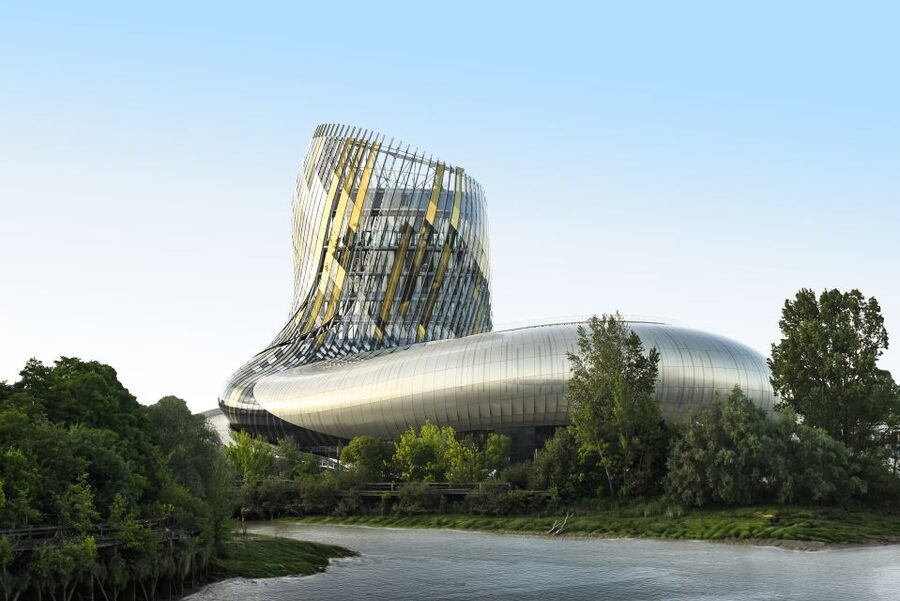
The building’s purpose is clear from the start. Cité du Vin treats wine as part of world culture, not just as a product from Bordeaux. You learn about grapes and barrels, but also about trade routes, rituals, food, farming, geography, and the way wine appears in art and daily life.
That broad approach makes the museum useful even if you are not already a wine expert. I would not reserve this only for people who can explain tannins or identify a vintage blind. The displays are designed for beginners, and the information is broken into small pieces rather than delivered as one long lecture.
The museum also avoids forcing you along a strict route. You scan individual points with the digital guide, then decide where to go next. If one station is crowded, you can move on and return later. That flexibility matters, though it can also create small bottlenecks when several people want to use the same interactive feature.
More Wine Tastings in Bordeaux
- From Bordeaux: Afternoon Saint-Emilion Wine Tasting & snack
★ 4.8 · 1,581 reviews - Medoc or Saint Emilion Wine Tasting and Chateau from Bordeaux
★ 5.0 · 1,415 reviews - Saint Emilion Day Trip with Sightseeing Tour & Wine Tastings from Bordeaux
★ 5.0 · 1,120 reviews
Entering on the second floor
The ticket saves you a trip to the ticket desk. Instead of starting at the reception area downstairs, go directly to the second floor and scan your voucher.
This is direct entry, not a special priority lane. You still enter with the normal flow of museum visitors, but you avoid the extra step of collecting a ticket. Keep your passport or ID card with you, since it is listed as a required item.
Once inside, collect or use the digital guide and give yourself a moment to understand how it works. The system is designed to let you tap or scan individual exhibits. That means you can select the subjects that interest you rather than listening to every piece of narration.
The guide is available in eight languages: Chinese, Dutch, English, French, German, Italian, Spanish, and Portuguese. This is a real advantage for families or mixed-language groups, especially because wine vocabulary can become hard to follow in a second language.
The first displays: wine around the world
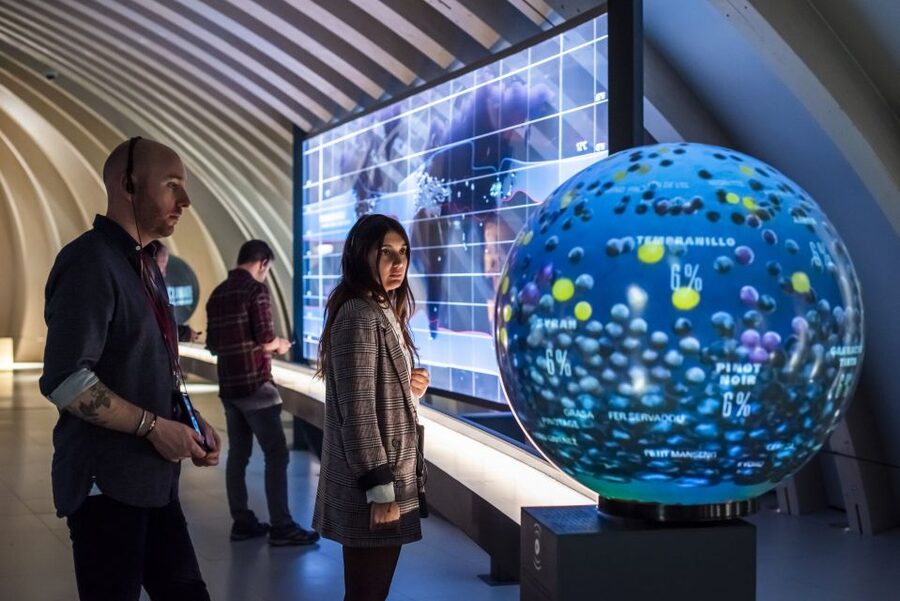
The exhibition begins with the big picture. Wine is presented as a worldwide subject, not simply a Bordeaux specialty. You move through material about vineyards in different parts of the world and see how climate, land, methods, and local traditions affect the finished drink.
This international focus is one of the museum’s strongest features. Bordeaux is an important wine city, but Cité du Vin does not suggest that French wine is the whole story. You get a wider view of how wine is made and enjoyed in different places.
For a beginner, this section helps put familiar ideas into order. You can learn what happens in a vineyard, how grapes become wine, and why production varies from one region to another. For a wine enthusiast, the value is in the comparisons and the cultural setting.
The amount of material can feel heavy if you try to read and listen to everything. I recommend choosing a few themes that appeal to you. You do not need to complete every station for the museum to make sense.
The sensory displays are the museum’s high point
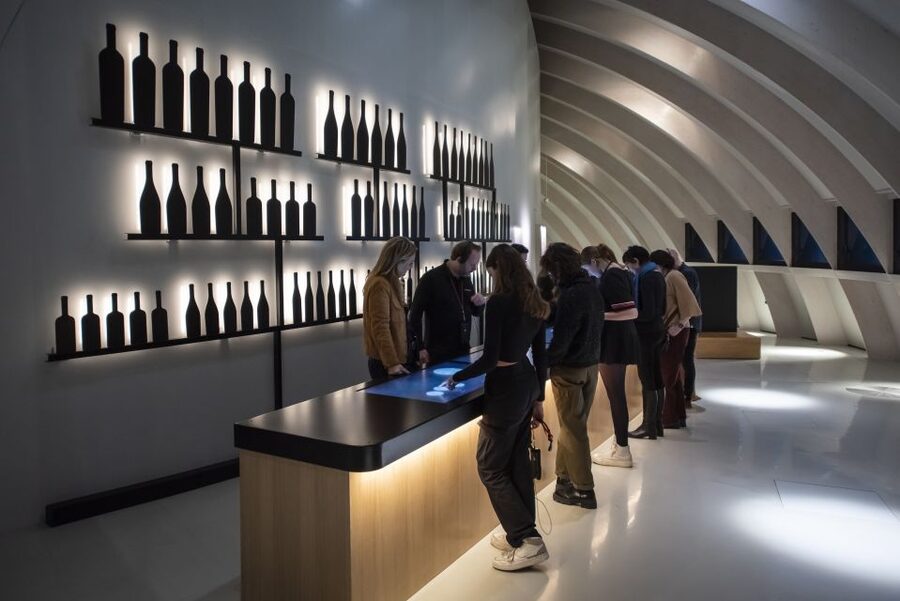
The sensory area is where the visit becomes most memorable. Instead of treating wine as a list of technical terms, the displays ask you to consider how sight, smell, sound, and touch shape your response.
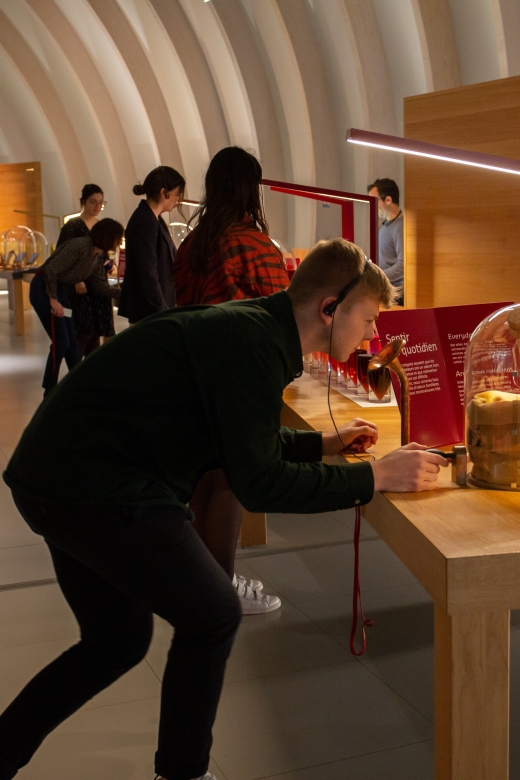
The aromatic stations are especially useful. They give you a way to think about smells that can seem strange during a formal tasting. Notes such as rubber, fruit, wood, or flowers become less mysterious when you encounter them in a clear, hands-on setting.
This part is also good for people who worry they have a poor nose or lack wine experience. You are not being tested. The displays show that tasting is partly about memory, association, and attention.
There is a practical drawback. Many of the stations require participation, so people can gather around the most popular features. On a busy day, you may need to wait or return later. The museum’s open layout helps, since you are not stuck behind one slow-moving group.
More Wine Tastings in France
- Saint Emilion Half-Day Trip with Wine Tasting & Winery Visit from Bordeaux
★ 4.5 · 1,034 reviews - From Bordeaux: Half-Day Saint-Émilion Tour and Wine Tasting
★ 4.7 · 699 reviews - Saint-Emilion Electric Bike Day Tour with Wine Tastings & Lunch
★ 5.0 · 696 reviews - Bordeaux Wine and Trade Museum Admission Ticket with Wine Tasting
★ 4.5 · 599 reviews
Learning how wine is made
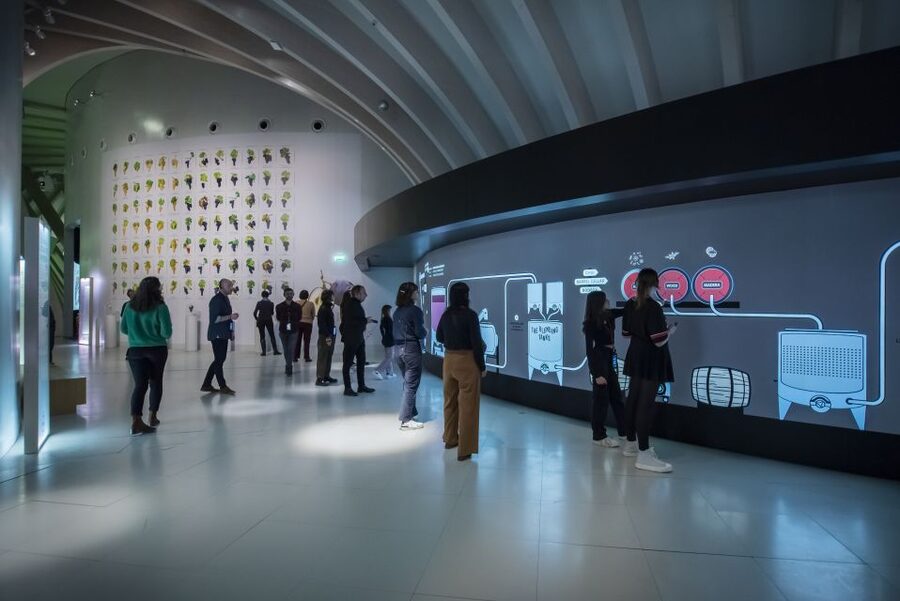
The winemaking displays explain the process in a way that keeps the subject moving. Large screens, films, and interactive elements show the work behind a bottle, from vineyard care to production and presentation.
This is where the museum earns its place in Bordeaux. You begin to understand that a bottle reflects far more than grape variety. Farming choices, weather, soil, production methods, storage, and local practice all shape the result.
You can also see why wine production is complicated. A polished bottle on a restaurant table hides a long chain of decisions and labor. The museum presents that process without assuming you already know the terms.
I like this section for a first visit to a wine region. It gives you useful background before a vineyard tour, cellar visit, or tasting elsewhere in the Bordeaux area. Afterward, you will have a better idea of what to listen for when someone explains a vintage or a production method.
How long should you stay?
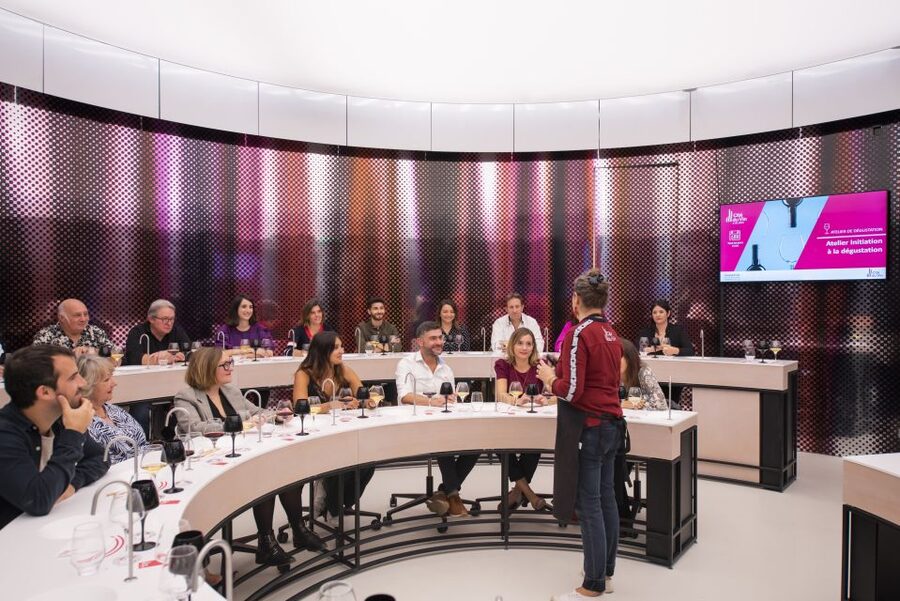
The advertised visit can take about three hours, but your timing depends on how much you use the interactive stations. A quick pass may take 90 minutes to two hours. A careful visit can take four or five hours.
I would set aside at least two and a half hours if this is your first visit. That gives you time for the main displays, the sensory area, the belvedere, and the tasting without turning the whole thing into a race.
Families may need more time because children can spend longer at the hands-on features. The museum can also work well for a mixed-age group, since adults can listen to deeper explanations while younger visitors focus on images and activities.
Bring patience for the guide system. At some stations, audio may not restart instantly for every person, which can slow things down when several people arrive together. If someone in your group uses a hearing aid, check the audio connection early. One visitor found that the headphones did not connect properly, so having the narration played openly was the backup.
The belvedere and the included glass of wine
The visit finishes on the 8th floor, where the 35-meter-high belvedere gives you a 360-degree view of Bordeaux and the surrounding area. This is not just a bonus room. It gives you a useful sense of the city after spending hours thinking about its wine culture.
You also receive one glass of wine from a selection of about 15 wines. The selection changes, and the exact number may vary, but the point is choice rather than a fixed pour. You can select a wine that interests you instead of being handed the same glass as everyone else.
The tasting is a pleasant ending, but keep your expectations in line. This is one included glass, not a guided tasting workshop. There is no promise of a long lesson on aroma, food pairing, or production for each wine.
That distinction matters. If you want a formal tasting with detailed instruction, you can book a separate workshop for an additional charge. The standard ticket works best if you want a broad museum visit plus a chance to taste one wine with a great view.
The order of the final stop makes sense. You have spent time learning about wine, then you can pause with a glass and think about what you have seen. It is also a good place to rest before heading back into the city.
What the $27 price includes
At $27 per person, this is not the cheapest museum ticket in Bordeaux. But the price covers a substantial visit: direct entry, the full permanent exhibition, a digital guide, the belvedere, and one glass of wine.
I consider it good value if you will stay two to three hours. The cost becomes less attractive if you plan to rush through in under an hour or if your main goal is only the view and tasting.
The ticket does not include temporary exhibitions or wine-tasting workshops. Those are separate experiences, so check what you want before booking. The standard ticket is an introduction to wine culture, not a specialist class.
There are also several ways to extend the visit without buying another attraction ticket. You can browse the boutique, look through the international wine cellar, visit the reading room, or eat at one of the restaurants. A restaurant on the 7th floor offers a panoramic setting.
Practical details that affect your visit
Cité du Vin is wheelchair accessible. The digital guide is available in eight languages, which makes the museum easier to use for international visitors and families.
The ticket is valid for one day, with starting times based on availability. You can cancel up to 24 hours in advance for a full refund, and the booking option allows you to reserve now and pay later. Those policies are useful if your Bordeaux plans are still moving around.
The museum closes at 4 PM on December 24. That holiday exception is easy to miss, so plan an earlier visit if you are in Bordeaux that day.
I would also avoid arriving just before closing. The building may allow entry, but the permanent exhibition rewards unhurried exploration. Start early if you want to read, listen, and try the sensory displays without watching the clock.
Who will enjoy Cité du Vin most?
I recommend this experience to:
- First-time wine visitors who want clear background before visiting vineyards
- Experienced wine drinkers who enjoy cultural context and international comparisons
- Families with older children who like hands-on museum displays
- Visitors looking for a weather-proof activity in Bordeaux
- People who want a city view paired with a single wine tasting
- Anyone who prefers self-guided visits over a fixed group tour
It may be less suitable if you want a traditional French cellar visit, a small-group guide, or several detailed tastings. You will get more explanation of wine as a subject than personal contact with a producer.
The museum is also not ideal for someone who dislikes screens, audio devices, or interactive displays. Its modern presentation is the point. If you prefer quiet galleries and objects in glass cases, this may feel busy.
Should you book the Cité du Vin ticket?
Yes, if you are spending at least two days in Bordeaux and want to understand why wine matters to the city and to many other cultures. The museum is especially useful before a vineyard excursion, since it gives you vocabulary and context without requiring prior knowledge.
Book it if the $27 price fits your budget and you value a flexible visit, a multilingual guide, and the combination of exhibits, tasting, and views. Skip it only if you have very limited time or mainly want a formal wine class. For most visitors, the permanent exhibition and belvedere make this one of Bordeaux’s better indoor stops.
FAQ
How much does the Cité du Vin entry ticket cost?
The listed price is $27 per person. It includes the permanent exhibition, digital guide, belvedere access, and one glass of wine.
How long does the visit take?
Plan around three hours for a comfortable visit. You can move through in 90 minutes to two hours, while a detailed visit may take four or five hours.
What does the ticket include?
It includes direct entry to Cité du Vin, access to the 18 themed permanent exhibition spaces, a digital guide, the 8th-floor belvedere, and one glass of wine from a selection of about 15 wines.
Is the wine-tasting workshop included?
No. The ticket includes one glass of wine, but tasting workshops and temporary exhibitions cost extra.
Where do I enter with a prepaid ticket?
Go directly to the second floor and scan your voucher. You do not need to queue at the reception desk downstairs.
Is the ticket a priority-entry ticket?
No. It does not give priority over other visitors. It saves you a visit to the ticket desk.
Which languages are available for the digital guide?
The guide is available in Chinese, Dutch, English, French, German, Italian, Spanish, and Portuguese.
Is Cité du Vin wheelchair accessible?
Yes, the experience is wheelchair accessible.
What should I bring, and are there special closing times?
Bring a passport or ID card. Cité du Vin closes at 4 PM on December 24, so plan your visit earlier on that date.
Newest wine reviews around Bordeaux
- Saint Emilion Full Day Wine and Bike Tour★ 5.0 · 167 reviews
- Private Bordeaux History Tour with a glass of Bordeaux wine.★ 5.0 · 28 reviews
- Private – Best of Bordeaux Walking Tour + Glass of Bordeaux Wine★ 5.0 · 240 reviews
- Medoc Afternoon Wine Tour – 2 Wineries, tastings & delicacies★ 4.5 · 74 reviews
- Luxurious full day Bordeaux wine tour in a Tesla★ 4.5 · 31 reviews
- Bordeaux wines tasting workshop including Food & Wine pairings★ 5.0 · 31 reviews
- Wine Masterclass & Cheese Tasting Workshop in Bordeaux★ 5.0 · 29 reviews
- Discovery of the Bordeaux vineyard in 3 wines★ 5.0 · 133 reviews
Bordeaux Wine Tours, compared.

River Garonne Cruise with Glass of Wine and Canelé
Read our review →
Afternoon Saint-Emilion Wine Tasting & snack
Read our review →
Medoc or Saint Emilion Wine Tasting and Chateau from Bordeaux
Read our review →
Saint Emilion Day Trip with Sightseeing Tour & Wine Tastings from Bordeaux
Read our review →
Saint-Emilion Electric Bike Day Tour with Wine Tastings & Lunch
Read our review →
Saint-Emilion Afternoon Wine Tour – 2 Wineries & delicacies
Read our review →Lists this tasting appears in