
Reviewed · BUDAPEST WINE TOURS
Budapest Food Tour: Wine, Foie Gras & 20+ Tastings
Budapest’s best food lesson may begin with a bite of goose liver and end with a bowl of goulash. This three-hour tour moves from the Central Market Hall to Váci Street and Ferenciek tere, mixing market shopping, street food, wine, and a full Hungarian meal. Guide George keeps the focus on what locals eat, not just what looks good in a shop window.
I like the small maximum group of 12, which gives George room to answer questions and adjust the pace. I also like the sheer range: cold cuts, pickles, pálinka, three foie gras preparations, lángos, chimney cake, wine, goulash, and palacsinta. The main consideration is that this is a food-heavy three hours, so arrive hungry and expect a lot of walking and several alcoholic tastings.
Key points to know before booking
- 20-plus tastings in about three hours: This is a serious meal disguised as a walking tour.
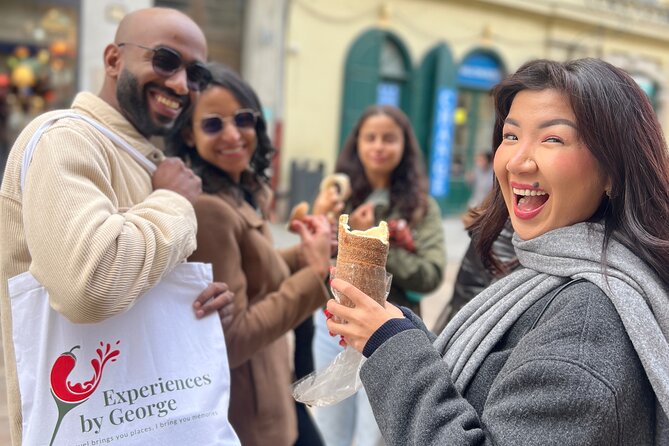
- George leads the English tour: Look for the bald guide with the cool beard and the white Experiences by George bag outside the Central Market Hall.
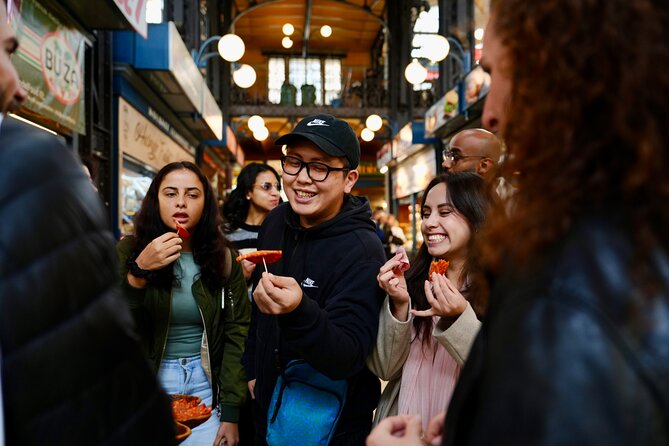
- The Central Market Hall sets the tone: You taste local cold cuts, pickles, and pálinka while learning about vendors and the market.
- Foie gras is a special feature: You get three in-house bites made with locally sourced Hungarian goose liver.
- The tour ends with a full meal: Wine, goulash, and two styles of palacsinta finish the route at Ferenciek tere.
- The price is $70.78 per person: With lunch, drinks, snacks, and a small group included, the value is strongest for hungry first-time visitors to Budapest.
Starting at Budapest’s Central Market Hall
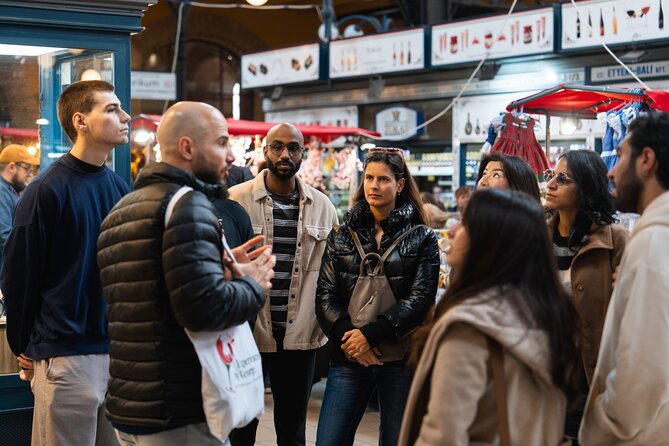
Meet outside the main entrance of the Central Market Hall in Budapest’s District IX. The meeting point is easy to identify if you watch for George’s white Experiences by George bag. He uses the first few minutes for introductions and a quick briefing before leading you inside.
The market is a fitting place to begin. It gives you an immediate look at the ingredients behind Hungarian cooking instead of starting with a restaurant meal removed from daily life. George introduces the vendors, explains the market’s past, and points out the local suppliers used by people who shop here regularly.
I appreciate this approach because it gives each tasting a place and a story. You are not simply handed a sample of sausage or a pickle. You learn what it is, where it comes from, and why it belongs in Hungarian food culture. The market portion lasts about 45 minutes after the brief introduction.
The setting also helps you understand Budapest’s food habits at a glance. You will see the difference between a place aimed at visitors and the stalls used by local shoppers. That distinction matters in a city where famous food streets can sometimes offer a more polished version of local cooking.
Expect the first samples to include artisanal cold cuts, house pickles, and pálinka, Hungary’s traditional fruit spirit. Pálinka can be potent, so pace yourself. It is one of the alcoholic drinks included in the tour, but you do not need to treat every pour like a full drink.
More Food Experiences in Budapest:
- Budapest Food Tour: Market to Tavern with 14+ Tasters & Wines
★ 5.0 · 434 reviews - Budapest: Food Tour Market to Tavern: 14+ Tasters & Wines
★ 4.9 · 375 reviews - Budapest Tipsy Food Tour with Wines, Small Group & Local Guide
★ 5.0 · 234 reviews
The Central Market Hall tasting route
This part of the tour is more than a quick lap through the market. George takes you to local suppliers and introduces you to the people behind the food. The family stories add a human touch, while the market history gives context to the building and its role in Budapest.
The 45-minute timing is useful. You get enough time to taste and ask questions, but you will not spend the entire morning or afternoon inside. The tour is designed to keep moving, so wear comfortable shoes and be ready to stand while eating.
One strength here is variety. Cold cuts give you a savory start, pickles cut through the richness, and pálinka changes the pace. You also get an early look at the flavors that return later in the tour: rich meats, sour cream, cheese, fruit spirits, and hearty dishes.
The drawback is simple: a market tour can feel crowded or noisy, especially when several groups are present. You also may want more time to shop independently. This experience is built around tasting and explanation, not a long pause for browsing every stall.
Three foie gras bites on Váci Street
From the market, the route continues toward Váci Street for an exclusive foie gras tasting. This is one of the more unusual parts of the experience. You receive three different bites prepared in-house by the owner, using locally sourced premium Hungarian foie gras.
Foie gras is a major point of distinction here. Many Budapest food tours cover goulash, paprika, and pastries, but this stop gives you a chance to try a luxury ingredient in several forms. The three preparations let you compare texture and flavor instead of tasting one rich bite and moving on.
I would especially value this stop if you want to understand the range of Hungarian cooking. The country’s food is not only rustic stews and street snacks. It also includes refined ingredients and careful preparation, and the foie gras tasting shows that side without taking over the whole tour.
Rich food arrives early, though, and that affects the rest of the afternoon. If you are sensitive to heavy dishes, use the pickles and water to keep your palate fresh. Bottled water is included, which helps between the salty, fatty, sweet, and alcoholic samples.
Gellért Hill views and Budapest’s dramatic past
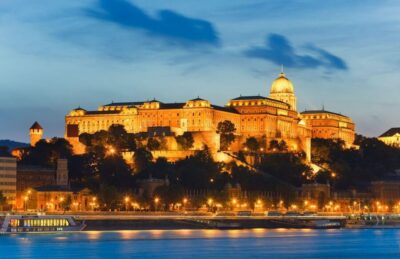
The experience also includes a stop connected with Gellért Hill, one of Budapest’s best-known viewpoints. You hear the story of Saint Gellért, whose martyrdom gave the hill its name, while taking in broad views over the city.
The supplied timing does not give a separate duration for this section, so the exact amount of time here may depend on the day’s pace. Treat it as a short sightseeing break within a food-focused route rather than a full hill walk or a dedicated city tour.
This pause matters because it breaks up the eating. Budapest makes more sense when you connect its food with its streets, hills, and difficult past. George also points out traces of the 1956 Hungarian Revolution later along Váci Street, including buildings that still show bullet holes.
I would not book this experience mainly for sightseeing. The food is the center of the tour, and the historical commentary is an added layer. Still, the viewpoint and the stories keep the route from becoming a series of unrelated restaurant stops.
More Wine Tours in Budapest:
- Countryside Half-day Gastro-Wine Tour from Budapest Meal & pickup
★ 5.0 · 1,450 reviews - From Budapest: Half-Day Countryside Wine Tour with Meal
★ 4.8 · 657 reviews - Budapest: Wine, Cheese, and Charcuterie Tasting
★ 4.9 · 647 reviews - Budapest Cooking Class & Market Tour with Local Guide & Wines
★ 5.0 · 553 reviews
Lángos, Budapest’s favorite street food
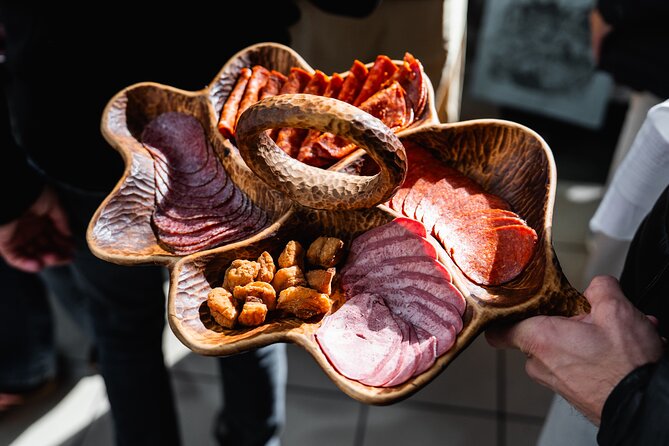
Back on Váci Street, you get lángos, freshly fried and topped in the local style with garlic, sour cream, and cheese. This is the kind of food that makes sense as part of a walking tour: hot, filling, simple, and best eaten soon after it comes out of the fryer.
Lángos is Hungary’s most famous street food, and the toppings here are the classic combination. Garlic brings sharpness, sour cream cools it down, and cheese adds another layer of salt and richness. It is not delicate food, and it is not meant to be.
The tasting lasts about 20 minutes. That is enough time to eat and hear about Budapest’s street-food habits without turning the stop into another full restaurant meal. Even so, you will have to save room. The tour still includes chimney cake, goulash, pancakes, and wine.
Váci Street itself can feel more commercial than the market. It is Budapest’s best-known pedestrian avenue, lined with shops, vendors, and restaurants. The useful part of walking it with George is learning to look beyond the shopping frontage. Bullet holes from the 1956 Hungarian Revolution remain visible on some buildings, quiet reminders of the city’s recent past.
Warm chimney cake with a sweet finish
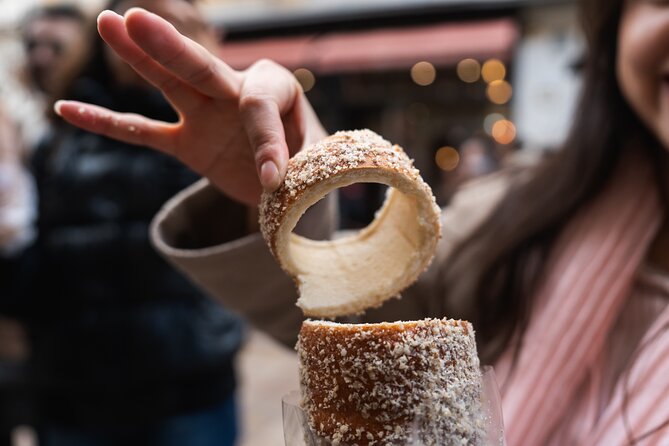
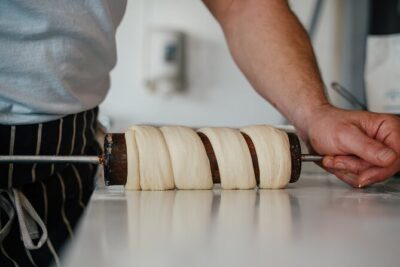
The next tasting is chimney cake, served warm and rolled in sugar, cinnamon, or walnuts. You can take a photo while it is still steaming, but eat it before the heat disappears. The appeal is partly the texture and partly the smell of the fresh pastry.
George also explains the dessert’s place in Hungarian food culture. This gives the stop more value than simply buying a sweet from a street stand. You learn why it is so popular and how the familiar toppings change the flavor.
The stop lasts about 15 minutes. After the savory market food, foie gras, and lángos, the sugar and cinnamon offer a clear change of direction. The walnut option should appeal to anyone who prefers a more earthy finish.
This is another point where appetite matters. You are not choosing one dessert after dinner. You are tasting it as part of a long sequence, so smaller bites are your friend. If you eat everything quickly at every stop, the final meal may feel like a challenge rather than a pleasure.
Wine, goulash, and palacsinta in Ferenciek tere

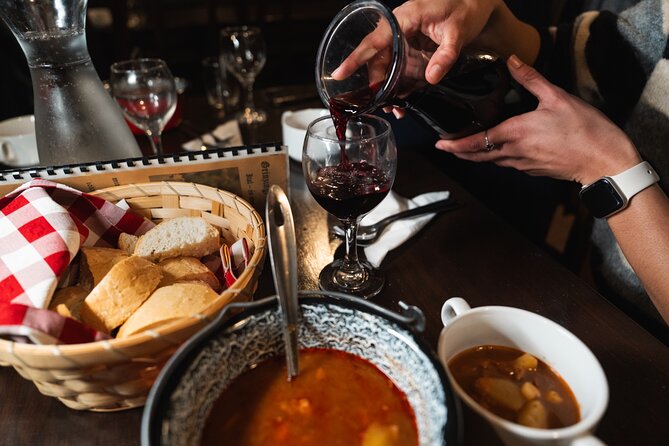
The tour ends at an authentic local restaurant near Ferenciek tere. This final stop lasts about 40 minutes and includes Hungarian wines, a bowl of traditional beef goulash, and palacsinta, Hungarian crêpes, in two classic flavors.
The wine portion comes with a quick introduction to Hungary’s key wine regions and grapes. You taste wines that locals actually drink, rather than treating the stop as a formal wine lecture. Non-alcoholic options are available, so you can still take part if you do not drink.
The goulash is the point where the tasting tour becomes lunch. After small portions and snacks, you get a hearty bowl of a classic Hungarian dish. That makes the $70.78 price easier to assess: you are not paying only for samples, but also for a sit-down meal, drinks, and guidance through several food traditions.
Palacsinta closes the meal with two classic flavors. Hungarian crêpes are lighter than the goulash but still make a substantial ending after everything that came before. I like this final stop because it gives the tour a proper finish instead of sending you away after one last pastry.
The restaurant setting is also practical. You end at Ferenciek tere, a central Budapest location, rather than returning to the market. Plan the rest of your day from there. You may be full enough to skip dinner.
What the $70.78 price really buys you
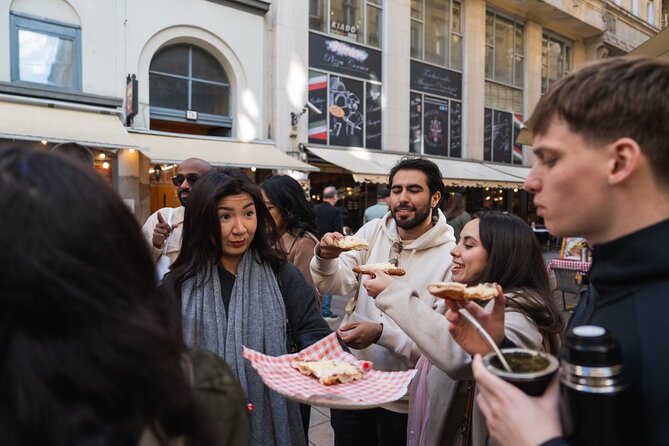
At $70.78 per person, the tour is not the cheapest way to sample Hungarian food. You could buy individual snacks for less, especially if you are happy to choose items without explanations or a planned route.
The value comes from the combination. In roughly three hours, you receive market tastings, alcoholic drinks, bottled water, lunch, a dedicated foie gras stop, street food, dessert, wine, and historical context. You also avoid the guesswork that comes with choosing unfamiliar dishes on your own.
The small-group limit of 12 improves the value. A group this size is still social but should be easier to manage than a large coach-style food tour. The experience can also be tailored more closely when the group is tiny. One particularly small group had only three people, allowing George to adjust the tour and offer additional Budapest suggestions.
You should still compare the tour with your own appetite and interests. If you mainly want a market visit, you may be paying for more food than you need. If you want a guided introduction to Hungarian dishes and do not mind eating several times in one afternoon, the cost is reasonable.
Who will get the most from this tour
I would recommend this for a first visit to Budapest, especially if you want to get your bearings through food. It covers familiar standards such as goulash and lángos, but also introduces less obvious choices such as foie gras, pálinka, local wine, and market-sourced cold cuts.
It suits people who like a full meal spread across several stops. It also works well for couples, small groups of friends, and solo visitors who prefer the structure of a guided experience. The English-language format makes it straightforward for international visitors.
You should think twice if you dislike rich food, avoid alcohol, or prefer a slow, quiet meal. Non-alcoholic options are available, but alcohol is part of the experience. The pace also leaves little room for a long coffee break or independent shopping.
Most travelers can participate, service animals are allowed, and the route is near public transportation. The tour uses a mobile ticket and confirms your booking at the time of purchase. Free cancellation is available up to 24 hours before the start time. Changes or cancellations made later do not qualify for a refund.
Should you book the Budapest food tour?
Book it if you want one energetic introduction to Hungarian food, with George connecting the dishes to markets, vendors, streets, and local habits. The best reasons are the Central Market Hall visit, the three-part foie gras tasting, the classic lángos, and the satisfying final meal of wine, goulash, and palacsinta.
Skip it if you want a dedicated history walk, a leisurely market-shopping session, or a light snack tour. The route is generous with food, and the combination of rich dishes and alcohol may be too much for some people.
For most first-time visitors who enjoy eating their way through a city, this is a strong use of three hours. Arrive hungry, wear comfortable shoes, drink water between tastings, and keep your evening meal flexible.
FAQ
How long does the Budapest food tour last?
The tour lasts approximately three hours.
Where does the tour begin?
It begins outside the main entrance of the Central Market Hall in Budapest, at Budapest, 1093 Hungary.
Where does the tour end?
The tour ends at Ferenciek tere, at a local Hungarian restaurant serving goulash, palacsinta, and local wine.
What food and drinks are included?
The tour includes snacks, alcoholic beverages, bottled water, and lunch. Tastings include cold cuts, pickles, pálinka, three foie gras bites, lángos, chimney cake, wine, beef goulash, and palacsinta.
Is the tour available in English?
Yes. The tour is offered in English and uses a mobile ticket.
How many people can join the tour?
The maximum group size is 12 travelers.
Newest wine reviews around Budapest
- Private Wine Tasting in Budapest★ 5.0 · 107 reviews
- Evening Wine, Cheese, & Charcuterie Tasting in Budapest★ 5.0 · 121 reviews
- Budapest Unlimited Prosecco and Wine Cruise Day or Sunset Option★ 4.0 · 50 reviews
- Food and Wine Tasting in Budapest City Center with Sommelier★ 5.0 · 57 reviews
- Budapest Food Tour: Market to Tavern with 14+ Tasters & Wines★ 5.0 · 434 reviews
- Szentendre and Visegrad Private Danube bend Tour With Wine Tasting and Lunch★ 4.5 · 52 reviews
- Palace District Evening Culinary, Wine, and History Walk★ 5.0 · 55 reviews
- Budapest Half-Day Wine Tour: 3 Family Wineries, Meal & Pálinka★ 5.0 · 38 reviews
Budapest Wine Tours, compared.
Countryside Half-day Gastro-Wine Tour from Budapest Meal & pickup
Read our review →
Budapest Cooking Class & Market Tour with Local Guide & Wines
Read our review →
Budapest Food Tour: Market to Tavern with 14+ Tasters & Wines
Read our review →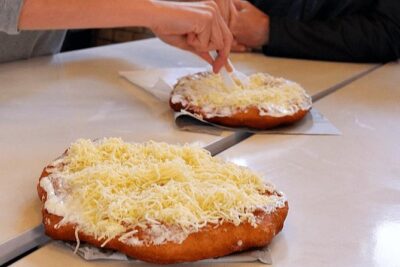
Lists this tasting appears in