
Reviewed · WINE & CHEESE TASTINGS
Cheese and Wine tasting in Amsterdam
Amsterdam is a fine place to learn that cheese is not just cheese. At the Old Amsterdam Cheese Store, you taste five Dutch cheeses alongside a white, a red, and a Port while a presenter explains milk types, aging, production, and pairing.
I like the short, focused format and the chance to learn by tasting rather than sitting through a long lecture. I also like the friendly, social setup, with presenters such as Ron, Maria, and Luca bringing humor and practical food advice. The main drawback is that the experience takes place in a cheese shop and also promotes its products, so it feels partly like a tasting and partly like a sales visit.
Key points to know before booking
- Five cheeses in one sitting: Expect a guided sample of Dutch cheeses, including younger and more mature styles, with goat and cow’s milk examples.
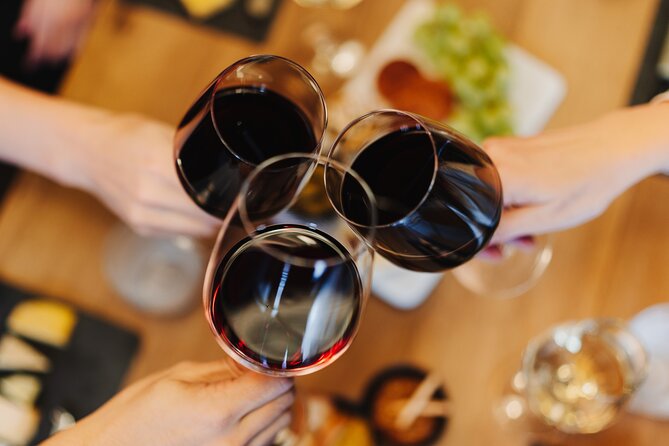
- Three wine styles: Pairings include white wine, red wine, and Portuguese ruby Port, though the exact white wine selection may vary.
- A useful lesson in aging: You learn how cheese changes over roughly four to 18 months and why age affects flavor and wine matches.
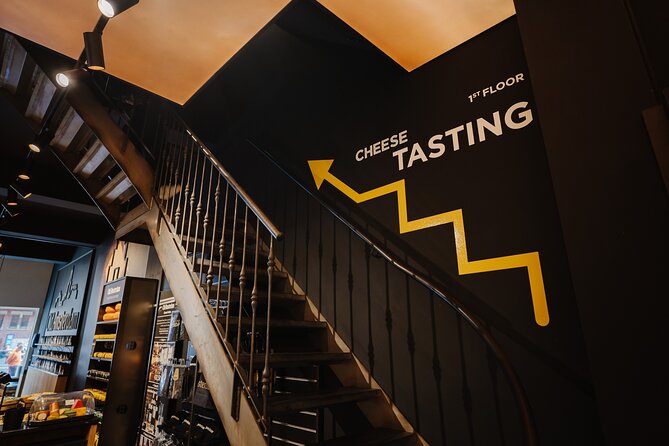
- A small upstairs tasting room: The presentation happens above the Old Amsterdam shop at Damrak 62HS, close to public transport.
- Good value for a quick food stop: At $32.65 per person, the 55-minute session works well between major Amsterdam sights.
- A shop discount may be offered: Some sessions include 10 percent off cheese purchases afterward, but confirm this when booking.
Five Dutch cheeses, three wines, and a lesson you can taste
The appeal here is simple. You do not just hear a list of facts about Gouda or Dutch cheese. You taste several examples side by side, then test them with different wines.
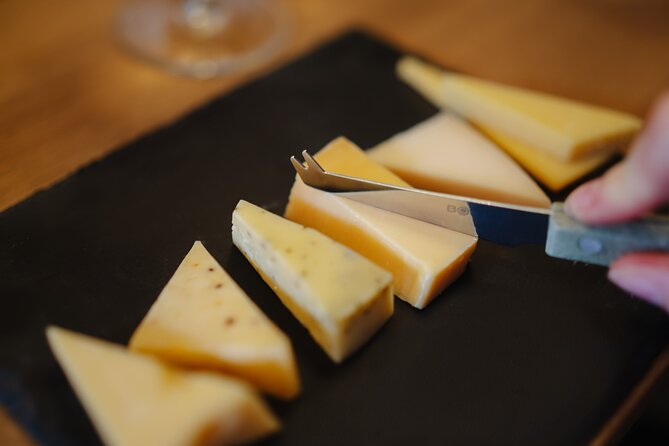
The session focuses on five award-winning cheeses from 2024. The exact selection can vary, but the tasting has included two goat cheeses and three cow’s milk cheeses, with ages ranging from about four to 18 months. That range gives you a clear lesson in texture and flavor. Younger cheese tends to be softer and milder, while older cheese can be firmer, saltier, and more pronounced.
The cheese selection is traditional rather than packed with novelty flavors. One past tasting included a dessert-style chocolate cheese, but you should not expect a large selection of flavored cheeses. The point is to understand the basic product: milk, aging, texture, and the way wine changes what you taste.
The wine side is just as practical. You can expect three wines, generally a white, a red, and a Port. Some descriptions refer to two white wines and one red, while others list one white, one red, and one Port. The safest expectation is a small selection of European wines chosen to show different pairing effects.
That variety matters. A crisp white may make a young cheese seem fresher. A fuller red can work better with a stronger, older cheese. Port gives you a sweet contrast and helps show why dessert-style pairings can work. You are not being trained as a professional sommelier. You are learning a few simple rules you can use at home or in another Dutch cheese shop.
More Wine and Cheese Tastings in Amsterdam:
- Amsterdam: Classic Saloon Boat Cruise with Cheese & Wine
★ 4.6 · 27,035 reviews - Amsterdam: Evening Candle Light Cruise With Wine & Cheese
★ 4.6 · 1,774 reviews - Amsterdam: Cozy Cheese & Wine Cruise Tasting Experience
★ 4.5 · 1,156 reviews
Upstairs at Damrak 62HS
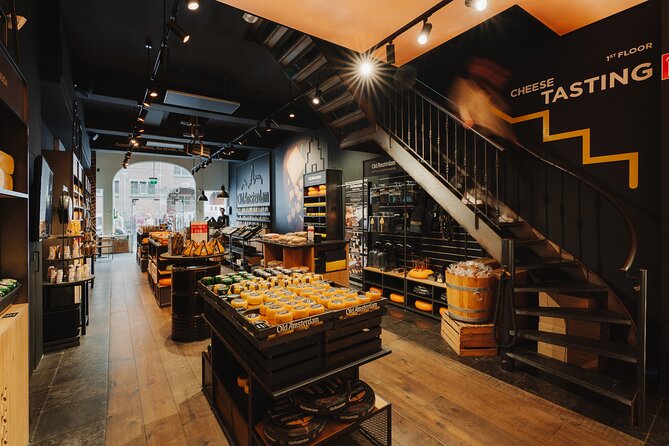
The meeting point is the Old Amsterdam Cheese Store at Damrak 62HS, 1012 LM Amsterdam. This puts you in a central part of town, near public transportation and within easy reach of other central sights.
The tasting itself takes place in a room above the shop. It has a presentation screen and a setup designed for a small food lesson rather than a formal restaurant meal. The maximum group size is 26 people, though some sessions can feel much smaller. One couple even had a particularly personal experience when they were the only pair in the room.
That variation is worth keeping in mind. With a full group, the mood should be social and shared. With fewer people, you may have more time to ask questions. Either way, you should expect a communal tasting rather than a private class.
The room also makes this a useful rainy-day activity. Amsterdam weather can turn wet without much warning, and this gives you a warm indoor stop that lasts less than an hour. You do not need to set aside half a day or arrange transport outside the city center.
The activity ends back at the same meeting point. That is convenient if you want to buy cheese afterward or continue exploring Damrak and the surrounding center.
How the 55-minute tasting unfolds
The session begins with an introduction to Dutch cheese and the Old Amsterdam brand. The presenter explains how the cheese is made, where it comes from, and how the company developed its products.
You then receive the first cheese and wine pairing. The guide walks you through the appearance, texture, aroma, and flavor, then explains what happens when you taste the cheese with the wine. This is the part where the tasting becomes useful. You are encouraged to notice the difference between eating the cheese alone and combining it with the drink.
The presentation continues through five cheeses. Expect a steady pace, with enough explanation to make the differences clear but not enough to become a long technical class. The short duration is one of the experience’s strengths. You can fit it into a busy Amsterdam day without losing your afternoon.
Some sessions include a small booklet listing the cheeses or giving extra information. A few people would prefer a clear handout with the exact cheese and wine names used that day, so bring your phone if you want to record the names for later shopping. The tasting is educational, but it may not always provide a detailed printed reference sheet.
The guide may also add a quiz or a small prize at the end. That gives the hour a light, playful finish and helps you remember what you learned. The tone is more friendly demonstration than serious wine course.
The guides make the difference
The quality of this activity depends heavily on the presenter. Fortunately, the named hosts include Ron, Maria, and Luca, and each brings a slightly different style.
Ron has been praised for making the cheese and wine presentation both informative and engaging. Maria has been singled out for her warm approach, especially for solo visitors who want a relaxed way to meet people. Luca has been described as well prepared and clear, with the setting and food adding to the experience.
You should not assume that one particular guide will lead your session unless the booking details promise that person. Still, the tasting clearly works best when the presenter explains the pairings rather than simply placing cheese and wine on the table.
The strongest part of the guide’s role is translating specialist information into useful advice. You learn how to tell goat’s milk cheese from cow’s milk cheese, how aging affects the flavor, and why one wine suits a particular cheese better than another.
The presenters also answer questions and offer food suggestions for the rest of your stay. That can be helpful if you want to visit another cheese shop, buy gifts, or build a simple picnic.
More Wine Tastings in Amsterdam:
- Amsterdam: Dutch Cheese Tasting Experience with Wine
★ 4.7 · 658 reviews - Amsterdam: Dutch Wine Tasting with Sommelier
★ 4.8 · 46 reviews - From Porto: Douro Valley w/ Boat Tour, Wine Tasting & Lunch
★ 4.7 · 19,061 reviews - Complete Douro Valley Wine Tour with Lunch, Wine Tastings and River Cruise
★ 5.0 · 12,920 reviews
What you actually taste
The core selection is Gouda-style Dutch cheese, with an emphasis on differences in age and milk. You may taste goat and cow cheeses together, which makes the contrast easy to spot.
A younger cheese may feel softer and more delicate. An older cheese can have a harder texture and a stronger salty or savory character. The point is not to label one as better. It is to see how the same basic food changes with time.
The five portions are tasting samples rather than a full meal. Wine is also served in tasting quantities. If you arrive hungry, do not treat this as lunch or dinner. It is better viewed as a thoughtful snack with instruction.
Cutlery is included, so you do not need to bring anything. Food and wine are part of the booking, but private transportation is not. Since the tasting stays at the store, that exclusion should not matter for most people already sightseeing in central Amsterdam.
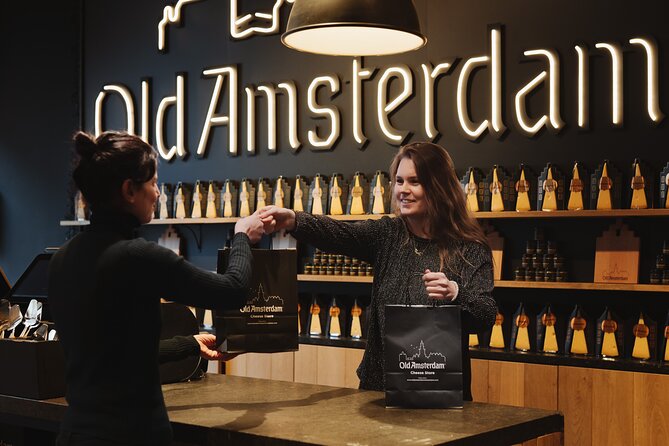
The cheese shop is also part of the experience. After the tasting, you can buy the styles you preferred. Some bookings include a 10 percent discount on cheese, although that benefit should be checked before you count on it. For many people, the chance to take Dutch cheese home makes the session more useful than a tasting with no retail connection.
Is $32.65 good value?
At $32.65 per person, this is not the cheapest way to sample Dutch cheese. You could buy cheese and wine independently for less, especially if you already know what you like.
The value comes from the explanation. You are paying for five cheeses, several wines, a guided presentation, and the chance to compare them in a structured order. The session also saves you from guessing which cheese belongs with which drink.
I think the price works best for three kinds of visitors. First, it suits people who genuinely like food and want more than a quick shop sample. Second, it works for anyone with limited time who wants a compact cultural activity. Third, it makes sense for a rainy afternoon or an easy first-day activity while you get your bearings in Amsterdam.
The value is weaker if you dislike sales-oriented experiences. The tasting takes place in a branded cheese shop, and the natural next step is to buy cheese. That is not a hidden part of the format. If you are happy to browse afterward, it can be useful. If you want a completely independent culinary class, this may feel too commercial.
Who should book this tasting?
I would recommend it to couples, small groups of friends, solo visitors, and food-focused families with adult children. The session gives strangers a simple subject to talk about, and the format is social without requiring anyone to perform.
It is also a good choice for first-time visitors who want a basic introduction to Dutch cheese. You will leave with enough information to understand aging, milk type, and simple pairings. You will not become a cheese expert in 55 minutes, but you will shop with more confidence.
Wine drinkers should enjoy the comparison between white, red, and Port. You do not need advanced wine knowledge. The presenter explains the point of each pairing in plain terms.
The activity is less suitable if you are looking for a full meal, a farm visit, or a tour through the Dutch countryside. Everything happens at one central shop. You also should not book it expecting a long list of unusual flavored cheeses. Traditional cheese and the effects of age are the focus.
The minimum drinking age is 18. Service animals are allowed, and most people can participate. The experience is offered in English, which makes the instructions easy to follow for English-speaking visitors.
Practical timing and booking advice
Plan for about 55 minutes, though it is sensible to allow a little extra time for the tasting to finish and for shopping afterward. The activity begins and ends at Damrak 62HS.
It is usually booked around two weeks ahead, with an average lead time of 14 days. That does not mean you must reserve exactly 14 days out, but it is a useful warning for busy travel periods. If your Amsterdam dates are fixed, booking early is sensible.
You receive confirmation when you book, and the ticket is mobile. You do not need to print anything. The maximum group size is 26, so check the date and time carefully if you want a smaller, quieter session.
Free cancellation is available if you cancel at least 24 hours before the start time. Cancellations made within 24 hours are not refunded, and late changes are not accepted. The cut-off follows Amsterdam local time.
The main strengths and limitations
The strongest feature is the teaching. The guide does not just name the cheeses. You learn about production, aging, milk sources, Dutch cheese traditions, and the reason a particular wine works with a particular style.
The second strength is the balance between structure and fun. The quiz, conversation, and informal delivery keep the session from feeling like a classroom. The presenters have also offered tips for other things to do in Amsterdam, which adds a little practical value.
The third strength is the food itself. Old Amsterdam cheeses are the center of the activity, and the wine selections give you several ways to taste them. The combination is satisfying even if you know little about cheese.
The limitations are clear. The experience promotes the shop’s own products, the portions are tasting-size, and the exact wines and printed materials may vary. If you expect a full meal, a farm-to-table story, or a completely neutral tasting, adjust your expectations.
Should you book it?
Book this experience if you want a short, friendly introduction to Dutch cheese with enough wine to make the pairings interesting. The $32.65 price is fair when you value the guide’s instruction, the five-cheese comparison, and the central location.
I would skip it if you are not interested in cheese, need a substantial meal, or dislike tastings held in retail shops. For everyone else, it is an easy addition to an Amsterdam itinerary, especially on a wet day or during a gap between major sights.
Bring an open appetite, pay attention to how age changes the cheese, and write down the names of any favorites before you leave. The best part may come afterward, when you return to the shop and choose a piece to take home.
FAQ
Where does the cheese and wine tasting take place?
It takes place at the Old Amsterdam Cheese Store, Damrak 62HS, 1012 LM Amsterdam, Netherlands. The tasting room is above the store, and the activity ends at the same location.
How long does the experience last?
The tasting lasts approximately 55 minutes.
How many cheeses and wines are included?
You taste five different cheeses. The session generally includes three wines, with descriptions covering white wine, red wine, and Port. Some tasting details refer to two white wines and one red, so the exact wine selection may vary.
Is the tasting offered in English?
Yes. The experience is offered in English.
What is the minimum drinking age?
The minimum drinking age is 18.
Can I cancel for a refund?
Yes, if you cancel at least 24 hours before the experience starts. Cancellations made less than 24 hours before the start time are not refunded, and changes within that period are not accepted.
Newest wine reviews around Amsterdam
- Private Champagne Canal Cruise in Amsterdam★ 4.5 · 43 reviews
- Dutch Winetasting – Amsterdam City Centre★ 5.0 · 77 reviews
- Amsterdam Champagne Private Canal Cruise★ 5.0 · 42 reviews
- Amsterdam Small-Group Evening Canal Cruise Including Wine, Craft Beer, Cheese★ 5.0 · 205 reviews
- Classic Salonboat Tour in Amsterdam Including Cheese and Wine★ 5.0 · 100 reviews
- Premium Cheese Tasting with Wine and Beer Pairing★ 4.5 · 79 reviews
- Exclusive Cheese Walk & Dutch Wine Discovery★ 5.0 · 32 reviews
- Amsterdam Wine and Cheese Guided Evening Cruise★ 4.0 · 236 reviews
Wine & Cheese Tastings, compared.
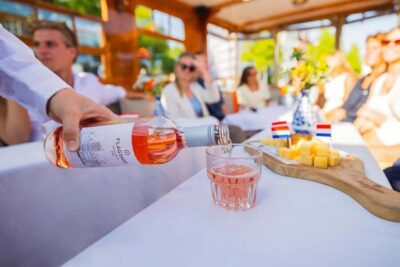
Classic Saloon Boat Cruise with Cheese & Wine
Read our review →
Montmartre Cheese, Wine & Pastry Guided Walking Tour
Read our review →
Evening Candle Light Cruise With Wine & Cheese
Read our review →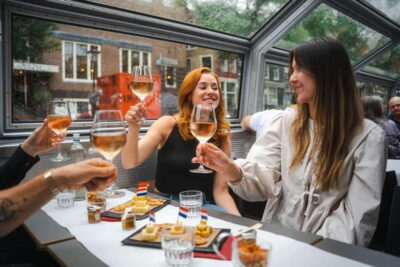
Vila Nova de Gaia: Port Wine Tasting with Cheese Pairing
Read our review →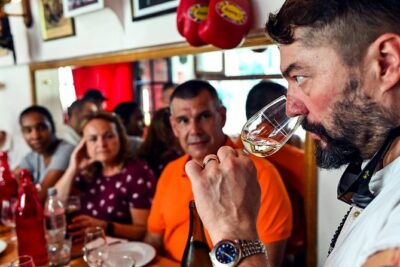
Private Montmartre Food Tour with Wine, Cheese & Pastries
Read our review →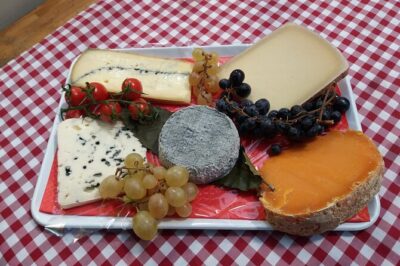
Paris Le Marais Food Tour With 10+ Tastings, Cheese, Wine & More
Read our review →
Yarra Valley Grazing Tour Wine, Cheese, Gin, Pizza from Melbourne
Read our review →Lists this tasting appears in