
Reviewed · CHIANTI WINE TOURS
From Florence: Small Group Chianti Wine Tour with Lunch
Chianti wine is best understood in the countryside where it is grown, and this small-group tour from Florence gives you a full day of that setting without asking you to rent a car. You visit three wineries, taste Chianti Classico and Super Tuscans, stop in Greve, and sit down to a proper Tuscan lunch.
I like the limited group of up to eight and the mix of wineries. One stop may feature modern cellars built into the vineyard, another may occupy a castle estate, and a third may be a smaller boutique producer. The tour also gives you a sommelier guide, such as Carlotta, Antonella, Grazia, or Matteo, rather than leaving you to guess what is in your glass.
The main consideration is the pace. Six and a half hours is enough for a useful introduction, but not enough for long visits at every estate. You will also need to reach the meeting point at Via dei Vagellai on your own, and the day is built around wine, so it suits adults more than families with young children.
Key points about the Chianti wine day
- Three wineries, three different settings: Expect a mix of major producers, historic estates, and boutique cellars rather than three identical tastings.
- A sommelier-led introduction: Learn to identify acidity, aromas, scents, flavors, grape types, and food pairings.
- Tuscan lunch with wine: The meal can include cured meats, cheeses, pasta, olive oil, bread, and dessert, with wine served alongside.
- Greve in Chianti stop: Walk around the main square, browse small shops, and take photos in one of the region’s best-known villages.
- Comfortable transport: Travel from Florence in a Mercedes minivan with Wi-Fi, a useful perk on winding country roads.
- Small group value: With no more than eight people, you can ask questions and keep the day more personal.
Leaving Florence for the Chianti hills
The meeting point is at Via dei Vagellai, 22 red, on the corner of Piazza Mentana, across from the Arno River. You arrange your own way there, so allow time to find the red street number. Florence has several similar-looking lanes and addresses, and a rushed start is no fun before a wine day.
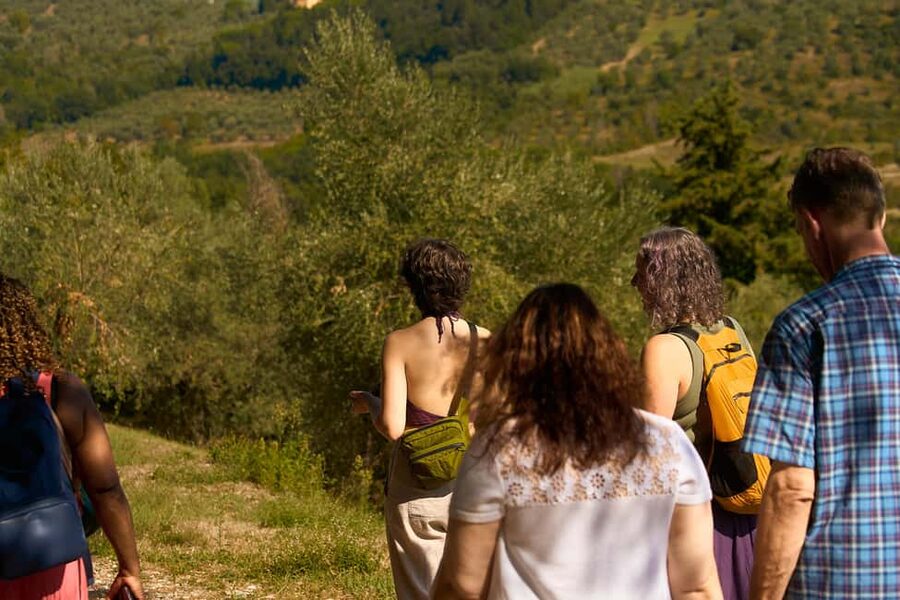
Once aboard the Mercedes minivan, the city gives way to the Chianti hills. The drive is part of the experience, with vineyards, olive groves, and country roads appearing between stops. The included Wi-Fi is a small but practical touch, especially if you want to share photos or check plans for later in Florence.
The group size matters here. A full coach tour can turn a winery visit into a queue, while eight people or fewer lets you hear the guide and ask about the details that interest you. It also helps the day keep moving, since three wineries, a village stop, lunch, and return transportation all fit into 6.5 hours.
You should not expect hours of free time at each estate. This is a structured introduction to Chianti Classico, not a slow private wine retreat. For a first visit to Tuscany, though, the format covers a lot without making you organize several rural transfers.
More Chianti Wine Tours in Florence:
- Florence: Chianti Wineries Tour with Wine Tasting
★ 4.5 · 10,071 reviews - San Gimignano, Siena, Monteriggioni, Chianti Day Trip with Lunch & Wine Tasting
★ 4.5 · 4,432 reviews - Florence: Pisa, Siena, S. Gimignano, Chianti Wine & Lunch
★ 4.6 · 4,354 reviews
First winery: modern design and the making of Chianti
The first estate is described as having contemporary cellars built in harmony with the surrounding hills, with vines covering the building itself. That gives the opening stop a modern angle. Chianti is not only about old stone villas and dusty barrels. Some producers use bold architecture and new production methods while remaining tied to the local soil and grapes.
Here, your guide explains the producer’s approach and future plans before the tasting begins. You learn how soil, climate, altitude, and production choices affect the wine. The exact sequence can vary, but the tasting may include several styles, including white wine, rosé, red wine, olive oil, and Super Tuscans.
This is where a good sommelier guide earns the price of admission. Instead of simply naming each bottle, the guide can show you how to notice acidity, fruit, scent, texture, and finish. You do not need a trained palate. The point is to give you a few useful words and comparisons so you can make better choices at a wine shop or restaurant later.
The first winery may be one of the larger producers on the route, which can mean a polished presentation and a clear explanation of production. If you prefer only tiny family cellars, this part may feel less intimate. In exchange, you get a broader picture of how an established Tuscan wine business operates.
Greve in Chianti and a pause between tastings
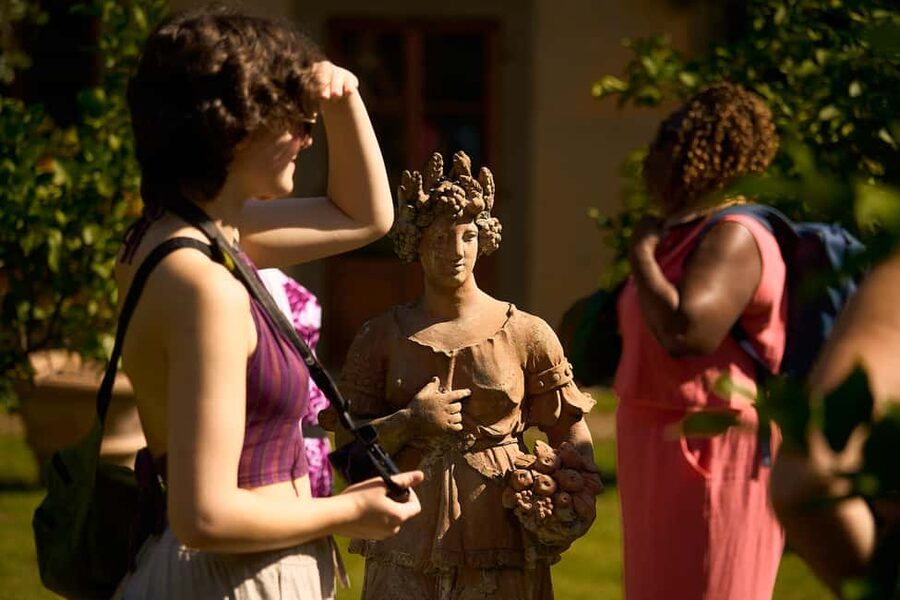
Greve is the village stop, usually used for photos, a walk, and a little browsing around the square. It is a welcome change of rhythm after the first cellar visit. You can stretch your legs, look into small shops, and enjoy the setting without another formal presentation immediately following.
The stop is not a full village tour, so keep your expectations in check. You will have time to see the square and get your bearings, but not to explore every street or shop. That short pause is still valuable because the day is otherwise built around driving, tasting, and meals.
Greve also helps connect the wine to daily life in the region. Chianti Classico is not just a label on a bottle. It is part of a working countryside of vineyards, olive trees, farms, villages, and historic estates. A brief stop in Greve makes the route feel less like a series of private tastings and more like a trip through Tuscany.
The castle estate and centuries of wine production
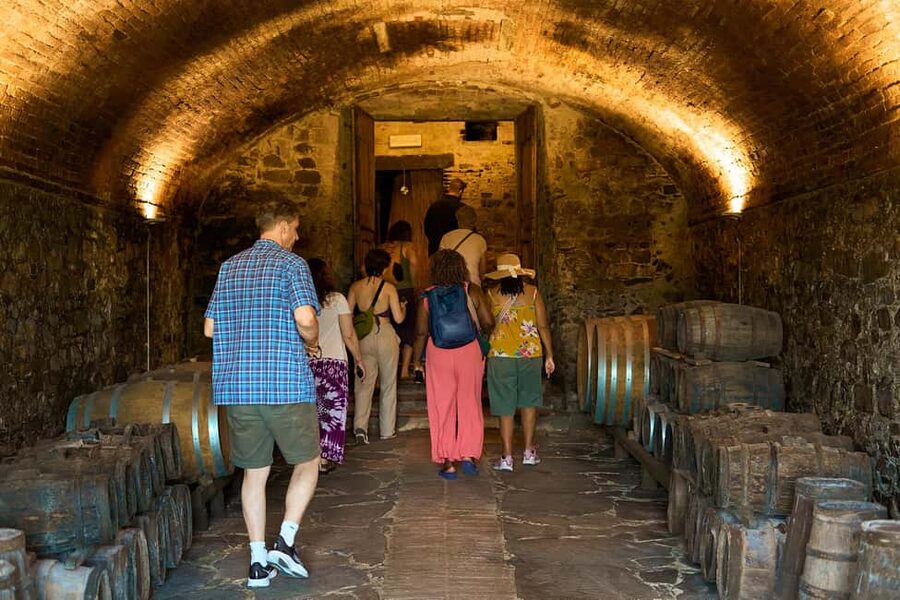
The second winery brings a different mood. You may see the large towers of a 13th-century castle surrounded by olive groves and vineyards before touring the cellars. This is the classic Tuscan image many people have in mind, but the value is not only visual. The estate gives your guide a chance to explain how wine production fits into a much older rural setting.
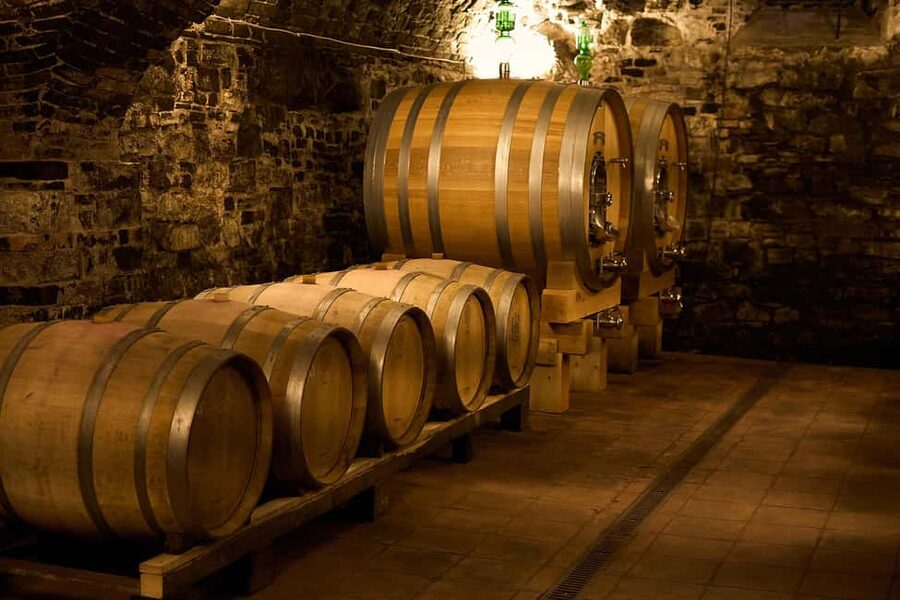
The cellar visit comes before another tasting, so you can connect the physical process with the wine in your glass. Ask about aging, storage, grape blends, and the difference between Chianti and Chianti Classico. The guide is there to explain the details, and the small group makes it easier to ask a follow-up question without holding up a large crowd.
One useful distinction to listen for is the difference between Chianti and Chianti Classico. Chianti is a broader wine region with several subzones. Chianti Classico comes from the historic central area between Florence and Siena and follows its own rules and labeling. The black rooster symbol is associated with Chianti Classico, though this tour’s main lesson is the taste and production behind the name.
The castle setting is a strong reason to choose this experience over a city tasting. You are not just sampling bottles in a shop. You are seeing vineyards, olive groves, cellars, and an estate with centuries of connection to the area. Still, the tour does not promise a long historical lecture or extended castle exploration. The focus remains wine.
More Long Lunches in Florence:
- Tuscany Day Trip from Florence: Siena, San Gimignano, Pisa and Lunch at a Winery
★ 5.0 · 21,634 reviews - Pisa, Siena and San Gimignano Day Trip with Lunch & Wine Pairing
★ 4.5 · 6,006 reviews - From Florence: Siena, San Gimignano, Pisa & Lunch at Winery
★ 4.8 · 4,538 reviews - Florence: S. Gimignano, Siena, Chianti Wine Tasting & Lunch
★ 4.6 · 3,102 reviews
Tuscan lunch at the smaller estate
Lunch is served at a winery, with the food paired to the local products and wines. A typical meal described on this route has included cured meats and cheeses with white wine, pasta with red wine, and lemon sorbet to finish. Olive oil and other traditional products may also be part of the tasting.
I like this part because it turns the wine lesson into something practical. You can taste how acidity works with food, how olive oil changes a slice of bread, and why a red wine may suit a hearty pasta better than a delicate first course. The meal also gives you time to talk with the guide and the rest of the group without standing at a tasting counter.
The third estate is presented as a boutique winery, so it may feel more personal than the first two stops. Past routes have included producers such as Diadema and Luiano, though the exact wineries should be confirmed for your departure. A day can include many pours across the three stops, with one recent schedule offering about 13 tastings in total.
That is generous, but it is also a reason to pace yourself. Italian tastings are not a contest. You can listen, sample carefully, use the spittoon if one is offered, and drink water between pours. The minivan lets you enjoy the countryside without driving, but moderation still makes the afternoon more comfortable.
If you have dietary needs, tell the operator ahead of time. A gluten-free meal has been accommodated on a past departure with gluten-free bread and pasta, but you should not wait until lunch to raise the issue. The supplied information also asks you to report mobility concerns in advance so the local team can plan suitable arrangements.
What the sommelier guide adds
The guide is more than a driver. The tour promises an English-speaking sommelier, and guide quality is one of the most important parts of a wine excursion. Guides named in past departures include Carlotta, Grace, Christina, Gabriele, Antonella, Antoinella, Grazia, Brando, Lapo, Eleanora, and Matteo.
The strongest guide experience combines wine instruction with local context. You may hear about the countryside as you drive, then shift into a focused explanation of grape growing, cellar work, and food matching at the estate. Past guides have also adjusted the route when rain affected the day, while still fitting in the planned visits.
The small group helps the guide tailor the discussion. If you want to know why a wine tastes sharp, ask. If you want help choosing a bottle for a meal, ask that too. The experience works best when you take part instead of treating each tasting as a quick sample.
Guide assignments can change, so do not book solely to meet a particular person. The reliable feature is the format: an English-speaking wine expert, a small group, and several different producers.
Is $237 a fair price?
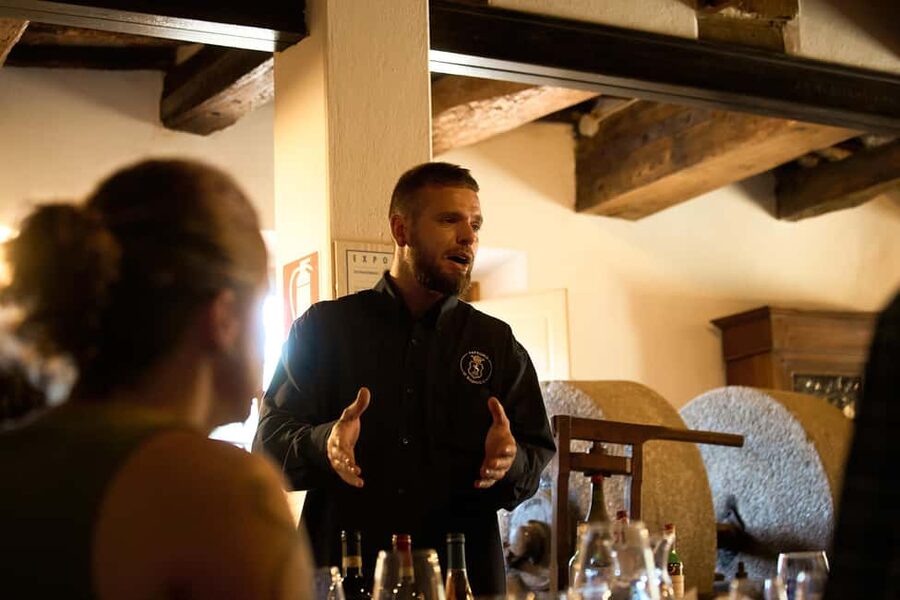
At $237 per person, this is not a bargain outing. The value depends on what you would otherwise need to arrange yourself. The fee includes round-trip transport from Florence, a Mercedes minivan with Wi-Fi, three winery visits, cellar and vineyard access, three tastings, olive oil and local product sampling, a Greve stop, and lunch.
A self-drive day could cost less on paper, but then someone in your party must avoid drinking and handle unfamiliar rural roads. You would also need to choose the wineries, reserve visits, coordinate opening times, and find a place for lunch. This tour bundles those tasks with a guide who can explain what you are tasting.
The price makes more sense for someone who wants a full introduction in one day. It is less compelling for a serious wine collector who wants long conversations with winemakers, private barrel tastings, or a highly customized itinerary. For that kind of trip, a private tour may be a better fit, though likely at a higher price.
Free cancellation up to 24 hours before departure and the option to reserve now and pay later reduce some booking risk. Children under 18 may join, but Italian law means they receive non-alcoholic drinks. Since the day centers on wine, adults will get the most from it.
Who should book this Chianti tour?
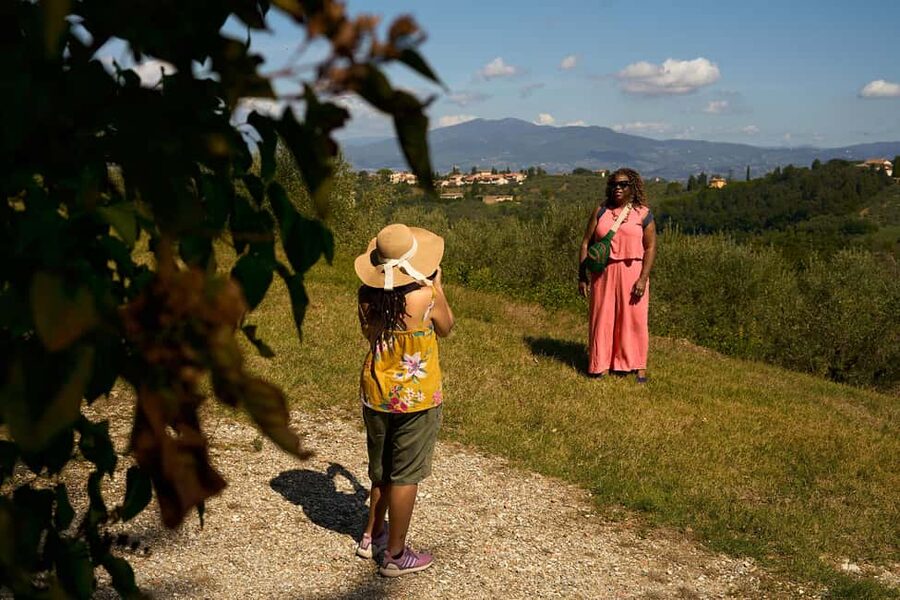
I would choose this tour if you are staying in Florence and want to see the Tuscan countryside without renting a car. It suits first-time wine visitors because the guide explains basic tasting terms without requiring prior knowledge. It also works for couples, friends, and solo visitors who like meeting a small group.
The mix of modern cellar, castle estate, village, and boutique producer gives you more range than a single-estate visit. The lunch adds a proper food experience, while Greve breaks up the tastings. You get both scenery and useful wine information.
Families should think carefully. Under-18s are allowed, but children receive soft drinks and the schedule is built around cellar visits and tastings. Guests with impaired mobility should contact the operator before booking, since winery access and uneven rural settings may require planning.
The tour is also a good choice if you want guidance without a private price tag. With up to eight people, it is intimate enough for questions but still shared. The main tradeoff is a fixed route and a fairly full schedule.
Should you book it?
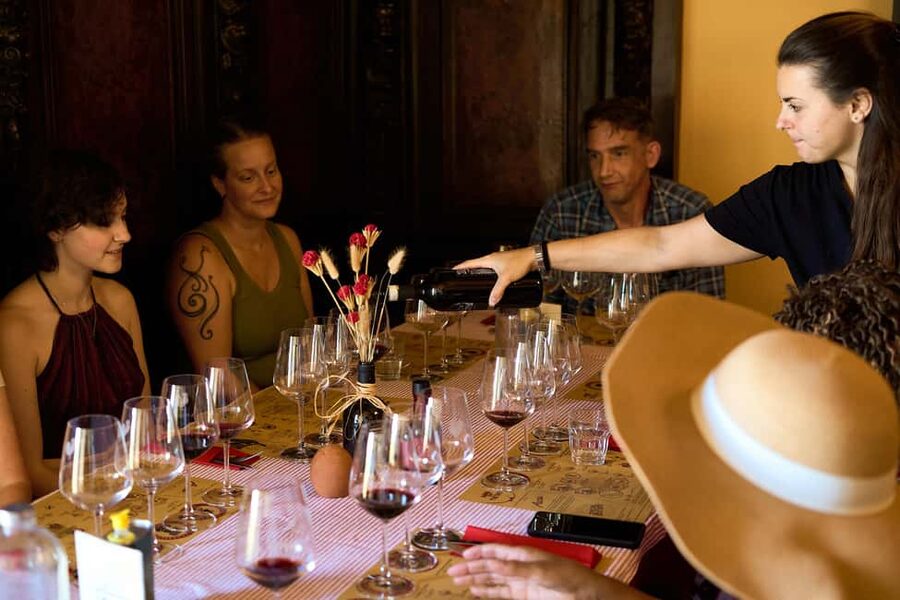
Book this experience if you want three distinctly different winery settings, a Tuscan lunch, and clear wine instruction in a half-day-plus outing from Florence. The best reasons are the small group, the sommelier guide, the comfortable transport, and the chance to compare modern, historic, and boutique producers.
Skip it if you want to spend an entire afternoon at one estate, avoid alcohol-centered activities, or explore Chianti at your own slow pace. For most Florence visitors seeking an efficient countryside day, $237 is a reasonable price for the transport, food, tastings, and expert guidance packed into one well-organized route.
FAQ
Where does the Chianti wine tour meet in Florence?
The meeting point is Via dei Vagellai, 22 red, at the corner with Piazza Mentana, opposite the Arno River. You are responsible for getting to the meeting point.
How long does the tour last?
The experience lasts 6.5 hours. Starting times vary, so check availability for the date you want.
How many wineries are included?
You visit three wineries in the Chianti Classico region. The visits include winery and cellar tours, vineyard views, and a wine tasting at each estate.
Is lunch included?
Yes. A typical Tuscan lunch is included, along with wine. The meal may include traditional foods such as cured meats, cheeses, pasta, olive oil, and dessert.
Is transportation included?
Yes. Round-trip transportation from Florence is provided in a Mercedes minivan with free Wi-Fi. Transfers to and from the Florence meeting point are not included.
Is the tour suitable for people under 18?
Children under 18 may join, but Italian law prohibits serving alcohol to anyone under 18. They receive non-alcoholic beverages instead.
What language is the tour conducted in?
The tour is conducted in English with a live guide. The group is limited to eight participants.
Newest wine reviews around Florence
- Wine Tasting Experience with Three Types of Tuscan Wine★ 4.9 · 47 reviews
- Florence: Art of Pasta Cooking Workshop with Food and Wine★ 5.0 · 69 reviews
- SMALL GROUP Tuscany Wine Tasting Safaris with Lunch / Dinner★ 4.9 · 321 reviews
- Wine Tasting Experience with Seven Types of Tuscan Wine★ 4.9 · 30 reviews
- Florence/Badesse: Tuscany Group Vespa Tour with Wine Tasting★ 4.4 · 56 reviews
- Florence: San Gimignano & Volterra Day Trip with Food & Wine★ 4.7 · 57 reviews
- ROMANTIC WINE TOUR FOR 2 – Wine Tour in Chianti (Tuscany)★ 5.0 · 27 reviews
- Private Flavors of Florence Walking Tour(Food&Wine Included)★ 4.8 · 46 reviews
Chianti Wine Tours, compared.
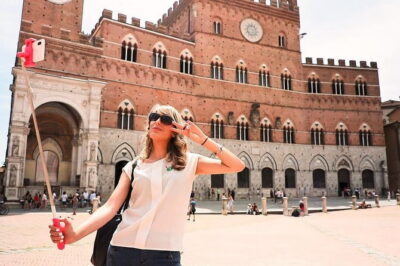
San Gimignano, Siena, Monteriggioni, Chianti Day Trip with Lunch & Wine Tasting
Read our review →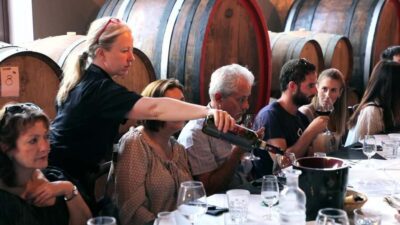
Pisa, Siena, S. Gimignano, Chianti Wine & Lunch
Read our review →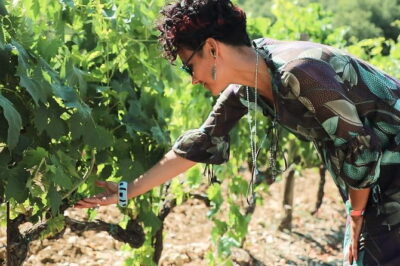
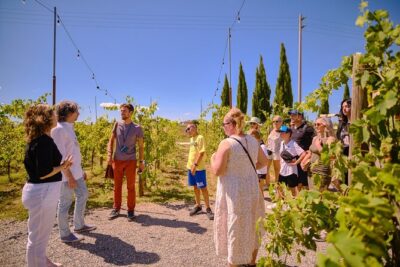
Siena, San Gimignano and Chianti Wines Day Tour from Florence
Read our review →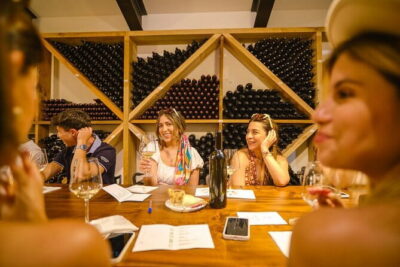
Half day Chianti Vineyard Escape from Florence with Wine Tastings
Read our review →
Tuscany Bike Tours Through the Chianti Hills with Wine Tasting
Read our review →
Lists this tasting appears in