
Reviewed · MONTEPULCIANO WINE TOURS
Montepulciano: Pasta-Making Class with Tasting and Wine
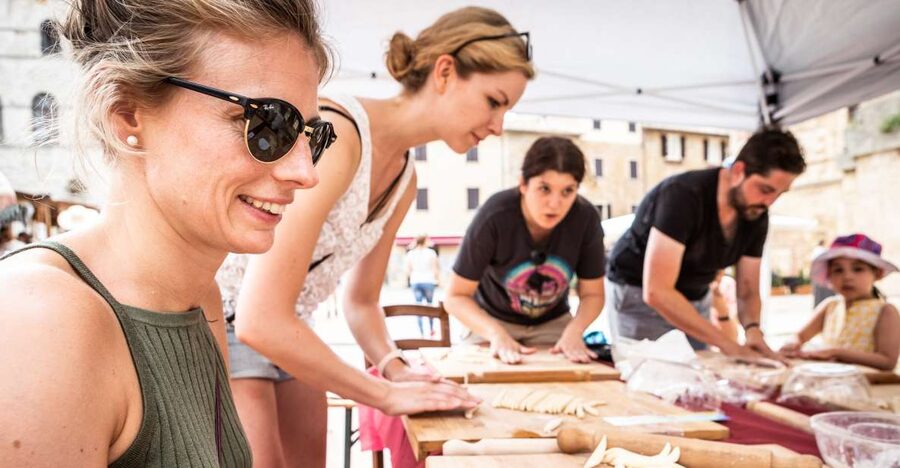
The star here is pici, Siena’s thick, hand-rolled pasta. You make it by rolling dough between your palms, a simple local technique called appiciare, then eat what you have made with Tuscan sauces and wine. It is a cooking class, but it also gives you a look at the easy, practical food of the Montepulciano area.
I like the small groups, limited to 10, and the farmhouse setting, which can feel more personal than a cooking school in a town center. I also like that you learn recipes you can repeat at home, from pici and tagliatelle to aglione, ragù, and cacio e pepe.
The main consideration is transport. The exact farmhouse is provided only after booking, and transportation is not included, so you need to plan how you will reach the meeting point.
Key points to know
- Pici is the main lesson: Learn the hand-rolling method behind Siena’s famous thick pasta.
- More than one pasta may be prepared: Depending on the class, you might also make tagliatelle or ravioli.
- Sauces are part of the fun: Recipes can include aglione, meat ragù, or cacio e pepe.
- The meal is included: Eat the pasta you prepare with a glass of wine at the end.
- Farmhouse hosts vary: Classes have been led by hosts and cooks including Maria, Alister, Irene, Daniela, Simonetta, Susanna, and Daniel.
- You receive an apron: It is a small souvenir, but a useful reminder of the class when you cook at home.
Making pici the Tuscan way
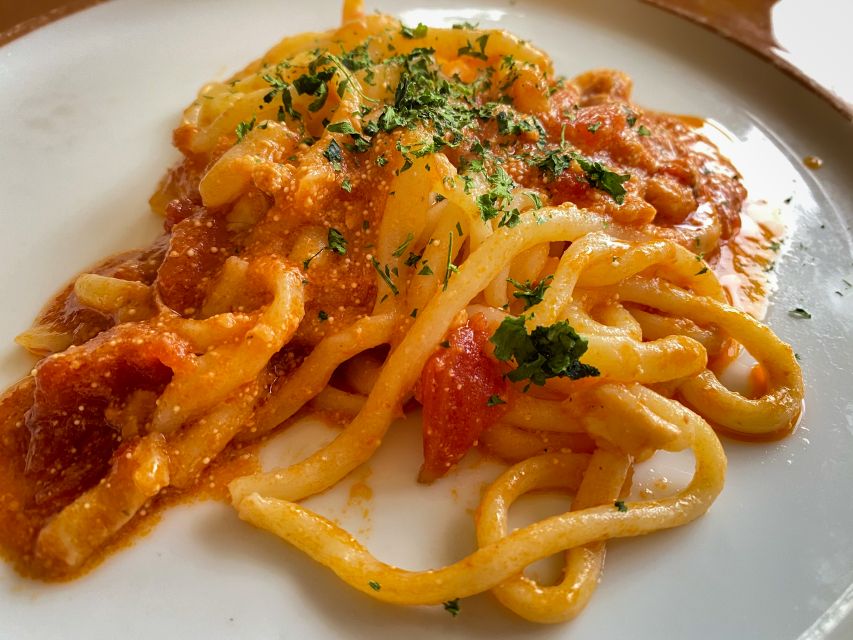
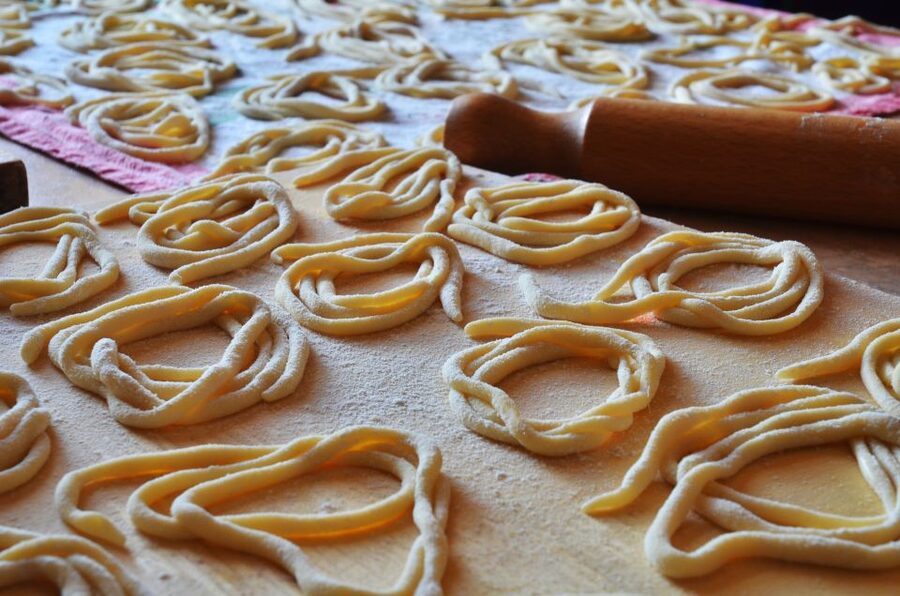
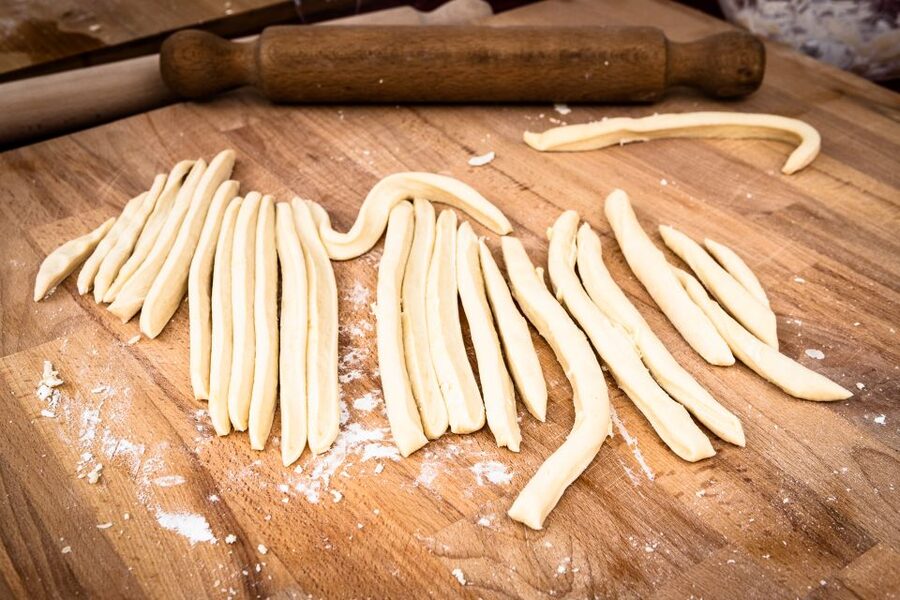
Pici looks like thick spaghetti, but the feel is different. Each strand is rolled by hand rather than pushed through a machine, so it has a rustic shape and a pleasantly chewy bite. The dough does not need complicated equipment, which makes this one of the more approachable fresh-pasta lessons in Tuscany.
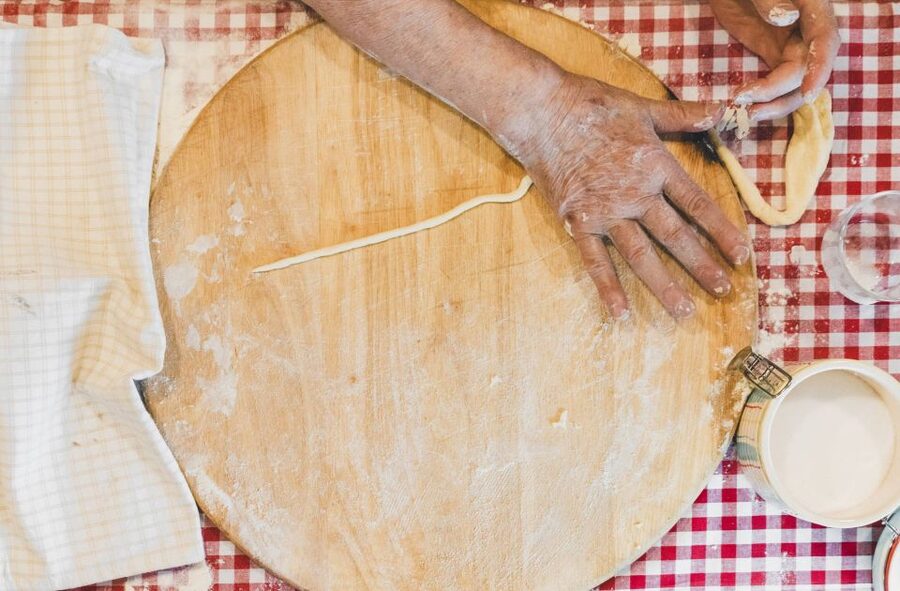
You will learn the basic process of preparing the dough, shaping it, and rolling it into long strands. The important movement is appiciare, rubbing and rolling the dough between both hands until it becomes pasta. It is a peasant recipe in the best sense: direct, filling, and built around ordinary ingredients.
I like this lesson because it gives you something useful to take home. You do not need a pasta machine to recreate pici. A little practice with your hands is the main tool, and the class is designed for people who may not have much cooking experience.
The shape will not necessarily be perfect. That is part of the charm. Pici is not meant to look factory-made, and uneven strands are likely to cook with slightly different textures. Your host can help you judge thickness and length, which matters more than producing a flawless row of pasta.
More Workshops in Italy:
- Florence: Pasta Cooking Class with Unlimited Wine
★ 4.9 · 10,285 reviews - Florence: Pasta & Tiramisu Cooking Class with Unlimited Wine
★ 4.9 · 6,708 reviews - Florence: Pasta Cooking Class with Unlimited Wine
★ 5.0 · 6,413 reviews
Tagliatelle, ravioli, and sauces on the table
Pici is the central dish, but the class can include other fresh pasta. The description specifically includes tagliatelle, and several class formats have also included ravioli. The exact selection can vary, so you should not assume every session includes all three.
Tagliatelle gives you a useful contrast. Instead of rolling dough into thick strands by hand, you work toward broad ribbons. Ravioli adds another skill, since filled pasta requires careful sealing and handling. If your class includes all three, you get a good introduction to different pasta shapes in a single three-hour session.
Sauces help turn the lesson into a Tuscan meal rather than a dough demonstration. Aglione sauce, made with a local-style garlic and tomato base, is a natural partner for pici. You may also prepare meat ragù or cacio e pepe, the simple combination of cheese and pepper.
The recipes are intentionally practical. Aglione and cacio e pepe do not depend on long lists of ingredients, and ragù teaches you how a basic sauce can carry fresh pasta. I would pay close attention to the host’s advice about texture, cooking time, and how much sauce to use. Those small details are often what make the difference when you repeat the dish at home.
From farmhouse kitchen to lunch or dinner
After the hands-on work, the pasta is cooked and served as your meal. The class includes lunch or dinner, along with a glass of wine, so you are not paying only for a demonstration and a few tastes.
This final meal is an important part of the experience. You have handled the dough, shaped the pasta, and helped prepare the sauces. Eating it at the end gives the class a clear purpose and lets you compare the finished dish with the pasta you may usually buy.
The meal can also include other food. One class included bruschetta, with fresh strawberries picked for one of several bruschetta preparations. Another included several bruschetta dishes alongside pici in a garlic and tomato sauce. These extras are not listed as a guaranteed part of every booking, so treat them as possible additions rather than promises.
The setting can be a major part of the meal. Classes have taken place in beautiful private farmhouses with views over the Tuscan hills, patios, gardens, and family-grown ingredients. One host, Irene, was described as welcoming and sociable, while another class took place at a farmhouse with two friendly boxers. These details can vary, but they show why the exact meeting point matters.
The people who make the class personal
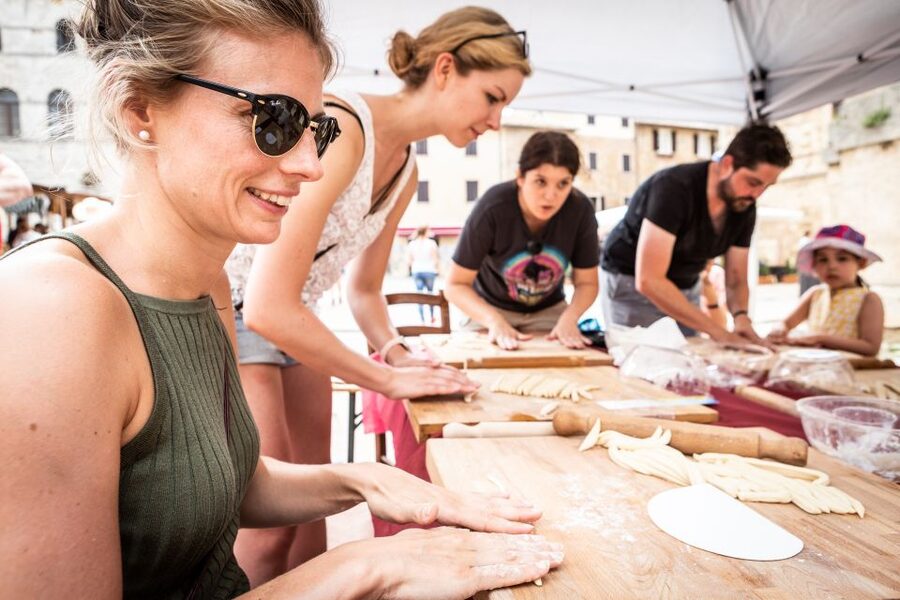
This is not a large demonstration with a chef working at a distance. The group is limited to 10, and some sessions have been much smaller. One class was held for only four people, which allowed plenty of preparation space and direct help.
Hosts and cooks vary by date. Names connected with past classes include Maria and Alister, Irene, Daniela, Daniel, Simonetta, and Susanna. Some sessions have a dedicated cook with a family member or assistant helping in the kitchen. The host language is Italian and English.
That language detail matters. You will need to follow instructions about dough consistency, rolling, and sauce preparation, so an English-speaking host can make the lesson much easier for visitors who do not speak Italian. The available host is not specified before booking, so you should check the confirmed details if language support is especially important.
The strongest part of the hospitality is its informal feel. A farmhouse class can feel closer to cooking with a family than attending a formal culinary school. Maria and Alister, for example, hosted the meal in a way that felt like being welcomed into a private home. Daniel hosted a class at his family’s authentic Tuscan farmhouse and used ingredients grown on the farm.
You should still keep expectations sensible. This is a three-hour activity, not professional chef training. You will learn a set of traditional dishes and techniques, but the pace and menu can change with the host, group, and available ingredients.
More Wine Tours in Italy:
- Tuscany Day Trip from Florence: Siena, San Gimignano, Pisa and Lunch at a Winery
★ 5.0 · 21,634 reviews - Florence: Chianti Wineries Tour with Wine Tasting
★ 4.5 · 10,071 reviews - Small-Group Wine Tasting Experience in the Tuscan Countryside
★ 5.0 · 7,392 reviews - Pisa, Siena and San Gimignano Day Trip with Lunch & Wine Pairing
★ 4.5 · 6,006 reviews
Why the farmhouse setting matters
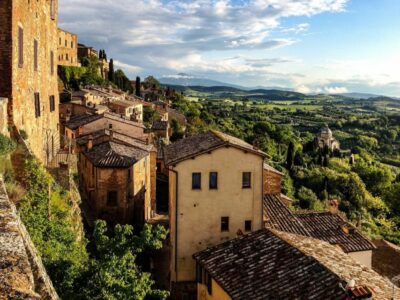
Montepulciano is famous for its hilltop town and wine, but this activity takes you away from the usual stone streets and into the surrounding countryside. The farmhouse location is not announced until after booking, which protects the host’s private setting but makes planning less straightforward.
The setting gives the pasta a stronger sense of place. You are not simply making generic Italian food in a city kitchen. You are preparing dishes tied to the Province of Siena, using methods that suit a rural Tuscan table.
Some classes have used produce from the property. Fresh ingredients, garden views, and outdoor dining can make the meal feel connected to the farm around you. One group picked strawberries for bruschetta before making pasta. That is a small detail, but it changes the class from a fixed cooking lesson into a more seasonal experience.
The tradeoff is that you need to arrange your own way there. No transportation service is included, and the meeting point is supplied after confirmation. If you are staying in Montepulciano without a car, do not book first and solve the transport question later. Confirm the location and decide how you will reach it before committing to the date.
Is $141.61 a fair price?
At $141.61 per person, this is not the cheapest way to eat pasta in Tuscany. The value depends on what you want from the outing.
You are paying for three hours of instruction, a small-group format, fresh pasta preparation, lunch or dinner, wine, and an apron to take home. You also receive access to a farmhouse setting and personal guidance from an Italian or English-speaking host. Compared with a restaurant meal alone, the price is easier to justify because you are also learning a repeatable skill.
The value is strongest if you care about food and prefer a personal setting to a quick tasting. It is less compelling if you only want to sample pici or if you are already planning several cooking classes during your trip.
The meal itself should not be treated as an unlimited food tour. The included offer is lunch or dinner with fresh pasta and a glass of wine. Extra dishes such as bruschetta may appear, but they are not guaranteed. I would book this for the combination of instruction, meal, and setting rather than for the amount of food.
Timing, group size, and what to bring
The activity lasts three hours, with starting times shown according to availability. A morning session can work as an early lunch, while a later start may become dinner. Since the exact time can affect your plans in Montepulciano, check the available start times before booking.
A group of up to 10 is small enough for hands-on help, but the experience will feel different with four people than with a full group. If you prefer a quieter class, choose a date with fewer spaces filled when possible.
You do not need to bring special cooking equipment. An apron is provided, and the class supplies the fresh-pasta lesson and meal. Wear clothes and shoes you do not mind using in a kitchen, but there is no stated requirement for special clothing.
The most important thing to bring is patience. Rolling pici takes repetition, and your first strands may not match the host’s. That is normal. Pay attention to how the dough feels in your hands rather than focusing only on appearance.
Free cancellation is available up to 24 hours before the activity for a full refund. You can also reserve and pay later, which helps if your Tuscany schedule is still shifting. These policies are useful, but they do not solve the transport issue, so sort out the farmhouse location after confirmation.
Who will enjoy this most
I would recommend this class to anyone who wants a food experience with direct participation. It suits couples, families, and small groups who enjoy sitting down to a meal after doing the work themselves.
It is also a good choice for less experienced cooks. Pici is easier to learn than many filled or machine-shaped pastas, and the hand-rolling method is simple enough to follow with guidance. The other pasta shapes and sauces add variety without turning the class into an advanced course.
The activity works especially well for people staying near Montepulciano who can arrange transportation to the farmhouse. It is less suitable for anyone with a tightly packed schedule, since the three-hour class does not include travel time and the meeting point may be outside town.
If you have mobility, dietary, or allergy concerns, ask the provider before booking. The supplied information does not specify accessibility features, substitutions, or dietary arrangements, so you should not assume they are available.
Should you book the Montepulciano pasta class?
Book it if you want to learn a Tuscan recipe, eat a meal you helped prepare, and spend time in a small farmhouse setting. The pici lesson is the strongest reason to go. It is local, hands-on, easy to understand, and realistic to repeat at home.
I would also book it if your ideal Tuscany memory involves a family-style meal rather than another formal tasting. The personal hosts, outdoor settings, farm ingredients, and small groups can make this feel like a real meeting with local food traditions.
Think twice if the price is your main concern, if you need included transportation, or if you expect a fixed menu and a single named chef. Hosts and extra dishes vary, and the farmhouse is announced only after booking.
For the right visitor, the experience offers more than pasta. You leave with a new technique, a meal, a souvenir apron, and a better sense of why pici belongs to the Siena area.
FAQ
How long does the Montepulciano pasta class last?
The class lasts three hours. Available starting times depend on the date you choose.
What pasta will I learn to make?
Pici is the main pasta lesson. The class may also include tagliatelle and, depending on the session, ravioli.
What is pici?
Pici is a thick, hand-rolled pasta from the Province of Siena. You shape it by rolling the dough between both hands.
Are sauces included in the lesson?
Yes. Possible sauces include meat ragù, aglione sauce, and cacio e pepe. The exact preparation can vary by class.
Is a meal included?
Yes. Lunch or dinner with fresh pasta is included, along with a glass of wine.
Is transportation included?
No. Transportation service is not included. The farmhouse meeting point is provided after booking confirmation.
What languages are available?
The activity is offered in Italian and English. The available host can vary by date.
How large is the group?
The activity is limited to 10 participants. Some sessions may have fewer people.
Can I cancel for a full refund?
Yes. You can cancel up to 24 hours in advance for a full refund. Reserve now and pay later is also available.
Newest wine reviews around Italy
- Etna trekking and wine tasting★ 5.0 · 28 reviews
- Etna Tour and Lunch in a Winery with Wine Tasting★ 5.0 · 97 reviews
- Cooking Class and Wine Pairing in Capri★ 5.0 · 57 reviews
- WINE TOUR with sommelier in a winery near Cagliari★ 5.0 · 27 reviews
- Cagliari 3 Hours Luxury Motorboat Tour – Wine and Snorkeling★ 5.0 · 118 reviews
- Wine Experience: vineyard, wines and food★ 5.0 · 155 reviews
- Dinner in the vineyard with wine tasting and walk★ 5.0 · 58 reviews
- Wine Tour and Tasting of Lugana Wines in Desenzano★ 5.0 · 58 reviews
Montepulciano Wine Tours, compared.
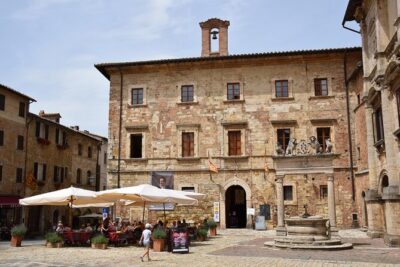
Montepulciano: Wine Tasting & Lunch in a Typical Winery
Read our review →
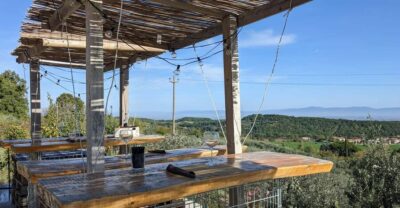
Montepulciano: Artisan Heroic Wine Tasting at the Terrace
Read our review →
Montepulciano: Tuscan Winery Tour with Wine Tasting & Meal
Read our review →
Montepulciano: Historical Cellars Guided Tour & Wine Tasting
Read our review →
Montepulciano: Winery Tour, Tasting, and Vineyard Picnic
Read our review →Lists this tasting appears in