
Reviewed · WINE TASTINGS
8-Tier Hungarian Wine Tasting in a Cozy Downtown Wine Bar
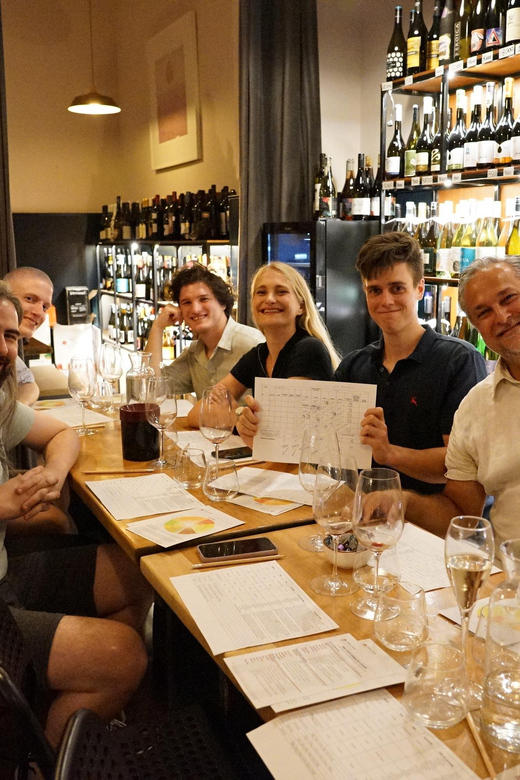
Hungary’s wine story is the star here, and it is far broader than many visitors expect. At Bortodoor, you taste eight wines in a sensible order, from one sparkling wine through whites, a light red, and three reds, while a friendly sommelier explains the grapes, regions, and changing wine culture of the country.
I like the generous local charcuterie board, which gives you bread, cheeses, meats, and other small bites to match with the glasses. I also like the hosts, including Sally, Suze, Smike, and Mike, who keep the session social rather than turning it into a stiff classroom. The main consideration is time: two hours can pass quickly, and the relaxed mood may tempt you to stay for another bottle or live music.
Key points to know before booking
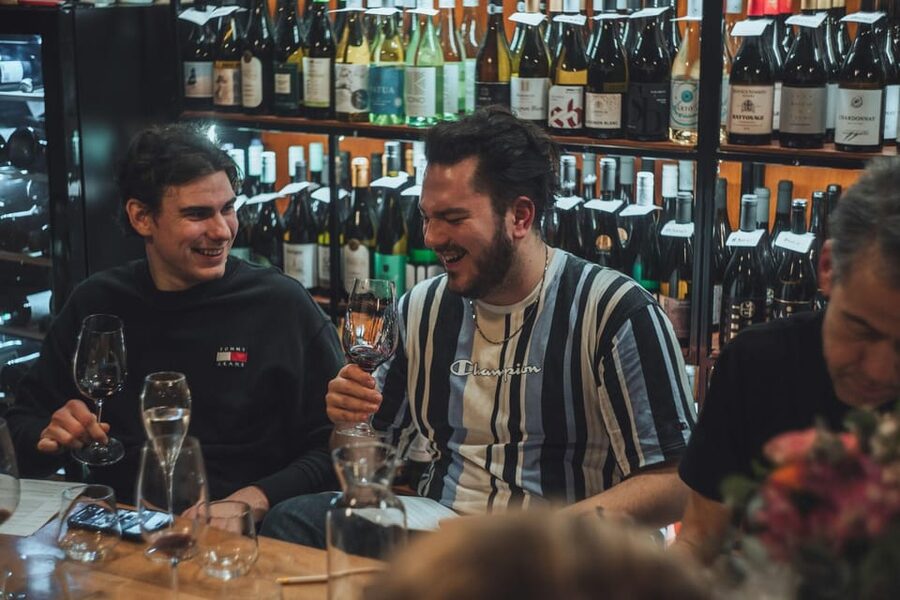
- Eight wines in a clear progression: You taste one sparkling wine, three whites, one light red, and three reds.
- A useful introduction to Hungary: The tasting connects each glass with Hungarian regions, grapes, wine-making, and history.
- Local food is part of the experience: Expect Hungarian cheeses, meats, breads, olives, and other snacks on an artisanal board.
- English-speaking hosts set the tone: Sally, Suze, Smike, Mike, and other Bortodoor staff are known for warmth, humor, and practical wine guidance.
- The bar is social, not formal: Solo visitors, couples, and mixed groups can easily end up chatting over the glasses.
- Plan a little breathing room: The official session lasts 120 minutes, but many people stay afterward for more wine or live music.
Starting at Bortodoor in central Budapest
The experience begins at Bortodoor, a downtown wine bar marked by a large white circular sign outside the door. Transportation is not included, but the central location makes this a simple stop to add to an evening in Budapest.
The room is designed for sitting, talking, and drinking wine rather than rushing through a formal tasting. It has a warm, comfortable feel, with several areas for enjoying wine and small plates. On some evenings, live music adds to the mood. That can be a pleasant bonus, though it also means the room may feel more social and lively than quiet.
This setting matters. Hungarian wine can seem unfamiliar when you first see names such as Tokaj or Eger on a menu. In a friendly bar, you can ask basic questions without feeling out of place. You can also talk with the people around you, which often makes the evening feel like a shared event rather than a lecture.
The activity is for adults only. Anyone under 18 cannot take part.
More Wine Tastings in Budapest:
- Hungarian Wine Tasting (with Cheese and Charcuterie) in Budapest
★ 5.0 · 531 reviews - Budapest: Hungarian Wine Tasting with 8 Wines and Tapas
★ 4.9 · 446 reviews - Budapest: Essentials of Hungarian Wine Tasting Class
★ 4.9 · 174 reviews
The first glass sets up the tasting
The tasting starts with a glass of Hungarian sparkling wine. This gives you a light opening before the still wines arrive and helps set the order for the evening.
The point is not simply to drink eight unrelated samples. The selection is meant to show different styles from Hungarian wine regions and small local producers. You get a chance to compare freshness, weight, sweetness, acidity, and red-wine character as the tasting moves along.
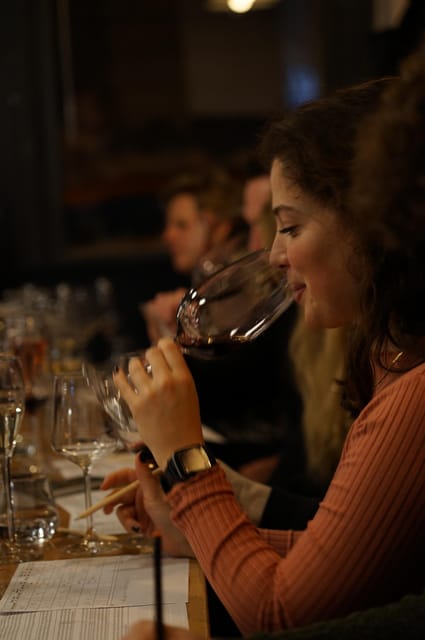
Your sommelier should also explain how to approach the glass. The takeaway note page includes a short Wine Tasting How-To, information about Hungarian wine regions, and space for your own tasting notes. That is useful if you are new to wine. You do not need a trained palate to take part. You can write down simple impressions such as floral, crisp, earthy, dry, sweet, light, or full-bodied.
The hosts keep the process approachable. Sally is praised for explaining both wine-making and the regions behind the wines. Suze is known for bringing plenty of energy to the room. Smike, Mike, and Miki have also led sessions, with a style that mixes facts, humor, and questions from the group.
Three whites show Hungary beyond Tokaj
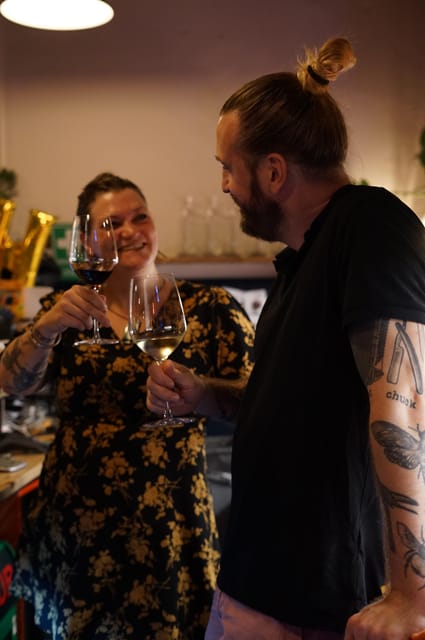
After the sparkling wine, the tasting moves to three whites. This is an important part of the evening because Hungarian wine is often reduced to Tokaj, the country’s best-known wine region. Tokaj deserves attention, but the white wines help show that Hungary offers more than one familiar name.
You will taste wines chosen to show different styles and places. The exact bottles can change, so you should not expect a fixed list of labels. Instead, expect the host to use the wines available at Bortodoor to explain what makes Hungarian whites distinctive.
This part works best if you compare the samples directly. Notice which wine feels bright and crisp, which has a softer texture, and which has stronger fruit or mineral notes. The charcuterie board gives you something practical to test. A salty meat or creamy cheese can change how a white wine tastes, and the host can guide you toward combinations that work.
The food is not a token handful of crackers. The board includes local cheeses, meats, breads, and other small bites, with some sessions also including olives. Several visitors found the portion generous enough to make the tasting feel like a light meal, though I would not treat it as a full dinner replacement if you are especially hungry.
One light red provides a useful bridge
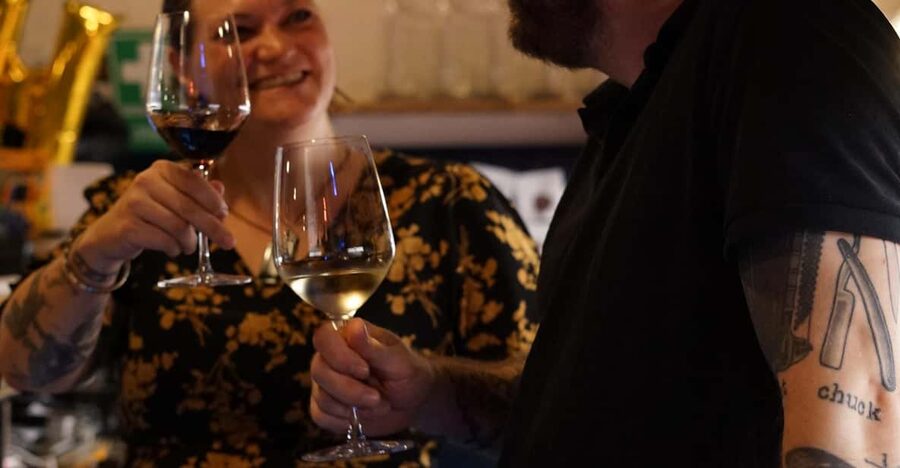
The light red is the transition between the whites and the three fuller reds. This is a smart part of the sequence because it lets your palate adjust gradually rather than jumping from a delicate white to a heavy red.
Pay attention to the difference in texture here. A lighter red can work well with meats and bread without feeling too serious. It is also a helpful choice for people who usually prefer white wine but want to try something red.
The host may ask what you smell or taste, but the atmosphere is not competitive. You are not expected to identify every grape. The best approach is to be honest about what you like. One wine may be technically interesting but not suit your taste, while another may become the bottle you want to order later.
That freedom is one of the strongest features of the session. The aim is to help you understand Hungarian wine and find personal favorites, not to test you.
More Wine Tours in Budapest:
- Countryside Half-day Gastro-Wine Tour from Budapest Meal & pickup
★ 5.0 · 1,450 reviews - From Budapest: Half-Day Countryside Wine Tour with Meal
★ 4.8 · 657 reviews - Budapest: Wine, Cheese, and Charcuterie Tasting
★ 4.9 · 647 reviews - Budapest Cooking Class & Market Tour with Local Guide & Wines
★ 5.0 · 553 reviews
Three reds finish with the boldest comparisons
The final three wines are reds. By this point, you have already tasted several styles, so the reds make a clear finish to the progression.
This is also where the charcuterie board becomes especially useful. Meats, bread, and firmer cheeses give you a way to see how food affects the wine. If you usually find red wine too strong, start with the light red and use the later glasses for comparison. If you already enjoy reds, the final section gives you more room to compare body, tannin, fruit, and finish.
One wine that repeatedly draws attention is Tokaj, although Tokaj is best known for sweet wines as well as other styles. The exact bottle served depends on the selection that evening, so do not book expecting one specific vintage or label.
The hosts add context about Hungary’s wine regions and the country’s past. The discussion can touch on changes from Ottoman times through the imperial and communist periods to modern wine-making. That background gives the bottles a sense of place without turning the evening into a history seminar.
The sommelier makes the difference
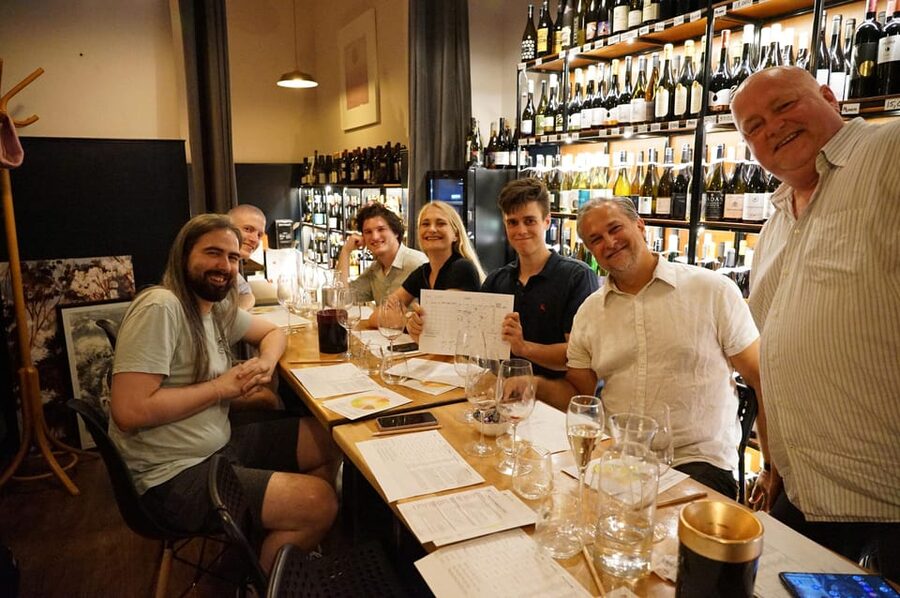
A wine tasting succeeds or fails on its guide. Here, the strongest pattern is a host who enjoys talking with people rather than showing off.
Sally is frequently singled out for being clear, warm, and able to answer detailed questions. Suze is praised for her enthusiasm and hospitality. Smike is described as especially engaging, with a strong ability to share his love of wine. Mike and Miki have also received praise for making the tasting interactive and easy to follow.
The staff do not all have the same personality, and that is normal. What you can expect is an informal English-language session led by a Bortodoor sommelier. The approach includes explanations of grapes, regions, wine-making, and ways to taste. It also leaves room for conversation.
I especially like the balance between instruction and free time. You learn enough to make the wines more understandable, then have time to eat, compare notes, and talk with the group. One practical point: the pacing can feel leisurely. If you have a dinner reservation immediately afterward, leave plenty of time or choose a later booking.
A social evening for solo visitors and couples
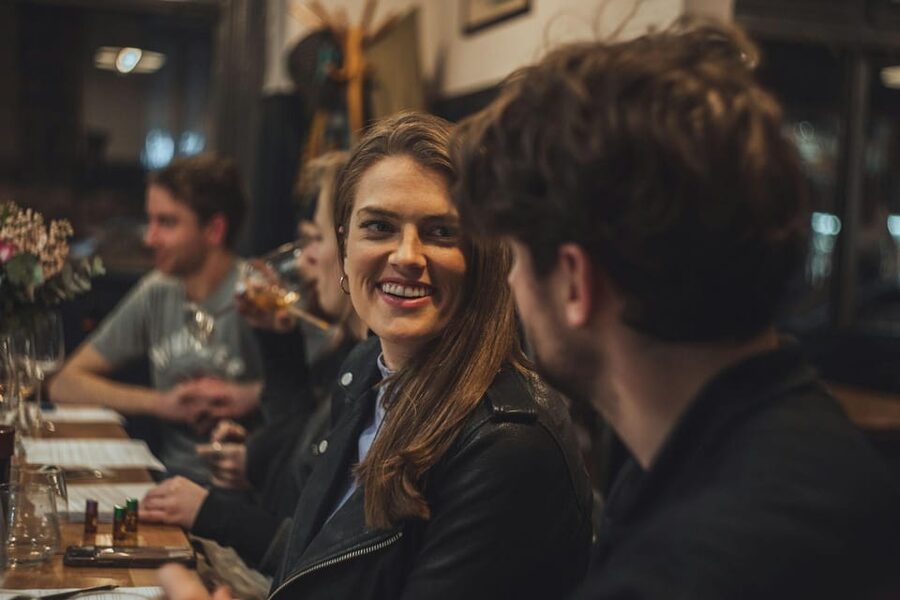
This is not a silent tasting where everyone stares at a row of glasses. The bar encourages conversation, and the group can include couples, solo visitors, and people from different countries.
If you are traveling alone, this is one of the easier Budapest activities for meeting people without forcing a social event. You can participate as much or as little as you wish. If you are with a partner, the tasting gives you something to discuss between glasses and a simple way to try wines you might not order on your own.
The mood can continue after the official two hours. Some people stay for another glass or bottle, and live music is offered on certain evenings. The staff can also help you revisit a style you preferred during the tasting, although any extra wine is separate from the $55 activity price.
There is a small tradeoff. A social room can be less intimate than a private cellar or vineyard visit. You also do not leave Budapest for the countryside, so this is an urban introduction to Hungarian wine rather than a visit to a vineyard or winery.
What the $55 price includes
At $55 per person, the price covers the two-hour guided session, eight wine samples, the charcuterie board, and the note page. That is a strong package for someone who wants a broad first look at Hungarian wine without arranging transport outside the city.
The value comes from the range as much as the quantity. You get one sparkling wine, three whites, one light red, and three reds. That spread gives you a better sense of the country’s styles than a tasting focused on only one grape or region.
The food also improves the value. Bread, cheese, meat, and other snacks are included, so you are not paying for eight pours and then immediately searching for dinner. Still, heavy eaters should plan another meal. The board is substantial for a tasting, but the experience is built around wine, not a full restaurant menu.
The price does not include transportation or extra bottles after the session. You pay nothing today if you choose the reserve-now, pay-later option, and cancellation is free up to 24 hours before the activity for a full refund. Starting times vary, so check availability when booking.
Who will enjoy this Budapest wine tasting
I would choose this for several kinds of visitors:
- Wine beginners get a simple tasting method, background on regions, and an easy place to ask questions.
- Experienced wine drinkers can sample lesser-known Hungarian bottles and compare styles from small local producers.
- Couples get a relaxed evening activity with food and conversation.
- Solo visitors can meet people in a natural setting without booking a group dinner.
- Food-focused visitors will appreciate testing meats and cheeses with different wines.
- Repeat Budapest visitors can explore part of the city’s food and drink culture beyond the usual sights.
It is less suitable if you want a countryside vineyard visit, a private tasting, or a quiet technical seminar. It is also not for anyone under 18.
Practical tips for making the most of the evening
Arrive ready to taste slowly. Eight wines in two hours is manageable, but you will get more from the experience if you pay attention to the order and write down a few notes.
Do not worry about using formal wine language. Tell the host what you enjoy, and ask which bottle matches that preference. The point of the tasting is not to pretend you can identify every grape. It is to leave with a clearer idea of what you like and what you want to seek out later.
I would avoid booking a tight dinner reservation right afterward. The official time is 120 minutes, but the easy pace, conversation, and possibility of live music can make the evening stretch. If you have dietary needs, tell Bortodoor in advance so the staff can take them into account.
Finally, keep an open mind about Hungarian wine. If you already know you dislike one style, that does not mean the whole country’s wine will taste the same. The lineup moves across sparkling, white, light red, and red wines for precisely this reason.
Should you book Bortodoor?
Book it if you want an urban, social introduction to Hungarian wine with enough food to keep the tasting comfortable. The strongest reasons are the eight-glass progression, the generous local board, the English-speaking hosts, and the relaxed mood that makes questions easy.
Skip it if your main goal is a vineyard visit or a private, highly technical tasting. For most people spending a few days in Budapest, though, this is a practical way to learn what is in the glass before ordering Hungarian wine elsewhere. At $55, it offers a solid amount of wine, food, and guidance, with the added chance of finding a bottle you will want to drink again.
FAQ
Where does the wine tasting take place?
It takes place at Bortodoor, a wine bar in central Budapest. A large white circular sign is outside the door.
How long does the activity last?
The scheduled tasting lasts 120 minutes, or two hours. The relaxed atmosphere may encourage you to stay afterward for additional wine or live music.
How many wines are included?
Eight Hungarian wines are included: one sparkling wine, three whites, one light red, and three reds.
Is the tasting conducted in English?
Yes. The live guide and tasting explanations are in English.
What food comes with the wine?
You receive an artisanal charcuterie board with local Hungarian cheeses, meats, and breads. Other snacks, including olives, may also be served.
Is transportation included?
No. Transportation is not included, so you make your own way to Bortodoor.
Are children allowed to join?
No. The activity is not suitable for children under 18.
Do I receive anything to take home?
Yes. You receive a note page with information about Hungarian wine regions, a Wine Tasting How-To, and space for your personal tasting notes.
Can I cancel the booking?
You can cancel up to 24 hours in advance for a full refund. A reserve-now, pay-later option is also available.
Newest wine reviews around Budapest
- Private Wine Tasting in Budapest★ 5.0 · 107 reviews
- Food and Wine Tasting in Budapest City Center with Sommelier★ 5.0 · 57 reviews
- Evening Wine, Cheese, & Charcuterie Tasting in Budapest★ 5.0 · 121 reviews
- Budapest Unlimited Prosecco and Wine Cruise Day or Sunset Option★ 4.0 · 50 reviews
- Budapest Food Tour: Market to Tavern with 14+ Tasters & Wines★ 5.0 · 434 reviews
- Szentendre and Visegrad Private Danube bend Tour With Wine Tasting and Lunch★ 4.5 · 52 reviews
- Budapest Half-Day Wine Tour: 3 Family Wineries, Meal & Pálinka★ 5.0 · 38 reviews
- Palace District Evening Culinary, Wine, and History Walk★ 5.0 · 55 reviews
Wine Tastings, compared.
Douro Valley w/ Boat Tour, Wine Tasting & Lunch
Read our review →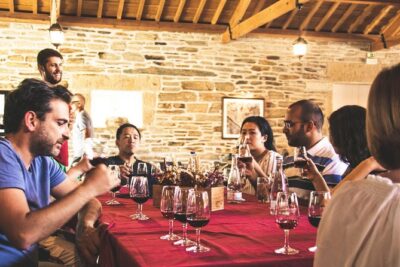
Complete Douro Valley Wine Tour with Lunch, Wine Tastings and River Cruise
Read our review →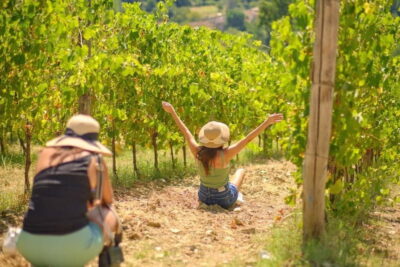
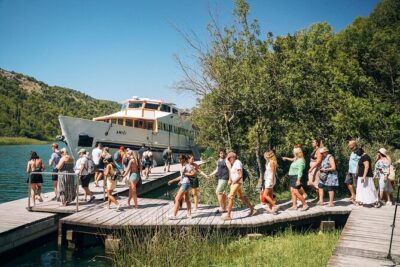
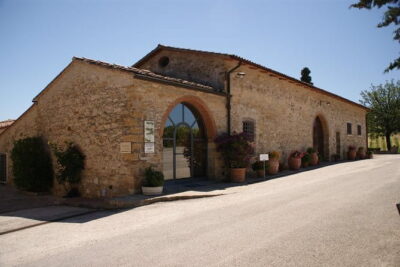
Small-Group Wine Tasting Experience in the Tuscan Countryside
Read our review →
Montserrat & Cogwheel Train, Gourmet Wine Tasting & Tapas/Lunch
Read our review →
Tuscany & Montepulciano Day Trip with Lunch & Wine Tasting
Read our review →
SMALL-GROUP Wine Safaris: Tuscan Wine Tasting Tours from Florence
Read our review →Lists this tasting appears in