
Reviewed · WINE TASTINGS
Budapest: Essentials of Hungarian Wine Tasting Class
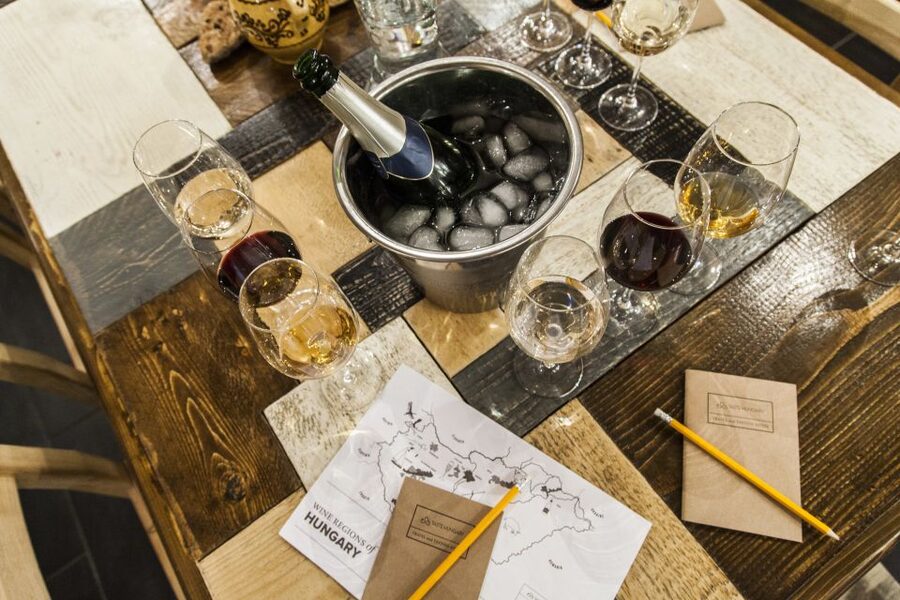
Hungary’s wine story is much bigger than Tokaj. In two hours, this tasting moves from an aperitif through whites, reds, perhaps a rosé, and a sweet botrytised Tokaj aszú. It gives you a useful first map of a country whose wines are still unfamiliar to many visitors.
I like the small-producer focus, since the wines are bought directly from makers the team has come to know over time. I also like the friendly classroom format: you get clear explanations, then time to taste, eat, compare notes, and chat with the people at your table. The main caution is simple: pours can be generous, and eight wines in two hours can leave you pleasantly tipsy, or more than pleasantly tipsy if you do not pace yourself.
Key points at a glance
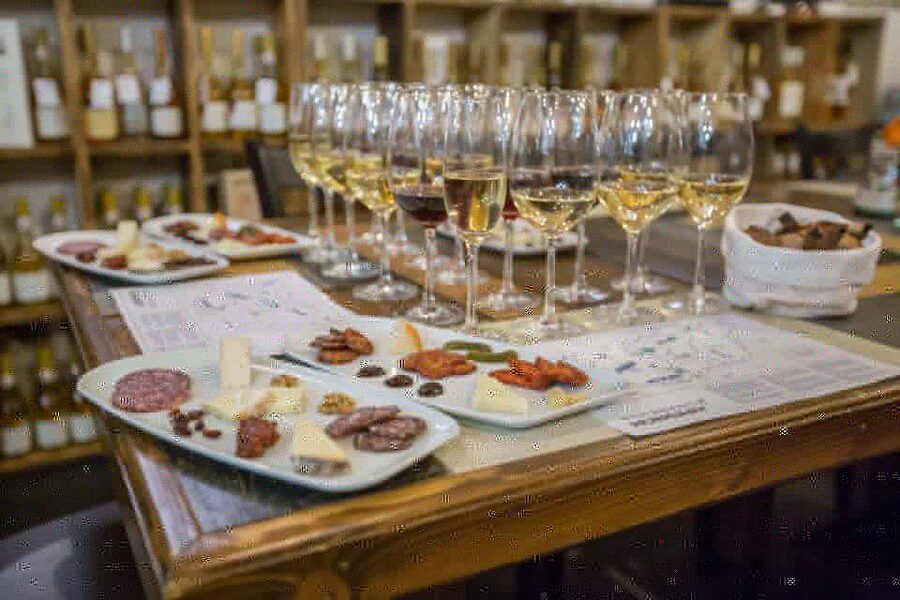
- Eight wines in one sitting: The flight moves from sparkling wine through white and red styles to Tokaj aszú.
- A practical Hungarian wine lesson: You learn about regions, grapes, climate, soil, styles, and current trends.
- An atmospheric Budapest setting: The Tasting Table is near the National Museum, in a welcoming shop and tasting room with a brick-arched cellar feel.
- Local food with the wine: Expect Hungarian flavors through cheeses, charcuterie, bread, and other pairings.
- A social evening: The shared table format works well for solo visitors, couples, and small groups who enjoy meeting fellow wine drinkers.
- Strong value at $65: The price includes the sommelier, eight wines, mineral water, tasting sheets, a regional map, and food.
Why Hungarian wine deserves two hours of your Budapest time
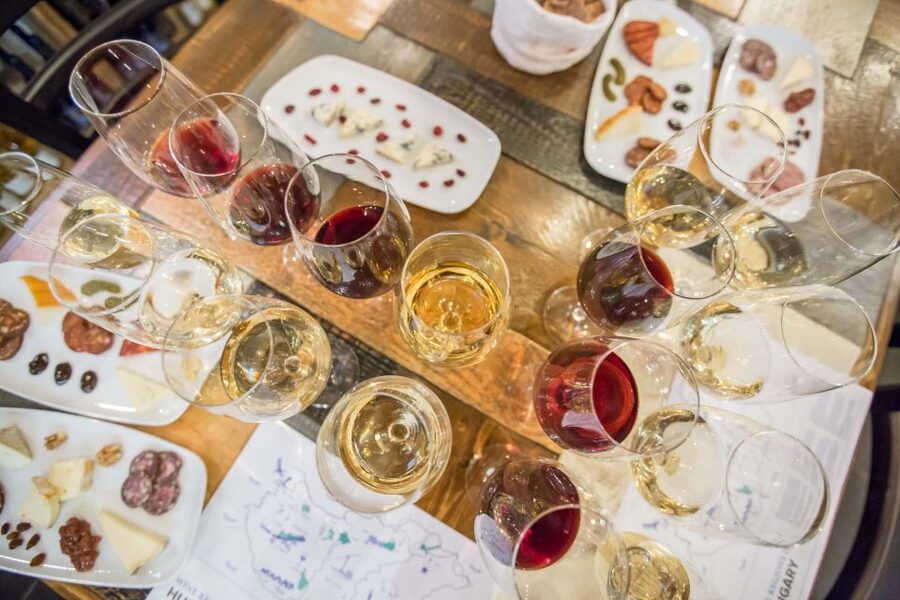
Hungary has a wine tradition that can be hard to grasp from a restaurant wine list alone. The country has several important wine regions, many grape varieties you may not know, and styles that range from crisp whites to structured reds and famous sweet wines. A guided tasting gives those pieces a sensible order.
You are not expected to arrive with a vocabulary of tannins, acidity, and mineral notes. The class is built for people who simply like wine and want to understand what they are drinking. At the same time, the format can satisfy a serious wine drinker, since the selection reaches into lesser-known Hungarian grapes and small producers.
I especially value the regional approach. Instead of treating Hungarian wine as one single category, the sommelier connects each bottle to place, soil, climate, and local custom. That helps you remember more than a list of grape names. You begin to understand why one area produces a fresh white while another is better known for full reds or sweet wine.
The session is also a good correction to the idea that Hungarian wine starts and ends with Tokaj. Tokaj aszú is an important finale, but it is only one part of the evening. The other bottles show you a broader national picture.
More Wine Tastings in Budapest:
- Hungarian Wine Tasting (with Cheese and Charcuterie) in Budapest
★ 5.0 · 531 reviews - Budapest: Hungarian Wine Tasting with 8 Wines and Tapas
★ 4.9 · 446 reviews - 8-Tier Hungarian Wine Tasting in a Cozy Downtown Wine Bar
★ 4.9 · 269 reviews
The Tasting Table near the National Museum
The meeting point is The Tasting Table Budapest at Bródy Sándor utca 9 in District VIII. It is about 150 meters from the National Museum, so you can pair the tasting with an afternoon visit to the museum or a walk through the surrounding streets.
The room is easy to reach. Astoria on metro line M2 and Kálvin tér on M3 are both about a five-minute walk away, and trams 47 and 49 also serve those stops. For a 6:00 PM session, that makes the experience easy to fit into an evening without crossing the city.
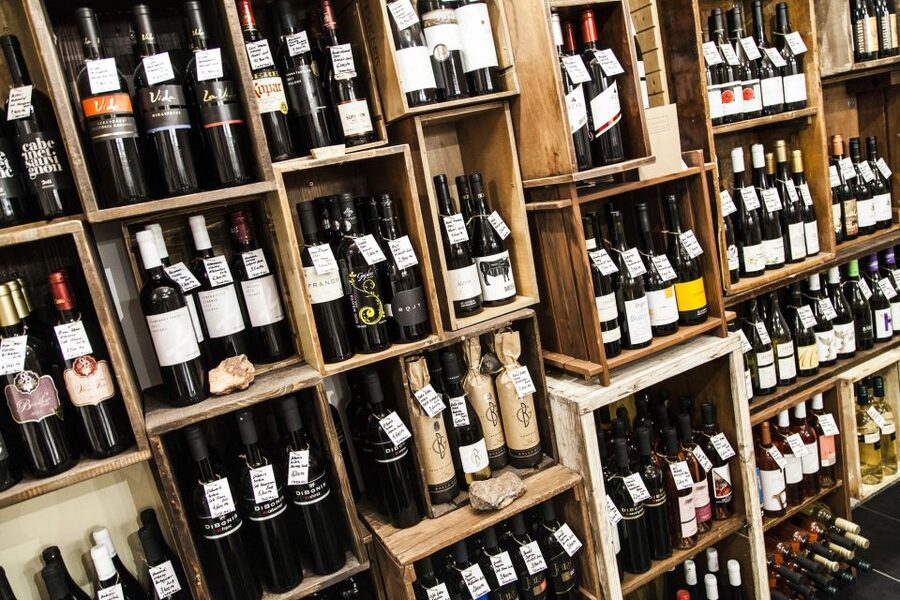
The venue has the feel of a wine shop and tasting room rather than a formal restaurant. The brick-arched cellar atmosphere adds character without making the class feel stiff. You can focus on the wine, but you also have the option to buy bottles afterward, and some sessions have offered a discount on wines tasted during the evening.
That last point matters if you find a new favorite. Hungarian wines can be difficult to identify once you leave the country, so the chance to purchase a bottle at the end is useful. Still, treat buying wine as an option, not part of the required experience.
How the eight-wine flight unfolds
The order is designed to make sense on the palate. You begin with an aperitif, then move through white wines, reds, and possibly a rosé before finishing with a sweet Tokaj aszú. The exact bottles can change, which is a benefit if you return to Budapest and want a different set of wines.
The first glass sets the tone. It gives the sommelier a gentle way to introduce Hungarian wine and gets the table talking before the more detailed material begins. From there, you work through several whites and reds, usually with a selection meant to represent different parts of the country rather than eight similar bottles.
The class does not simply pour wine and leave you alone. Your guide explains why each bottle is included, where it comes from, which grape or style it represents, and what makes it useful in the larger story. Guides have included Tomas, Carlos, John, Sebastian, Christian, and Nikki, among others. The exact host depends on the date, but the format remains English-speaking and informal.
Several guides have a personal connection to the subject and bring their own international experience to the conversation. Carlos, Tomas, John, and Sebastian have each been praised for making technical material approachable. Some sessions are more talkative than others. One host was described as giving more detail than everyone could retain, so if you prefer a quiet tasting with only brief comments, this may feel like a lot of information.
For most people, the amount of explanation is the point. You leave with a clearer sense of Hungarian regions and grapes, not just a pleasant evening and a vague memory of red wine. Take notes as you go, because after the fourth or fifth pour, your handwriting and memory may become less dependable.
The final Tokaj aszú provides a clear change of pace. This botrytised sweet wine is one of Hungary’s best-known specialties, and placing it at the end lets you finish with a memorable contrast to the dry wines earlier in the flight. If you have never tasted Tokaj aszú, this is one of the most useful parts of the class.
Food pairings that make the tasting work
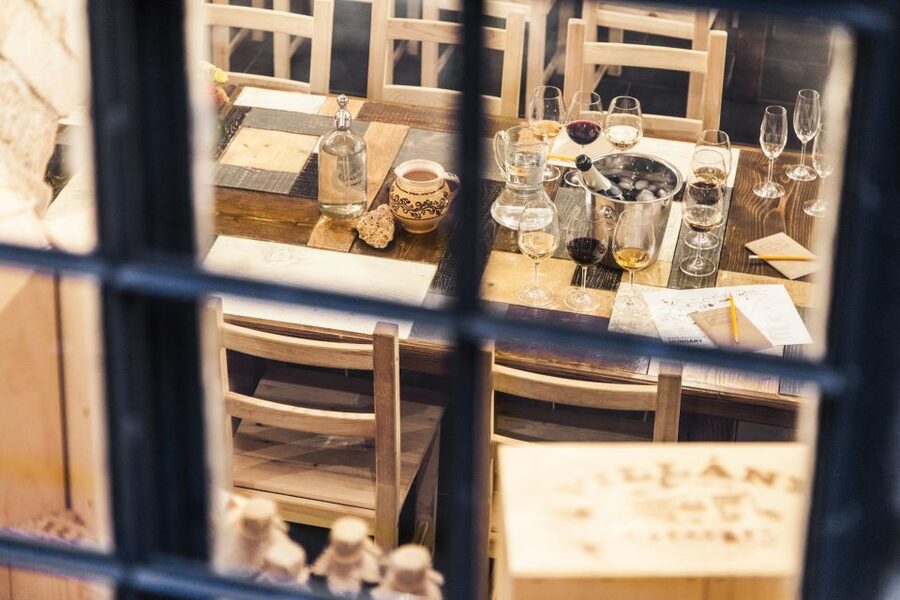
Wine tasting on an empty stomach is a poor plan. The food here is not just decoration. Cheese, charcuterie, bread, and other Hungarian flavors help you judge the wines more comfortably and show how local food changes the way a wine tastes.
The pairings can include generous boards of cheese and cured meats. Bread, pumpkin seed oil, and chutney have also appeared alongside the wines. The food is substantial enough that some people treat the tasting as their evening meal, though I would not book it expecting a full restaurant dinner with multiple courses.
The pairings are most useful when you taste the wine on its own first, then try it with food. A cheese may soften a sharp white, while cured meat can make a red feel rounder and easier to drink. You do not need to be able to name every flavor. Simply notice what changes.
One practical note: the amount of food may not feel equal to a full dinner for everyone. One person found the snacks a little light for the amount of wine served. If you usually need a substantial meal, eat something beforehand or plan a later meal. That is also a good way to keep the evening comfortable.
More Workshops in Budapest:
- Budapest Cooking Class & Market Tour with Local Guide & Wines
★ 5.0 · 553 reviews - Easy Cooking Class Budapest – with Market Walk (local wine & pálinka included)
★ 5.0 · 62 reviews - Florence: Pasta Cooking Class with Unlimited Wine
★ 4.9 · 10,285 reviews - Florence: Pasta & Tiramisu Cooking Class with Unlimited Wine
★ 4.9 · 6,708 reviews
The group atmosphere and teaching style
This is a shared-table experience, not a private tasting. That is part of its appeal. You sit with other people who have chosen the evening because they want to learn about Hungarian wine, and the class naturally creates conversation.
Solo visitors can fit in well. The format gives you an easy way to meet people without the forced energy of a group sightseeing tour. Couples and friends also get plenty of time to talk with each other, especially when the sommelier pauses after each explanation.
The room can become lively. One session had enough side conversation that a participant found parts of the presentation hard to hear. If you want every word, sit near the guide and speak up when the room gets noisy. The guides generally keep the tone relaxed rather than academic, but the experience still depends on the group listening.
The best sessions balance information and breathing room. The host introduces a wine, explains its place in Hungary’s wine story, and lets you taste and discuss it. That approach is better than a nonstop lecture. Some guides are especially funny and understated, while others offer more technical detail. You should expect a real class, but not a formal certification course.
Is $65 a fair price?
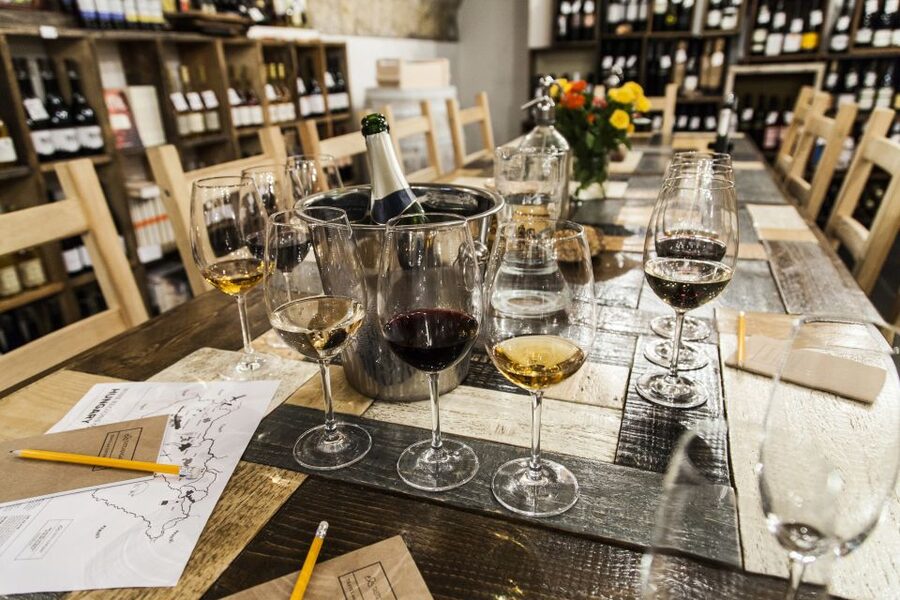
At $65 per person, this is good value if you want a focused introduction to Hungarian wine. You receive eight wines, mineral water, local food pairings, tasting sheets, a map of the wine regions, and two hours with a sommelier. In central Budapest, that combination compares well with the cost of ordering several unfamiliar wines and food on your own.
The value is not just the volume of wine. Buying eight bottles or even eight glasses independently would cost more, and you would not get the regional explanation or the chance to compare styles in a planned order.
The pours can be larger than the word tasting suggests. Several sessions ran close to two and a half hours, and some people found the wine generous enough to get tipsy. You should not rush the glasses. Eat the food, drink the mineral water, and use the tasting sheets to slow yourself down.
This is also a good first-night or second-night activity. It can help you choose Hungarian wine later in the trip, including bottles at restaurants or shops. If you already know the country’s wine regions well, the class may feel introductory unless the changing wine selection includes bottles you have not tried.
Timing, booking, and practical details
The tasting usually runs on most evenings from 6:00 PM to 8:00 PM. That timing works well after sightseeing and leaves the rest of the night open, though an occasional longer conversation can extend the session.
The legal drinking age in Hungary is 18, and anyone 18 or older can take part. The language is English. A minimum of two participants applies, so a confirmed booking can still be canceled if there are not enough people. In that case, you are offered an alternative or a full refund.
You can cancel up to 24 hours before the start time for a full refund. Reserve now and pay later is available, which helps if your Budapest schedule is still changing.
Wear something comfortable and plan your route before the tasting begins. The location is central and well served by public transport, but you should avoid arriving late since the wines are presented in a particular order. If you are driving, remember that eight wines and generous pours do not belong together.
Who should book this tasting?
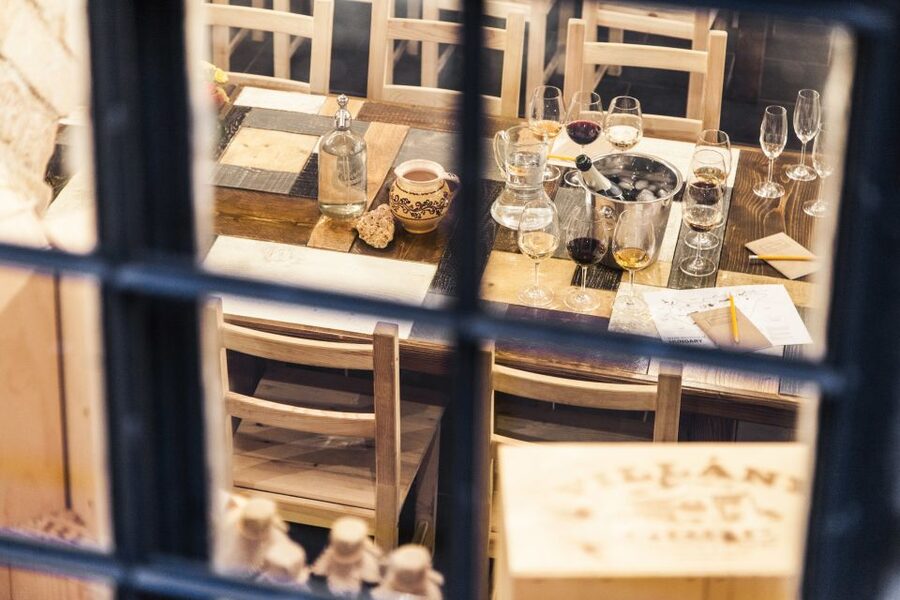
I would recommend it to anyone who wants a clear introduction to Hungarian wine without spending a full day outside Budapest. It suits curious beginners, couples, solo visitors, and small groups who enjoy food, conversation, and a relaxed lesson.
It is especially useful if you have tasted Tokaj but know little about Hungary’s dry whites and reds. The eight-wine sequence gives you enough range to find personal favorites, and the regional map helps you place those wines later.
You may want to choose another activity if you do not drink alcohol, dislike shared tables, or want a quiet private tasting. It is also not the best choice for someone seeking a full meal. The food is good support for the wine, but the wine remains the main event.
Should you book the Hungarian wine tasting class?
Yes, if you want an easy, central, and fairly priced way to understand Hungary’s wine culture. The strongest reasons are the eight-wine range, the direct connection with small producers, the warm guides, and the useful regional explanation.
Go in with a light meal already in you, take the notes seriously, and pace the pours. If possible, book a 6:00 PM session so you can enjoy the rest of the evening afterward. You may leave with a favorite grape, a bottle to take home, and a much better idea of what to order at your next Budapest dinner.
FAQ
Where does the Hungarian wine tasting take place?
It takes place at The Tasting Table Budapest, Bródy Sándor utca 9, 1088 Budapest, in District VIII. The venue is about 150 meters from the National Museum.
How long does the tasting last?
The scheduled duration is two hours, usually from 6:00 PM to 8:00 PM. Some sessions may continue longer if the group keeps chatting and tasting.
How many wines are included?
The tasting includes eight Hungarian wines. The usual sequence begins with an aperitif, continues through whites and reds, may include a rosé, and ends with a sweet botrytised Tokaj aszú.
Is food included?
Yes. The price includes food pairings with local Hungarian flavors, along with mineral water. Pairings can include cheese, charcuterie, bread, pumpkin seed oil, and chutney.
Is the class suitable for beginners?
Yes. It is designed for anyone interested in wine and explains Hungarian regions, history, grape varieties, characteristics, styles, and current trends.
What language is the tasting in?
The host or greeter conducts the experience in English.
What is the minimum age?
The legal drinking age in Hungary is 18, so participants must be at least 18 years old.
Newest wine reviews around Budapest
- Private Wine Tasting in Budapest★ 5.0 · 107 reviews
- Evening Wine, Cheese, & Charcuterie Tasting in Budapest★ 5.0 · 121 reviews
- Budapest Unlimited Prosecco and Wine Cruise Day or Sunset Option★ 4.0 · 50 reviews
- Food and Wine Tasting in Budapest City Center with Sommelier★ 5.0 · 57 reviews
- Budapest Food Tour: Market to Tavern with 14+ Tasters & Wines★ 5.0 · 434 reviews
- Szentendre and Visegrad Private Danube bend Tour With Wine Tasting and Lunch★ 4.5 · 52 reviews
- Budapest Half-Day Wine Tour: 3 Family Wineries, Meal & Pálinka★ 5.0 · 38 reviews
- Palace District Evening Culinary, Wine, and History Walk★ 5.0 · 55 reviews
Wine Tastings, compared.
Douro Valley w/ Boat Tour, Wine Tasting & Lunch
Read our review →
Complete Douro Valley Wine Tour with Lunch, Wine Tastings and River Cruise
Read our review →
Small-Group Wine Tasting Experience in the Tuscan Countryside
Read our review →
Montserrat & Cogwheel Train, Gourmet Wine Tasting & Tapas/Lunch
Read our review →
Tuscany & Montepulciano Day Trip with Lunch & Wine Tasting
Read our review →
SMALL-GROUP Wine Safaris: Tuscan Wine Tasting Tours from Florence
Read our review →Lists this tasting appears in