
Reviewed · WINERY TOURS
Alsace: Winery Tour and Alsatian Wine Tasting ENGLISH
The best part of this small Alsace winery visit is the hands-on look at winemaking, from cellar to underground tanks and aging areas, followed by a tasting where you can compare dry, sweet, red, white, and crémant wines. It feels more useful than simply sitting down with a glass and a vague story.
I like the unlimited tasting in the basic option, and I like the choice of a blind tasting or local food pairings if you want something more playful or substantial. The main drawback is practical: stairs are involved, and the winery is not suitable for wheelchair users.
Key points to know before you go
- Three tasting formats: Choose a classic tour, a blind tasting, or four wines with four seasonal food pairings.
- Fourth-generation winery: The visit follows the family business from its beginnings through its current winemaking process.
- Unlimited pours in the classic option: You can taste across the range rather than stopping after one or two samples.
- English-speaking guides: Margaux has been praised for friendly explanations and amusing anecdotes.
- Easy regional access: Buses from Sélestat, Colmar, and other villages reach the winery, with route details available from the provider.
- Good value for wine learners: The 90-minute visit costs about $14 for the standard option, with modest supplements for the other formats.
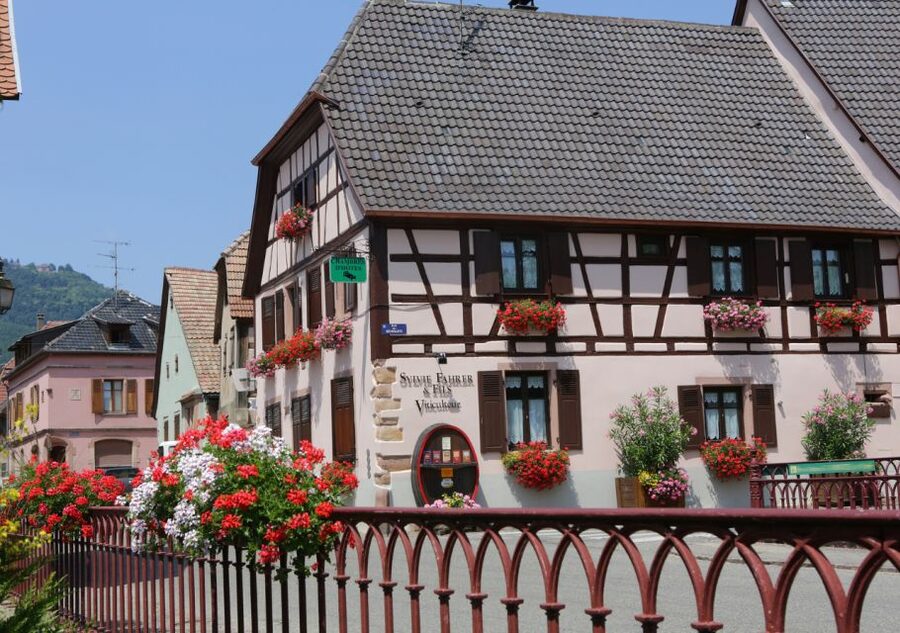
Entering Domaine Sylvie Fahrer et Fils
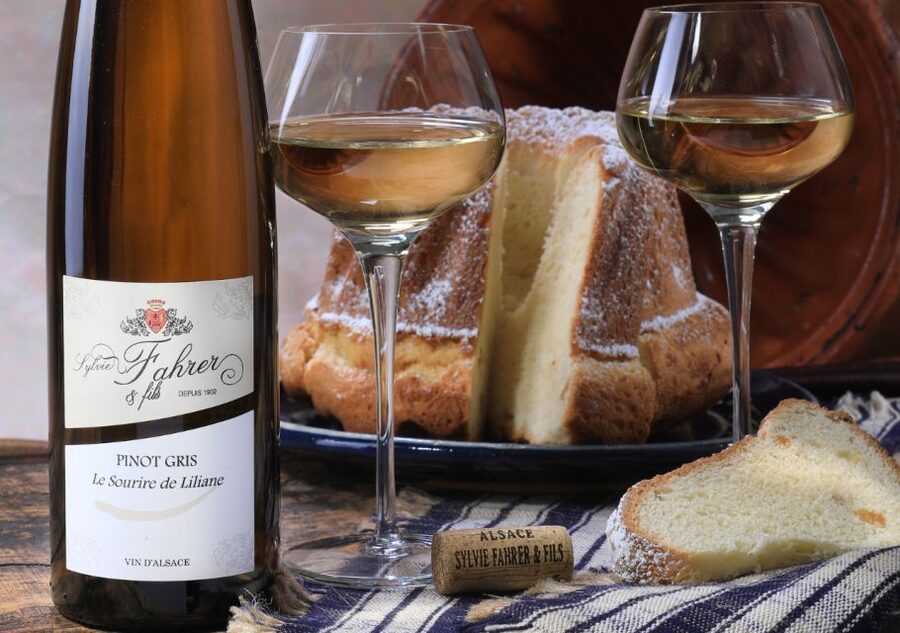
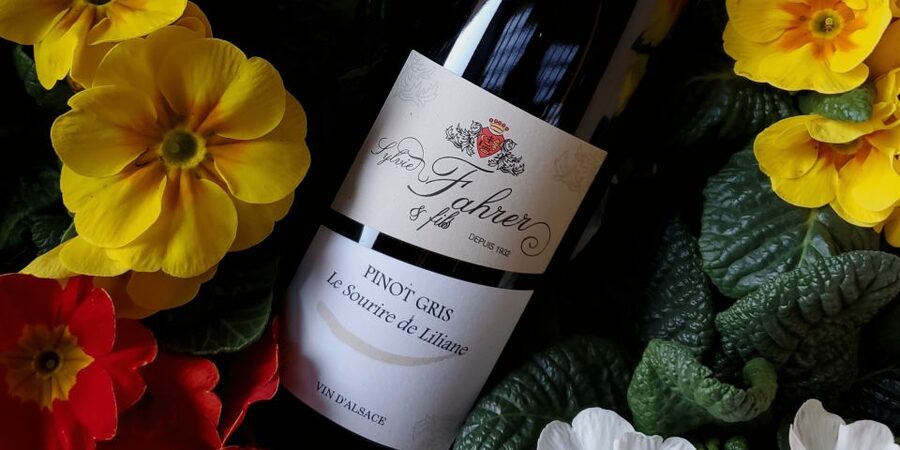
You meet at the entrance to Domaine Sylvie Fahrer et Fils, a family winery in France’s Grand Est region. The setting is useful for visitors staying in Alsace villages because you do not need a car if the bus schedule works for your route. Buses arrive from Sélestat and Colmar, and you can ask the winery for current transport information before booking.
The tour lasts about 90 minutes. That is long enough to explain the working parts of the winery without turning the visit into an all-day commitment. I would place it neatly between a morning in Colmar and an afternoon in another Alsatian village.
The winery has reached its fourth generation, and the introduction begins with how the family business started and changed over time. That family thread gives the technical parts a human frame. You are not just hearing a list of wine terms. You are following the development of one working producer.
The tour is in English, with a live guide. Margaux is one of the guides singled out for clear explanations and entertaining anecdotes, so you can expect a friendly, conversational tone rather than a formal lecture. Guide quality can vary from one departure to another, but the available feedback points to a warm and capable welcome.
More Wine Tastings in France
- Bordeaux: Cité du Vin Entry Ticket and Wine Tasting
★ 4.6 · 3,885 reviews - Montmartre Hill French Gourmet Food and Wine Tasting Walking Tour
★ 5.0 · 2,588 reviews - From Paris: Loire Valley Castles Day Trip With Wine Tasting
★ 4.6 · 1,727 reviews
From cellar to underground tanks
The guided walk takes you through the cellar and the underground tanks. This is the most useful part for anyone who drinks Alsace wine but has never seen how it is made.
You learn about fermentation, maceration, and aging. These words can sound technical on a wine list, but seeing the working areas helps connect them to what eventually reaches your glass. The guide welcomes questions, so this is a good place to ask about the difference between a dry and sweet wine, how red and white wines are handled, or what gives sparkling crémant its character.
The tour follows the stages of production rather than rushing straight to the tasting room. That order matters. Once you understand how the wine is made, the tasting becomes more than a pleasant series of sips. You have a reason to compare the wines and notice how the process affects the result.
The underground tanks also add a sense of place that a shop tasting cannot provide. You see a winery as a working business, not just a retail counter with bottles arranged for display. Still, keep the physical side in mind. The tour involves stairs, so it will not suit wheelchair users, and anyone who finds steps difficult should ask about the route before reserving.
Choosing the right 90-minute format
You have three options, and the best choice depends on how much structure you want around the tasting.
Classic guided tour and unlimited Alsace tasting
The standard option costs 12 euros per person in the supplied details, roughly $14. It includes the guided winery tour and a tasting with no limit on the wines you sample during the session.
This is the best pick if you want to learn by comparison. You can move from dry to sweet, white to red, and still try the winery’s crémant d’Alsace. You do not have to guess which style suits you after one small glass. You can taste broadly and work out your own preferences.
The unlimited format offers particularly good value for curious drinkers. At a typical wine bar, several individual pours can cost more than this, while here the tasting is linked to a tour of the production areas. Of course, unlimited does not mean you should hurry through every bottle. Taste slowly, take notes if useful, and remember that the point is to understand your palate.
This option also suits mixed groups. A serious wine drinker can ask detailed questions, while a beginner can focus on simple comparisons. If you are unsure about wine vocabulary, the guide can explain the difference between sweet and dry without making you feel tested.
More Winery Tours in France
- Saint-Émilion: Grand Cru Classé Winery Visit and Tasting
★ 4.6 · 1,118 reviews - Saint Emilion Half-Day Trip with Wine Tasting & Winery Visit from Bordeaux
★ 4.5 · 1,034 reviews - Champagne Day Trip with 6 Tastings, Reims and Winery from Paris
★ 5.0 · 902 reviews - From Reims: Champagne and Family-Run Wineries Tour
★ 4.8 · 671 reviews
Blind tasting and winery visit
The blind tasting costs 15 euros per person. After the tour, you try to identify a white, rosé, and red wine served in a black glass.
This is a clever format for people who enjoy a little game. The black glass removes the visual clue, so you must pay attention to aroma and flavor instead. It can show how much color influences your first impression, and it gives a group something to discuss beyond the usual I like this one.
After the blind portion, you receive a free tasting. The small extra charge over the classic option makes sense if you have already tasted wine in the usual way and want a more active experience.
I would choose this for friends, couples, or families with older children who enjoy guessing games. It may be less suitable if your only aim is to taste as many different wines as possible, since the classic format gives you a wider tasting focus.
Four wines with local food pairings
The food-pairing option costs 22 euros per person. It includes the tour, four wines, and four small appetizers: pâté en croûte, smoked salmon, cheese, and chocolate.
The winery works with local shops and the village bakery, using fresh seasonal products. That makes this more than a plate added for decoration. The food gives you a practical way to see how wine changes with salt, fat, smoke, cheese, and sweetness.
This is the strongest option if you want a light lunch substitute or a more complete tasting. Four wines are enough to create a clear comparison without making the session feel rushed. The pairings also help you decide what to order later at an Alsace restaurant or which bottle might work with a particular meal.
The price is higher, but the difference is easy to explain: you are paying for four food pairings as well as the tour and wine. If you are mainly interested in production methods, the 12 euro option is the better buy. If you want the tasting to carry more weight, the 22 euro choice gives you more substance.
What the wines teach you about Alsace
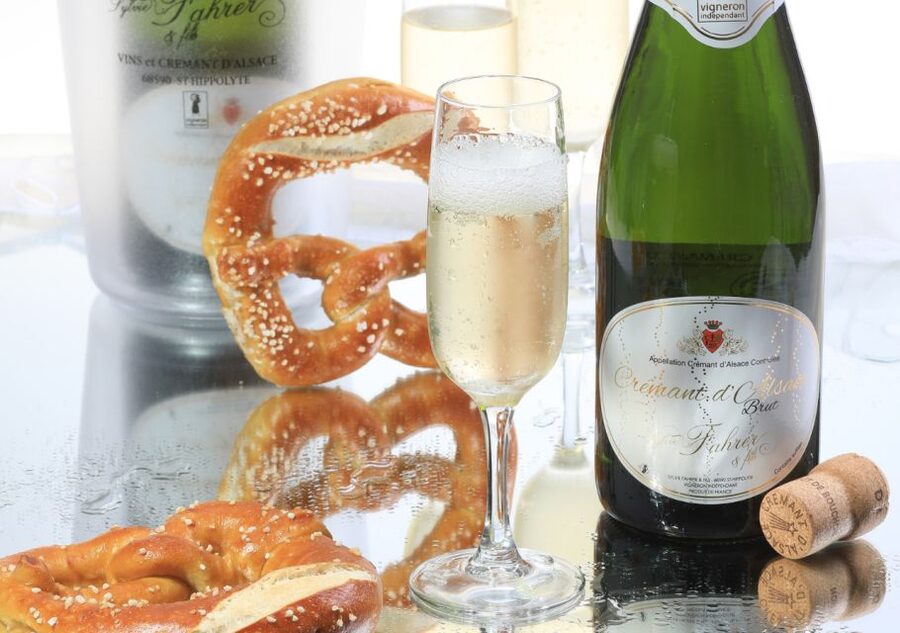
Alsace is well known for white wines, but this tasting does not limit you to one style. The selection can include dry and sweet wines, red and white wines, and crémant d’Alsace.
That range makes the classic option worthwhile. You can test whether you prefer a crisp, dry pour or something with more sweetness. You can also compare the still wines with the sparkling crémant, which changes the pace and texture of the tasting.
The provider does not specify the exact grape varieties or current bottles, so do not arrive expecting a fixed flight. The wines available can change. Instead, use the tasting as a chance to ask what is currently being poured and why each wine fits the category being discussed.
The phrase organic wine is part of the experience description, so visitors looking for organic production can ask the guide for details about the wines and the winery’s methods. I would not assume every bottle or every part of production follows the same certification without checking on site.
A friendly guide makes the technical parts work
Wine tours can lose people when the guide lists fermentation stages without connecting them to the glass. Here, the useful promise is that questions are welcome throughout the visit.
The guide explains fermentation, maceration, and aging, then applies those ideas during the tasting. That creates a natural rhythm: see the equipment, hear what happens inside it, then taste the result.
Margaux has been praised for both explanations and anecdotes. Another guide-led tasting has been described as using prompts to help visitors analyze the wine. That suggests you will not simply be handed a glass and left to invent your own vocabulary. You may be asked to notice aromas, texture, sweetness, or finish in a straightforward way.
The atmosphere can also change with the season. A December visit may take place under a tent decorated for Christmas. That sounds cheerful and informal, but outdoor or tented arrangements can feel different from a polished indoor tasting room. Dress for the weather if your booking information suggests part of the experience is outside.
Getting there from Colmar or Sélestat
You can reach the winery by bus from Sélestat, Colmar, and other villages. This is a real advantage in Alsace, where driving after a wine tasting is a poor plan and village-to-village transport can otherwise take careful planning.
Contact the winery for route information before you go. The supplied details confirm that buses arrive at the winery, but they do not give exact route numbers, departure times, or the walking distance from the stop. Do not rely on an old timetable, particularly on weekends or outside the main season.
Allow enough time to arrive at the entrance before the scheduled start. The tour is only 90 minutes, so arriving late could mean missing the introductory explanation or part of the cellar route.
Children under 18 can attend free of charge, but the free ticket does not include wine or the adult tasting plate. If you want a child to have the food-pairing plate, there is an extra 5 euro charge, and the child’s formula includes four appetizers plus grape juice. This makes the experience workable for families, though the stairs and the wine-focused format may not hold the attention of very young children.
Who gets the best value here
I would recommend the standard tasting to a first-time wine visitor, especially if you want a clear introduction without spending much. The unlimited pours give you room to learn at your own speed, and the tour adds useful context.
The blind option works best for people who want participation rather than a standard tasting. It adds only a small cost and can turn a quiet cellar visit into a social game.
Choose the food pairing if you care about the relationship between wine and regional food. The pâté en croûte, smoked salmon, cheese, and chocolate cover very different flavors, so the plate gives you more to think about than a bowl of generic snacks.
I would be more cautious if you dislike stairs, need step-free access, or want a large estate with sweeping vineyard views. The focus here is the winery, cellar, tanks, family story, and tasting. It is a close-up visit rather than a grand sightseeing stop.
The tour is also a good fit for people who want an English-language activity near Colmar or Sélestat without committing to a full day. The 90-minute length leaves room for another village, a museum, or a meal.
Booking advice and final verdict
Book this experience if you want to understand Alsatian wine through both explanation and comparison. The classic option offers the strongest value at about $14, while the blind tasting and food pairing give you clear reasons to pay a little more.
I would choose the food option for a relaxed couple’s outing, the blind tasting for a group of friends, and the unlimited classic tasting for anyone building basic wine knowledge. Confirm the bus details and prepare for stairs before you reserve.
For a modest price, Domaine Sylvie Fahrer et Fils gives you a family winery story, a working cellar visit, an English guide, and enough tasting range to discover what you actually like. That is a sound choice for an Alsace itinerary, provided you want a focused winery visit rather than a full-day vineyard tour.
FAQ
How long does the winery tour last?
The experience lasts 90 minutes, including the guided winery visit and the selected tasting format.
Where does the tour begin?
Meet at the entrance to Domaine Sylvie Fahrer et Fils in France’s Grand Est region.
Is the tour available in English?
Yes. The experience includes a live English-speaking guide.
Can I reach the winery by public transport?
Yes. Buses from Sélestat, Colmar, and other villages arrive at the winery. Contact the provider for route information and current schedules.
Are children allowed to join?
Yes. Tickets are free for children under 18. The free ticket does not include the adult tasting plate. A child’s extra plate costs 5 euros and includes four appetizers and grape juice.
Is the tour suitable for wheelchair users?
No. The tour involves stairs and is not suitable for wheelchair users.
Newest wine reviews around France
- Saint Emilion Full Day Wine and Bike Tour★ 5.0 · 167 reviews
- Private Bordeaux History Tour with a glass of Bordeaux wine.★ 5.0 · 28 reviews
- Private – Best of Bordeaux Walking Tour + Glass of Bordeaux Wine★ 5.0 · 240 reviews
- Medoc Afternoon Wine Tour – 2 Wineries, tastings & delicacies★ 4.5 · 74 reviews
- Luxurious full day Bordeaux wine tour in a Tesla★ 4.5 · 31 reviews
- Bordeaux wines tasting workshop including Food & Wine pairings★ 5.0 · 31 reviews
- Wine Masterclass & Cheese Tasting Workshop in Bordeaux★ 5.0 · 29 reviews
- Discovery of the Bordeaux vineyard in 3 wines★ 5.0 · 133 reviews
Winery Tours, compared.
Tuscany Day Trip from Florence: Siena, San Gimignano, Pisa and Lunch at a Winery
Read our review →
Douro Valley with Winery Lunch, Tastings & Cruise
Read our review →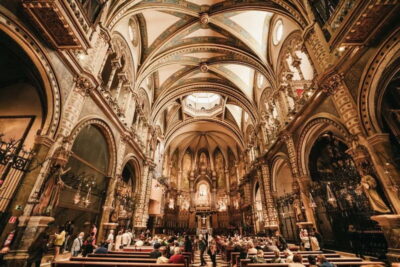
Montserrat, Cogwheel, Black Madonna & Winery Tour
Read our review →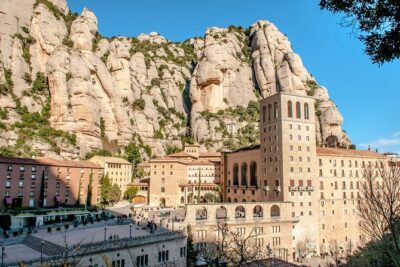
Montserrat with Black Madonna & Medieval Winery with Tapas/Lunch
Read our review →
Wine Tour: Paarl, Franschhoek & Stellenbosch incl 3 wineries
Read our review →
Douro Valley Tour: 2 Vineyard Visits, River Cruise, Winery Lunch
Read our review →
5-Hour Traverse City Wine Tour: 4 Wineries on Old Mission Peninsula
Read our review →Lists this tasting appears in